
A Tsukiji tonkatsu address selected for Tabelog’s Tonkatsu 100 in 2024 and 2026, with a compact 28-seat room split between counter and tables. The appeal is the ritual as much as the cutlet: lunch is tighter and non-reservable, dinner broadens into table service with dashi shabu-shabu available from 5pm.
Pearl is the En Primeur Club membership app — saves, bookings, and concierge access live there. Same editors, same standards.
- Address
- Japan, 〒104-0045 Tokyo, Chuo City, Tsukiji, 1 Chome−13−11 高橋ビル 1F
- Phone
- +81 3-6281-5129
- Website
- tonkatsu-hasegawa.com
 Saves & bookings on Pearl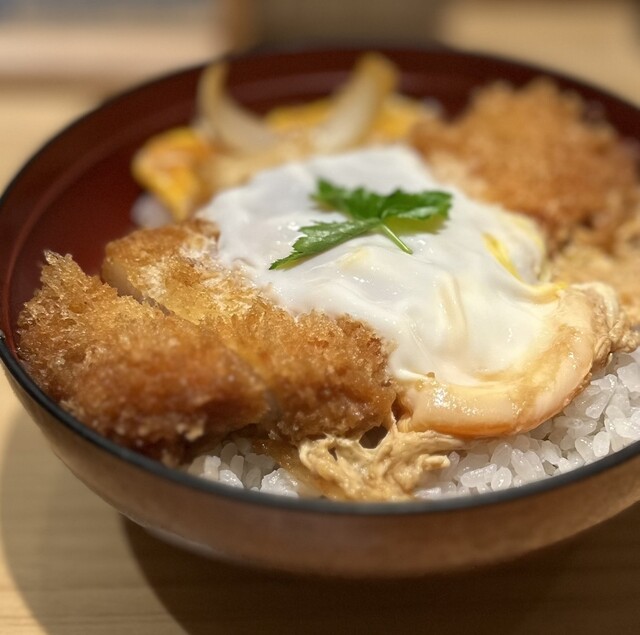
Tsukiji changes register quickly: market memory, office lunch traffic, Ginza polish and the steady rhythm of small restaurants built for repetition rather than spectacle. Tonkatsu fits that district logic neatly. It is a meal of sequence and restraint: order, wait, cutlet, cabbage, rice, miso, sauce, mustard, pause. Tonkatsu Hasegawa Higashi ginza ten belongs to the serious everyday tier of that ritual, not the hushed luxury counter tier that defines sushi a few blocks west.
Tokyo’s tonkatsu culture is often misunderstood by visitors who treat it as simple fried pork. The better reading is technical: pork selection, breading, oil control, resting time and serving temperature all matter, but the room rarely performs that craft with grand language. This branch’s inclusion in Tabelog’s Tonkatsu 100 in both 2024 and 2026 places it inside a crowded city category where diners separate routine lunch counters from addresses worth crossing neighbourhood lines for. A Tabelog score of 3.68 adds another useful signal in a genre where local repeat custom carries weight.
Tsukiji tonkatsu, read as a meal with rules
The tonkatsu ritual rewards diners who do less. The plate is typically structured around contrast: crisp coating against rice, shredded cabbage as reset, sauce and mustard used in small increments rather than poured over the whole cutlet. In Tokyo, that discipline separates the meal from Western-style cutlet culture. The point is not abundance for its own sake; it is the management of richness across a compact lunch or a slightly slower dinner.
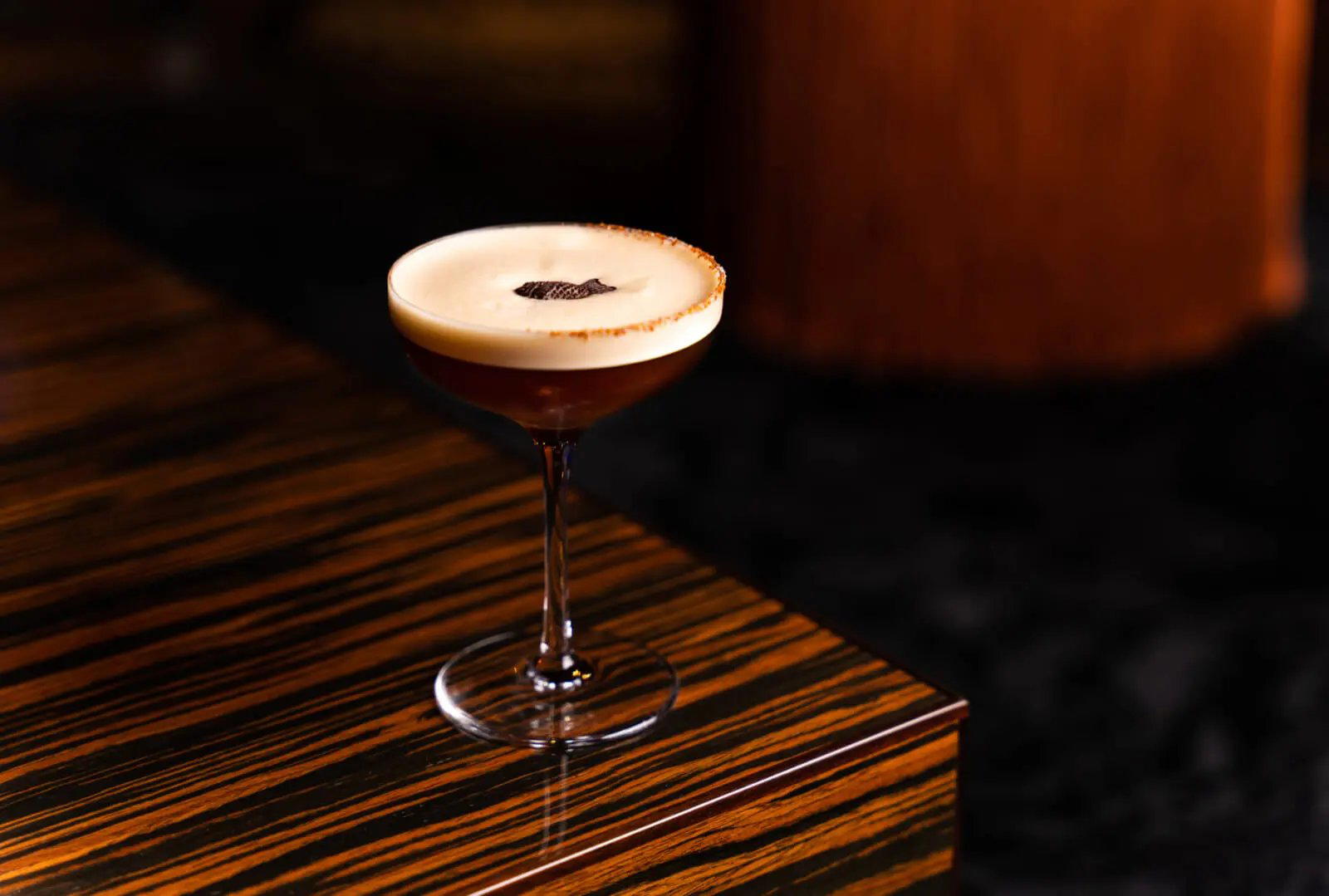
Tonkatsu Hasegawa Higashi ginza ten operates in that practical middle ground. The listed category is tonkatsu (pork cutlet), with sake, shochu and wine available, so the format can work as a focused lunch or a casual evening meal rather than a fixed-course destination. Dinner also carries a separate signal: dashi shabu-shabu is available from 5pm, served at tables, not counter seats. That matters because it shifts the evening rhythm away from the solitary cutlet set toward a more social table format.
Compared with nearby higher-ceremony Japanese dining, the price band keeps the decision grounded. Soba Kaiseki Tsukiji Bunkajin Kaza operates at a higher dinner range, while Tempura Nakagawa and Sushi Iwa sit in more specialised traditions where counter theatre and ingredient sequencing shape the evening. Tonkatsu here is less formal, but not less codified. Its value is in the narrowness of the proposition: a familiar dish treated seriously enough to earn repeat recognition in its own category.
A compact room between counter habit and table pacing
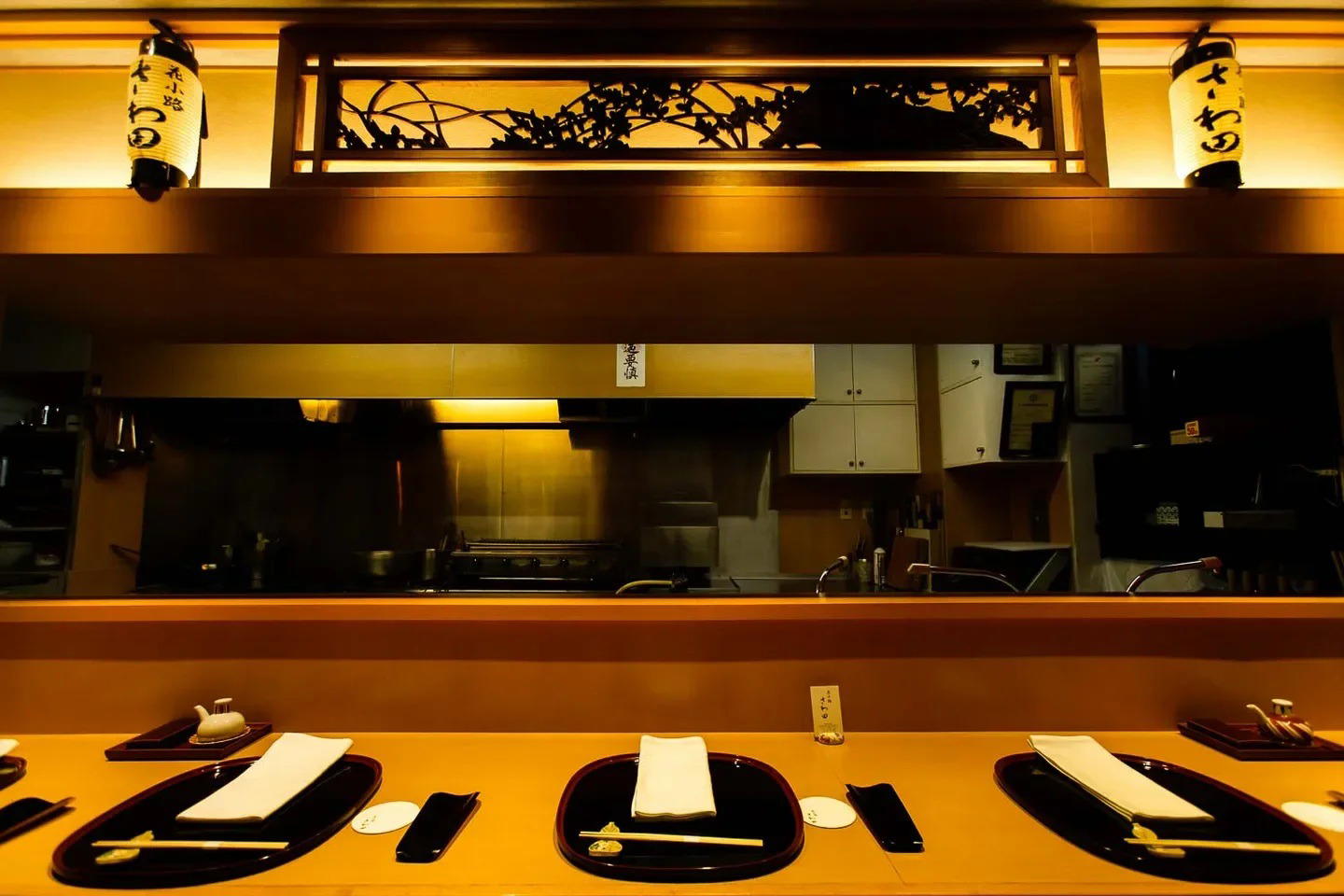
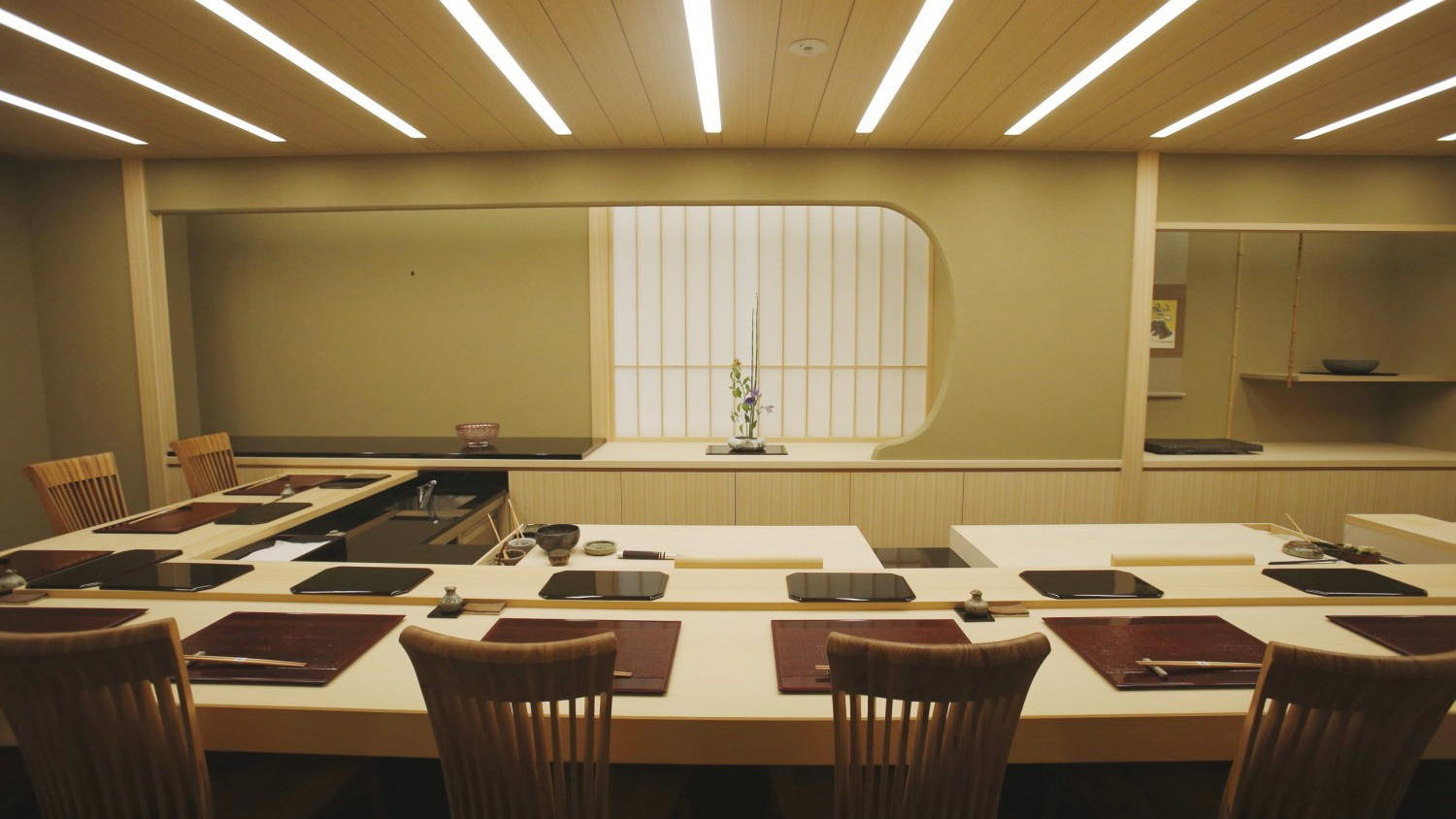
The room is small enough for pacing to matter: 28 seats, including eight counter seats and four tables of four. That split tells the reader how to use the restaurant. Counter seating suits the quick, focused tonkatsu meal; tables make more sense for groups, children or the dinner-only shabu-shabu option. A semi-private room for eight gives the address a wider use case than many single-purpose cutlet shops, without turning it into a banquet restaurant.
The reservation pattern also reflects Tokyo dining behaviour. Reservations are available, but not during the 11:30 to 14:30 lunch window, which keeps the midday service closer to a queue-and-turnover model. Dinner is the smarter play for diners who prefer a planned meal, especially with a group. The restaurant is non-smoking, welcomes children, offers take-out and does not provide parking, details that make it more useful for travellers staying around Ginza, Tsukiji or Higashi-Ginza than for anyone trying to build a car-based itinerary.
Location is part of the appeal. The address sits in Chuo-ku’s Tsukiji area, with Tsukiji Station and Higashi-Ginza Station both close enough for the meal to slot into a day of markets, theatre, galleries or Ginza shopping. That geography gives the restaurant a different role from destinations in quieter residential food districts: it works as a precision stop in the middle of central Tokyo rather than an evening built around a long detour.
How it fits into a Tokyo eating day
Tokyo rewards category thinking. A traveller does not need every meal to be omakase, kaiseki or a tasting menu. In fact, the city makes more sense when a day includes one tightly defined meal like tonkatsu, one casual specialist, and one more formal booking. This is where the address earns its place: it offers a clear Japanese dining ritual in a central district, with enough recognition to justify prioritising it over anonymous cutlet shops.
For a broader Tokyo plan, the better strategy is to map meals by format rather than by neighbourhood alone. A tonkatsu lunch in Tsukiji pairs naturally with seafood-focused casual dining such as . 鮪と炭火焼き うお炭 秋葉原店, yakitori at 124. KAGURAZAKA (Yakitori), curry at 3 Chome no Curry Ya San, or a lighter café stop at 2D Cafe. Shinjuku adds another urban register through 12/10 Shinjuku ten. For the full city view, use Our full Tokyo restaurants guide, with adjacent planning in Our full Tokyo hotels guide, Our full Tokyo bars guide, Our full Tokyo wineries guide and Our full Tokyo experiences guide.
Outside Tokyo, the same format-led approach helps distinguish regional dining choices from generic itinerary padding. Compare the central-city precision here with -Grilled beef Sukiyaki- KAMAKURA TANUKIAN 鎌倉 たぬき庵 in Kamakura.cafe in Osaka.know in Kumamoto, (Shoku) Vietnam in Kawasaki, [Curry Senmon Ten] Maruyama Kyoju. in Sapporo and [ki:] in Kyoto. For Japanese food culture abroad, Jōdo Saké Bar in Los Angeles and Onigiri Time in Pasadena show how single-dish discipline travels, changes and becomes legible in another city.
The editorial verdict is simple: this is the kind of Tokyo meal that sharpens an itinerary because it refuses excess. The recognition is category-specific, the room is compact, the pricing stays in everyday-special territory, and the ritual is clear. For travellers who want a serious Japanese meal without surrendering half a day to ceremony, Tsukiji tonkatsu is a smart move.
Category Peers
Comparable venues at the same tier.
| Venue | Cuisine | Price | Notes |
|---|---|---|---|
| Tonkatsu Hasegawa Higashi ginza tenThis venue — the venue you are viewing | Tonkatsu | $$ | Not listed |
| Azabu Shokudo (麻布食堂) | Yoshoku Omurice | $$ | Nishiazabu |
| Hirugao (ひるがお) | Shio Ramen Specialist | $$ | Marunouchi |
| Shio Ramen Shinka | Traditional Shio Ramen | $$ | Machida |
| Takeno | Traditional Tsukiji seafood shokudo / izakaya | $$ | Chūō |
| Kusa Makura | Japanese Kissaten / Coffee Shop | $$ | Minato |
Recognition history
Dated appearances from independent guides and award organizations, with the underlying list record or original source where available.
Tabelog 100 #81 · No. 81
Tabelog · Tabelog 100 - Tonkatsu - 2026





At a Glance
- Classic
- Cozy
- Casual Hangout
- Group Dining
- Family
- Solo
- Standalone
- Beer Program
- Local Sourcing
Current opening hours
- Monday
- 11:30 AM–2:30 PM, 5–10 PM
- Tuesday
- 11:30 AM–2:30 PM, 5–10 PM
- Wednesday
- 11:30 AM–2:30 PM, 5–10 PM
- Thursday
- 11:30 AM–2:30 PM, 5–10 PM
- Friday
- 11:30 AM–2:30 PM, 5–10 PM
- Saturday
- 11:30 AM–2:30 PM, 5–10 PM
- Sunday
- 11:30 AM–2:30 PM, 5–10 PM
Hours can change for holidays and private events. Last verified .
A compact, traditional tonkatsu specialist with a local, understated feel focused on the food rather than spectacle.