
Tonkatsu Aoki Kamata honten belongs to Tokyo’s serious tonkatsu circuit: a small counter in Ota with repeat Tabelog 100 recognition and a reputation built on format discipline rather than ceremony. The appeal is not luxury theater; it is the city’s cutlet culture compressed into a tight, specialist room where pork, frying technique, rice, cabbage, sauce, salt, and timing do the work.
Pearl is the En Primeur Club membership app — saves, bookings, and concierge access live there. Same editors, same standards.
- Address
- 5 Chome-43-7 Kamata, Ota City, Tokyo 144-0052, Japan
- Phone
- +81 3-3739-4231
- Website
- tonkatsu-aoki.com
 Saves & bookings on Pearl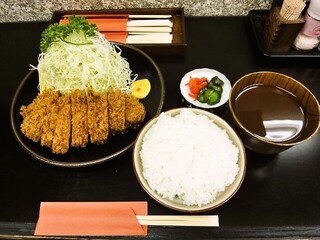
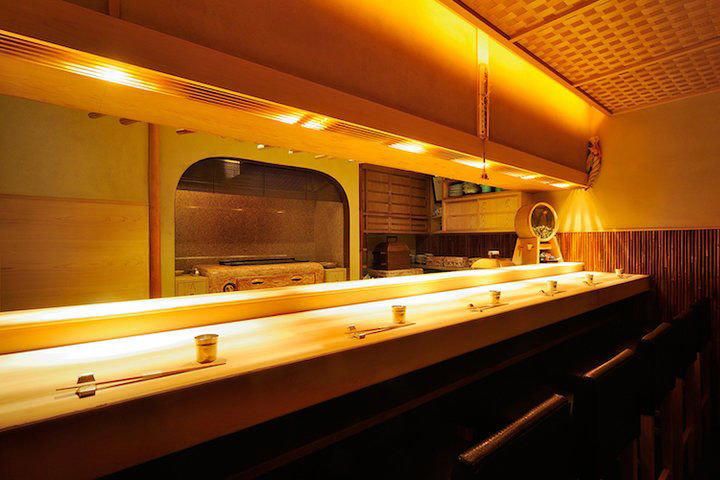
Kamata does not perform for visitors in the way Ginza or Aoyama often does. The pleasure here is more functional: station-side eating, narrow rooms, patient queues, and specialists that win loyalty through repetition. Tonkatsu Aoki Kamata honten fits that Tokyo grammar precisely. The room is counter-only, the category is tonkatsu, and the reputation comes from sustained recognition in Tabelog’s Tonkatsu 100 selections, including 2026, 2024, 2022, 2021, 2019, 2018, and 2017. In a city where fried pork cutlet can be lunch fuel or a serious craft, this is the latter without the inflated ceremony of luxury dining.
Kamata's serious tonkatsu sits outside the usual luxury corridor
Tokyo’s high-end dining conversation often defaults to sushi counters, kappo rooms, and French-Japanese tasting menus, but tonkatsu has its own hierarchy. The differences are not cosmetic. They sit in pork sourcing, oil management, breading texture, cut thickness, resting time, and how the plate is calibrated around rice, cabbage, miso soup, pickles, sauce, mustard, and salt. A Tabelog 100 tonkatsu selection matters because the category is crowded, technically narrow, and judged by repeat diners who know when frying turns heavy or when a cutlet loses its center of gravity.
That is why Tonkatsu Aoki Kamata honten reads as a destination within a local dining district rather than a prestige restaurant transplanted into one. Kamata’s appeal is its density of everyday specialists. Nearby comparison venues point to that breadth: Tonkatsu Aoki no Curry Ya Ippekoppe Kamata honten keeps the Aoki name in a lower-priced curry-and-cutlet lane, while Grill Suzukou and CIVITAS sit in different casual categories that reinforce Kamata’s practical, meal-first character. Ocha to Okashi Mayanchi and Tori Ki Kamata ten add further evidence of a neighbourhood where specialist formats matter more than decorative dining rooms.
The target audience is therefore specific. This is for diners who care about tonkatsu as a craft category, not as a novelty between omakase bookings. The setting rewards solo diners and pairs more naturally than large groups, and the counter format keeps attention on the fryer and the plate rather than on the choreography of a long menu. That restraint is part of the value proposition: Tokyo still has serious food experiences where the bill is anchored in the dish, not in architectural drama.
Recognition here is about consistency, not spectacle
The Tabelog 100 signal is useful because it places the shop inside a category-specific peer group rather than a generic restaurant ranking. Tonkatsu is a narrow field, and small variations show quickly: the coating must protect without turning oily, the pork must keep juiciness under heat, and the condiments must sharpen the dish without masking it. The counter carries seven types of salt, a detail that says something about the intended rhythm of eating. Sauce is not the only path; seasoning becomes a way to test the cutlet across bites.
Kitchen’s use of Hayashi SPF pork gives the reputation a concrete anchor. SPF pork in Japan is prized for controlled breeding and hygiene standards, and in tonkatsu it matters because the dish is unforgiving. A leaner or poorly handled cut can become dry; a fattier one can feel blunt if the frying is not disciplined. The house reputation rests on translating that ingredient into a repeatable counter meal rather than turning it into a chef-led narrative. That distinction is important. Tokyo has enough restaurants built around personality. Tonkatsu culture is more severe: the plate either lands or it does not.
Price also shapes the critical reading. Tonkatsu Aoki Kamata honten operates in a range that keeps it closer to specialist everyday dining than to destination fine dining. That does not make it casual in standards. It makes the achievement more interesting: recognition in a technical category while staying within a format that regular diners can understand immediately. In Tokyo, that combination often produces stronger loyalty than elaborate menus because the benchmark is clear. Diners return for the same category, the same constraints, and the expectation that the result will hold.
How to read the experience before going
The practical reality is compact. Reservations are unavailable, the room has 10 counter seats, and queue etiquette matters because the restaurant sits within a residential building context. Groups work poorly here; this is a counter meal, not a social table. Take-out fried food is handled only during off-peak periods with orders placed at the shop, and the lunch-only loin set has weekday restrictions. Payment is also part of the old-school frame: credit cards and electronic money are not accepted, while PayPay is listed. These are not inconveniences so much as signals of the format. The operation is built around throughput, focus, and a small number of seats.
For travellers, the more useful comparison is not with Tokyo’s luxury restaurants but with its broader specialist ecology. A serious tonkatsu counter can be planned alongside other sharply defined meals across the city: . 鮪と炭火焼き うお炭 秋葉原店 for tuna and charcoal cooking, 12/10 Shinjuku ten for a different Shinjuku register, 124. KAGURAZAKA (Yakitori) for skewers, 2D Cafe for visual café culture, and 3 Chome no Curry Ya San for another Tokyo comfort-food lane. The broader city map sits in Our full Tokyo restaurants guide, with parallel planning in Our full Tokyo hotels guide, Our full Tokyo bars guide, Our full Tokyo wineries guide, and Our full Tokyo experiences guide.
The same lens works beyond Tokyo. Japan’s specialist dining culture is easier to understand when compared across regions, from -Grilled beef Sukiyaki- KAMAKURA TANUKIAN 鎌倉 たぬき庵 in Kamakura and.cafe in Osaka to.know in Kumamoto, (Shoku) Vietnam in Kawasaki, [Curry Senmon Ten] Maruyama Kyoju. in Sapporo, and [ki:] in Kyoto. Even outside Japan, focused Japanese formats such as Jōdo Saké Bar in Los Angeles and Onigiri Time in Pasadena show why single-category discipline travels well. Kamata’s counter, however, belongs to Tokyo’s native version of that idea: narrow format, public reputation, tight room, and a plate that has to justify the queue every service.
Cuisine Lens
Comparable venues to calibrate price, style, and recognition.
| Venue | Cuisine | Price | Notes |
|---|---|---|---|
| Tonkatsu Aoki Kamata hontenThis venue — the venue you are viewing | Tonkatsu (Japanese pork cutlet) | $$ | Not listed |
| Hana Goori Kakigori | Japanese Kakigori (Shaved Ice) | $$ | Roppongi |
| Hirugao (ひるがお) | Shio Ramen Specialist | $$ | Marunouchi |
| Kinozen | Traditional Japanese Sweets | $$ | Kagurazaka |
| 鮨・四季創作 心陽 (こはる) | Fresh Sushi & Seafood Bowls | $$ | Harajuku / Kita-Sando |
| 甚六 | Shinjuku Private Room Izakaya | Not listed | Shibuya |
Recognition history
Dated appearances from independent guides and award organizations, with the underlying list record or original source where available.
Tabelog 100 #84 · No. 84
Tabelog · Tabelog 100 - Tonkatsu - 2026











At a Glance
- Lively
- Classic
- Cozy
- Solo
- Family
- Casual Hangout
- After Work
- Group Dining
- Standalone
- Local Sourcing
Current opening hours
- Monday
- 11 AM–3 PM, 5–8 PM
- Tuesday
- 11 AM–3 PM, 5–8 PM
- Wednesday
- 11 AM–3 PM, 5–8 PM
- Thursday
- 11 AM–3 PM, 5–8 PM
- Friday
- 11 AM–3 PM, 5–8 PM
- Saturday
- 11 AM–3 PM, 5–8 PM
- Sunday
- 11 AM–3 PM, 5–8 PM
Hours can change for holidays and private events. Last verified .
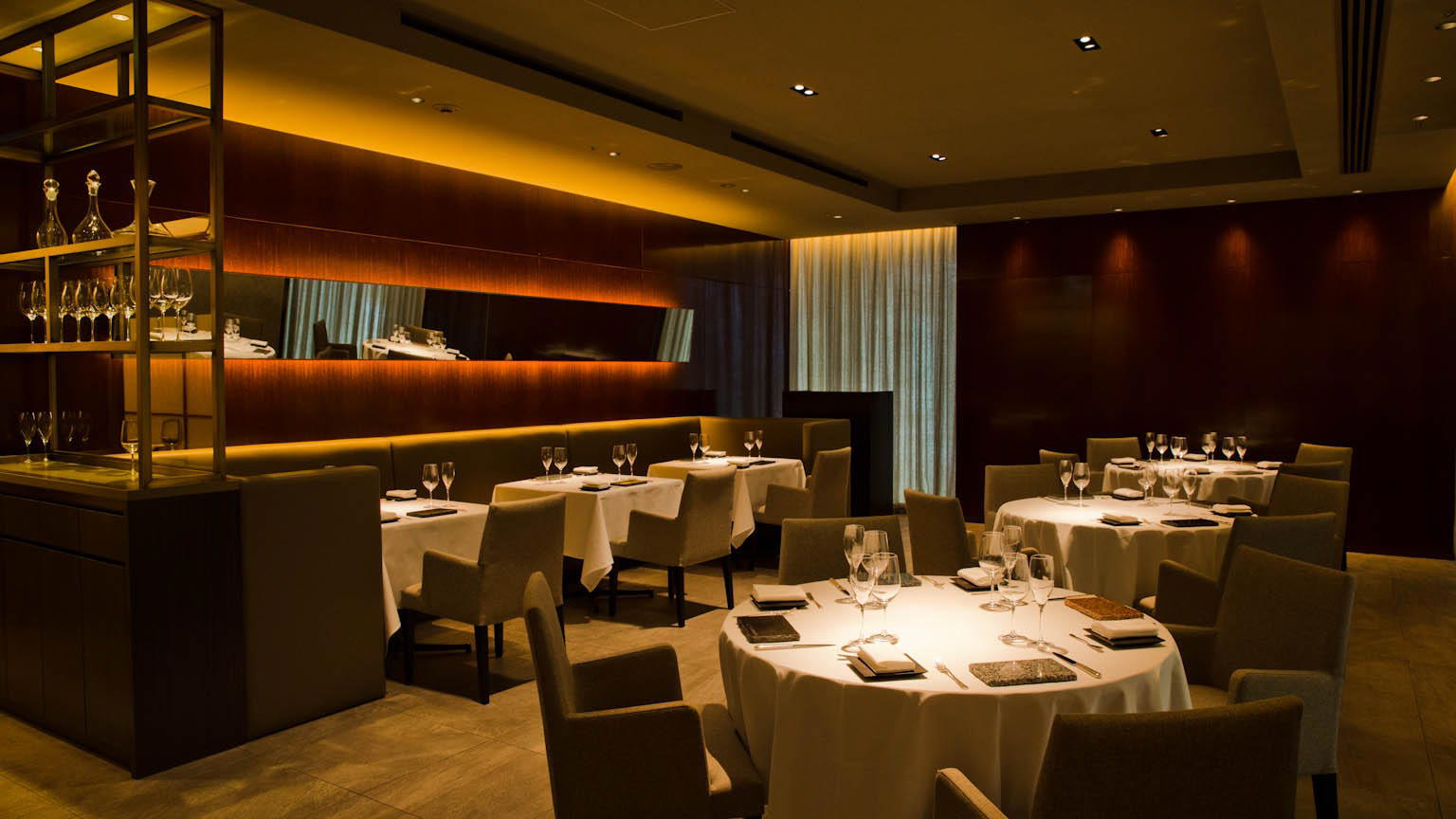
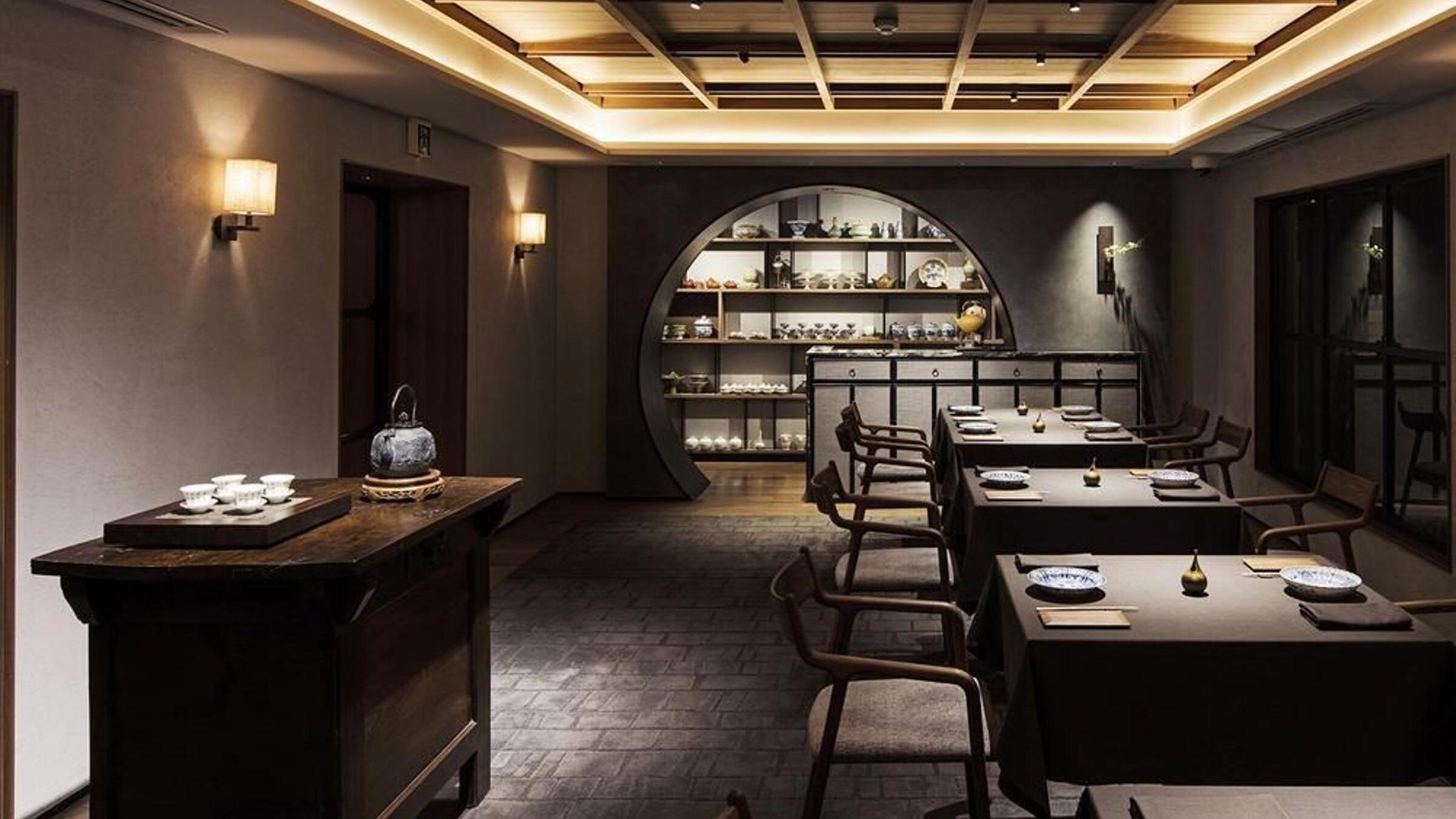
Busy, no-frills neighborhood tonkatsu shop with counter seating only; the focus is on the food rather than decor, creating an energetic yet cozy feel typical of a popular Tokyo casual eatery.