
A takeaway-only bread and sandwich counter under the Sannomiya tracks, Tommy's Sannomiya ten sits in Kobe's everyday bakery culture rather than its formal dining circuit. Its Tabelog Bread WEST 100 selections in 2020 and 2022 give it a reputation signal that matters in a city where station-adjacent food can be both functional and carefully judged.
Pearl is the En Primeur Club membership app — saves, bookings, and concierge access live there. Same editors, same standards.
- Address
- Japan, 〒650-0012 Hyogo, Kobe, Chuo Ward, Kitanagasadori, 1 Chome−31 高架下35
- Phone
- +81 78-333-8820
- Website
- tommys-kobe.com
 Saves & bookings on Pearl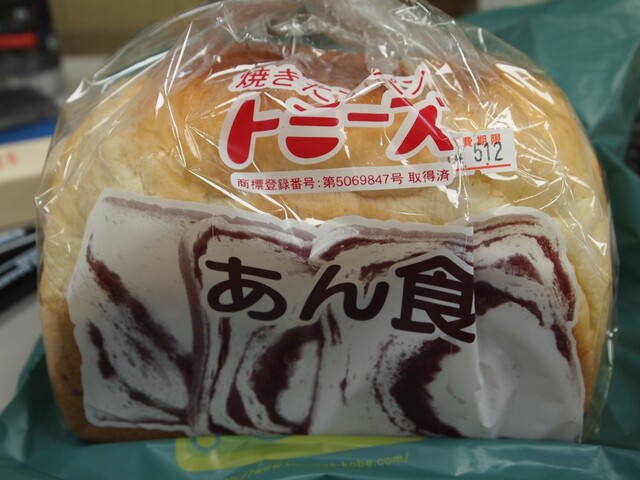
The approach is pure Sannomiya: rail infrastructure overhead, commuters cutting through Chuo Ward, and small food counters doing brisk business in the spaces that make Japanese station districts feel less like transit zones than daily markets. Bread in Kobe has a particular weight because the city has long absorbed foreign baking habits through its port history, then folded them into Japanese routines of breakfast, office snacks, and take-home gifts. In that context, Tommy's Sannomiya ten belongs to the practical end of the spectrum: a takeaway bread and sandwich stop, not a linger-over-coffee bakery salon.
Recognition matters here because bread shops rarely get the same international shorthand as sushi counters or kaiseki rooms. A place selected for Tabelog Bread WEST 100 in both 2020 and 2022 has passed through a domestic critical filter that Japanese diners understand immediately. That does not make the counter ceremonial; it makes it more useful. Kobe has plenty of polished dining rooms, from beef specialists such as Aburi Niku Kobo Wakkoku Shinkobe ten and Aburi Niku Kobo Wakkoqu Kitano Sakamoto Ten to cafe institutions such as Akaneya Coffee Ten. This address plays a different role: quick, inexpensive, and tied to the rhythm of the station.
Why a station bakery carries critical weight in Kobe
Kobe's bread culture is not a side note. The city’s port-era openness helped normalize Western-style baking earlier than in many inland Japanese cities, and the result is a local appetite for bakeries that range from neighborhood counters to department-store pastry cases. The better examples are judged less by spectacle than by reliability, turnover, and how well they fit into ordinary movement through the city. That is why an under-the-tracks location can carry as much local meaning as a dining room with linen.
Tommy's Sannomiya ten is categorized around bread and sandwiches, and the format is takeaway only. Those two details place it closer to daily provisioning than destination dining. The price band, listed below JPY 999, reinforces the point: this is a low-friction stop in a city where many notable meals sit in higher brackets. For comparison, Sannomiya casual dining can quickly move into the JPY 1,000 to JPY 3,999 range at places such as Gyoza no Mise Hyotan Sannomiya ten, European Ryori Mon, or Stand Classic, while SAVOY occupies a similarly inexpensive bracket. The distinction is not that cheaper means lesser; it is that the bakery category rewards speed, repetition, and consistency in a way formal restaurants do not.
The Tabelog Bread WEST 100 selections give the counter its main trust signal. Tabelog’s Hyakumeiten lists are built around category and region, so a Bread WEST selection situates a shop within western Japan’s competitive bakery field rather than inside Kobe alone. For a traveler, that is the useful reading: not a grand dining claim, but a strong domestic reputation marker for a modest format.
The appeal is format discipline, not ceremony
Japan’s better station food often works because it refuses to confuse convenience with compromise. A takeaway-only bakery has to be legible fast: customers decide quickly, pay quickly, and keep moving. There is no table service to soften a weak selection and no room design to stretch the experience. The counter’s value sits in the product category and the turnover around it.
That matters in Sannomiya, where the neighborhood functions as Kobe’s transportation and commercial hinge. The area connects shopping streets, railway lines, office traffic, and nightlife within a compact grid. A bakery beneath or beside that movement serves a different need from a lunch counter in Kitano or a beef restaurant near Shin-Kobe. It gives the city a portable food grammar: bread for the train, sandwiches for a workday, something to carry back to a hotel room before the next reservation.
For readers mapping a wider Kobe itinerary, the contrast is useful. Akari and Ali's Halal Kitchen point toward other everyday registers in the city, while our full Kobe restaurants guide tracks the broader dining field. Separate planning rails for Kobe hotels, Kobe bars, Kobe wineries, and Kobe experiences help keep this kind of stop in proportion: it is a smart daytime insert, not the anchor meal of a trip.
How to read it against Japan's casual food tier
Japan’s inexpensive food culture is often where outside visitors misread value. Low price does not automatically mean generic, and critical recognition does not always arrive with tasting menus, named chefs, or formal reservations. A bread counter selected in a regional category list can be more revealing than another expensive dinner because it shows how local taste is judged in daily life.
That reading extends beyond Kobe. Casual specialists across Japan often build their reputation through narrow categories rather than broad menus: curry in Sapporo, Vietnamese cooking in Kawasaki, small cafes in Osaka, or sake-led counters abroad. For a wider frame, compare how category focus appears at [Curry Senmon Ten] Maruyama Kyoju. in Sapporo, (Shoku) Vietnam in Kawasaki.cafe in Osaka.know in Kumamoto, -Grilled beef Sukiyaki- KAMAKURA TANUKIAN 鎌倉 たぬき庵 in Kamakura. 鮪と炭火焼き うお炭 秋葉原店 in Tokyo, Jōdo Saké Bar in Los Angeles, and Onigiri Time in Pasadena. The common thread is specialization: a narrow promise, a clear use case, and a reputation earned inside that lane.
The editorial case for Tommy's Sannomiya ten is therefore not romance. It is evidence of how Kobe’s food culture works at street level. The address is inexpensive, station-adjacent, takeaway-only, and recognized in a western Japan bread category. For a city often reduced to beef and harbor views, that combination gives a sharper reading of daily taste.
Cost and Credentials
Comparable venues to calibrate price, style, and recognition.
| Venue | Cuisine | Price | Notes |
|---|---|---|---|
| Tommy's Sannomiya tenThis venue — the venue you are viewing | Chūō, Japanese bakery & sandwich counter | $ | Not listed |
| SAVOY | Chūō, Japanese Curry | $ | Not listed |
| Tommy's Sannomiya higashi ten | Chūō, Japanese Bakery & Café | $ | Not listed |
| Yoshoku Masuda | Not listed | $ | Chūō, Traditional yoshoku (Japanese-style Western) |
| ENISHI | Nada, Tantanmen ramen specialist | $ | Not listed |
| Gyoza Senmon Ten Akaman Motomachi ten | Chūō, Traditional Kobe gyoza specialist | $ | Not listed |
Recognition history
Dated appearances from independent guides and award organizations, with the underlying list record or original source where available.
Tabelog 100 #9 · No. 9
Tabelog · Tabelog 100 - Bread - WEST - 2022
Continue exploring
More in Kobe
Restaurants in Kobe
Browse all →
Bars in Kobe
Browse all →




Hotels in Kobe
Browse all →


At a Glance
- Casual
- Cozy
- Solo
- Family
- Casual Hangout
- Standalone
- Local Sourcing
- Street Scene
Current opening hours
- Monday
- 8 AM–8 PM
- Tuesday
- 8 AM–8 PM
- Wednesday
- 8 AM–8 PM
- Thursday
- 8 AM–8 PM
- Friday
- 8 AM–8 PM
- Saturday
- 8 AM–8 PM
- Sunday
- 8 AM–8 PM
Hours can change for holidays and private events. Last verified .
Simple counter-style bakery under the tracks with a casual, everyday feel, bright daytime light and a steady flow of commuters grabbing quick bites and takeout bread.