
Tabelog 100 #31
Our verdict
Bishu Bikou Hamai belongs to Hiroshima’s serious izakaya tier: seafood-led, sake-minded, and selected for Tabelog 100 Izakaya WEST 2025. Its appeal is not a grand tasting-menu performance but the disciplined middle ground between tavern ease and ingredient-focused cooking, a useful counterpoint to the city’s better-known okonomiyaki circuit.

Pearl is the En Primeur Club membership app — saves, bookings, and concierge access live there. Same editors, same standards.
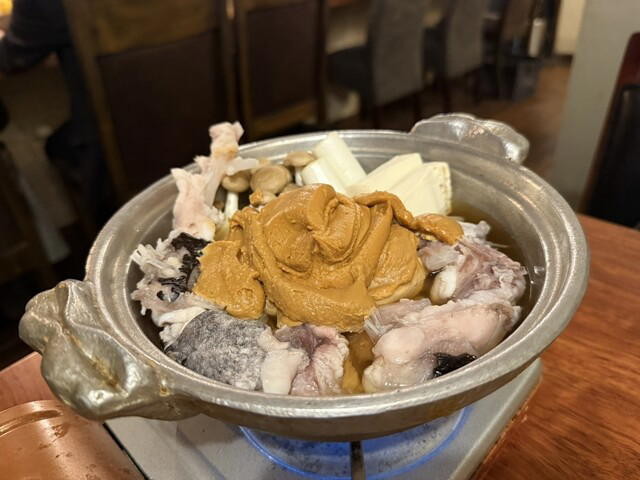
Nagarekawacho after dark is built for appetite, not ceremony: compact buildings, late entrances, and a drinking-district rhythm for diners who know how Hiroshima eats once sightseeing ends. Here, the serious izakaya is not a fallback. It is where fish, sake, counter seating, and small-room pacing become the city’s adult register, especially after visitors have paid their respects to okonomiyaki.
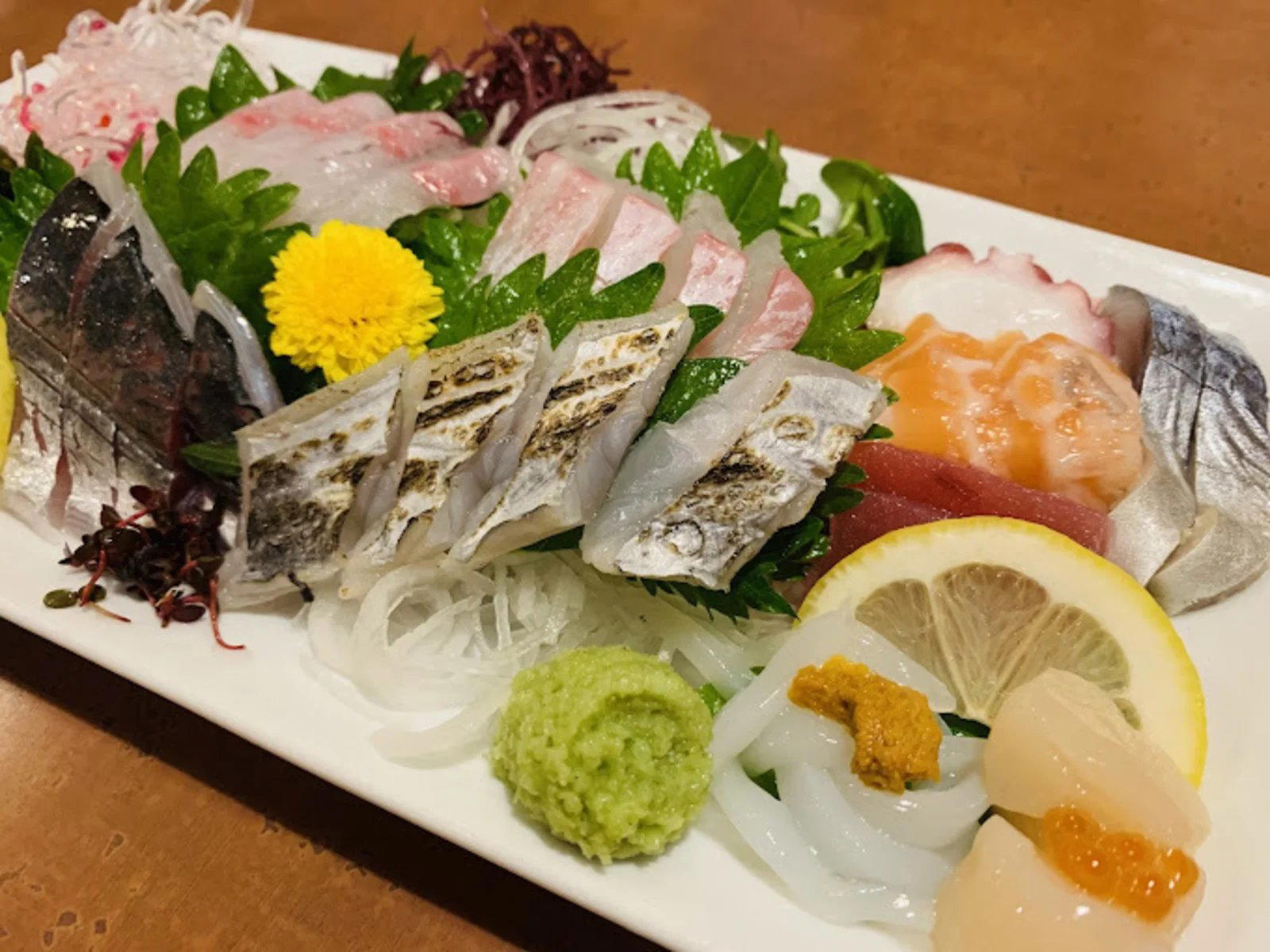
Bishu Bikou Hamai sits firmly in that register. Its Tabelog 100 Izakaya WEST 2025 recognition places it among a selected group of western Japan izakaya, but the category is the clearer signal: izakaya here means seafood-and-sake house, not broad tavern. Hiroshima dining is often reduced to griddles and oysters; the better reading is wider. The Seto Inland Sea gives fish-focused rooms a logic that needs no imported luxury language. The interest is sourcing, handling, and what sake does to seafood when a meal moves across counter and tables rather than a formal course sequence.
Seafood and sake make the izakaya format feel narrower, and stronger
“Particular about fish” is plain, but in Hiroshima it carries weight. The Seto Inland Sea has long shaped western Japan’s seafood habits: smaller fish, shellfish, conger eel, sea bream, octopus, and seasonal coastal catches can matter as much as prestige tuna or uni. A fish-led izakaya works when the kitchen resists becoming a generalist. The drinking list matters too. Sake is not an accessory; it lets the meal move from lighter seafood into richer grilled or simmered dishes without feeling like unrelated plates.
That separates Bishu Bikou Hamai from Hiroshima’s headline casual dining. Okonomiyaki Koshida Honten and Yagenbori Hassho operate in a lower-spend, griddle-driven lane where speed, heat, and local ritual carry the experience. Tonkatsu 16 occupies another focused lane, with a narrower fried-pork grammar and different budget logic. Bishu Bikou Hamai belongs nearer the dinner-only, drinks-led side of the city, where the bill reflects time at the table and a seafood program rather than one defining dish. Ichigo Ichie, at a lower dinner bracket, is a useful local comparison for diners weighing izakaya depth against more moderate spend.
The Western Japan Tabelog selection is also a category clue. Tokyo and Kyoto often dominate international restaurant planning, but Tabelog’s regional lists reward local consensus differently: small rooms, repeat regulars, and category fluency can matter more than exportable chef narratives. For an izakaya, that recognition signals sustained trust from diners who know the format, not spectacle. A 3.66 Tabelog score reinforces the same point: this is a venue judged inside a demanding local review culture, not merely a convenient entertainment-district address.
A compact room changes the pace of dinner
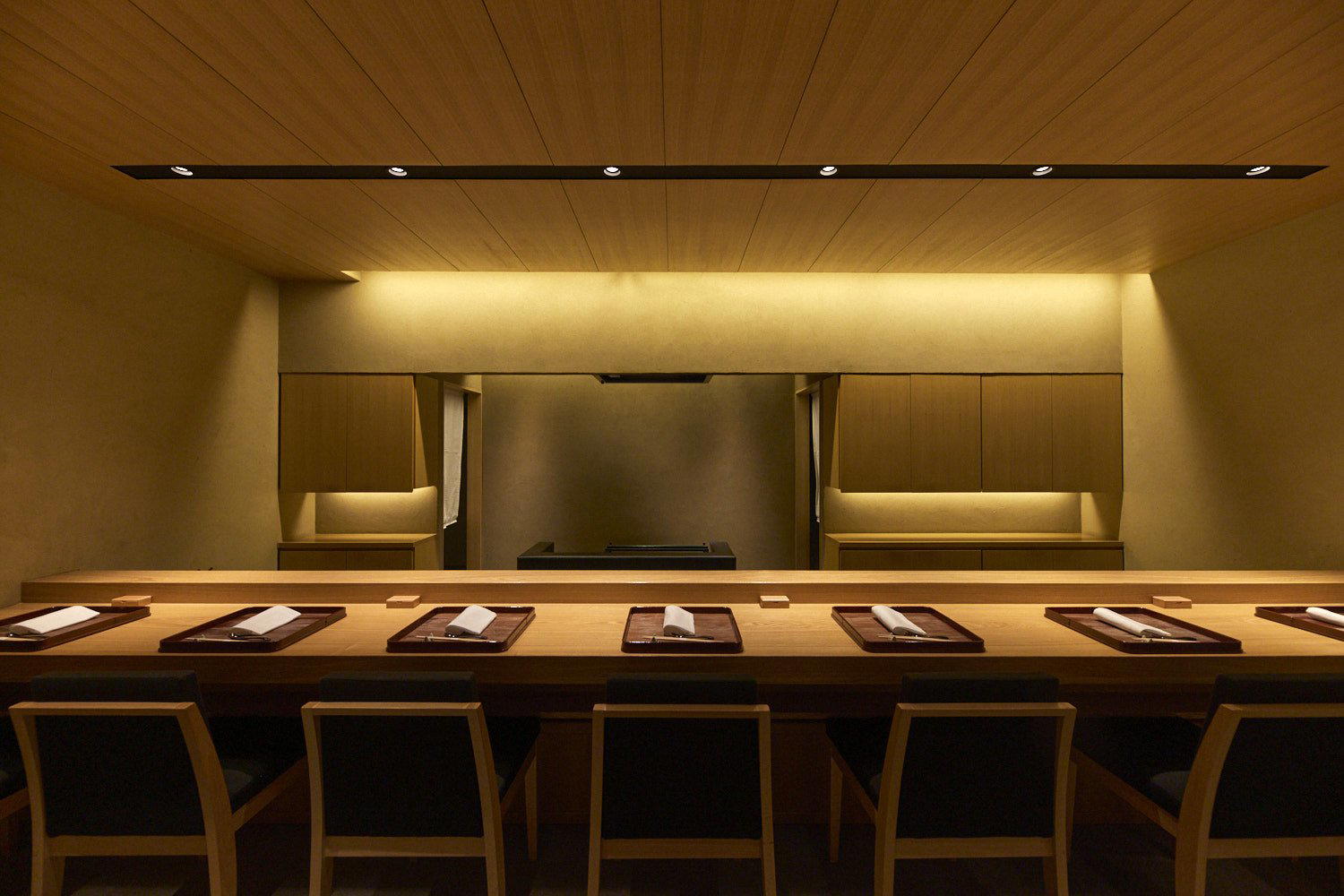
Scale matters in Japanese izakaya dining. A 20-seat room, split between counter and tables, creates a different meal from a large beer-hall tavern. Counter seats give solo diners and pairs the clearest view of the kitchen’s rhythm; tables suit longer conversations and shared ordering. No private rooms keeps the experience public and intimate at once, often the point of this tier: not hushed luxury, but controlled proximity.
Smoking is allowed, a detail that materially changes the decision. In Japan, some serious drinking rooms retain smoking policies that would be unusual in many international dining cities. For some diners, it is part of old-school izakaya atmosphere; for others, a firm reason to choose another room. Treat it as operational, not decorative.
Hiroshima’s central dining map rewards sequencing. A seafood-and-sake dinner here pairs naturally with the city’s range: Akai (Creative Cuisine) for a more composed contemporary meal, CHILAN for another restaurant-led expression of the city, Chinese Sai Kichijitsu for a non-Japanese counterpoint, and daytime stops such as ANDERSEN or Butter Cake no Nagasaki Do. For trip planning beyond dinner, use Our full Hiroshima restaurants guide, Our full Hiroshima hotels guide, Our full Hiroshima bars guide, Our full Hiroshima wineries guide, and Our full Hiroshima experiences guide.
Who should choose this over Hiroshima's easier dinner options
This is the right call for diners who want Hiroshima after the obvious first meal. Okonomiyaki culture is essential context, but not the whole story; a fish-and-sake izakaya shows local eating when the focus shifts from civic dish to evening cadence. It suits pairs or small groups better than travelers trying to cover many stops in one night. A compact, seafood-led room asks for attention: order across categories, drink with the food, and let the meal lengthen.
The trade-off is clarity. There is no chef biography driving the narrative, no elaborate international-facing concept, and no need to invent one. The evidence is enough: seafood and sake as stated priorities, a small seating footprint, central Nagarekawacho location, and a 2025 Tabelog 100 Izakaya WEST selection. For visitors building a Japan itinerary across cities, this is Hiroshima’s expression of a national pattern: the serious izakaya as a middle tier between casual drinking and formal kappo, less rigid than a tasting counter and more ingredient-conscious than a pub.
That pattern explains why comparisons outside Hiroshima can mislead. A sake bar such as Jōdo Saké Bar in Los Angeles may introduce the drink culture abroad, while Onigiri Time in Pasadena shows how Japanese comfort formats travel. Inside Japan, category specificity is sharper: -Grilled beef Sukiyaki- KAMAKURA TANUKIAN 鎌倉 たぬき庵 in Kamakura. 鮪と炭火焼き うお炭 秋葉原店 in Tokyo.cafe in Osaka.know in Kumamoto, (Shoku) Vietnam in Kawasaki, and [Curry Senmon Ten] Maruyama Kyoju. in Sapporo each sit in a different lane. Bishu Bikou Hamai’s lane is narrower: Hiroshima seafood, sake, and the kind of izakaya seriousness that makes sense only after dark.
Frequently asked questions
Is Bishu Bikou Hamai expensive?
Pricing at Bishu Bikou Hamai is listed as JPY 8,000 - JPY 9,999.
What days is Bishu Bikou Hamai closed?
Hours at Bishu Bikou Hamai: Mon: 6 PM–12 AM; Tue: 6 PM–12 AM; Wed: 6 PM–12 AM; Thu: 6 PM–12 AM; Fri: 6 PM–12 AM; Sat: 6 PM–12 AM; Sun: Closed.
Where exactly is Bishu Bikou Hamai?
Bishu Bikou Hamai is located in Hiroshima.
What's the standout thing about Bishu Bikou Hamai?
Its clearest credential is the Tabelog 100 - Izakaya - WEST - 2025 selection. The room is also compact, with 20 seats split between a 6-seat counter and 14 tables, and the kitchen is described as particular about fish.
What if I have allergies at Bishu Bikou Hamai?
The menu focus is fish, so seafood-related allergies need attention before ordering. The restaurant lists reservations as available, and the phone number is 082-576-7859, which is the practical way to confirm any adjustments before dinner.
Is Bishu Bikou Hamai child-friendly?
It is not the easiest fit for younger children, with 20 seats, smoking allowed, and hours centered on late dinner service from 6 PM to midnight Monday through Saturday. The setting is better suited to adult dinners in Hiroshima than to an early family meal.
In Context: Similar Options
Comparable venues by cuisine and price in the same metro.
| Venue | Cuisine | Price | Awards | Notes |
|---|---|---|---|---|
| Bishu Bikou HamaiThis venue (the venue you are viewing) | Traditional Japanese Izakaya | $30–50 | Tabelog 100 #31 | Not listed |
| Denko Sekka (電光石火) | Hiroshima-style Okonomiyaki | $10–20 | Not listed | Hiroshima Station area |
| Tyra Restaurant | Cafe with Japanese fusion | Not listed | Not listed | Naka |
| 和牛lab K | Sakakiyama Beef Yakiniku | $50–100 | Tabelog Bronze #509 | Nishi |
| Ganso Hassho | Hiroshima-style okonomiyaki counter | $10–20 | Tabelog 100 #49 | Naka |
| Masaru | Hiroshima Okonomiyaki | $10–20 | Tabelog 100 #30 | Higashi |
Recognition history
Dated appearances from independent guides and award organizations, with the underlying list record or original source where available.
Tabelog 100 #31 · No. 31
Tabelog · Tabelog 100 - Izakaya - WEST - 2025
Continue exploring
More in Hiroshima
Restaurants in Hiroshima
All restaurants in Hiroshima →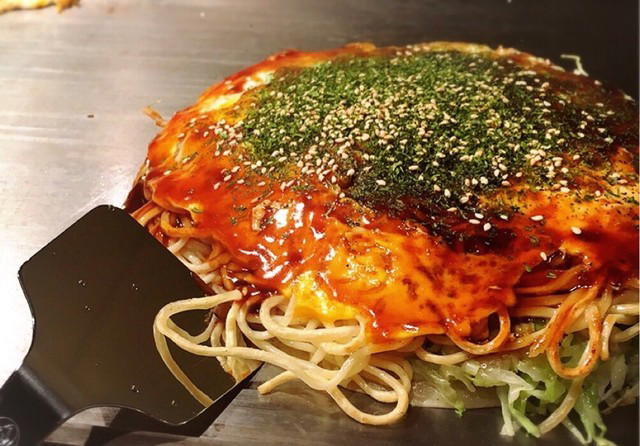
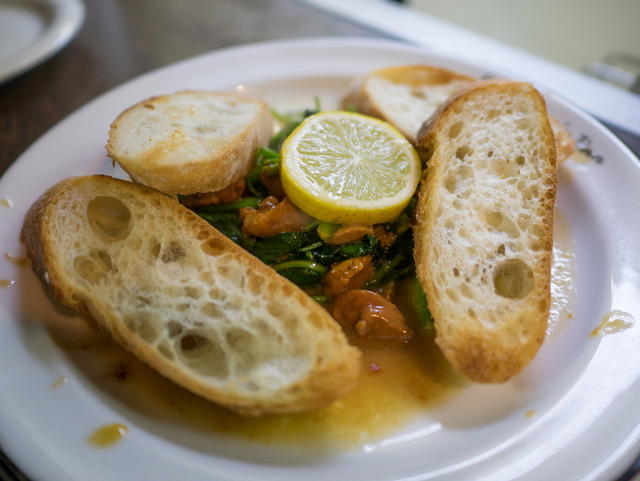
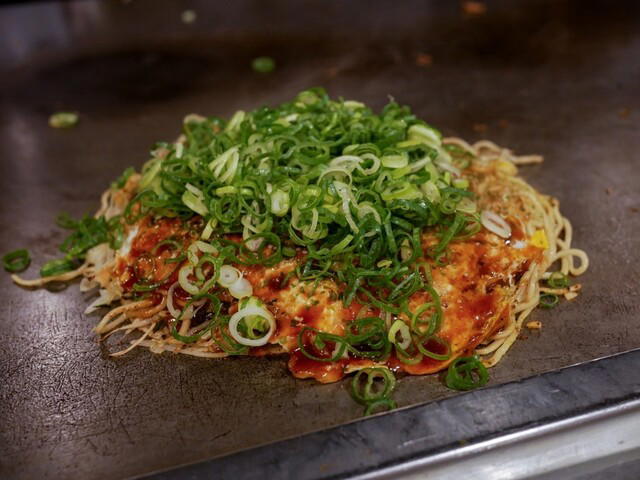
Bars in Hiroshima
All bars in Hiroshima →
Details
- Cozy
- Lively
- After Work
- Casual Hangout
- Group Dining
- Late Night
- Date Night
- Standalone
- Sake Program
- Beer Program
- A La Carte
- Small Plates
- Sake
- Beer
Current opening hours
- Monday
- 6 PM–12 AM
- Tuesday
- 6 PM–12 AM
- Wednesday
- 6 PM–12 AM
- Thursday
- 6 PM–12 AM
- Friday
- 6 PM–12 AM
- Saturday
- 6 PM–12 AM
- Sunday
- Closed
Hours can change for holidays and private events. Last verified .
A small, cozy izakaya with a lively late-night atmosphere, focused on drinks and seafood in a traditional tavern-style setting.