On Place Daviel in Marseille's oldest judicial quarter, Bistrot Mimi occupies a spot that rewards those who move beyond the Vieux-Port's tourist circuit. The menu reads as a compact argument for Provençal bistro cooking: honest, ingredient-led, and priced for regulars rather than occasion dining. It fits into a city where the gap between neighbourhood institution and fine-dining destination is wider than in most French cities of comparable size.
Pearl is the En Primeur Club membership app — saves, bookings, and concierge access live there. Same editors, same standards.
- Address
- 6 Pl. Daviel, 13002 Marseille, France
- Phone
- +33618991094
- Website
- restaurantbistrotmimi.com
- Directions
- Get directions
 Saves & bookings on Pearl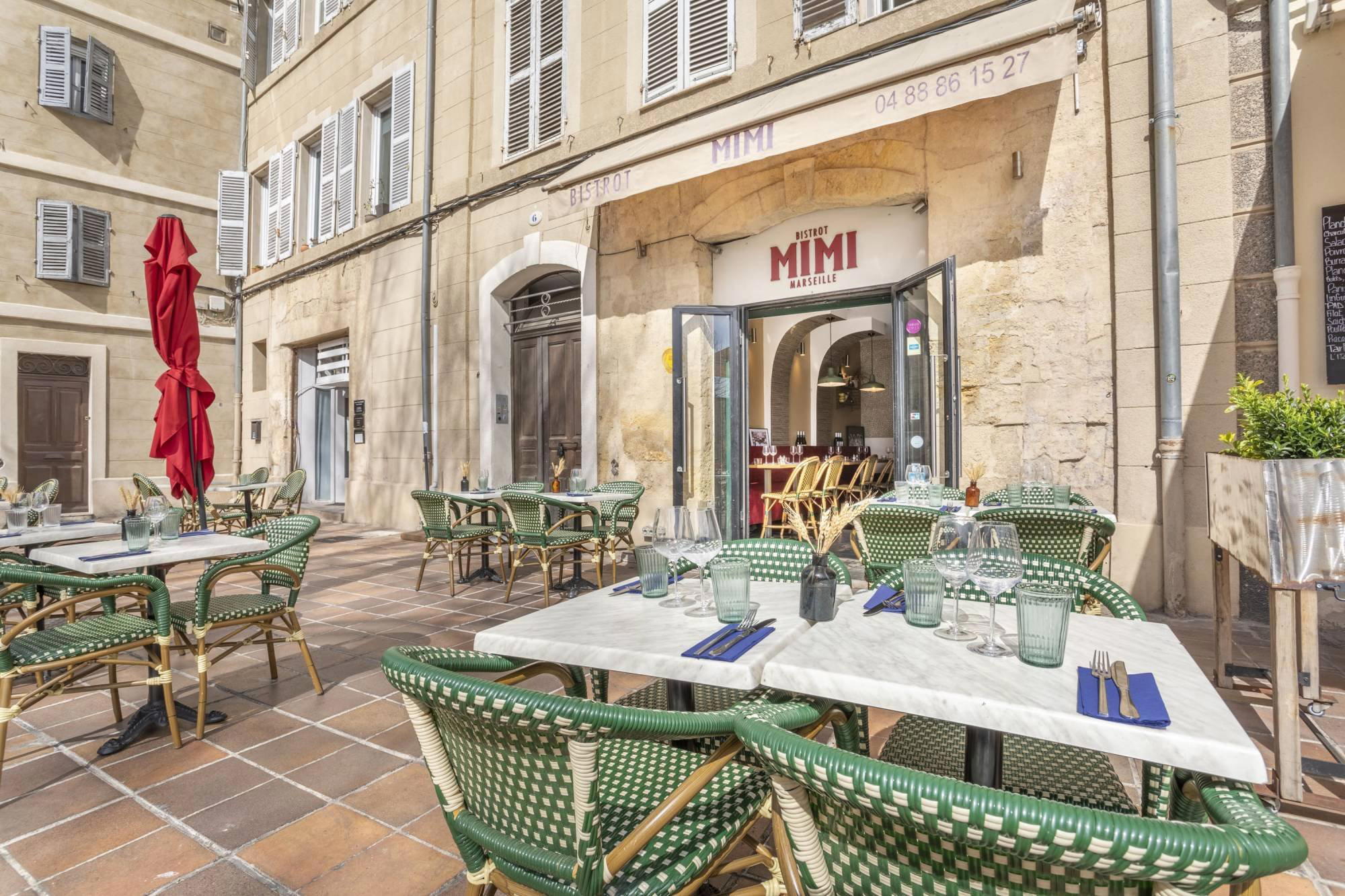
Place Daviel and the Bistro Tradition It Sits Inside
The square in front of Marseille's Palais de Justice is not a destination address for most visitors. Place Daviel, in the 2nd arrondissement, sits at the northern edge of the old judicial quarter, a few minutes' walk from the Vieux-Port but removed from its concentrated tourist pull. This is the kind of location that, in French cities, tends to host two categories of eating place: the unremarkable canteen serving the legal trade at lunch, and the neighbourhood address that has quietly built a local following over years. Bistrot Mimi belongs to the second category.
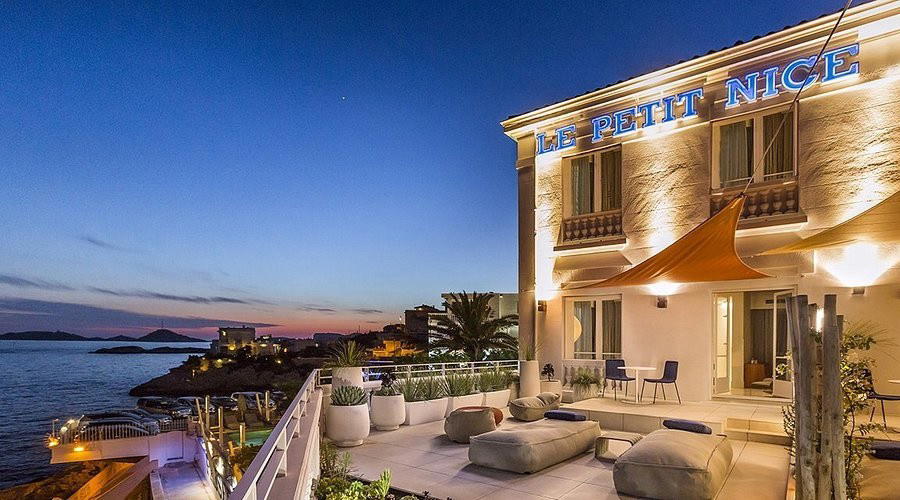
The bistro format has specific expectations in France, and Marseille has its own inflection of them. Where Parisian bistros have been subject to decades of self-conscious revival and gentrification, Marseille's neighbourhood dining rooms have tended to remain more functional, less curated. The city's serious restaurant scene has consolidated at the leading end, with three-Michelin-star operations like Le Petit Nice and the creative tasting menu format of AM par Alexandre Mazzia drawing international attention. The middle tier, the well-executed daily bistro, is more sparsely represented than in Lyon or Paris. Bistrot Mimi occupies a part of that middle ground.
How the Menu Signals Its Intentions
Way a bistro structures its menu tells you who it thinks its customer is. A short, rotating carte built around whatever the market produced that week signals a kitchen working from product inward. A long menu with twelve starters and sixteen mains signals a kitchen working from stock management outward. Bistrot Mimi's approach, consistent with the Provençal bistro tradition, leans toward the former model: a focused selection that does not try to cover every preference but commits to a defined set of flavours and preparations.
In the south of France, that tradition draws on a specific pantry: anchovies from Collioure, rouget from the Mediterranean coast, lamb from the Alpilles, summer tomatoes that need almost nothing done to them. The menu architecture of a bistro like this one functions as a kind of editorial position, a statement about what southern French cooking actually is when it is not being performed for a tasting menu audience. It is less about technique display and more about product selection and restraint. This positions Bistrot Mimi in a different competitive conversation from the €€€€ tier occupied by Une Table, au Sud, and closer to the register of everyday Provençal eating.
For those moving across France's dining spectrum, the contrast is worth noting. The ambition of a place like Flocons de Sel in Megève or Mirazur in Menton is fundamentally different in kind from what a neighbourhood bistro is doing, not lower, just differently oriented. The bistro's menu architecture is about accessibility and repetition: dishes that earn their place by being ordered again and again by the same people, not by being photographed once.
The Neighbourhood Context
Understanding what the restaurant is requires understanding what Marseille's restaurant geography looks like. The city has no single dominant dining quarter equivalent to Lyon's Presqu'île or Bordeaux's Saint-Pierre. Restaurants of note are distributed across neighbourhoods that have distinct characters: the Vieux-Port for seafood and tourist-facing brasseries, the Endoume and Malmousque areas near the coast for more serious fish cooking, the Cours Julien area for casual, younger-format dining. The 2nd arrondissement, where Place Daviel sits, is the old commercial and administrative centre, not a dining destination in the way that other parts of the city have become.
This geography matters for how you approach the restaurant. It is not a restaurant you arrive at by walking a dining strip and choosing based on what looks appealing. It requires intention. That self-selection tends to concentrate its regulars, which in turn shapes the atmosphere: less transient, more consistent, the kind of room where a table of lawyers at lunch and a couple celebrating a birthday in the evening coexist without either group performing for the other. For comparison, Alivetu and 1860 Le Palais represent other positions in Marseille's mid-range and neighbourhood dining conversation, each with a different relationship to the city's Provençal and Mediterranean identity.
Marseille in the Wider French Dining Frame
Marseille sits in the lower half of France's Michelin-starred restaurant count relative to its size and culinary heritage. Lyon, with a smaller population, carries a far heavier concentration of recognised addresses, from Paul Bocuse's Auberge du Pont de Collonges to the legacy of Georges Blanc in Vonnas just north of the city. The Alsace tradition, anchored by addresses like Auberge de l'Ill in Illhaeusern, and the southwest's Les Prés d'Eugénie all represent regional French cooking traditions that have been canonised by institutional recognition. Marseille's version of serious cooking has been slower to accumulate that recognition, which means the city's everyday bistro tier operates with less external validation than it might elsewhere. In some ways, this makes the bistro format more important here, not less: it is the primary carrier of the city's daily food culture.
Across France, high-performing neighbourhood bistros share certain structural qualities: kitchens that source within a defined radius, menus that change with the season rather than the marketing calendar, and pricing that keeps the room full at lunch as well as dinner. Those qualities are harder to sustain in a city where tourism creates pressure to standardise and inflate. The bistros that resist that pressure tend to do so by serving a local clientele first and trusting that visitors who find them will appreciate the difference. For those curious about how this model plays out at higher price points and with greater institutional recognition, Bras in Laguiole and Troisgros offer instructive contrasts in how French regional cooking can be expressed at quite different scales of ambition and formality.
Planning Your Visit
The restaurant is located at 6 Place Daviel in the 2nd arrondissement, within walking distance of the Vieux-Port and the Noailles market area. The address is accessible by metro from the city centre. Visiting directly or arriving early for a table is the practical approach, particularly for weekend evenings and the midweek lunch trade drawn from the surrounding offices and courts. For those extending along the French southern coast, La Table du Castellet in Le Castellet represents the more formal end of Provençal cooking within an hour's drive.
Accolades, Compared
Comparable venues nearby, for context on price, style, and recognition.
| Venue | Cuisine | Price | Notes |
|---|---|---|---|
| Bistrot MimiThis venue — the venue you are viewing | Provençal & Mediterranean Bistro | $$ | Not listed |
| La Cave de Baille | French Bistro | $$ | La Conception |
| Fioupelan | Provençal Brasserie | $$ | Hotel De Ville |
| Frangine | Modern French Bistronomique with Charcoal Grilling | $$$ | Castellane |
| 1860 Le Palais | French Brasserie with Mediterranean Influences | $$$ | Belsunce |
| Bagnat | Pan Bagnat Sandwiches | $ | Saint Victor |
Continue exploring
More in Marseille
Restaurants in Marseille
Browse all →
Bars in Marseille
Browse all →
Hotels in Marseille
Browse all →
At a Glance
- Cozy
- Rustic
- Classic
- Intimate
- Casual Hangout
- Family
- Group Dining
- Terrace
- Historic Building
- Standalone
- Beer Program
- Local Sourcing
- Farm To Table
- Street Scene
- Waterfront
Current opening hours
- Monday
- 10 AM–2 PM
- Tuesday
- 10 AM–2 PM
- Wednesday
- 10 AM–3 PM
- Thursday
- 10 AM–2 PM, 7:30–10 PM
- Friday
- 10 AM–2 PM, 7:30–10 PM
- Saturday
- 10 AM–2 PM, 7:30–10 PM
- Sunday
- Closed
Hours can change for holidays and private events. Last verified .
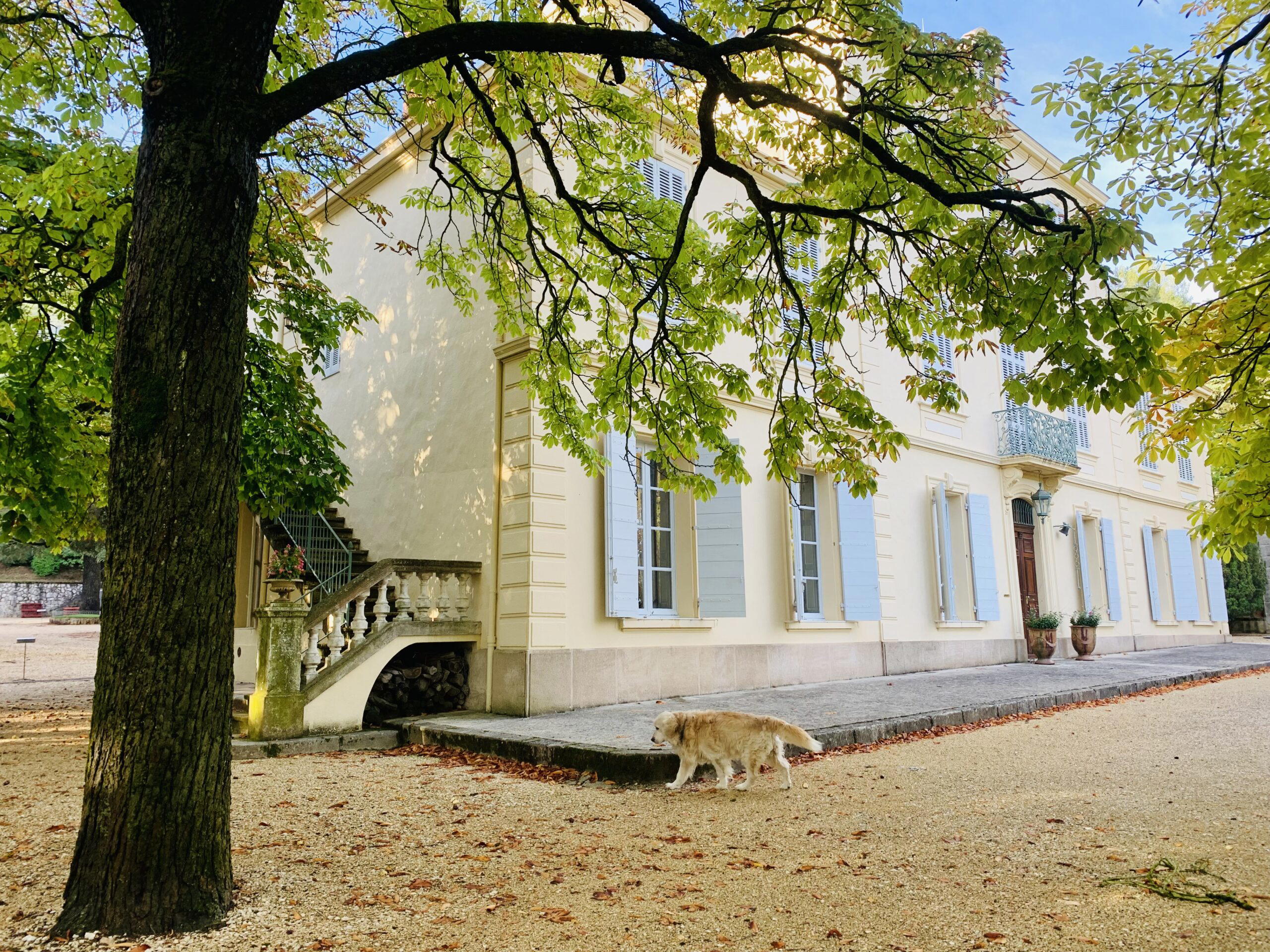
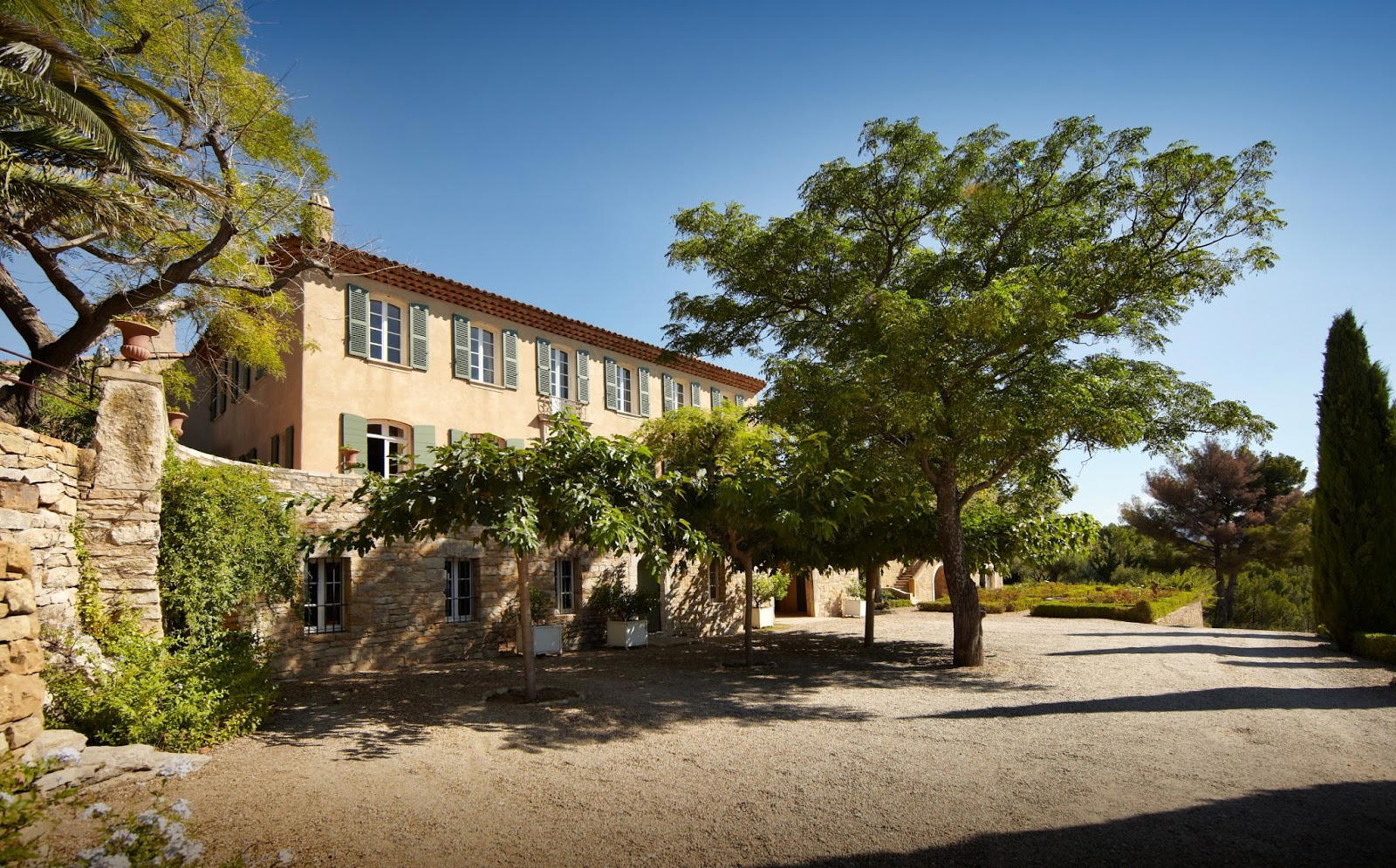
Warm and convivial Mediterranean atmosphere with authentic vintage décor, natural lighting from the sunny terrace, and a relaxed, welcoming environment that captures the essence of a traditional Marseille bistro.