
Shiroi Kuro belongs to Tokyo’s quieter wagashi circuit, where sweets, gelato, and ice cream sit closer to daily craft than ceremony. Its Tabelog 100 selection for Tokyo Japanese traditional sweets and sweets cafés in 2023 gives it a credible place in a category often overshadowed by sushi counters and kaiseki rooms.
Pearl is the En Primeur Club membership app — saves, bookings, and concierge access live there. Same editors, same standards.
- Address
- 2 Chome-8-1 Azabujuban, Minato City, Tokyo 106-0045, Japan
- Phone
- +81 3-3454-7225
- Website
- shiroikuro.com
 Saves & bookings on Pearl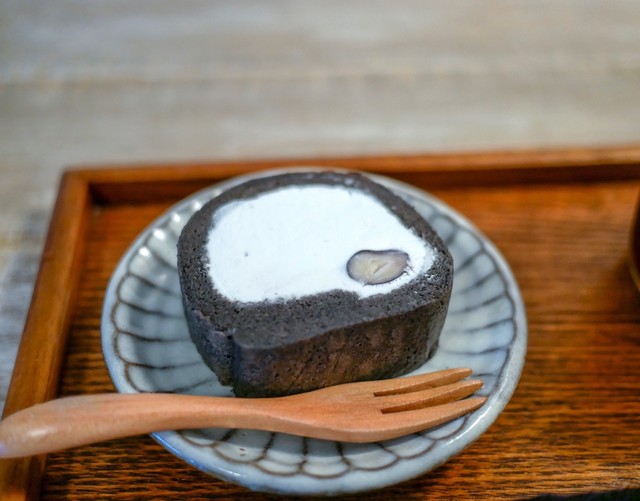
Azabujuban makes small food shops feel part of the street rather than staged for it: low signage, steady foot traffic, and a local rhythm shaped by errands as much as destination dining. In that setting, Shiroi Kuro reads as a Tokyo sweets stop with a narrow brief, not a long meal or chef-driven tasting format. Its compact architecture of wagashi, gelato, and ice cream says more about modern Tokyo snacking than overdesigned dessert courses.
Tokyo dessert culture now runs in several lanes. Department-store counters chase gift-box polish, hotel lounges lean on afternoon tea, and old-school wagashi shops protect seasonal forms tied to tea practice. A smaller group of sweets cafés sits between those worlds, giving traditional Japanese confectionery a casual setting without stripping it of craft. Shiroi Kuro’s selection for Tabelog 100 Japanese traditional sweets / Japanese sweets café Tokyo 2023 places it in that middle lane: not luxury dining, not convenience-store sugar, but a focused stop where the menu structure matters.
A compact sweets format in a city built on specialist counters
The menu architecture is the useful lens. Japanese traditional sweets, gelato, and ice cream appear together, positioning the shop differently from a purist wagashi house. In Tokyo terms, that hybrid matters. It lets a visitor read the city’s sweet-tooth habits in miniature: bean, rice, tea, dairy, cold texture, takeaway practicality, and eat-in informality sharing one commercial space. The offer is concise enough to suggest specialization, yet broad enough for both the person carrying something away and the person pausing for a small sit-down break.
That matters in Azabujuban, where dining choices range from neighborhood snacks to serious Japanese rooms. Nearby comparison venues show the spread: Azabu Kadowaki operates in the high-end Japanese register, Soba Mitate and Soan Mitate point toward disciplined noodle traditions, and Tempura Maehira occupies another specialist lane. Against that backdrop, a sweets café is not lesser. It is a different precision, lower in spend and shorter in duration, but still judged by balance, sourcing, texture, and restraint.
Tokyo rewards narrowness. Its strongest casual food culture is built on shops doing fewer things than their international equivalents: soba rather than “Japanese,” tempura rather than “fine dining,” curry rather than pan-Asian sprawl. For travelers mapping the city through small formats, Shiroi Kuro belongs in the same planning logic as focused stops such as 3 Chome no Curry Ya San, 124. KAGURAZAKA (Yakitori), or 12/10 Shinjuku ten: not comparable in cuisine, but similar in asking the visitor to take a category seriously on its own terms.
Why wagashi cafés deserve the same scrutiny as restaurants
Wagashi is often treated by visitors as a souvenir category, but in Japan it has its own grammar. Sweetness is measured rather than maximal, textures do much of the work, and seasonality can be expressed through shape, ingredient, or temperature rather than menu copy. A café placing wagashi beside gelato and ice cream participates in a broader urban shift: traditional sweets are no longer confined to formal tea settings or gift counters. They can be an everyday pause, a solo stop, or a low-commitment way to understand a neighborhood.
The Tabelog 100 recognition is useful because the category is crowded and highly local. Tokyo has countless sweets shops with loyal followings, but a citywide selection in Japanese traditional sweets and sweets cafés signals that the shop has moved beyond simple convenience. The listed Tabelog score of 3.70 also fits the Japanese review context, where high-threes scores can carry more weight than international readers expect. That does not make it a grand occasion; it makes it a credible specialist in a category where small differences matter.
The format is practical too. Takeaway service, eat-in seats, counter seating, and a non-smoking setting make the experience more flexible than a full restaurant reservation. That flexibility is part of the appeal. Tokyo itineraries often fail when every stop is treated as a major meal. A sweets café instead structures the space between lunch and dinner, or between a neighborhood walk and a train ride, without turning the day into heavy bookings.
For EP Club readers building a wider Tokyo food map, the smarter comparison is not another dessert shop alone, but the role each format plays in a day. A charcoal-focused meal such as . 鮪と炭火焼き うお炭 秋葉原店 serves a different appetite from a visual café like 2D Cafe; the restaurant sits closer to the craft-and-pause end of the spectrum. Use Our full Tokyo restaurants guide for the broader dining grid, then layer in Our full Tokyo bars guide, Our full Tokyo hotels guide, Our full Tokyo experiences guide, and Our full Tokyo wineries guide when the trip needs more than meals.
How to use it in a Tokyo itinerary
The smartest use is as a short-format stop, not a dinner substitute. Tokyo’s strongest itineraries alternate intensity: a serious counter meal, then a neighborhood walk; a bar, then a light café; a market morning, then something precise and quiet. In that rhythm, the restaurant works as a sweets-focused interlude in Minato rather than a headline booking. The category, Tabelog 100 placement, and compact menu all point the same way: go for a focused read on contemporary Tokyo wagashi café culture.
Travelers extending the logic beyond Tokyo can see how small-format Japanese and Asian food cultures translate elsewhere: -Grilled beef Sukiyaki- KAMAKURA TANUKIAN 鎌倉 たぬき庵 in Kamakura for a regional Japanese meal, [ki:] in Kyoto for another Kyoto register.cafe in Osaka for café culture.know in Kumamoto for a different city scale, (Shoku) Vietnam in Kawasaki for casual regional dining, and [Curry Senmon Ten] Maruyama Kyoju. in Sapporo for specialist curry. Across the Pacific, Jōdo Saké Bar in Los Angeles and Onigiri Time in Pasadena show how focused Japanese formats read outside Japan. The lesson is consistent: small menus can carry cultural weight when the category is handled with discipline.
Snapshot
Side-by-side context: comparable cuisine and price.
| Venue | Cuisine | Price | Notes |
|---|---|---|---|
| Shiroi Kuro | Modern Japanese sweets & roll cake café | $ | Minato |
| Tsukushi | Traditional Japanese Wagashi & Daifuku Shop | $ | Meguro |
| Tonpei | Traditional Tonkatsu Counter | $ | Taitō |
| Menya Ittou | Modern Tokyo tsukemen & ramen | $ | Katsushika |
| Teuchi Udon Fukusuke | Handmade Udon & Sake Bar | $ | Kodaira |
| Hekkelun | Classic Japanese Kissaten | $ | Toranomon/Shinbashi |
Recognition history
Dated appearances from independent guides and award organizations, with the underlying list record or original source where available.
Tabelog 100 #95 · No. 95
Tabelog · Tabelog 100 - Japanese traditional sweets / Japanese sweets cafe - TOKYO - 2023







At a Glance
- Cozy
- Quiet
- Minimalist
- Solo
- Casual Hangout
- Late Night
- Standalone
- Design Destination
Current opening hours
- Monday
- Closed
- Tuesday
- 10 AM–6 PM
- Wednesday
- 10 AM–6 PM
- Thursday
- 10 AM–6 PM
- Friday
- 10 AM–6 PM
- Saturday
- 10 AM–6 PM
- Sunday
- 10 AM–6 PM
Hours can change for holidays and private events. Last verified .
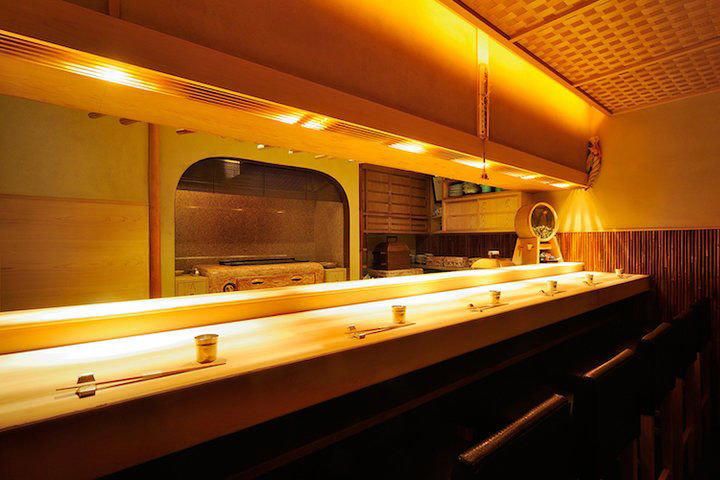
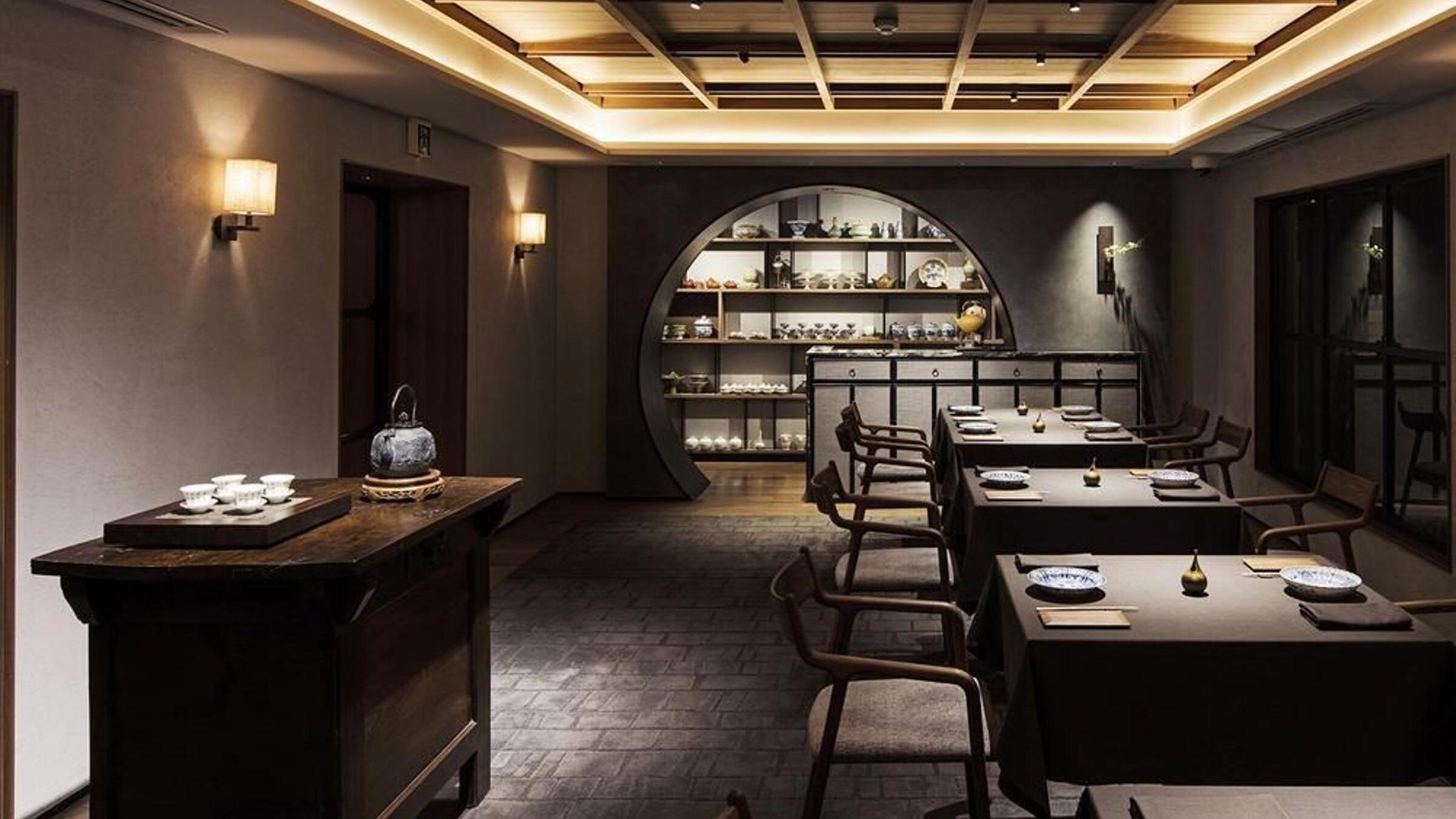
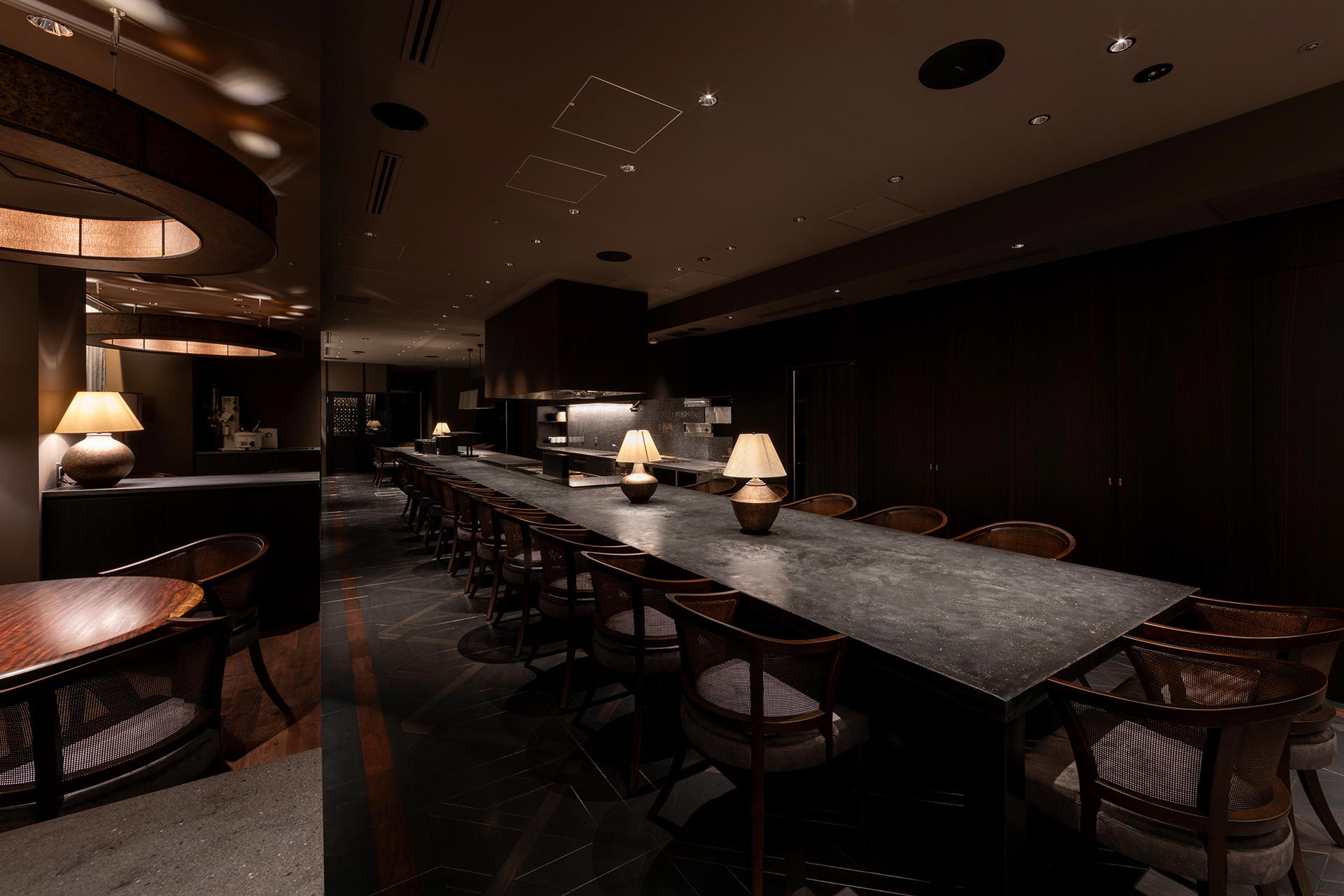
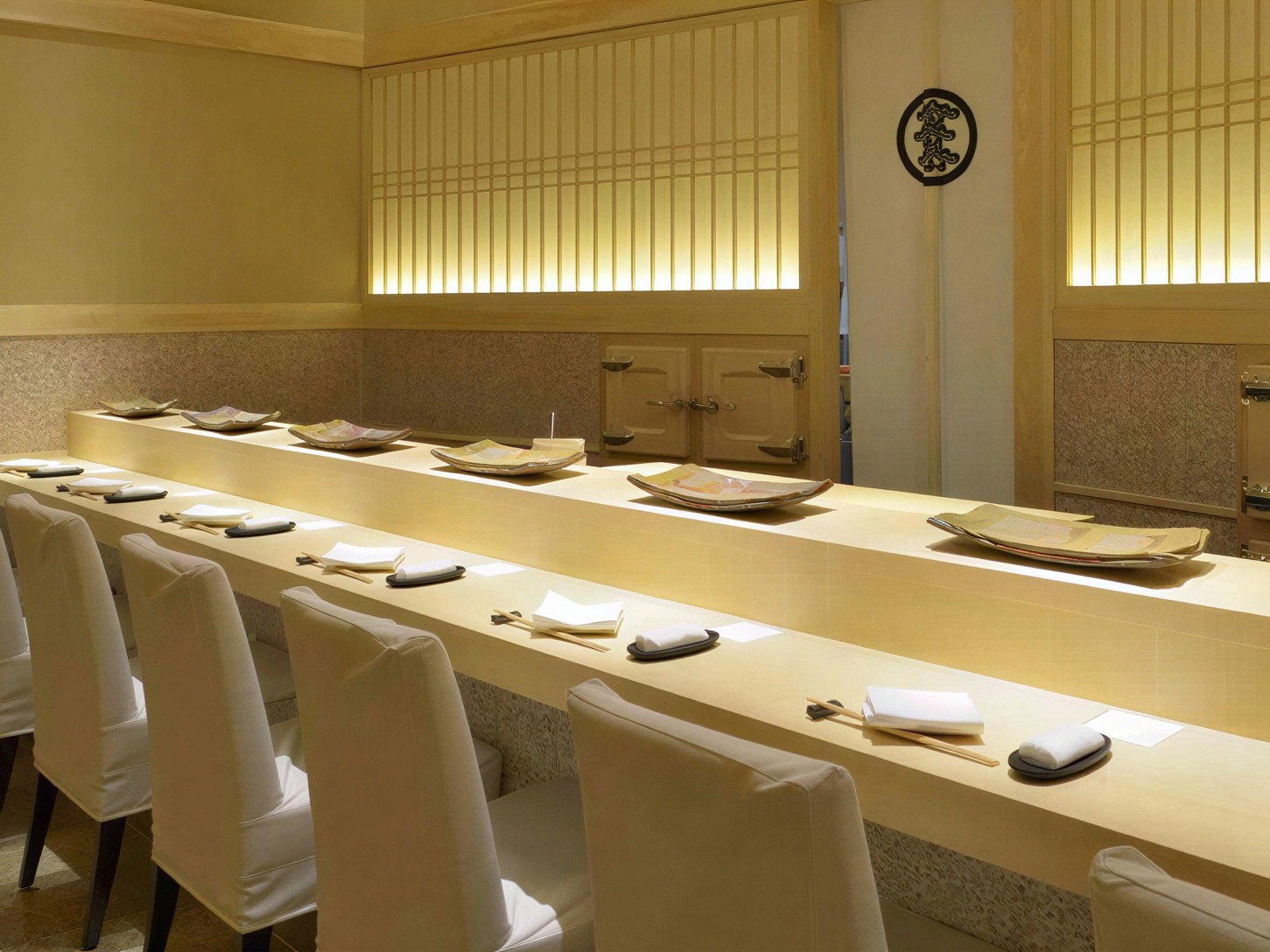
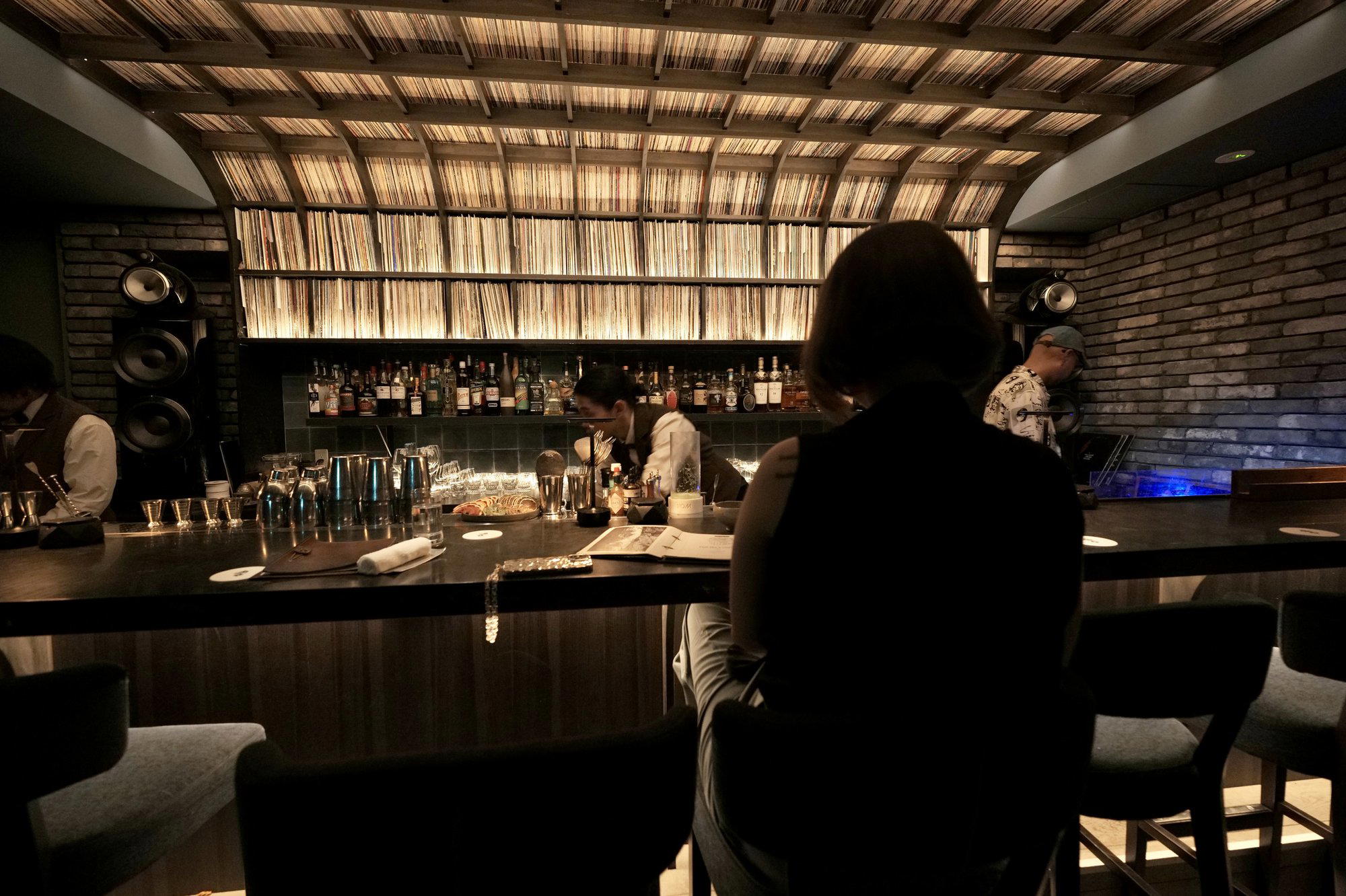
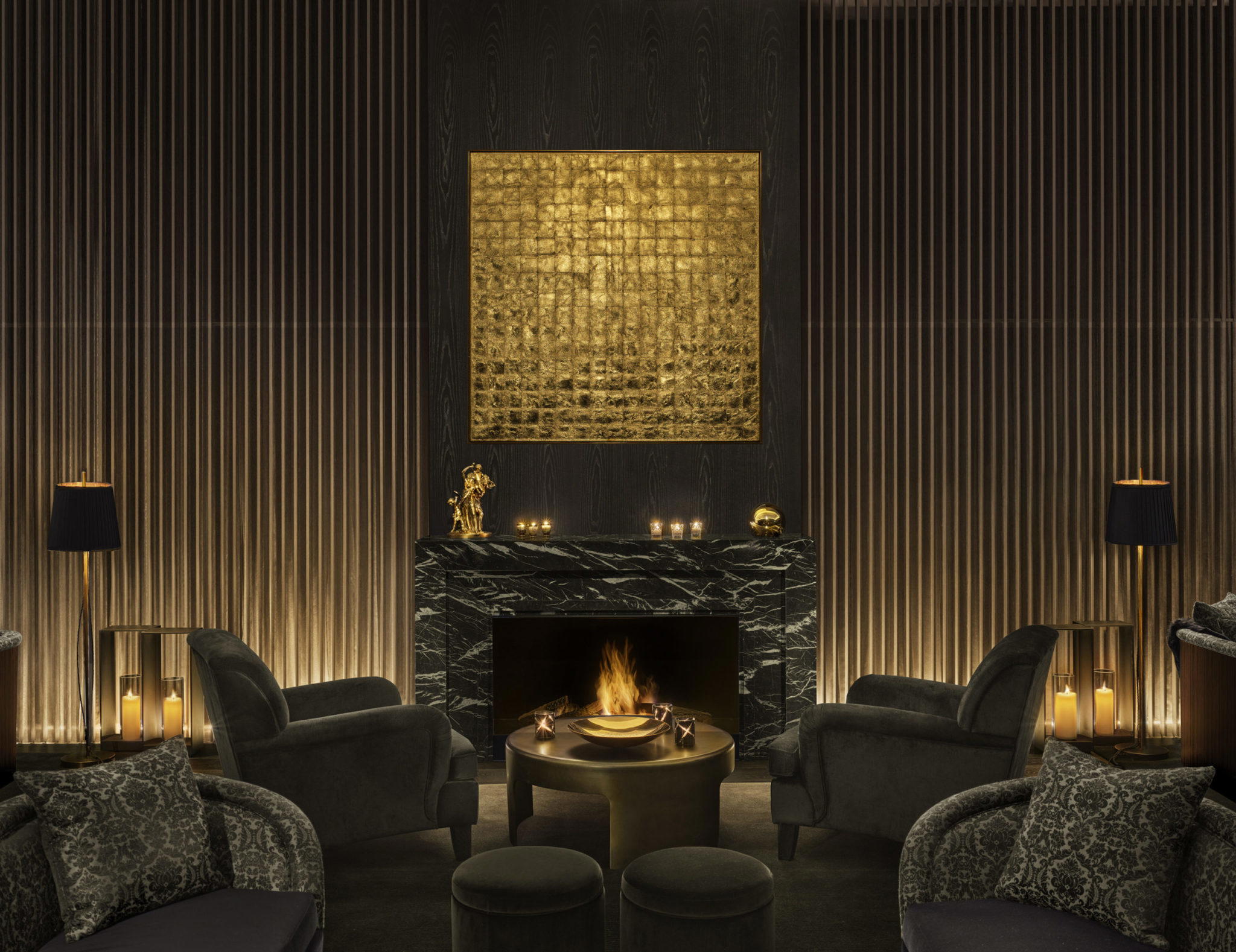
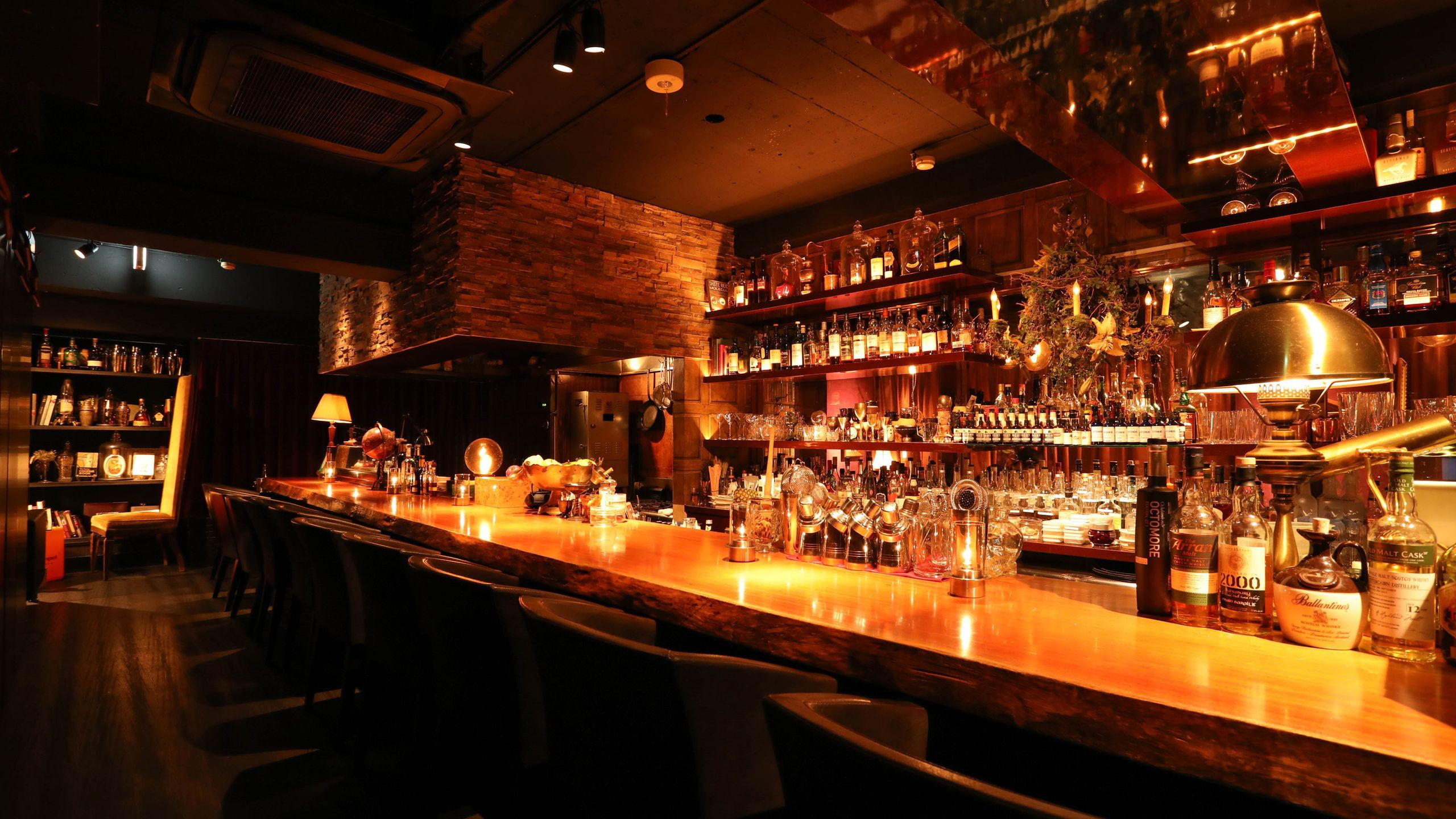
Calm and understated café-like atmosphere with a small number of eat‑in seats, simple modern design, and a quiet environment suited to savoring delicate Japanese sweets.