.png)

A Michelin Plate-recognised Norwegian restaurant on Mariboes gate, Arakataka sits in Oslo's mid-market Nordic dining tier with a €€ price point and a kitchen led by Chef Jonathan Janhed. Ranked #343 in Europe by Opinionated About Dining in 2025 and holding a 4.5 Google rating across 914 reviews, it represents the accessible, ingredient-led end of the city's New Nordic scene.
 Discover on Pearl
Pearl is the En Primeur Club membership app — saves, bookings, and concierge access live there. Same editors, same standards.
- Address
- Mariboes gate 7B, 0183 Oslo, Norway
- Phone
- +47 94 16 53 91
- Website
- arakataka.no
Where Oslo's Wild Pantry Meets the Dinner Table
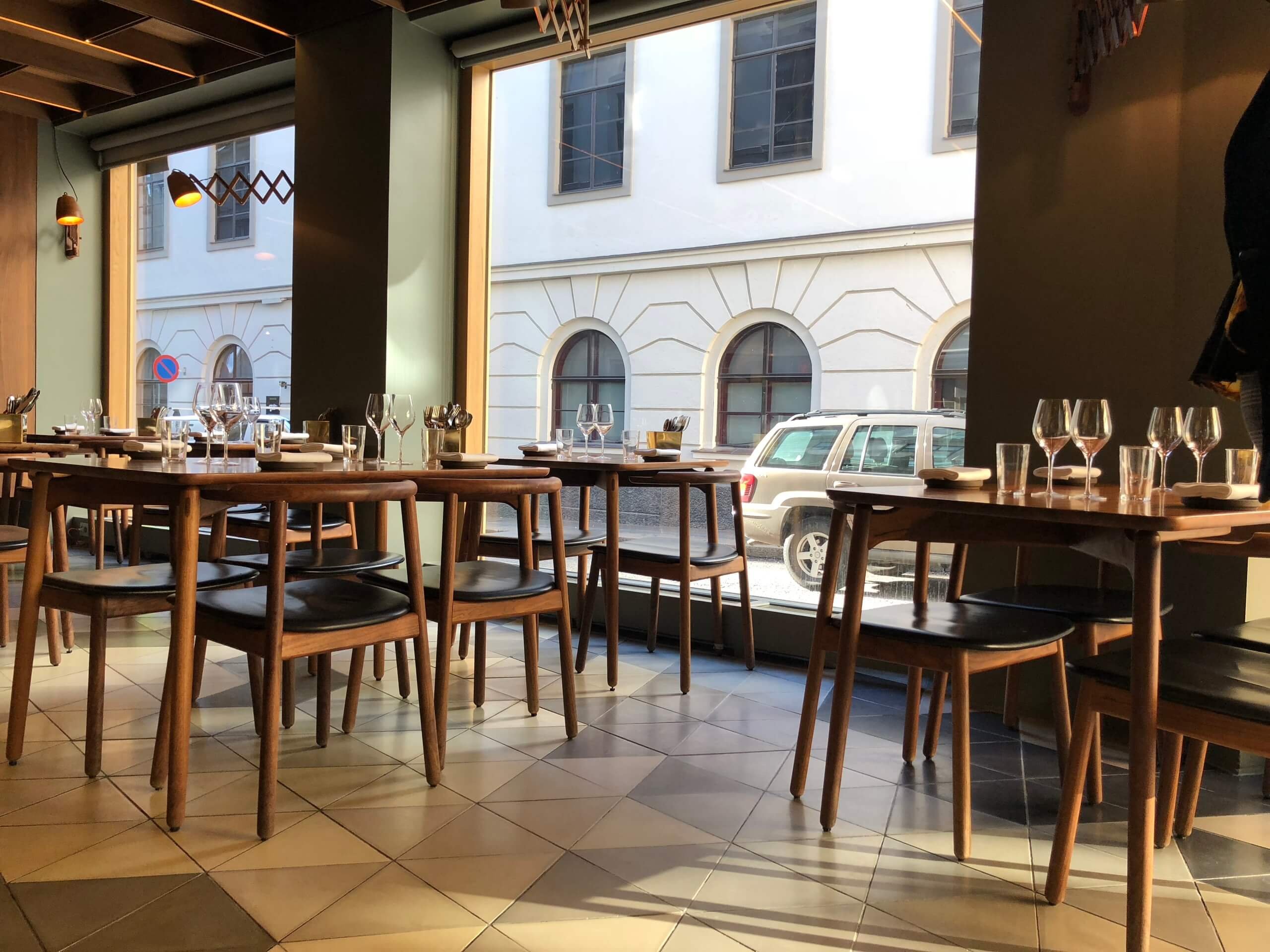
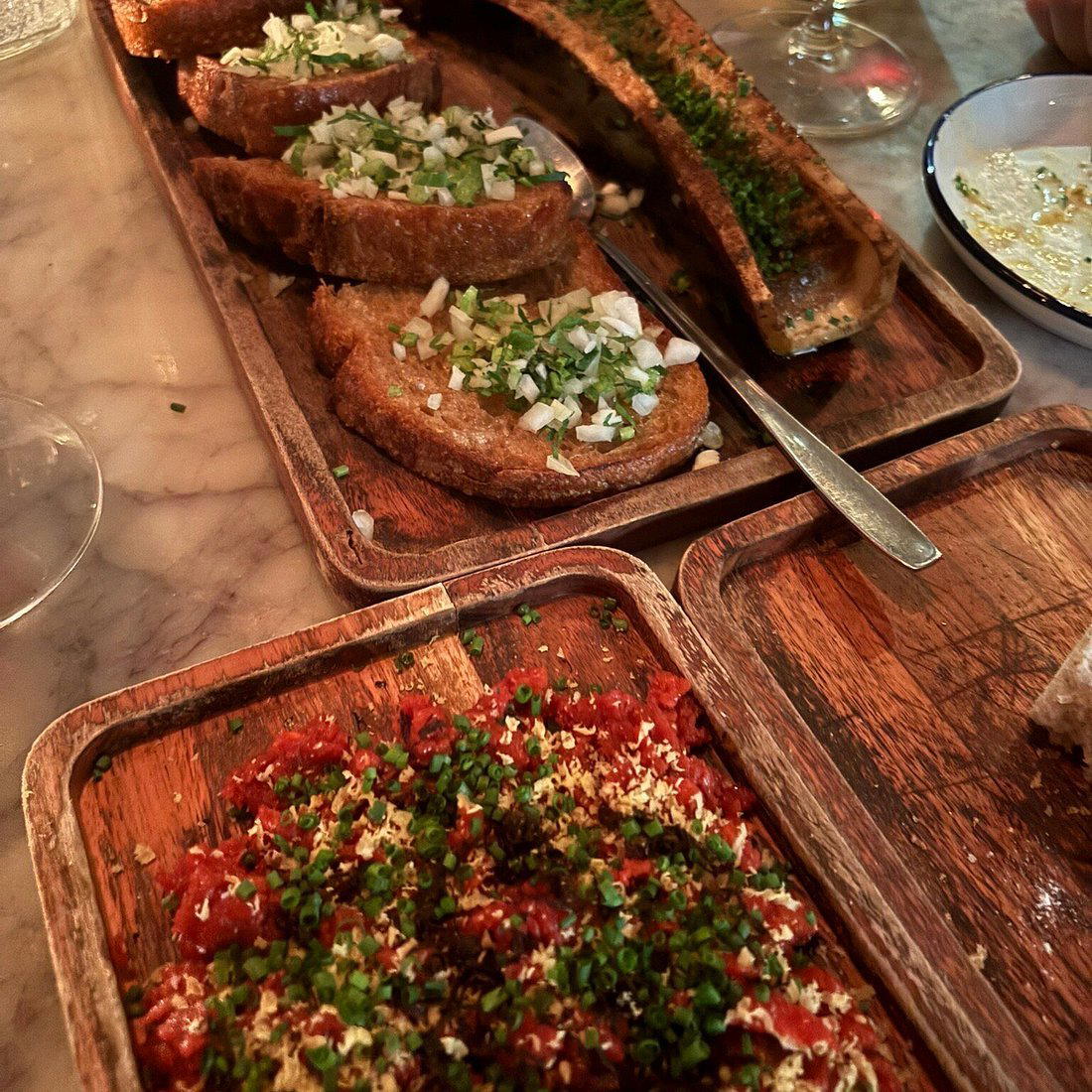
Oslo's Nordic dining scene has long split between two registers: the formal, multi-course temples that set international benchmarks, and a quieter tier of restaurants where the same commitment to foraged and wild-gathered ingredients plays out without the ceremony. Arakataka is a restaurant in Oslo on Mariboes gate 7B. The room is unhurried, the price point accessible at €€, and the kitchen's point of reference is the Norwegian landscape's seasonal larder, mosses, sea herbs, wild mushrooms, berries from the forest edge, rather than any imported culinary framework.
This approach is neither novel nor peripheral in Oslo. The city's mid-market Nordic restaurants have increasingly adopted the sourcing vocabulary of their three- and two-star neighbours, venues like Maaemo and Kontrast, without replicating their price structures. The result is a tier of cooking where wild ingredients carry real weight, not as a decorative flourish, but as the structural logic of the menu.
The Case for Foraging as Kitchen Philosophy
Norway's geography makes foraging a practical reality rather than a romantic gesture. The country's forests, coastline, and highland plateaus produce chanterelles, cloudberries, ramsons, sea buckthorn, dulse, and dozens of herbs that shift through the calendar from spring through late autumn. Kitchens that take this seriously build menus around what is available week to week, which means no dish is permanent and the menu in October looks fundamentally different from the one served in May.
Chef Jonathan Janhed leads Arakataka's kitchen within this tradition. The credentials here are straightforward: the restaurant earned a Michelin Plate in both 2024 and 2025, and was listed among Opinionated About Dining's Leading New Restaurants in Europe in 2023. For a €€ restaurant operating without the tasting-menu infrastructure of Oslo's starred tier, that consistency across independent review systems is its own signal.
Across a 941-review Google sample, Arakataka holds a 4.5 rating. Guests are not arriving for a once-a-year celebration meal; the price tier and evening hours suggest a restaurant people return to.
Reading the Menu Through the Season
The editorial angle on wild ingredients is where Arakataka's kitchen communicates most clearly. Norwegian foraged produce operates on strict seasonal windows: morel mushrooms appear briefly in spring; golden chanterelles peak in late summer; lingonberries, cloudberries, and sea buckthorn carry into autumn; preserved and fermented ingredients bridge the winter gap. A kitchen genuinely oriented around this calendar will change its character several times across a year.
Oslo's Norwegian dining scene rewards timing in a way that, say, a French brasserie does not. Arriving in late August or September positions you within the height of the wild mushroom and berry season, when the cold-climate ingredients that define this cuisine are at their most varied. The restaurant is closed on Sundays, and the kitchen operates only in the evening from 4 pm.
For comparison within Oslo's mid-market, Hot Shop operates at a higher price point with Michelin recognition, while Bar Amour takes a more creative, less ingredient-focused approach. Mon Oncle sits in a French register that offers a clean contrast to the Nordic sourcing logic at Arakataka. Each addresses a different aspect of what Oslo's current dining scene can offer at non-tasting-menu prices.
Arakataka in the Broader Norwegian Context
Oslo's Nordic restaurants do not exist in isolation. The same foraging-led ethos runs through acclaimed kitchens across Norway, each shaped by its particular geography. RE-NAA in Stavanger and FAGN in Trondheim operate at the higher end of the spectrum; Gaptrast in Bergen, Iris in Rosendal, and the subaquatic Under in Lindesnes each work with their own coastal or rural ingredient sets. Even estate dining, as at Boen Gård in Tveit, reflects this national preoccupation with land-sourced produce. Arakataka's position within this network is as an accessible urban expression of the same instinct, a city restaurant that references the same wild pantry without requiring the occasion or outlay of a destination meal.
Internationally, the foraging-inflected tasting menu format has made its mark through venues like Le Bernardin in New York and the ingredient-obsessive precision of Atomix, but those are different price tiers entirely. Arakataka's value is that it operates the same source-first logic at a price point that doesn't require advance financial planning.
Planning Your Visit
Arakataka is at Mariboes gate 7B, 0183 Oslo. The kitchen opens at 4 pm and runs through to 10 pm, Tuesday through Saturday (Monday included in the current hours; the restaurant is closed Sundays). At the listed price tier, weekend evenings in the high season warrant advance reservation.
For visitors building a broader Oslo programme, the full guides to Oslo restaurants, Oslo hotels, Oslo bars, Oslo wineries, and Oslo experiences are available through EP Club.
Cost Snapshot
Comparable venues nearby, for context on price, style, and recognition.
| Venue | Cuisine | Price | Awards | Notes |
|---|---|---|---|---|
| ArakatakaThis venue — the venue you are viewing | Grünerløkka, Modern Nordic | $$$ | Michelin Plate | |
| Statholderens Mat og Vinkjeller | $$$ | Michelin Plate | St. Hanshaugen, Classic Scandinavian Bistro | |
| Kolonialen Bislett | Homans Byen, Modern Scandinavian Bistro | $$ | Michelin Plate | |
| Plah | Ruselokka, Modern Thai Fine Dining | $$$$ | Michelin Plate | |
| Brasserie Blanche | Homans Byen, French Brasserie | $$$ | Michelin Plate | |
| Betong | Vaterland, Modern Nordic Tasting Menu | $$ | Michelin Plate |
Continue exploring
More in Oslo
Restaurants in Oslo
Browse all →
Hotels in Oslo
Browse all →
Wineries in Oslo
Browse all →
At a Glance
- Intimate
- Modern
- Cozy
- Sophisticated
- Trendy
- Date Night
- Special Occasion
- Open Kitchen
- Extensive Wine List
- Local Sourcing
- Street Scene
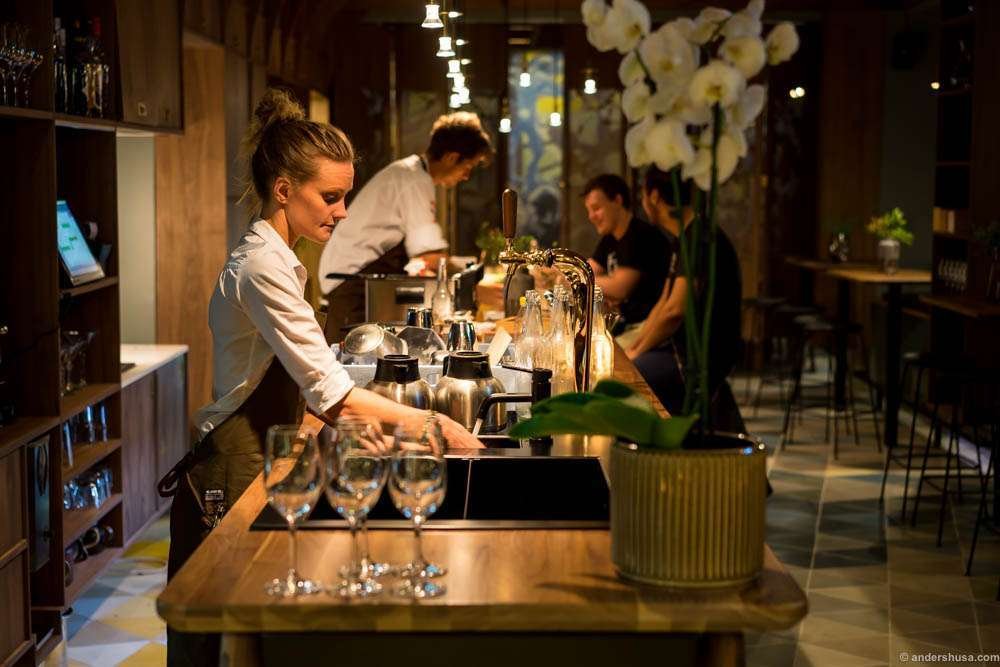
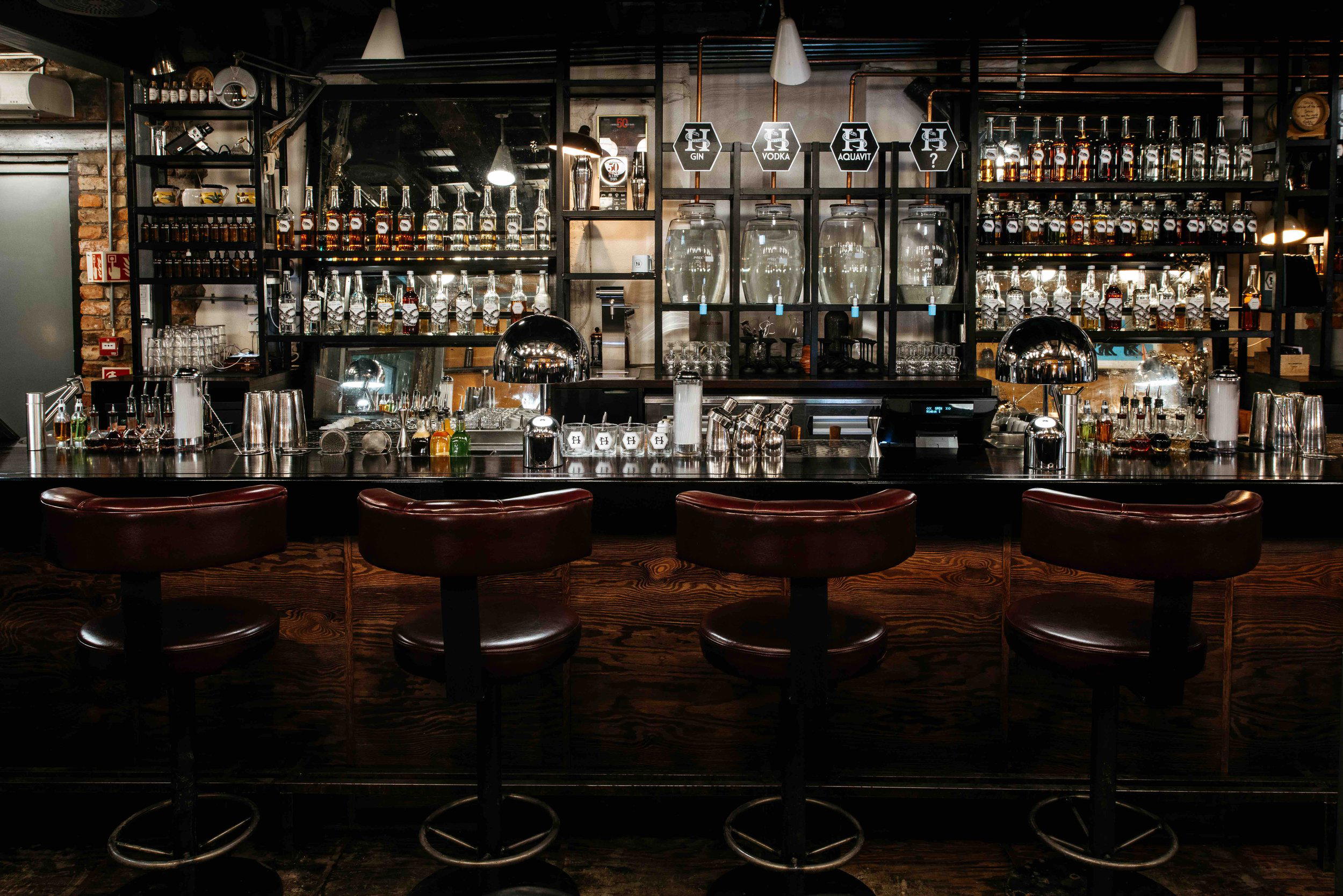
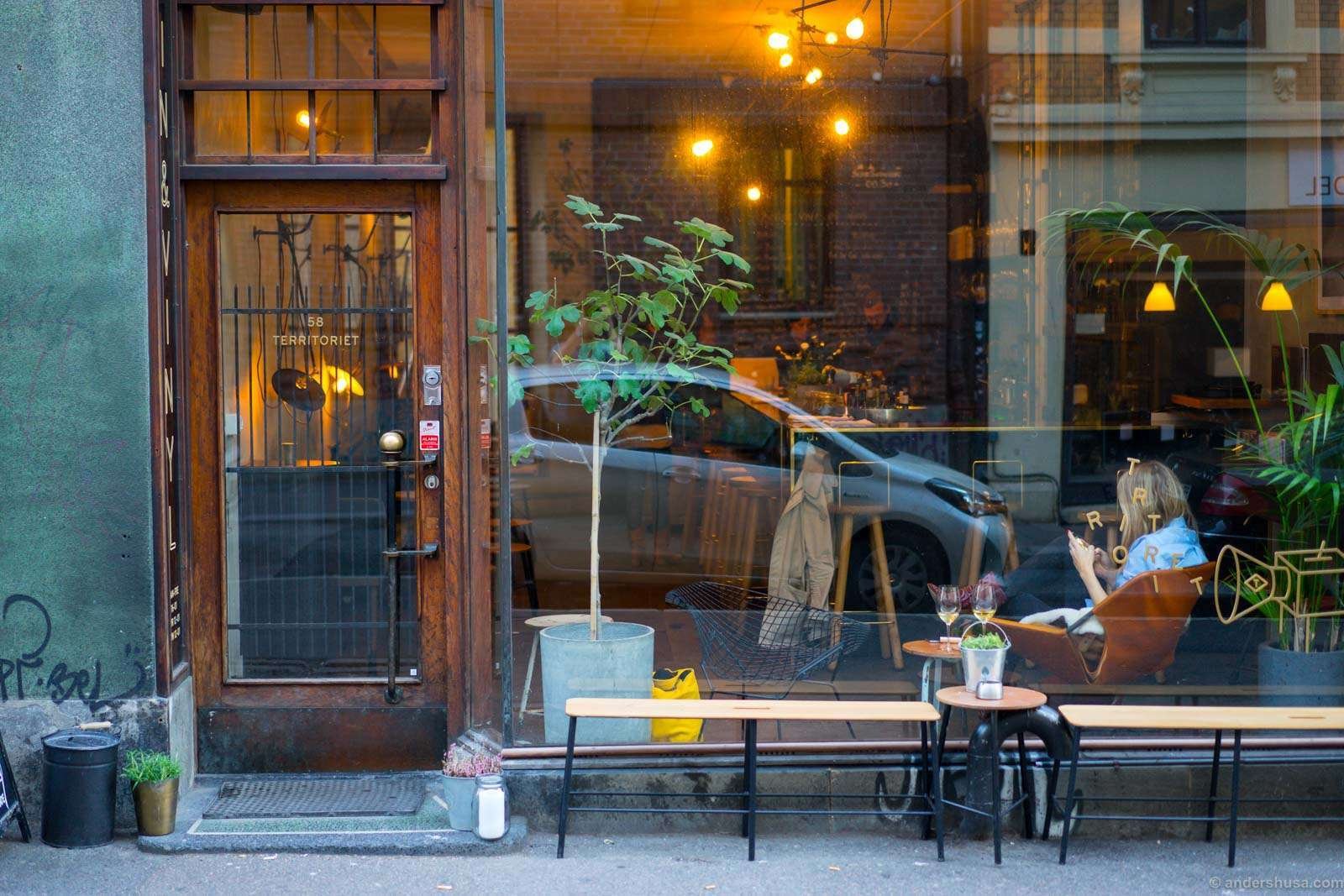
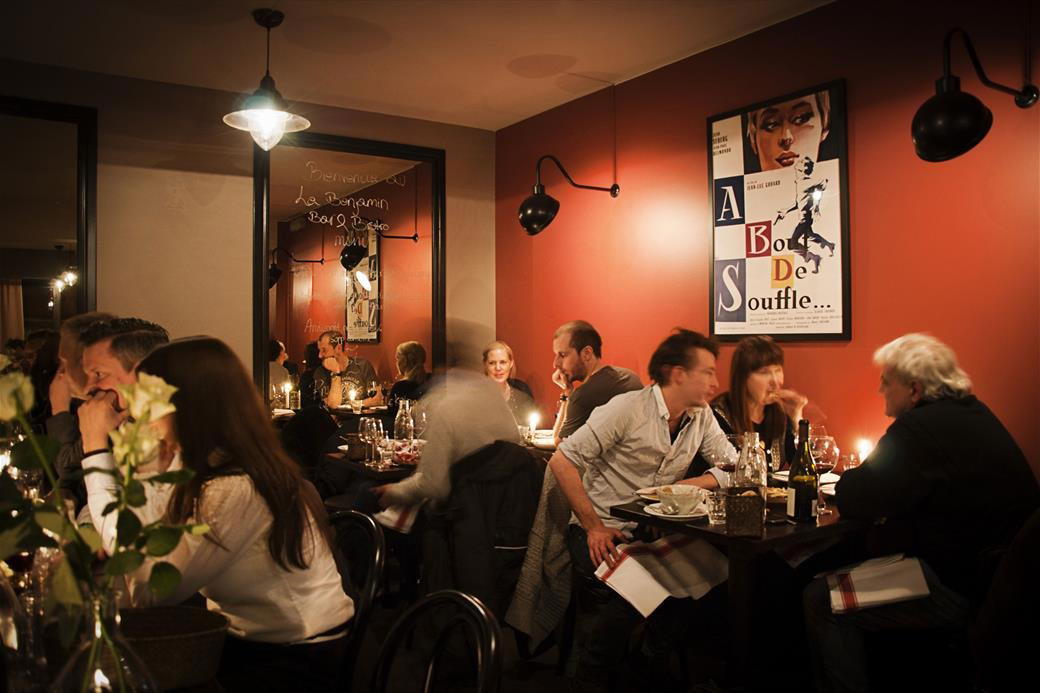
Intimate contemporary room with designer lighting, cosy atmosphere, and views of the open kitchen or street.