

Michelin Plate · Star Wine List
Our verdict
Occupying the top floor of Oslo's former American Embassy, Eero takes its name from architect Eero Saarinen and frames its wood-fired, fin-to-gill seafood tasting menu against wrap-around views of the Oslofjord and the Royal Palace gardens. The kitchen, led by Chef Charles Taylor, received a White Star recognition from Star Wine List in September 2025. Price range sits at €€€, a tier below Oslo's Michelin-starred heavyweights.

Pearl is the En Primeur Club membership app, where members save venues, book tables and use the concierge.
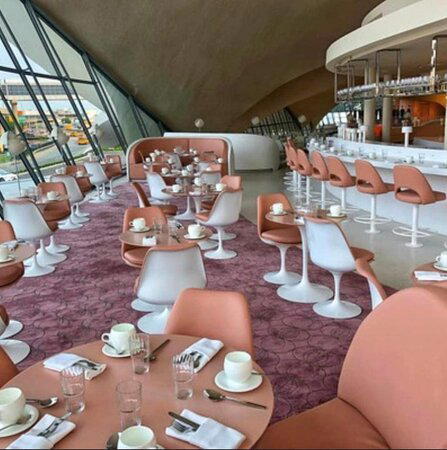
A Room That Earns Its Elevation
The leading floor of a former embassy is an unlikely setting for a fish restaurant, but the building at Henrik Ibsens gate 48 has a logic to it that reveals itself as soon as the lift opens. The wrap-around terrace puts the Oslofjord on one side and the Royal Palace gardens on the other, a pairing of water and greenery that few dining rooms in the Norwegian capital can claim. The structure itself is the work of Eero Saarinen, the Finnish-American architect behind Dulles Airport and the TWA Terminal, and the restaurant inherits both the name and a certain mid-century spatial confidence. Oslo has seen considerable investment in destination dining over the past decade, and the upper tier now includes rooms with serious architectural provenance alongside the kitchens with serious culinary credentials. This address has both.
Fin to Gill in the Norwegian Tradition
Norway's relationship with seafood is not primarily a restaurant construct. It is structural: the country's coastline, its cold-water fisheries, and centuries of preservation culture have made whole-fish thinking the default rather than a marketing position. What has changed in contemporary Oslo dining is how that tradition gets expressed at the table. The nose-to-tail logic that drove the meat-focused New Nordic wave of the 2010s has found a quieter but increasingly rigorous parallel in fish-focused kitchens, where the question is not just which species to serve but which parts, in which sequence, cooked by which method.
Eero works within that framework deliberately. The kitchen's fin-to-gill approach means a single fish can move through the menu in stages: cod tongue arriving as a snack, then belly on the bone as a course, with liver and roe used to deepen the surrounding sauce. This sequencing is both an ethical position and a culinary one. It forces the kitchen to understand a fish as a set of distinct textures and fat contents rather than a single fillet, and it gives the diner a longitudinal experience of one species rather than a series of species appearing and disappearing. The wood-fired oven sits at the centre of the cooking, adding char and smoke to lean marine proteins in a way that gas or induction rarely achieves with the same directness.
For comparison, Oslo's Michelin-recognised seafood-adjacent programmes, at addresses like Tjuvholmen Sjomagasin and in the broader New Nordic lineage of Maaemo and Kontrast, operate at €€€€ and in formats defined by high ceremony and long booking windows. Eero at €€€ occupies a tier that is serious without demanding the same level of advance planning or expenditure, which positions it as the more accessible entry point into destination seafood dining in Oslo.
The Wine Argument for Cold-Water Fish
The editorial angle that Star Wine List used when awarding Eero a White Star in September 2025 is telling: this is a recognition built around how a programme handles the intersection of wine and food, and a fin-to-gill seafood tasting menu presents a specific and demanding challenge for any list. Cold-water white fish, cod, pollock, haddock, are lean proteins with delicate saline flavour and very little fat to buffer tannin or high alcohol. A wood-fired oven introduces bitterness, char, and smoke, which reshapes the pairing logic entirely. And the use of liver and roe as enrichments adds fat and umami, which opens the door to richer, more textured whites that would overwhelm a plain poached fillet.
The wine regions that have traditionally answered this combination are the northern Rhône for Marsanne and Roussanne with enough structure to handle smoke; the Jura for oxidative Chardonnay and Savagnin, which find common ground with salt and marine intensity; and Alsace for Pinot Gris at the fuller end of the spectrum. Burgundian Chardonnay from premier cru sites in Meursault or Puligny performs reliably across the leaner courses but can seem thin against roe or liver. Norwegian natural producers and Scandinavian importers have also built a small but coherent circuit of low-intervention Georgian, Slovenian, and Austrian whites that have found a following in Oslo's more technically inclined wine rooms, and a programme designed around seafood would be well-served by drawing from that pool.
Family-style presentation of some dishes adds a further variable: sharing plates mean different diners at the same table may be eating in slightly different sequences, which makes by-the-glass pours more forgiving than a rigid pairing progression. The tasting menu format, where everyone is served at once, provides structure, but the family-style element introduces a convivial looseness that suits a more generously poured glass approach over a strict course-by-course match. This is a room where the wine programme benefits from range and flexibility rather than a single thematic thread.
Where Eero Sits in Oslo's Current Dining Picture
Oslo's restaurant tier above €€ but below the full Michelin-starred experience has grown and become more defined since the mid-2010s. Addresses like Bar Amour and Hot Shop (the latter holding a Michelin star at €€€) have demonstrated that the city sustains serious cooking across multiple price points. Eero joins that group with a specific identity: the tasting menu format, the architectural setting, and the seafood specialism give it a profile that is distinct from the broader New Nordic category without operating in opposition to it.
Norway's fine dining geography has expanded well beyond Oslo. RE-NAA in Stavanger, FAGN in Trondheim, Gaptrast in Bergen, Iris in Rosendal, Under in Lindesnes, and Boen Gård in Tveit each represent the country's growing interest in regional fine dining outside the capital. The seafood-first approach Eero adopts in Oslo has direct counterparts internationally, from Gambero Rosso in Marina di Gioiosa Ionica to Alici on the Amalfi Coast, where whole-fish philosophy and coastal setting combine in formats that the market now recognises as a coherent category rather than an anomaly.
For a full picture of what Oslo offers beyond the restaurant circuit, EP Club maintains guides across categories: hotels, bars, wineries, and experiences, alongside the full Oslo restaurants guide.
Planning a Visit
Eero is at Henrik Ibsens gate 48, 0255 Oslo, in the Frogner neighbourhood, within walking distance of the Palace Park and a short distance from the main embassy and gallery quarter of the city. The restaurant operates as both a dining room and a cocktail bar, which means the terrace and the views are accessible to those arriving for drinks as well as dinner. Given the tasting menu format and the White Star recognition, booking ahead is advisable; the wine-focused credential will attract visitors specifically planning around the pairing experience. The €€€ price point places it in the same range as Hot Shop and below the €€€€ tier occupied by Maaemo and Kontrast, which makes it a sensible first move for visitors building an Oslo dining itinerary who want a structured tasting format without the full commitment of a three- or four-figure per-head evening.
at Eero?
Eero serves a set tasting menu, so ordering is not a la carte. The kitchen's fin-to-gill approach means the most instructive dishes are those that use secondary cuts: cod tongue as a snack, then belly on the bone enriched with liver and roe, demonstrate the programme's logic better than any single course in isolation. The wood-fired oven is the kitchen's defining tool, and dishes that show its direct heat on lean fish protein are where the cooking is most readable. Some dishes arrive family-style, shared at the table, which is worth accounting for when thinking about how the meal progresses. The White Star from Star Wine List suggests the by-the-glass or pairing option is worth requesting if the programme offers one.
Frequently asked questions
What's the address for Eero?
Eero is located at Henrik Ibsens gate 48, 0255 Oslo, Norway, Oslo.
Is Eero award-winning?
Eero has received recognition including: Eero Restaurant is a restaurant in Oslo, Norway. It was published on Star Wine List on September 16, 2025 and is a White Star.; Perched on the top floor of the former American Embassy and named after its architect Eero Saarinen, this restau….
What's the best thing to order at Eero?
Eero operates on a set tasting menu, so the choice is made for you, but the dishes that most clearly define the kitchen's logic are those built around a single fish from tongue to belly to liver and roe. Chef Charles Taylor's fin-to-gill approach means the same species appears across multiple courses, cooked over the wood-fired oven at the heart of the room. That continuity is the point: cod tongue as an opening snack, then its belly on the bone later, tells you more about Norwegian cold-water fishing than any single standalone dish could.
Is Eero expensive?
Pricing at Eero is listed as €€€.
Booking and Cost Snapshot
| Venue | Cuisine | Price | Awards | Notes |
|---|---|---|---|---|
| EeroThis venue (the venue you are viewing) | Modern Seafood Tasting Menu | $100–150 | Michelin Plate · Star Wine List | Not listed |
| Maaemo | New Nordic Fine Dining | $300–500 | 3 Michelin Stars · World's 50 Best #47 | New Nordic, Modern Cuisine |
| Kontrast | Modern Nordic Fine Dining | $200–300 | 2 Michelin Stars · La Liste Top Restaurants | New Nordic, Scandinavian |
| Hot Shop | Modern Nordic Tasting Menu | $100–150 | 1 Michelin Star · Star Wine List | New Nordic, Modern Cuisine |
| Statholdergaarden | Classic Norwegian-French Fine Dining | $200–300 | 1 Michelin Star · La Liste Top Restaurants | Modern European, Classic Cuisine |
| Arakataka | Modern Nordic | $50–100 | Michelin Plate · Star Wine List | Nordic, Norwegian |
Recognition history
Dated appearances from independent guides and award organizations, with the underlying list record or original source where available.
Michelin Plate
Michelin
Star Wine List
Star Wine List
Full recognition history (4 entries)
Michelin Plate
Michelin
Michelin Plate
Michelin
Continue exploring
More in Oslo
Restaurants in Oslo
All restaurants in Oslo →
Bars in Oslo
All bars in Oslo →
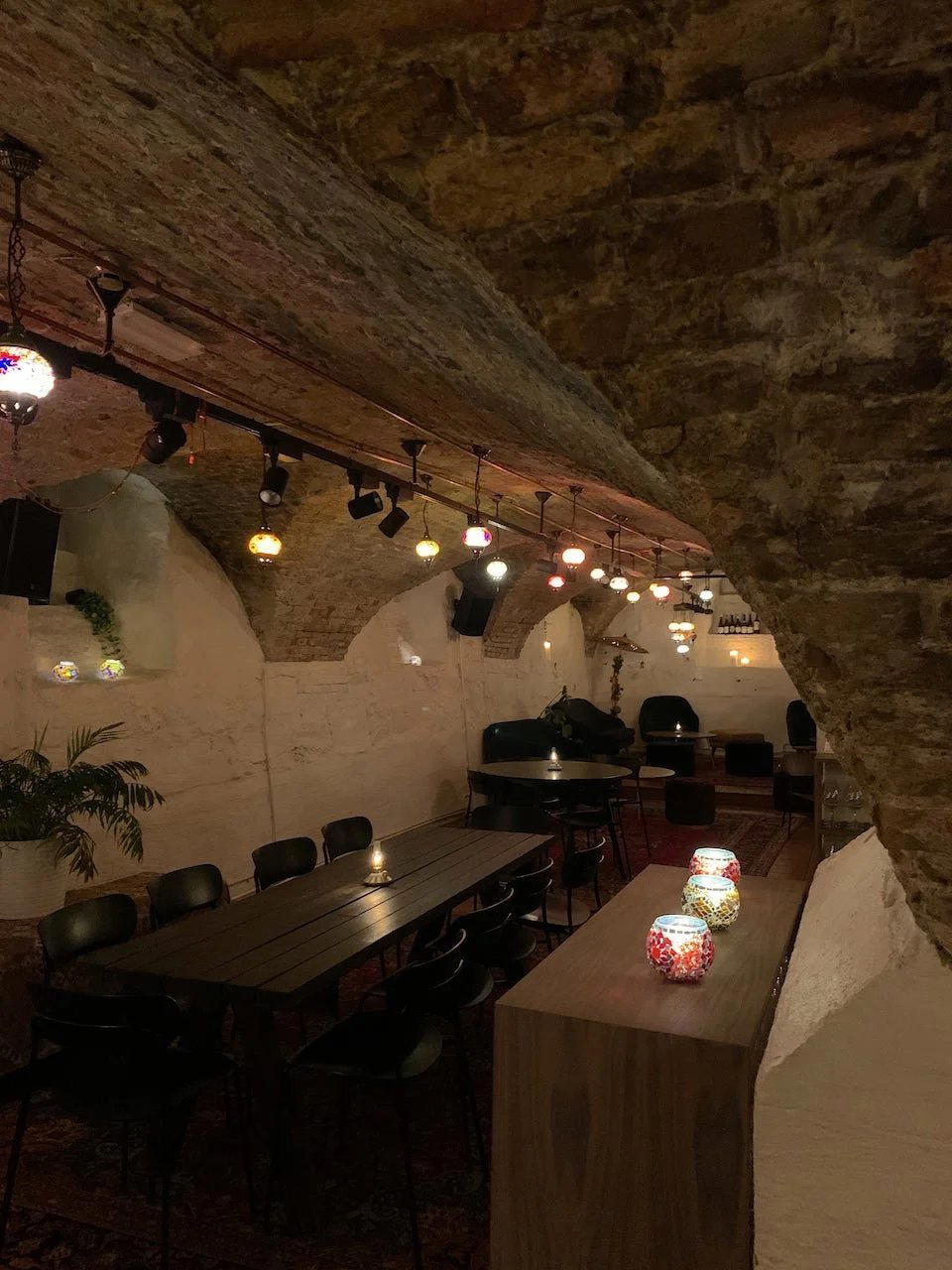
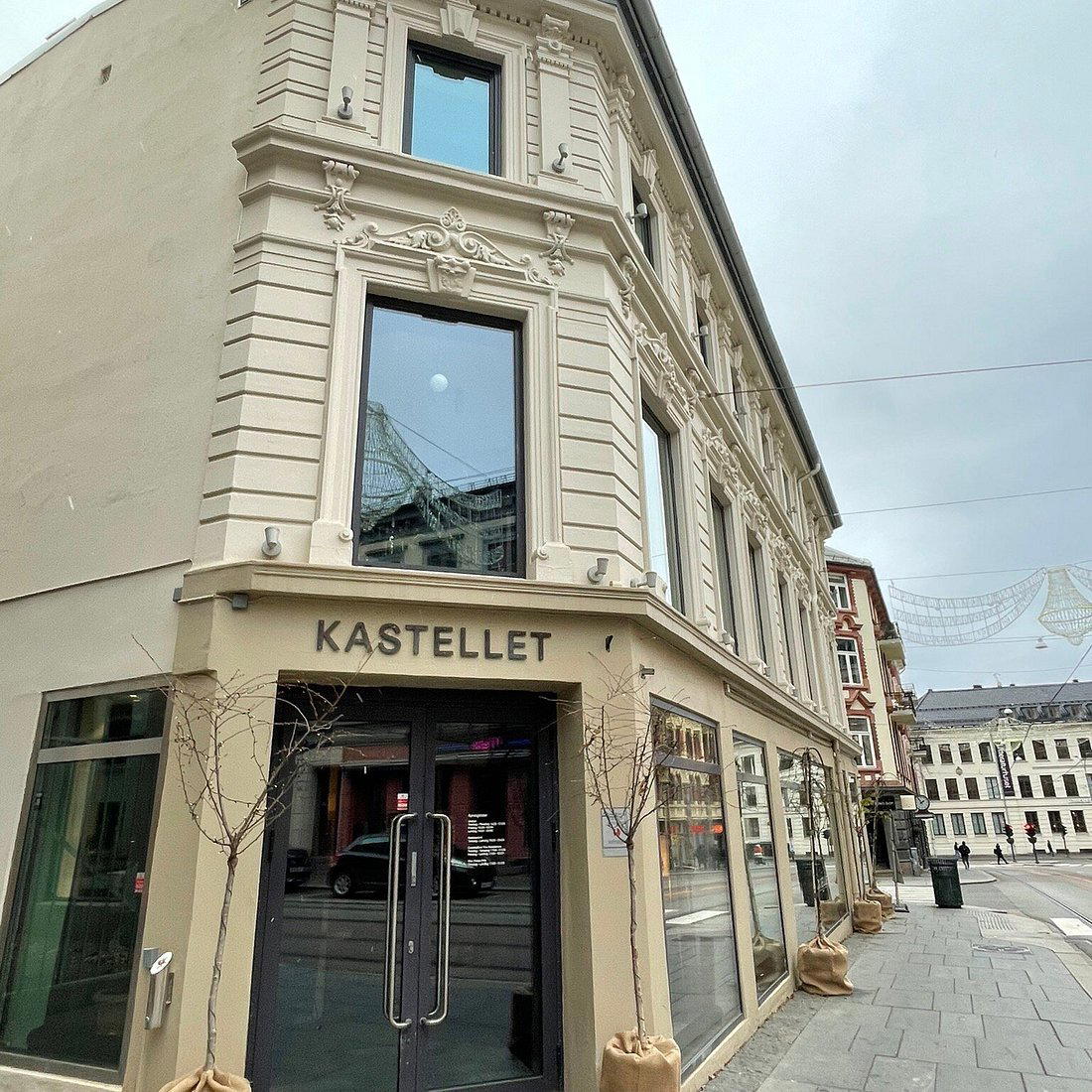
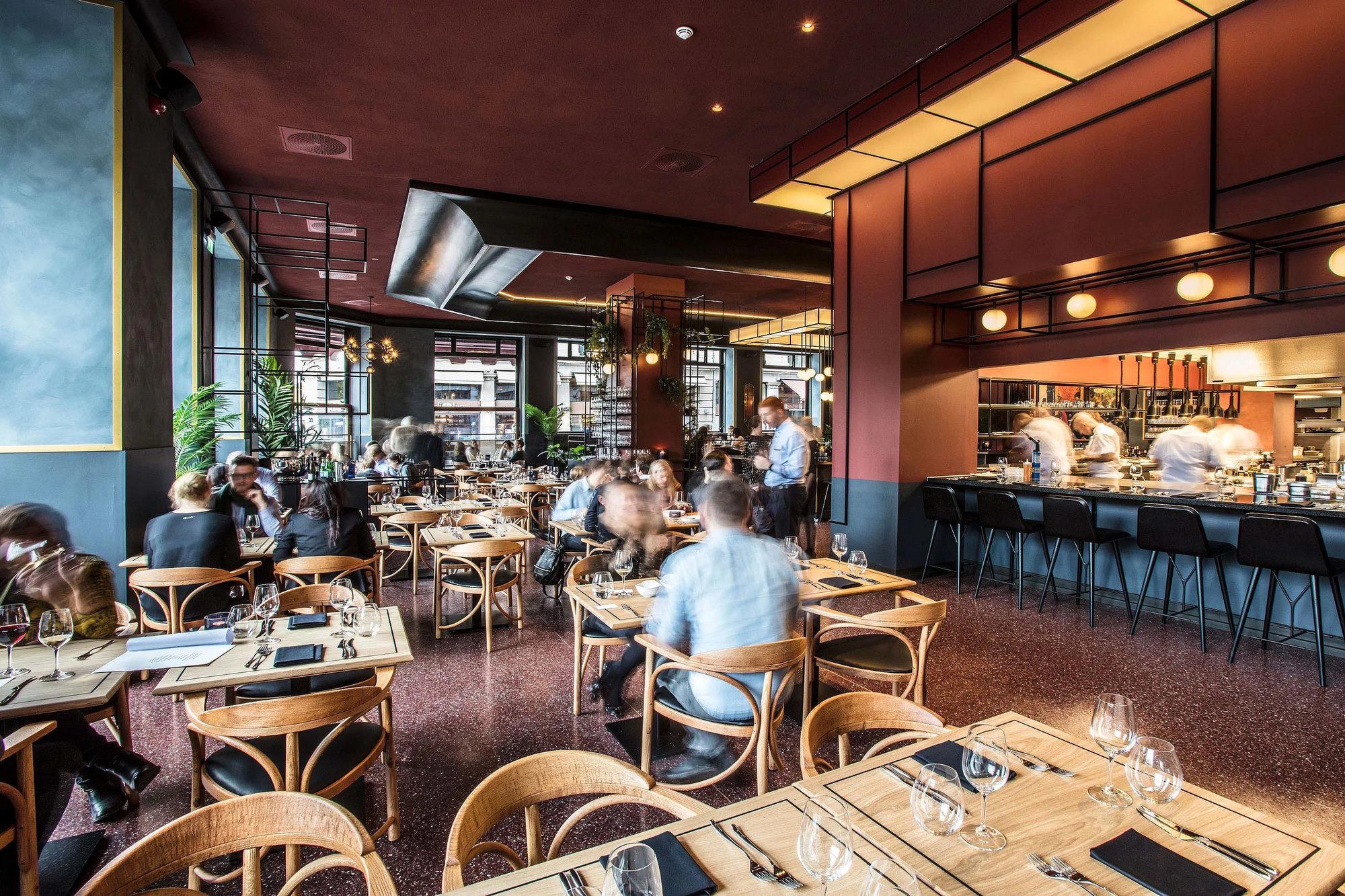

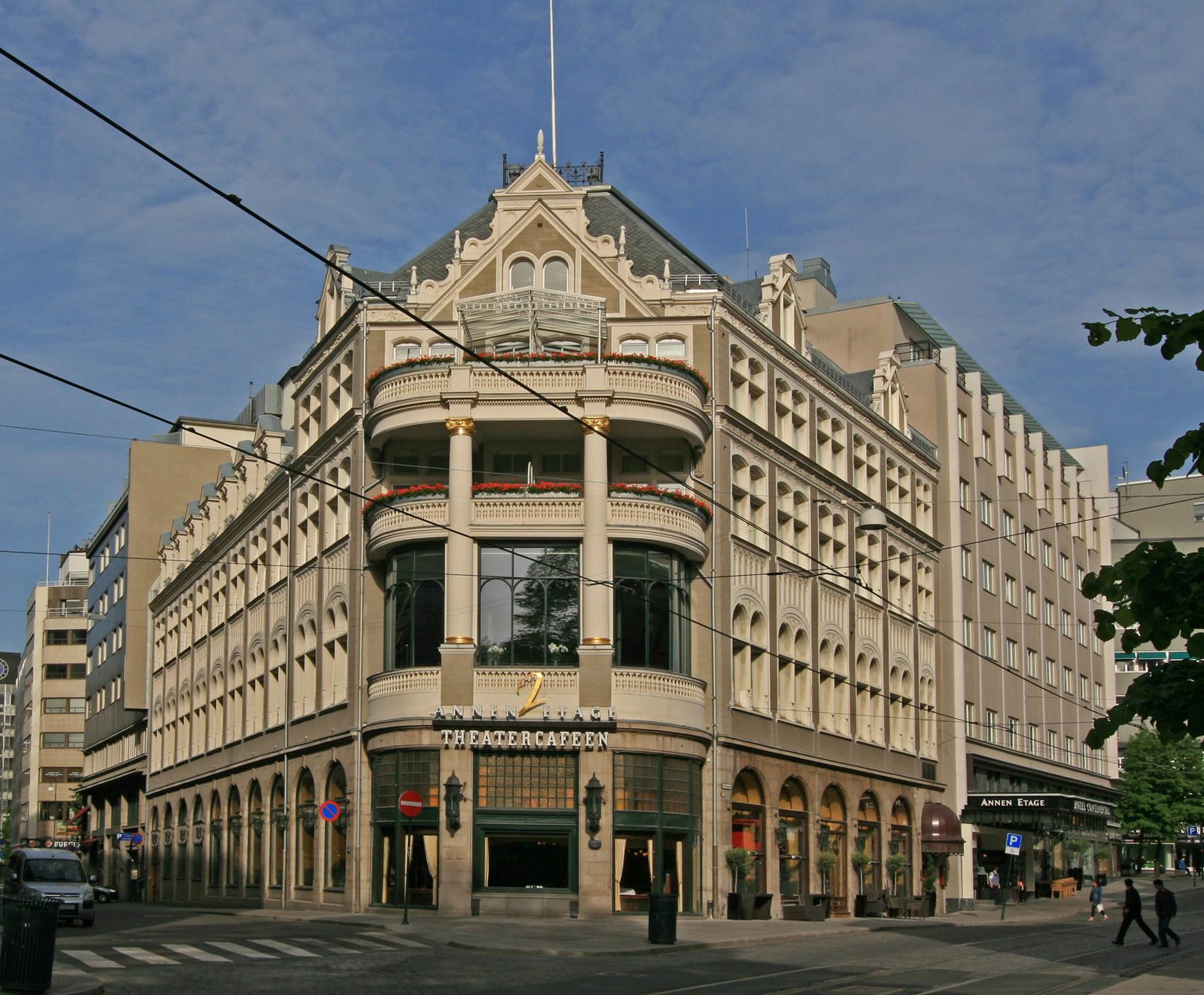



Eero
The wine
- Wine program
- Deep wine list
- Extensive wine list
- Craft cocktails
Details
- Modern
- Elegant
- Trendy
- Sophisticated
- Scenic
- Date Night
- Special Occasion
- Private Event
- Rooftop
- Open Kitchen
- Terrace
- Panoramic View
- Extensive Wine List
- Craft Cocktails
- Waterfront
- Garden
- Tasting Menu
- Family Style
- Small Plates
- Vegetarian Friendly
Current opening hours
- Monday
- Closed
- Tuesday
- Closed
- Wednesday
- 5 PM–12 AM
- Thursday
- 5 PM–12 AM
- Friday
- 4 PM–12 AM
- Saturday
- 4 PM–12 AM
- Sunday
- Closed
Hours can change for holidays and private events. Hours as of .
Bright and calm early evening transitioning to higher energy late night, with sweeping views from the lounge and terrace.