Tigre occupies a corner of Hamburg's Altona district where the city's port-facing pragmatism meets a quieter residential tempo. The address on Nernstweg places it outside the downtown fine-dining corridor, in a neighbourhood where ambitious cooking tends to earn loyalty rather than tourist traffic. It sits in the mid-to-upper tier of Hamburg's broader creative restaurant scene.
Pearl is the En Primeur Club membership app — saves, bookings, and concierge access live there. Same editors, same standards.
- Address
- Nernstweg 32-34, 22765 Hamburg, Germany
- Phone
- +4940524733830
- Website
- tigre-hamburg.com
- Directions
- Get directions
 Saves & bookings on Pearl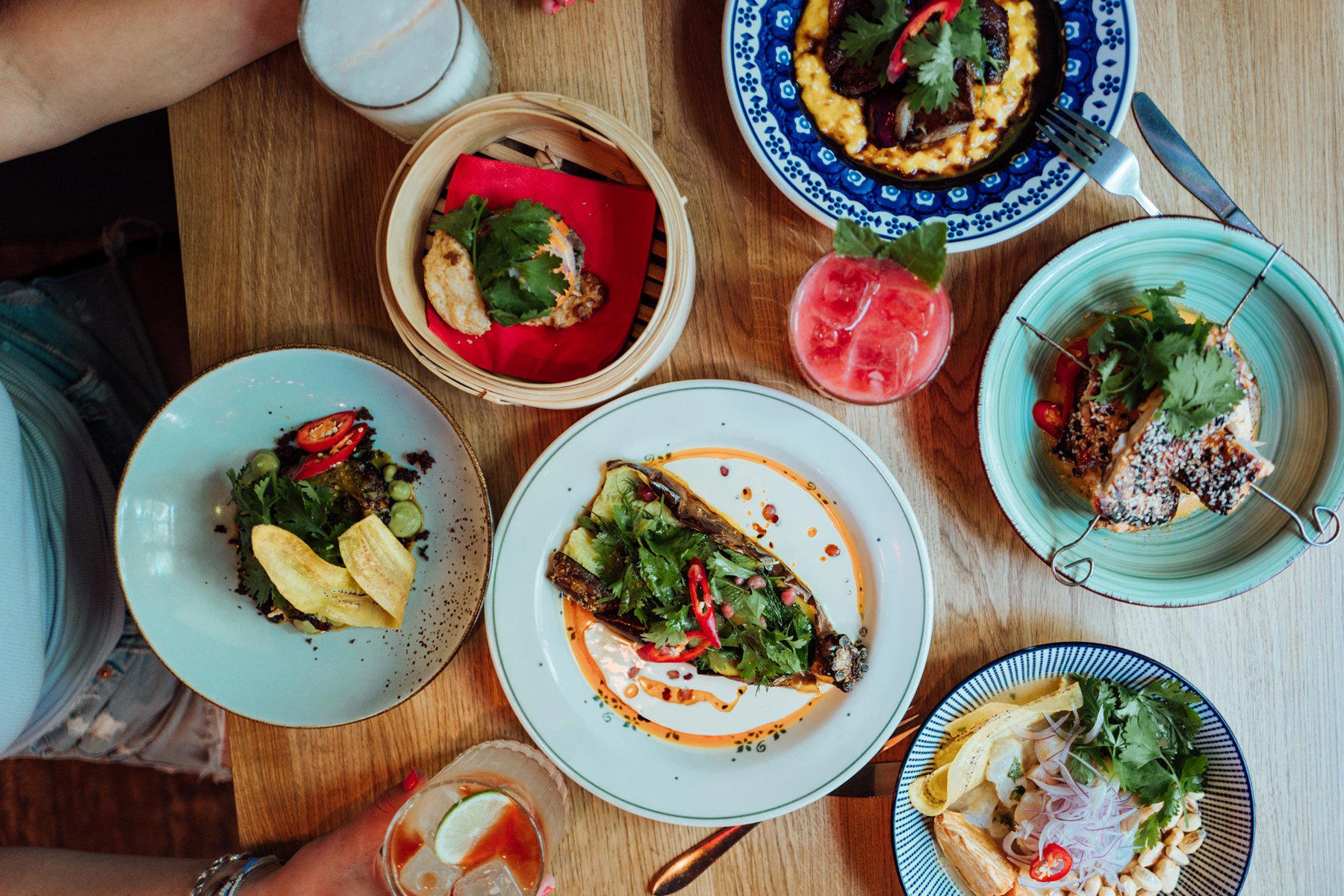
Altona's Quieter Register
Hamburg's serious restaurant scene has long been weighted toward the inner city and HafenCity, where waterfront addresses and corporate expense accounts sustain a particular style of formal dining. Altona operates differently. The neighbourhood, technically an independent city until 1937, retains a character shaped by fishing, transit workers, and successive waves of new residents. Restaurants here tend to earn their customers through repetition rather than occasion, and the cooking reflects that: technically demanding, but rarely performative. Tigre, a modern Latin American restaurant at Nernstweg 32-34 in Hamburg, sits inside that local logic.
The address itself is instructive. Nernstweg runs through a part of Altona that functions as a working residential corridor rather than a dining destination. That positioning matters because it filters the room toward a specific kind of guest: one who sought the place out, not one who wandered in from a nearby hotel concierge recommendation. In Hamburg's competitive mid-to-upper tier, that self-selection tends to sharpen both the kitchen's ambition and the regulars' expectations.
Where Local Product Meets External Method
The broader tension in serious northern European cooking right now sits between two forces: the Scandinavian-influenced push toward hyper-local, foraged, and fermented ingredients, and the persistence of classical French and Mediterranean technique as the dominant grammar of fine dining. Hamburg, as a port city with long trade routes and a historically outward-facing culture, has always been a place where those forces negotiate rather than resolve. Particularly interesting restaurants in the city tend to occupy that negotiation rather than pick a side.
That intersection of imported methods and regional product is increasingly where Hamburg distinguishes itself from Berlin's more ideologically local cooking culture, or Munich's comfort-driven tradition. At venues across the city's upper tier, the pattern repeats: North Sea fish handled with precision borrowed from French kitchens, local dairy integrated into formats that owe more to Spanish or Italian technique than to German tradition. bianc makes that Mediterranean-Nordic negotiation explicit in its positioning; Lakeside works the German lakeside tradition through a more contemporary European lens. The city's appetite for that kind of cross-referencing is well established by now.
Tigre's placement in Altona rather than the centre suggests a kitchen more interested in that ongoing negotiation than in the formal signalling that comes with a prestige postcode. The neighbourhood has historically been where Hamburg's more experimentally minded restaurateurs open when they want room to develop a voice without the overhead pressure of a HafenCity address.
The Hamburg Fine-Dining Tier: Context and Competition
Understanding where Tigre sits requires a brief survey of the city's upper end. Hamburg carries significant Michelin weight for a German city its size. Restaurant Haerlin anchors the classical French tradition with two Michelin stars and decades of consistency. The Table Kevin Fehling operates at the three-star level with a 20-seat counter format that has become a reference point for intimate, high-intensity tasting menus in Germany. 100/200 Kitchen approaches the city's creative end from a more casual but technically rigorous angle.
Beyond Hamburg, Germany's broader fine-dining infrastructure provides useful peer comparison. Aqua in Wolfsburg, Schwarzwaldstube in Baiersbronn, and Vendôme in Bergisch Gladbach each represent the established three-star tier that defines the upper ceiling nationally. Further along the creative spectrum, CODA Dessert Dining in Berlin and ES:SENZ in Grassau demonstrate how German kitchens have absorbed international technique while maintaining a distinctly northern European sensibility. Victor's Fine Dining by Christian Bau in Perl and Waldhotel Sonnora in Dreis round out the rural fine-dining tradition that continues to hold serious weight in German gastronomy. Schanz in Piesport and Bagatelle in Trier add further regional texture to the national picture.
Internationally, the question of how ambitious restaurants integrate local product with globally trained technique has produced some of the past decade's most discussed addresses. Le Bernardin in New York City remains the benchmark for how classical French seafood technique can be transplanted and sustained outside its origin culture. Atomix in New York City demonstrates how Korean culinary grammar, expressed through a fine-dining format, can generate genuine critical authority. Both offer models for the kind of cross-cultural technical ambition that Germany's more interesting kitchens have been absorbing. JAN in Munich represents that same conversation within the German context, with a South African-born chef applying a particular set of product sensibilities to Bavarian ingredients.
Planning a Visit
| Venue | Area | Price Tier | Format |
|---|---|---|---|
| Tigre | Altona | Unconfirmed | Unconfirmed |
| The Table Kevin Fehling | HafenCity | €€€€ | Counter tasting menu |
| bianc | Central | €€€€ | Modern Mediterranean |
| Lakeside | Outer | €€€€ | German contemporary |
| Restaurant Haerlin | Neustadt | €€€€ | Classical French |
Awards and Standing
Comparable venues nearby, for context on price, style, and recognition.
| Venue | Cuisine | Price | Notes |
|---|---|---|---|
| TigreThis venue — the venue you are viewing | Modern Latin American with Asian & European Touch | $$$ | Not listed |
| La Sala | Modern International Sharing Plates | $$$ | St. Pauli |
| Matsumi | Authentic Japanese Sushi & Traditional Cuisine | $$$ | Neustadt |
| Wallter's Bistro & Kontor | Modern French-German Bistro | $$$ | Neustadt |
| Brüdigams | Modern German Bistro | $$$ | Neu Lokstedt |
| I Vigneri | Authentic Regional Italian Osteria | $$$ | Hamburg-Altstadt |
Continue exploring
More in Hamburg
Restaurants in Hamburg
Browse all →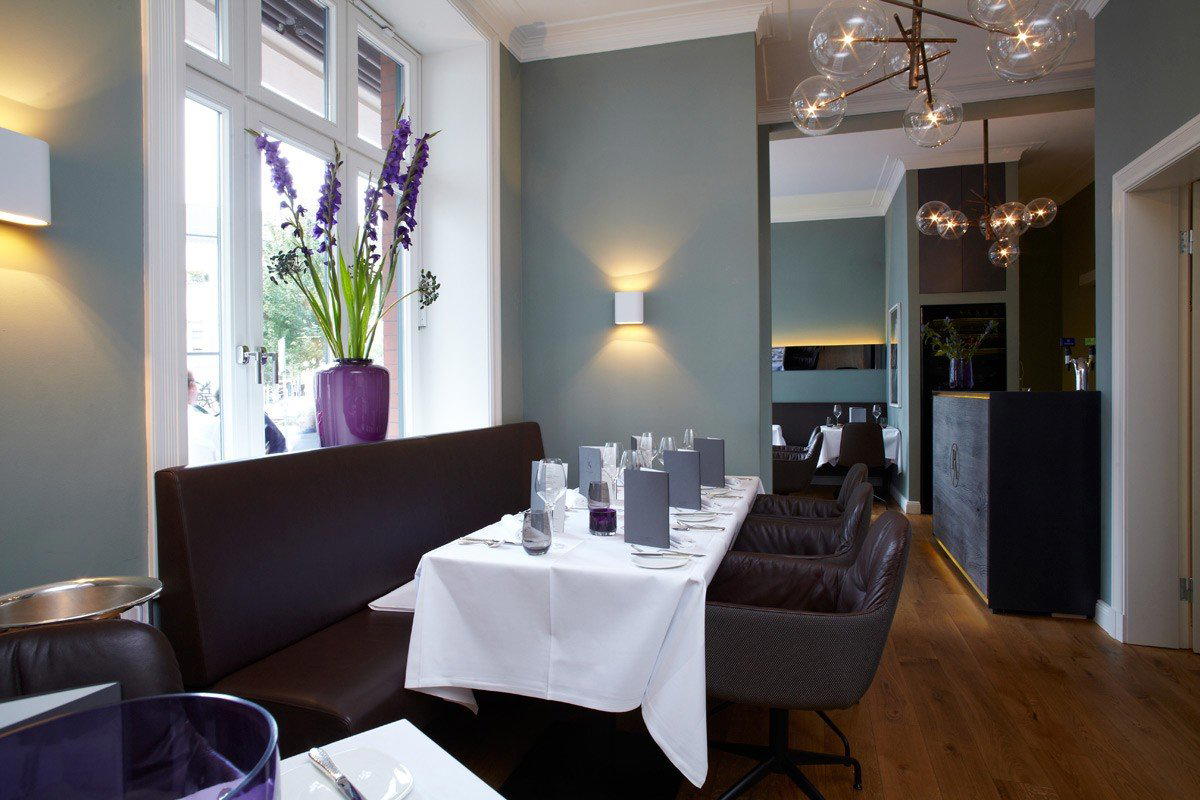
At a Glance
- Modern
- Lively
- Trendy
- Cozy
- Group Dining
- Casual Hangout
- Date Night
- Celebration
- Open Kitchen
- Standalone
- Design Destination
- Craft Cocktails
- Extensive Wine List
Current opening hours
- Monday
- Closed
- Tuesday
- 6–10 PM
- Wednesday
- 6–10 PM
- Thursday
- 6–10 PM
- Friday
- 5–11 PM
- Saturday
- 5–11 PM
- Sunday
- Closed
Hours can change for holidays and private events. Last verified .
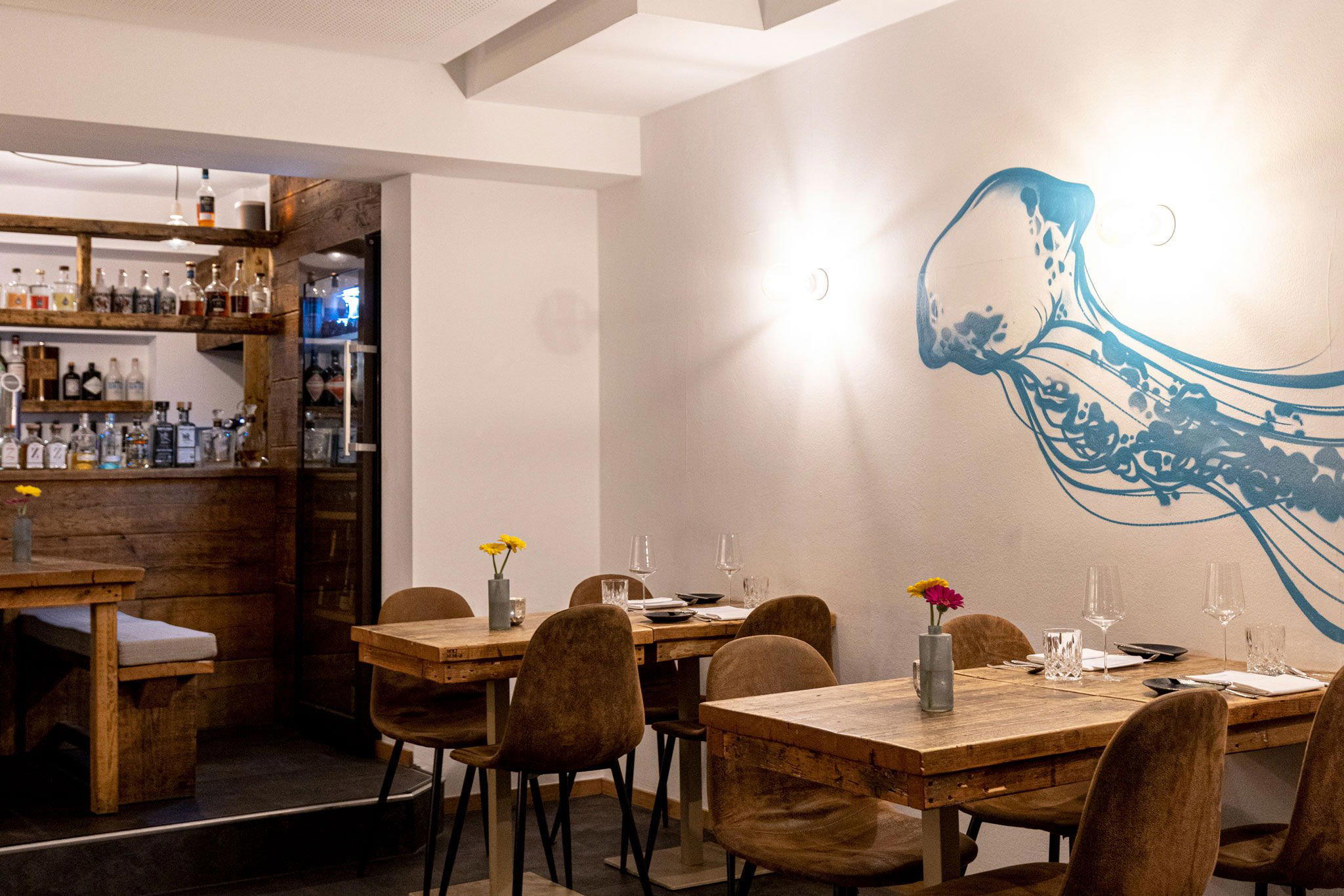
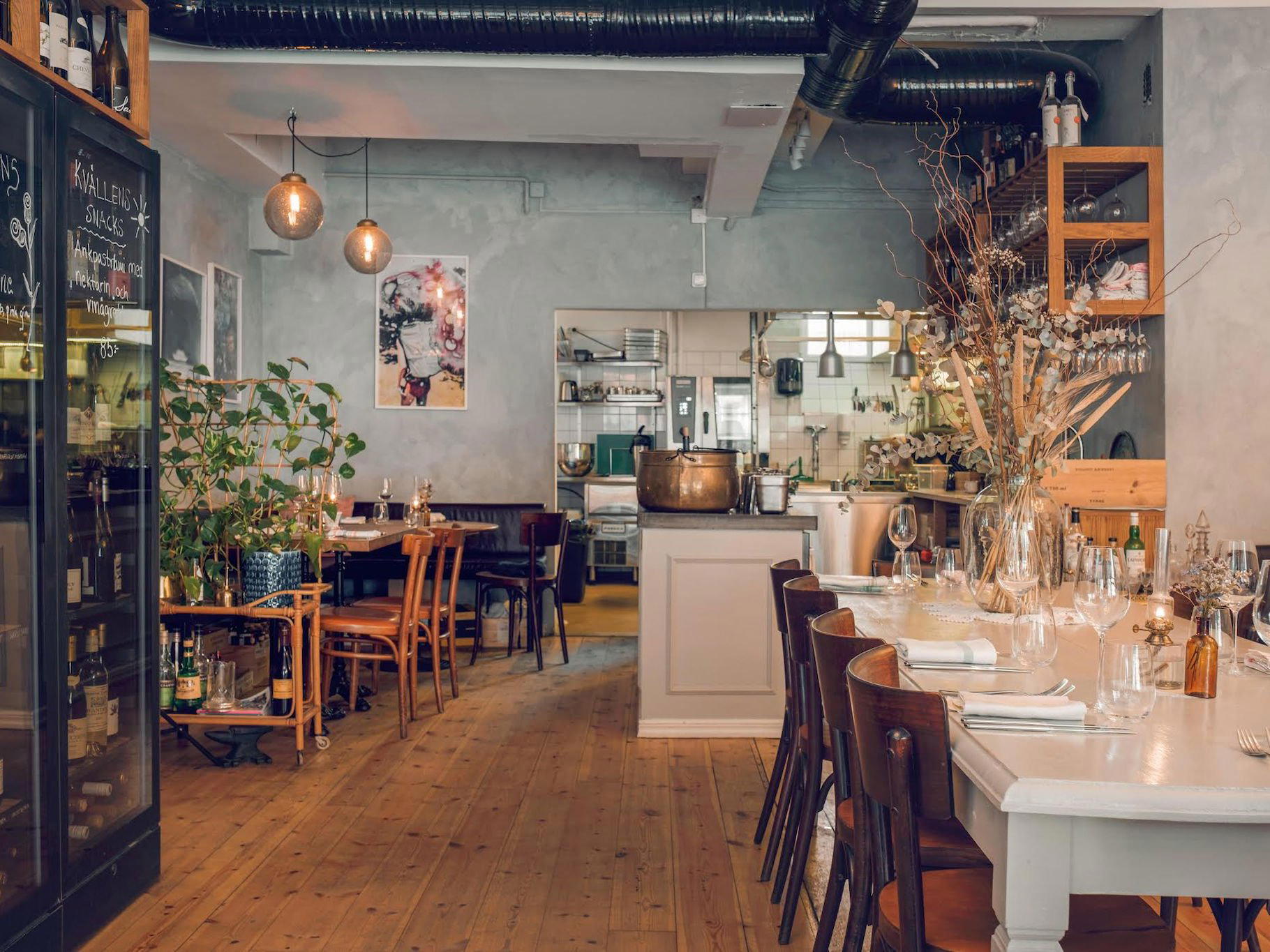
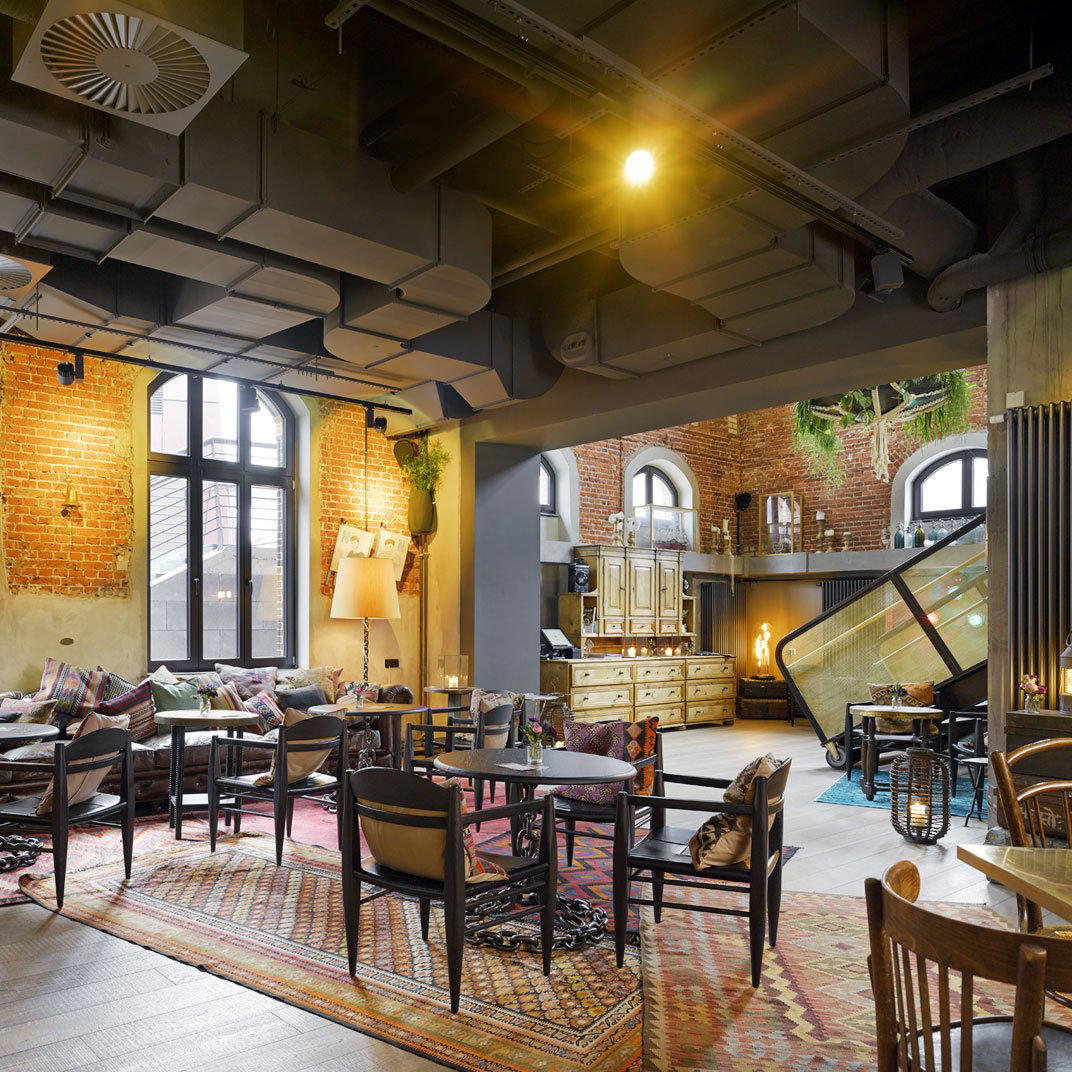
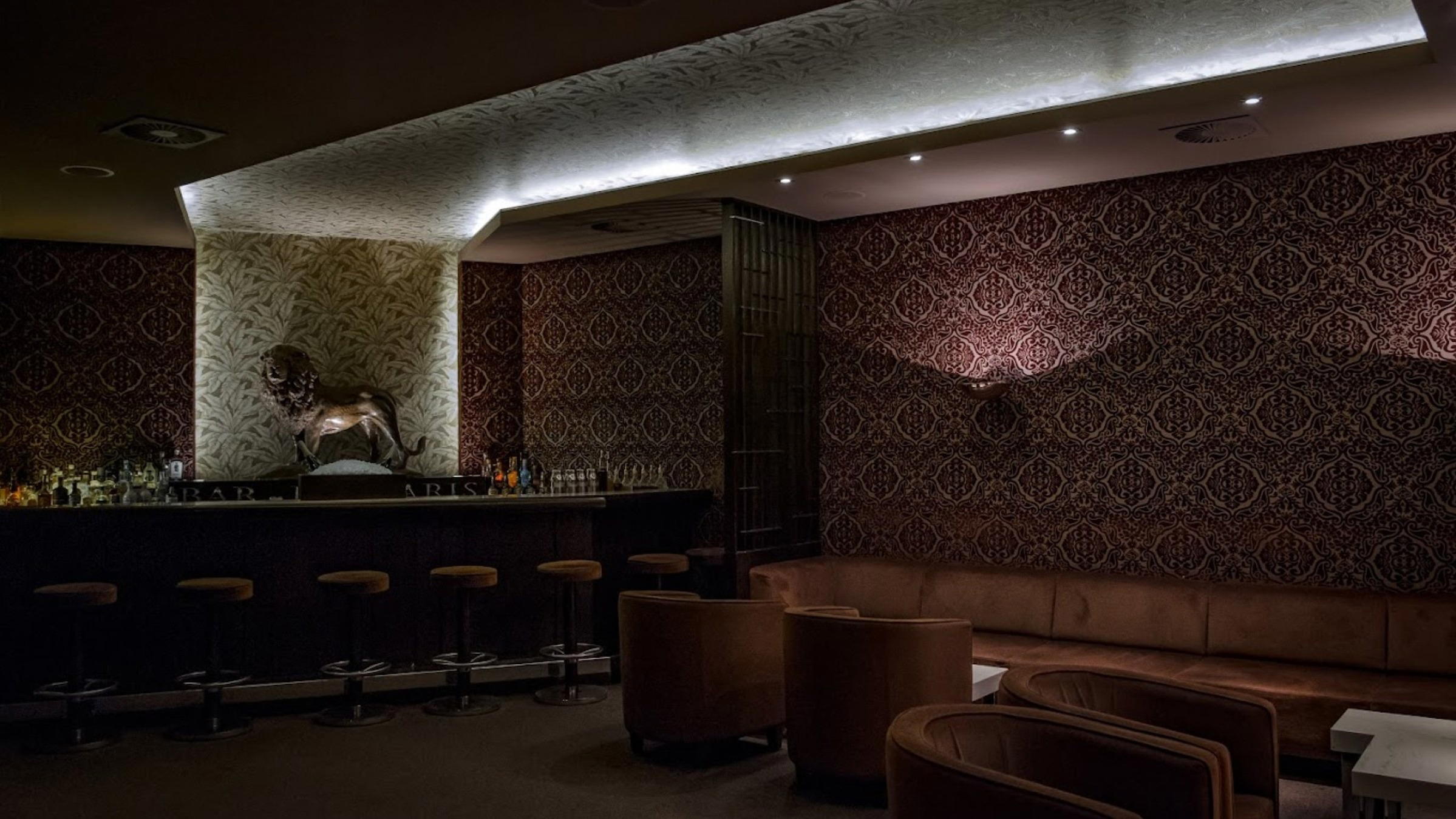
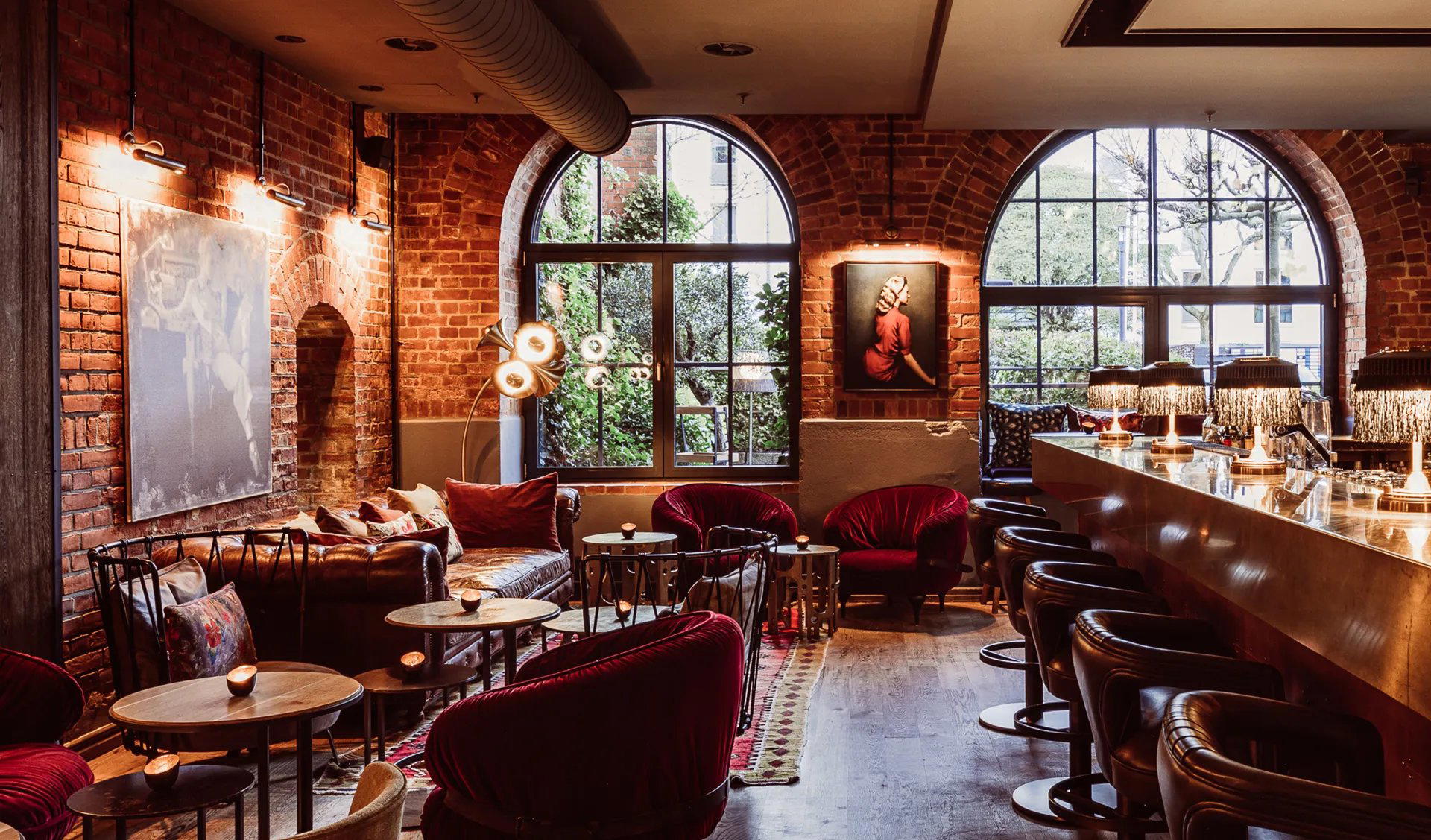
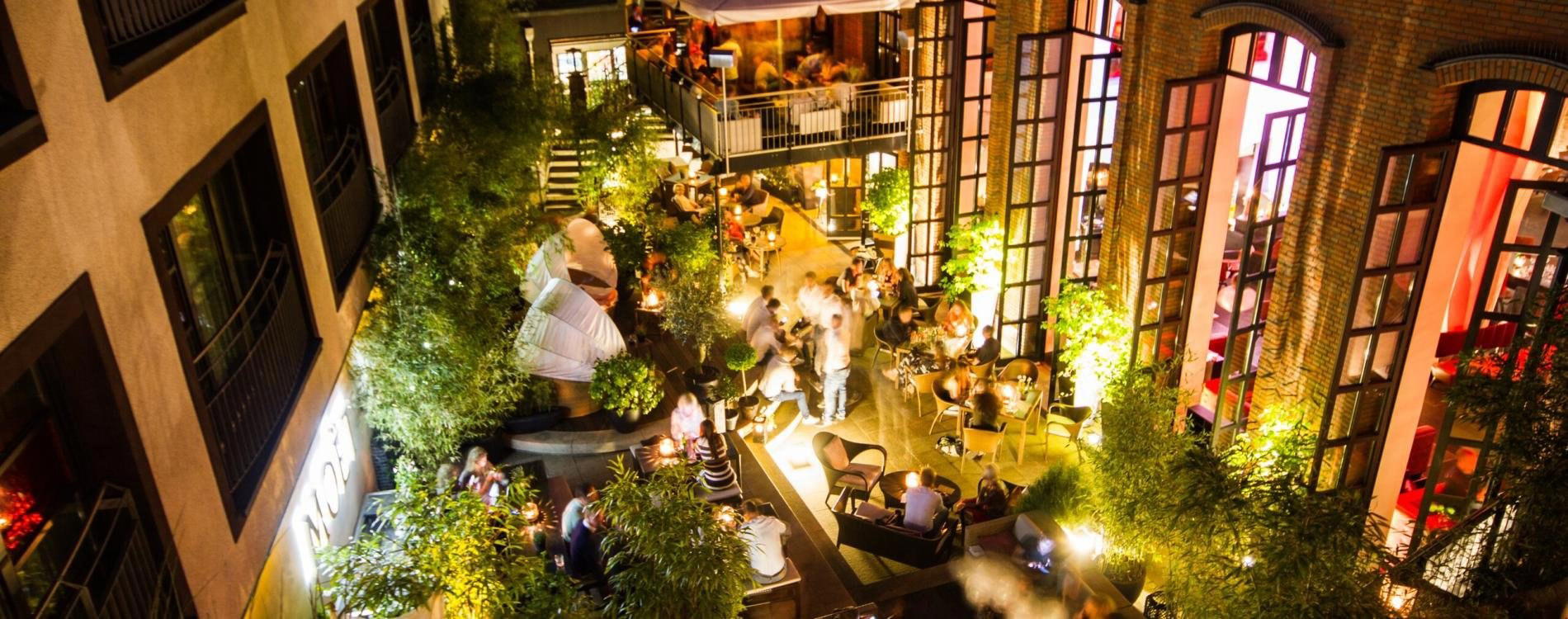
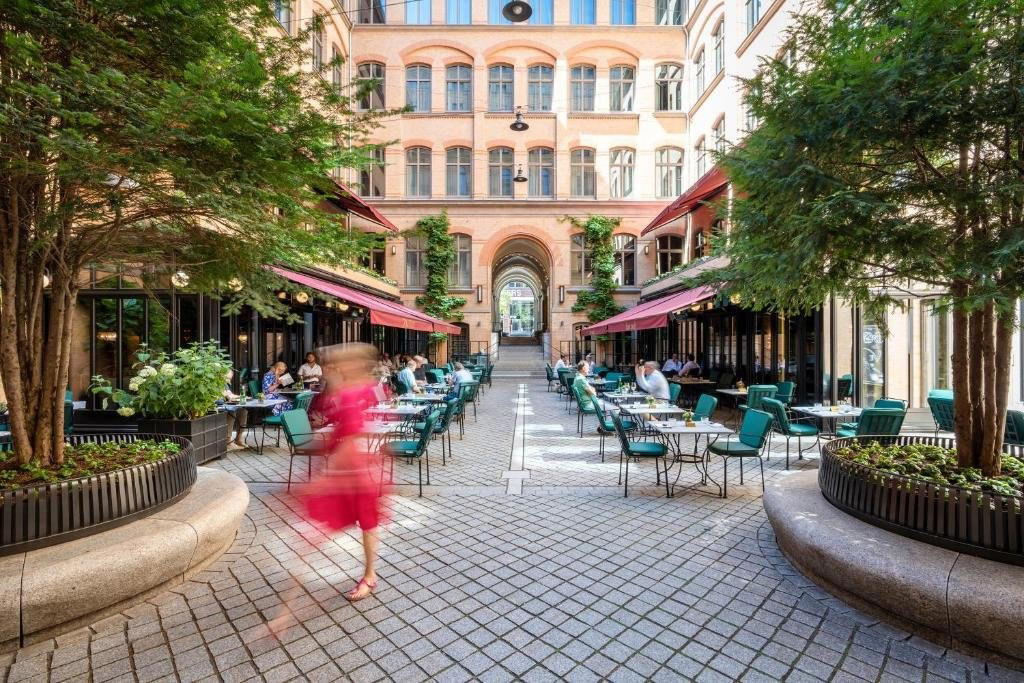
Bright, modern decor with Latin design elements creating a stylish yet cozy atmosphere enhanced by Latin music, making it feel welcoming and energetic.