Our verdict
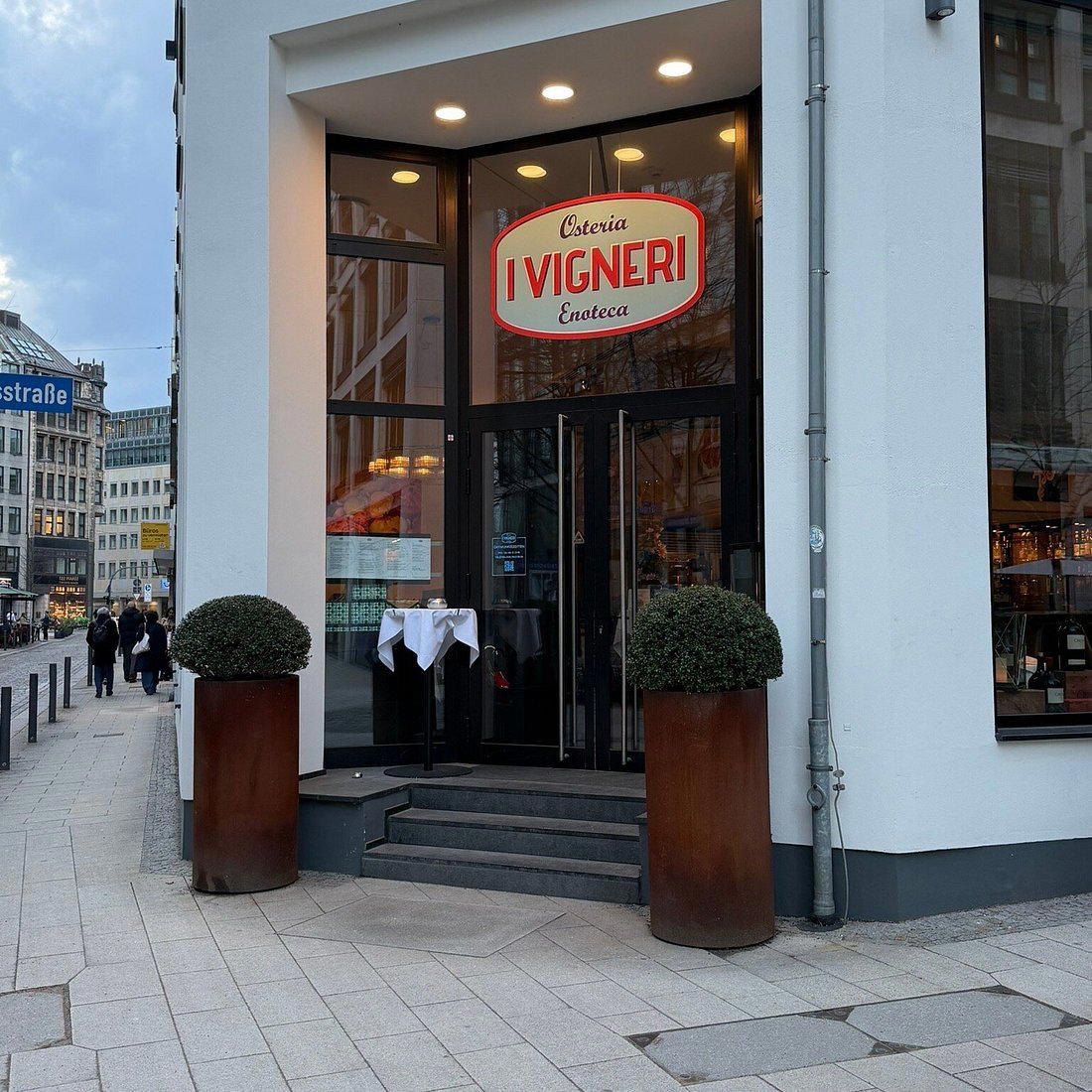
I Vigneri occupies a central address on Große Bäckerstraße in Hamburg's old town core, where the city's appetite for southern European dining continues to deepen. The name signals an Italian wine and agricultural tradition, placing this address within a broader shift in Hamburg's fine dining scene toward imported technique applied to regional produce. A reservation here sits at the intersection of northern German ingredients and Mediterranean culinary grammar.

Pearl is the En Primeur Club membership app — saves, bookings, and concierge access live there. Same editors, same standards.
- Address
- Große Bäckerstraße 13, 20095 Hamburg, Germany
- Phone
- +494038670850
- Hours
- Mon–Sat 12–11 PMSun Closed
- Website
- ivigneri.de
- Directions
- Get directions
Southern Method, Northern Table
Hamburg's fine dining circuit has, over the past decade, separated into two recognisable camps: the Franco-German creative format represented by addresses like Restaurant Haerlin and The Table Kevin Fehling, and a smaller but growing cohort drawing on Mediterranean and southern European culinary logic. I Vigneri, at Große Bäckerstraße 13 in the old city centre, belongs to the second group. The address alone signals intent: this is central Hamburg, within walking distance of the Rathaus and the Alsterarkaden, in a commercial district that rewards the restaurant willing to work harder than its postcode requires.
The name I Vigneri references a Sicilian winegrowers' cooperative with deep roots on the slopes of Etna, a region where volcanic soils and altitude produce wines of discipline and mineral precision. That reference carries editorial weight in the context of a Hamburg dining room: it announces a sensibility shaped by the Italian south, where the relationship between land, season, and table is not abstract but agricultural. Whether that sensibility extends to the wine list, the menu structure, or both, it positions the room differently from Hamburg's classically oriented European fine dining addresses.
The Case for Mediterranean Technique in a Northern City
Hamburg is not an obvious home for southern Italian culinary grammar. The city's gastronomic identity was built on North Sea seafood, smoked fish, and the practical cooking of a port that received goods from everywhere but kept its own cold-climate preferences. What has changed is the generation of chefs and restaurateurs who trained across Europe and returned with methods rooted elsewhere. Fermentation, wood-fire cooking, raw preparations, and the aggressive seasoning traditions of Campania or Sicily now appear regularly in Hamburg kitchens, applied to Elbe salmon, Schleswig-Holstein dairy, and Baltic shellfish.
This intersection of imported methods and indigenous products defines a specific tier of contemporary European dining, visible in cities from Copenhagen to Lisbon. At the productive end of that model, the technique does not override the ingredient: it draws out what northern produce does naturally. At the less successful end, Mediterranean palate expectations meet ingredients that were never meant to perform that way. The editorial question for any Hamburg restaurant in this category is which side of that line it occupies. I Vigneri's positioning, anchored to the Vigneri name's association with low-intervention winemaking and terroir fidelity, suggests an orientation toward restraint rather than spectacle.
Hamburg's Mediterranean-inflected tier includes bianc, which operates at the €€€€ price point with a modern Mediterranean format, and Lakeside, which applies German lakeside produce to a similarly formal setting. I Vigneri enters a competitive set where the price-to-format relationship is well-established and guests arrive with calibrated expectations. Elsewhere in Germany, the technique-meets-terroir argument has produced some of the country's most discussed tables: 100/200 Kitchen within Hamburg, and beyond the city, Aqua in Wolfsburg and JAN in Munich each demonstrate how rigorous technique applied to regional produce can build durable critical reputations.
What the Room Proposes
Große Bäckerstraße sits in the Altstadt, Hamburg's oldest commercial district, where medieval street lines survive beneath nineteenth-century facades. The street is narrow and foot-trafficked, more workaday than fashionable, which tends to filter out casual walk-in trade and concentrate the clientele around deliberate reservations. In this kind of urban setting, a restaurant's interior does significant work: it either signals the seriousness of what follows or undermines it before a dish arrives.
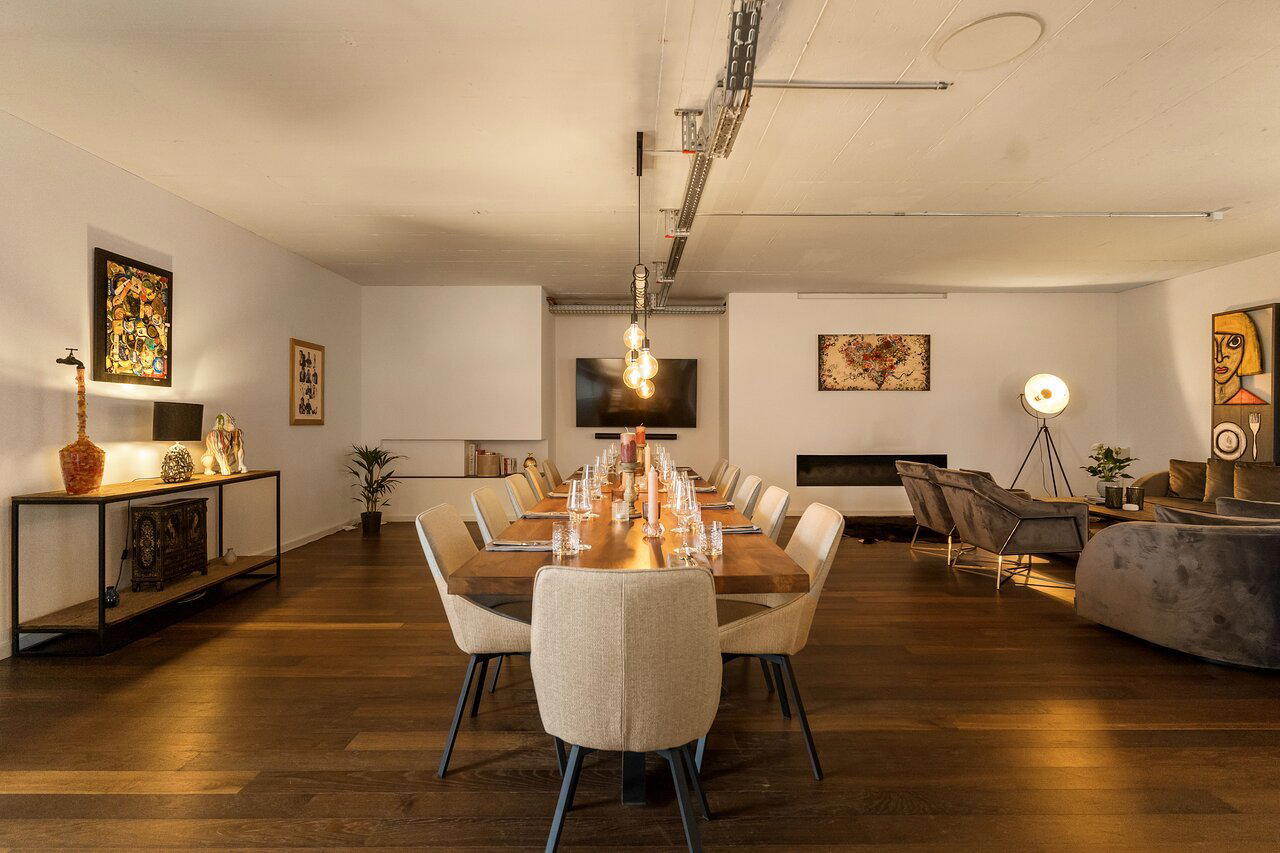
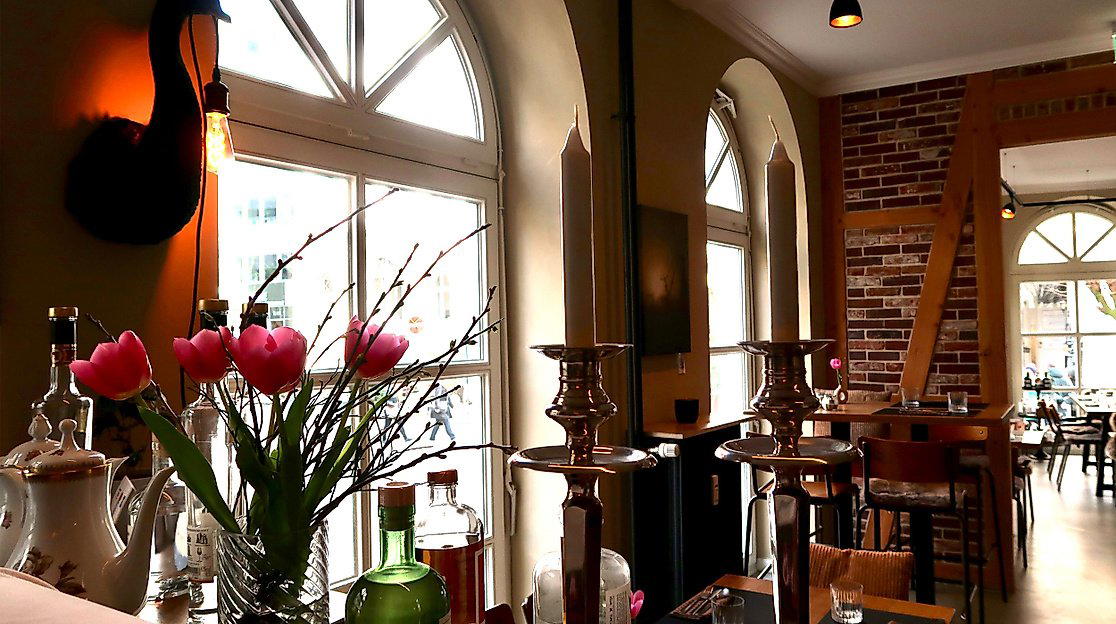
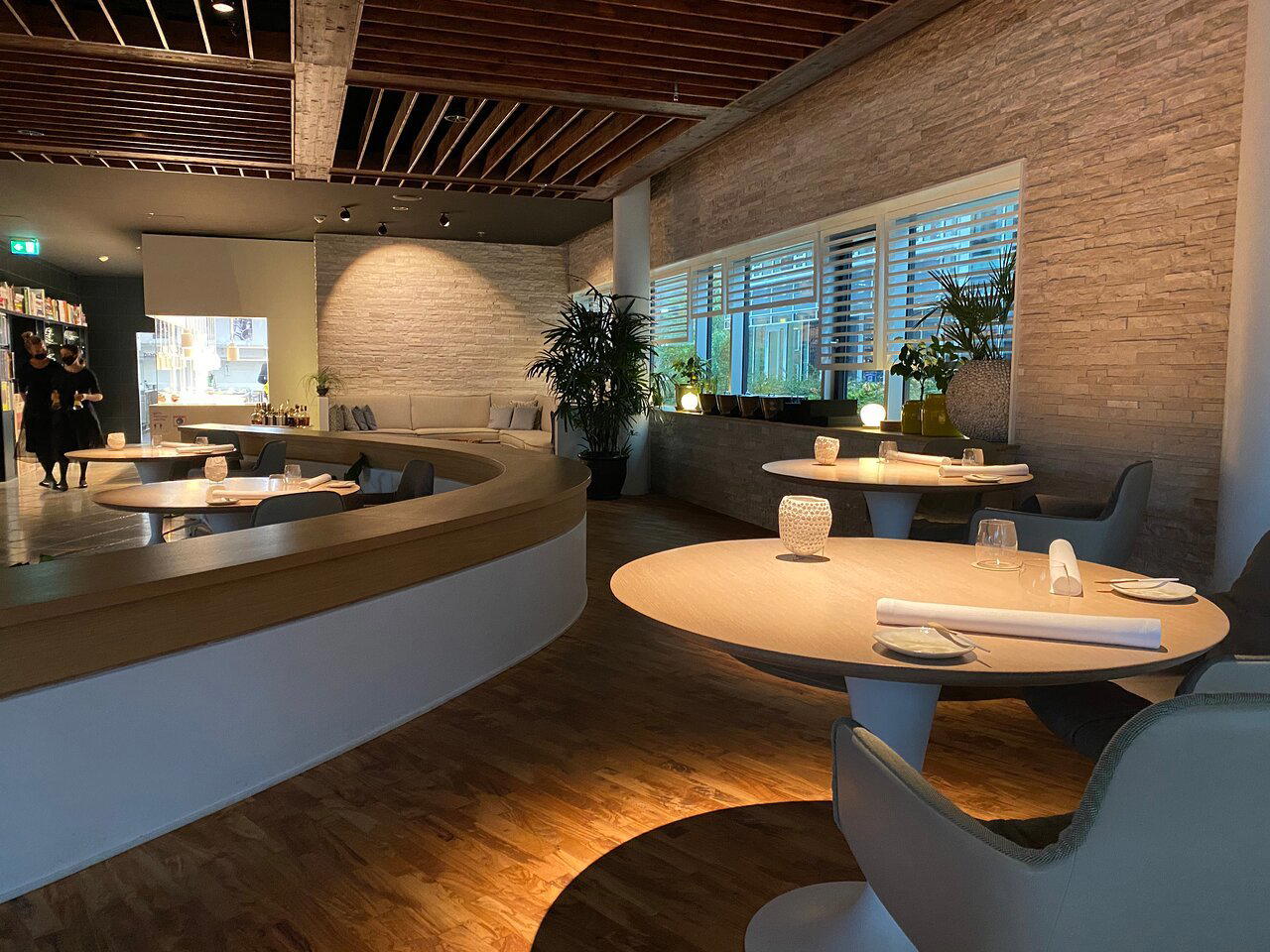
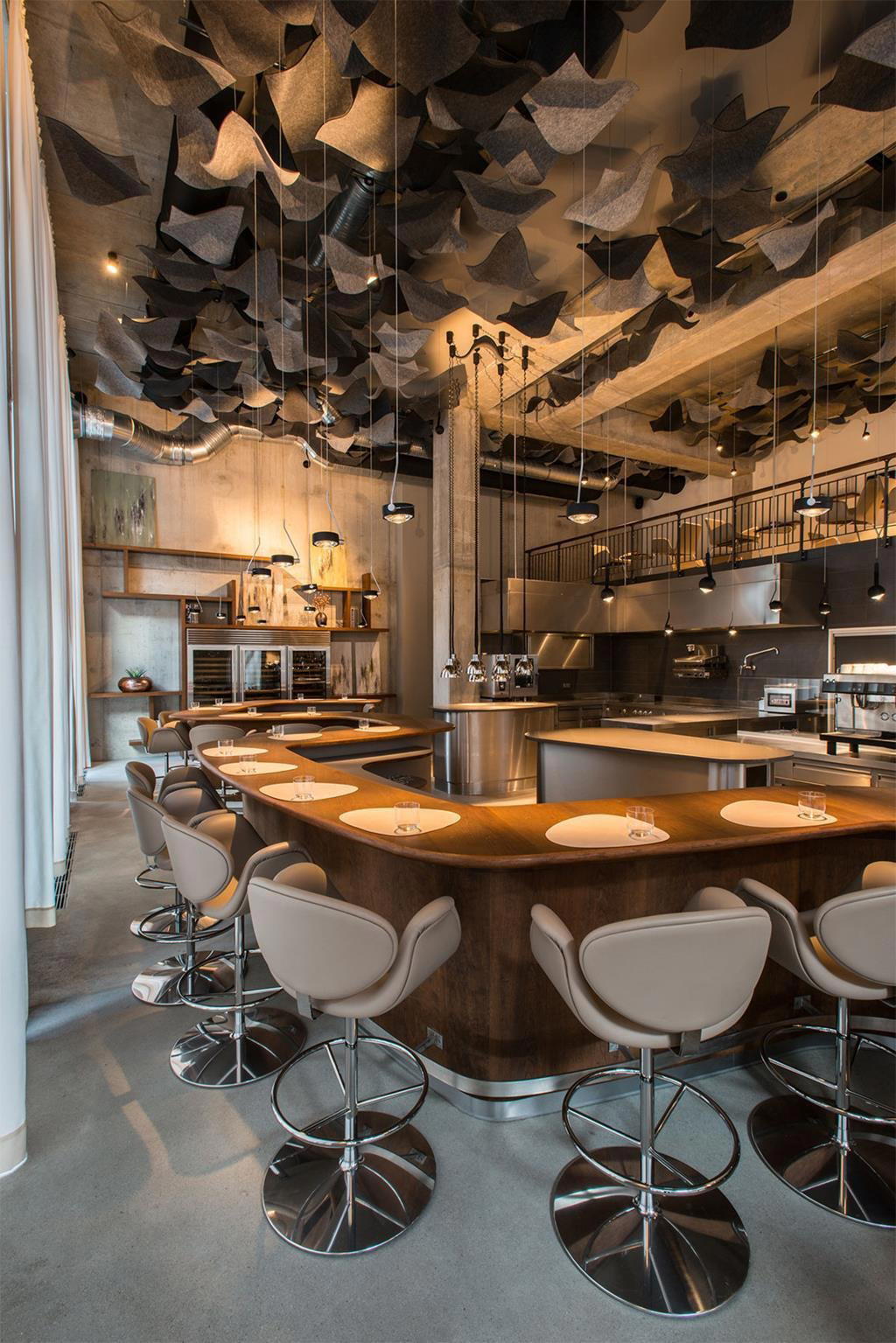
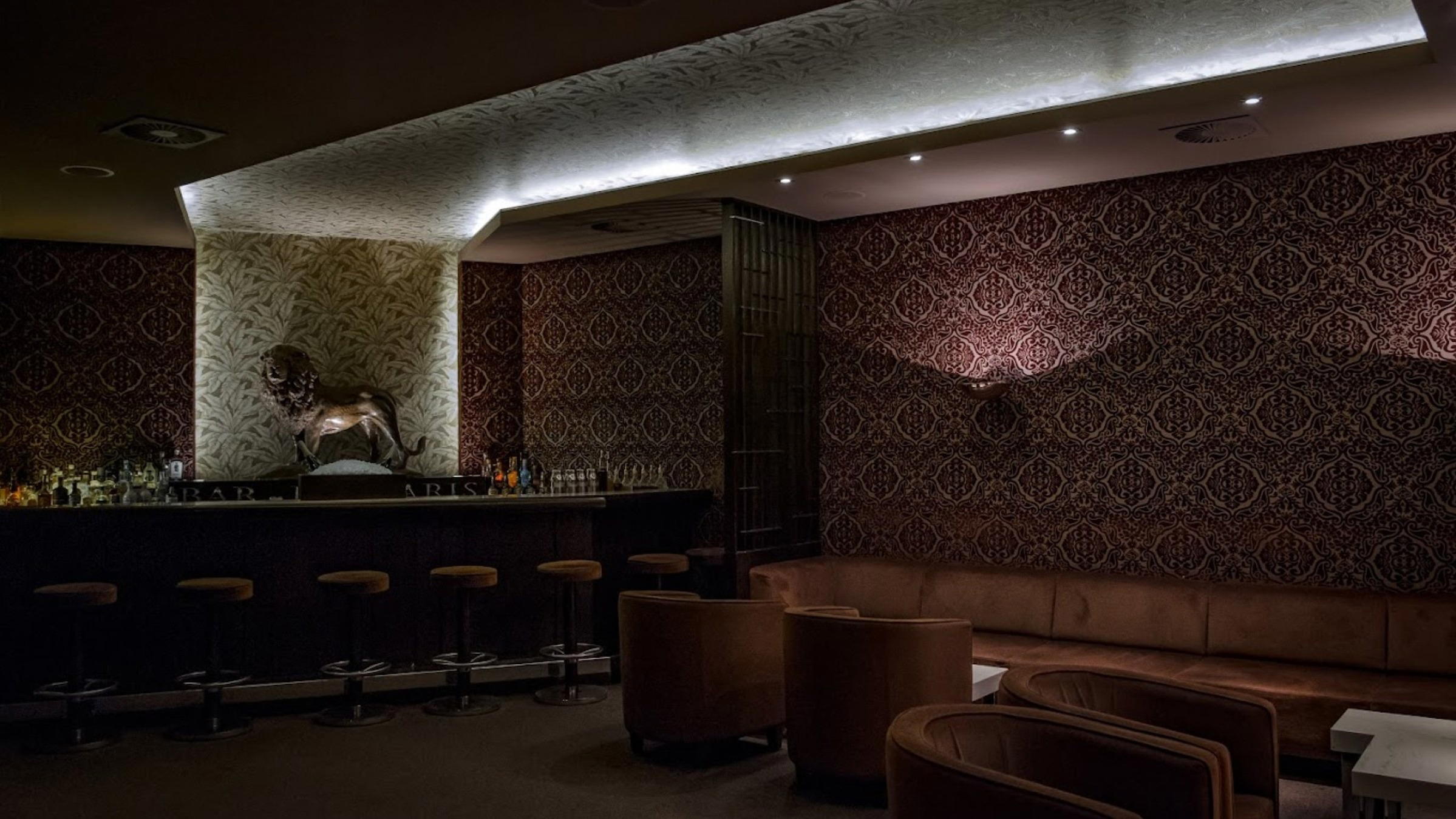
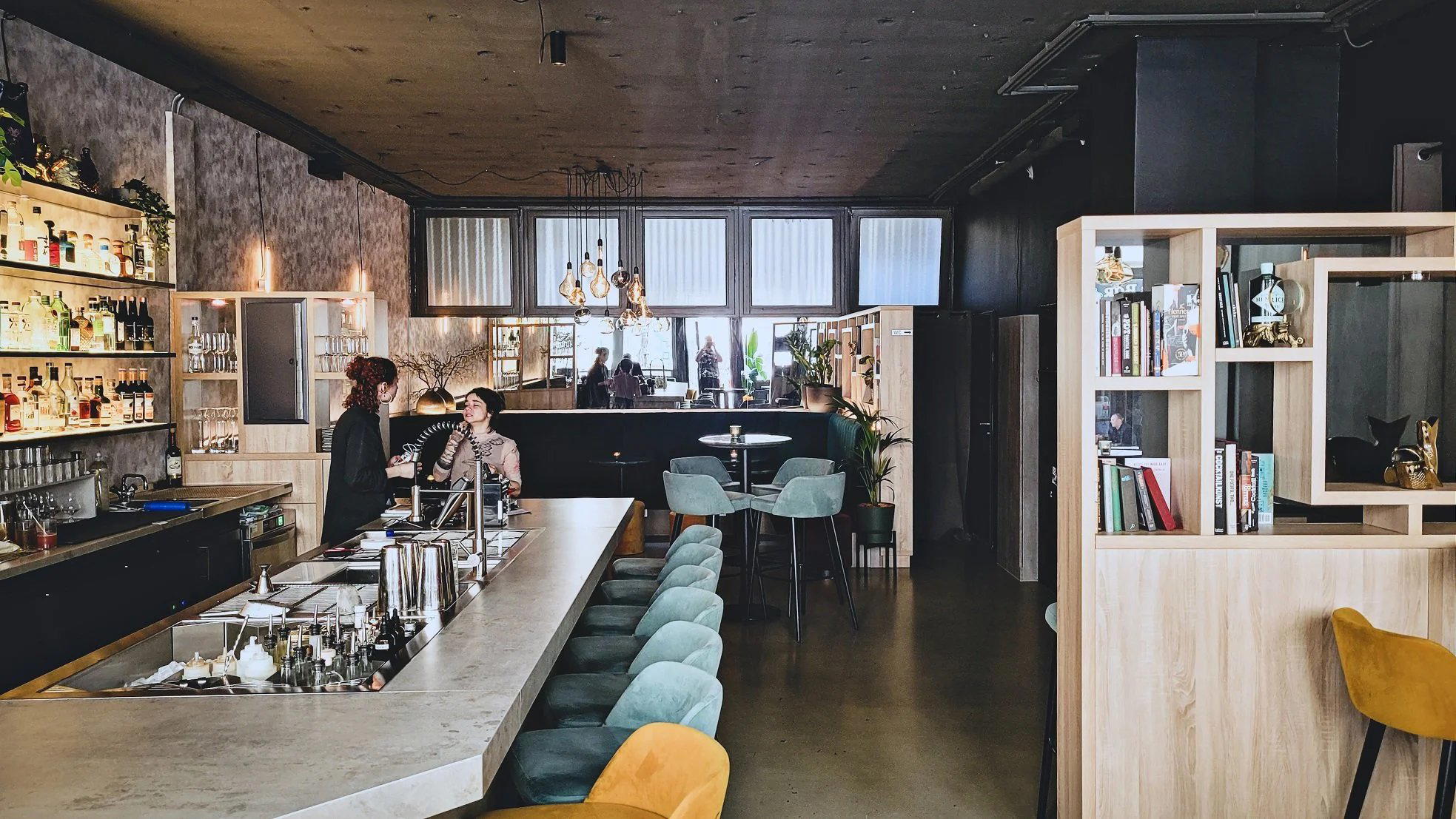
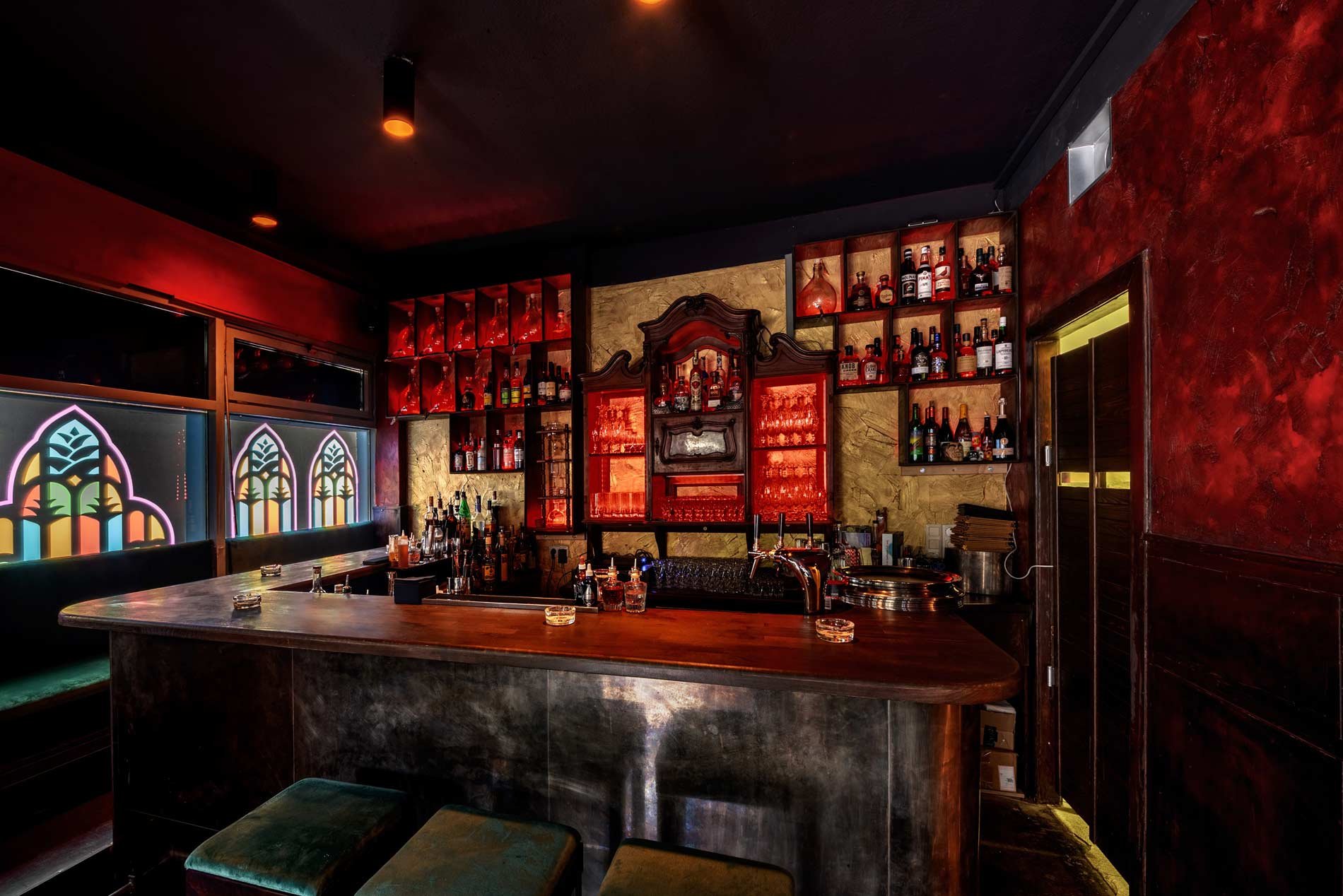
The Vigneri name, with its Etnean associations, implies a visual register drawn from the Italian south: stone, terracotta, undecorated surfaces, the kind of material honesty that pairs with natural wine and producer-driven menus. Whether or not the interior delivers on that implication, the name establishes an expectation of purposeful restraint over decorative abundance. That expectation shapes how guests read the menu and the wine list before either arrives at the table.
Placing I Vigneri in Germany's Fine Dining Geography
Germany's Michelin-decorated circuit is weighted toward the south and west: the Black Forest (Schwarzwaldstube in Baiersbronn), the Moselle valley (Schanz in Piesport, Waldhotel Sonnora in Dreis), and Rhineland anchors like Vendôme in Bergisch Gladbach and Victor's Fine Dining in Perl. Hamburg punches below its economic weight in that list, but the city's dining investment has accelerated. Elsewhere, CODA Dessert Dining in Berlin and ES:SENZ in Grassau demonstrate that format-led ambition is no longer confined to the traditional fine dining corridors. Bagatelle in Trier shows that even secondary cities are producing serious kitchens.
Internationally, the Mediterranean-technique-in-northern-city model has a clear reference point: Le Bernardin in New York City demonstrated for decades that disciplined southern European seafood technique could anchor a city whose culinary identity was built on something else entirely. More recently, Atomix in New York City has shown how imported culinary grammar, when applied rigorously and without apology, can define its own category rather than simply join someone else's. I Vigneri operates in a tradition with that kind of precedent, even if its specific register is more intimate in scale.
Planning Your Visit
I Vigneri's address at Große Bäckerstraße 13 places it in Hamburg's Altstadt, accessible from the Rathaus U-Bahn station in under five minutes on foot. For a restaurant in this price tier and with this level of editorial specificity, advance booking is advisable: Hamburg's best-regarded tables across all format types tend to fill several weeks out, and Mediterranean-inflected rooms with a curated wine focus attract a loyal repeat clientele that absorbs available covers quickly. Contacting the restaurant directly for current availability and any dietary or allergy requirements is the appropriate approach, as menus in this format category are typically built around a fixed or semi-fixed structure where advance notice allows the kitchen to accommodate restrictions without compromising the sequence. For a broader orientation to Hamburg's current dining scene, our full Hamburg restaurants guide maps the city's main tiers and neighbourhoods.
Frequently asked questions
What's the address for I Vigneri?
I Vigneri is located at Große Bäckerstraße 13, 20095 Hamburg, Germany, Hamburg.
What makes I Vigneri different from other Italian restaurants in Hamburg?
Most Italian dining in Hamburg follows a broadly northern or pan-Italian template built around commercial appeal. I Vigneri's grounding in southern Italian culinary method, applied within Hamburg's Altstadt at Große Bäckerstraße 13, places it outside that mainstream. Hamburg's fine dining circuit is oriented primarily toward Franco-German creative formats and North Sea produce traditions, which makes a kitchen committed to southern Italian grammar a distinct outlier in the city's geography.
What's the must-try dish at I Vigneri?
Specific menu details for I Vigneri are not published, which is consistent with a format where the kitchen drives the direction rather than a fixed à la carte list. The restaurant's identity is rooted in southern Italian culinary grammar, so expect the cooking to be shaped by that regional tradition. check the venue's official channels at Große Bäckerstraße 13 for current menu details.
How far ahead should I plan for I Vigneri?
No public booking window is currently documented for I Vigneri. Hamburg's more focused fine dining rooms in the Altstadt tend to fill quickly, particularly on Thursday through Saturday evenings. Reaching out directly to the restaurant at Große Bäckerstraße 13 is the most reliable way to confirm availability.
What do critics highlight about I Vigneri?
The restaurant's positioning, bringing a southern Italian culinary approach to Hamburg's historically North Sea-oriented dining scene, is itself the premise that would draw critical attention. Its address in the Altstadt, the oldest commercial district in Hamburg, adds a layer of context that critics covering the city's evolving fine dining geography are likely to note.
Is I Vigneri allergy-friendly?
Southern Italian-rooted kitchens frequently work with fish, shellfish, gluten, and dairy as structural ingredients rather than optional additions. Anyone with specific requirements should check the venue's official channels at Große Bäckerstraße 13, 20095 Hamburg, before booking.
Is I Vigneri overpriced or worth every penny?
Pricing information for I Vigneri is published details are limited at this time. Hamburg's fine dining Altstadt addresses occupy a wide range, and without a published price point or tasting menu figure, direct comparison is not possible. The restaurant's focus on southern Italian technique in a northern European city positions it as a deliberate proposition rather than a catch-all offering, which typically signals a considered price-to-format relationship. Contacting the venue at Große Bäckerstraße 13 will confirm current pricing. Check the venue's official channels for the latest details.
Where the Accolades Land
Comparable venues nearby, for context on price, style, and recognition.
| Venue | Cuisine | Price | Notes |
|---|---|---|---|
| I VigneriThis venue — the venue you are viewing | Authentic Regional Italian Osteria | Not listed | Not listed |
| Trattoria Cento Lire | Traditional Italian Trattoria | $20–30 | St. Pauli |
| ÜberQuell | Neapolitan Pizza & Craft Beer | $20–30 | St. Pauli |
| La Locanda | Italian Pizza & Pasta | $20–30 | Neustadt |
| Restaurant Port | Traditional North German Grill | $50–100 | St. Pauli |
| Restaurant Fardi | Modern Syrian | $30–50 | Barmbek |