Our verdict
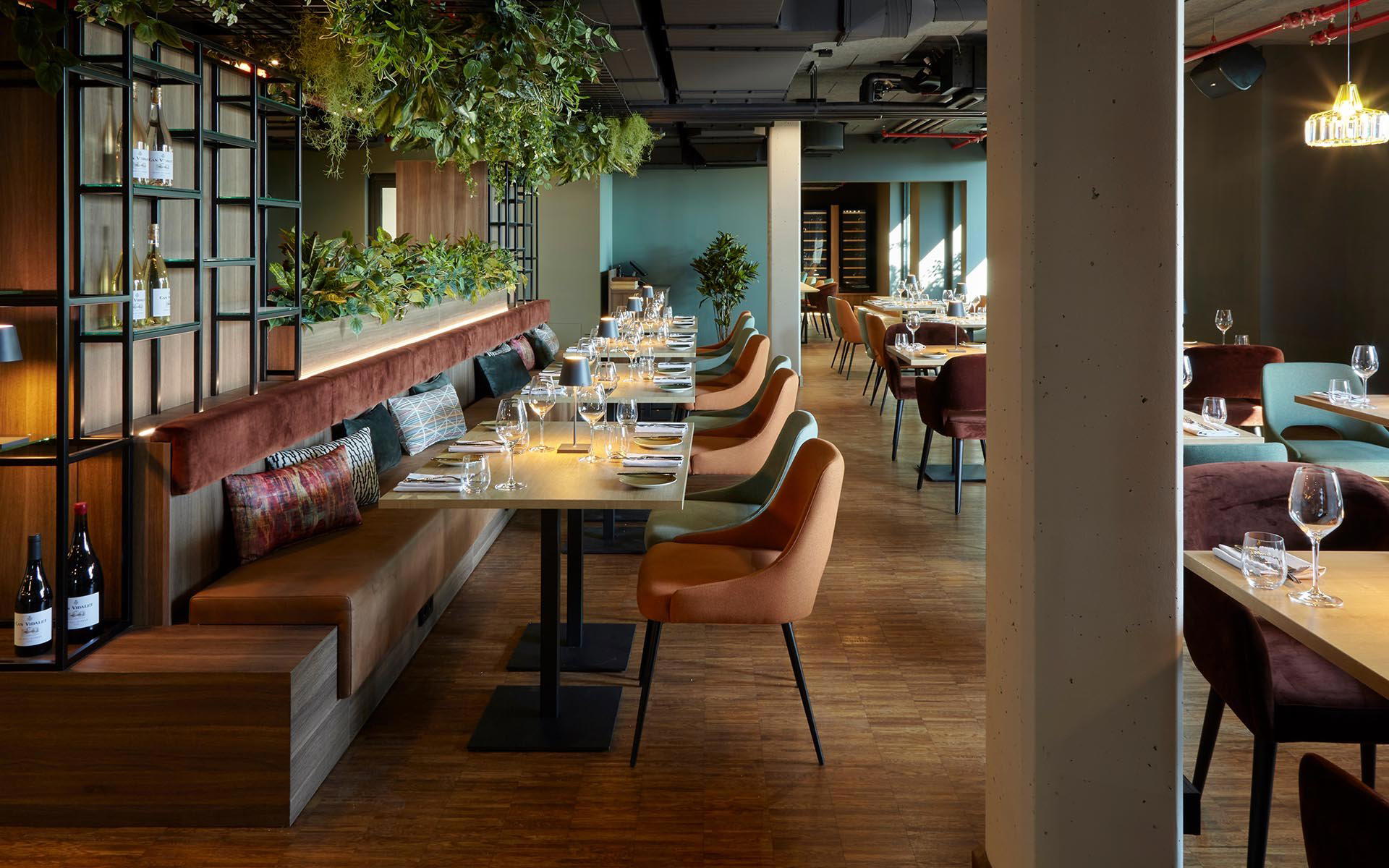
La Sala occupies the fifth floor of a building on Feldstraße 66 in Hamburg's Schanzenviertel, a neighbourhood where independent dining concepts have carved space alongside the district's long-standing counter-culture energy. The address alone signals intent: a venue that expects its guests to seek it out rather than stumble upon it. For Hamburg's premium dining circuit, that kind of deliberate positioning carries its own currency.

Pearl is the En Primeur Club membership app — saves, bookings, and concierge access live there. Same editors, same standards.
The menu
What to order
- La Sala 3-Course Experience
- Garnelen Ceviche
- Gebratener Kabeljau
Fifth Floor, Schanzenviertel: What the Address Signals
Hamburg's Schanzenviertel has spent decades resisting the kind of sanitised hospitality that dominates the Alster waterfront. The neighbourhood runs on its own logic: independent operators, repurposed buildings, and a general preference for concepts that require at least some prior knowledge to find. La Sala, on the fifth floor of Feldstraße 66, fits that pattern precisely. The address is not designed for passing trade. The climb to the fifth floor is itself a kind of filter, separating guests who arrived with intention from those who might wander in. In a city where Hamburg's top-tier dining has clustered around obvious luxury signals, a venue that withholds its ground-floor presence is making a statement about its intended audience.
This part of the city sits in productive tension with the more formally credentialled end of Hamburg's restaurant scene. The harbour-adjacent addresses where Restaurant Haerlin and The Table Kevin Fehling operate represent one version of the city's ambition. Schanzenviertel represents another: less institutional, more contingent on word of mouth and repeat local support. La Sala belongs to that second category, and the physical approach to the space reinforces it before a single dish has been considered.
Reading the Menu as Architecture
In the absence of publicly declared tasting menus, signature dishes, or published pricing, what a restaurant's address and positioning communicate becomes the primary document. La Sala's location in one of Hamburg's most independently minded neighbourhoods, combined with its upper-floor remove from street level, suggests a menu philosophy built around deliberate sequencing rather than crowd-pleasing breadth. The leading operators in this tier of the Hamburg scene tend to use menu structure itself as an editorial argument: each course a position, not merely a dish.
Hamburg's premium dining market has split noticeably over the past decade. On one side sit the multi-course tasting formats with international wine lists and front-of-house teams who operate in multiple languages, aimed squarely at business travellers and destination diners. On the other sit smaller, more locally embedded concepts where the menu is shorter, the sourcing is explicit, and the kitchen's identity is legible in every course. 100/200 Kitchen occupies a version of that second space, as does bianc in its Mediterranean register and Lakeside with its lake-facing German focus. La Sala's Schanzenviertel positioning places it within that cluster of venues where the dining proposition is specific rather than comprehensive.
Menus that are architecturally coherent tend to share certain characteristics: a limited number of courses that build on each other, ingredient choices that recur in different registers across the meal, and a pacing that treats the progression of the table as seriously as any individual plate. This kind of menu is harder to execute than a broad à la carte, and it tends to self-select a guest who understands and values that discipline. Whether La Sala's current format follows this model precisely, the neighbourhood and format positioning are consistent with it.
Hamburg's Independent Dining Circuit in Context
Germany's fine dining geography is worth holding in mind when assessing any Hamburg venue. The country's most credentialled restaurants are distributed across a surprising range of smaller cities and rural addresses: Aqua in Wolfsburg, Schwarzwaldstube in Baiersbronn, Vendôme in Bergisch Gladbach, and Waldhotel Sonnora in Dreis among them. Hamburg, as Germany's second-largest city and its primary trading port, might be expected to dominate that list, but the city's restaurant scene is characterised more by commercial breadth than by the concentration of starred addresses found in Munich or the density of the Berlin scene, where venues like CODA Dessert Dining have pushed format experimentation furthest. JAN in Munich or ES:SENZ in Grassau represent the kind of destination-specific ambition that Hamburg's scene produces less consistently.
That context matters because it shapes what independent operators in Hamburg are working against: a market that is large enough to support serious dining but not so concentrated with institutional recognition that every ambitious concept receives automatic critical attention. Venues that build a following in the Schanzenviertel do so through sustained local loyalty, not through the infrastructure of major awards cycles. This is a different kind of credibility, and in some ways a more durable one. The comparison set from the wider German scene, including Schanz in Piesport, Victor's Fine Dining by Christian Bau in Perl, and Bagatelle in Trier, underscores how dispersed Germany's serious dining energy remains, and how much a Hamburg independent has to construct its own context.
Internationally, the shift towards intimate, format-driven venues is well documented. At the technically ambitious end of that spectrum, restaurants like Le Bernardin in New York City and Atomix demonstrate how menu architecture at high-confidence operations functions as both kitchen argument and guest education. The gap between those operations and a fifth-floor Schanzenviertel address is considerable, but the underlying logic, that a tightly structured menu communicates culinary seriousness more directly than a sprawling card, travels across price tiers and geographies.
Planning Your Visit
La Sala is located at Feldstraße 66, fifth floor, in Hamburg's Schanzenviertel (postcode 20359). The neighbourhood is well connected by U-Bahn: Feldstraße station on the U3 line deposits guests almost at the building's front door. That accessibility makes the fifth-floor remove feel more like considered design than practical inconvenience. Because no booking policy, published hours, or confirmed pricing is available through public channels at the time of writing, the clearest path to a reservation is through direct contact or through a concierge service familiar with the Schanzenviertel dining circuit. Given the format signals, demand for smaller Hamburg independents with deliberate positioning tends to outpace casual walk-in capacity, particularly at weekends. For the broader Hamburg dining picture, our full Hamburg restaurants guide maps the city's scene from harbour-side institutions to neighbourhood operators like La Sala.
Frequently asked questions
Where do I go for La Sala?
La Sala is located at Feldstraße 66/5. Stock, 20359 Hamburg, Germany, Hamburg.
How does La Sala's Schanzenviertel location compare to Hamburg's more central dining districts?
Feldstraße 66 sits in Schanzenviertel, a district with a longer history of independent hospitality than the Alster waterfront or HafenCity, where hotel-attached restaurants dominate. The fifth-floor positioning at that address keeps La Sala outside the tourist thoroughfare while remaining accessible via the U3 Feldstraße U-Bahn stop. For Hamburg, that combination of neighbourhood credibility and deliberate remove from the city's institutional dining corridor is a meaningful signal about the venue's intended audience.
What dish is La Sala famous for?
The venue's address at Feldstraße 66 in Schanzenviertel places it within a neighbourhood dining circuit that tends to favour focused, chef-driven menus over the kind of showpiece dishes that anchor mainstream press coverage. Until more is documented, the fifth-floor format and setting are the most distinctive elements on record.
Should I book La Sala in advance?
No booking policy is publicly confirmed for La Sala. In Hamburg's independent dining tier — particularly for venues operating from upper-floor addresses without a street-facing walk-in trade — demand typically outruns capacity on weekends. Contacting the venue directly ahead of a visit is the practical approach.
Standing Among Peers
Comparable venues nearby, for context on price, style, and recognition.
| Venue | Cuisine | Price | Awards | Notes |
|---|---|---|---|---|
| La SalaThis venue — the venue you are viewing | Modern International Sharing Plates | $30–50 | Not listed | Not listed |
| Hummer Pedersen | German Seafood & Lobster | $50–100 | Not listed | Altona-Altstadt |
| Tigre | Modern Latin American with Asian & European Touch | $30–50 | Not listed | Ottensen |
| Bullerei | Modern German Grillhouse | $30–50 | Michelin Plate | Sternschanze |
| Beisser – Alsterhaus | Steakhouse & Grill | Not listed | Not listed | Neustadt |
| La Quesadilla | Mexican & Caribbean | $20–30 | Not listed | Neu Lokstedt |
Continue exploring
More in Hamburg
Restaurants in Hamburg
All restaurants in Hamburg →
Bars in Hamburg
All bars in Hamburg →
Hotels in Hamburg
All hotels in Hamburg →
Wineries in Hamburg
Browse all →
Details
- Modern
- Trendy
- Elegant
- Date Night
- Group Dining
- Casual Hangout
- Rooftop
- Open Kitchen
- Craft Cocktails
- Local Sourcing
- Skyline
- Small Plates
- A La Carte
- Vegetarian Friendly
- Vegan Options
Current opening hours
- Monday
- 6:30–10:30 AM, 12–2:30 PM, 6–9:30 PM
- Tuesday
- 6:30–10:30 AM, 12–2:30 PM, 6–9:30 PM
- Wednesday
- 6:30–10:30 AM, 12–2:30 PM, 6–9:30 PM
- Thursday
- 6:30–10:30 AM, 12–2:30 PM, 6–9:30 PM
- Friday
- 6:30–10:30 AM, 12–2:30 PM, 6–9:30 PM
- Saturday
- 7–11 AM, 12–2:30 PM, 6–9:30 PM
- Sunday
- 7–11 AM, 12–2:30 PM, 6–9:30 PM
Hours can change for holidays and private events. Last verified .
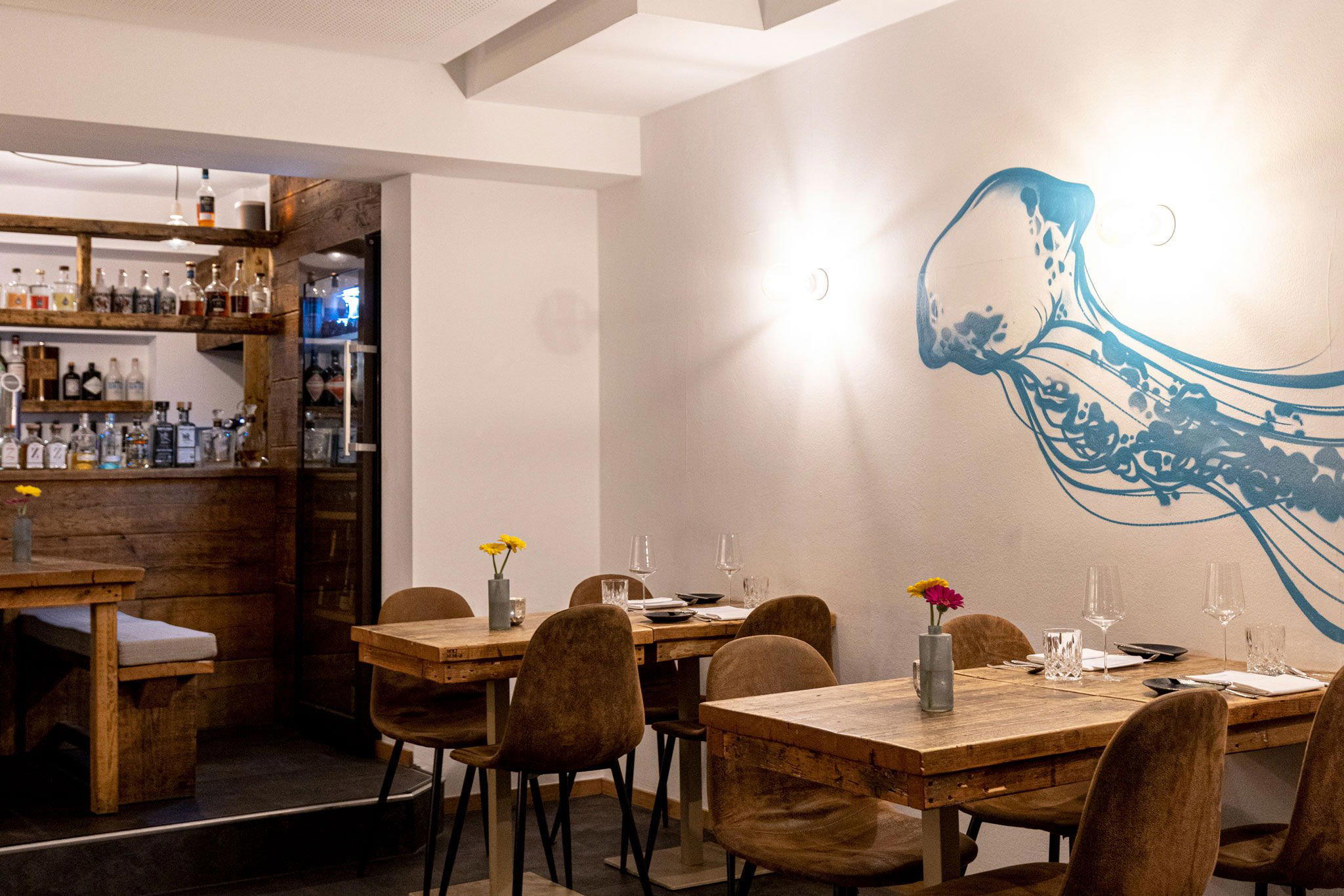
Relaxed and elegant atmosphere with a tasteful, modern setting above the city rooftops.