On the Colonnaden, one of Hamburg's most composed pedestrian arcades, Matsumi occupies a position in the city's Japanese dining tier that rewards visitors who approach the meal as a sequence rather than a selection. The address places it within walking distance of the Innenstadt's finer restaurant cluster, where it sits alongside European fine dining rather than competing with it.
Pearl is the En Primeur Club membership app — saves, bookings, and concierge access live there. Same editors, same standards.
- Address
- Colonnaden 96, 20354 Hamburg, Germany
- Phone
- +494940343125
- Website
- matsumi.de
- Directions
- Get directions
 Saves & bookings on Pearl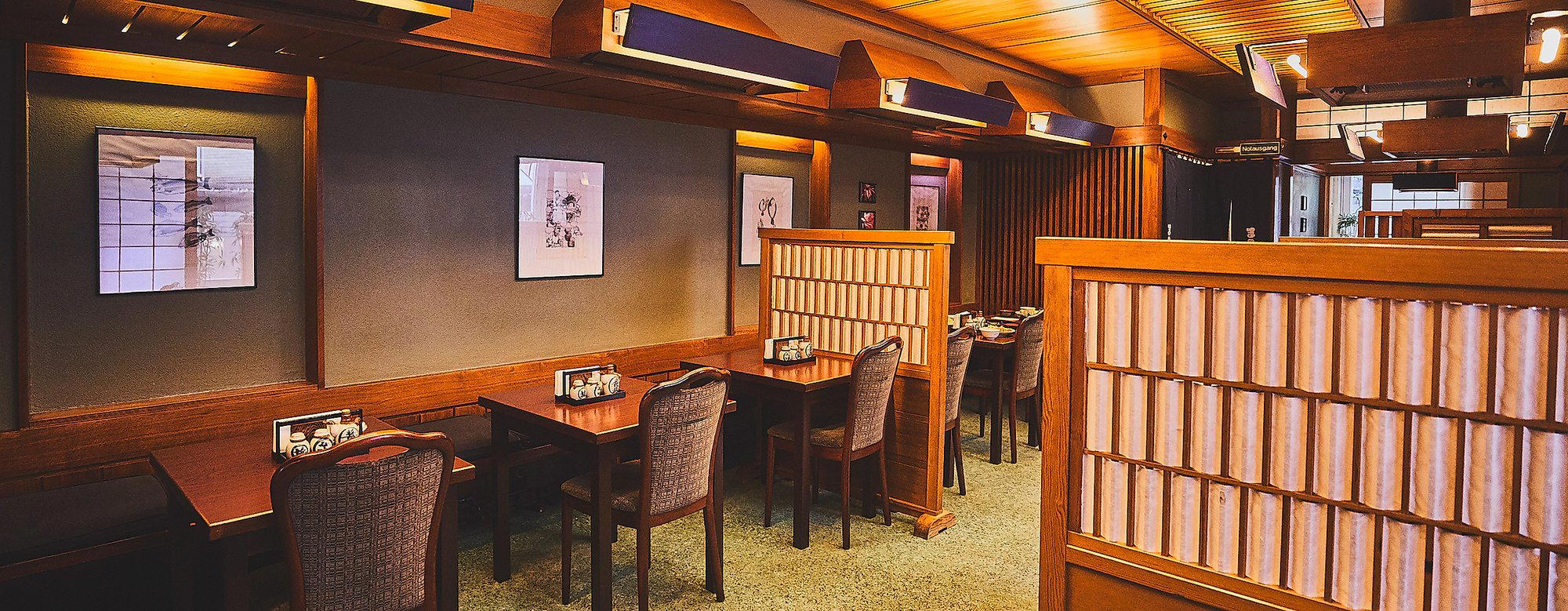
The Colonnaden Context
Hamburg's Colonnaden is one of those addresses that shapes expectation before you arrive. The covered arcade at 96 Colonnaden sits in the city's central Neustadt district, flanked by a calm streetscape suited to repeat visitors rather than passing traffic. This is not the waterfront tourist corridor. It is where Hamburg's established dining public, people who book ahead, who think about the meal in advance, tend to place their trust.
Japanese cuisine in German cities has followed a familiar trajectory over the past two decades: a first wave of generalist sushi bars, a second wave of ramen specialists, and now a smaller, more considered tier of restaurants where the format matters as much as the ingredient. Matsumi operates in that third tier, at a Colonnaden address in central Hamburg. Restaurant Haerlin, which holds two Michelin stars for its creative French programme, and The Table Kevin Fehling, one of Germany's most discussed creative tasting-menu venues, both sit within the same central cluster.
Reading the Meal as a Sequence
One useful frame for a Japanese meal of this register, and for Matsumi in particular, is not the dish, but the arc. Japanese cuisine at its more deliberate end is constructed around progression: temperature, texture, and intensity shift in a sequence designed to move the diner through a series of states rather than simply deliver a set of options. This is not the logic of a European carte, where the diner assembles their own path. It is closer to the logic of kaiseki, where the kitchen decides the order of experience and the guest follows.
That structure matters when you are deciding how to approach the booking. Hamburg's fine dining circuit has moved steadily toward the tasting-menu format at its upper tier. 100/200 Kitchen and bianc both operate within a format where the meal is essentially pre-determined in its sequence, and the diner's role is to receive it with attention. Japanese dining in this city occupies a comparable space, the sequence is the point, not the selection.
In broader German terms, the tasting-progression model has become a marker of seriousness at the upper end. Venues like Aqua in Wolfsburg, JAN in Munich, and Schwarzwaldstube in Baiersbronn have each built their reputations around meal structures where pacing and sequence are as deliberate as sourcing. CODA Dessert Dining in Berlin takes this logic further still, applying sequential precision to a format that European dining rarely treats with that level of architecture. Matsumi's position in Hamburg's Japanese tier reflects the same underlying shift: the meal as a composed whole, not an assembly of parts.
Where It Sits in Hamburg's Fine Dining Map
Hamburg's upper restaurant tier is more varied by cuisine than its Michelin tally might suggest. The recognised anchor points, Haerlin and The Table Fehling for creative European, are joined by a range of addresses that compete on different terms. Lakeside holds its own position in the German fine dining bracket, while European-leaning rooms like bianc and Restaurant Haerlin define the creative Mediterranean and French poles respectively. Matsumi occupies a distinct position in this map: Japanese cuisine at a considered level, on an address that places it in the same decision set as the city's premium European rooms, even if the cooking tradition is fundamentally different.
This is the competitive logic worth understanding. At this level of central Hamburg dining, the comparison is not between Matsumi and other Japanese restaurants in the city, it is between Matsumi and the broader category of serious, multi-course restaurants where the evening is the point, not just the food. That comparable set includes venues across Germany that have built sustained reputations on format discipline and ingredient integrity. Vendôme in Bergisch Gladbach, ES:SENZ in Grassau, and Victor's Fine Dining by Christian Bau in Perl all operate at a level where the meal structure carries as much weight as any individual component.
Internationally, the reference points for serious Japanese dining in a European city context are worth keeping in mind. The omakase model, as practised at counters in Tokyo and exported in various forms to London, Paris, and New York, places the chef's sequence at the centre of the experience. Atomix in New York City applies Korean fine dining's equivalent logic, card-based progression, deliberate sequencing, with results that have placed it among the more discussed tasting venues in the United States. The benchmark for serious seafood progression in a European dining city is leading illustrated by Le Bernardin in New York City, where the sequencing of fish courses has been refined over decades. These are the terms in which Hamburg's more considered Japanese dining deserves to be read.
Planning the Visit
The Colonnaden address is a short walk from the Stephansplatz U-Bahn station, making it one of the more straightforwardly accessible fine dining destinations in central Hamburg. The neighbourhood operates at a quieter register than the Speicherstadt or HafenCity waterfront, which means the pre- and post-dinner experience is shaped by the city's commercial centre rather than its tourist infrastructure. That suits a meal that benefits from arriving without rush and leaving without crowds.
Germany's wider fine dining calendar has a few reference points worth noting for timing. The country's restaurant scene tends to draw its most attentive audience in autumn and winter. Venues like Waldhotel Sonnora in Dreis, Schanz in Piesport, and Bagatelle in Trier each see their dining rooms operating at full capacity through the colder months, and the same seasonal logic applies to Hamburg's central rooms.
Know Before You Go
- Address: Colonnaden 96, 20354 Hamburg, Germany
- District: Neustadt, central Hamburg
- Nearest transit: Stephansplatz (U-Bahn lines U1, U2)
- Cuisine register: Japanese, considered multi-course format
- Booking: Reservations are recommended.
- comparable set: Sits in proximity to Restaurant Haerlin, The Table Kevin Fehling, and bianc within the Innenstadt fine dining cluster
Comparable Spots, Quickly
Comparable venues nearby, for context on price, style, and recognition.
| Venue | Cuisine | Price | Notes |
|---|---|---|---|
| MatsumiThis venue — the venue you are viewing | Authentic Japanese Sushi & Traditional Cuisine | $$$ | Not listed |
| Akari | Authentic Japanese | $$$ | Uhlenhorst |
| Coast by east | Modern Japanese Sushi & Asian Fusion | $$$ | HafenCity |
| Katana Sushi | Traditional Japanese Sushi | $$ | Neustadt |
| Kokomo Noodle Club | Authentic Japanese Ramen | $$ | St. Pauli |
| Bistro Carmagnole | Classic French Bistro | $$$ | Sternschanze |
Continue exploring
More in Hamburg
Restaurants in Hamburg
Browse all →
At a Glance
- Elegant
- Date Night
- Business Dinner
- Special Occasion
- Open Kitchen
- Sake Program
Current opening hours
- Monday
- Closed
- Tuesday
- 6–10:30 PM
- Wednesday
- 12–2 PM, 6–10:30 PM
- Thursday
- 12–2 PM, 6–10:30 PM
- Friday
- 12–2 PM, 6–10:30 PM
- Saturday
- 5:30–10:30 PM
- Sunday
- Closed
Hours can change for holidays and private events. Last verified .
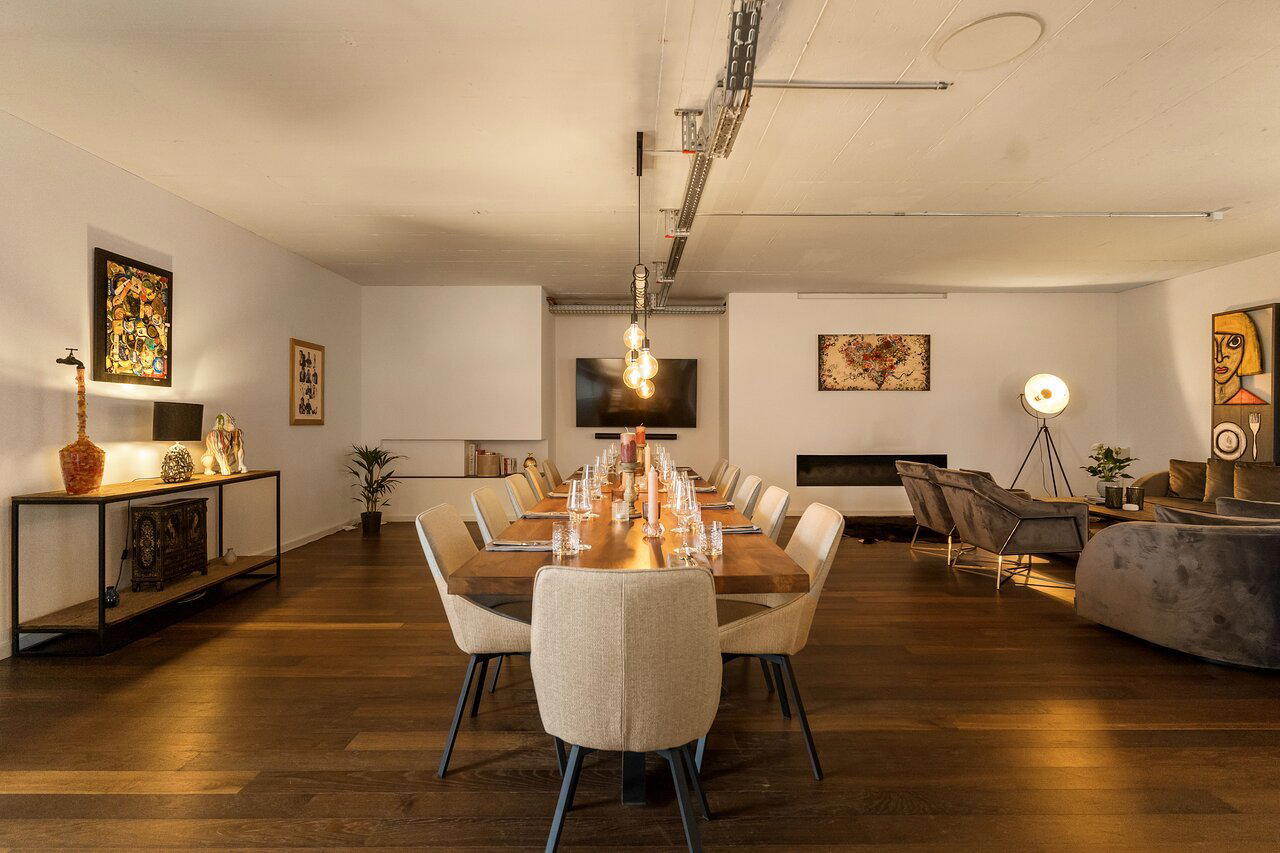
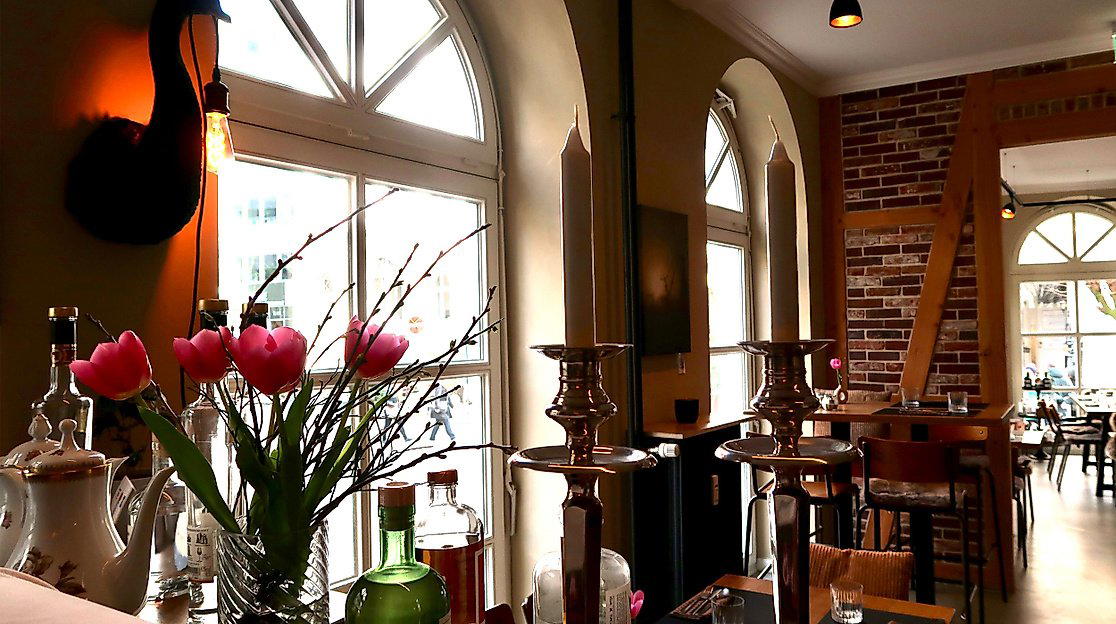
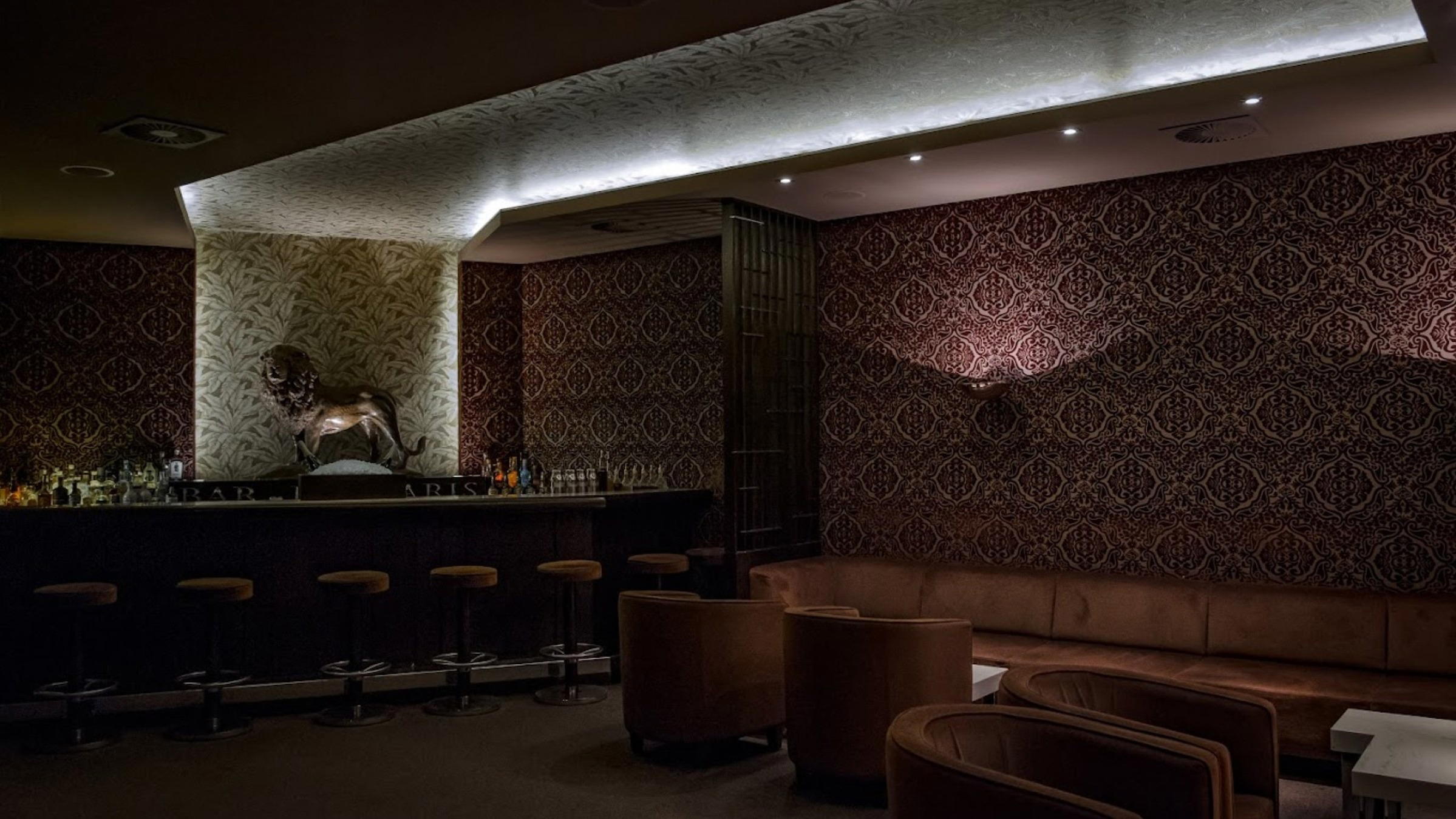
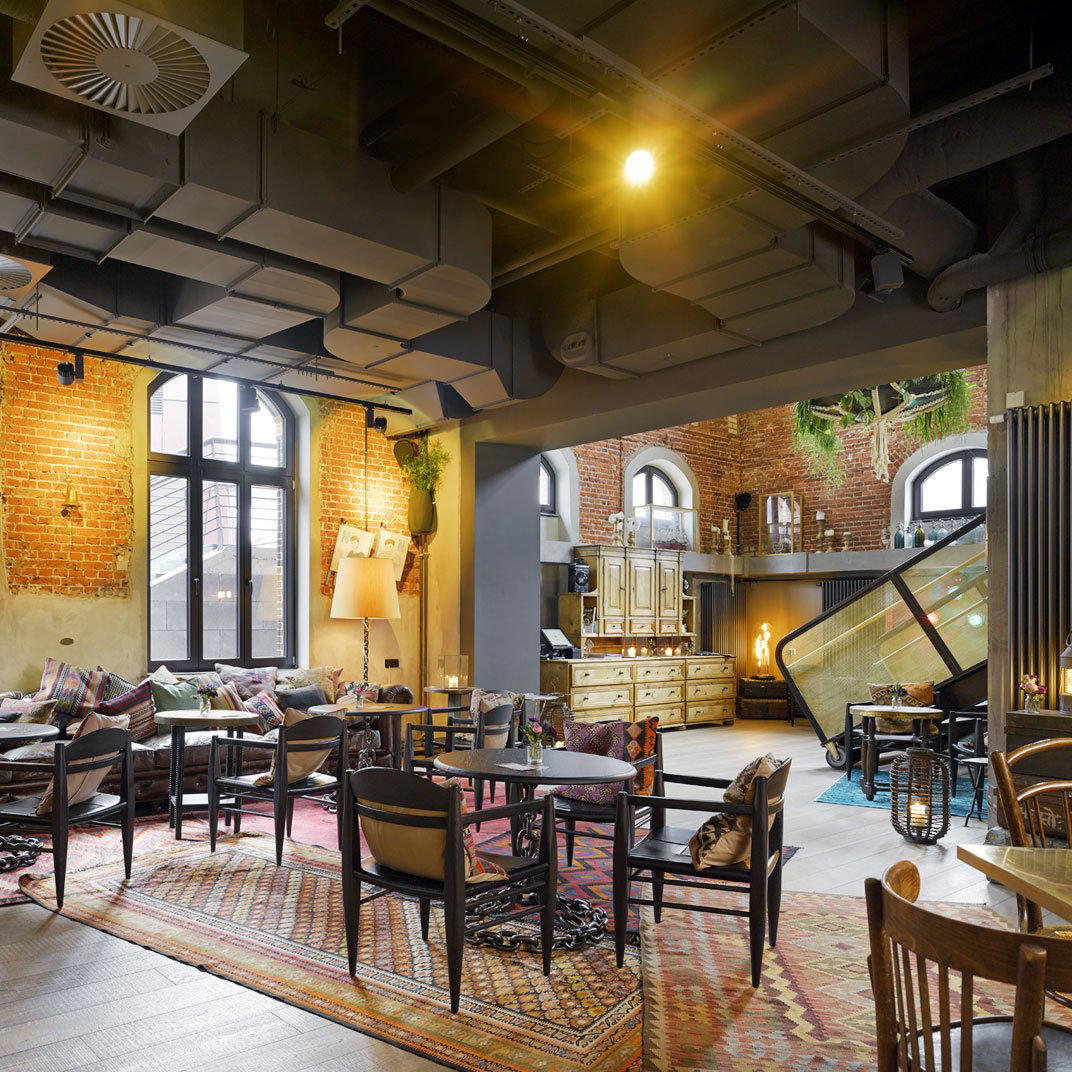
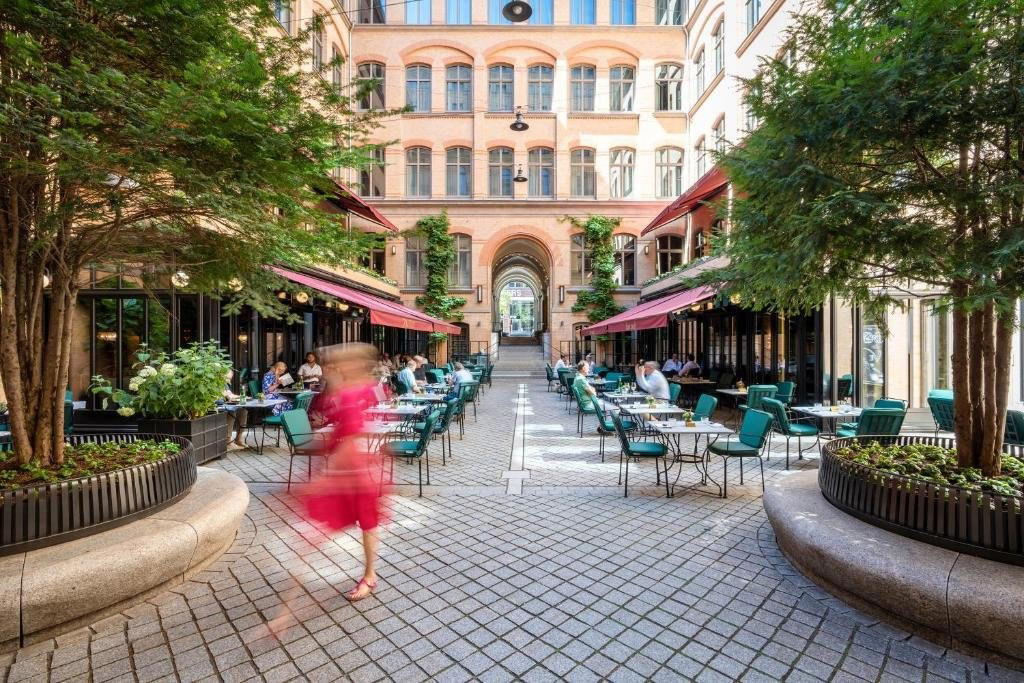
Traditional Japanese atmosphere with authentic, unagitated setting evoking an izakaya.