Among Hamburg's French-influenced dining options, Ti Breizh brings Breton crêperie tradition to the Eimsbüttel district at Marktweg, Ölmühle 30. Where the city's fine-dining rooms at The Table and Haerlin operate at the €€€€ tier, Ti Breizh occupies a different register entirely, the everyday French ritual of galette and crêpe, eaten in sequence, as Brittany intended it.
Pearl is the En Primeur Club membership app — saves, bookings, and concierge access live there. Same editors, same standards.
- Address
- Marktweg, Ölmühle 30, 20357 Hamburg, Germany
- Phone
- +494082312600
- Website
- tibreizh.de
- Directions
- Get directions
 Saves & bookings on Pearl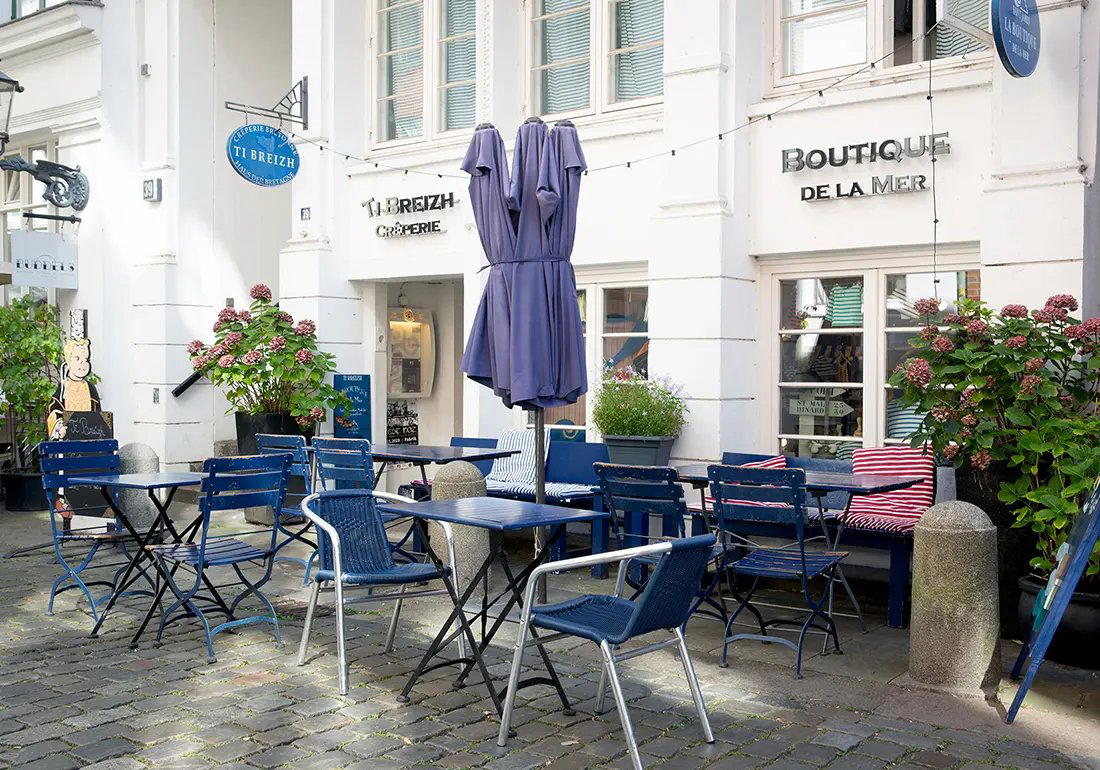
Where the Galette Comes Before the Crêpe: Breton Sequencing in Hamburg
Hamburg has a well-documented appetite for structured eating. The city that supports three-Michelin-star counters like The Table Kevin Fehling and the long-established French kitchen at Restaurant Haerlin also sustains, in its residential neighbourhoods, a quieter tradition of format-driven meals. Ti Breizh, on Marktweg in the Eimsbüttel quarter, operates within one of France's oldest and most disciplined casual formats: the Breton crêperie, where the sequence of savoury before sweet is not a preference but a structural rule.
In Brittany, the meal at a crêperie follows a logic that predates the modern tasting menu by centuries. The buckwheat galette arrives first, strong in flavour, darker, slightly bitter at the edges, carrying savoury fillings of ham, egg, cheese, or combinations thereof. Only after the galettes does the sweet crêpe follow, thinner, paler, made from wheat flour, paired with salted butter caramel, lemon, or fruit. This sequencing is not arbitrary. The galette functions as a main course, the crêpe as dessert, and collapsing the two into a single unordered meal misunderstands the tradition. Ti Breizh, by operating as a dedicated crêperie in Hamburg rather than a general French café, is committed to that structure.
The Arc of the Meal
The tasting logic of a crêperie is unusually legible compared to other French formats. There are no amuse-bouches, no bread courses, no intermezzo palate cleansers. The progression moves cleanly: cidre or a light aperitif, then galette, then crêpe, and out. That restraint is part of what makes the format durable. Breton crêperies have survived the expansion of French dining globally precisely because the format is self-contained and the ingredient list is short enough to execute with discipline.
At Ti Breizh, this arc plays out in a neighbourhood context that suits it. Eimsbüttel is one of Hamburg's more residential, locally-frequented districts, less oriented toward destination dining than the Hafencity waterfront or the Neustadt hotel corridor. A crêperie here reads as a genuine neighbourhood fixture rather than a concept import. The address on Marktweg, at Ölmühle 30, sits within a cluster of independent food and drink businesses that serve the district's daily life rather than its weekend tourism. That positioning matters for how the meal lands: this is eating for rhythm and occasion, not for occasion-as-spectacle.
The galette-first structure also imposes a useful discipline on the diner. Because the savoury course is the main event, it demands more attention than a crêpe ordered as a novelty alongside other dishes. In cities where crêperies are treated as casual snack stops rather than sit-down format restaurants, the sequencing tends to collapse, guests order one crêpe and leave, missing the point entirely. The Breton tradition requires commitment to at least two courses, and that commitment changes the pace and register of the meal.
Hamburg's French Register: Where Ti Breizh Sits
Hamburg's French dining presence covers a wide range of registers. At the leading end, Haerlin operates within the grand hotel tradition of formal French cuisine. 100/200 Kitchen takes a more creative approach to European formats. At the Mediterranean end, bianc and Lakeside work within €€€€ tiers where the per-cover spend reflects extensive tasting structures and wine programs.
Ti Breizh occupies a different bracket in every sense. The crêperie format has a low material cost base, buckwheat flour, eggs, butter, cider, and the value proposition rests on execution quality and format fidelity rather than ingredient luxury. In France, a well-regarded crêperie in Rennes or Quimper charges a fraction of what a Parisian bistro demands for a three-course meal, yet regulars return weekly because the format satisfies something the bistro does not. Hamburg's French dining scene lacks depth in this everyday category, which gives a dedicated crêperie like Ti Breizh a clearer position than it might find in a city with more French casual options.
For context on where Hamburg's fine-dining sits within Germany more broadly, the country's Michelin landscape extends across Aqua in Wolfsburg, Schwarzwaldstube in Baiersbronn, and Vendôme in Bergisch Gladbach, while dessert-focused formats have found an audience at CODA Dessert Dining in Berlin. Ti Breizh operates outside that competitive tier entirely, which is the point. The crêperie format has never sought Michelin recognition and performs better when evaluated on format authenticity and neighbourhood integration.
Breton Tradition as a Frame for the Meal
What makes a crêperie worth visiting, as opposed to simply ordering a crêpe at a general café, is precisely the structural commitment described above. The Breton galette uses sarrasin (buckwheat), a grain that produces a gluten-free base with a distinctly earthy, slightly nutty character that wheat flour cannot replicate. That difference in base ingredient is why the two courses feel like two different meals rather than two versions of the same thing. The galette is filling, textured, and carries savoury weight; the crêpe is light, supple, and sweet. The contrast is the point.
Accompanying the meal in the Breton tradition is cidre, specifically Breton cider, which tends to be lower in alcohol and slightly drier than Norman varieties, served in ceramic bowls rather than glasses in more traditional establishments.
Planning Your Visit
Ti Breizh is located at Marktweg, Ölmühle 30, 20357 Hamburg, in the Eimsbüttel district. The neighbourhood is accessible via Hamburg's S-Bahn and U-Bahn network, with Osterstraße and Schlump both within reasonable walking distance depending on exact routing.
| Venue | Format | Price Tier | Booking Required |
|---|---|---|---|
| Ti Breizh | Breton crêperie | Not confirmed | Not confirmed |
| The Table Kevin Fehling | Creative tasting menu | €€€€ | Yes, advance booking essential |
| bianc | Modern Mediterranean | €€€€ | Recommended |
| Lakeside | German Lakeside | €€€€ | Recommended |
For a broader map of where Hamburg's restaurants sit across price tiers, cuisines, and neighbourhoods, see our full Hamburg restaurants guide. Diners interested in the dessert-forward end of German dining may also find CODA in Berlin a useful reference point, while those tracking Germany's regional fine-dining circuit can explore JAN in Munich, ES:SENZ in Grassau, Schanz in Piesport, Bagatelle in Trier, Victor's Fine Dining in Perl, and Waldhotel Sonnora in Dreis. For international reference on how format discipline shapes a restaurant's identity, Le Bernardin in New York and Atomix both demonstrate what commitment to a single structural logic can achieve at the summit of the market.
Just the Basics
Comparable venues nearby, for context on price, style, and recognition.
| Venue | Cuisine | Price | Notes |
|---|---|---|---|
| Ti Breizh - CrêperieThis venue — the venue you are viewing | Not listed | $$ | Not listed |
| Weinstube zur Traube | Not listed | $$ | Ottensen, French & Southern German Wine Bar |
| DAS LOEWEN | Anscharhoehe, Seasonal Regional German | $$ | Not listed |
| Nakama | Hamburg-Altstadt, Japanese Fusion Sushi | $$ | Not listed |
| Fischbeisl | Altona-Altstadt, Hamburg Fish Bistro | $$ | Not listed |
| Hofbräu München | Not listed | $$ | St. Georg, Bavarian German Wirtshaus |
Continue exploring
More in Hamburg
Restaurants in Hamburg
Browse all →
At a Glance
- Cozy
- Rustic
- Classic
- Casual Hangout
- Family
- Brunch
- Historic Building
- Terrace
- Beer Program
- Local Sourcing
- Waterfront
- Street Scene
Current opening hours
- Monday
- 5–10 PM
- Tuesday
- 5–10 PM
- Wednesday
- 12–10 PM
- Thursday
- 12–10 PM
- Friday
- 12–10 PM
- Saturday
- 12–10 PM
- Sunday
- 12–10 PM
Hours can change for holidays and private events. Last verified .
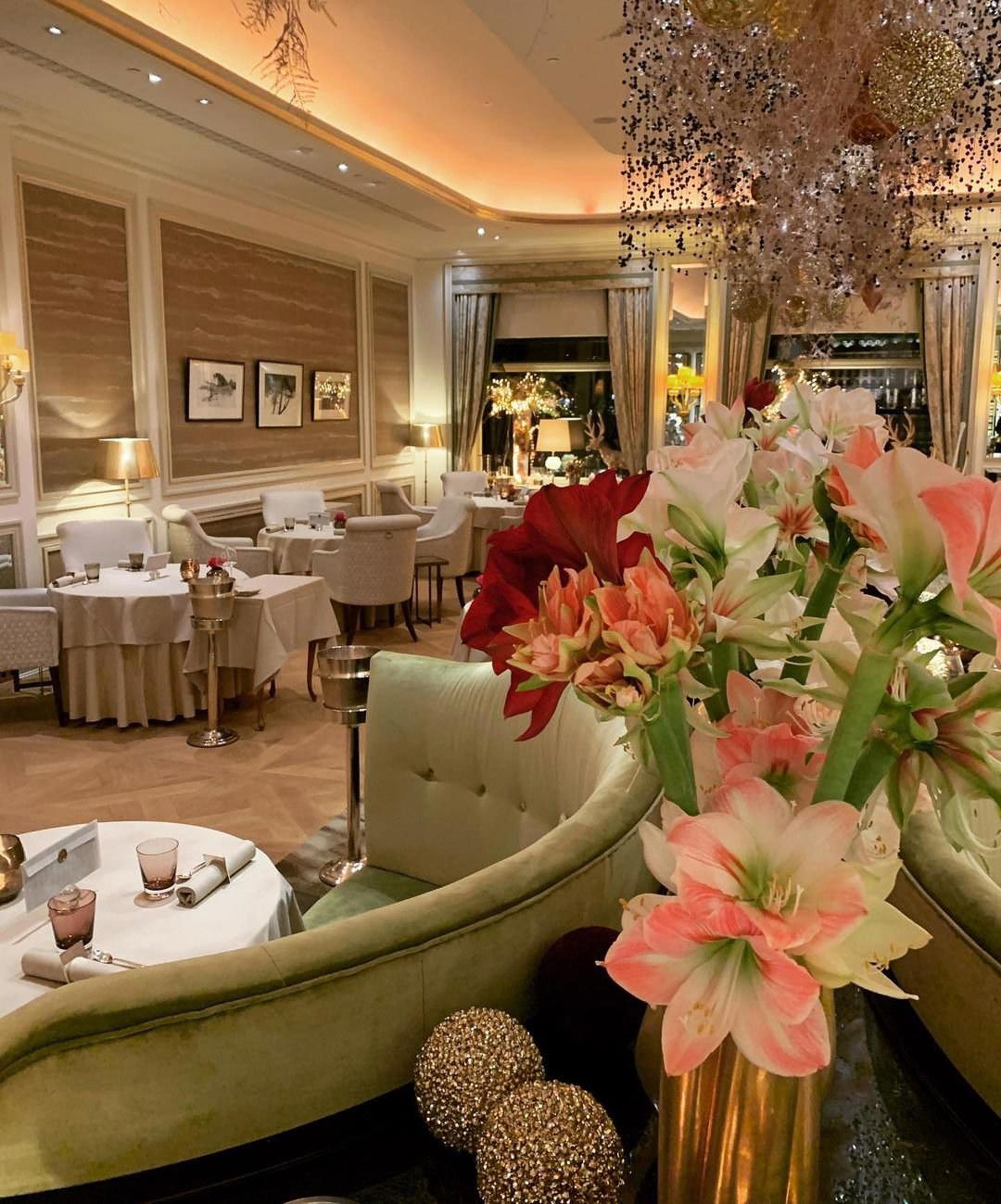
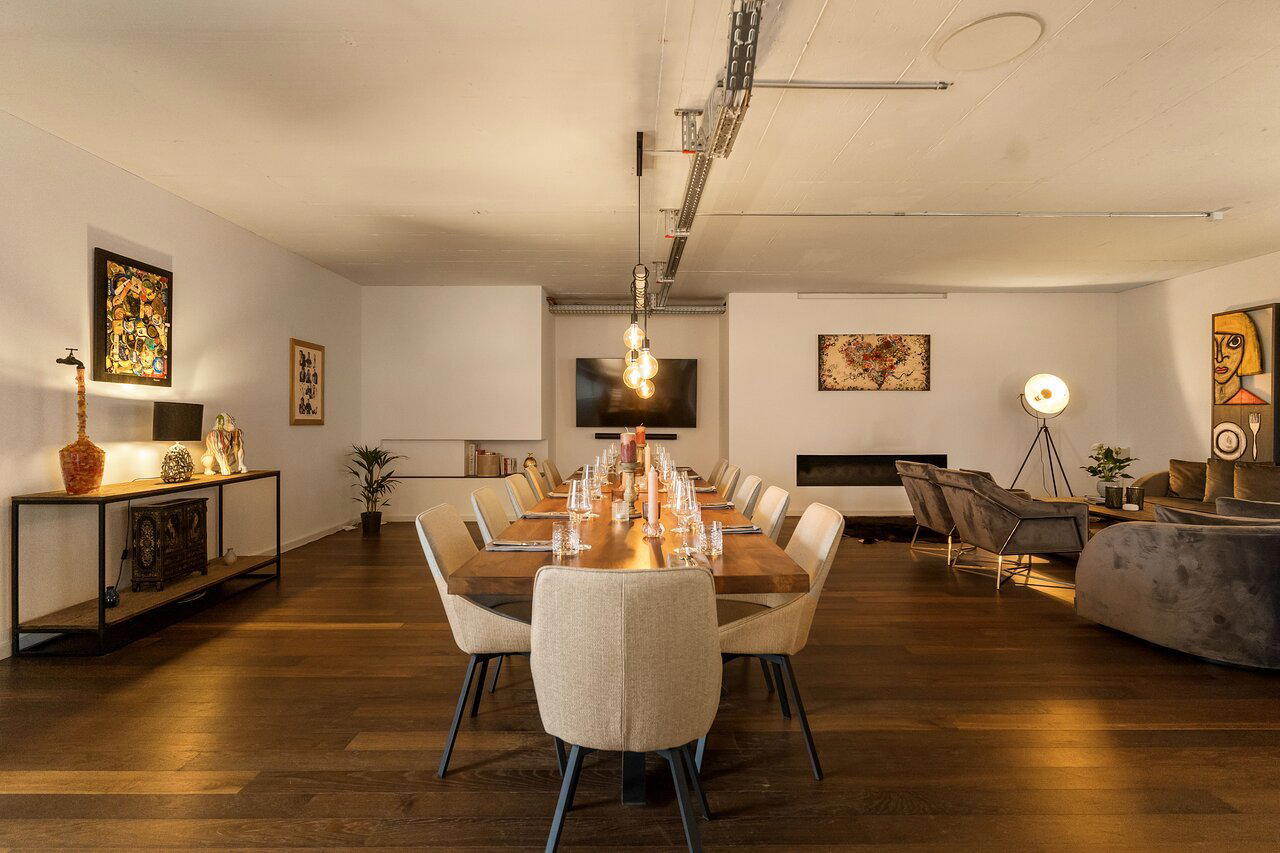
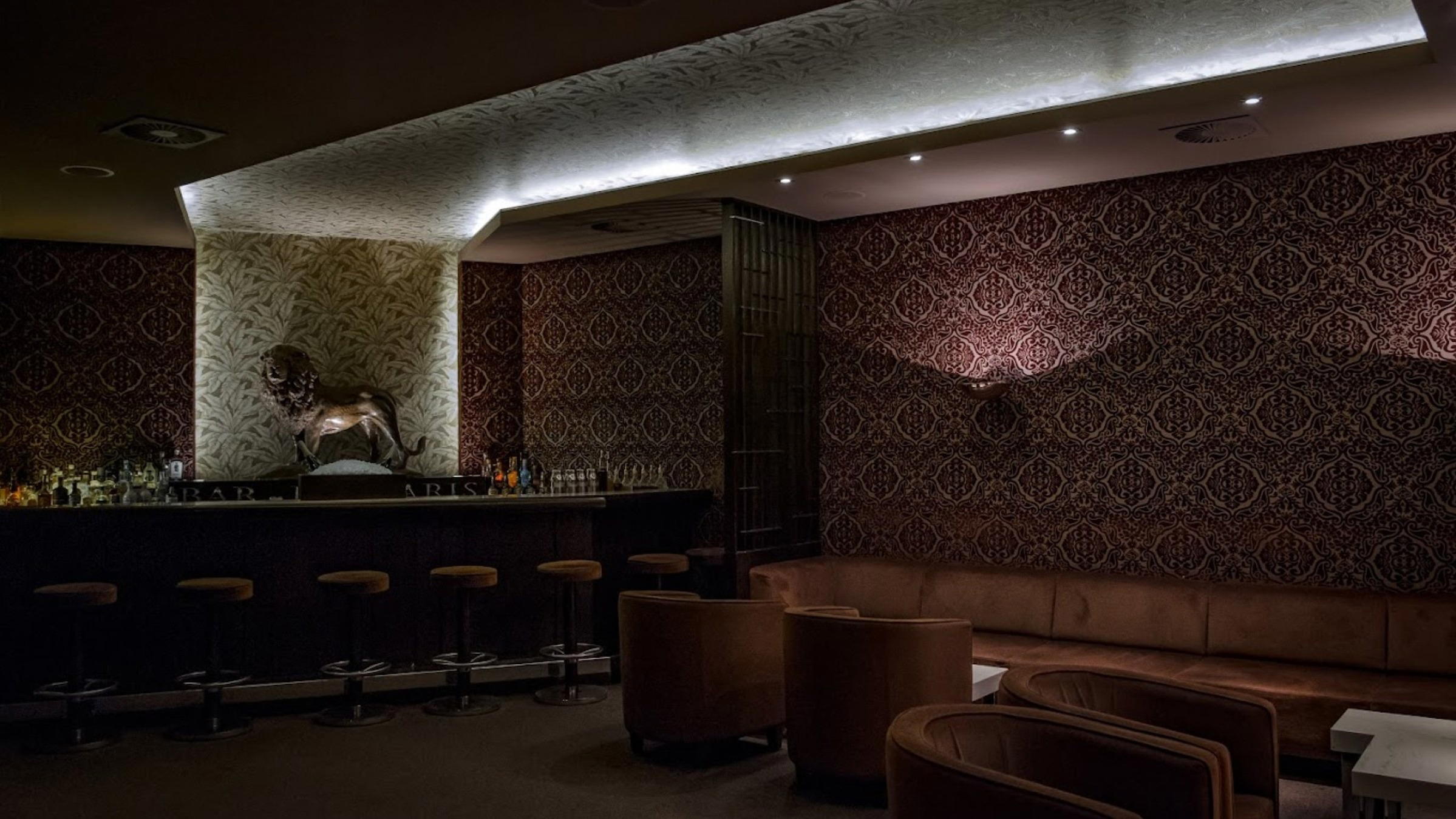
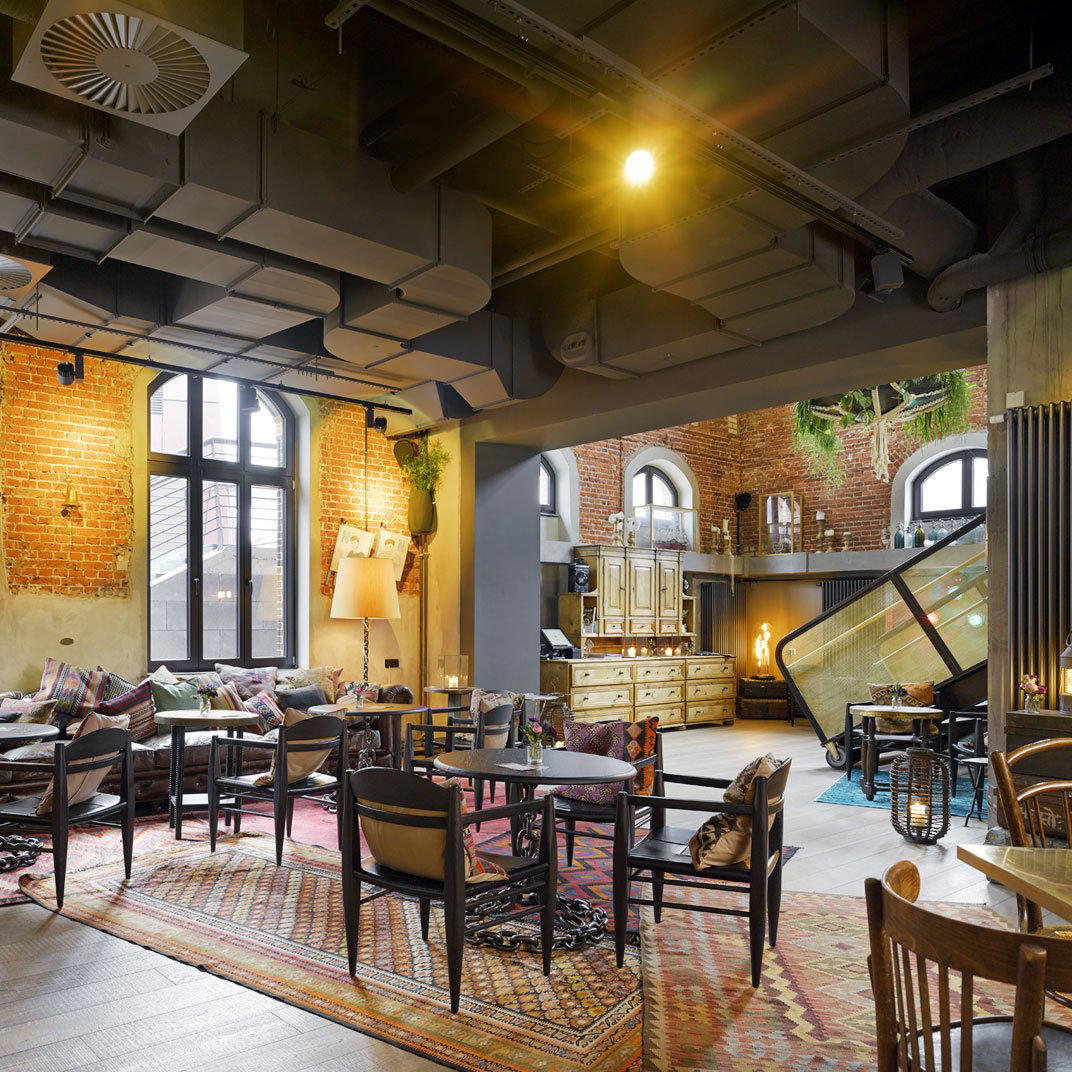
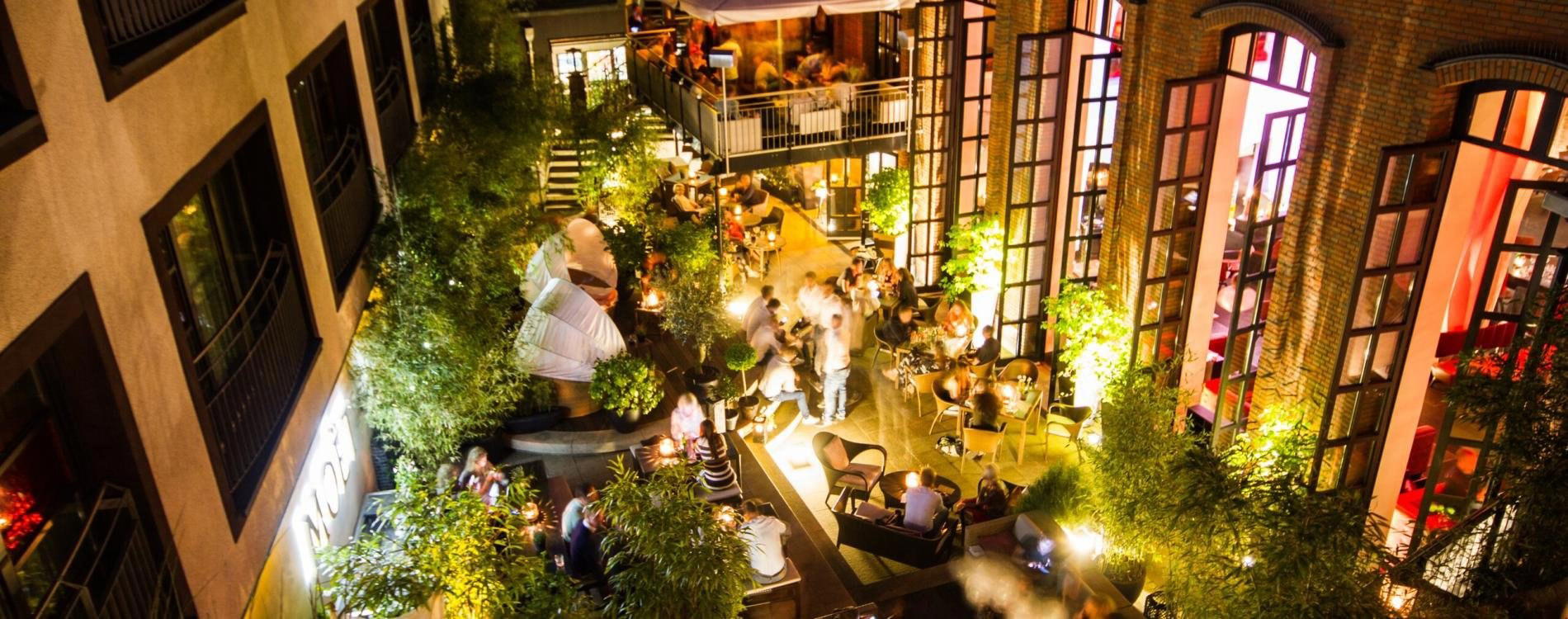
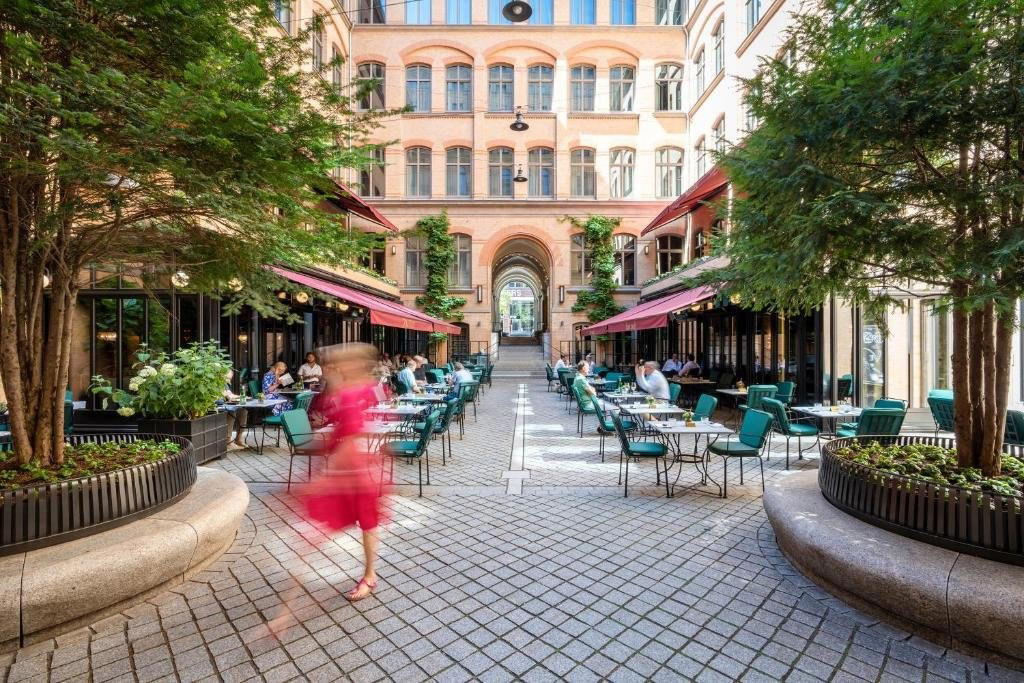
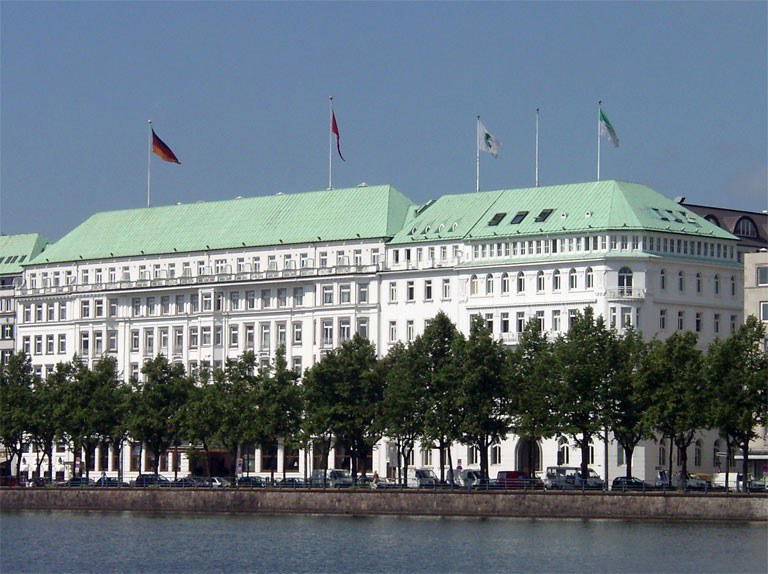
Warm, welcoming Breton atmosphere with high ceilings in a historic merchant's house, evoking coziness and maritime charm.