
Nakama occupies a sharp address on Willy-Brandt-Straße in Hamburg's HafenCity-adjacent corridor, where the city's appetite for pan-Asian and Japanese-influenced dining sits alongside its more established fine-dining circuit. The venue positions itself in a mid-to-upper tier that has grown considerably as Hamburg's restaurant scene has matured beyond its traditional seafood and north German anchors. Worth tracking for anyone mapping the city's contemporary dining options.
Pearl is the En Primeur Club membership app — saves, bookings, and concierge access live there. Same editors, same standards.
- Address
- Willy-Brandt-Straße 51, 20457 Hamburg, Germany
- Phone
- +494049205111
- Website
- nakama-hamburg.de
- Directions
- Get directions
 Saves & bookings on Pearl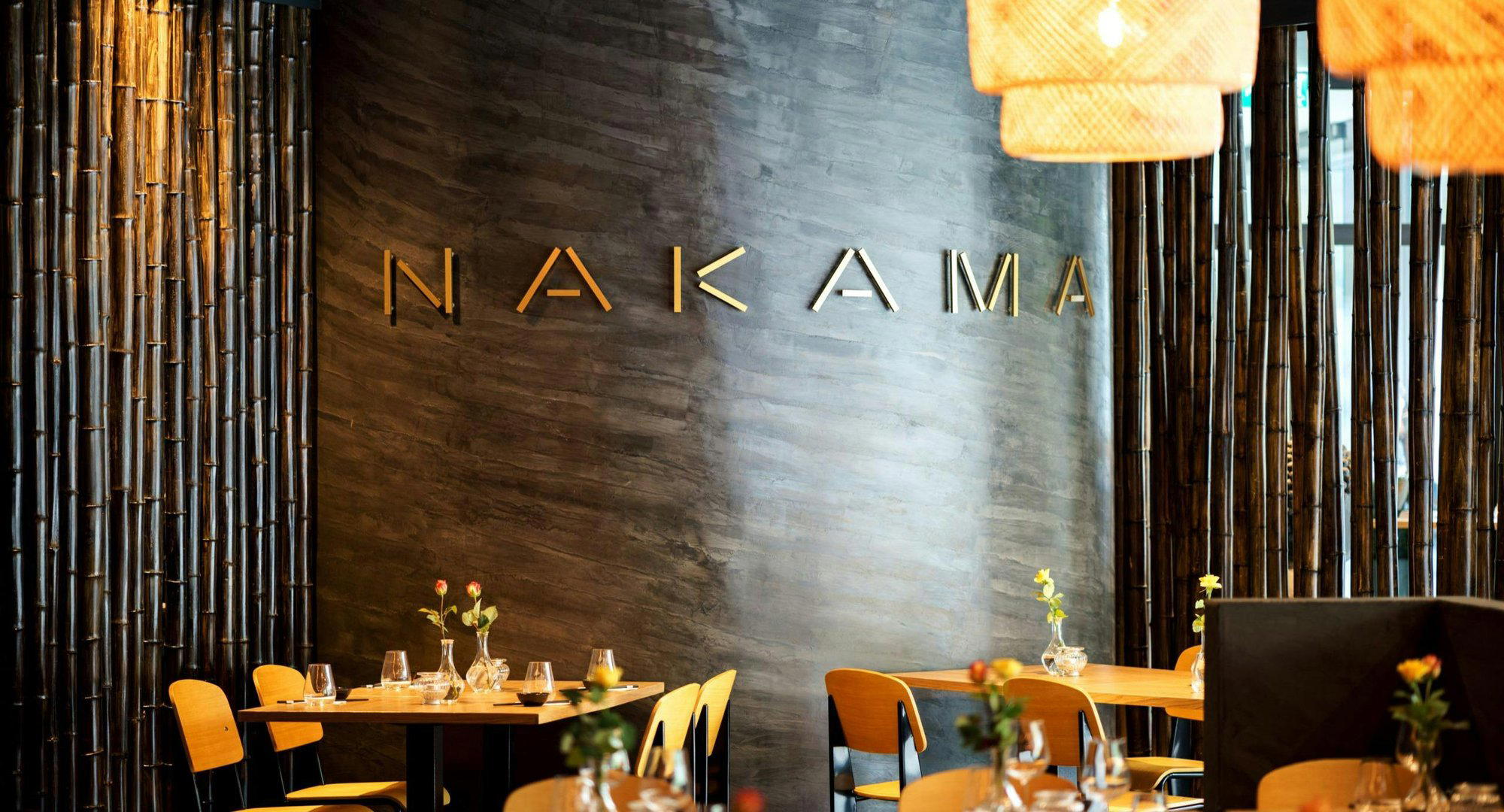
Where Hamburg's Asian-Influenced Dining Sits on the Map
Hamburg's restaurant scene has spent the past decade sorting itself into clearer tiers. At the leading, a small cluster of multi-Michelin-starred rooms, Restaurant Haerlin with its classical French discipline and The Table Kevin Fehling with its three-star creative format, define the city's ceiling. Below that, a broader mid-tier has filled in with operators who draw on Mediterranean, modern European, and Asian-influenced frameworks, competing less on trophy credentials and more on consistency of experience. Nakama, at Willy-Brandt-Straße 51 in the HafenCity-adjacent zone, sits in that contested middle ground where the dining conversation is less about pedigree and more about whether a room can hold its own night after night.
That address matters. The strip running along Willy-Brandt-Straße catches foot traffic from the Speicherstadt district and the broader HafenCity development, an area that has shifted Hamburg's gravitational centre away from the traditional Altstadt dining cluster. Restaurants here reach a clientele that is slightly younger, more internationally exposed, and less anchored to the formal occasion-dining habits that fill rooms like Lakeside or bianc on a Friday evening. That difference in audience shapes what a room needs to deliver: the expectation is fluency rather than formality.
The Service Architecture at Mid-Tier Hamburg
In Hamburg's mid-to-upper tier, the relationship between front-of-house, kitchen, and any drinks program has become a sharper competitive variable. At the starred level, that coordination is assumed. In the tier Nakama occupies, it is where reputations actually get built or eroded. Guests at this price point arrive with a clear read on whether a room is operating as a coherent team or as a kitchen that happens to have servers attached to it. The difference shows in pacing, in how dishes are framed at the table, and in whether the drinks selection is being used as a genuine tool for extending the meal's logic or simply processed as an add-on transaction.
German fine dining, for all its Michelin density, has historically leaned formal in its service culture, a tradition that venues like Aqua in Wolfsburg and Vendôme in Bergisch Gladbach embody at the highest level. The current shift across Hamburg's newer entrants is toward a looser, more conversational mode without sacrificing precision. That balance, knowledgeable but not stiff, attentive without being managed, is harder to sustain than it looks, and it is where collaboration between the floor and the kitchen becomes the actual product rather than a support function.
Asian-Influenced Formats in a Northern European City
Pan-Asian and Japanese-influenced dining in northern European cities has moved through several distinct phases. The first wave was largely about accessibility and novelty. The second, driven partly by the spread of omakase formats from Tokyo and high-end Korean concepts from Seoul, pushed the category toward technical seriousness. Cities like Berlin and Copenhagen absorbed that second wave earlier than Hamburg, partly because of scale, partly because of their stronger connections to international dining circuits. Hamburg has followed, but on a slightly delayed timeline, and the venues that have built lasting positions here tend to be the ones that avoided chasing format trends and instead committed to a specific register of hospitality.
For context on how the format has evolved at a global level, Le Bernardin in New York City represents one endpoint of the precision-hospitality equation in a different cuisine tradition, while Atomix in New York City shows what a Korean fine-dining format looks like when it operates with full team integration across kitchen, floor, and drinks. Both serve as reference points for what the category can achieve when collaboration is treated as structural rather than incidental. Hamburg's own version of that ambition is being worked out across a handful of rooms, of which Nakama is one.
Elsewhere in Germany, venues like JAN in Munich, CODA Dessert Dining in Berlin, and ES:SENZ in Grassau have each built reputations on the strength of a defined, internally consistent format. The pattern across those venues is consistent: when kitchen philosophy, service manner, and drinks approach operate from the same set of values, the guest experience reads as a room with a point of view rather than a collection of competent components. That is the benchmark any mid-to-upper-tier Hamburg venue is implicitly measured against, whether or not it is chasing Michelin recognition directly.
Where Nakama Fits the Current Moment
Hamburg's dining scene in the mid-2020s is at an interesting inflection point. The city's Michelin footprint is smaller than Munich's or Berlin's in absolute terms, but the non-starred segment has become genuinely competitive. Operators at 100/200 Kitchen and the modern European rooms that have opened across Eppendorf and Ottensen have raised the baseline for what an upper-mid-tier experience needs to deliver. Against that backdrop, the question for a venue like Nakama is less about whether it belongs in the conversation and more about which part of the conversation it is shaping.
The Willy-Brandt-Straße address connects Nakama to a cluster of venues that are being watched by a Hamburg audience that has become more opinionated about value, format, and coherence. For readers planning across a broader German itinerary, the southern and western starred circuit, Schwarzwaldstube in Baiersbronn, Waldhotel Sonnora in Dreis, Schanz in Piesport, and Victor's Fine Dining by Christian Bau in Perl, represents a different register entirely. Hamburg's strength is in density and variety at the mid-to-upper level, and Nakama is part of that density. For additional regional context, Bagatelle in Trier offers a useful point of comparison for how smaller German cities are building their own fine-dining identities outside the major metropolitan circuits.
Know Before You Go
- Address: Willy-Brandt-Straße 51, 20457 Hamburg, Germany
- Getting there: The address sits within walking distance of HafenCity and the Speicherstadt district; U-Bahn connections via Baumwall or Überseequartier stations provide direct access from central Hamburg
- Price range: not confirmed; position in the HafenCity corridor suggests mid-to-upper-tier Hamburg pricing
- Hours: Mon to Thu 11:30 AM to 3 PM and 5:30 to 10 PM, Fri 11:30 AM to 3 PM and 5:30 to 11 PM, Sat 5 to 11 PM, and Sun closed
Reputation First
Comparable venues nearby, for context on price, style, and recognition.
| Venue | Cuisine | Price | Notes |
|---|---|---|---|
| NakamaThis venue — the venue you are viewing | Japanese Fusion Sushi | $$ | Not listed |
| Ume no Hana | Vietnamese-Japanese Fusion with Pho and Ramen | $$ | St. Pauli |
| Daruma | Authentic Traditional Japanese Izakaya | $$ | Hammerbrook |
| Katana Sushi | Traditional Japanese Sushi | $$ | Neustadt |
| SUSHI SUPPLY | Japanese Sushi and Poke Bowls | $$ | Hamburg-Altstadt |
| The Ramen | Japanese Ramen | $ | Hamburg-Altstadt |
Recognition history
Dated appearances from independent guides and award organizations, with the underlying list record or original source where available.
Falstaff Restaurant - 89 Falstaff Points
Falstaff
Continue exploring
More in Hamburg
Restaurants in Hamburg
Browse all →
At a Glance
- Modern
- Trendy
- Date Night
- Group Dining
- Casual Hangout
- Open Kitchen
- Craft Cocktails
- Sake Program
Current opening hours
- Monday
- 11:30 AM–3 PM, 5:30–10 PM
- Tuesday
- 11:30 AM–3 PM, 5:30–10 PM
- Wednesday
- 11:30 AM–3 PM, 5:30–10 PM
- Thursday
- 11:30 AM–3 PM, 5:30–10 PM
- Friday
- 11:30 AM–3 PM, 5:30–11 PM
- Saturday
- 5–11 PM
- Sunday
- Closed
Hours can change for holidays and private events. Last verified .
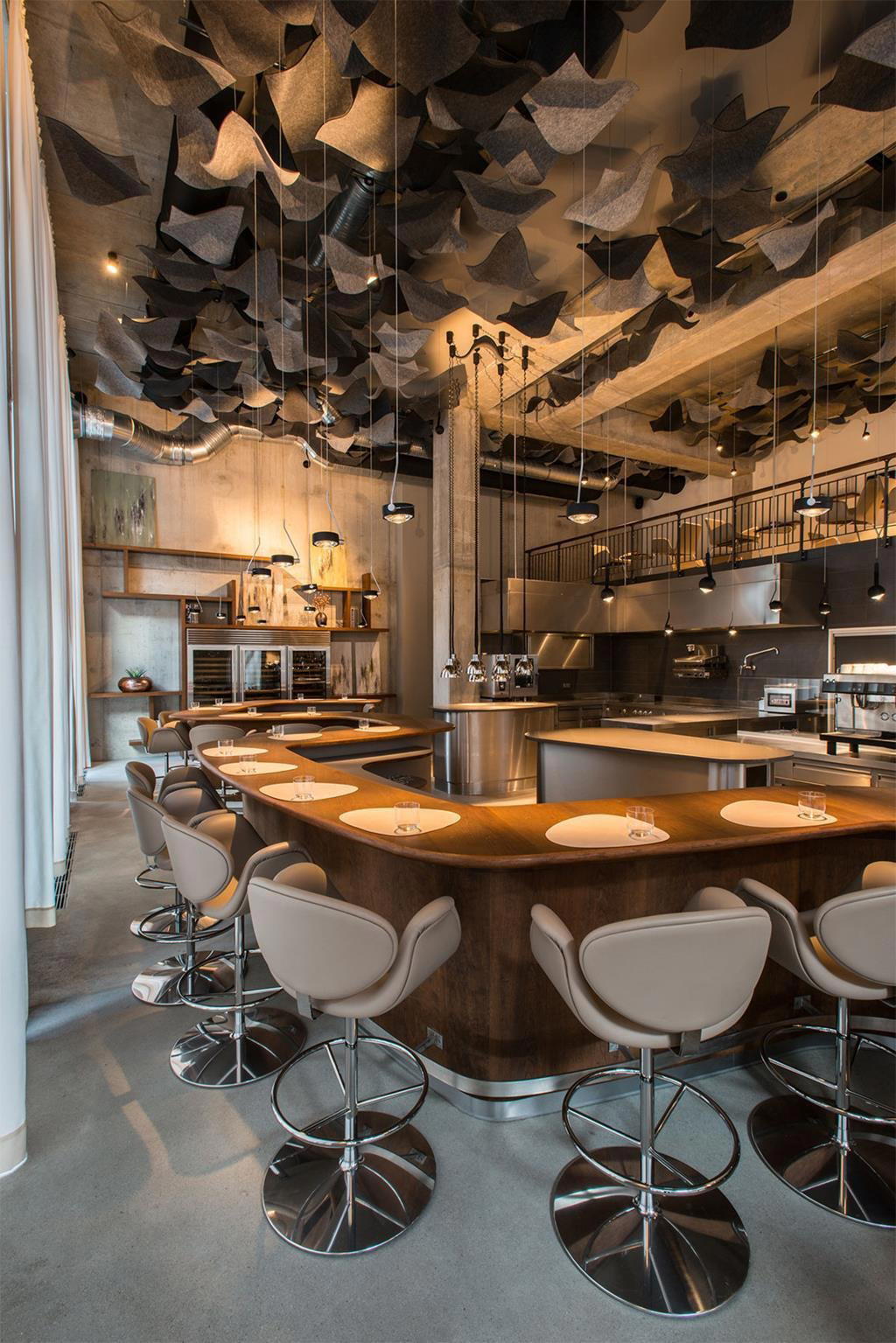
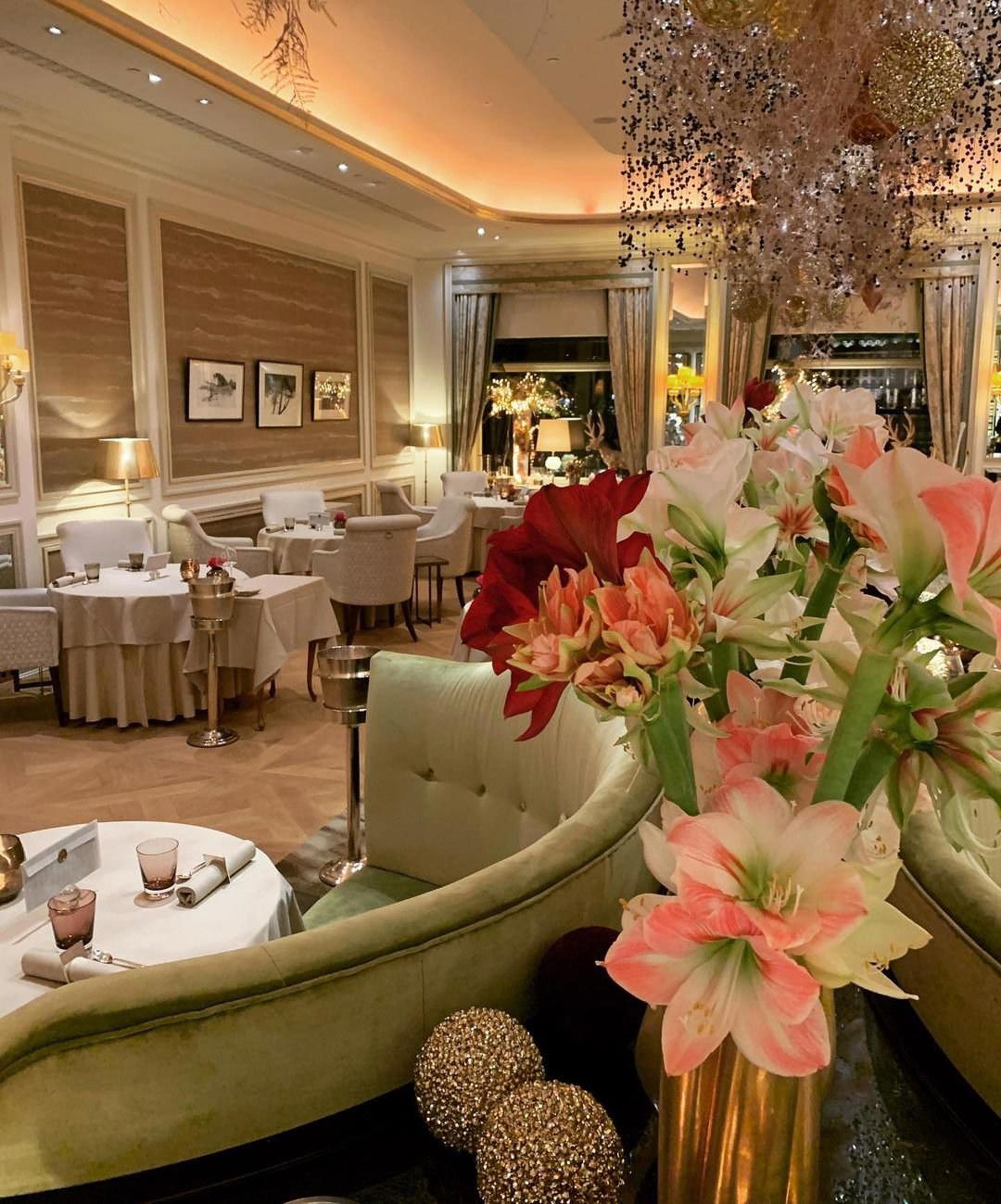
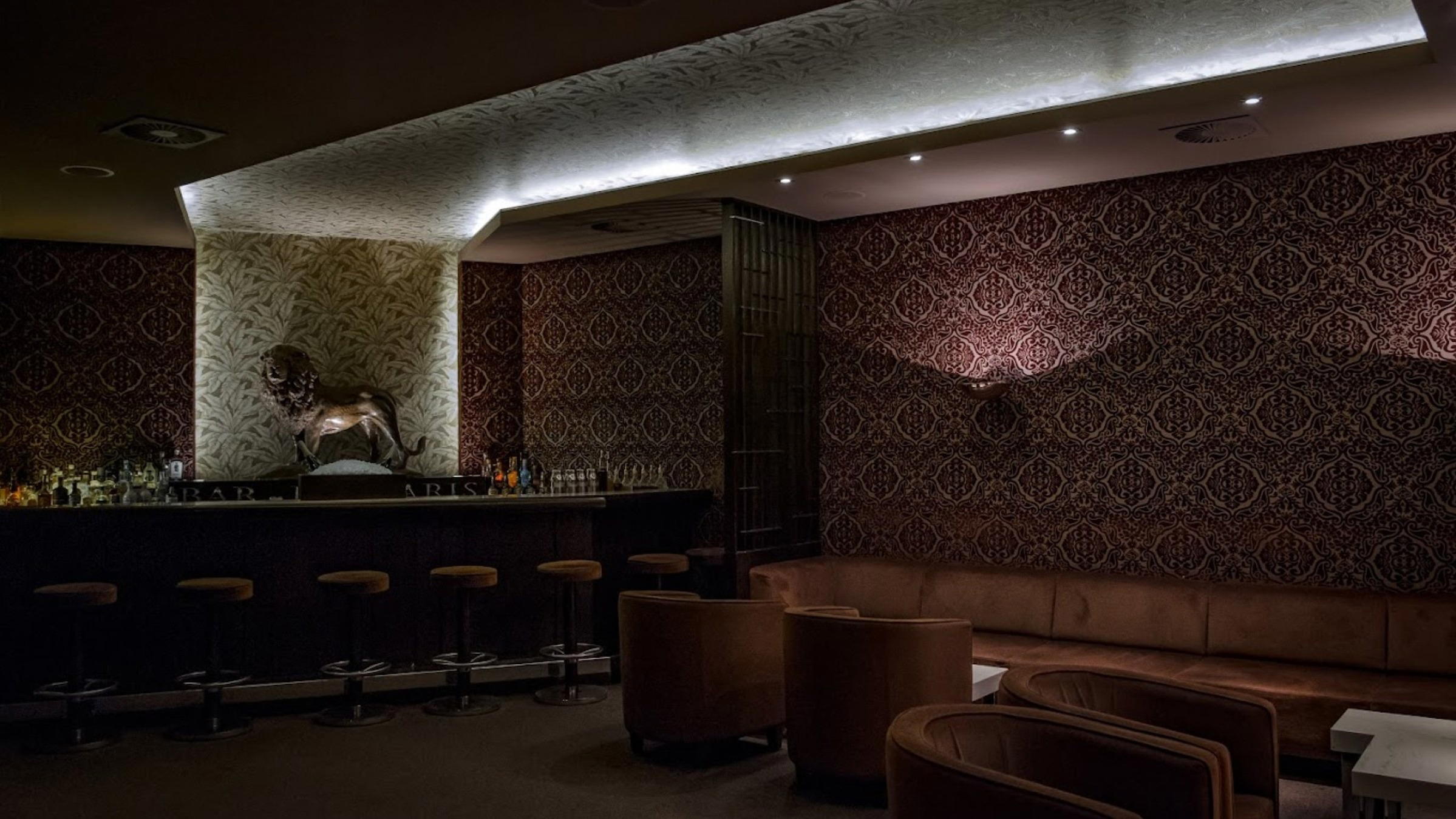
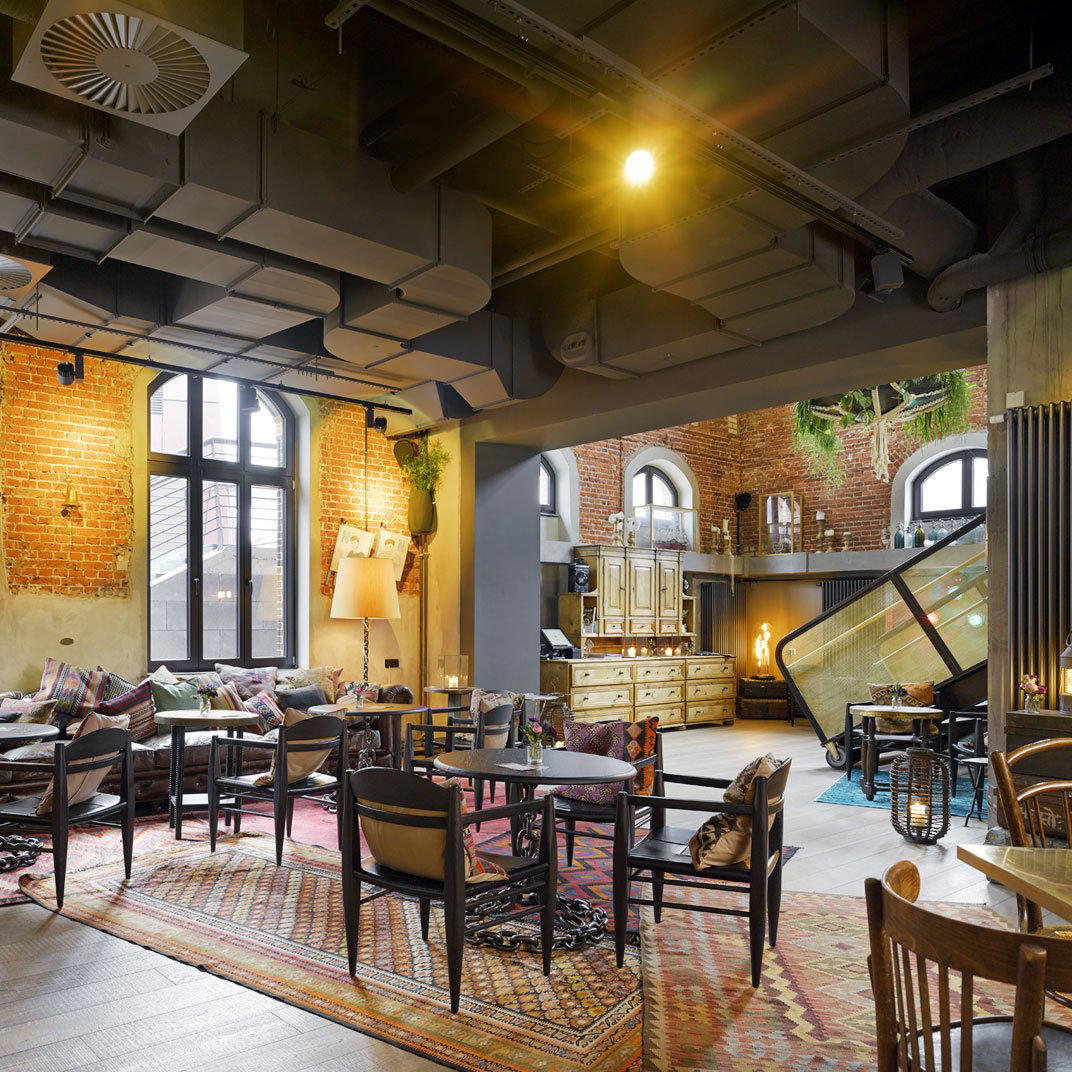
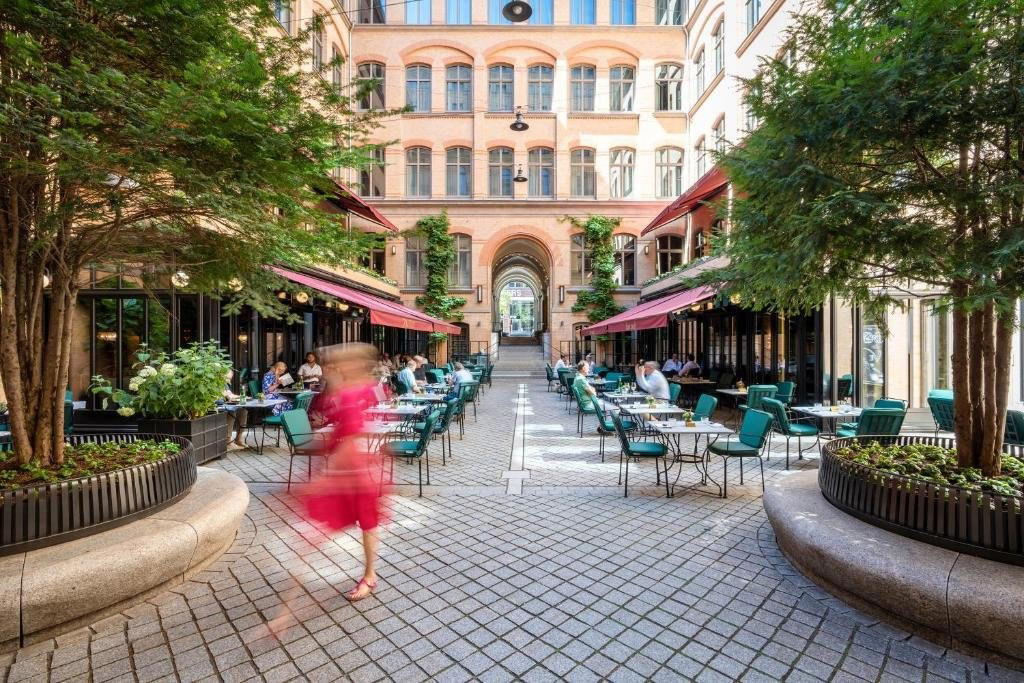
Energetic atmosphere with a beautiful bar area featuring modern Asian fusion decor including waving cats.