The White Room by Jacob Jan Boerma




1 Michelin Star · Star Wine List · Wine Spectator Best of Award of Excellence
Our verdict
Inside the Anantara Grand Hotel Krasnapolsky on Dam Square, The White Room operates at the top of Amsterdam's fine-dining tier, serving modern French cuisine in a room that dates to 1885. Chef Tristan de Boer leads a kitchen that draws on Dutch produce, citrus-forward technique, and classical French structure, backed by a wine list of 6,230 bottles with particular depth in Burgundy.

Pearl is the En Primeur Club membership app, where members save venues, book tables and use the concierge.
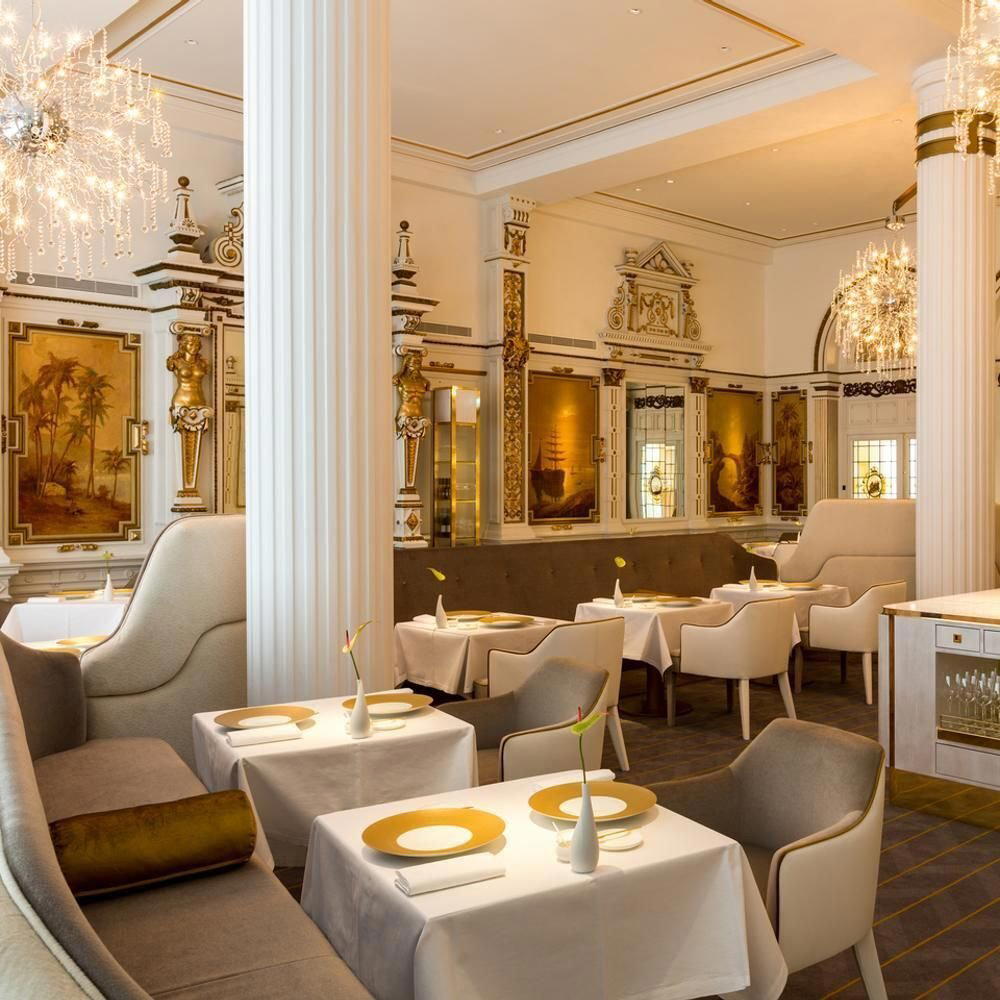
A Room That Carries Its Own History
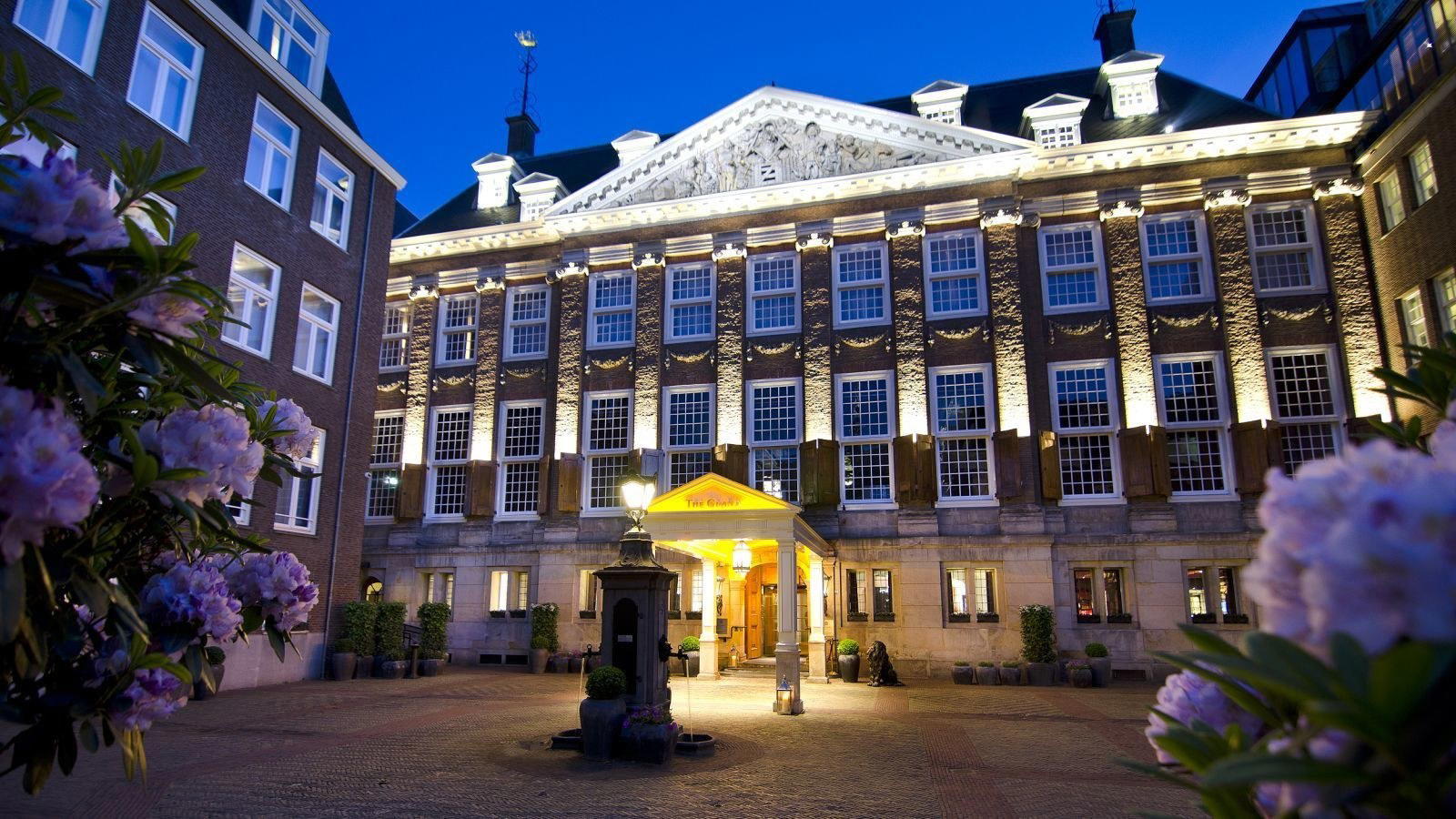
Dam Square is one of Europe's most trafficked civic addresses, and the Anantara Grand Hotel Krasnapolsky that frames its eastern edge has been part of that address since the nineteenth century. The dining room that eventually became The White Room dates to 1885, and the bones of the space make themselves felt the moment you step inside: gilded accents, high ceilings, and a formality calibrated not to intimidate but to locate. Amsterdam's premium dining scene has grown steadily more international in format over the past decade, with addresses like Ciel Bleu (€€€€ · Creative) and Flore (€€€€ · Contemporary) occupying the city's uppermost tier alongside it. Within that cohort, The White Room distinguishes itself through setting: a nineteenth-century interior operating at a contemporary technical register places it in a different atmospheric bracket than newer, purpose-built rooms.
How the Menu Is Built
The kitchen works within a French framework but draws the sourcing inward toward Dutch soil. That combination, classical European structure, local Dutch produce, reflects a broader shift in Dutch fine dining over the past fifteen years, where chefs trained in French or Scandinavian kitchens have increasingly turned to hyper-local ingredients as a counterweight to technique-heavy menus. The result at The White Room is a menu architecture that moves between the recognizable and the unexpected: citrus and exotic spices appear alongside dry-aged proteins and reduced classical sauces, signalling a kitchen that treats French fundamentals as a foundation rather than a ceiling.
Tristan de Boer leads the kitchen, and the dish references provided in public documentation illustrate the structural logic clearly. A preparation of dry-aged lamb arrives pink-roasted, accompanied by a reduced lamb jus, anchovies, morels, and mushrooms filled with braised leg, a dish that layers the same primary ingredient across multiple textures and preparations before finishing with magnolia flowers as aromatic punctuation. That approach, using a single protein at multiple registers within one composition, reflects a menu philosophy where depth of execution matters more than breadth of ingredient variety. It is a format common to European kitchens operating at this level, where trust in sourcing quality means fewer ingredients per plate, not more.
The kitchen team comes to the table to walk through dishes, which functions less as theatre and more as calibration: knowing the intention behind a preparation changes how you read it. This is increasingly standard practice at restaurants in the €€€€ tier, where the explanation is part of the value proposition rather than optional hospitality.
The Wine Program
The wine list at The White Room is among the more substantial in the Amsterdam fine-dining circuit. Wine Director Frederico Figueiredo oversees a selection of 6,230 bottles from 475 references, with particular depth in Burgundy and France more broadly. Star Wine List published the program in December 2023 with a White Star designation, which places it within a smaller cohort of Amsterdam lists recognized for both scale and curation rather than scale alone.
Pricing sits in the middle band of the program's own structure: the list spans accessible entry points to €100-plus bottles, which means the Burgundy depth is accessible at different budget levels rather than concentrated entirely at the trophy end. A corkage fee of $60 applies for bottles brought in from outside. For a room of this age and formal register, the wine program functions as an independent reason to visit, the 6,230-bottle inventory suggests a list that rewards exploration well beyond what a single evening can cover. Comparable fine-dining addresses in the Netherlands, including De Librije in Zwolle and Parkheuvel in Rotterdam, operate wine programs of similar ambition, but few Amsterdam city addresses match this list's inventory depth.
Where It Sits in Amsterdam's Fine-Dining Tier
Amsterdam's top-tier restaurant scene has diversified considerably. Lars Amsterdam, Restaurant Showw, and Restaurant Bougainville each occupy specific niches within the city's premium dining bracket, while addresses at slightly lower price tiers such as De Kas and Gebr. Hartering serve different audiences within the broader food culture. The White Room operates in the €€€€ band alongside Ciel Bleu and competes on a combination of setting, menu ambition, and wine depth that is less common in the city's newer restaurants, many of which operate in more stripped-back, contemporary spaces.
Opinionated About Dining placed it at #460 in its 2025 Classical European ranking, a category that rewards technical rigor and consistency over trendiness. That placement contextualizes the restaurant's positioning accurately: it is not trying to be Amsterdam's most avant-garde address, and the OAD signal confirms that the kitchen's reference points are classical rather than experimental. For diners whose frame of reference runs through traditional French technique rather than New Nordic minimalism, the program here will feel more legible and satisfying than many of the city's newer openings.
The broader Dutch fine-dining circuit that The White Room connects to includes addresses across the country worth noting. Aan de Poel in Amstelveen, De Bokkedoorns in Overveen, Inter Scaldes in Kruiningen, De Groene Lantaarn in Staphorst, De Lindehof in Nuenen, and De Lindenhof in Giethoorn represent the regional spread of serious Dutch cooking. Within that national context, The White Room's Amsterdam-city location and hotel setting give it a different function: it draws an international visitor base that destination restaurants in smaller Dutch towns simply do not access in the same way.
AXA Investment Managers holds ownership of the property, connecting the restaurant to the broader Anantara Grand Hotel Krasnapolsky operation. General Manager Arne Heuwekemeijer oversees the floor. For guests staying at the hotel, the restaurant is an obvious anchor; for diners arriving independently, the Dam Square address is a ten-minute walk from the Centraal Station area and sits at the geographic centre of the old city, making logistics direct from most Amsterdam bases. See our full Amsterdam hotels guide if you are planning accommodation nearby, and our full Amsterdam restaurants guide for the broader dining picture. We also cover bars, wineries, and experiences across the city.
Know Before You Go
- Address: Dam 9, 1012 HH Amsterdam, Netherlands
- Service: Dinner Wednesday to Friday, 6 PM–11 PM; Saturday lunch 12 PM–4 PM and dinner 6 PM–11 PM; closed Sunday, Monday, Tuesday
- Cuisine: Modern French, €€€€ tier (typical two-course meal $66+)
- Wine list: 6,230 bottles, 475 references; Burgundy and France; White Star (Star Wine List, December 2023); corkage $60
- Wine pricing: Mid-range ($$, mix of accessible and $100+ bottles)
- OAD ranking: #460, Classical European 2025
- Setting: Part of Anantara Grand Hotel Krasnapolsky; dining room dates to 1885
What Should I Eat at The White Room by Jacob Jan Boerma?
The menu at The White Room is built around modern French technique applied to Dutch-sourced produce, with citrus, exotic spices, and dry-aged proteins among its recurring structural elements. Public documentation references a preparation of dry-aged lamb, pink-roasted and layered with reduced lamb jus, anchovies, morels, mushrooms filled with braised leg, and magnolia flowers, a composition that illustrates the kitchen's approach of working one primary ingredient through multiple preparations within a single dish. The kitchen team presents and explains each course at the table, which gives diners the context to read the menu's architecture as it unfolds. Given the wine list's depth in Burgundy (6,230 bottles, White Star recognition from Star Wine List), pairing the food program with a guided wine selection from Wine Director Frederico Figueiredo is a practical way to use the list rather than working through it independently. The restaurant's Ciel Bleu peer-set positioning and OAD Classical European ranking both signal that the kitchen rewards diners who approach it with French fine-dining fluency rather than expecting experimental or minimalist formats.
Frequently asked questions
When is The White Room by Jacob Jan Boerma open?
Hours at The White Room by Jacob Jan Boerma: Monday closed Tuesday closed Wednesday 6 PM-11 PM Thursday 6 PM-11 PM Friday 6 PM-11 PM Saturday 12 PM-4 PM 6 PM-11 PM Sunday closed.
What awards or recognition does The White Room by Jacob Jan Boerma have?
The White Room by Jacob Jan Boerma has received recognition including: The White Room by J J Boerma is a restaurant venue.without_translation_and hotel in Amsterdam, Netherlands. It was published on Star Wine List on December 2, 2023 and is a White Star.; Opinionated About Dining Classical in Europe Ranked #46….
Cuisine and Recognition
| Venue | Cuisine | Price | Awards | Notes |
|---|---|---|---|---|
| The White Room by Jacob Jan BoermaThis venue (the venue you are viewing) | Modern Global Fine Dining | Not listed | 1 Michelin Star · Star Wine List | Not listed |
| Ciel Bleu | Modern French Fine Dining | $200–300 | 2 Michelin Stars · La Liste Top Restaurants | Creative |
| Bolenius | Modern Dutch Farm-to-Table | $100–150 | 1 Michelin Star · We're Smart World Top 100 #18 | Modern Dutch, Creative |
| De Kas | Seasonal Farm-to-Table Fine Dining | $50–100 | 1 Michelin Star · Star Wine List | Organic |
| Wils | Michelin-Starred Fire-Cooked Modern European | $100–150 | 1 Michelin Star · We're Smart World 4 Radishes | World Cuisine |
| Gebr. Hartering | Modern Fusion Bistro | $50–100 | Michelin Plate · Star Wine List | Not listed |
Recognition history
Dated appearances from independent guides and award organizations, with the underlying list record or original source where available.
Michelin 1 Star
Michelin
Star Wine List
Star Wine List
Wine Spectator Best of Award of Excellence
Wine Spectator
Opinionated About Dining Classical in Europe Ranked #460
Opinionated About Dining
Full recognition history (5 entries)
Wine Spectator Best of Award of Excellence
Wine Spectator
Continue exploring
More in Amsterdam
Restaurants in Amsterdam
All restaurants in Amsterdam →
Bars in Amsterdam
All bars in Amsterdam →
Hotels in Amsterdam
All hotels in Amsterdam →
Wineries in Amsterdam
All wineries in Amsterdam →
The White Room by Jacob Jan Boerma
The wine
The White Room by Jacob Jan Boerma holds the Wine Spectator Best of Award of Excellence, which Wine Spectator gives to lists of usually 350 or more selections.
- Wine program
- Deep wine list
- Wine Spectator
- Wine Spectator Best of Award of Excellence
- Selections
- 475
- Bottles in cellar
- 6,230
- List strengths
- Burgundy, France
- Wine director
- Frederico Figueiredo
- Extensive wine list
- Sommelier-led
Details
- Elegant
- Sophisticated
- Ornate
- Date Night
- Special Occasion
- Hotel Restaurant
- Historic Building
- Extensive Wine List
- Sommelier Led
- Local Sourcing
Current opening hours
- Monday
- Closed
- Tuesday
- Closed
- Wednesday
- 6–11 PM
- Thursday
- 6–11 PM
- Friday
- 6–11 PM
- Saturday
- 12–4 PM, 6–11 PM
- Sunday
- Closed
Hours can change for holidays and private events. Hours as of .
Contemporary design and classical elegance merge with luxurious gold touches in a pristine white space under high ceilings.