Located on Olivaer Platz in Berlin's Charlottenburg district, The Taste of Beef and Seafood puts two of particularly technique-dependent protein categories on the same menu, a format that demands kitchen precision across different cooking disciplines. The address places it in a residential-commercial neighbourhood that rewards those who seek it out rather than stumble upon it.
Pearl is the En Primeur Club membership app — saves, bookings, and concierge access live there. Same editors, same standards.
- Address
- Olivaer Pl. 16, 10707 Berlin, Germany
- Phone
- +493012349792
- Website
- thetasteof.berlin
- Directions
- Get directions
 Saves & bookings on Pearl
Olivaer Platz and the Question of Protein Focus
Berlin's dining scene has spent the past decade sorting itself into recognisable tiers. At the leading end, Michelin-recognised rooms like Rutz, Nobelhart & Schmutzig, and FACIL compete on creative frameworks and seasonal sourcing narratives. Below that tier, a different category has grown steadily: restaurants built around a declared protein identity, where the menu's internal logic flows from the ingredient rather than from a chef's conceptual programme. The Taste of Beef and Seafood, at Olivaer Platz 16 in Charlottenburg, works within that second category, naming its two primary materials in the title and letting that declaration set expectations before a guest walks through the door.
Charlottenburg is not Berlin's most fashionable dining address in the way that Mitte or Prenzlauer Berg have been positioned in recent years. Olivaer Platz itself is a quiet residential square, removed from the gallery-and-nightclub density of the city's eastern neighbourhoods. Restaurants in this part of the city tend to draw a local, repeat-visit clientele rather than destination tourists working through a list, a dynamic that shapes how a kitchen develops its cooking and how a room reads on any given evening.
The Logic of a Dual-Protein Menu
Combining beef and seafood on a single menu is not as simple as it reads. The two categories pull in opposite directions: beef rewards dry heat, resting time, and fat development; seafood demands precision timing, minimal intervention, and an understanding of texture at low temperatures. Kitchens that do both well are running two distinct technical programmes simultaneously. Restaurants that allow one to inform the other, pairing surf and turf not as a compromise but as a deliberate tasting progression, tend to produce meals with more internal coherence than menus that simply offer range.
The tasting-progression format, when applied to these two protein categories, creates a natural meal arc. Lighter, oceanic courses build early, using acidity and clean flavour to establish a baseline. Beef courses arrive later, carrying weight and depth that would overwhelm a palate not yet primed. This sequencing mirrors what the leading multi-course rooms in Germany have long understood: Aqua in Wolfsburg and Vendôme in Bergisch Gladbach both build tasting menus around exactly this kind of internal logic, where each course calibrates the next rather than simply following it.
Berlin's Beef and Seafood Context
Germany's serious beef culture has historically been concentrated outside its capital, in Baden-Baden steakhouses, in Rhineland restaurant rooms built around aged cuts, in the kind of format that treats dry-aging as a front-of-house narrative. Berlin's contribution has been to absorb that tradition while pairing it with the city's broader openness to international produce and technique. Japanese wagyu has appeared on Berlin menus. North Sea fish has been reframed through French and Scandinavian technique. The category that The Taste of Beef and Seafood inhabits sits at an intersection of these currents.
For seafood specifically, the benchmark comparisons extend beyond Germany. Le Bernardin in New York City has defined what fish-forward fine dining looks like at the summit of the international tier, a model where the seafood is the point, technique serves rather than obscures, and the kitchen's identity is inseparable from its source relationships. Atomix in New York City demonstrates a different approach, weaving seafood through a tasting progression where cultural context and sequencing matter as much as the protein itself. Berlin's version of this ambition is necessarily shaped by different supply chains and a different dining culture, but the underlying question, how far can a kitchen push a single ingredient category, is the same.
Where It Sits in the Berlin Dining Picture
The creative tasting-menu rooms that have earned Berlin its sustained critical attention tend to operate at the €€€€ tier: CODA Dessert Dining has built an entire format around reconsidering what a meal's final act can be; Restaurant Tim Raue anchors its identity in Chinese flavour architecture applied to European technique. These rooms attract international attention partly because their concepts are transferable to a global conversation about what fine dining can mean. A protein-focused restaurant like The Taste of Beef and Seafood operates on different terms: its appeal is more direct, its reference points more classical, its audience potentially broader but its ambition no less defined.
That directness is not a limitation. Some of Germany's most seriously regarded restaurants outside Berlin, Schwarzwaldstube in Baiersbronn, Waldhotel Sonnora in Dreis, Schanz in Piesport, have built durable reputations on classical technique applied with rigour rather than on conceptual novelty. The question for any protein-focused room is whether the sourcing is serious and the execution consistent. Those two factors, more than format or concept, determine whether a beef-and-seafood menu reads as a genuine culinary commitment or simply as a category description on a sign.
Other German addresses worth cross-referencing when calibrating expectations in this category include JAN in Munich, ES:SENZ in Grassau, Victor's Fine Dining by Christian Bau in Perl, Restaurant Haerlin in Hamburg, and Bagatelle in Trier, each of which handles premium proteins within different regional and conceptual frameworks.
Planning a Visit
The restaurant is located at Olivaer Platz 16, 10707 Berlin, in the Charlottenburg district. The square is accessible by U-Bahn via the Hohenzollernplatz or Spichernstrasse stations. The restaurant is recommended for reservations and opens Tuesday through Thursday from 5 to 11 PM, Friday and Saturday from 5 PM to 12 AM. It is closed Monday and Sunday. For a broader orientation to Berlin's dining options across price points and styles, see our full Berlin restaurants guide.
Reputation Context
Comparable venues nearby, for context on price, style, and recognition.
| Venue | Cuisine | Price | Notes |
|---|---|---|---|
| The Taste of Beef and SeafoodThis venue — the venue you are viewing | Steakhouse & Seafood | $$$$ | Not listed |
| JW Steakhouse Berlin | Modern Steakhouse | $$$$ | Tiergarten |
| Solar Restaurant | Modern Fusion Sky Dining | $$$$ | Kreuzberg |
| Brechts Steakhaus | Dry-Aged Steakhouse | $$$ | Mitte |
| Shiori | Japanese Kaiseki Omakase | $$$$ | Mitte |
| To The Bone | Modern Italian Steakhouse | $$$$ | Scheunenviertel |
Continue exploring
More in Berlin
Restaurants in Berlin
Browse all →
Bars in Berlin
Browse all →
Hotels in Berlin
Browse all →




At a Glance
- Elegant
- Sophisticated
- Business Dinner
- Special Occasion
- Private Event
- Private Dining
- Craft Cocktails
Current opening hours
- Monday
- Closed
- Tuesday
- 5–11 PM
- Wednesday
- 5–11 PM
- Thursday
- 5–11 PM
- Friday
- 5 PM–12 AM
- Saturday
- 5 PM–12 AM
- Sunday
- Closed
Hours can change for holidays and private events. Last verified .
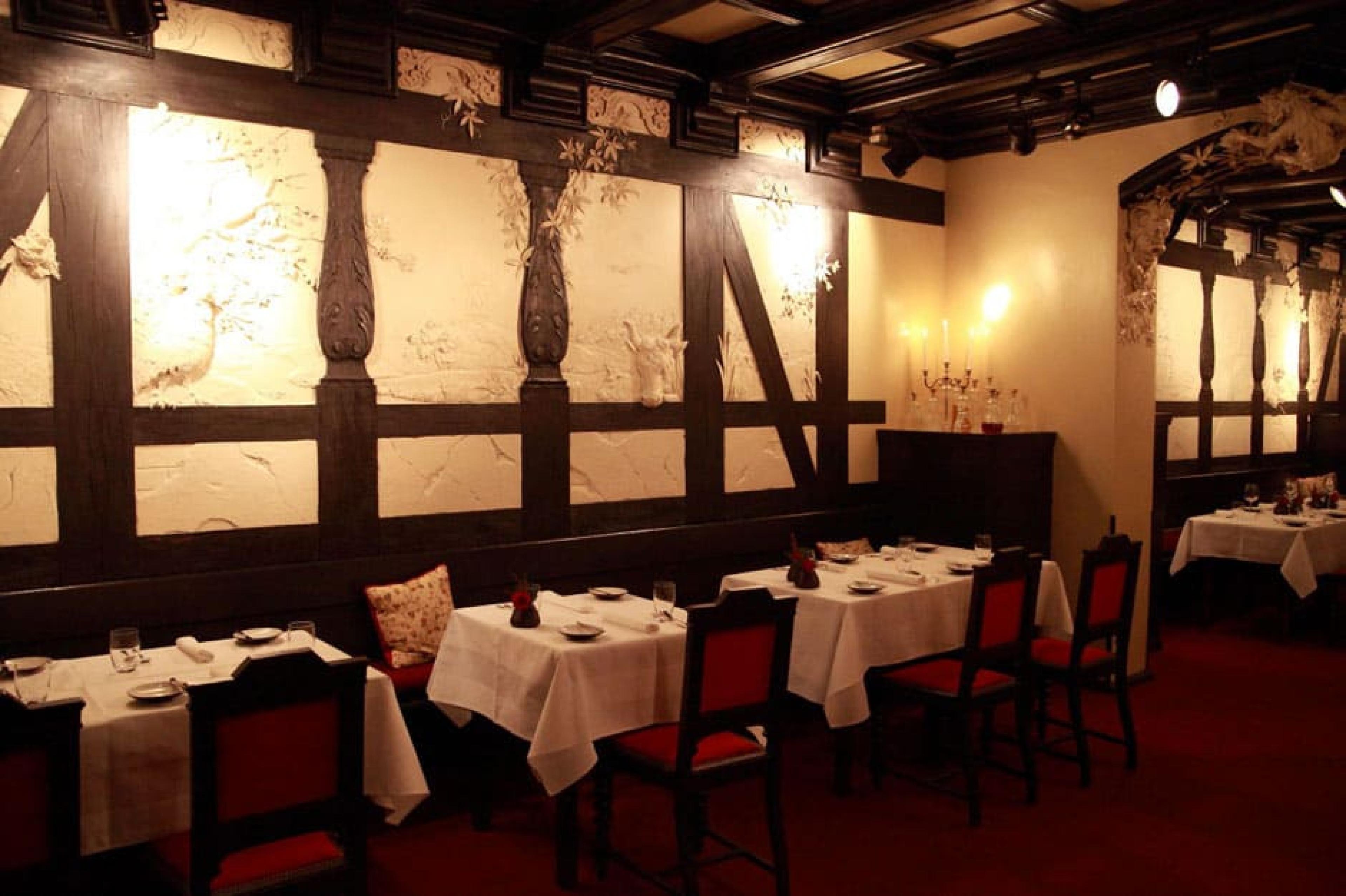
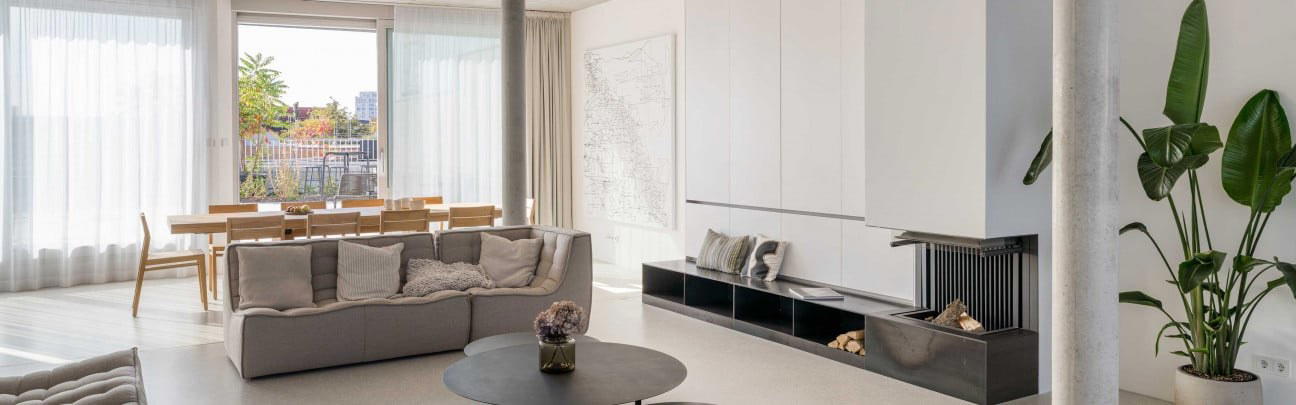
Beautiful restaurant with distinctive decor and indoor fireplace creating an elegant atmosphere.