JW Steakhouse Berlin occupies a considered address at Stauffenbergstraße 26 in the Tiergarten district, positioning itself within Berlin's mid-to-premium steakhouse tier. The kitchen centers on aged beef and a sourcing-driven approach that the city's fine-dining scene largely reserves for European produce. For visitors calibrating between Berlin's Michelin-decorated tasting-menu circuit and a more direct, protein-led dinner, it offers a deliberate alternative.
Pearl is the En Primeur Club membership app — saves, bookings, and concierge access live there. Same editors, same standards.
- Address
- Stauffenbergstraße 26, 10785 Berlin, Germany
- Phone
- +49493020650
- Website
- jwsteakhouseberlin.com
- Directions
- Get directions
 Saves & bookings on Pearl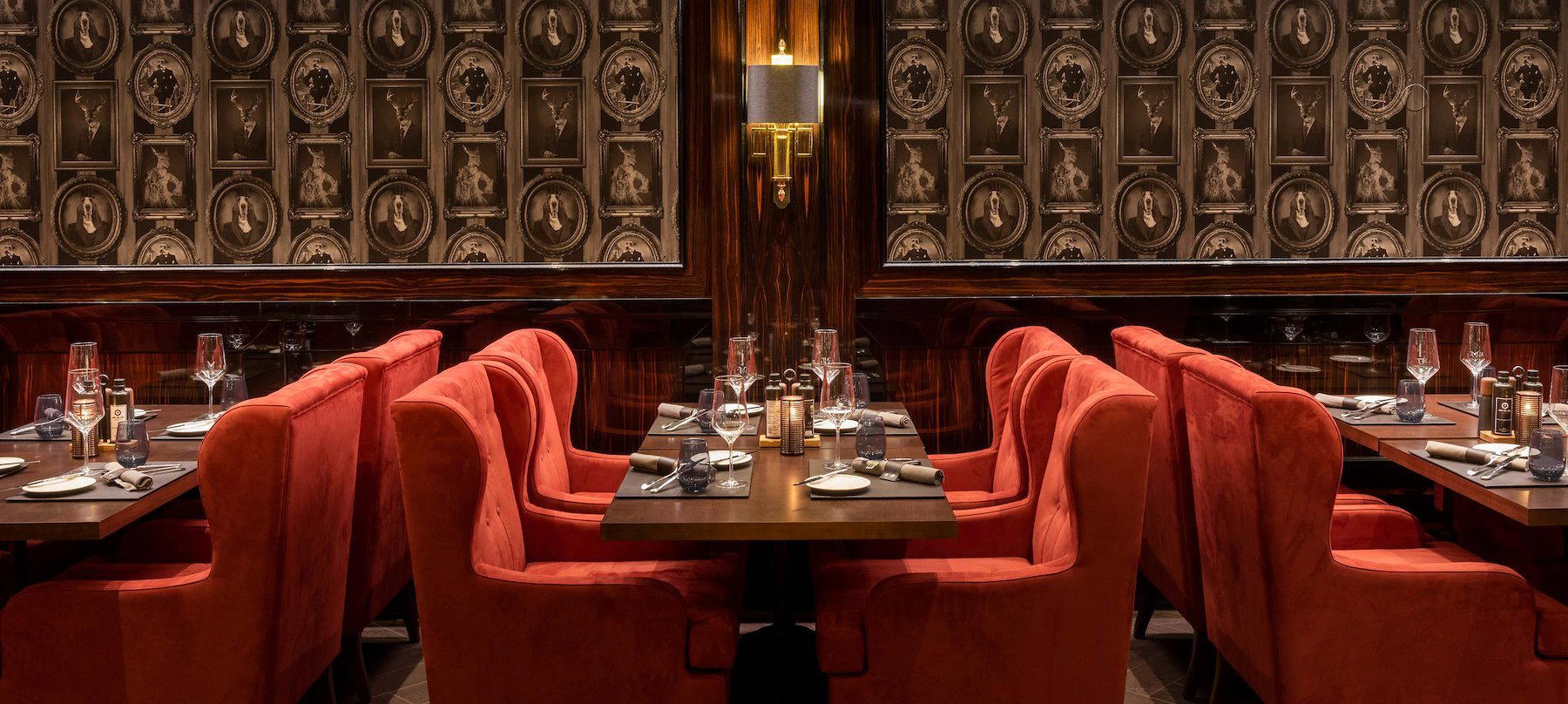
Tiergarten's Beef Counter and What It Says About Berlin's Steakhouse Scene
Stauffenbergstraße cuts through one of Berlin's quietest upmarket corridors, flanked by diplomatic buildings and the cultural weight of the Kulturforum. Arriving at this address in the Tiergarten district, the surroundings signal something different from Berlin's better-publicised tasting-menu circuit. The city's dining terrain runs heavily toward creative European formats, Rutz, FACIL, and Nobelhart & Schmutzig each occupy that register, so a dedicated steakhouse operating at the premium tier occupies a relatively uncrowded niche in the capital.
It sits in that gap. The format is direct in concept but precise in execution: a beef-forward menu where sourcing decisions carry most of the editorial weight. In a city where the prestige dining conversation defaults to technique and narrative, a room built around the provenance and preparation of a single protein category makes a different kind of argument.
Where the Beef Comes From, and Why That Question Drives Everything
The credibility of any premium steakhouse rests almost entirely on its sourcing logic. In Europe's upper tier, the field divides into a few distinct approaches: operations that anchor on American or Australian commodity beef (USDA Prime or Wagyu-adjacent grades), those that source from established European heritage breeds such as Galician Blonde or Simmental, and a smaller cohort that works across both pools, adjusting cut by origin. Each approach carries different cost structures, different aging protocols, and different flavour outcomes.
At this price point in Berlin, the sourcing conversation matters because the city's restaurant market is unusually competitive for its dining spend. German diners have historically been more resistant to high per-head covers than their counterparts in London or Zurich, which means a premium steakhouse has to justify its position through something more legible than prestige branding alone. Origin transparency, knowing whether the shorthorn on the menu grazed in northern Spain, Scotland, or the Allgäu, functions as that justification, and increasingly as a selection criterion for informed diners.
Comparable high-end beef programs across Germany, from Aqua in Wolfsburg to JAN in Munich, embed sourcing detail into their menus as a form of product guarantee. The steakhouse format simply makes that sourcing more naked and central: without the architecture of a tasting menu to distribute attention, the quality of the raw material is the story.
The Room and the Register
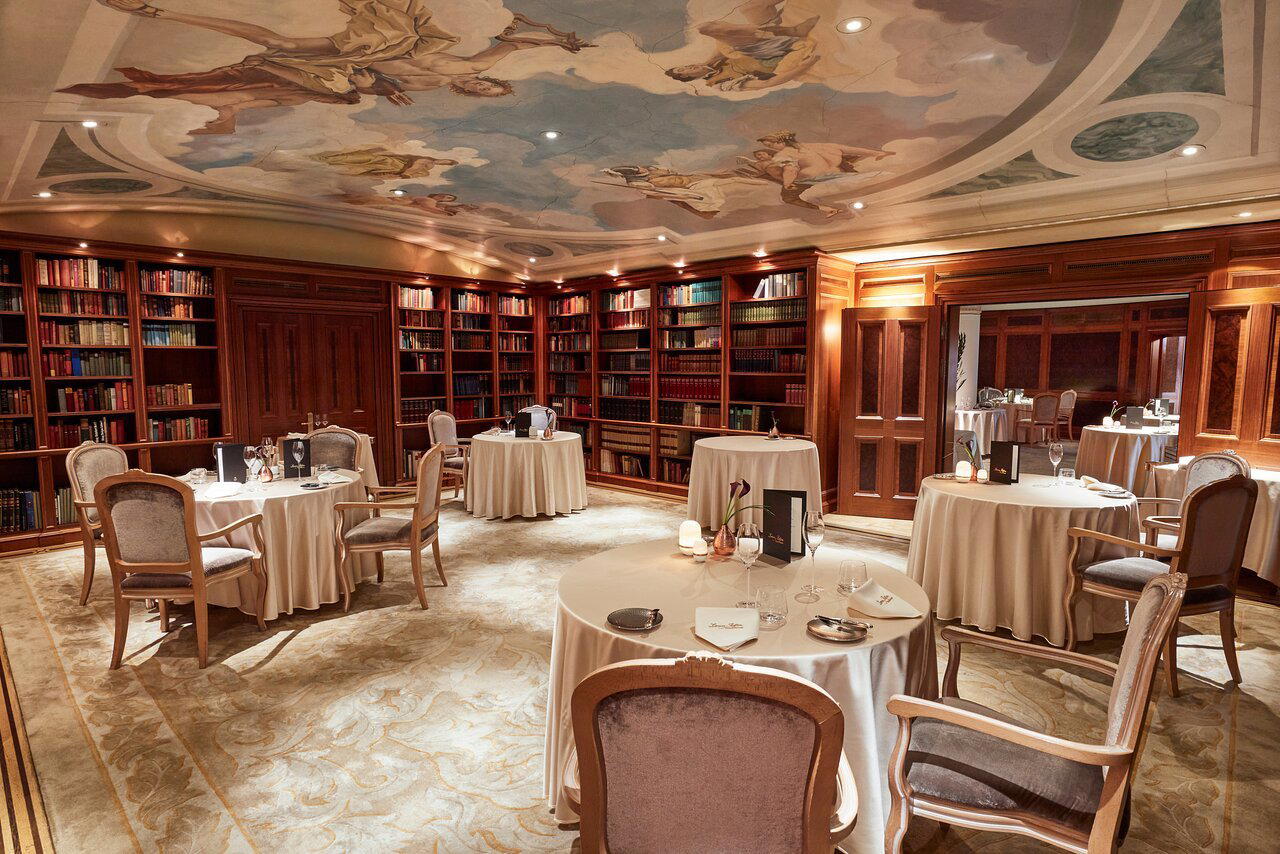
Berlin's premium dining rooms tend toward one of two modes: the spare, gallery-influenced aesthetic that marks places like CODA, or the warmer, material-heavy interiors that lean into a more international luxury register. A hotel-adjacent steakhouse operating in the Tiergarten corridor predictably aligns with the latter, where dark wood, leather seating, and controlled lighting create conditions suited to extended table time rather than rapid turnover.
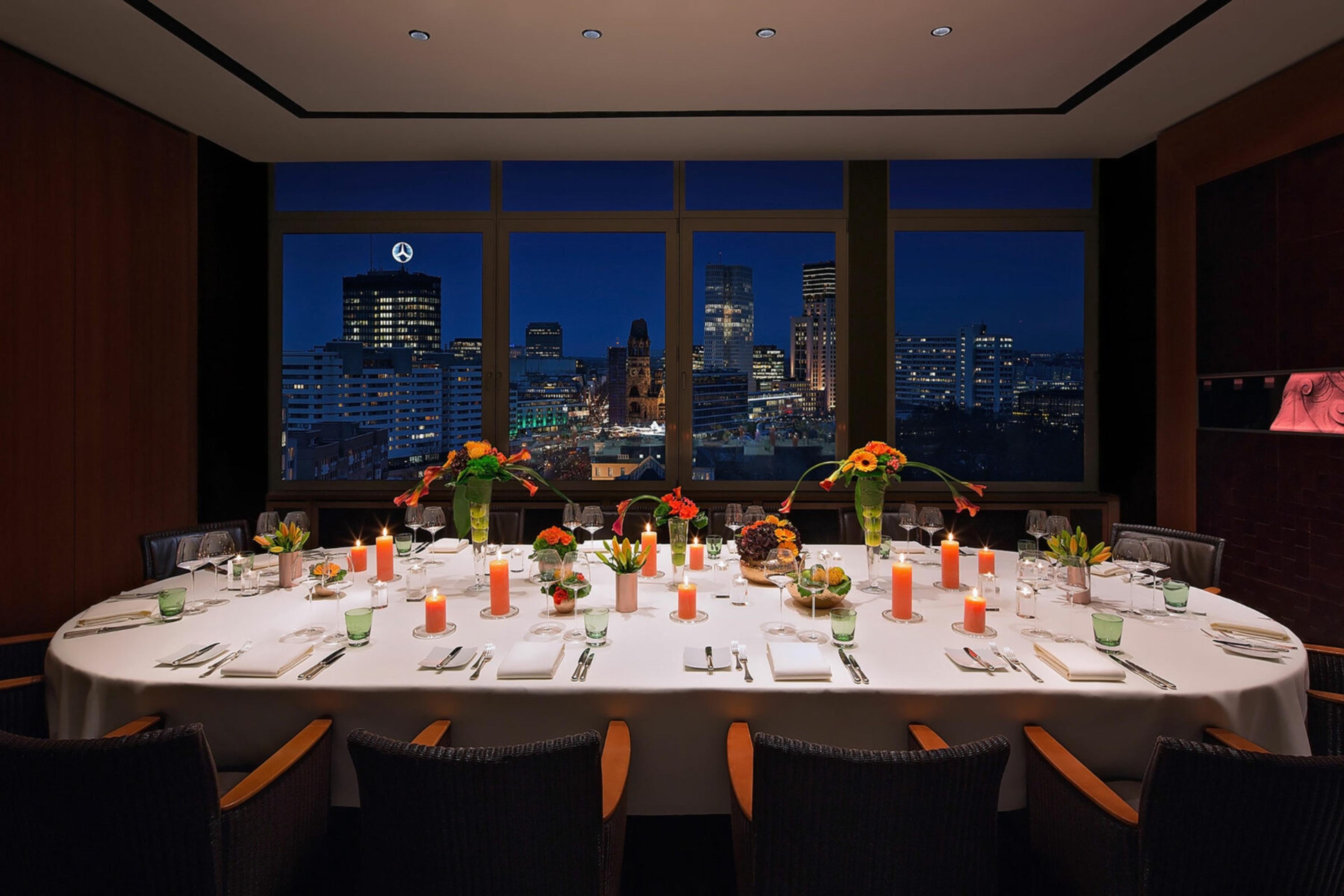
That physical environment has a practical implication: this is a room designed for long dinners, for groups and for business. In Berlin's dining geography, that positions JW Steakhouse as a different kind of destination from the solo counter experiences that define the city's most-discussed openings. The comparison point is less Restaurant Tim Raue and more a certain category of well-resourced international restaurant that prioritises consistency and comfort over culinary surprise.
Berlin in a Wider German Dining Frame
Germany's most decorated beef-forward cooking tends to sit outside Berlin. The country's Michelin ecosystem concentrates heavily in smaller cities and rural destinations: Schwarzwaldstube in Baiersbronn, Vendôme in Bergisch Gladbach, Waldhotel Sonnora in Dreis, and Victor's Fine Dining by Christian Bau in Perl. At the regional level, venues like ES:SENZ in Grassau, Schanz in Piesport, Bagatelle in Trier, and Restaurant Haerlin in Hamburg each demonstrate that serious, produce-led cooking in Germany rarely asks for a capital city address.
Berlin's dining identity has historically been built on energy and creative risk-taking rather than on classical luxury. That cultural context makes a format like JW Steakhouse both slightly counter-cultural and commercially logical: counter-cultural because it leans into international premium conventions rather than Berlin's more experimental register, and logical because the city's growing base of business and diplomatic visitors generates consistent demand for exactly this kind of reliable, high-investment dinner.
For readers planning broader European dining itineraries, the frame shifts again. New York's steakhouse tradition, represented at its most technique-driven end by restaurants like Le Bernardin and its most ambitious contemporary end by Atomix, operates within a different market expectation around portion size, side dishes, and sauce traditions. A Berlin steakhouse at this address is, in effect, translating an American format into a European context with a European sourcing palette, a translation that involves real editorial decisions about what to keep and what to adapt.
Planning Your Visit
JW Steakhouse Berlin is located at Stauffenbergstraße 26 in the Tiergarten district, within walking distance of the Potsdamer Platz transport hub and the Kulturforum. For visitors, this positions it as a logical dinner option before or after the Gemäldegalerie or Philharmonie, or as a central meeting point for guests spread across different Berlin neighborhoods. Reservations are advisable, particularly for groups of four or more, and the room's configuration and register make it suited to business dinners as well as private occasions.
A Credentials Check
Comparable venues nearby, for context on price, style, and recognition.
| Venue | Cuisine | Price | Notes |
|---|---|---|---|
| JW Steakhouse BerlinThis venue — the venue you are viewing | Modern Steakhouse | $$$$ | Not listed |
| beef45 | Premium Beef & Meat Specialties | $$$$ | Tiergarten |
| Beef Grill Club | Dry-Aged Steakhouse with Turkish Influences | $$$$ | Mitte |
| Beef Club by Hasir am AP | Turkish-Influenced Steakhouse | $$$$ | Charlottenburg |
| Shiori | Japanese Kaiseki Omakase | $$$$ | Mitte |
| The Taste of Beef and Seafood | Steakhouse & Seafood | $$$$ | Charlottenburg |
Continue exploring
More in Berlin
Restaurants in Berlin
Browse all →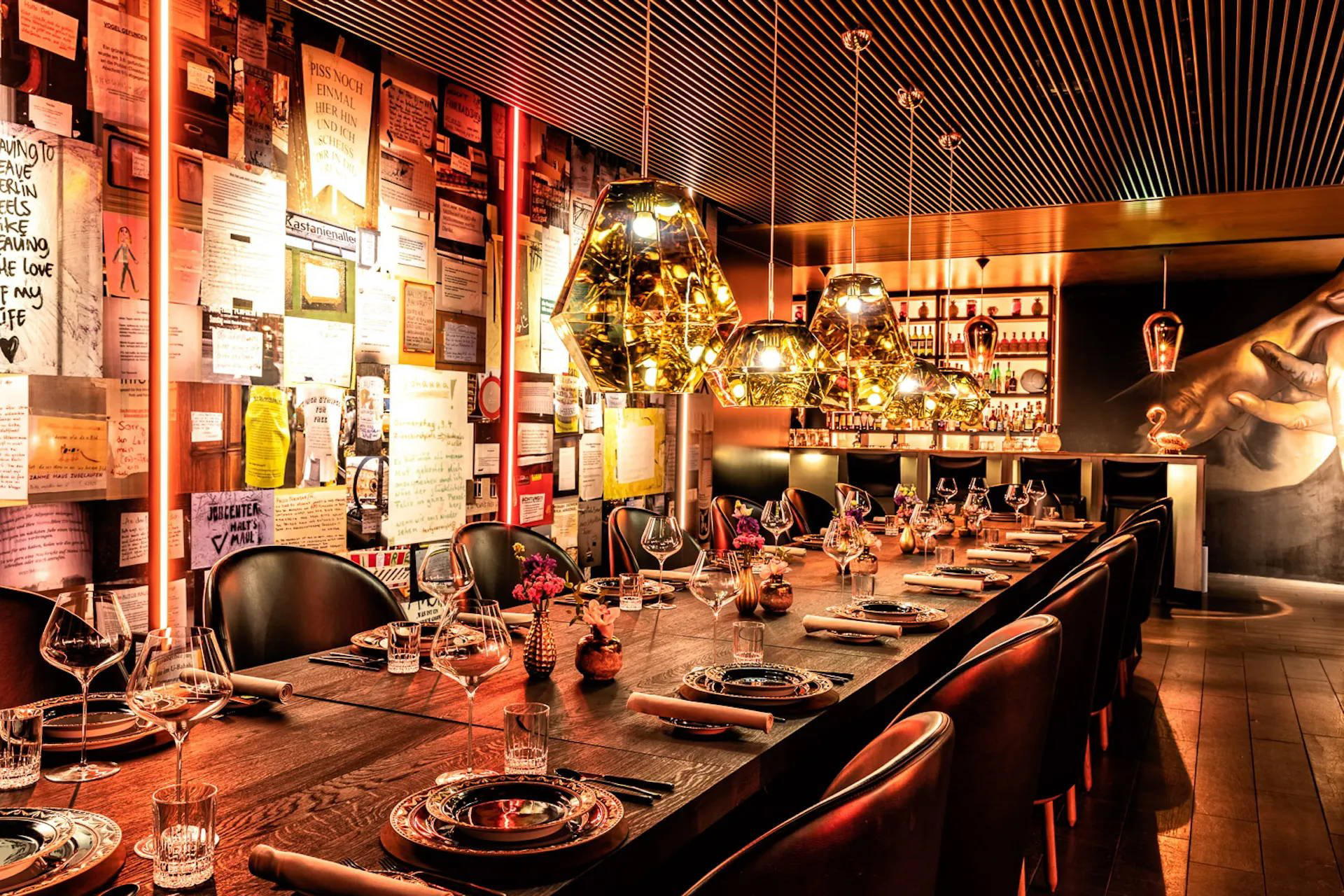
Bars in Berlin
Browse all →
Hotels in Berlin
Browse all →

At a Glance
- Elegant
- Sophisticated
- Lively
- Business Dinner
- Special Occasion
- Celebration
- Hotel Restaurant
- Open Kitchen
- Terrace
- Extensive Wine List
- Local Sourcing
Current opening hours
- Monday
- 5–11 PM
- Tuesday
- 5–11 PM
- Wednesday
- 5–11 PM
- Thursday
- 5–11 PM
- Friday
- 5–11 PM
- Saturday
- 5–11 PM
- Sunday
- 5–11 PM
Hours can change for holidays and private events. Last verified .
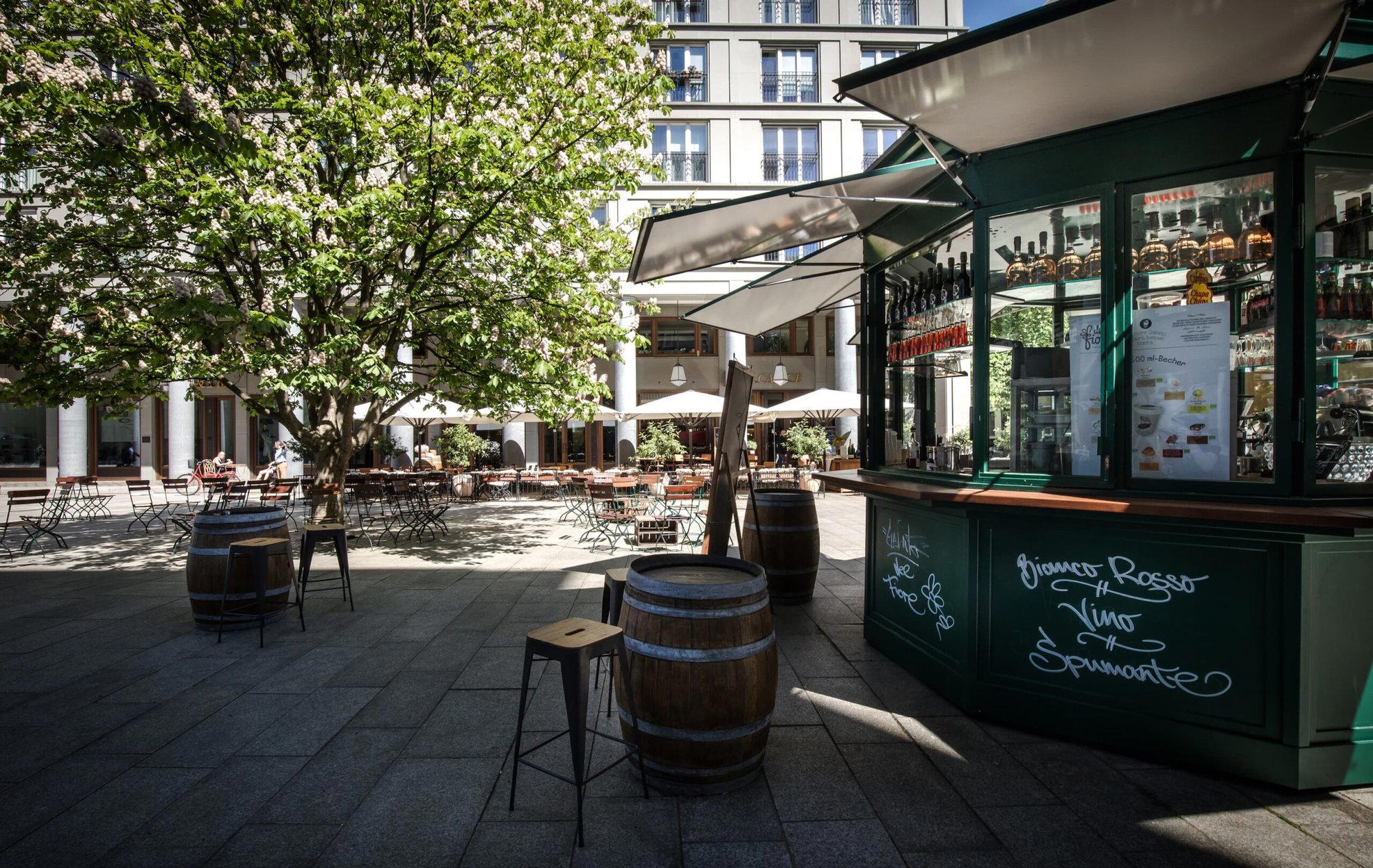
Stylish and sophisticated atmosphere with creative lively style, energetic noise level, suitable for dining inside or on the terrace.