On Torstraße in Berlin's Mitte district, To The Bone occupies a space where ethical sourcing and whole-animal thinking shape the menu rather than decorate it. The address puts it within reach of the city's serious dining corridor, where sustainability is increasingly the frame through which kitchens define their identity rather than an afterthought. For diners tracking Berlin's evolution beyond spectacle, this is a reference point worth knowing.
Pearl is the En Primeur Club membership app — saves, bookings, and concierge access live there. Same editors, same standards.
- Address
- Torstraße 96, 10119 Berlin, Germany
- Phone
- +493040753440
- Website
- tothebone.bonita.berlin
- Directions
- Get directions
 Saves & bookings on Pearl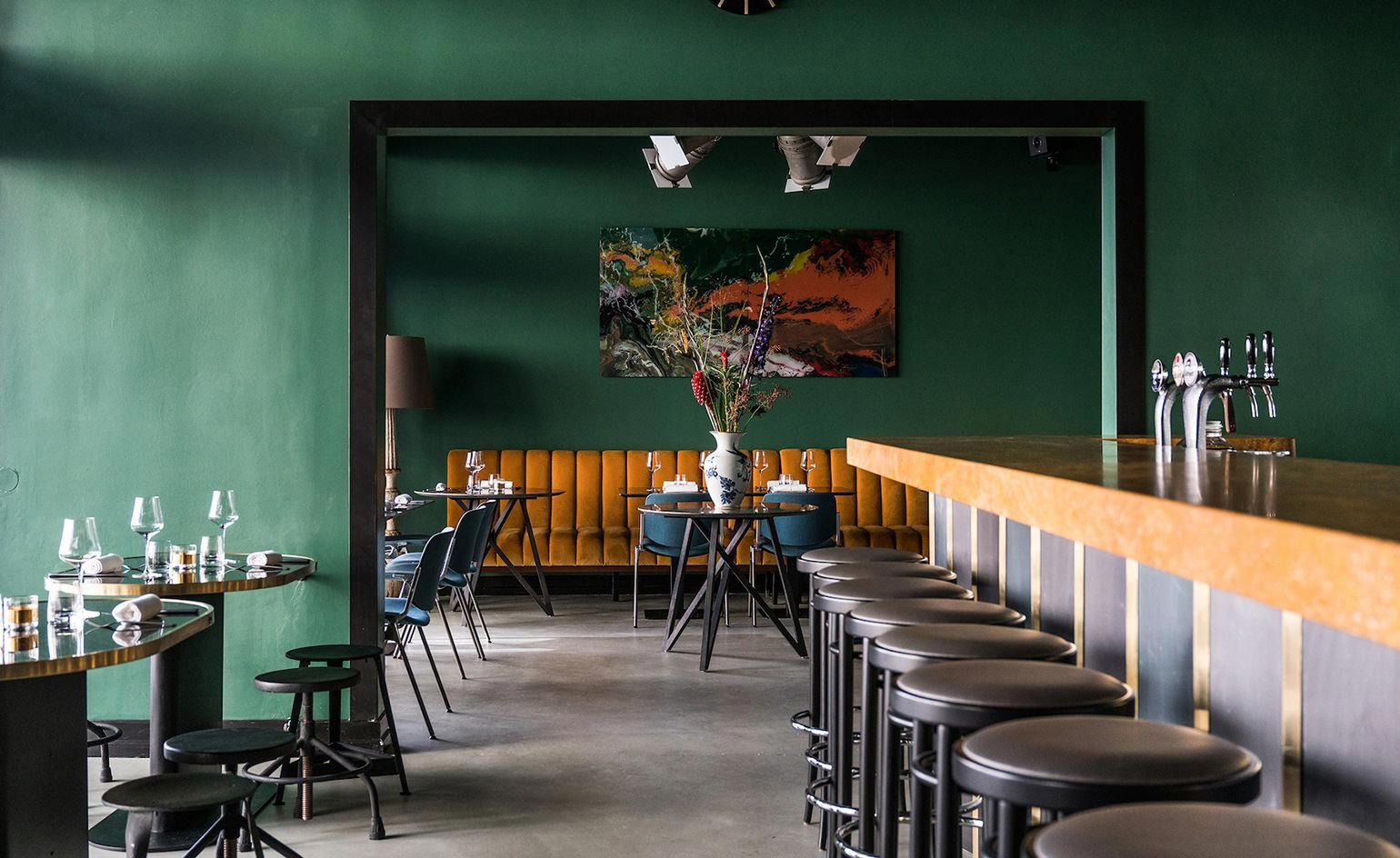
Torstraße and the Ethics of the Plate
Berlin's dining scene has long operated on a tension between its low-cost, high-creativity identity and the slow pull toward European fine-dining conventions. In the past decade, a third force has entered: kitchens that make sourcing and waste reduction structural, not decorative. To The Bone, at Torstraße 96 in Mitte, belongs to that third current. The name itself signals the philosophy before you've read a menu: whole-animal cookery, minimal waste, and an honest reckoning with where food comes from and what gets discarded in most professional kitchens.
Mitte's restaurant corridor along Torstraße sits at the intersection of the neighbourhood's creative class regulars and visitors navigating Berlin's more serious dining options. It is not the tourist circuit of Prenzlauer Berg brunch spots, nor the destination-dining tier occupied by Rutz or FACIL. It is mid-register in geography but pointed in intent, the kind of address that rewards diners who arrive already curious rather than those expecting to be impressed by ceremony.
The Sustainability Frame: What Whole-Animal Means in Practice
Across European cities, the phrase "nose-to-tail" has been co-opted so thoroughly by marketing that it has lost much of its original force. In kitchens that apply it seriously, however, the implications are structural: you can't build a menu around secondary cuts and offal unless your supply chain is tight, your sourcing relationships are direct, and your kitchen team has the technical range to make those cuts compelling rather than dutiful. That discipline is harder to fake than a line on a menu about "responsibly sourced" protein.
The broader shift in Berlin toward ethical sourcing has been visible across several of the city's notable kitchens. Nobelhart & Schmutzig on Friedrichstraße built its reputation on hyper-regional sourcing and a refusal to import ingredients that local producers couldn't supply, a model that has influenced how younger Berlin kitchens think about supply chains. To The Bone occupies a different register of that same conversation: where Nobelhart focuses on geography, the frame here is the animal itself and the ethics of its full use.
In Germany more broadly, whole-animal cookery intersects with a butchery tradition that predates the current sustainability movement. The country's Metzgerei culture, specialist butchers who work with local farms and process entire animals, gives kitchens like this one an infrastructure to draw on that doesn't exist at the same depth in every European market. That context matters: Berlin-based whole-animal kitchens aren't importing a concept from London or New York so much as returning to a native logic that industrialisation briefly interrupted.
Where To The Bone Sits in Berlin's Current Dining Picture
Berlin's upper restaurant tier is increasingly well-mapped. CODA Dessert Dining holds Michelin recognition for its dessert-forward tasting format. Restaurant Tim Raue operates at two Michelin stars with a China-inflected menu that has defined the city's high-end Asian reference point for years. These venues price and format against a different comparable set than the restaurant, their logic is destination dining, pre-planned and occasion-driven.
The restaurant operates closer to the register of kitchens that draw regulars rather than occasion diners. That segment of Berlin's market is competitive and informed in a specific way: it tolerates imperfection in setting or service if the food argument is coherent, and it punishes kitchens that prioritise aesthetics over substance. The whole-animal framework, applied with consistency, gives a kitchen a coherent argument that holds up to that scrutiny better than a seasonally rotating menu without a governing idea.
For comparison points outside Berlin, Germany's serious ethical-sourcing kitchens include venues operating at considerably higher price brackets. Waldhotel Sonnora in Dreis and Schanz in Piesport work in the Mosel region with tight producer relationships, though their format and price point target a different audience entirely. Victor's Fine Dining by Christian Bau in Perl represents the country's most decorated tier, where sourcing precision underpins a different level of technical ambition. The restaurant is not competing in that bracket, its argument is grounded, not aspirational in the Michelin sense.
Beyond Germany, the whole-animal philosophy has shaped kitchens from Le Bernardin in New York (where fish cookery demands zero-waste precision at its own level) to Atomix in New York City, where Korean sourcing traditions bring a different lens to ingredient use. The conversation is international, but the Berlin version has its own local logic.
What to Expect and When to Go
Torstraße 96 is in the western section of Mitte, walkable from U-Bahn stations at Rosa-Luxemburg-Platz and Rosenthaler Platz. The neighbourhood is active through the week, and the restaurant draws a local crowd rather than a tourist-heavy one, which shapes the pace and atmosphere of an evening there. Berlin's dining scene tends to eat later than in southern German cities, arriving before 7:30pm at addresses like this one often means a quieter room than the kitchen is designed for.
Reservations are recommended, and the restaurant is open Mon to Thu and Sun from 6 PM to 12 AM, and Fri to Sat from 5 PM to 3 AM. The Torstraße address is a fixed point; operating details can shift.
Kitchens including JAN in Munich, Aqua in Wolfsburg, Restaurant Haerlin in Hamburg, ES:SENZ in Grassau, Bagatelle in Trier, Vendôme in Bergisch Gladbach, and Schwarzwaldstube in Baiersbronn represent the range of serious German dining beyond the capital, for those building a broader itinerary.
Quick reference: the restaurant, Torstraße 96, 10119 Berlin.
A Tight Comparison
Comparable venues nearby, for context on price, style, and recognition.
| Venue | Cuisine | Price | Notes |
|---|---|---|---|
| To The BoneThis venue — the venue you are viewing | Not listed | $$$$ | Not listed |
| Pascarella | Not listed | $$$ | Charlottenburg, Modern Sicilian-Italian with Dry-Aged Steaks |
| Osteria Culaccino | Charlottenburg, Italian Fine Dining | $$$ | Not listed |
| Supper Club Berliner Zimmer Dinner Party by GAiETY | Not listed | $$$$ | Schoneberg, German Contemporary Fusion with Brazilian Influences |
| Vaporetto | Mitte, Italian Pizza and Pasta | $$ | Not listed |
| Lavanderia Vecchia | Neukolln, Rustic Italian Trattoria | $$$ | Not listed |
Continue exploring
More in Berlin
Restaurants in Berlin
Browse all →
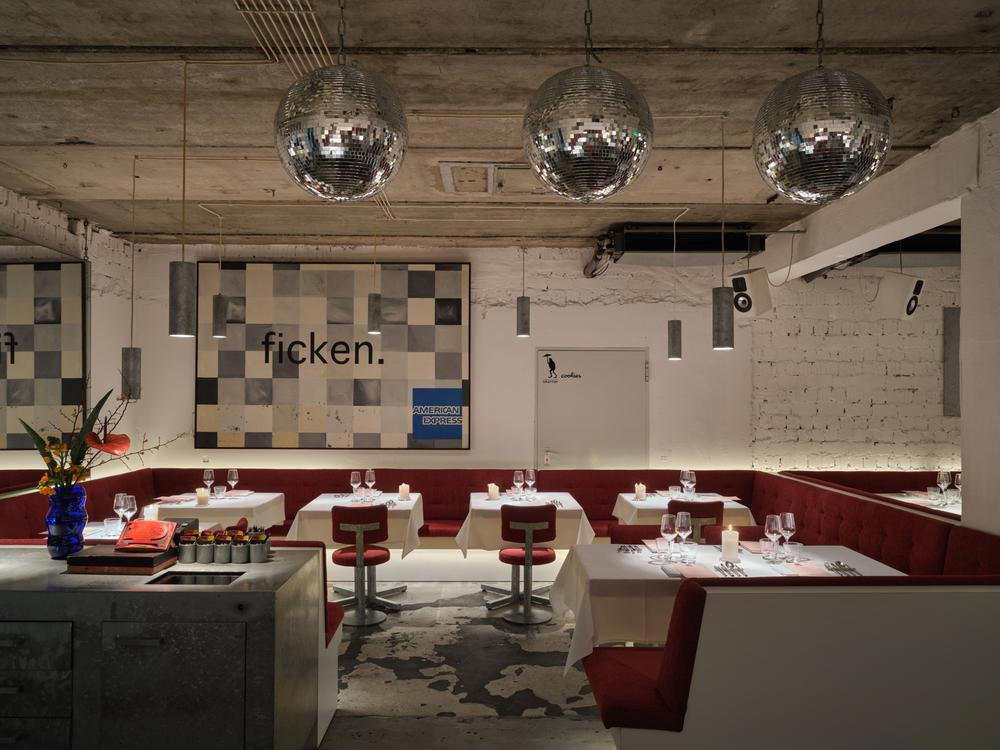
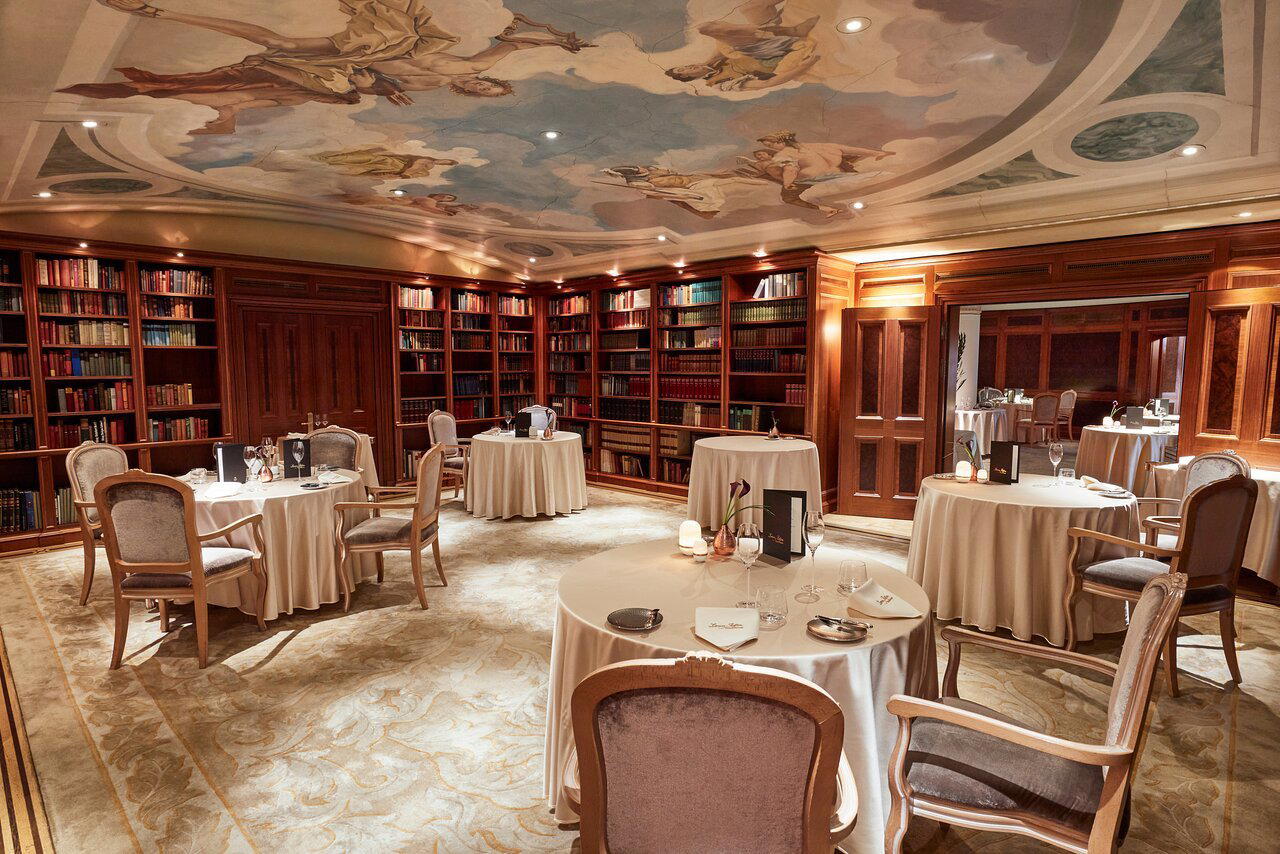
Bars in Berlin
Browse all →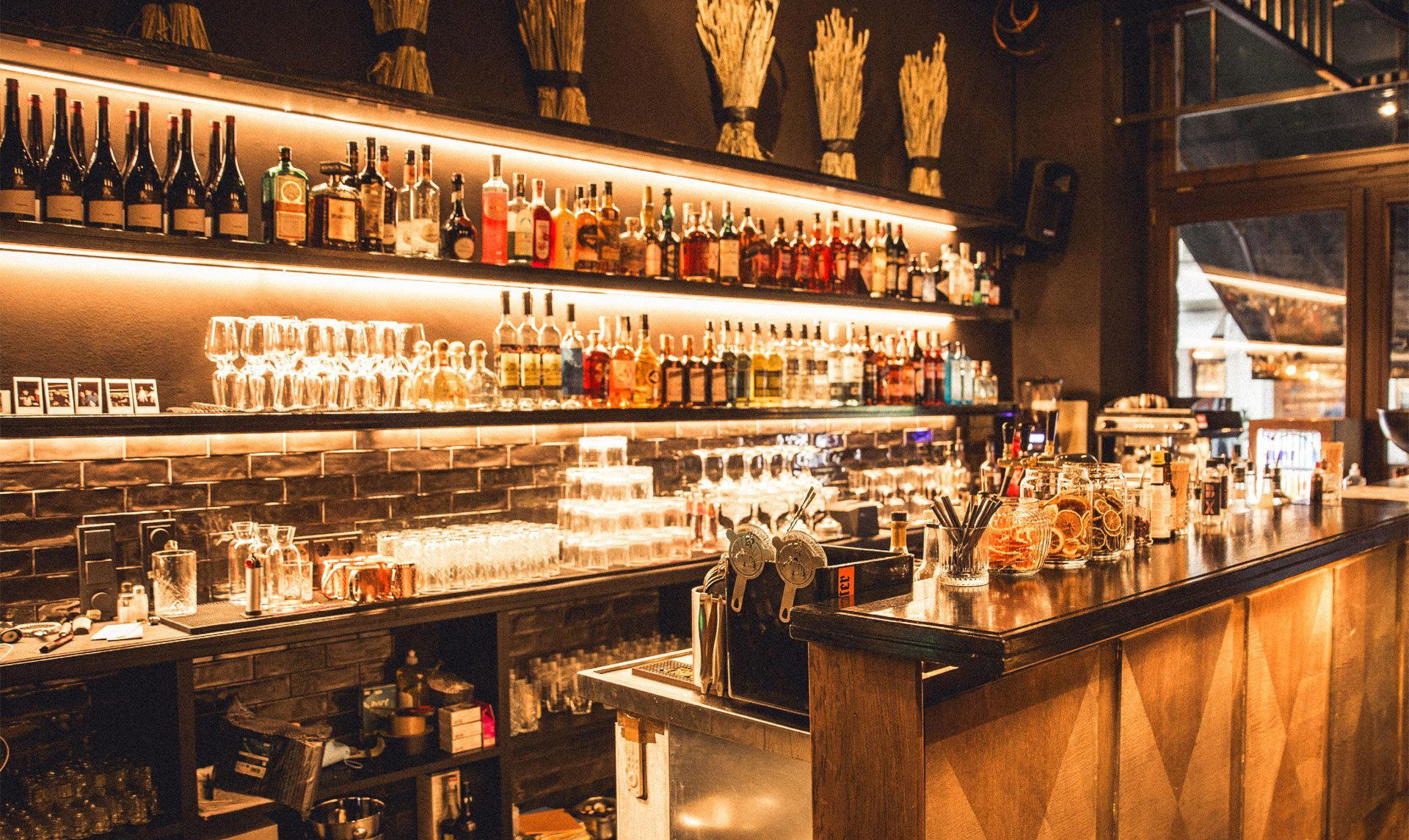
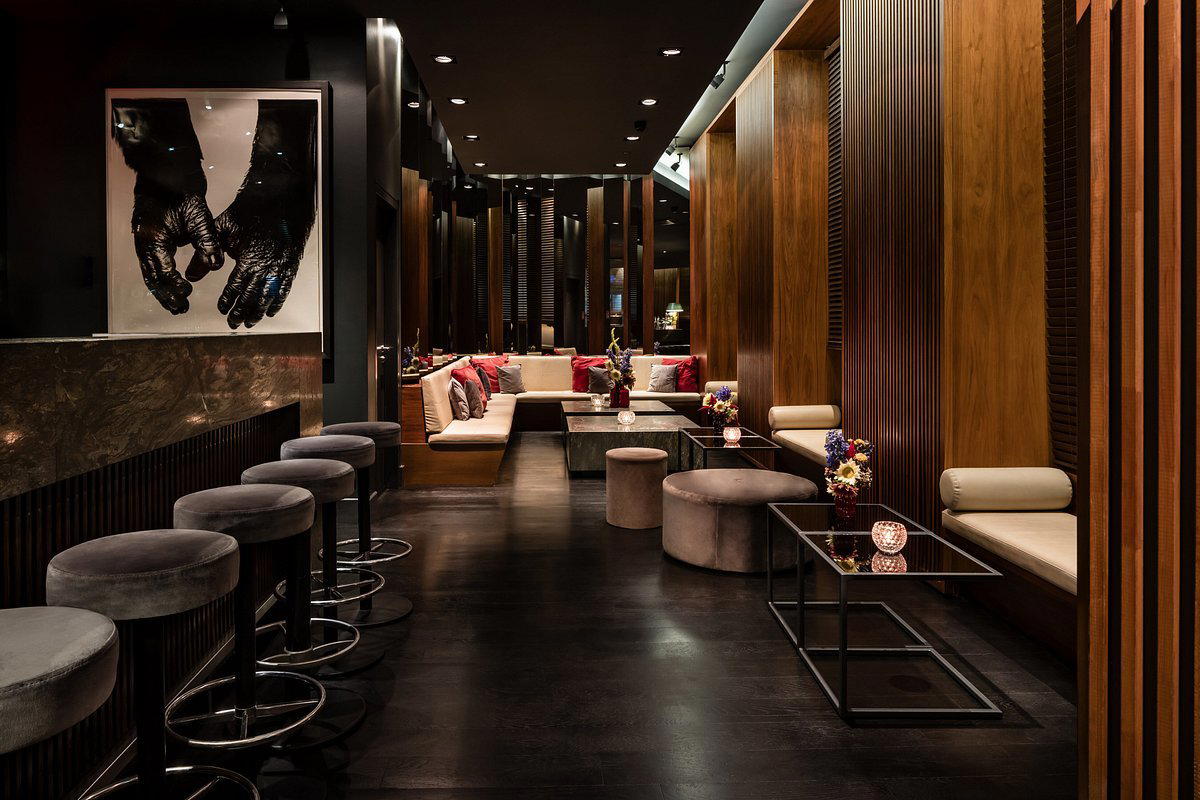
Hotels in Berlin
Browse all →
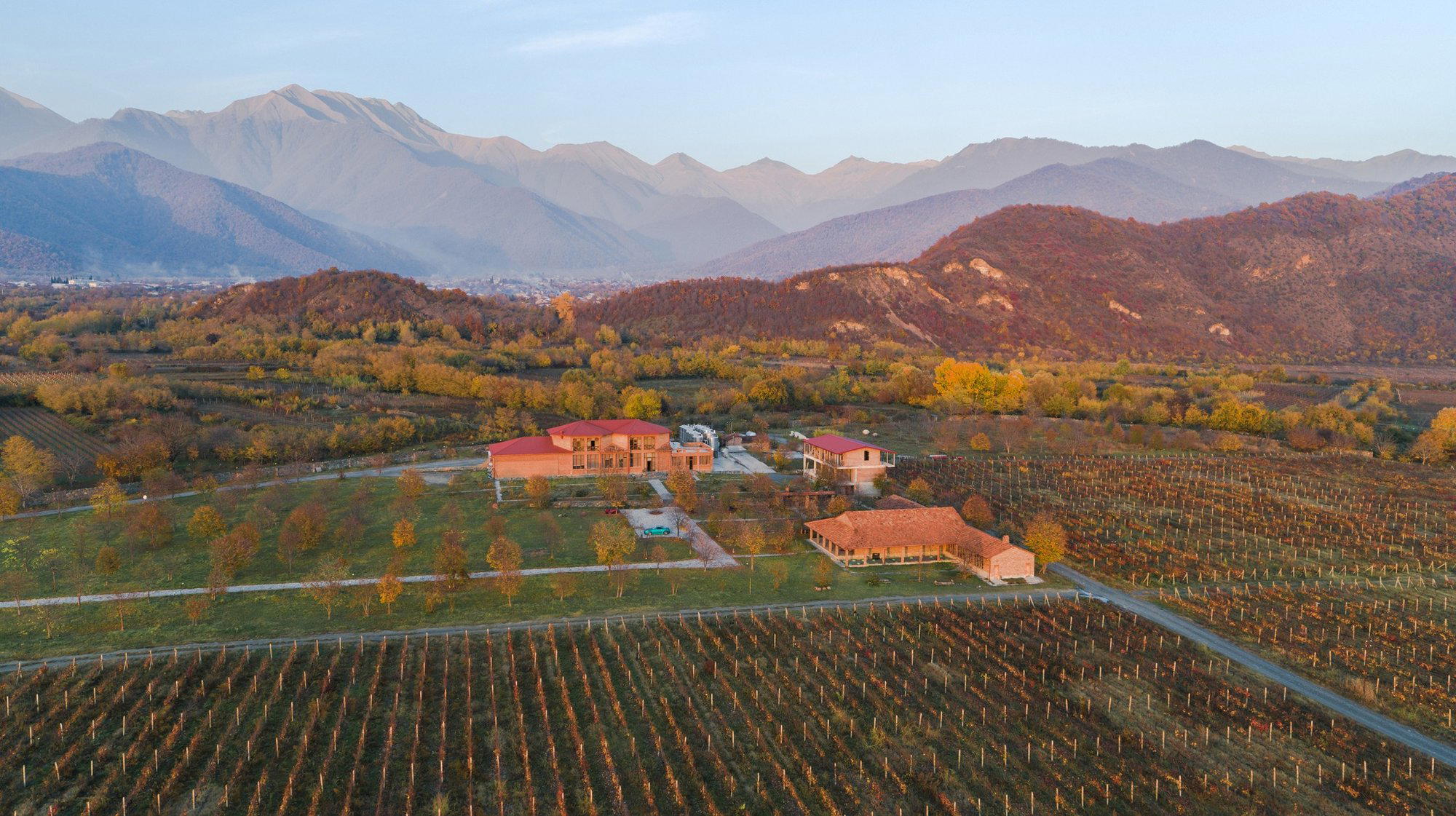
Wineries in Berlin
Browse all →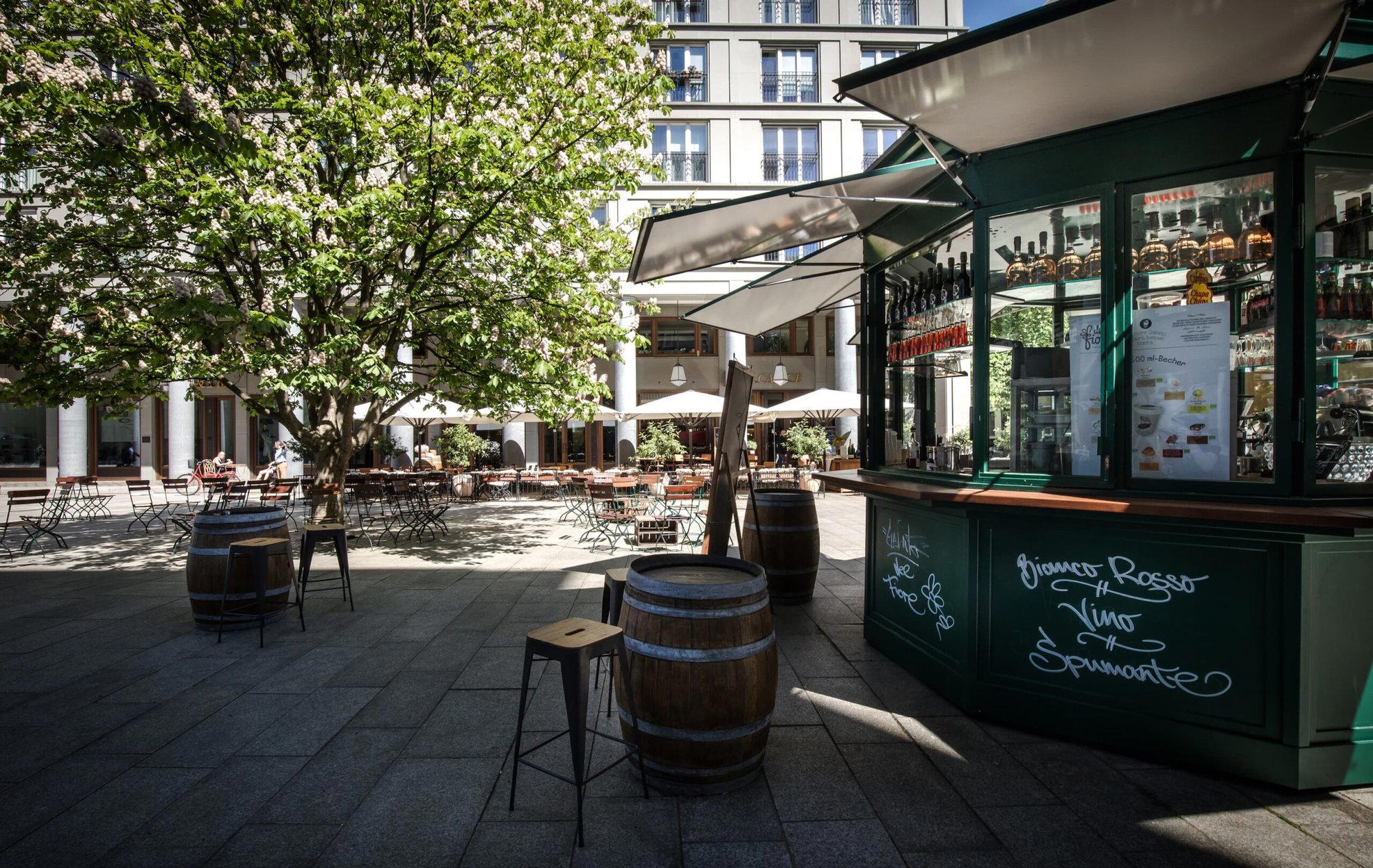
At a Glance
- Modern
- Elegant
- Trendy
- Sophisticated
- Industrial
- Date Night
- Business Dinner
- Group Dining
- Celebration
- Special Occasion
- Private Dining
- Terrace
- Open Kitchen
- Design Destination
- Extensive Wine List
- Craft Cocktails
- Sommelier Led
- Farm To Table
- Local Sourcing
- Sustainable
- Street Scene
Current opening hours
- Monday
- 6 PM–12 AM
- Tuesday
- 6 PM–12 AM
- Wednesday
- 6 PM–12 AM
- Thursday
- 6 PM–12 AM
- Friday
- 5 PM–3 AM
- Saturday
- 5 PM–3 AM
- Sunday
- 6 PM–12 AM
Hours can change for holidays and private events. Last verified .
Dark green walls dominate the space, contrasted by polished concrete floors, industrial metal grills and spotlights, vintage furniture, and a striking gold velvet banquette. Moody yet refined lighting creates an edgy yet ornate atmosphere.