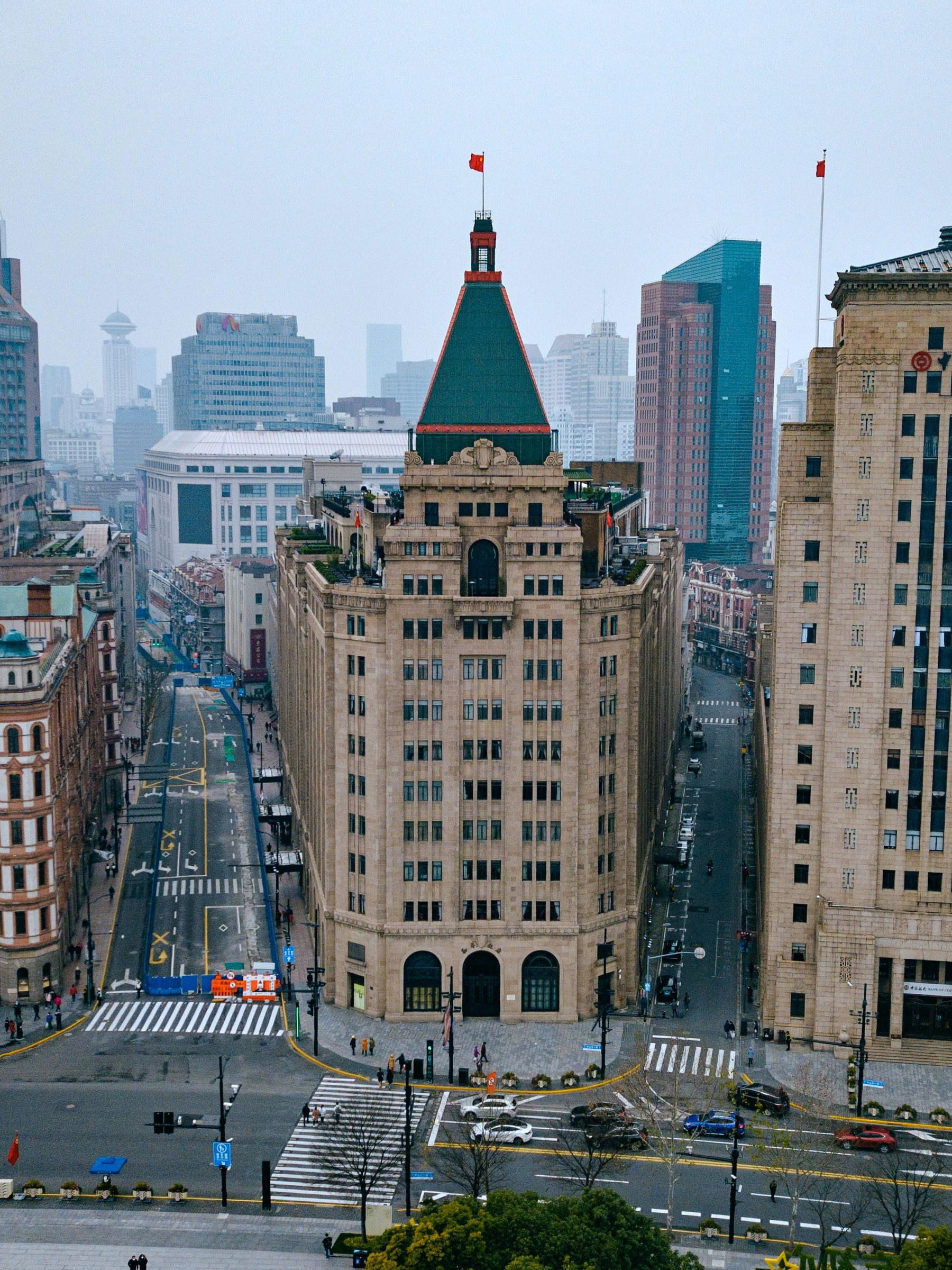
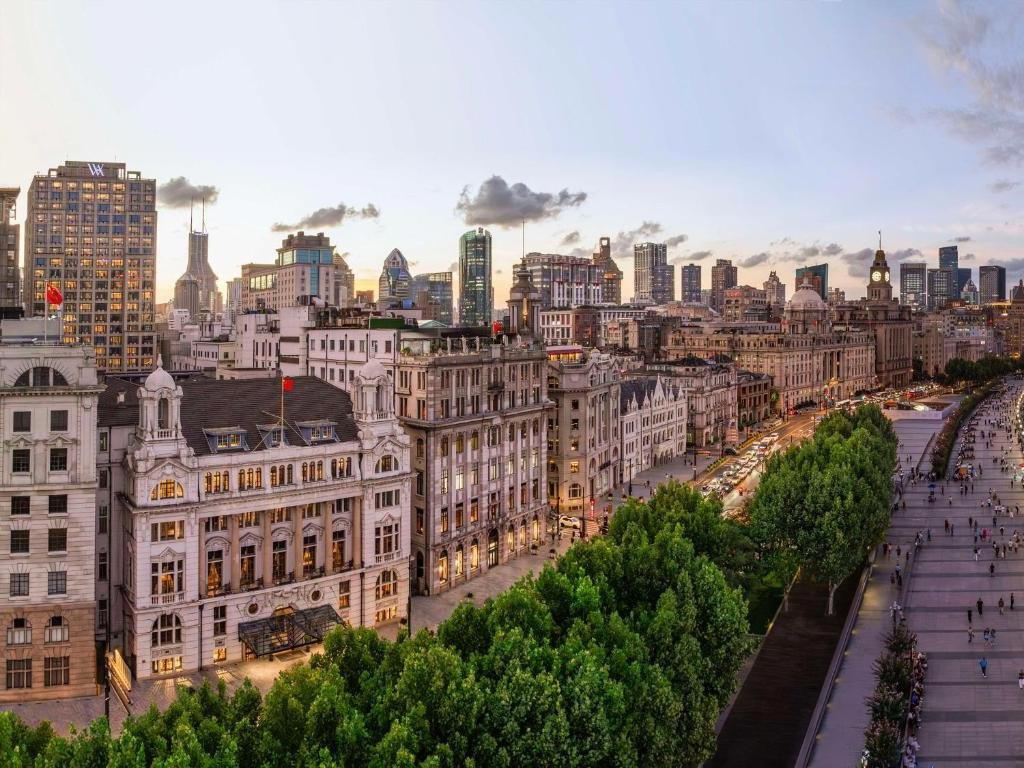
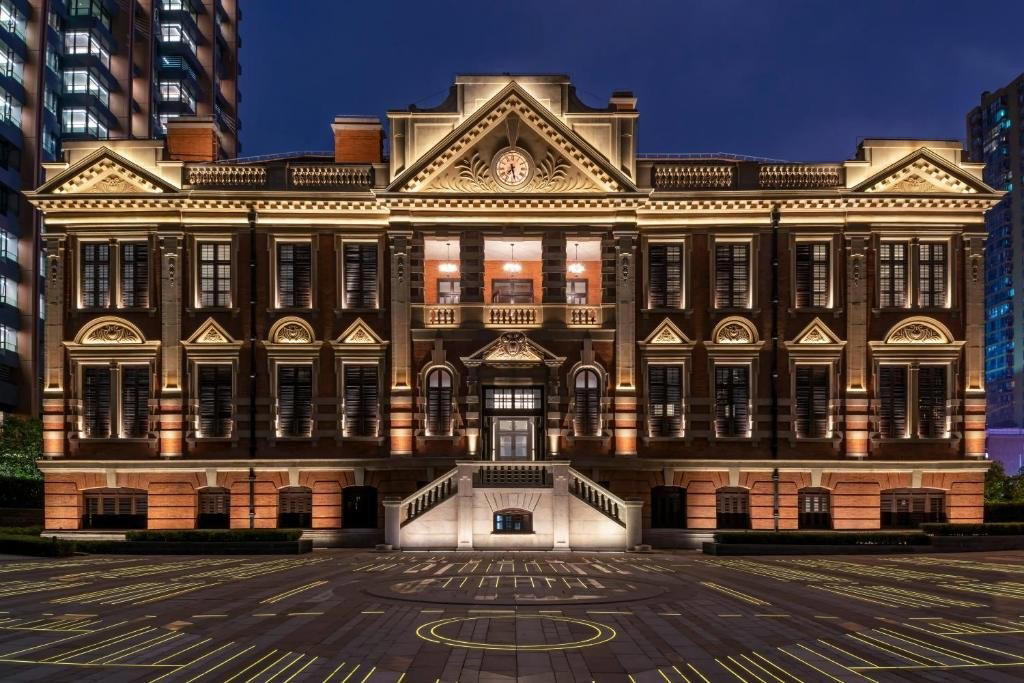
On the Bund at 27 Zhongshan East Road, The House of Roosevelt occupies one of Shanghai's most architecturally freighted addresses, a restored 1920s building facing the Huangpu River. The property operates across multiple floors and formats, placing it among the Bund's multi-concept venues where heritage setting and contemporary dining intersect at a premium tier.
Pearl is the En Primeur Club membership app — saves, bookings, and concierge access live there. Same editors, same standards.
- Address
- 27 Zhongshan Rd (E-1), Waitan, Huangpu, Shanghai, China, 200002
- Phone
- +86 21 2322 0800
- Website
- 27bund.com
- Directions
- Get directions
 Saves & bookings on Pearl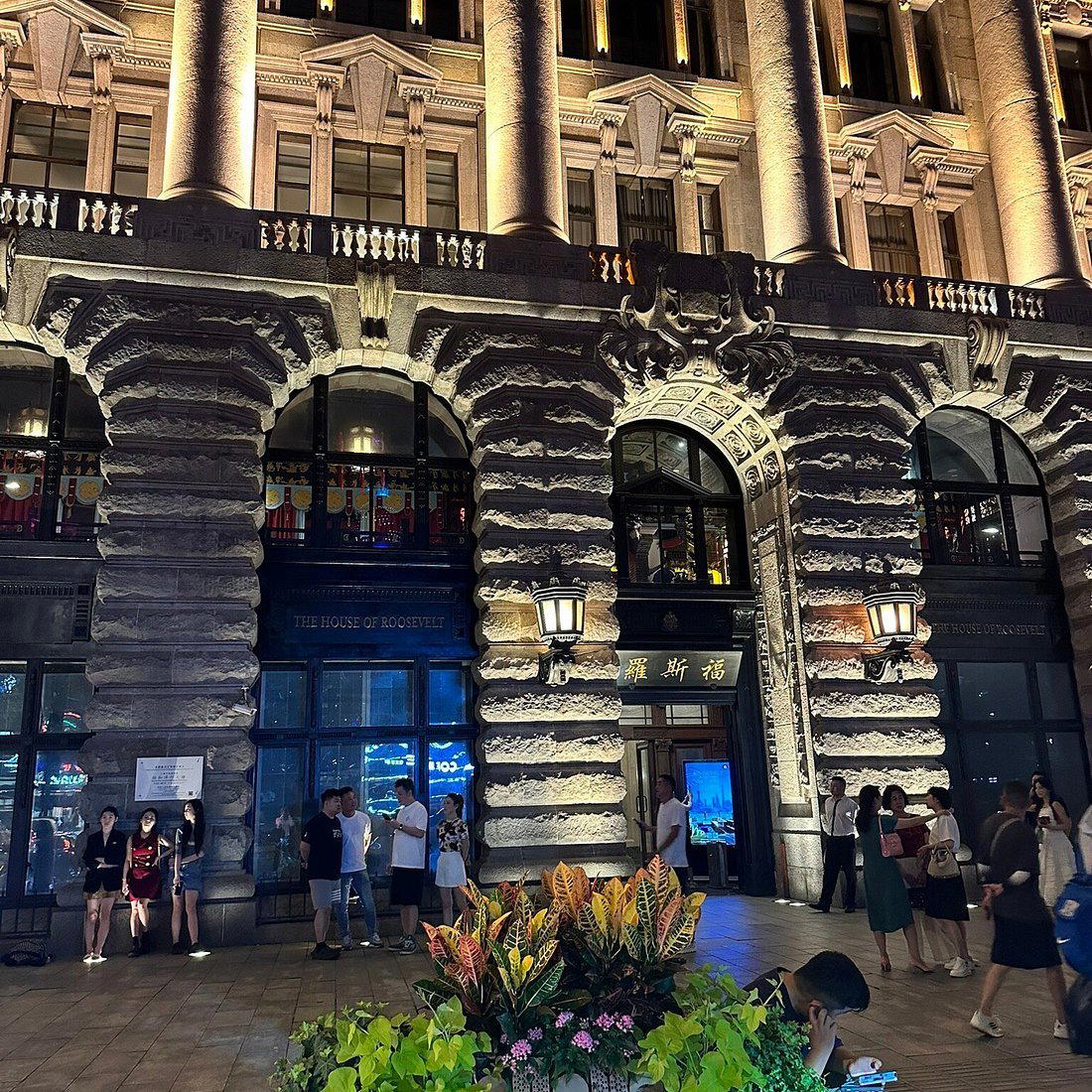
Where the Bund's Architecture Becomes the First Course
Standing at the water's edge on Zhongshan East Road, the stretch of early twentieth-century European commercial architecture that Shanghai calls the Bund sets a particular expectation before any meal begins. The buildings here were designed to project financial authority, and their conversion into dining and hospitality spaces over the past two decades has produced a category of experience that few cities can replicate: rooms where the weight of the structure itself arrives ahead of the food. The House of Roosevelt is a restaurant at 27 Zhongshan Rd (E-1), Waitan, Huangpu, Shanghai, China, 200002. Its 1920s-era setting is still visible in the vaulted ceilings and stone facades that greet visitors on arrival.
The Bund's dining tier has sorted itself into a recognisable hierarchy. Venues here price against the setting as much as against the kitchen, and a multi-floor property with river-facing rooms operates in a different competitive register than a neighbourhood restaurant of comparable culinary ambition. That structure gives the property a range of entry points, from a bar-level visit to a full dinner.
The Architecture of a Meal Here
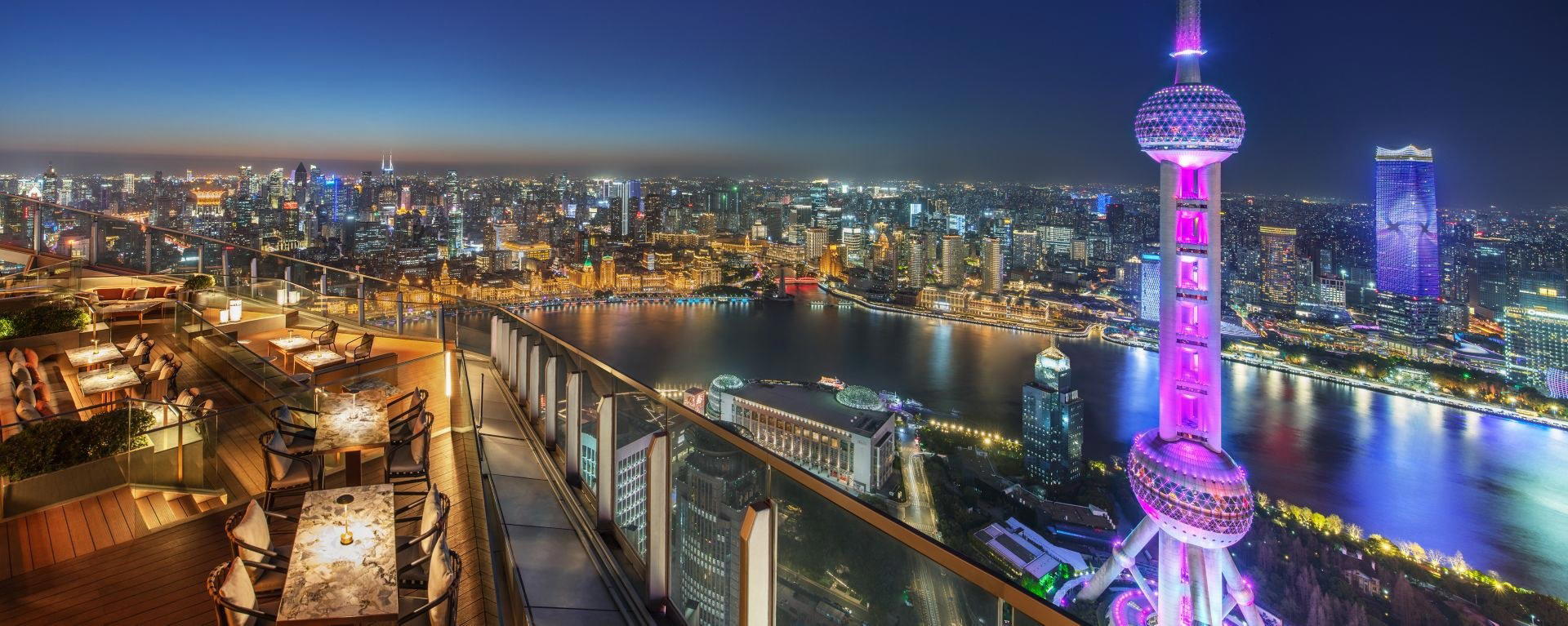
Multi-course dining in buildings of this era follows a logic shaped as much by the rooms as by the kitchen. On the Bund, where ceilings are high and river light changes across an evening, the sequencing of a meal tends to unfold against a backdrop that shifts in its own right. Early courses arrive in the particular amber light of a Shanghai dusk over the Huangpu; by the time a table reaches its middle courses, the city's skyline across the river has lit in full. The view is part of the progression.
That framing places The House of Roosevelt in a broader conversation about how premium Bund dining differs from what the city's other high-end corridors, Xintiandi, the Former French Concession, and Jing'an deliver. Elsewhere in Shanghai, the emphasis falls more squarely on the plate. On the Bund, the plate competes with and is contextualised by a room, a view, and a building whose history is part of what a diner is paying for. Venues like Taian Table and Fu He Hui represent the end of Shanghai dining where the kitchen is the unambiguous protagonist. The House of Roosevelt operates differently, asking the full setting to carry equal weight.
Shanghai's Premium Dining Field: Where This Address Sits
Shanghai's upper dining tier has expanded considerably since 2015, with Michelin's arrival in the city in 2017 accelerating both competition and visibility. The city now sustains a range of formats that would have seemed implausible a decade earlier: intimate omakase counters, chef-table tasting menus at Taian Table, high-end Cantonese at addresses like 102 House, and contemporary vegetarian at Fu He Hui. Italian at the premium end is represented by 8 1/2 Otto e Mezzo Bombana, itself part of a regional conversation that extends to properties in Hong Kong and Macau.
Against that field, the Bund addresses compete partly on cuisine and partly on the irreproducible quality of their locations. The restaurant's position at 27 Zhongshan East Road places it at one of the street's most prominent coordinates, and a multi-concept format gives it resilience that single-destination venues lack: a visitor who arrives primarily for the rooftop bar contributes to the same ecosystem as one who books a full dinner downstairs. This is a model that properties in comparable heritage corridors, think the Peninsulas and Mandarin Orientals of the region, have refined over decades, and it suits the Bund's particular mix of tourist traffic, corporate entertainment, and local premium dining.
Further afield, Ru Yuan in Hangzhou and Pingjiangsong in Suzhou demonstrate how the Yangtze Delta's dining culture deploys heritage architecture across different cities and formats. The Bund iteration is simply one internationally visible expression of that tendency.
Planning a Visit: Practical Notes
Comparable multi-course experiences in other Chinese cities covered by EP Club include Xin Rong Ji on West Nanjing Road in Shanghai itself, Xin Rong Ji in Beijing, Xin Rong Ji in Chengdu, Dai Yuet Heen in Nanjing, Shang Palace in Yangzhou, Wenru No.9 in Fuzhou, and Fleurs Et Festin in Xiamen. For international reference points on how multi-format premium venues structure a dining progression, Le Bernardin in New York City and Lazy Bear in San Francisco offer instructive comparisons in how a tasting arc can be engineered within a strong architectural identity.
Awards and Standing
Comparable venues nearby, for context on price, style, and recognition.
| Venue | Cuisine | Price | Notes |
|---|---|---|---|
| The House of RooseveltThis venue — the venue you are viewing | International Fine Dining with European Influences | $$$$ | Not listed |
| Three on the Bund | Asian Fusion Fine Dining | $$$$ | Lan Ni Du |
| 1929 by Guillaume Galliot | Contemporary French with Asian influences in a 1929 heritage building | $$$$ | Huangpu |
| M1NT | Modern International Grill | $$$$ | Lan Ni Du |
| Sheng Yong Xing 晟永兴 | Beijing Peking Duck | $$$$ | Huangpu |
| Cheng Long Xing Xie WangFu | Shanghainese Hairy Crab Specialist | $$$$ | Pengpu Zhen |
At a Glance
- Elegant
- Sophisticated
- Historic
- Well Known
- Ornate
- Date Night
- Business Dinner
- Special Occasion
- Rooftop
- Wine Cellar
- Historic Building
- Panoramic View
- Extensive Wine List
- Skyline
- Waterfront
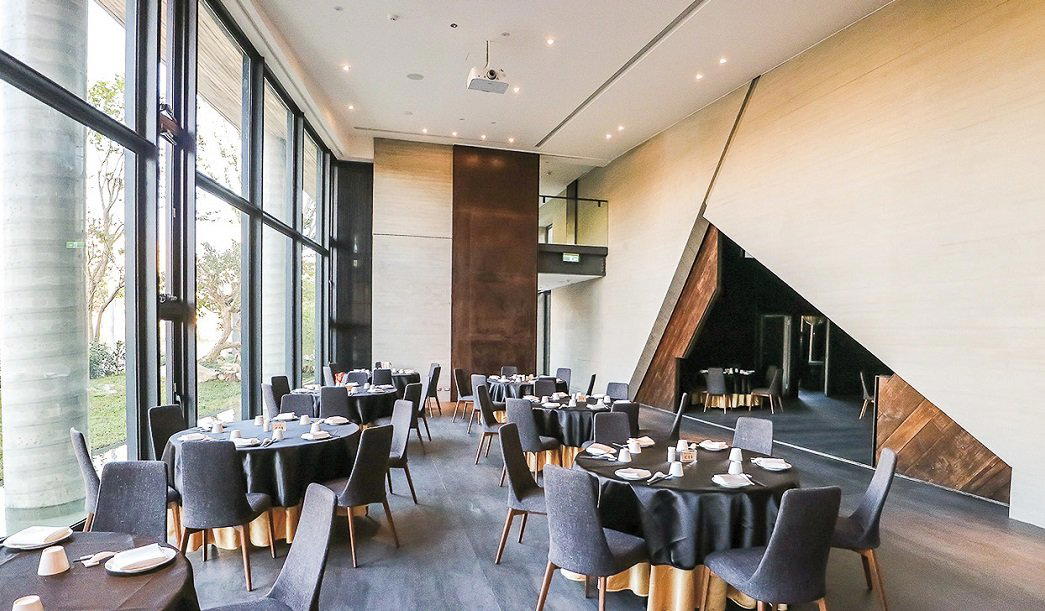
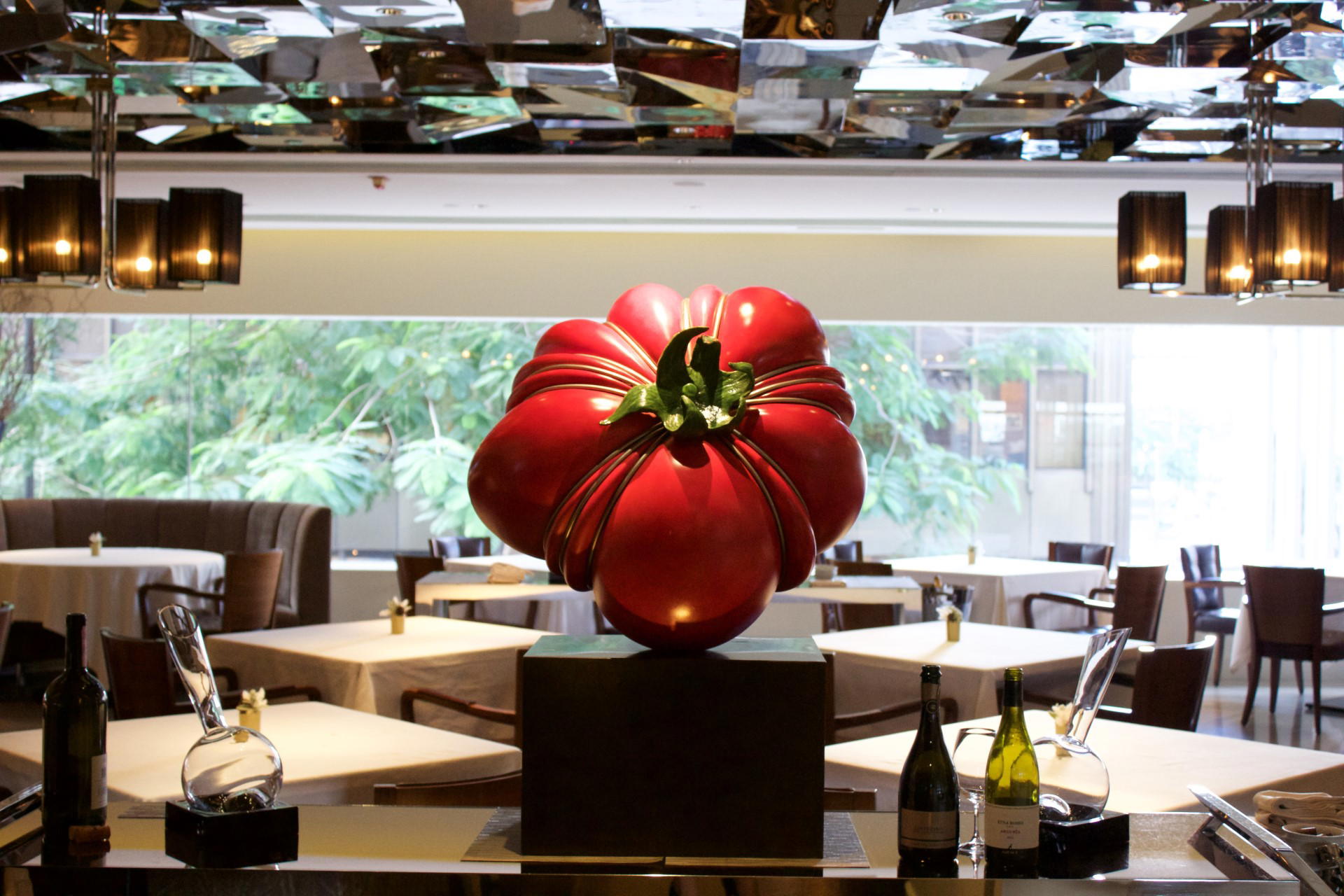
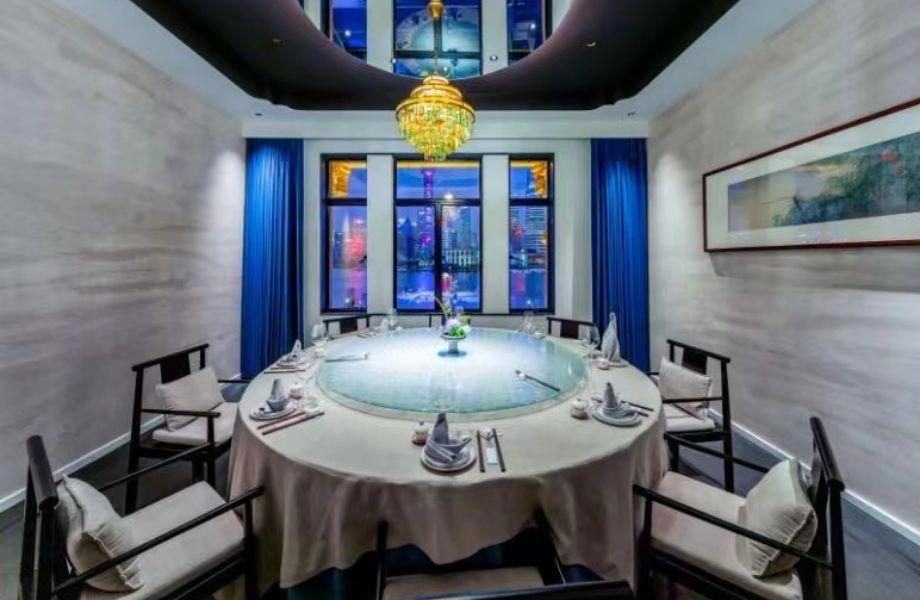
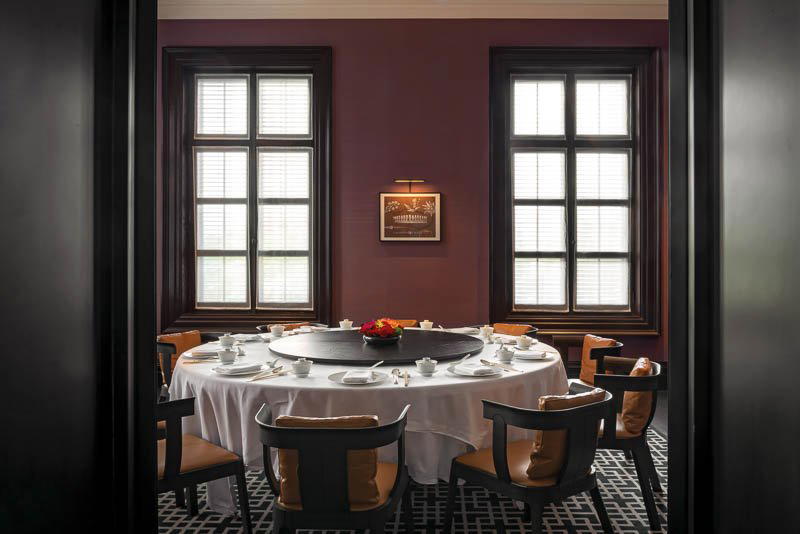
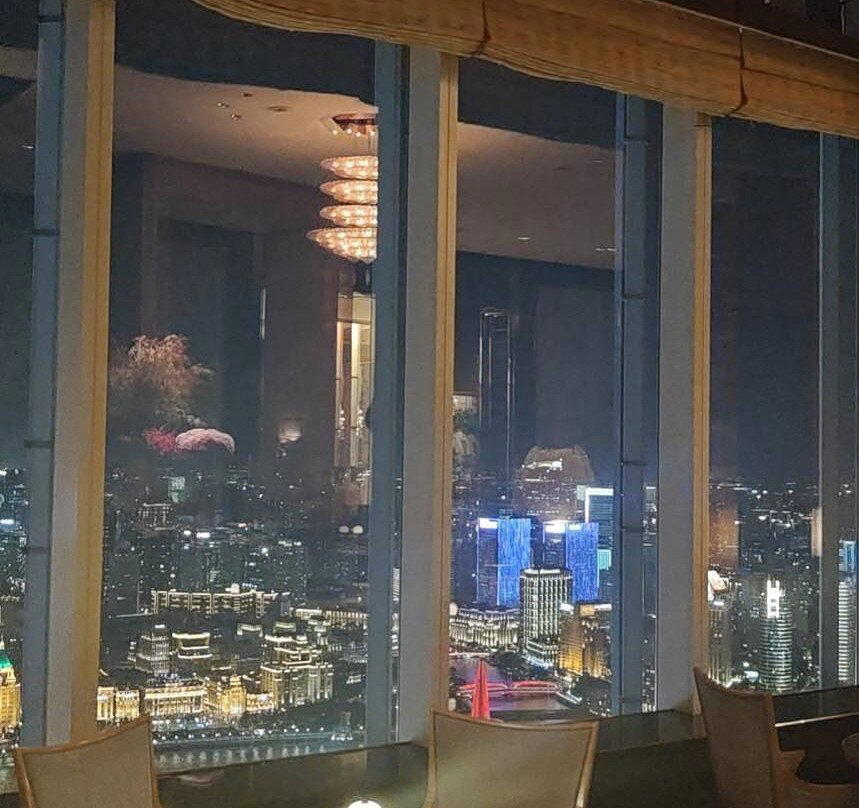
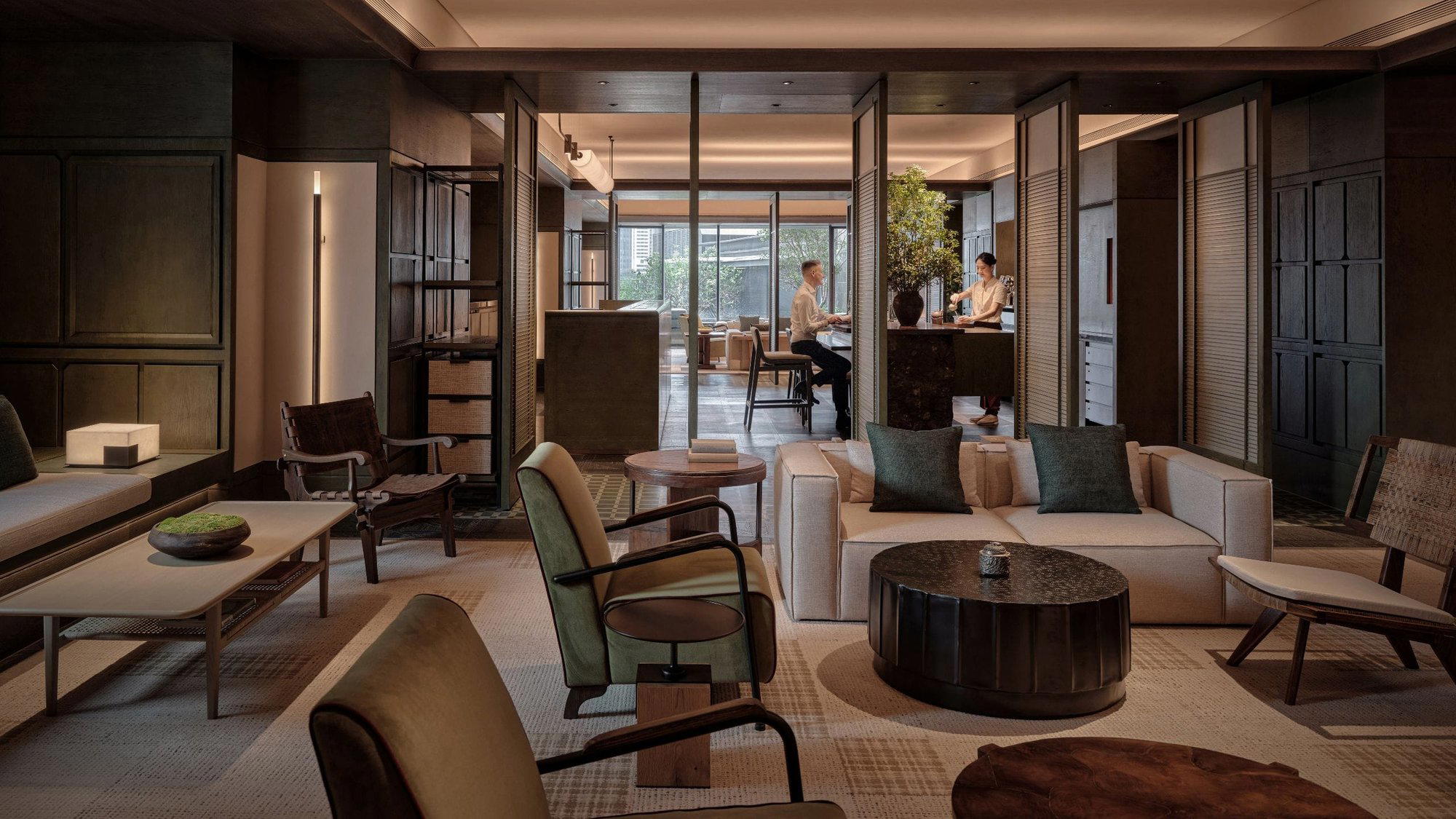
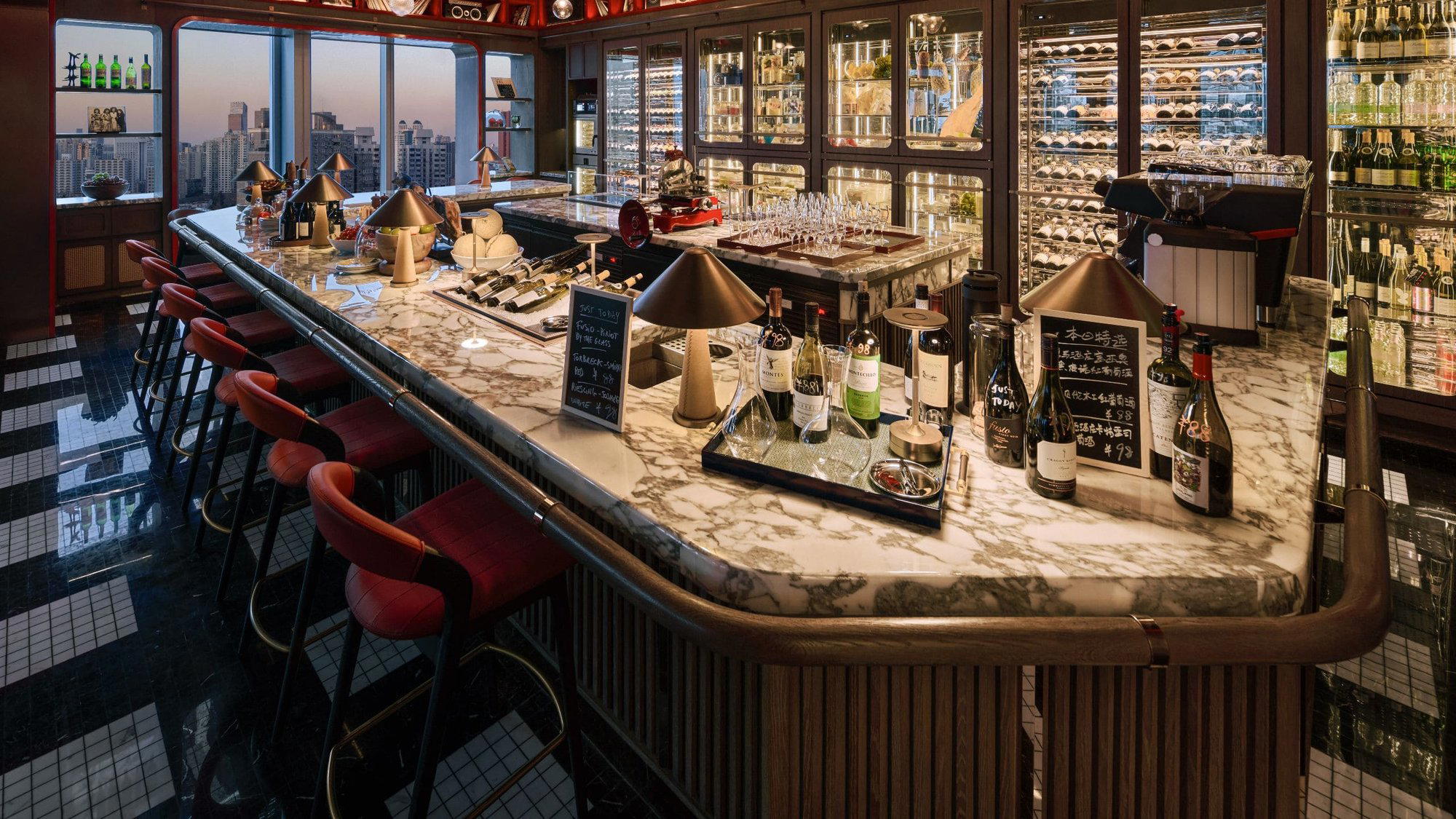
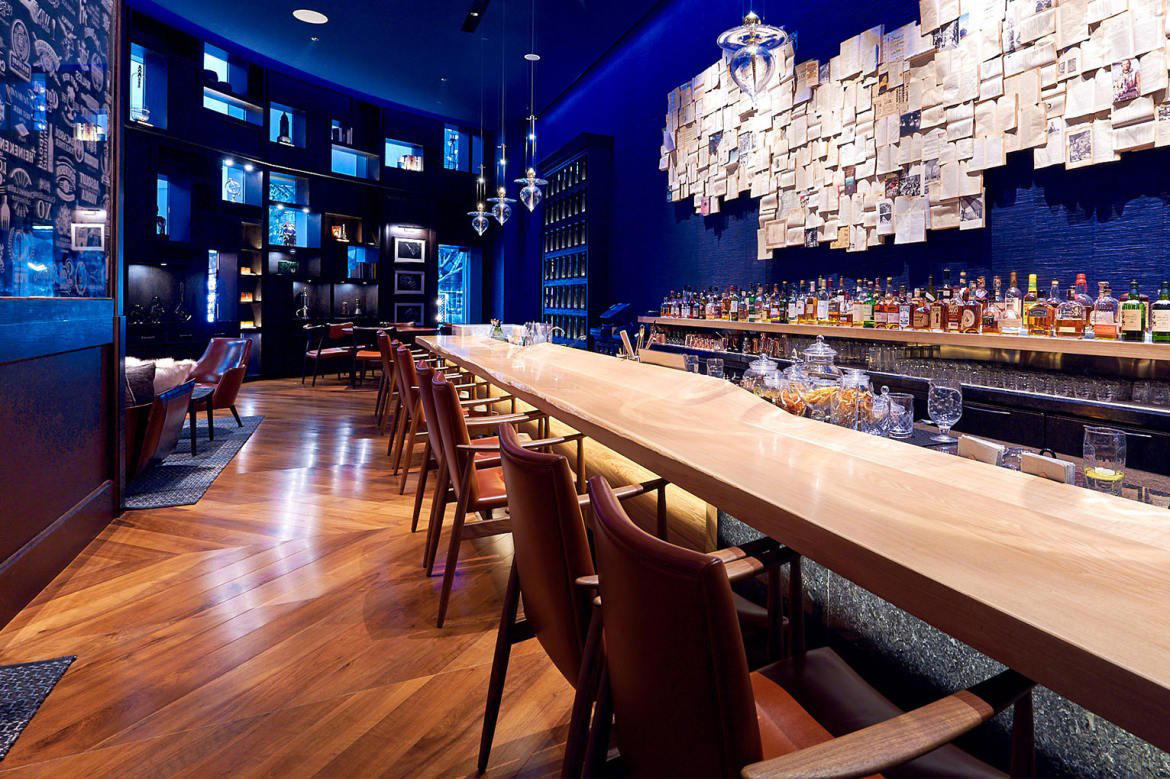
Elegant and prestigious atmosphere blending historical grandeur with modern luxury, featuring neoclassical architecture, warm lighting, and far-reaching Bund views.