

Black Pearl 1 Diamond
Our verdict
Shanghai’s French contemporary tier is increasingly defined by provenance rather than spectacle, and 1929 by Guillaume Galliot belongs in that conversation. Recognition from the Black Pearl Restaurant Guide 2026 and Opinionated About Dining’s 2026 Asia recommendations gives the restaurant a measurable place in a crowded city where French technique now has to argue its case against strong regional Chinese dining.

Pearl is the En Primeur Club membership app — saves, bookings, and concierge access live there. Same editors, same standards.
The menu
What to order
- Blue lobster with Shaoxing wine sauce and gnocchi
- Pâté en croûte
- Hot & Cold Onion Soup
- Singapore-inspired king crab “laksa”
- Bouillabaisse
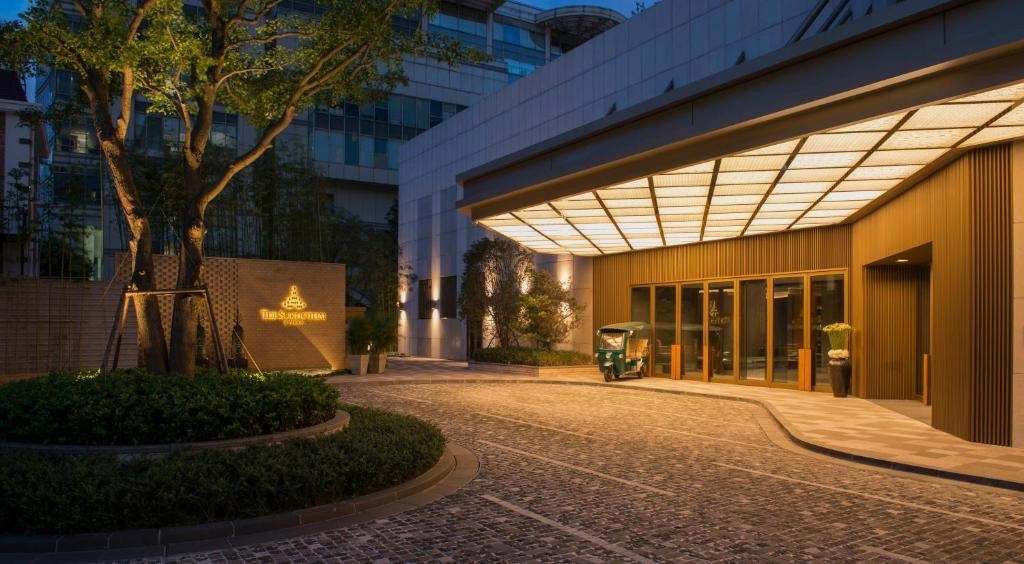
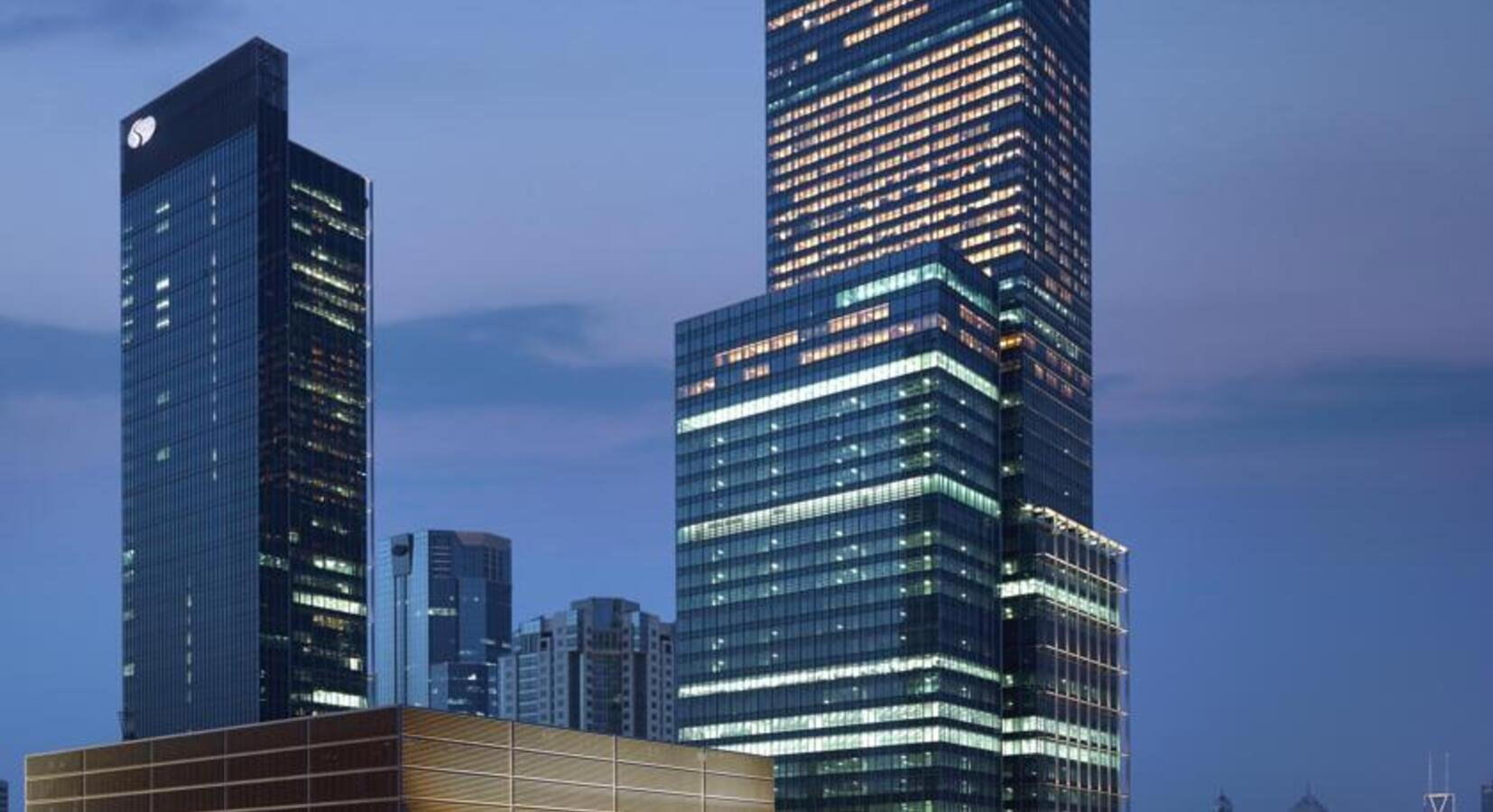
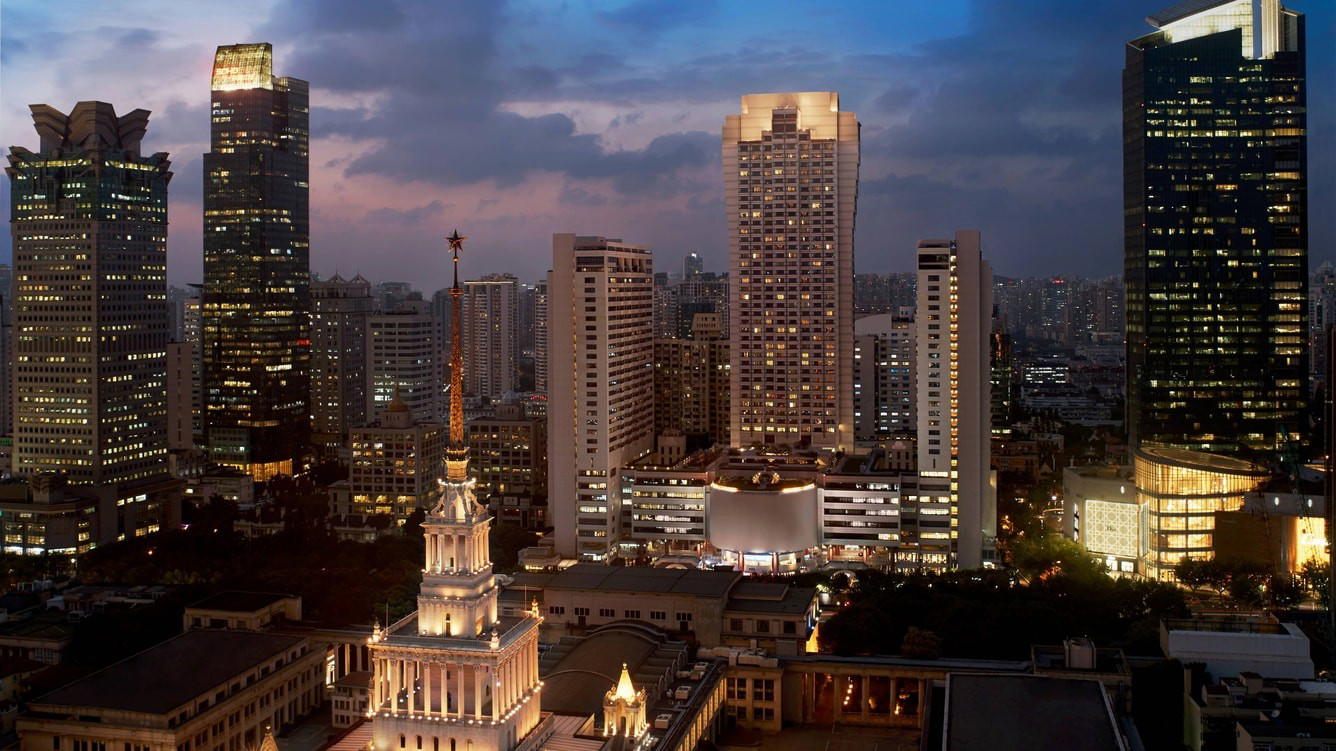
Inside Shanghai’s grand-hotel dining rooms, French cooking carries a particular charge. It is not just about linen, glassware, and ceremony; it is about whether imported technique can make sense in a city whose own food culture is built on seasonality, river produce, precise textures, and social eating. 1929 by Guillaume Galliot enters that frame as a French contemporary restaurant in the Shanghai Jin Jiang Hotel, a setting that naturally pushes the experience toward composure rather than theatre.
The more interesting question is not whether Shanghai needs another polished French room. It is how a restaurant like this uses provenance in a market where luxury diners are increasingly literate about origin, sourcing, and the difference between decoration and depth. French contemporary cooking in China has moved past the old model of imported prestige. The stronger end of the category now has to translate terroir: dairy, seafood, herbs, poultry, wine structure, and sauce work need to feel connected to the plate rather than flown in as status symbols.
French contemporary cooking in Shanghai now has to prove its provenance
Shanghai’s high-end restaurant culture has always absorbed outside influence quickly, but French dining occupies a narrower lane than Cantonese banqueting, Jiangnan private kitchens, or modern Chinese tasting-menu formats. It depends on discipline: temperature, reduction, pastry architecture, pacing, and a wine logic that rewards patience. When it works, the point is not nostalgia for Paris or Burgundy. It is the controlled expression of ingredient origin through technique.
That is where 1929 by Guillaume Galliot has its clearest editorial identity. The cuisine type is French contemporary, and the chef attached to the room is Guillaume Galliot, a name already associated with highly technical French cooking in Asia. Here, that credential matters less as biography than as context. Shanghai diners at this level are comparing not only luxury cues, but how clearly a restaurant can connect land, product, and method without sliding into international hotel sameness.
Recognition gives the restaurant a firmer position in that field. It is listed among Black Restaurant Guide 2026 one-diamond restaurants and appears as Recommended in Opinionated About Dining’s 2026 Top Restaurants in Asia selection. Those signals do not tell a diner what will be on the plate on a given evening, but they do indicate that the restaurant is being read within a serious regional dining conversation, not merely as a hotel amenity.
The broader dining picture is larger than French cooking alone: 100 Century Avenue Cantonese, 100 Century Avenue Steakhouse, and 102 House show how Shanghai’s premium restaurant market splits between regional Chinese, steakhouse, hotel dining, and European formats.
The room belongs to Shanghai's composed hotel-dining tradition
The Shanghai Jin Jiang Hotel setting matters because it shapes expectations before the first course. Grand-hotel restaurants in Shanghai tend to prize order: calm pacing, controlled service, and a sense of occasion that differs from the city’s more performative new openings. That format suits French contemporary cooking because the cuisine often depends on sequence rather than a single headline dish.
This is also where the restaurant’s name should not do too much work. A chef-led title can tempt diners to read the meal as a personality project, but the stronger way to approach this category is through structure: how the kitchen handles provenance, how sauces and garnishes support the primary ingredient, how much weight the menu gives to regional identity, and whether the room understands the difference between restraint and understatement. In Shanghai, those distinctions matter. The city has enough luxury surfaces; what holds attention is control.
The Black one-diamond placement is significant in the Chinese market because it speaks to domestic recognition rather than imported validation alone. OAD’s Asia recommendation adds a second, external lens. French contemporary restaurants at this level should be judged on coherence: the connection between product and technique, the rhythm of the meal, and whether the experience feels rooted in Shanghai rather than merely placed there.
That city context is useful for planning a wider trip. EP Club’s full Shanghai restaurants guide places the restaurant within the dining field, while the Shanghai hotels guide, Shanghai bars guide, Shanghai wineries guide, and Shanghai experiences guide help frame the rest of an itinerary around the city’s hospitality culture.
Who this table suits in 2026
The strongest case for booking here is not trend-chasing. It is for diners who want French contemporary cooking in a Shanghai grand-hotel register, with enough external recognition to justify placing it on a serious shortlist. The restaurant is better read as a composed, technique-led evening than as a casual drop-in meal. That makes it suited to business dining, date-night formality, and travellers who are using Shanghai to understand how European fine dining has adapted in mainland China.
For a broader China dining route, the internal references become instructive. #8 in Chengdu, 167 Shan Hai Li in Fuzhou, 1913 in Hangzhou, 1927 Dong Yuan Si Chu in Xiamen, 1949 - Duck de Chine in Beijing, and 1980烧肉粽 in 厦门市 show how regional Chinese identity can anchor different restaurant formats. For French contemporary comparisons outside Shanghai, 16 by Flo in Taipei and 1890 by Gordon Ramsay in London help place the category in a wider international frame.
The editorial verdict is measured: 1929 by Guillaume Galliot belongs on a Shanghai list for diners who care about provenance-led French technique and the formal rhythm of hotel dining. Its 2026 recognition gives it credibility, but the real test is whether the meal uses French structure to clarify ingredients rather than simply signal luxury.
Frequently asked questions
Is 1929 by Guillaume Galliot a family-friendly restaurant?
Its Shanghai Jin Jiang Hotel setting and French contemporary format make it more suited to adults and older children than to a casual family meal. The room is positioned as a hotel dining address in Shanghai, not a children-first venue.
Is 1929 by Guillaume Galliot formal or casual?
It reads as formal. The combination of French contemporary cooking, the Shanghai Jin Jiang Hotel address, and a 2026 Black one-diamond listing places it in a polished dining category rather than a casual one.
Is 1929 by Guillaume Galliot focused on a specific cuisine style?
1929 by Guillaume Galliot serves French contemporary cuisine.
Where is 1929 by Guillaume Galliot located?
1929 by Guillaume Galliot is located in Shanghai.
Who's behind the kitchen at 1929 by Guillaume Galliot?
The chef associated with 1929 by Guillaume Galliot is Guillaume Galliot.
Comparable Venues Nearby
Comparable venues nearby, for context on price, style, and recognition.
| Venue | Cuisine | Price | Awards | Notes |
|---|---|---|---|---|
| 1929 by Guillaume GalliotThis venue — the venue you are viewing | Contemporary French with Asian influences in a 1929 heritage building | $150–200 | Black Pearl 1 Diamond | Not listed |
| Vivant by Johnny Pham | Modern French with Asian Influences | $150–200 | Black Pearl 1 Diamond · The Best Chef One Knife | Lao Ximen |
| 58° 扒房 | Modern French Steakhouse | $100–150 | Not listed | Ti Lan Qiao |
| House of Rong | Taizhou Seafood / Chinese Fine Dining | Not listed | Not listed | Jing'an District |
| Mi Shang Prada Rong Zhai | Italian–Chinese Fine Dining by Prada | $100–150 | Michelin Plate · Gambero Rosso 2 Forchette | Jing’an District |
| Bo Shanghai | X-Treme Chinese Fusion Fine Dining | $150–200 | Not listed | Lan Ni Du |
Recognition history
Dated appearances from independent guides and award organizations, with the underlying list record or original source where available.
Black Pearl 1 Diamond
Black Pearl
Opinionated About Dining Top Restaurants in Asia Recommended
Opinionated About Dining
Continue exploring
More in Shanghai
Restaurants in Shanghai
All restaurants in Shanghai →
Bars in Shanghai
All bars in Shanghai →
1929 by Guillaume Galliot
The wine
- Wine program
- Deep wine list
- Extensive wine list
- Sommelier-led
- Craft cocktails
Details
- Elegant
- Sophisticated
- Romantic
- Classic
- Intimate
- Date Night
- Business Dinner
- Celebration
- Special Occasion
- After Work
- Late Night
- Wine Cellar
- Historic Building
- Design Destination
- Standalone
- Private Dining
- Extensive Wine List
- Craft Cocktails
- Sommelier Led
- Street Scene
- Tasting Menu
- A La Carte
- Set Menu
- Wine
- Cocktails
- Whisky
- Vegetarian Friendly
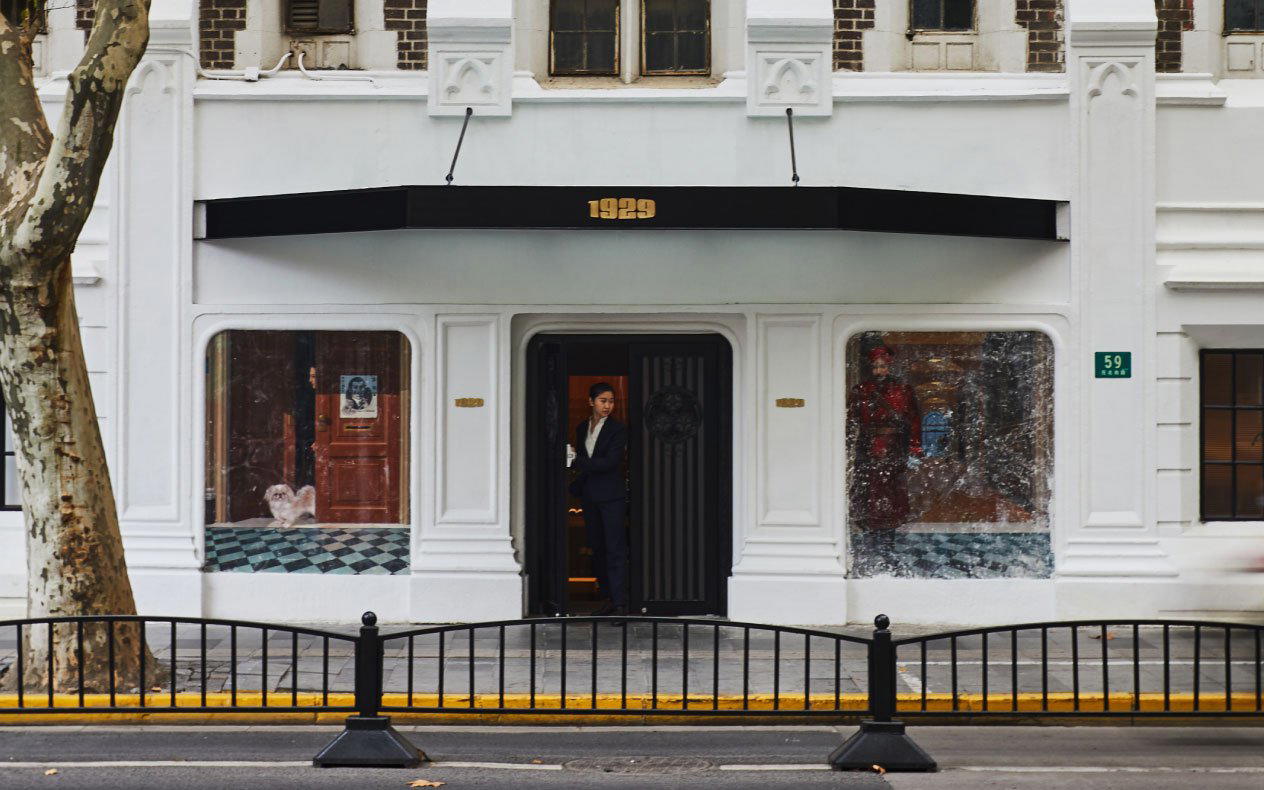
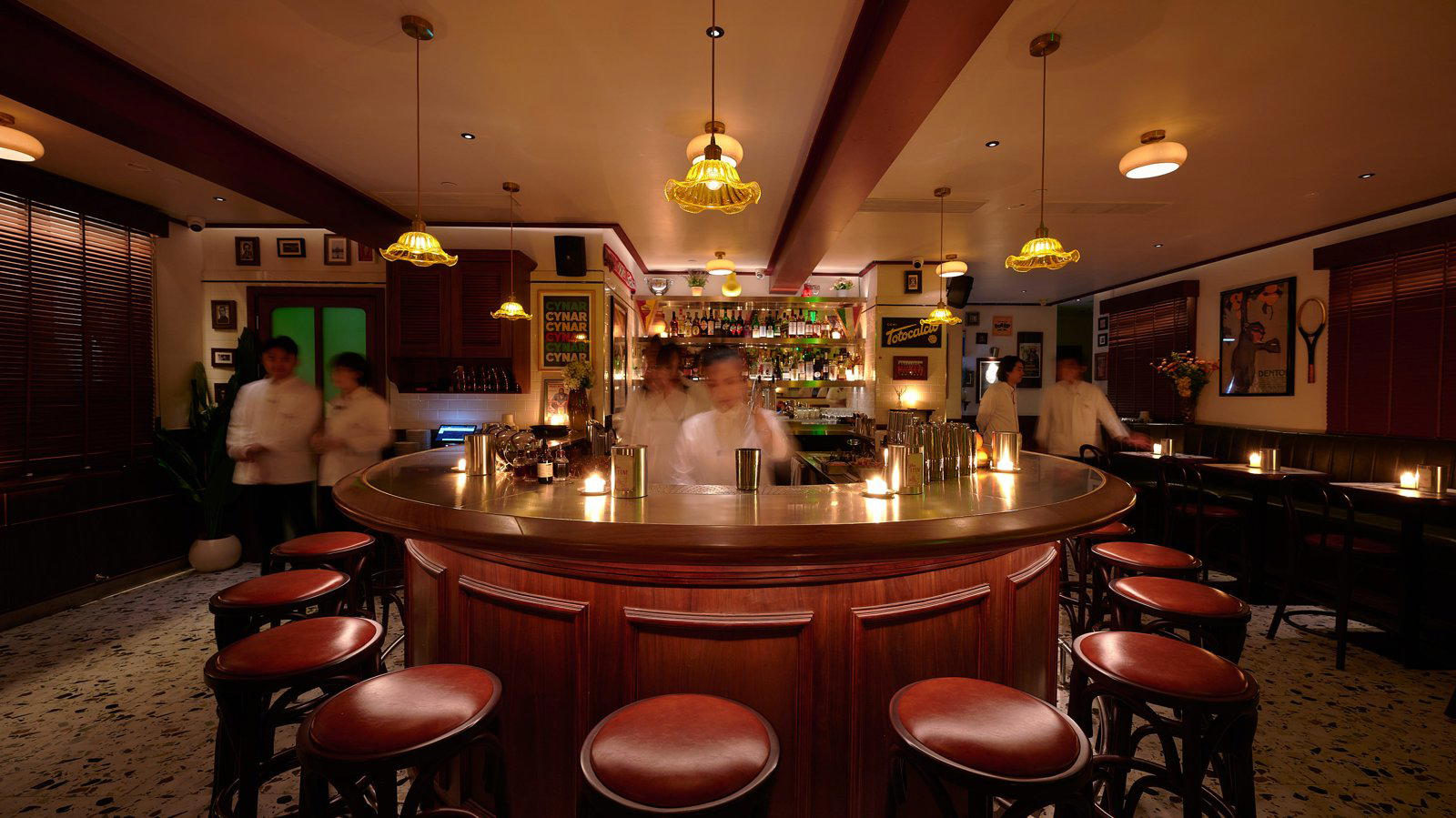
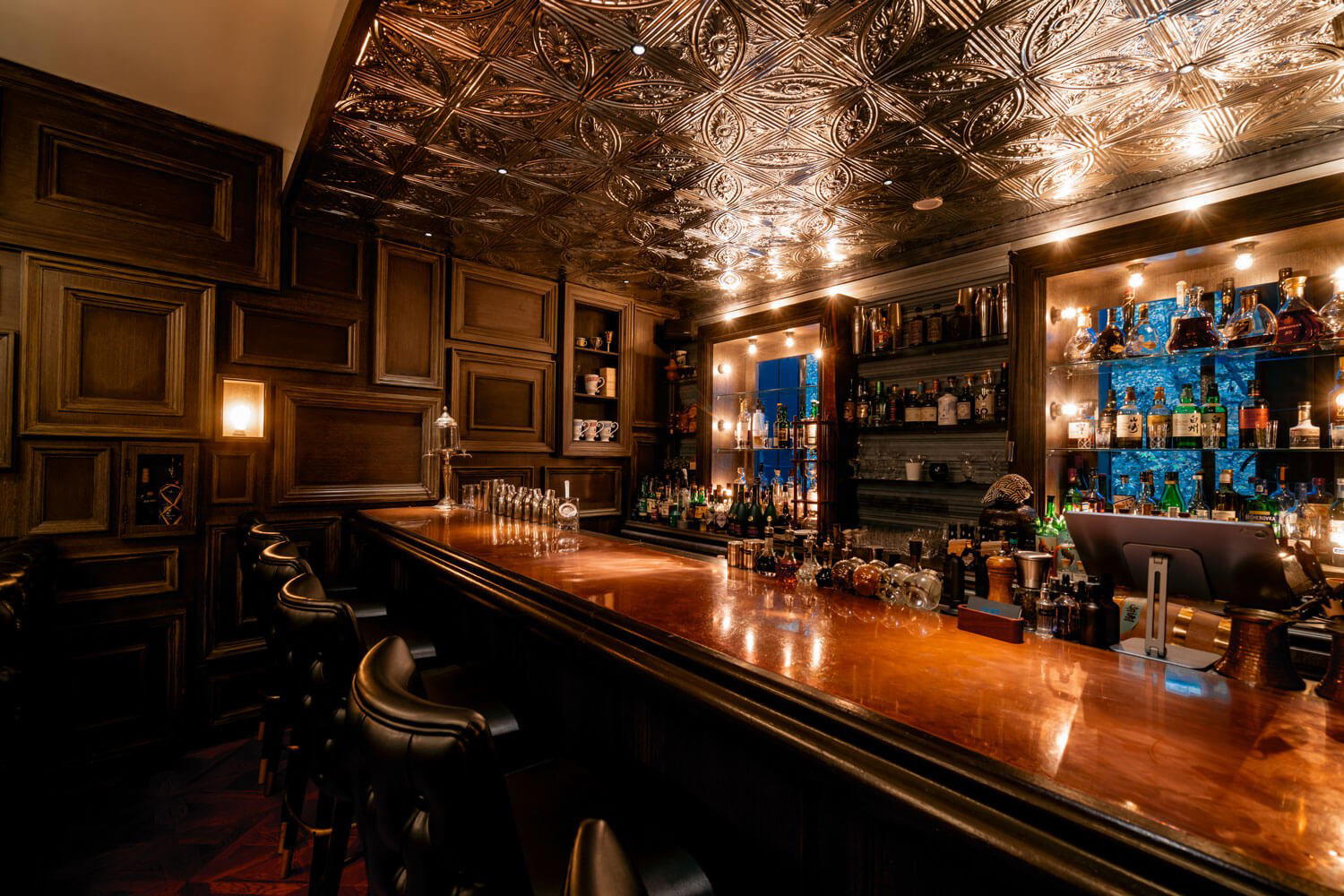
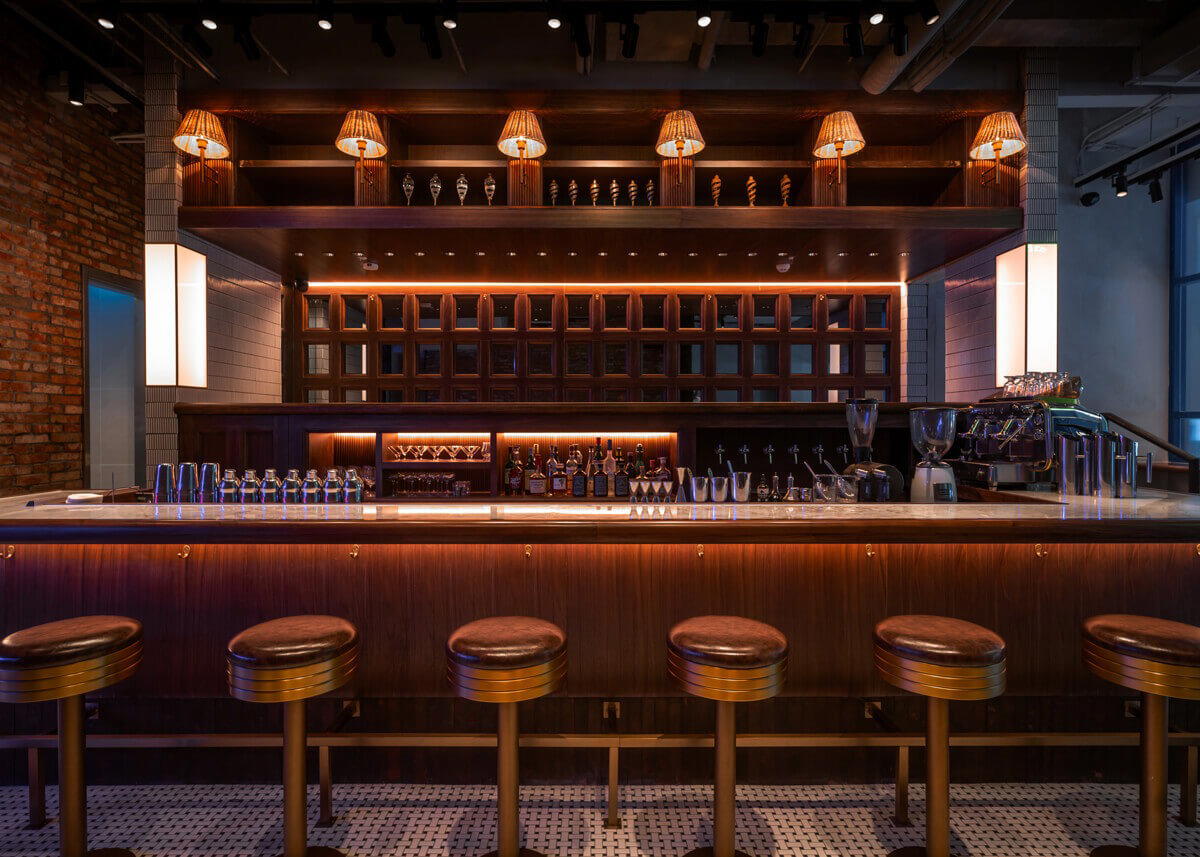
A refined, Parisian-style setting that marries the historic charm of the nearly century-old Jinjiang Hotel with modern French elegance, featuring lofty arched walls, tall windows, teak floors and vintage wooden armchairs for a softly lit, romantic and sophisticated atmosphere.