



1 Michelin Star · La Liste Top Restaurants · Black Pearl 1 Diamond
Our verdict
Phénix holds a Michelin star and Black Pearl Diamond on the Bund, where chef Ugo Rinaldo runs a French kitchen built around Chinese produce. The six-course Découverte and twelve-course Expérience menus chart the range from accessible introduction to full technical expression. Ranked among Asia's top restaurants by both Opinionated About Dining and La Liste, it occupies a defined tier within Shanghai's competitive fine-dining French scene.

Pearl is the En Primeur Club membership app — saves, bookings, and concierge access live there. Same editors, same standards.
- Address
- China, Shanghai, Huangpu, Waitan, Nanjing Rd (E), 20号, Yuandong 1st Building 邮政编码: 200002
- Phone
- +86 21 6138 6880
- Hours
- Daily 11:30 a.m.–2:30 p.m., 5:30–10 p.m.
- Website
- fairmont.cn
- Directions
- Get directions
The menu
What to order
- Peanut parfait
- Cranberry chia seed bread
- Kingfish appetizer
Where the Bund Meets the Brigade
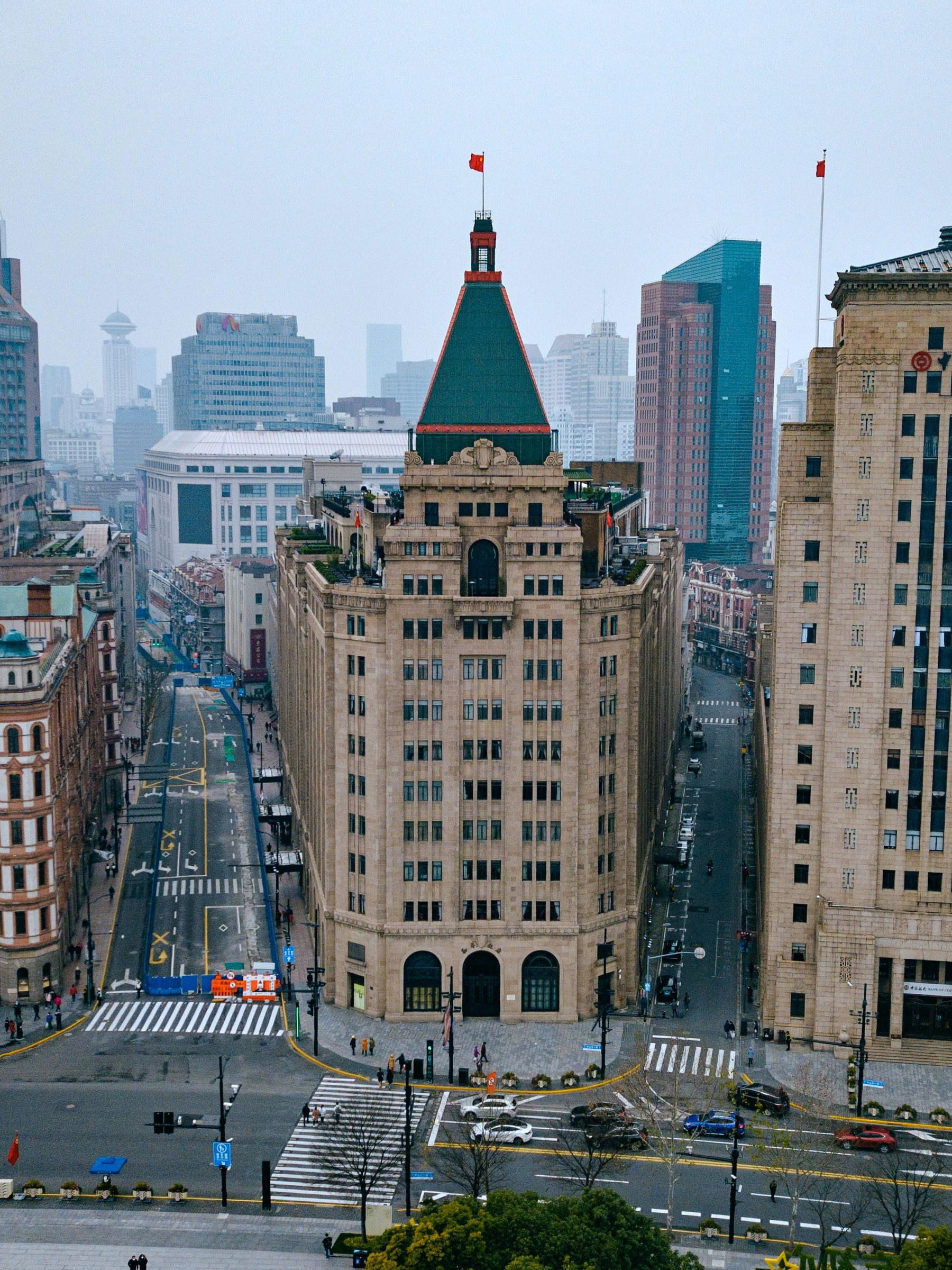
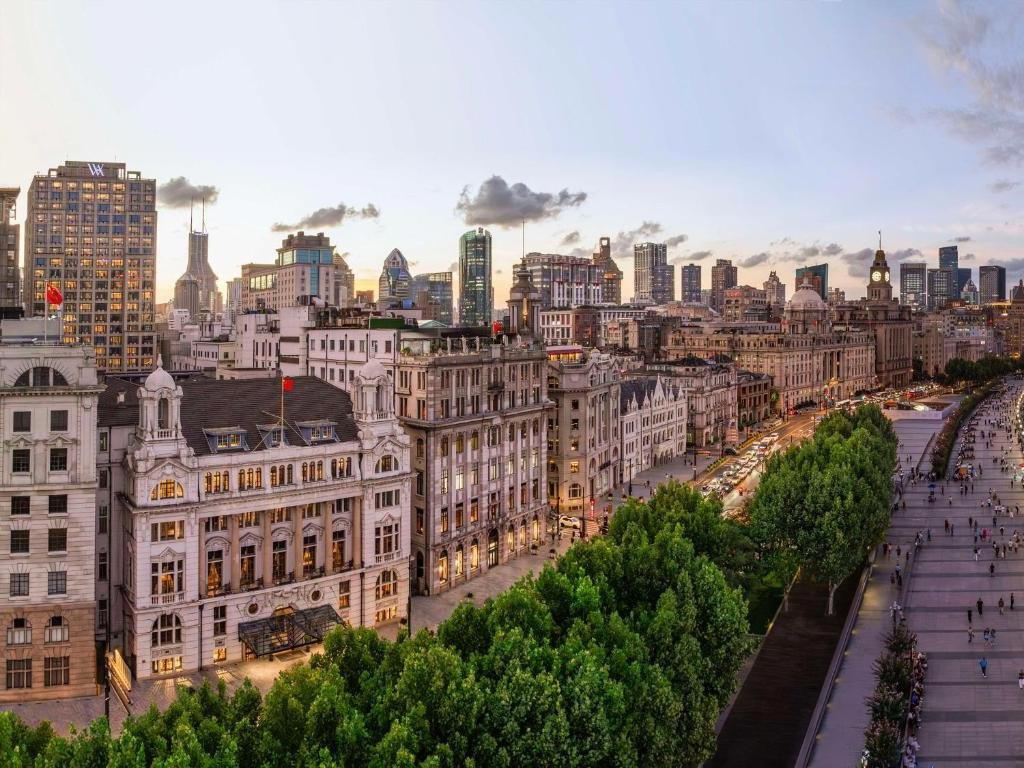
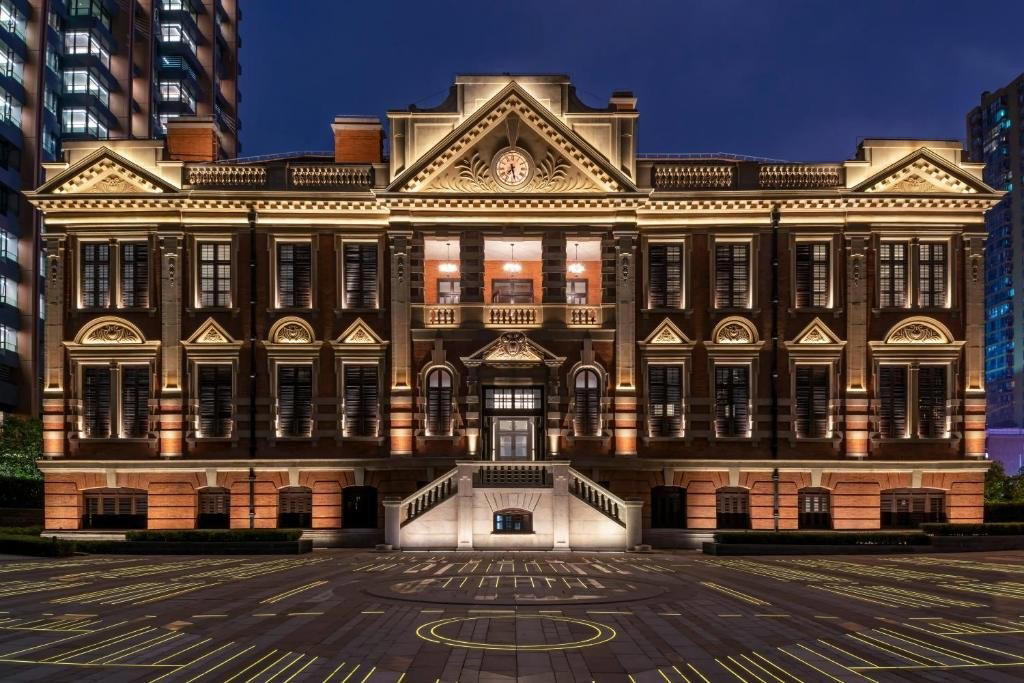
The Yuandong First Building on East Nanjing Road sits at one of Shanghai's most loaded addresses: the western edge of the Bund strip, where colonial-era architecture and contemporary ambition have coexisted uneasily for decades. Fine dining in this corridor has always carried the weight of expectation — the setting signals occasion before a menu is opened. Phénix occupies that setting with a French kitchen that has earned a Michelin star (2024), a Black Pearl Diamond (2025), and a place on La Liste's global ranking at 76 points. Those credentials do not arrive by accident on a street where the competition includes Jean Georges, L'Atelier de Joël Robuchon (Shanghai), and Le Comptoir de Pierre Gagnaire. In that company, holding a star while anchoring the menu to Chinese produce rather than imported ingredients is a meaningful editorial statement.
French Technique, Chinese Source Material
The more interesting development in contemporary French cooking across Asia is not the transplantation of French product — it is the rigorous application of classical technique to indigenous ingredients. The results expose what those techniques actually do when freed from the assumption that the raw material must be Breton or Périgordian. At Phénix, chef Ugo Rinaldo has built a menu around this principle, sourcing Chinese produce and processing it through a French brigade's vocabulary of preparation. The approach places Phénix in a broader conversation happening across the region: at Sézanne in Tokyo, where French classicism meets Japanese product with two Michelin stars, and at Hotel de Ville Crissier in Switzerland, which represents the canonical European reference point against which Asian-French kitchens are often measured.
À la carte menu at Phénix gives particular emphasis to meat starters and experimental constructions that sit outside conventional French categories. This is not fusion in the blunt sense, it is a more considered negotiation between two culinary systems, one that the Opinionated About Dining community has tracked across three consecutive years, moving Phénix from Recommended (2023) to ranked at #402 (2024) to #436 (2025) within their Asia-wide list. The slight positional shift between 2024 and 2025 in a list of several hundred restaurants is a marginal data point; the sustained presence across all three years is the more significant signal.
Reading the Menu Structure
Phénix presents three entry points into the kitchen's logic. The à la carte format allows selective engagement: the meat starters and novel constructions function as the clearest expression of the Chinese-produce-through-French-method proposition. For visitors with less context, the six-course Découverte menu is structured as an introduction, a curated sequence that maps the range without requiring the table to navigate it independently.
The twelve-course Expérience menu is the format through which the kitchen's full ambition becomes legible. Structured as an omakase-style progression, it removes choice in favour of sequence, which is how a kitchen that is working through a coherent idea about ingredients and technique is leading assessed. The pigeon course within that progression has drawn specific critical attention: chargrilled breast stuffed with foie gras, confit legs finished with plum sauce. That dish compresses several technical decisions into a single plate, the chargrill as French bistro reference, foie gras as classical enrichment, plum as the Chinese counter-note that reframes both. It is the kind of construction that explains why the awards have accumulated.
The price positioning at ¥¥¥¥ places Phénix at the top tier of Shanghai restaurant spending, consistent with the peer group on and around the Bund. For a sense of the French mid-market in the same city, Coquille operates at a different price point and register. The gap between those two French addresses illustrates how wide the category now runs in Shanghai.
Shanghai's French Dining Tier
Shanghai carries more credentialed French restaurants per square kilometre than most Asian cities outside Tokyo and Hong Kong, a product of decades of expatriate demand, institutional cooking school investment, and a local dining culture that has absorbed French formal service as a familiar mode rather than an exotic import. The Michelin Guide's Shanghai edition has reflected this depth since its introduction, distributing stars across a French cohort that ranges from grand-hotel dining rooms to tighter, chef-driven operations.
Phénix sits in the chef-driven segment of that cohort. Rinaldo's Michelin star and La Liste recognition position it alongside the Bund's established French addresses while the Chinese-produce emphasis gives it a distinct point of differentiation within the category. M on the Bund, which has held its position on the same strip across multiple format cycles, represents a different trajectory, broader in scope, more international in pantry. The contrast between those two approaches maps the range of what French-inflected fine dining currently means along the waterfront.
For readers tracking premium dining across the wider region, the comparison set extends beyond Shanghai. Chef Tam's Seasons in Macau and Xin Rong Ji in Chengdu represent the Chinese fine-dining axis, where the ingredient provenance question runs in the opposite direction. Ru Yuan in Hangzhou and Xin Rong Ji on Xinyuan South Road in Beijing complete a broader picture of how premium kitchens across mainland China are currently negotiating tradition and technique. Imperial Treasure Fine Chinese Cuisine in Guangzhou and Dai Yuet Heen in Nanjing extend that reference set southward. Phénix argues the case from the French side of that same question.
Atmosphere and Setting
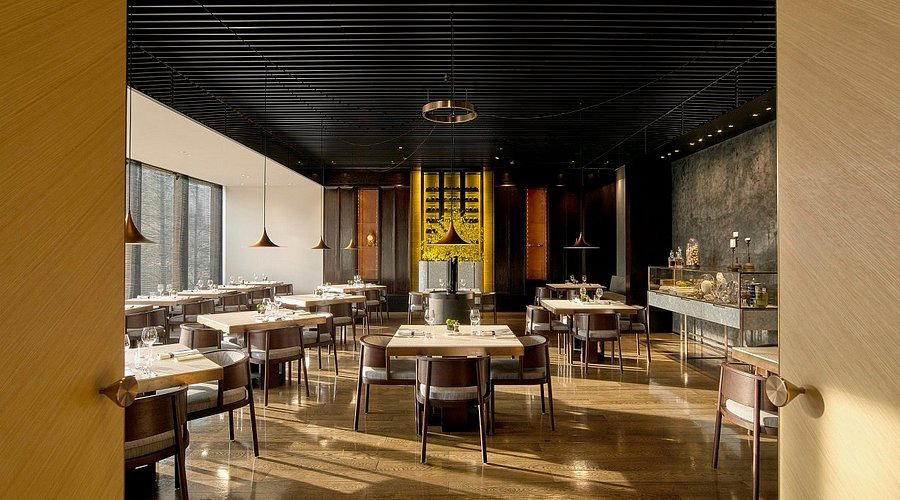
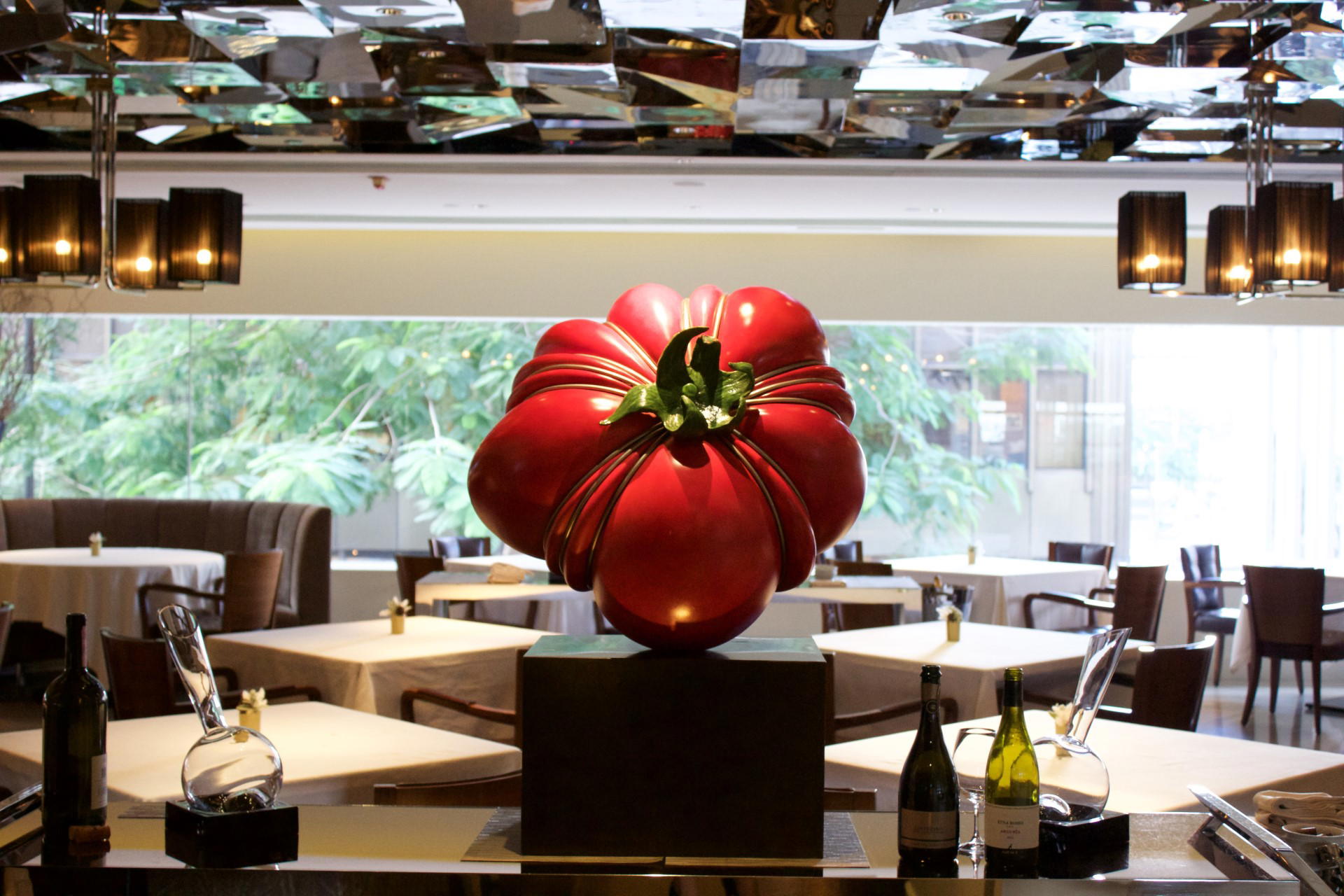
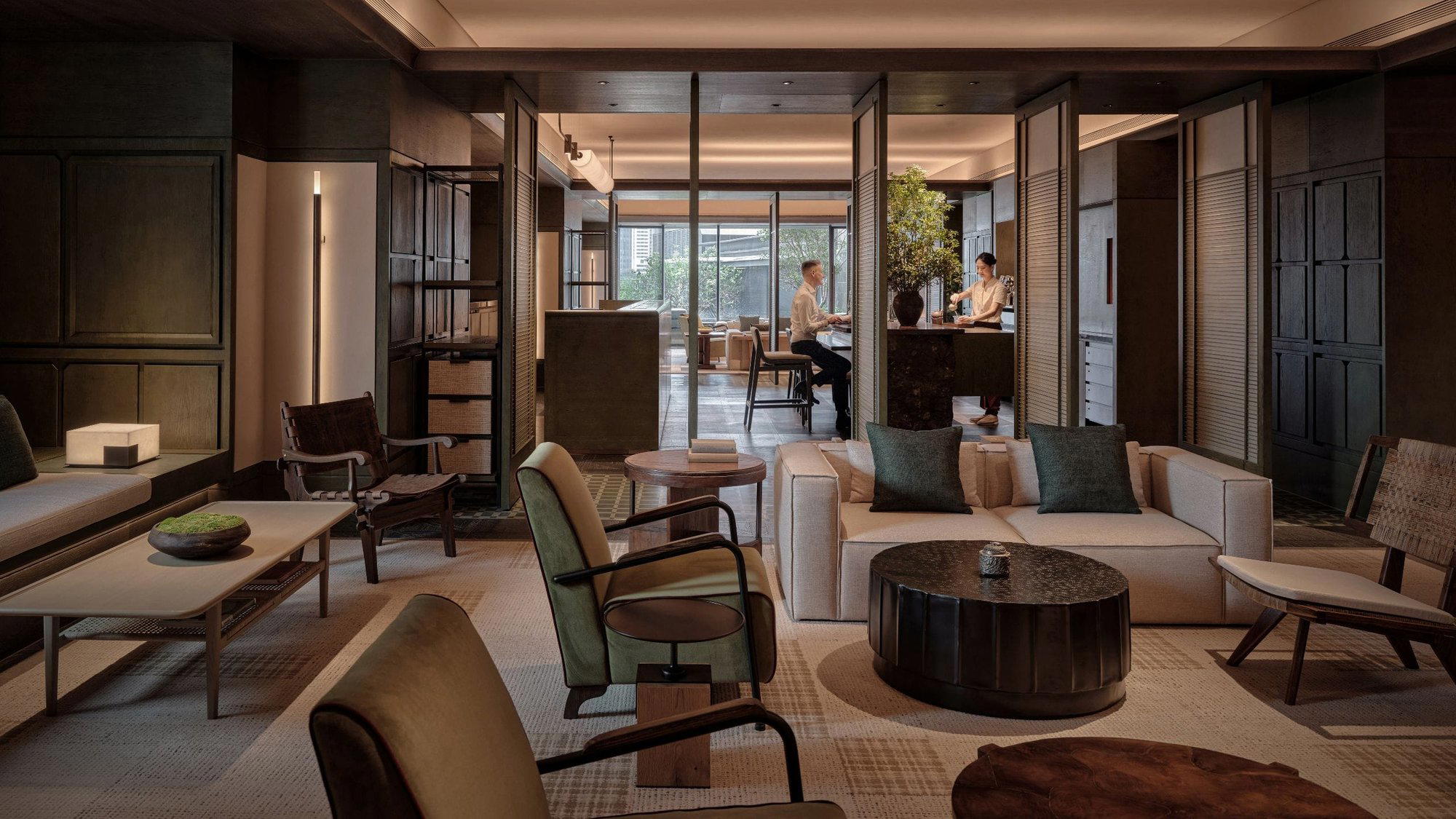
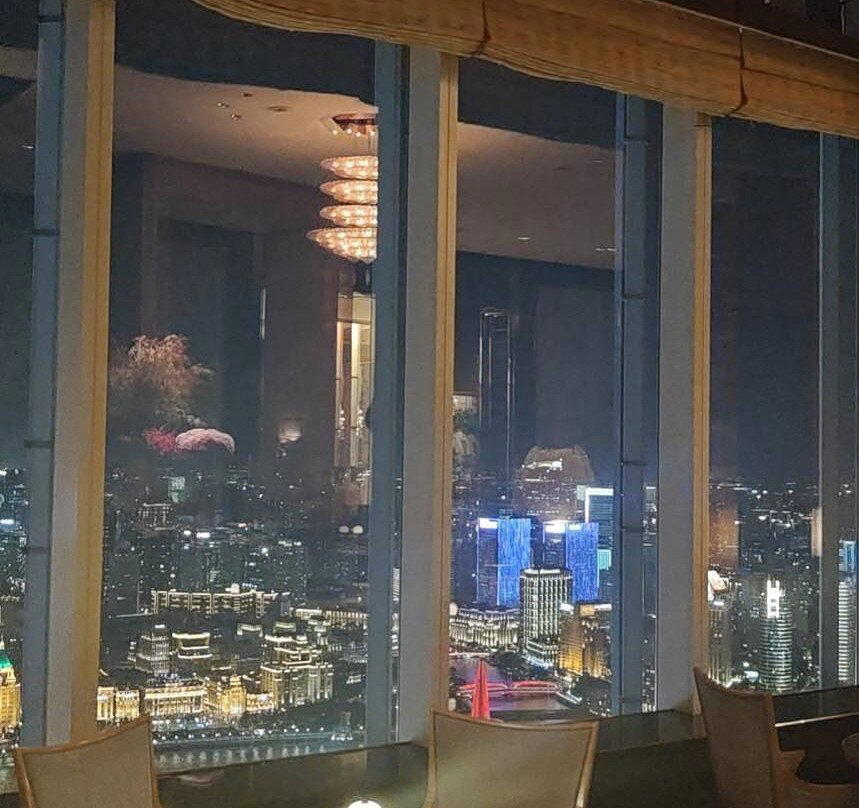
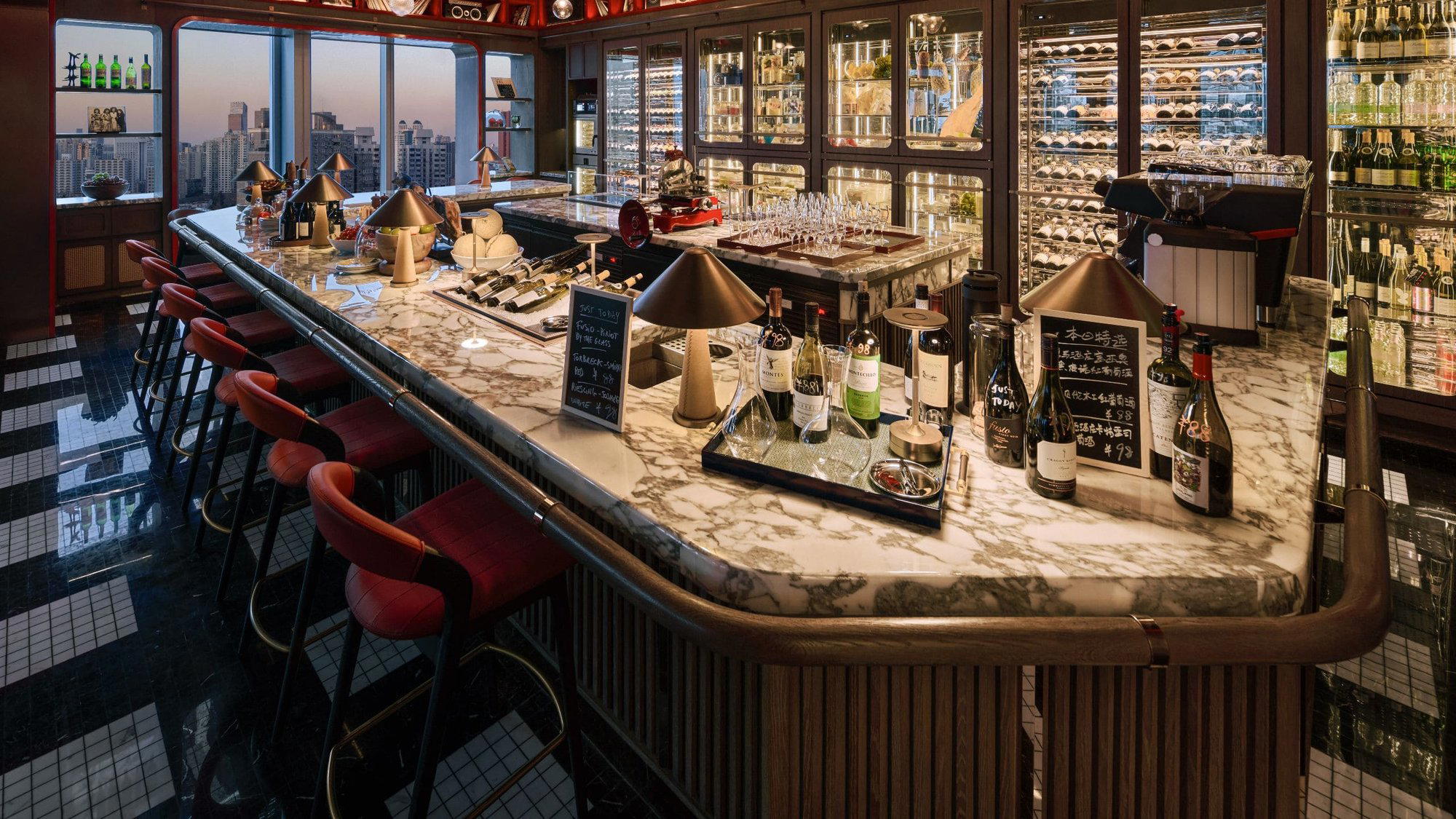
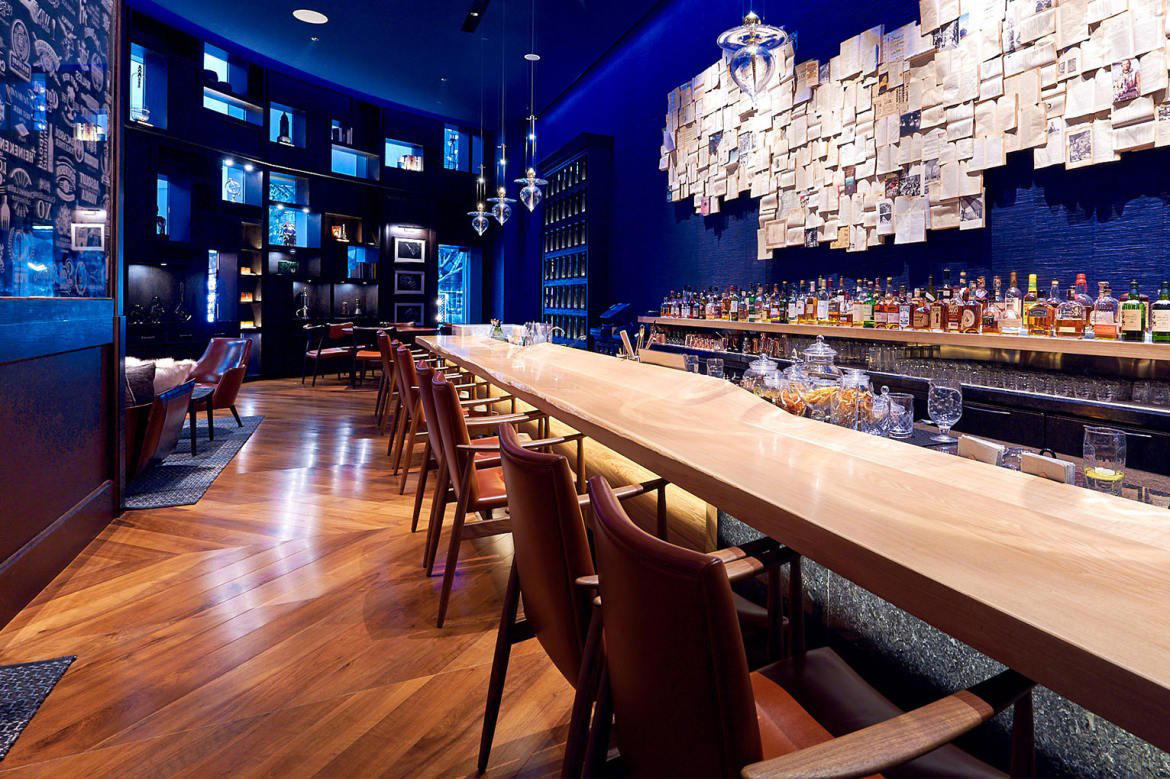
The Huangpu district address places Phénix within the Bund's formal dining zone, where the expectation of occasion dressing is established by the neighbourhood before it is enforced by any house policy. The building address, Yuandong First Building, is a commercial property on East Nanjing Road rather than a heritage hotel lobby, which positions the restaurant marginally outside the grand-hotel circuit that defines some of its peer addresses. That distinction shapes the atmosphere: this is a chef-driven room within a mixed-use building, which historically produces a somewhat tighter, more focused dining environment than a hotel dining room calibrated for multiple guest profiles simultaneously. The Bund's sightline and the river proximity remain accessible from the immediate area, though the specific interior character of the room is leading assessed on arrival rather than anticipated from a description.
For visitors building a broader Shanghai itinerary around the Bund district, the EP Club guides for restaurants, [bars](), [hotels](), [wineries](), and experiences provide the full picture across categories.
Know Before You Go
- Address: Yuandong First Building, 20 East Nanjing Road, Huangpu, Shanghai 200002
- Cuisine: French, with Chinese produce integration
- Price tier: ¥¥¥¥ (top tier)
- Awards: Michelin 1 Star (2024); Black Pearl 1 Diamond (2025); La Liste 76pts (2025); Opinionated About Dining Asia Leading Restaurants #436 (2025)
- Menu formats: À la carte; six-course Découverte; twelve-course Expérience (omakase-style)
- Recommended format: Twelve-course Expérience for full kitchen assessment
- Chef: Ugo Rinaldo
Frequently asked questions
What should I expect atmosphere-wise at Phénix?
Phénix sits inside the Yuandong First Building on East Nanjing Road, at the western edge of the Bund strip — an address that sets the tone before you arrive. The Huangpu district placement means neighbours include some of Shanghai's most formally regarded restaurants, and the room operates at that same register: occasion dining rather than casual drop-in. A Black Pearl 1 Diamond and Michelin star reinforce what the address already signals.
Has Phénix won any awards?
Phénix has received recognition including: Opinionated About Dining Top Restaurants in Asia Ranked #436 (2025); La Liste Top Restaurants (2025): 76pts; Black Pearl 1 Diamond (2025); The chef cleverly uses Chinese produce in modern French fare. Meat starters and novel creations aboun….
What dish is Phénix famous for?
The pigeon has drawn the most consistent critical attention: chargrilled breast stuffed with foie gras, with confit legs finished in plum sauce. Opinionated About Dining, which ranked Phénix #436 in Asia for 2025, described it as a tour de force. It also captures the kitchen's central approach — French technique applied to Chinese produce and flavour reference points.
What should I budget for a meal at Phénix?
Pricing at Phénix is listed as ¥¥¥¥.
Comparison Snapshot
A quick peer check to anchor this venue’s price and recognition.
| Venue | Cuisine | Price | Awards | Notes |
|---|---|---|---|---|
| PhénixThis venue — the venue you are viewing | Modern French Brasserie | $50–100 | 1 Michelin Star · La Liste Top Restaurants | Not listed |
| Fu He Hui | Modern Seasonal Vegetarian Fine Dining | $200–300 | 2 Michelin Stars · World's 50 Best #11 | Vegetarian |
| Ming Court | Cantonese with Shanghainese Influences | $30–50 | 1 Michelin Star · Black Pearl 1 Diamond | Cantonese |
| Polux | French Bistro | $30–50 | Michelin Bib Gourmand | French |
| Royal China Club | Modern Cantonese fine dining | $50–100 | Michelin Plate | Chinese, Cantonese |
| Scarpetta | Refined Italian Pasta & Pizza | $50–100 | Michelin Plate · Wine Spectator Best of Award of Excellence | Italian |
Recognition history
Dated appearances from independent guides and award organizations, with the underlying list record or original source where available.
Michelin 1 Star
Michelin
La Liste Top Restaurants
La Liste
Black Pearl 1 Diamond
Black Pearl
Opinionated About Dining Top Restaurants in Asia Ranked #436
Opinionated About Dining
Full recognition history (8 entries)
Black Pearl 1 Diamond
Black Pearl
Michelin 1 Star
Michelin
Opinionated About Dining Top Restaurants in Asia Ranked #402
Opinionated About Dining
Opinionated About Dining Top Restaurants in Asia Recommended
Opinionated About Dining
Continue exploring
More in Shanghai
More from Chef Ugo Rinaldo
Browse all →
Restaurants in Shanghai
Browse all →
Bars in Shanghai
Browse all →
Details
- Elegant
- Sophisticated
- Modern
- Date Night
- Business Dinner
- Special Occasion
- Hotel Restaurant
- Garden
- A La Carte
- Tasting Menu
- Vegetarian Friendly
Current opening hours
- Monday
- 11:30 a.m.–2:30 p.m., 5:30–10 p.m.
- Tuesday
- 11:30 a.m.–2:30 p.m., 5:30–10 p.m.
- Wednesday
- 11:30 a.m.–2:30 p.m., 5:30–10 p.m.
- Thursday
- 11:30 a.m.–2:30 p.m., 5:30–10 p.m.
- Friday
- 11:30 a.m.–2:30 p.m., 5:30–10 p.m.
- Saturday
- 11:30 a.m.–2:30 p.m., 5:30–10 p.m.
- Sunday
- 11:30 a.m.–2:30 p.m., 5:30–10 p.m.
Hours can change for holidays and private events. Last verified .
Low-key luxurious with Art Deco references, mother-of-pearl and rose gold accents, tranquil atmosphere, good lighting creating an elegant and polished dining environment overlooking Jing'an Park.