The Argentine Experience
Set in Palermo's Gorriti corridor, The Argentine Experience places local ingredients at the center of a structured, participatory format — part cooking lesson, part seated dinner. It draws travelers and locals who want to understand what Argentina actually eats, rather than simply order it. The format works best for those willing to engage with the food rather than observe it from a distance.
Pearl is the En Primeur Club membership app — saves, bookings, and concierge access live there. Same editors, same standards.
- Address
- Gorriti 4832, C1414BJN Cdad. Autónoma de Buenos Aires, Argentina
- Phone
- +5491139863613
- Website
- theargentineexperience.com
- Directions
- Get directions
 Saves & bookings on Pearl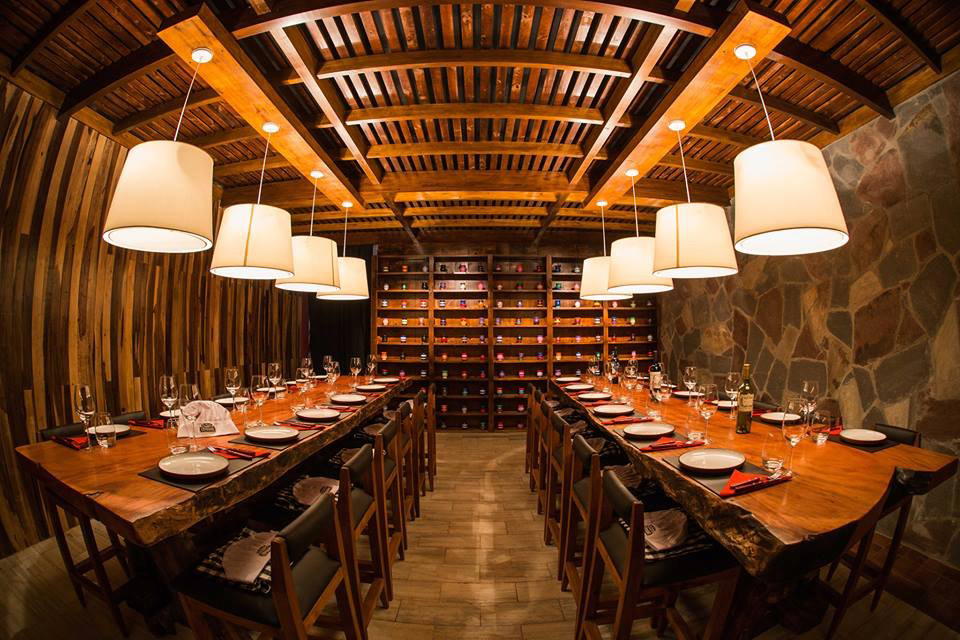
Where Palermo's Street-Level Energy Meets the Asado Tradition
The block of Gorriti between the boutiques and parillas of Palermo Soho carries a particular energy in the early evening: the smell of woodsmoke from street-side grills, the sound of conversations bleeding from restaurants into the narrow sidewalk. It is in this sensory context that The Argentine Experience, at Gorriti 4832, operates — not as a restaurant in the conventional sense, but as a structured introduction to what Argentine food culture actually looks like from the inside. The format is closer to a guided tasting session than a dinner service, which places it in a growing tier of participation-led dining that Buenos Aires has developed alongside its more formal fine-dining circuit.
The Palermo Soho Context: A Neighborhood That Has Absorbed Two Decades of Dining Evolution
Palermo Soho's dining character is worth understanding before assessing any individual venue within it. The neighborhood absorbed successive waves of Buenos Aires dining investment through the 2000s and 2010s: first the wave of bistros and parrillas targeting the post-crisis middle class, then a wave of chef-driven restaurants as Argentine gastronomy began to attract international attention, and most recently a tier of format-led experiences aimed at visitors who arrive in Buenos Aires having already read about the city's food credentials. The Argentine Experience sits clearly in that third tier. Nearby, Don Julio operates as one of the city's reference-point parrillas, a formal steakhouse that has accumulated significant recognition and occupies a different competitive bracket. Anafe and Crizia represent the contemporary-leaning Argentine restaurant in the same zone. The Argentine Experience does not directly compete with any of them; it competes, instead, with the generic group dining format — the kind of experience that delivers Argentine food without teaching the visitor anything about it.
Local Ingredients, Imported Technique: How Argentina's Food Conversation Has Shifted
The tension between indigenous Argentine products and the European or global techniques used to prepare them defines much of Buenos Aires' serious dining conversation right now. Restaurants like Aramburu and Trescha have pushed that conversation into highly technical territory, tasting menus where Patagonian fish, Andean grains, and pampas-raised beef are subjected to modern European or Japanese preparation methods. The Argentine Experience operates at a different register of the same conversation. The ingredients that anchor it are the ones that define Argentine food at its most legible: Malbec from Mendoza's high-altitude vineyards, dulce de leche produced through slow milk reduction, the cuts and techniques of the asado tradition. What the format does is make the preparation transparent, placing the participant inside the process rather than at the receiving end of it.
This is not a trend unique to Buenos Aires. In cities where gastronomy has become a meaningful draw for international visitors, Tokyo, Copenhagen, San Sebastián, a parallel tier of structured, educational dining has developed alongside the tasting-menu circuit. The Argentine Experience belongs to that broader international shift, localized through specifically Argentine content. Visitors who have come from deeply technical experiences like Le Bernardin in New York or Atomix will recognize the impulse behind the format even if the execution sits in a completely different register.
The Malbec Thread: Wine as Structural Element
Argentine wine is an unavoidable part of any serious engagement with the country's food culture, and Malbec remains the clearest entry point. The grape's Argentine identity is now inseparable from the high-altitude vineyards of Mendoza, particularly the Luján de Cuyo and Valle de Uco subregions, where elevation and diurnal temperature variation produce wines with more structure and aromatic lift than the grape typically shows in its French homeland. Understanding Malbec in that context, as a product of a specific place and altitude, not merely a soft red wine, changes how Argentine food culture reads. Visitors who want to pursue that thread further would do well to look at producers like Bodega Caelum in Luján de Cuyo and the dining programming at Azafrán in Mendoza, both of which connect wine and food in a more place-specific way.
Planning a Visit: Timing, Format, and What to Expect
Buenos Aires is a year-round destination for dining, but the city's outdoor and participatory dining culture is at its most active between October and April, when Palermo's streets fill out in the evening and the parrilla tradition extends naturally into the sidewalk. Booking The Argentine Experience during shoulder season, May or September, brings the trade-off of fewer crowds and a more concentrated group dynamic. The format is structured around a fixed session, which means arrival time matters more than it would at a conventional restaurant. The address at Gorriti 4832 is walkable from most Palermo Soho accommodation and a short ride from Recoleta or San Telmo. For those building a broader Buenos Aires dining itinerary, the experience works logically as an orientation session early in a trip rather than a capstone meal, it establishes the vocabulary (the cuts, the wine regions, the preparation traditions) that makes subsequent meals at places like Don Julio or Crizia more legible.
Reservations are expected rather than optional. The format depends on a defined group size and a fixed session structure, which means walk-ins are not the operating model here. Booking in advance, particularly for travel between November and February, when Buenos Aires draws its heaviest international visitor flow, is advisable. The experience is better suited to small groups or pairs than to solo diners, given the participatory dynamic of the format.
Beyond Buenos Aires: Argentina's Wider Food Geography
Understanding Argentine food well means reading it regionally, not just through Buenos Aires. The northwest offers Andean grain traditions and locro stew, the northeast brings yerba mate culture and river fish, and Patagonia contributes lamb, wild game, and smoked preparations shaped by the region's German and Croatian settler heritage. Venues like Alto el Fuego in Bariloche and Camarón Bombay in Puerto Madryn offer a sense of how Argentine food changes with geography. Closer to Mendoza's wine country, Deli Arepa Food in Godoy Cruz and Belgrano & Perú in Las Heras point toward the intersection of wine-country tourism and everyday Argentine eating. The full Buenos Aires restaurants guide maps the city's dining tiers in more detail, from the neighbourhood parillas of San Telmo to the chef-driven tasting menus of Palermo and beyond.
For visitors curious about how Argentine food traditions translate into more intimate or rurally grounded settings, Casa de Campo in General Ortega and Casa del Visitante in Fray Luis Beltrán represent the casera (home-style) tradition at a remove from the city. The Kaia Omakase Nikkei Experience in Villa Rosa shows the other end of the spectrum: Japanese technique applied to Argentine product, a format that speaks directly to the local-ingredients, global-technique theme that runs through the country's more experimental dining. The Cerveza Patagonia Refugio in Bahía Blanca rounds out a picture of how Argentine hospitality extends into craft beer culture, another thread in the country's broadening food identity.
How The Argentine Experience Buenos Aires compares with similar nearby venues.
| Venue | Cuisine | Price |
|---|---|---|
| Niño Gordo | Asian | $$ |
Continue exploring
More in Buenos Aires
Restaurants in Buenos Aires
Browse all →
Bars in Buenos Aires
Browse all →
Hotels in Buenos Aires
Browse all →
Wineries in Buenos Aires
Browse all →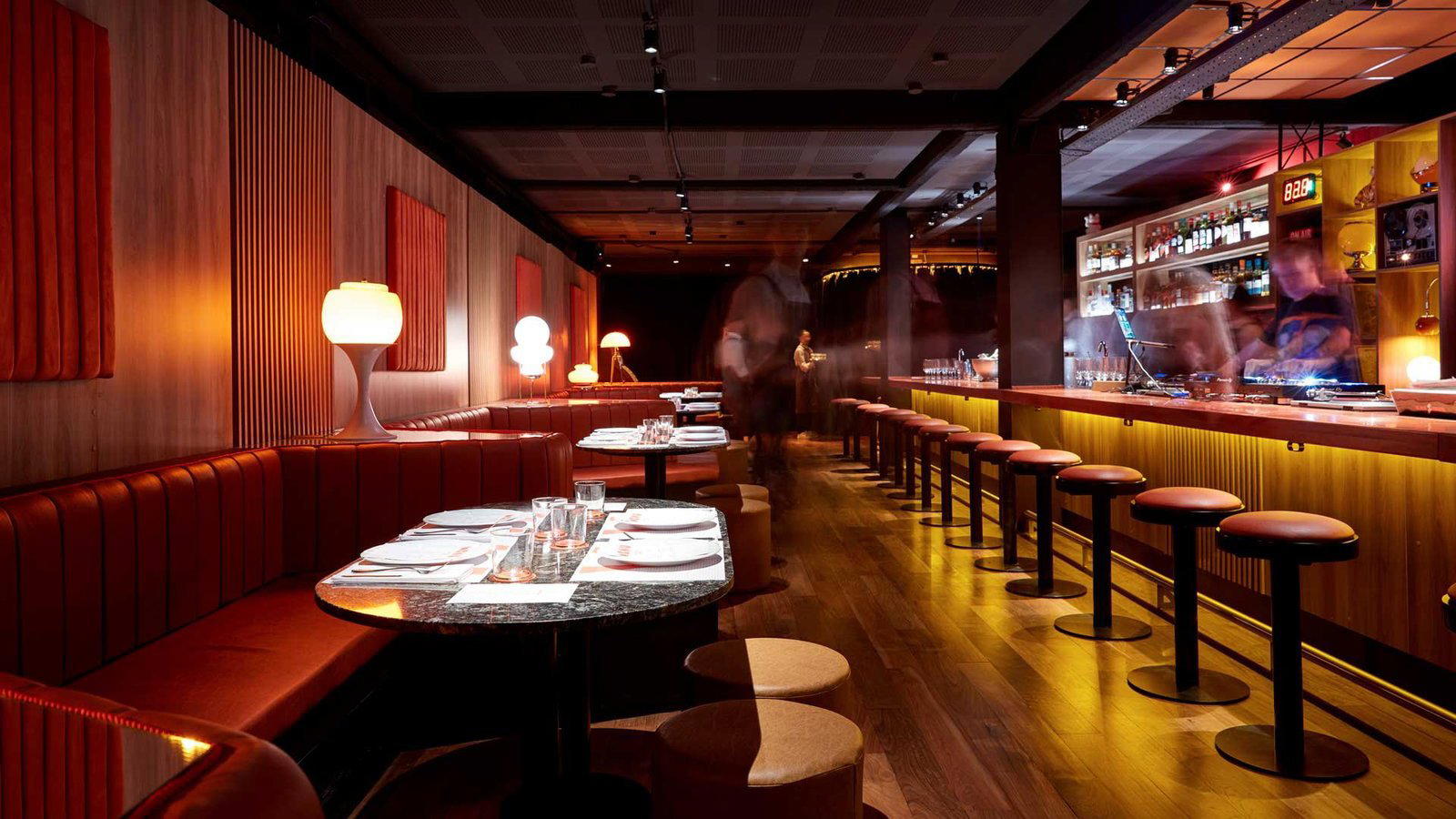
At a Glance
- Cozy
- Elegant
- Special Occasion
- Group Dining
- Open Kitchen
- Extensive Wine List
Current opening hours
- Monday
- 12–3:30 PM, 7:30–10:30 PM
- Tuesday
- 12–3:30 PM, 7:30–10:30 PM
- Wednesday
- 12–3:30 PM, 7:30–10:30 PM
- Thursday
- 12–3:30 PM, 7:30–10:30 PM
- Friday
- 12–3:30 PM, 7:30–10:30 PM
- Saturday
- 12–3:30 PM, 7:30–10:30 PM
- Sunday
- 12–3:30 PM, 7:30–10:30 PM
Hours can change for holidays and private events. Last verified .
Warm, welcoming, and social atmosphere with communal seating fostering interaction among travelers, paired with cultural insights and hospitality.
Know Before You Go
- Getting there
- Gorriti 4832, C1414BJN Cdad. Autónoma de Buenos Aires, Argentina