
Teuchi Udon Danpei belongs to Osaka’s everyday-noodle register rather than its luxury dining circuit: hand-made udon, tempura, and katsu-don at a modest price band. Its selection for Tabelog Udon WEST 100 in 2024 places it among Kansai udon addresses where dough work, broth discipline, and local repeat custom matter more than ceremony.
Pearl is the En Primeur Club membership app — saves, bookings, and concierge access live there. Same editors, same standards.
- Address
- 大阪府枚方市三栗1-1-10
- Phone
- +81728488080
- Website
- tabelog.com
 Saves & bookings on Pearl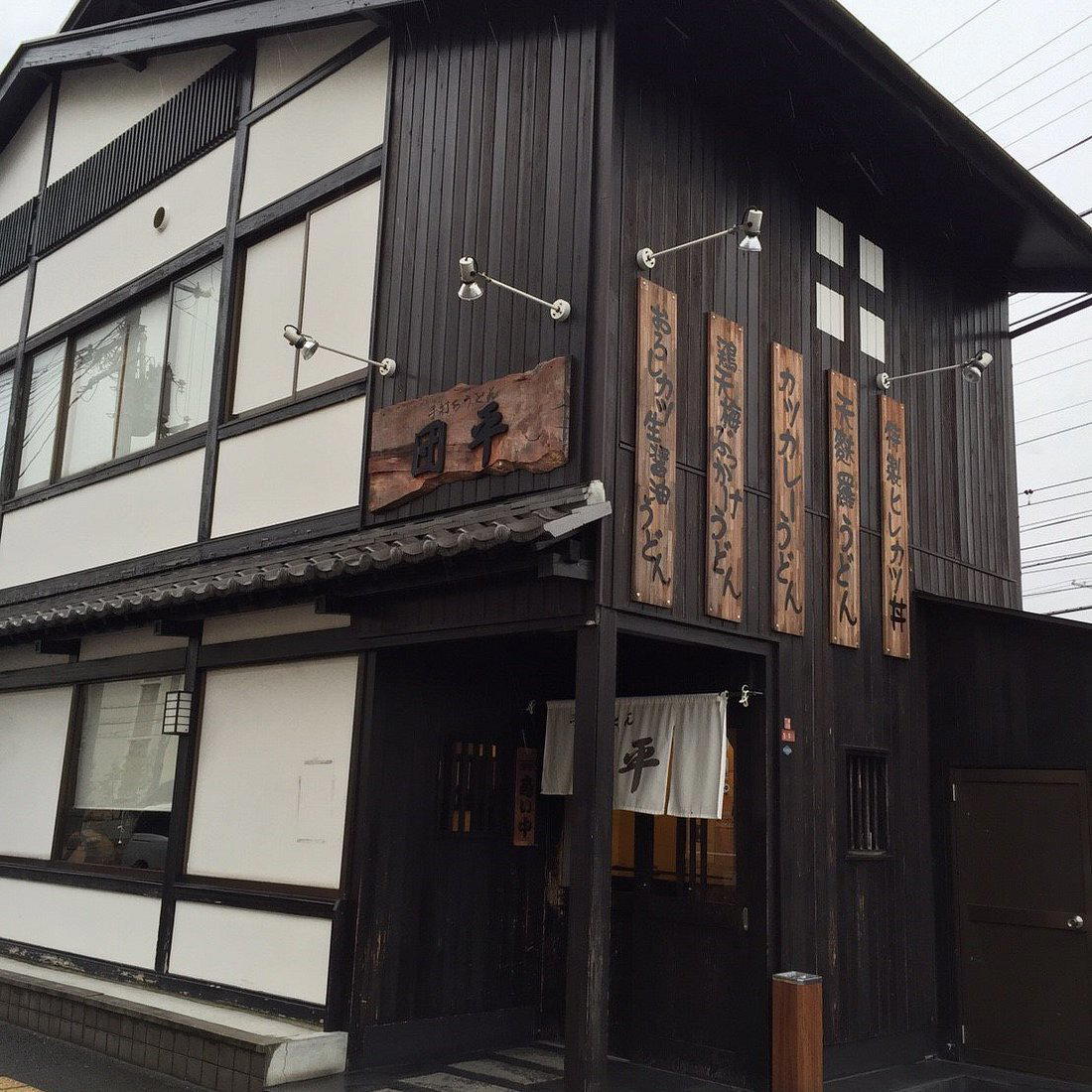
The approach to a suburban udon shop in Hirakata resets expectations before the first bowl. This is not central Osaka neon-and-counter theatre, but a house-restaurant near Goten-yama, closer to neighbourhood lunch than destination tasting menu. Kansai udon culture rewards texture, temperature, broth clarity, and timing without turning the meal into performance. Teuchi Udon Danpei fits that lane: a compact, practical room built around wheat noodles, tempura, and katsu-don rather than a chef-led narrative.
Osaka is often reduced to takoyaki, okonomiyaki, and late-night street eating, but its noodle culture runs deeper and quieter. Udon competes by handling: flour turned elastic, dashi carrying salt and umami without heaviness, fried elements used as contrast rather than excess. Selection for Tabelog Udon WEST 100 in 2024 gives Teuchi Udon Danpei a useful, category-specific credential: recognition for udon, not a generic popularity badge.
Hand-made udon in a city that treats wheat as craft, not ornament
The ingredient story starts with wheat, because udon is unforgiving. In Japan’s noodle taxonomy, ramen can let tare, fat, and toppings dominate; soba leans on buckwheat aroma and cut; udon exposes dough. Hand-made udon depends on hydration, kneading, resting, and cutting. A plain bowl can reveal priorities in chew, surface, and how the noodle holds broth. That is why this address belongs in the same Osaka conversation as Soba Kiri Tensho, Menroku menroku, Saishoku Ramen Kinsei Takatsuki honten, and Raa Menya Harinezumi, even across different noodle types. The comparison is not style-for-style sameness, but how low-priced noodle rooms turn basic ingredients into repeatable craft.
The menu points to Kansai comfort-food grammar rather than udon-only purism: udon, tempura, and katsu-don. The spread stays anchored in common Japanese staples, wheat, frying oil, egg, rice, pork, and stock, not imported luxury cues. In this price tier, the question is disciplined handling rather than rare sourcing. Tempura beside udon tests timing: fried batter fades quickly, while noodles suffer if held too long. A shop in the Tabelog Udon WEST 100 conversation is measured against that practical craft standard.
There is a regional signal too. Western Japan’s udon tradition often favors a lighter dashi register than the darker, soy-forward bowls associated with parts of eastern Japan. That contrast explains why texture and stock balance matter in Kansai. The bowl should not shout; it should keep wheat, broth, and garnish legible. Teuchi Udon Danpei is strongest read this way: a neighbourhood-style udon room judged by simple things made clear.
Why the recognition matters more than the price tag
The economics are part of the appeal. A meal in the JPY 1,000 to JPY 1,999 band places it in Osaka’s accessible dining category, closer to daily eating than special-occasion spending. That puts it near Menroku menroku and Saishoku Ramen Kinsei Takatsuki honten at a similar band, while JouEt BoIte and Raa Menya Harinezumi sit lower on listed spend. Price alone does not define quality, but in Osaka it clarifies a restaurant’s social role. Udon at this level is judged by regularity, speed, and satisfaction across repeat meals.
The Tabelog 3.73 score adds another signal, especially in Japan, where user scoring is often conservative compared with many Western review platforms. More meaningful is the combination: modest price band, category-specific WEST 100 selection, and hand-made noodles. This differs from Osaka tasting-menu restaurants, natural-wine counters, or hotel dining rooms. It belongs to the city where technique is embedded in habit.
For travelers using Our full Osaka restaurants guide, this address broadens an itinerary beyond the central-city crawl. It pairs naturally with a day built around local rail movement rather than a formal evening. Visitors comparing Osaka’s casual food culture can triangulate it against pork buns at 551 Horai (551蓬莱), bakery stops such as 52CHO-ME BAKERY, and contemporary casual rooms like 99 Pizza Napoletana Gourmet or a canto (Italian). These are not direct culinary parallels; together they show serious Osaka eating is not confined to one format.
A suburban room with counter, tables, and tatami seating
The room is practical in the way good noodle shops often are: 35 seats across counter seats, table seats, and tatami seating. Counter seats suit solo diners and quick bowls; tables and tatami make room for families and small groups. Children are welcomed, including babies, preschoolers, and school-age children, and strollers are accepted. Private rooms and private use are not part of the format, keeping the experience close to everyday dining rather than arranged hospitality.
The service pattern favors decisiveness. Reservations are unavailable, so diners should tolerate a queue or adjust timing. Evening service has a narrower menu and can be affected by noodle shortages or staffing, a reminder that hand-made noodle shops are constrained by production as much as demand. Treat the visit as a targeted meal, not a flexible late-night fallback.
Payment is cash-minded: credit cards, electronic money, and QR payments are not accepted. There is non-smoking seating and limited parking, and the address sits near Goten-yama Station on the Keihan Main Line. Those logistics make it less frictionless than a station-mall restaurant, but also why the visit reads as Osaka-area dining rather than tourist infrastructure. For a broader stay, the meal can sit alongside planning from Our full Osaka hotels guide, Our full Osaka bars guide, Our full Osaka wineries guide, and Our full Osaka experiences guide.
Readers mapping Japanese casual dining beyond Osaka can compare the same low-ceremony, ingredient-led logic with.cafe, -Grilled beef Sukiyaki- KAMAKURA TANUKIAN 鎌倉 たぬき庵 in Kamakura. 鮪と炭火焼き うお炭 秋葉原店 in Tokyo.know in Kumamoto, (Shoku) Vietnam in Kawasaki, [Curry Senmon Ten] Maruyama Kyoju. in Sapporo, and [ki:] in Kyoto. For Japanese foodways abroad, Jōdo Saké Bar in Los Angeles and Onigiri Time in Pasadena show how context changes once everyday staples leave Japan.
The editorial case is narrow and clear: Teuchi Udon Danpei is for travelers who want Osaka’s food culture at the level of wheat, broth, frying, and neighborhood use. It is not a luxury detour. It reminds us that Kansai dining often makes its strongest argument through ordinary ingredients handled with care.
In Context: Similar Options
Comparable venues by cuisine and price in the same metro.
| Venue | Cuisine | Price | Notes |
|---|---|---|---|
| Teuchi Udon DanpeiThis venue — the venue you are viewing | Hand-made Udon & Tempura | $ | Not listed |
| Umaiya Takoyaki | Traditional Osaka Takoyaki | $ | Tenma |
| Osaka Naniwaya | Japanese taiyaki & kakigori sweets shop | $ | Kita |
| Menya Seiryu | Ramen & Tsukemen Shop | $ | Nagase |
| Menya Issou | Japanese Ramen Shop | $ | Yao |
| Kamaage Udon Ikki | Udon noodle shop | $ | Nishinari |
Recognition history
Dated appearances from independent guides and award organizations, with the underlying list record or original source where available.
Tabelog 100 #47 · No. 47
Tabelog · Tabelog 100 - Udon - WEST - 2024
Continue exploring
More in Osaka
Restaurants in Osaka
Browse all →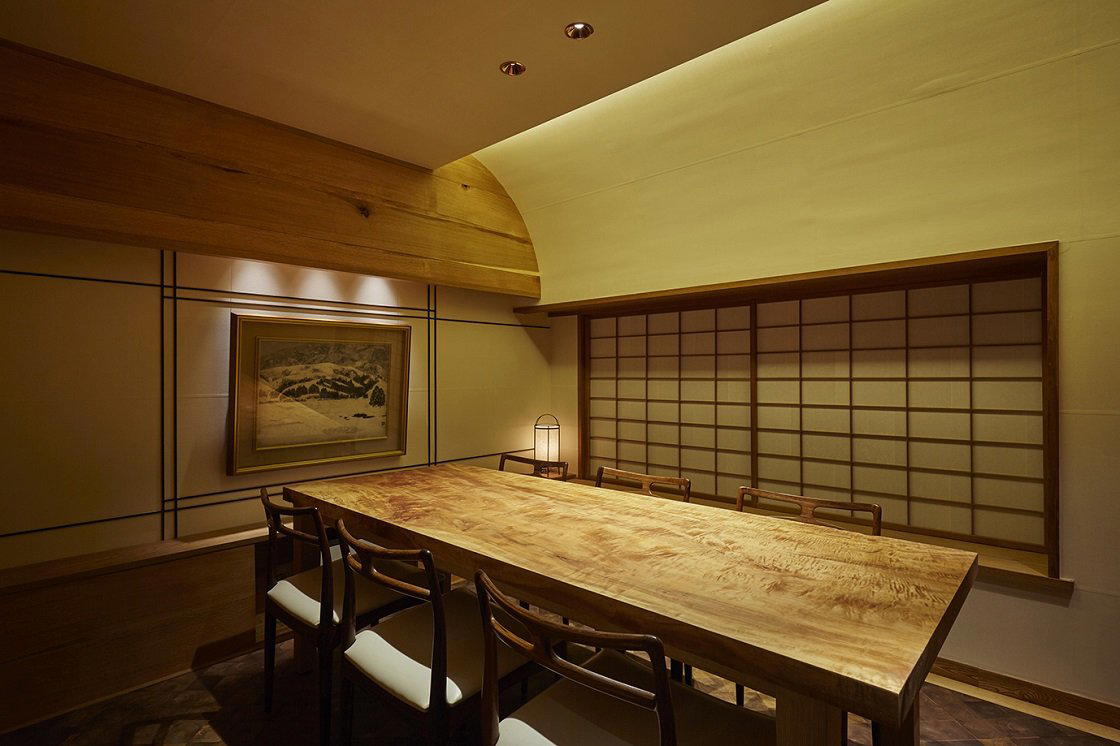


Bars in Osaka
Browse all →



Hotels in Osaka
Browse all →

Wineries in Osaka
Browse all →
At a Glance
- Cozy
- Lively
- Classic
- Family
- Casual Hangout
- Group Dining
- Solo
- After Work
- Standalone
Casual and bustling udon shop atmosphere with a mix of counter, table, and tatami mat seating in a house-like space, suited to families and friends rather than formal dining.