Few food counters in Osaka carry the cultural weight of 551 Horai, the Namba-based institution that has defined the city's shumai and butaman standards since the postwar era. Located in the Ebisubasho shopping arcade in Chuo-ku, it operates as a reference point for Osaka's down-to-earth, flavour-forward food culture rather than as a fine-dining destination. For visitors mapping the city's eating character, it belongs in the same conversation as the neighbourhood's broader culinary identity.
Pearl is the En Primeur Club membership app — saves, bookings, and concierge access live there. Same editors, same standards.
- Address
- 中央区難波3-6-3 (戎橋筋商店街), 大阪市, 大阪府, 542-0076
- Directions
- Get directions
 Saves & bookings on Pearl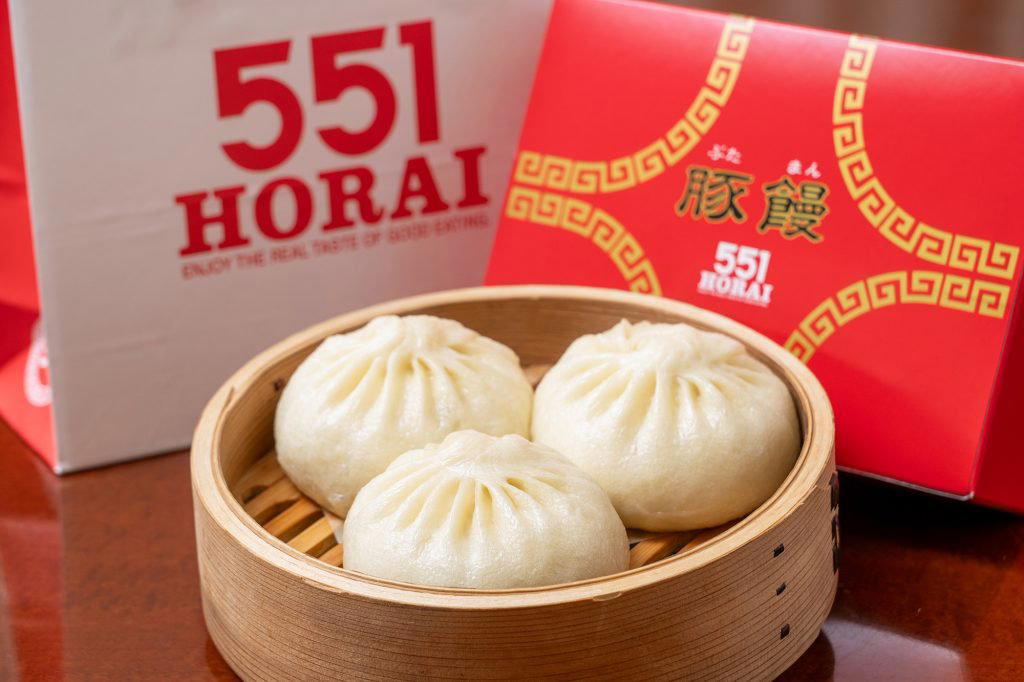
Namba's Benchmark for Everyday Osaka Food Culture
Approach the Ebisubashi-suji shopping arcade in Namba on almost any afternoon and you will find a queue forming outside the ground-floor counter of 551 Horai. The steam rising from the display cases is visible before the signage is, and the line of shoppers holding warm paper bags makes the venue's function immediately clear: this is not a destination for contemplation, but for acquisition. The format is fast, the transaction is direct, and the product is what draws people back across decades. In a city that treats eating as a practical pleasure rather than a performance, that is exactly the point.
What Osaka's Food Culture Actually Values
Osaka has long operated on a principle its residents describe as kuidaore, a colloquial phrase suggesting you eat until you are ruined financially but satisfied completely. The city's food identity is not built primarily around kaiseki precision or Michelin theatre, even though it hosts serious practitioners of both. Venues like Taian and Kashiwaya Osaka Senriyama represent one end of that spectrum, and HAJIME and Fujiya 1935 represent another. But the city's everyday eating culture runs on something older and less mediated: the kind of product that a working neighbourhood trusts without needing a review to confirm it.
551 Horai occupies that position. Its butaman, a steamed pork bun with origins in Chinese baozi tradition, has become so embedded in Osaka food identity that the brand functions as a local shorthand. Residents debate whether to eat them on the premises or carry them home in the insulated bags that have become something of an Osaka travel ritual. The shumai, steamed pork dumplings shaped by the same Chinese-Japanese culinary exchange that defined much of Kansai's working-class food history, run on a similar logic: consistent, direct, produced in volume without sacrificing the qualities that made them worth seeking out in the first place.
The Chinese-Japanese Culinary Exchange That Built This Category
The steamed bun as a food category arrived in Japan through Chinese immigrant communities, particularly in port cities where trade and cultural exchange ran in both directions. Osaka's postwar food economy absorbed these influences pragmatically, adapting preparations to local palates and integrating them into the city's snack and takeaway culture without extensive ceremony. The butaman that 551 Horai sells today sits within that lineage, distinguished from Yokohama's Chinatown versions and from Kyoto's more restrained interpretations by a seasoning profile and dough texture calibrated specifically to Osaka preference.
This is not a minor distinction. Across Japan, the same category of steamed bun varies meaningfully by region, shaped by local ingredient availability, climatic preference, and the specific communities that first produced them. Osaka's version tends toward a sweeter, more yielding dough with a filling that leans on pork fat and a lighter spice hand than its Chinese antecedents. 551 Horai did not invent this local style, but it has served as its most consistent commercial expression for the better part of eight decades.
For visitors already exploring Kansai's broader food geography, including Gion Sasaki in Kyoto or akordu in Nara, a stop at 551 Horai provides a grounding reference point for how the region's everyday food culture contrasts with its refined dining tier.
A Postwar Institution That Became a Cultural Reference
551 Horai was founded in 1945, placing it in the cohort of Osaka businesses that rebuilt the city's commercial identity in the immediate postwar period. That founding date matters because it connects the brand to a specific moment in Japanese urban food history: a time when practical, affordable, flavour-forward eating was not a positioning strategy but a survival condition. The businesses that endured from that period did so because their products were genuinely worth returning to, not because they benefited from a media cycle or a social media moment.
The venue now operates multiple locations across Osaka and the surrounding region, but the Namba flagship on the Ebisubashi-suji remains the reference point. It functions less as a single restaurant and more as a civic institution: a place that locals bring visitors to as a form of city introduction, and that visitors often identify as one of the more honest encounters with Osaka's food character available without a reservation or a significant expenditure.
The city's fine-dining tier includes serious French practitioners like La Cime, while its everyday food culture runs on exactly the kind of high-volume, high-consistency operation that 551 Horai represents.
How It Compares Across Japan's Dumpling and Bun Culture
Japan's dumpling and steamed bun category is competitive in ways that outsiders sometimes underestimate. Tokyo's dining scene has its own gyoza and bun traditions, and regional producers across the country from Fukuoka to Sapporo maintain distinct local styles. What distinguishes the Osaka version is its integration into the city's retail and transit culture: 551 Horai products are sold at takeaway counters positioned for commuters and shoppers rather than sit-down diners, reinforcing the idea that this is food designed for the city's rhythm rather than for a set-aside dining occasion.
The comparison is instructive. At the premium end of the Japanese dining spectrum, venues like Le Bernardin in New York City or Atomix operate on the logic of scarcity, craft, and controlled access. 551 Horai operates on the opposite logic: volume, accessibility, and the kind of consistency that only comes from producing the same product at scale for decades. Both models represent a form of excellence within their own terms. Neither is a lesser version of the other.
Planning a Visit
The Namba location on Ebisubashi-suji, in Chuo-ku at the address 中央区難波3-6-3, is accessible on foot from Namba Station and sits within the covered shopping arcade that runs between Namba and Shinsaibashi. Queues are common during peak shopping hours and on weekends; arriving mid-morning or in the early afternoon on a weekday typically means a shorter wait. Products are sold hot at the counter for immediate consumption or packaged for takeaway. Walk-in access is the norm. Those planning wider Kansai itineraries may also want to factor in regional producers further afield or the broader network of Sakai-area venues as part of a longer food-focused trip through the region.
A Pricing-First Comparison
Comparable venues nearby, for context on price, style, and recognition.
| Venue | Cuisine | Price | Notes |
|---|---|---|---|
| 551 Horai (551蓬莱)This venue — the venue you are viewing | Not listed | $ | Not listed |
| Fukushima Koto | Kita, Cantonese Chinese | $$ | Not listed |
| Suigyoza no Mise Harbin | Not listed | $$ | Ibaraki, Traditional Chinese dumpling house |
| Manpuku Bakery | Not listed | $ | Chūō, Japanese Neighborhood Bakery & Sandwich Shop |
| Columbia8 Kitahama honten | Chūō, Osaka spice curry counter | $ | Not listed |
| Mendokoro Amakawa | Nishi, Ramen | $ | Not listed |
Continue exploring
More in Osaka
Restaurants in Osaka
Browse all →




Bars in Osaka
Browse all →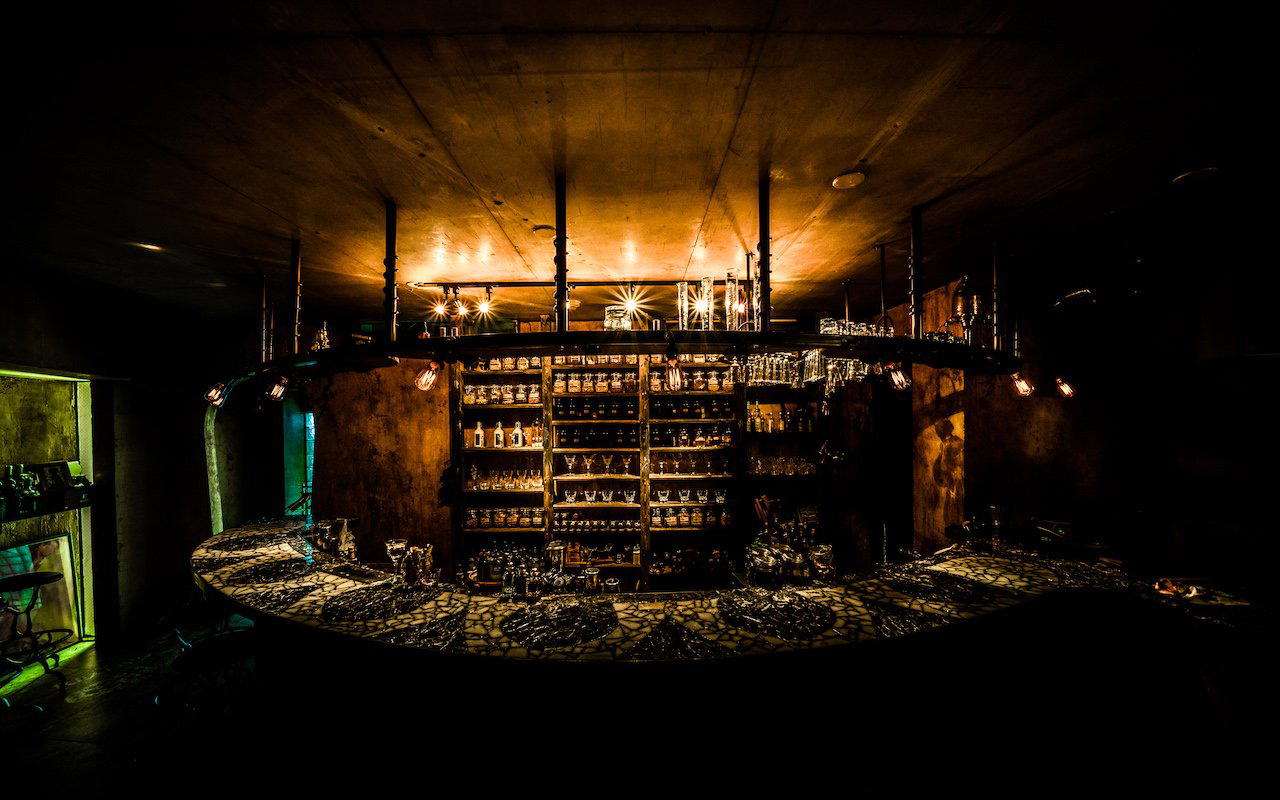


Hotels in Osaka
Browse all →




Wineries in Osaka
Browse all →
At a Glance
- Well Known
- Lively
- Casual
- Casual Hangout
- Solo
- Family
- Group Dining
Casual, bustling takeout-focused environment with frequent queues; some locations feature dine-in areas with simple, no-frills seating.