
A six-seat ramen counter in Fuchu places Tokyo’s outer-west noodle culture under a sharper lens: small-format, queue-driven, and serious without drifting into luxury pricing. Teuchi Kage Hinata opened in 2024 and was selected for Tabelog Ramen TOKYO “Tabelog 100” in 2024 and 2025, making it a concise case study in how quickly a handmade-noodle shop can enter the city’s ramen conversation.
Pearl is the En Primeur Club membership app — saves, bookings, and concierge access live there. Same editors, same standards.
- Address
- 東京都府中市美好町3-9-10
- Website
- tabelog.com
 Saves & bookings on Pearl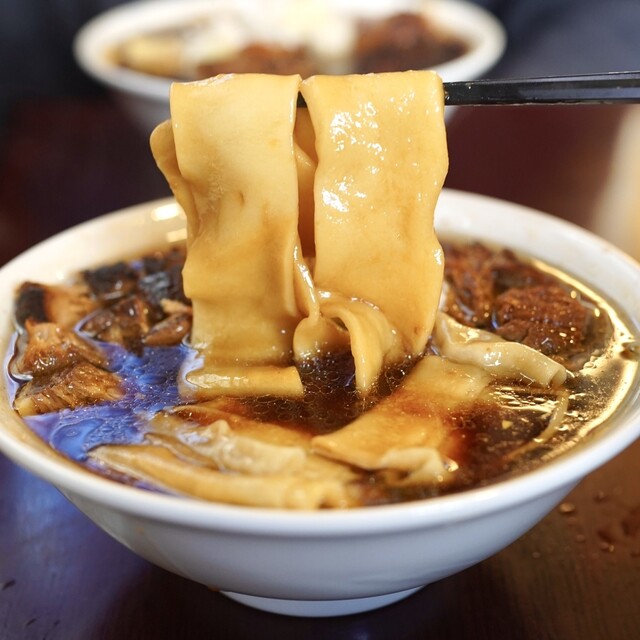
Approach the ramen culture of western Tokyo and the scale changes quickly. The city’s central stations reward speed, volume, and constant turnover; farther out, the stronger signal often comes from tiny counters, local queues, and shops that ask diners to adapt to house rules rather than the other way around. Teuchi Kage Hinata belongs to that latter Tokyo: six seats, handmade ramen, and a Fuchu address that places the meal outside the usual Ginza-Shinjuku-Roppongi orbit.
That geography matters. Ramen in Tokyo is not a single cuisine so much as a competitive language of noodles, broth, tare, toppings, queue etiquette, and neighbourhood loyalty. A small shop in Bubaigawara has to earn attention differently from a station-front chain or a late-night central Tokyo ramen bar. Selection for Tabelog Ramen TOKYO “Tabelog 100” in both 2024 and 2025 gives this address a public credential inside that crowded field, but the more interesting point is what the recognition says about current ramen culture: diners are willing to travel for craft, even when the room is compact and the format is unforgiving.
Handmade ramen in Tokyo's small-counter tradition
Handmade noodles occupy a particular place in Japanese ramen. They shift attention away from brand polish and toward texture, timing, and the relationship between noodle and broth. In a city where ramen can mean anything from pork-bone intensity to clear soy restraint, a hand-worked noodle program changes the rhythm of the bowl. It also changes the economics of the room. Small counters do not hide labour behind scale; they make production visible through scarcity.
Teuchi Kage Hinata’s format is a useful example of that modern Tokyo tension. The meal sits in the everyday ramen price band rather than the tasting-menu economy, yet the capacity is closer to a specialist counter than a casual canteen. Six seats, divided between counter seating and a table for two, compress the experience into a short window of attention. The result is not luxury in the conventional sense. It is concentration: fewer seats, fewer distractions, and a dining rhythm built around a single category.
Tokyo’s ramen audience has become fluent in these distinctions. A bowl priced alongside peers such as Chuka Soba Hirai or Medika Soba Kingyo may compete on the same everyday spend, but format and location change the decision. Central convenience is not the point here. The point is the specialist end of ramen culture, where a small shop can carry enough credibility to pull diners west of the central wards.
Fuchu gives the bowl a different kind of context
Fuchu is not a shorthand for tourist dining. That is precisely why it is useful to serious ramen readers. The western suburbs and satellite cities around Tokyo often produce a more local style of demand: regulars, railway-dependent visits, and queues that form around practical constraints rather than spectacle. Bubaigawara station anchors the trip, and the shop’s distance from the station keeps the visit in the realm of intentional dining rather than opportunistic snacking.
The house rules sharpen that context. Queue management is explicit, with the line divided between the storefront and a nearby sidewalk once numbers exceed the space in front. Photography is limited to the products, payment is cash-based with coins of 50 yen or more requested, and diners are asked to return dishes. These are not decorative customs. They are the operating grammar of a tiny ramen shop: move cleanly, respect the queue, and understand that a limited room depends on cooperation.
The shop opened in 2024, which makes its appearance on the 2024 and 2025 Tabelog Ramen TOKYO “Tabelog 100” lists especially telling. Tokyo ramen does not lack incumbents. Recognition arriving this quickly suggests that the market remains open to new, tightly focused specialists when the format is disciplined enough to register beyond the neighbourhood.
How to place it in a Tokyo eating itinerary
This is not the ramen stop to bolt onto an overpacked central Tokyo day. Its value lies in choosing a specific food errand and accepting the logistics that come with a small room. Diners building a broader Tokyo plan should treat it as a western-side anchor, not a casual add-on between museum stops and hotel check-in. For a wider city scan, Our full Tokyo restaurants guide is the better planning layer, while Our full Tokyo hotels guide, Our full Tokyo bars guide, Our full Tokyo wineries guide, and Our full Tokyo experiences guide help separate food-led days from drinking, lodging, and cultural planning.
Within Tokyo, the comparison is less about direct menu overlap than about how specialist addresses shape a day.. 鮪と炭火焼き うお炭 秋葉原店 and 12/10 Shinjuku ten sit in denser urban circuits, while 124. KAGURAZAKA (Yakitori) speaks to a more neighbourhood-specific evening format. 2D Cafe and 3 Chome no Curry Ya San show how single-theme Tokyo venues can become destinations without resembling formal dining rooms.
Across Japan and beyond, the same lesson travels well: category focus matters. A sukiyaki address such as -Grilled beef Sukiyaki- KAMAKURA TANUKIAN 鎌倉 たぬき庵 in Kamakura, a cafe like.cafe in Osaka, or a regional modern table such as.know in Kumamoto all require different expectations. The same goes for (Shoku) Vietnam in Kawasaki, [Curry Senmon Ten] Maruyama Kyoju. in Sapporo, and [ki:] in Kyoto. Even overseas Japanese-leaning formats such as Jōdo Saké Bar in Los Angeles and Onigiri Time in Pasadena underline the point: the smarter itinerary starts with format, then decides whether the trip fits.
Teuchi Kage Hinata is strongest for diners who understand ramen as craft and culture rather than a quick fuel stop. The case for going is not built on theatre. It rests on a small handmade-noodle format, a western Tokyo location, and consecutive Tabelog Ramen TOKYO “Tabelog 100” selections that place a young shop inside one of the city’s toughest everyday-food categories.
Credentials Lens
Comparable venues at the same tier.
| Venue | Cuisine | Price | Notes |
|---|---|---|---|
| Teuchi Kage HinataThis venue — the venue you are viewing | Handmade Thick-Noodle Ramen | $ | Not listed |
| Kitchen Nankai (キッチン南海) | Classic Yoshoku Katsu Curry | $ | Jimbocho |
| Umemura | Japanese Soul Food | $ | Koto |
| Udon Stand Gozu | Casual Udon Stand | $ | Musashino |
| Takahashi no Saka Manju | Japanese traditional sweets (saka manju specialty) | $ | Suginami |
| TRASPARENTE Gakugei daigaku ten | Japanese Bakery-Cafe | $ | Meguro |
Recognition history
Dated appearances from independent guides and award organizations, with the underlying list record or original source where available.
Tabelog 100 #31 · No. 31
Tabelog · Tabelog 100 - Ramen - TOKYO - 2025
Continue exploring
More in Tokyo
Restaurants in Tokyo
Browse all →



Bars in Tokyo
Browse all →



Hotels in Tokyo
Browse all →




Wineries in Tokyo
Browse all →
At a Glance
- Lively
- Cozy
- Intimate
- Solo
- Casual Hangout
- After Work
- Chefs Counter
- Standalone
Small, non-smoking neighborhood ramen shop with only six seats, an energetic queue outside, and a direct counter-focused interior that emphasizes the steaming bowls over décor.