Our verdict
Located on the ground floor of the Southwest Grand Hotel in Naha's Kumoji district, Teppanyaki Matsuo puts the theatrical iron griddle tradition at the centre of an Okinawan dining evening. The teppanyaki format, with its live cooking and tableside heat, positions this as a structured, occasion-oriented choice within a city that balances Ryukyuan culinary heritage with Japanese mainland cooking styles.

Pearl is the En Primeur Club membership app, where members save venues, book tables and use the concierge.
The menu
What to order
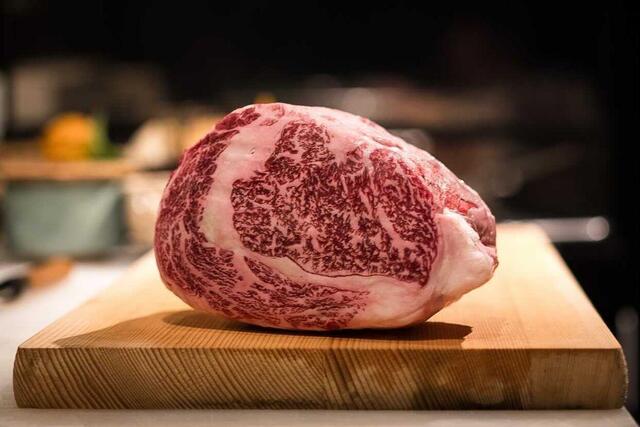
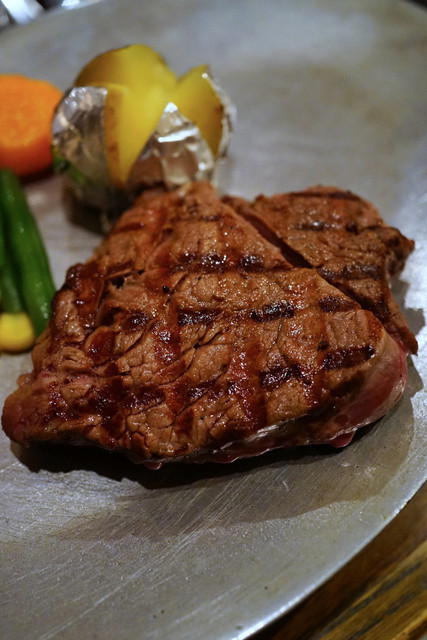
- Okinawan Wagyu filet
- Tiger prawns
- Cuba spiny lobster
The Iron Griddle as Theatre: Teppanyaki in Okinawa's Capital
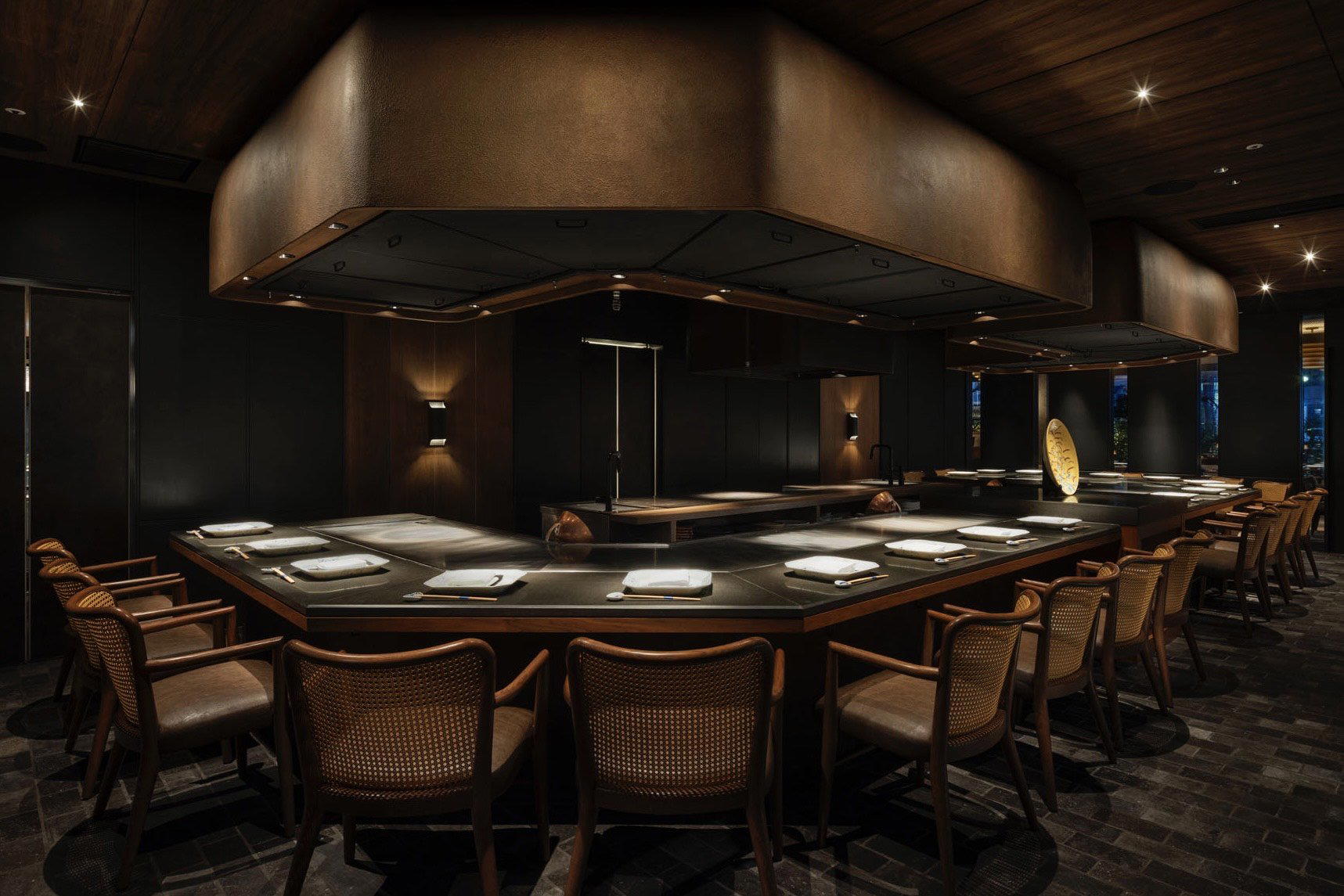
Walk into any serious teppanyaki dining room in Japan and the geometry is immediately legible: a wide, flat iron griddle bisects the space, seating arranged around it in a horseshoe or straight counter, the chef working in full view. There is no hidden kitchen. The mise en place is visible, the timing is public, and the heat radiates outward to every seat. This format, which spread from Kobe-style steak houses into a nationally recognised dining category in the postwar decades, carries a particular weight in Okinawa, where the relationship between premium beef cookery and occasion dining has followed its own arc.
Teppanyaki Matsuo occupies the ground floor of the Southwest Grand Hotel in Naha's Kumoji district, a central part of the city that sits close to the Kokusai-dori corridor without being absorbed into its tourist density. Hotel-based teppanyaki restaurants in Japan occupy a distinct category: they typically operate with a more formal service cadence than freestanding venues, draw a mixed clientele of hotel guests and locals marking occasions, and maintain consistency standards tied to property reputation. That context shapes what you should expect here before you arrive.
Where Teppanyaki Fits in Okinawa's Dining Tradition
Okinawa's food culture is layered in ways that reward attention. The island's Ryukyuan culinary heritage, built around goya (bitter melon), rafute (braised pork belly), and champuru (stir-fry) preparations, sits alongside a strong mainland Japanese dining presence and a distinct American influence left by decades of US military presence. Within that plural environment, premium teppanyaki represents a particular aspiration: controlled, technique-visible cooking using high-grade protein, positioned as an event rather than an everyday meal.
Naha's restaurant scene in this tier includes a range of options. Miyazaki Beef Specialty Restaurant Naha Miyachiku targets premium wagyu from one of Kyushu's most decorated beef prefectures, while YOROKOBI and Izumi represent different approaches to formal Japanese dining in the city. The teppanyaki format at Matsuo sits within that premium-occasion tier, differentiated by its cooking method rather than by protein sourcing alone. For context on how the broader Naha scene is structured across cuisine types and price points, see our full Naha restaurants guide.
Compared to kaiseki traditions represented by venues like Gion Sasaki in Kyoto or the hyper-technical omakase format of Harutaka in Tokyo, teppanyaki occupies a different register: more interactive, more visually immediate, and less dependent on the reader decoding a sequence of small courses. The format has broad accessibility precisely because the cooking is visible and the structure is transparent. That quality makes hotel-based teppanyaki a sound choice for groups with mixed dining preferences or travellers less familiar with Japan's more codified omakase or kaiseki formats.
The Format and What It Demands of the Chef
Teppanyaki cooking looks direct from the seat, but skilled griddle work involves managing multiple proteins and vegetables at different temperatures simultaneously on a surface that holds and distributes heat differently across its zones. The leading teppanyaki chefs in Japan develop an almost proprioceptive relationship with the griddle, reading its surface by colour and sound. Nationally, this craft has been refined at flagship teppanyaki restaurants connected to properties like those operated by hotel groups across Osaka, Tokyo, and Kyoto, where the format became codified into sequences of seafood, steak, and seasonal vegetables with palate-cleansing intervals.
For a point of comparison outside Japan, the kind of technique-visible fine dining that venues like Le Bernardin in New York City or Atomix in New York City represent, where every element of preparation has been refined over years of institutional discipline, finds a Japanese analogue in the top tier of the teppanyaki tradition. The formats are entirely different, but the underlying logic of cooking as demonstration of precision is shared.
Within Japan's teppanyaki tier, venues like HAJIME in Osaka and Goh in Fukuoka represent how Michelin recognition has shaped expectations at the top of Japanese fine dining more broadly, raising the bar for technical performance and produce sourcing across categories. Teppanyaki venues at hotel level in secondary cities like Naha operate in a more pragmatic register, but the craft expectations that define the format are the same.
Naha as a Dining Destination
Naha is a city that tends to get approached as a gateway to Okinawa's beaches and marine parks rather than as a dining destination in its own right. That positioning undersells it. The city's concentration of izakayas, Ryukyuan specialist restaurants, and hotel dining rooms gives it a genuine range, and the presence of distinct local ingredients, Okinawan sea salt, island tofu, awamori spirit, means that even non-Ryukyuan cooking formats here often carry a local inflection.
Beyond teppanyaki and wagyu, Naha has a developing Italian presence, with オステリア ドゥエ among the city's European-cuisine options, while 島cuisine あーすん represents the island-produce-focused cooking that gives Okinawan dining its most distinctive local character. For broader reference points in Japan's hotel and regional dining tier, Bistro Ange in Toyohashi, Birdland in Sakai, and akordu in Nara each illustrate how regional Japanese cities are building credible fine and premium-casual dining identities outside the major metropolitan centres. In Okinawa's prefecture, Blue Ocean Steak in Nakagami District offers a further reference point for premium steak dining outside central Naha.
Planning a Visit
Teppanyaki Matsuo is located at the Southwest Grand Hotel, Kumoji 3-chome-29-52, Naha, Okinawa 900-0015. As a hotel-based restaurant, it is accessible to both guests and independent diners, and the Kumoji location places it within reach of central Naha's main transport and accommodation corridor. Hotel restaurants at this level in Japan typically accept reservations through the front desk or a dedicated restaurant line.
FAQ
- Is Teppanyaki Matsuo a family-friendly restaurant?
- Hotel teppanyaki restaurants in Naha generally accommodate families, and the griddle-theatre format tends to hold the attention of younger diners; however, pricing at premium teppanyaki venues can be significant, so confirming the current menu and pricing structure before booking with children is advisable.
- What should I expect atmosphere-wise at Teppanyaki Matsuo?
- If you are arriving from a city like Tokyo or Osaka with exposure to dedicated teppanyaki counters, expect a hotel dining room register: the theatrical griddle format is present, but the setting is hotel-formal rather than chef-counter intimate. In the absence of published awards or pricing data the Southwest Grand Hotel context signals a mid-to-upper occasion dining positioning within Naha's market.
- What is the signature dish at Teppanyaki Matsuo?
- No specific signature dishes are published. Teppanyaki menus across Japan typically anchor around premium beef, with supporting courses of seafood and seasonal vegetables cooked on the iron griddle; what protein sourcing and seasonal variation Matsuo applies is best confirmed directly with the restaurant, where the chef's current focus will reflect both market availability and property standards.
- Does Teppanyaki Matsuo's location in Okinawa influence its menu compared to mainland teppanyaki restaurants?
- Okinawa's distinct agricultural and marine produce, including island-grown vegetables, local seafood from surrounding waters, and ingredients that rarely appear on mainland menus, create conditions for teppanyaki chefs in the prefecture to work with a different palette than their counterparts in Tokyo or Osaka. Whether Matsuo incorporates Ryukyuan or Okinawan-sourced ingredients into its teppanyaki sequences is a question worth raising when booking, as this kind of local inflection is one of the more compelling reasons to seek out the format in a regional city rather than a metropolitan one. For broader context on Okinawan produce-driven dining, 島cuisine あーすん provides a reference point for how island ingredients are being used at the local specialist level.
Frequently asked questions
Is Teppanyaki Matsuo a family-friendly restaurant?
The teppanyaki format, where a chef cooks in full view across a shared iron griddle, tends to hold the attention of younger diners in a way that conventional table-service restaurants do not. The Southwest Grand Hotel location in Kumoji, Naha gives the venue a structured, hotel-restaurant setting that typically supports families better than tight counter-only operations. That said, teppanyaki dining rooms generally run at a deliberate pace, so very young children may find the course length challenging.
What should I expect atmosphere-wise at Teppanyaki Matsuo?
Teppanyaki Matsuo sits on the ground floor of the Southwest Grand Hotel in Kumoji, Naha, which sets a composed, hotel-dining tone rather than an izakaya-style buzz. The iron griddle counter creates a focal point: the cooking is the theatre, and conversation tends to orient around what the chef is doing in front of you. Expect a quieter, more deliberate pace than Naha's street-level dining scene.
Is Teppanyaki Matsuo a good option for a teppanyaki dinner in Naha when staying near Kokusai Street?
Teppanyaki Matsuo is based at the Southwest Grand Hotel in Kumoji, Naha, the same district that runs adjacent to Kokusai Street, making it a practical option for visitors already in that part of the city. Hotel-based teppanyaki restaurants in Japan tend to offer more consistent reservation access than standalone counters that book weeks in advance. Naha has limited dedicated teppanyaki options compared to Osaka or Tokyo, which adds weight to Matsuo's position as one of the available griddle-counter choices in the capital.
What's the signature dish at Teppanyaki Matsuo?
What defines the format across serious teppanyaki rooms in Japan is the live griddle preparation of premium proteins, typically high-grade beef, seafood, and seasonal vegetables, cooked to order in front of seated guests. The craft lies in temperature control across the flat iron surface, which separates skilled teppanyaki from simple grilled meat.
Price Lens
Comparable venues nearby, for context on price, style, and recognition.
| Venue | Cuisine | Price | Awards | Notes |
|---|---|---|---|---|
| Teppanyaki MatsuoThis venue (the venue you are viewing) | Teppanyaki Steakhouse | $50–100 | Not listed | Not listed |
| YOROKOBI | Okinawan Shabu-Shabu | $50–100 | Not listed | Makishi, Okinawan Shabu-Shabu |
| Aso | Traditional Japanese fish-focused teishoku cafeteria | $30–50 | Tabelog 100 #64 | Matsuyama, Traditional Japanese fish-focused teishoku cafeteria |
| Shunsai Dokoro Biidoro | Seasonal Okinawan Izakaya | Not listed | Tabelog 100 #72 | Makishi, Seasonal Okinawan Izakaya |
| Teppanyaki Sawafuji | Teppanyaki & Ishigaki Beef Steak | $50–100 | Tabelog 100 #49 | Kumoji, Teppanyaki & Ishigaki Beef Steak |
| Heki Kokusai dori matsuo ten | Okinawan Wagyu Teppanyaki Steakhouse | $50–100 | Tabelog 100 #67 | Kokusai Dori / Matsuo, Okinawan Wagyu Teppanyaki Steakhouse |
Continue exploring
More in Naha
Restaurants in Naha
All restaurants in Naha →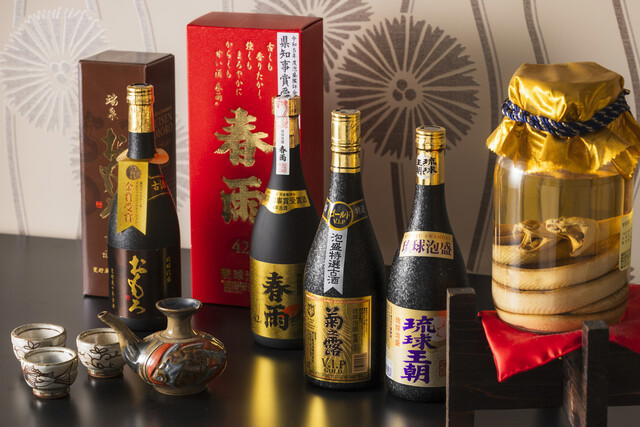
Details
- Elegant
- Serene
- Intimate
- Special Occasion
- Date Night
- Group Dining
- Chefs Counter
- Open Kitchen
- Sake Program
- Local Sourcing
- A La Carte
- Counter Dining
- Sake Program
Current opening hours
- Monday
- 11 AM–2 PM, 5–10 PM
- Tuesday
- 11 AM–2 PM, 5–10 PM
- Wednesday
- 11 AM–2 PM, 5–10 PM
- Thursday
- 11 AM–2 PM, 5–10 PM
- Friday
- 11 AM–2 PM, 5–10 PM
- Saturday
- 11 AM–2 PM, 5–10 PM
- Sunday
- 11 AM–2 PM, 5–10 PM
Hours can change for holidays and private events. Hours as of .
Serene and delicate atmosphere with all-female service in a clean, spacious setting featuring counter seating around built-in grills.