Our verdict
Located in the Tomari district of Naha, Izumi sits within a neighbourhood that reflects Okinawa's layered relationship with land, sea, and Japanese mainland culinary influence. The address places it away from Kokusai Street's tourist corridor, in a quieter residential-commercial pocket where locals eat. For visitors tracing serious dining across Japan's southern prefectures, it represents a point of access to Okinawa's ingredient-driven cooking traditions.

Pearl is the En Primeur Club membership app, where members save venues, book tables and use the concierge.
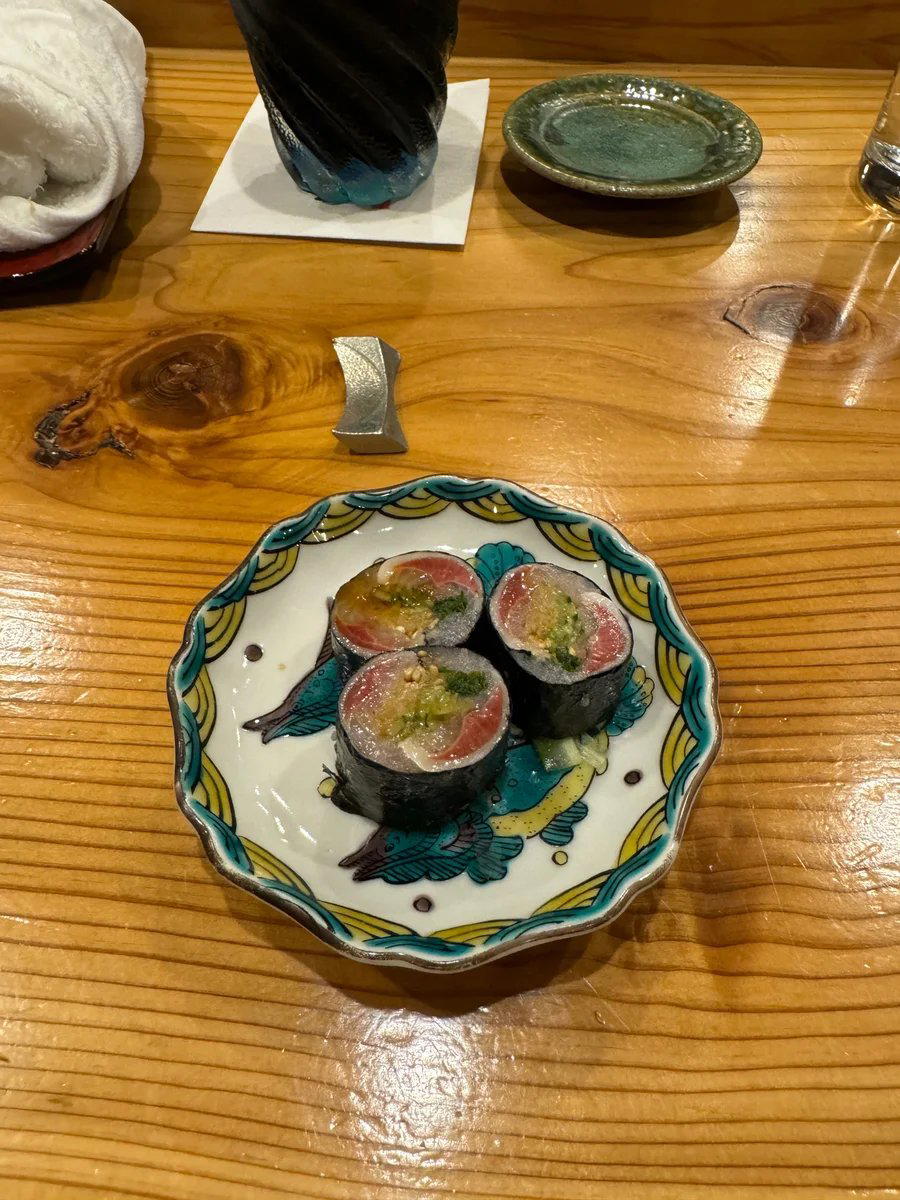
Tomari, Naha, and the Geography of Okinawan Ingredients
The approach to Tomari from central Naha takes you past the city's working port, past wholesale fish markets, and into a stretch of the city that feeds itself rather than performing for visitors. The Tomari district, at 2 Chome-1-10, sits between the tourist concentration of Kokusai Street and the quieter residential fabric that makes up most of Naha's actual daily life. Restaurants here do not depend on foot traffic from visitors arriving by monorail. They rely on reputation, repeat custom, and the quality of what they serve. That geography matters for understanding what Okinawan dining looks like when it is not dressed up for export.
Okinawa's ingredient story is genuinely distinct from mainland Japan's. The prefecture sits at a latitude closer to Taiwan than to Tokyo, and its agricultural calendar, fishing waters, and livestock traditions reflect that position. The coral-rich waters around the Ryukyu archipelago produce fish and shellfish that do not routinely appear on the counters of Harutaka in Tokyo or Gion Sasaki in Kyoto. Island vegetables, including goya (bitter melon), purple-fleshed sweet potatoes, and a range of sea vegetables specific to these waters, form a culinary vocabulary that mainland kaiseki formats rarely use as primary material. At the more serious end of Naha's dining scene, what distinguishes venues from their mainland counterparts is precisely this sourcing specificity, the capacity to draw on ingredients that have no northern equivalent.
What Okinawa's Ingredient Supply Chain Looks Like in Practice
The Tomari fish market operates as one of the key nodes in Naha's fresh seafood supply. Its proximity to the port means morning arrivals can move from boat to kitchen within hours. For restaurants in the surrounding streets, this is a structural advantage that restaurants in Osaka or Fukuoka do not share when it comes to Okinawan-specific catches. The sea around the Ryukyus yields species such as gurukun (a snapper variant recognised as Okinawa's prefectural fish), irabo (sea cucumber preparations used in traditional Ryukyuan court cuisine), and a range of reef fish that require minimal intervention to present well. The cooking traditions that developed around these ingredients over centuries in the Ryukyu Kingdom era were distinct from what was developing simultaneously on Honshu, shorter curing times, different seasoning philosophies, and a use of pork that has no real parallel in the more restrained protein traditions of Kyoto kaiseki.
Okinawa's pork culture is worth understanding in this context. The Ryukyu Kingdom's historical relationship with China introduced fermented and slow-cooked pork techniques that became structural to the local cuisine. Rafute, the soy and awamori-braised pork belly preparation, represents one of the clearest examples of this tradition reaching the present in a form that still reads as distinctly Okinawan rather than a mainland adaptation. For dining in Naha that takes ingredients seriously, pork sourcing and preparation philosophy often serve as a reliable signal of whether a kitchen is working within this tradition or simply borrowing its surface markers. Other Naha venues addressing the island's food culture from different angles include 島cuisine あーすん, which approaches Ryukyuan ingredients through an explicitly island-cooking framework, and YOROKOBI, which sits in a different register of the city's dining offer.
Naha in the Context of Japan's Regional Dining Map
Japan's serious dining conversation tends to concentrate on the Tokyo-Osaka-Kyoto axis, with Fukuoka increasingly recognised as a secondary hub. Venues like HAJIME in Osaka and Goh in Fukuoka operate within that recognised circuit. Naha sits outside it geographically and, to some extent, structurally. The city's restaurant scene is less internationally legible than those northern counterparts, in part because the ingredient traditions it draws on are less familiar to international audiences, and in part because Okinawa's culinary identity has historically been filtered through a mainland Japanese lens that compressed and simplified it. That is changing. The interest in Ryukyuan culinary heritage as a distinct tradition, separate from and predating its incorporation into the Japanese state, has grown in recent years among food professionals and informed travellers. Naha is not yet on the circuit that connects akordu in Nara or restaurants at Michelin level across Japan's main islands, but the ingredient supply and culinary vocabulary exist to support serious cooking of a kind that stands clearly alongside those reference points. For a wider survey of where Naha's dining scene is developing, our full Naha restaurants guide covers the range in more detail.
Izumi, at its Tomari address, sits within this developing context rather than outside it. The neighbourhood's practical proximity to seafood supply, its distance from the tourist-facing strip, and its position within a city that is building a more coherent serious-dining identity all frame what a visit involves. Comparable positioning can be found in how Miyazaki Beef Specialty Restaurant Naha Miyachiku approaches premium protein sourcing in Naha, or in the different register offered by Teppanyaki Matsuo and オステリア ドゥエ. Each of these addresses a different slice of what Naha's current dining offer contains. The international frame of reference expands further when you consider how ingredient-specificity drives some of the most focused kitchens globally, from Le Bernardin in New York City to Atomix, where sourcing decisions shape the entire editorial logic of a menu.
Planning a Visit
The Tomari address (2 Chome-1-10 Tomari, Naha, Okinawa 900-0012) is accessible from central Naha, with Tomari Port serving as the area's main geographic reference point. The neighbourhood is better reached by taxi or on foot from the northern end of the monorail line than by navigating the Kokusai Street corridor. For Naha dining at this address level, reservation practice is worth establishing in advance: the city's smaller, more serious restaurants often operate with limited covers and do not maintain the same reservation infrastructure as their Tokyo counterparts. The broader regional dining picture, including venues across Japan that apply comparable sourcing rigour, includes references like Blue Ocean Steak in Nakagami District, which situates Okinawan beef culture in a nearby prefectural context.
Frequently asked questions
Where do I go for Izumi?
Izumi is located at 2 Chome-1-10 Tomari, Naha, Okinawa 900-0012, Japan, Naha.
Is Izumi in Tomari worth the trip from central Naha?
The Tomari address is accessible from central Naha, with Tomari Port acting as the area's main geographic anchor. What distinguishes the trip is context: the surrounding wholesale fish markets and port infrastructure represent the actual supply chain behind Okinawan seafood, giving the neighbourhood a working-city character that the tourist centre of Naha lacks. For visitors interested in Okinawa's regional food culture beyond the standard itinerary, Tomari has genuine credentials as a destination in its own right.
What do people recommend at Izumi?
Izumi's location at 2 Chome-1-10 Tomari places it within the orbit of Naha's wholesale fish markets and working port, which shapes what arrives in the kitchen. Visitors consistently point to seafood-led dishes that reflect Okinawa's distinct ingredient supply chain rather than the styles common to the Tokyo-Osaka dining axis. Specific menu items are best confirmed directly with the venue before visiting.
Should I book Izumi in advance?
Tomari sits outside central Naha's main tourist circuit, so Izumi draws a more local and intentional crowd rather than passing foot traffic. That concentration of regulars and informed visitors means availability can tighten without much public visibility. Booking ahead is the safer approach, particularly if your travel dates are fixed.
In Context: Similar Options
Comparable venues nearby, for context on price, style, and recognition.
| Venue | Cuisine | Price | Awards | Notes |
|---|---|---|---|---|
| IzumiThis venue (the venue you are viewing) | Edo-style Sushi Omakase | $100–150 | Not listed | Not listed |
| Miyazaki Beef Specialty Restaurant Naha Miyachiku | Miyazaki Wagyu Teppanyaki | $150–200 | Not listed | Miebashi |
| Niku no Hentai Shudan Shippu Horumon Kumoji honten | Ishigaki Beef Yakiniku & Horumon | $50–100 | Tabelog 100 #91 | Kumoji |
| Aso | Traditional Japanese fish-focused teishoku cafeteria | $30–50 | Tabelog 100 #64 | Matsuyama |
| 琉球料理 美栄 | Ryukyuan Court Cuisine | $100–150 | Not listed | Kumoji (久茂地) |
| Heki Kokusai dori matsuo ten | Okinawan Wagyu Teppanyaki Steakhouse | $50–100 | Tabelog 100 #67 | Kokusai Dori / Matsuo |
Continue exploring
More in Naha
Restaurants in Naha
All restaurants in Naha →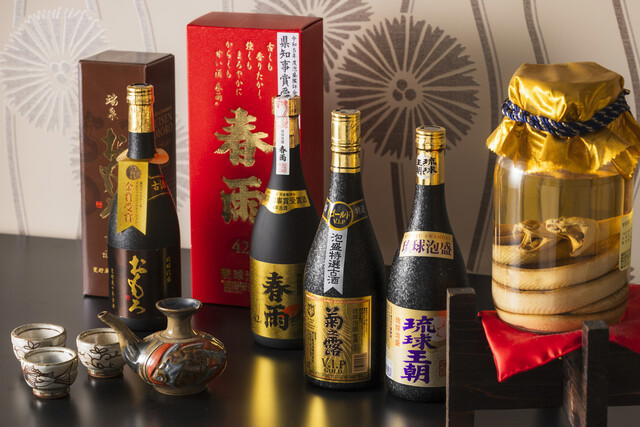

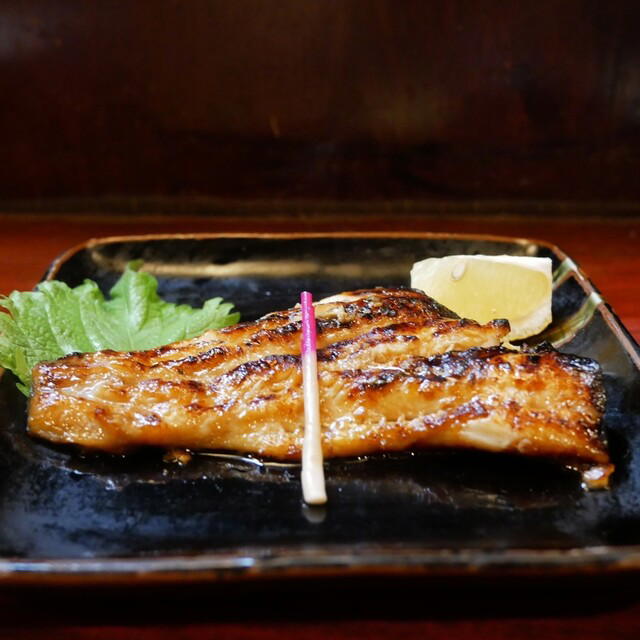
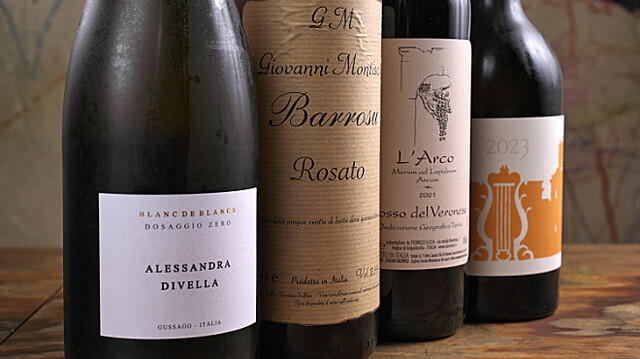

Details
- Intimate
- Sophisticated
- Date Night
- Special Occasion
- Chefs Counter
- Sake Program
- Omakase
- Counter Dining
- Sake
- Shochu
Current opening hours
- Monday
- 6–10:30 PM
- Tuesday
- Closed
- Wednesday
- 6–10:30 PM
- Thursday
- 6–10:30 PM
- Friday
- 6–10:30 PM
- Saturday
- 6–10:30 PM
- Sunday
- 6–10:30 PM
Hours can change for holidays and private events. Hours as of .
Low-profile, sharp-looking counter seating for 9 guests with focused sushi preparation atmosphere.