Our verdict
In Naha's Kumoji district, Miyachiku focuses on a single, well-defined proposition: Miyazaki beef, sourced from Miyazaki Prefecture on Kyushu and served in a format built around the qualities that have made the breed one of Japan's most decorated wagyu categories. The address places it in central Naha, accessible for visitors staying along the Kokusai-dori corridor.

Pearl is the En Primeur Club membership app, where members save venues, book tables and use the concierge.
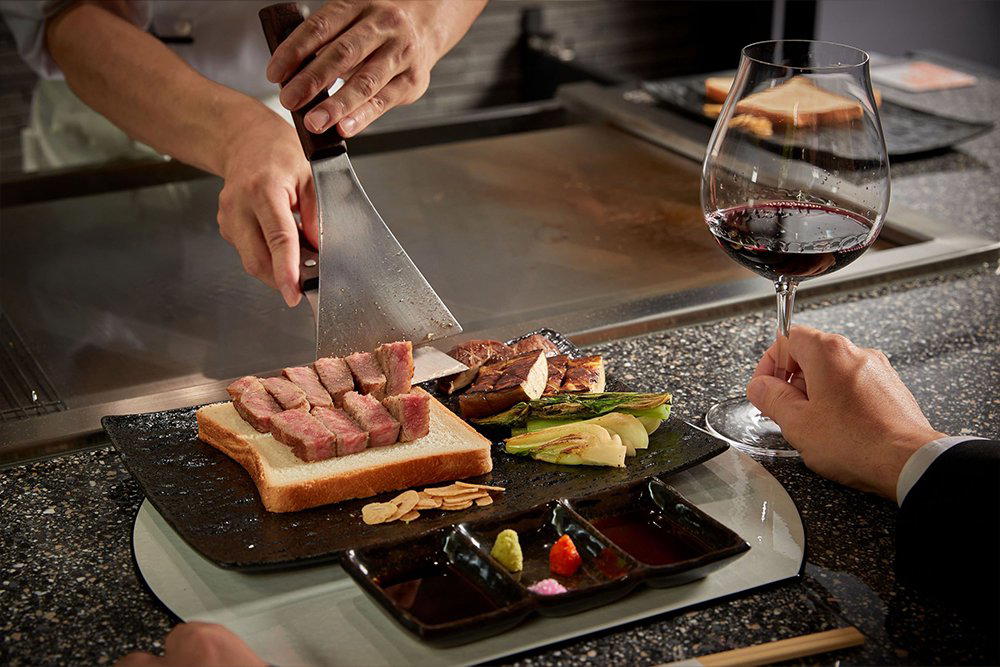
The menu
What to order
- Miyazaki Beef Chateaubriand
- Miyazaki Beef Filet Steak Rossini
- Miyazaki Beef Duo Platter
- Lobster Thermidor
Wagyu at the Periphery: What Miyazaki Beef Means in an Okinawan Context
Okinawa sits geographically and culturally at a remove from Japan's principal wagyu-producing regions. Kagoshima to the north, Miyazaki further up Kyushu's Pacific coast, and the storied Tajima cattle country of Hyogo Prefecture are all several hundred kilometers away. That distance makes the presence of a restaurant in Naha's Kumoji district dedicated specifically to Miyazaki beef worth considering on its own terms. In a city where the dominant protein traditions run toward Okinawan pork, sea-based preparations, and champuru-style stir-fries, a room organized entirely around premium Kyushu beef signals a particular kind of deliberate positioning.
Miyazaki beef has accumulated a record that places it among Japan's most consistently recognized wagyu categories. The prefecture's cattle have won the leading prize at Japan's National Wagyu Olympics, a competitive event held roughly every five years that represents the most authoritative benchmark in the domestic wagyu industry, on multiple occasions. That competition evaluates carcass quality across fat marbling, meat color, fat color, and texture, and Miyazaki's results there underpin the prefecture's premium market positioning. For a restaurant to anchor its entire identity to that single origin is a claim that works only if the supply chain holds. At Miyachiku, the name itself signals the sourcing commitment.
The Room and What Arrives at the Table
The address at Kumoji 2-chome, on the ground floor of what appears to be a mixed-use building, places Miyachiku within reach of Naha's commercial core without sitting directly on its most tourist-trafficked corridors. In Japan, this type of ground-floor specialist restaurant, focused on a single premium protein category rather than a broader kaiseki or teppanyaki format, typically operates in one of a few service modes: yakiniku (tabletop grilling), teppanyaki (iron griddle, chef-executed), or a set-course format where the beef is prepared and presented in sequence. The name does not specify a style, which means the format is best confirmed directly with the restaurant before visiting.
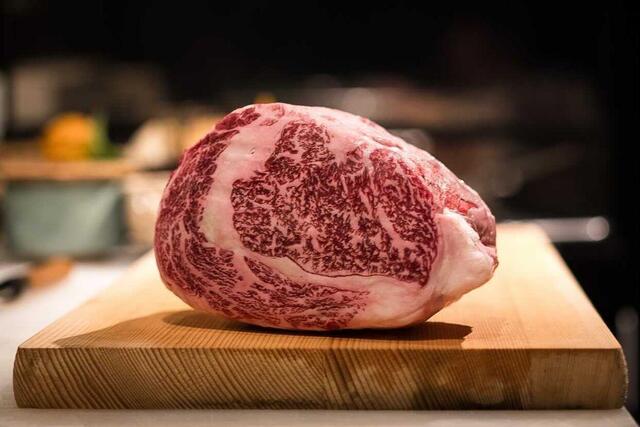
What the name does confirm is the sourcing category. Miyazaki beef, to be labeled as such, must meet the standards set by the Miyazaki Prefecture Cattle Promotion Council: the cattle must be Tajima-lineage kuroge wagyu, raised in Miyazaki Prefecture, and the carcass must achieve specific grades under Japan's beef grading system. That system scores marbling (BMS), meat color, fat color, texture, and conformation on a scale that runs from 1 to 5, with A5 representing the combination of highest yield and highest quality. Not all Miyazaki beef is A5, but the category's National Wagyu Olympics wins have been at that grade level.
Comparing Miyachiku to Naha's broader dining scene helps locate it precisely. Teppanyaki Matsuo and Izumi both operate in Naha's premium dining tier, each with a different emphasis on format and ingredient sourcing. YOROKOBI and 島cuisine あーすん take approaches that lean into Okinawan and regional Japanese frameworks, while オステリア ドゥエ works in an Italian register. Miyachiku occupies a distinct slot: a single-origin beef specialist in a city where that category is underrepresented relative to the wagyu-focused dining scenes of Tokyo, Osaka, or even Fukuoka.
Wagyu Specialization as a National Pattern
Across Japan's major cities, the premium wagyu specialist format has developed into a recognized dining category. At one end sit multi-course kaiseki restaurants that incorporate wagyu as one element among many, such as Gion Sasaki in Kyoto or HAJIME in Osaka, where the beef appears within a broader seasonal structure. At the other end are origin-specific specialists, restaurants whose entire proposition is the quality and traceability of a single beef category, often with a format, whether yakiniku, teppanyaki, or course-based sukiyaki or shabu-shabu, designed to highlight the fat structure and flavor profile of that specific cattle.
Miyachiku belongs to the second category. That specialization carries its own discipline. Miyazaki beef's fat structure, with high oleic acid content that gives kuroge wagyu its characteristic melt at relatively low temperatures, requires careful temperature management at the table or on the grill. Overcooked wagyu at this grade loses the quality that justifies the price. Whether the format here involves guest-controlled yakiniku or chef-executed teppanyaki determines how that quality is protected in service. For reference on what premium beef execution looks like in a chef-driven format elsewhere in Japan, Harutaka in Tokyo and Goh in Fukuoka both represent the precision-driven end of the Japanese fine-dining spectrum, even if their focus differs.
Across Japan's regional specialist restaurants, sourcing credentials increasingly drive reservation patterns. Places like 一本杉川島 in Nanao, 奥付山乃 in Sapporo, and 湖畔荘 in Takashima each anchor their identity to regional specificity in ways that parallel Miyachiku's single-origin approach. The pattern holds internationally, too: origin-specific sourcing has become a primary trust signal at premium restaurants from Le Bernardin in New York City to Atomix in New York City, even when the ingredient categories differ entirely.
Planning a Visit
Frequently asked questions
How do I find Miyazaki Beef Specialty Restaurant Naha Miyachiku?
Miyazaki Beef Specialty Restaurant Naha Miyachiku is located at Japan, 〒900-0015 Okinawa, Naha, Kumoji, 2 Chome−3−1 琉球放送会館 1F, Naha.
Where exactly is Miyazaki Beef Specialty Restaurant Naha Miyachiku located, and how do you get there?
Miyachiku is on the ground floor of the Matsuo Kaikan building at Kumoji 2-3-1, Naha, placing it close to the Kencho-mae monorail station on the Yui Rail line. The Kumoji area sits within Naha's commercial core, making the restaurant accessible from central hotel districts on foot or by the city's single rail line. No car is required from central Naha.
What dish is Miyazaki Beef Specialty Restaurant Naha Miyachiku famous for?
Miyachiku is built around Miyazaki beef, a Kyushu-origin wagyu recognised at a national level through repeated awards in Japan's Wagyu Olympics. The restaurant brings this specific regional product to Naha, where dedicated Miyazaki beef specialists are relatively uncommon. Preparation formats typical to this category include yakiniku, sukiyaki, and teppan-style cooking.
Is Miyazaki Beef Specialty Restaurant Naha Miyachiku reservation-only?
Wagyu specialty restaurants in Japan at this tier commonly accept reservations and often require them for evening sittings. Contacting the venue directly or checking via a local booking platform before visiting is advisable, particularly for dinner.
What has Miyazaki Beef Specialty Restaurant Naha Miyachiku built its reputation on?
Miyachiku's premise is sourcing-specific: the restaurant centres on Miyazaki beef rather than offering a general wagyu selection. Miyazaki Prefecture has won Japan's National Wagyu Competitive Exhibition, informally called the Wagyu Olympics, multiple times, making the designation a verifiable quality signal. Operating from Kumoji 2-3-1 in Naha, it positions this pedigreed product within Okinawa's restaurant scene, where premium mainland wagyu is not the default offering.
Is Miyazaki Beef Specialty Restaurant Naha Miyachiku good for vegetarians?
No. Miyachiku is a beef specialty restaurant with Miyazaki wagyu as its defining product. Vegetarian dining options are not consistent with the format. Guests with dietary restrictions of this kind should look elsewhere in Naha's Kumoji district.
Price Lens
Comparable venues nearby, for context on price, style, and recognition.
| Venue | Cuisine | Price | Awards | Notes |
|---|---|---|---|---|
| Miyazaki Beef Specialty Restaurant Naha MiyachikuThis venue (the venue you are viewing) | Miyazaki Wagyu Teppanyaki | $150–200 | Not listed | Not listed |
| Izumi | Edo-style Sushi Omakase | $100–150 | Not listed | Tomari, Edo-style Sushi Omakase |
| Teppanyaki Sawafuji | Teppanyaki & Ishigaki Beef Steak | $50–100 | Tabelog 100 #49 | Kumoji, Teppanyaki & Ishigaki Beef Steak |
| Shabushabu Kin Honten | Okinawan Agu Pork Shabu-shabu | $50–100 | Tabelog 100 #96 | Makishi, Okinawan Agu Pork Shabu-shabu |
| YOROKOBI | Okinawan Shabu-Shabu | $50–100 | Not listed | Makishi, Okinawan Shabu-Shabu |
| Shunsai Dokoro Biidoro | Seasonal Okinawan Izakaya | Not listed | Tabelog 100 #72 | Makishi, Seasonal Okinawan Izakaya |
Continue exploring
More in Naha
Restaurants in Naha
All restaurants in Naha →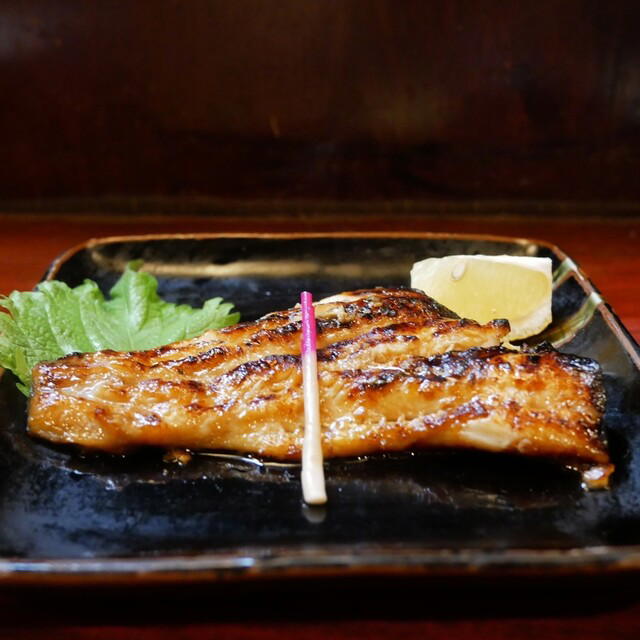
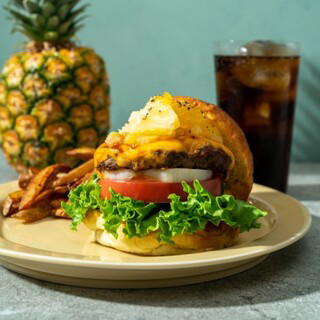
Details
- Sophisticated
- Elegant
- Special Occasion
- Date Night
- Business Dinner
- Chefs Counter
- Private Dining
- Open Kitchen
- Sake Program
- Local Sourcing
- A La Carte
- Counter Dining
Current opening hours
- Monday
- Closed
- Tuesday
- 11 AM–3 PM, 5–10 PM
- Wednesday
- 11 AM–3 PM, 5–10 PM
- Thursday
- 11 AM–3 PM, 5–10 PM
- Friday
- 11 AM–3 PM, 5–10 PM
- Saturday
- 11 AM–3 PM, 5–10 PM
- Sunday
- 11 AM–3 PM, 5–10 PM
Hours can change for holidays and private events. Hours as of .
Sophisticated interior inspired by Miyazaki's scenic landmarks like Obisugi and Takachiho-kyo, with counter seating and private teppan rooms for an elegant dining experience.