
Michelin Selected
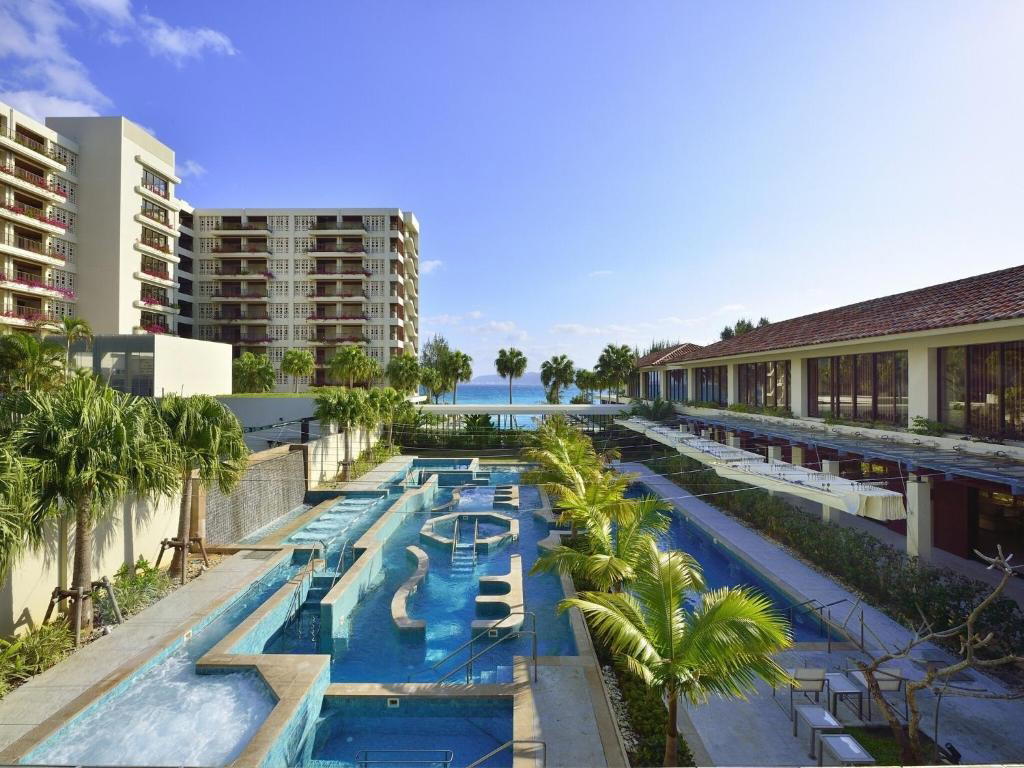
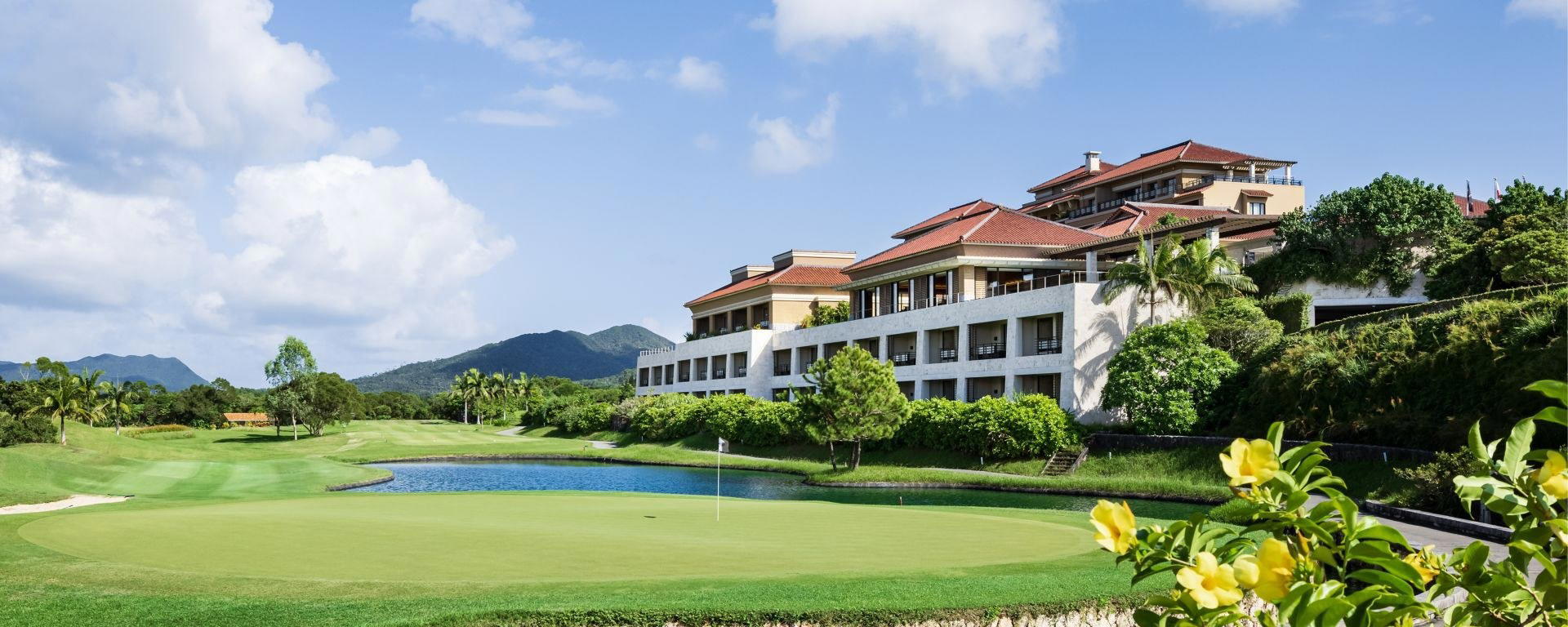
Baton Suite Okinawa - Kourijama sits on Kouri Island in Nakijin, Kunigami, selected by the Michelin Hotels guide 2025. The property occupies a position among Okinawa's smaller, design-attentive stays rather than the large resort corridor further south. Proximity to Kouri Bridge and the island's coastal character make it a considered base for the northern Okinawa region.

Pearl is the En Primeur Club membership app — saves, bookings, and concierge access live there. Same editors, same standards.
- Address
- 480-2 Kouri, Nakijin, Kunigami District, Okinawa 905-0406, Japan
- Phone
- +81 980-56-5500
- Website
- daiwaroynet.jp
- Directions
- Get directions
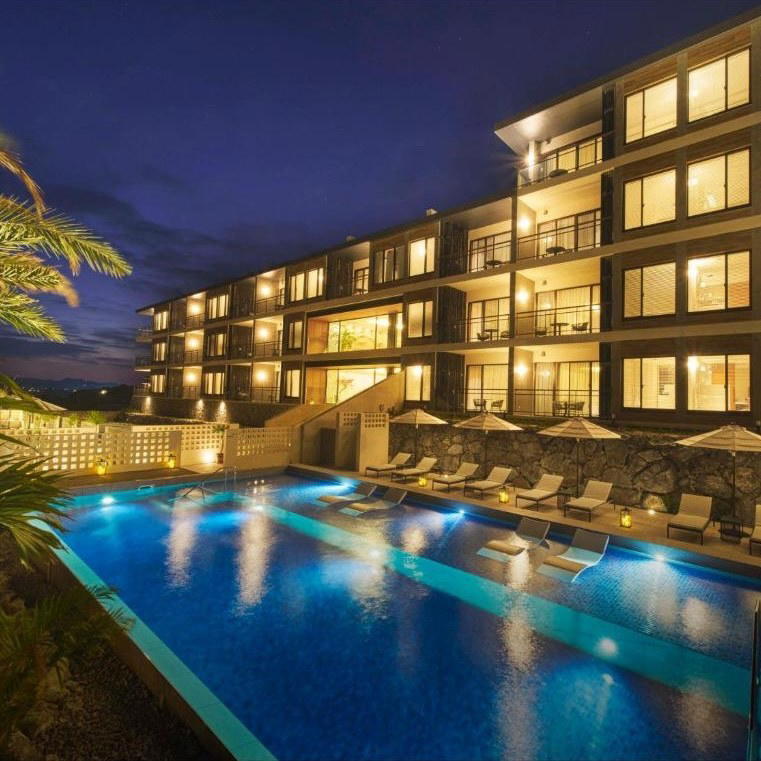
Kouri Island and the Case for Northern Okinawa
Most visitors to Okinawa arrive via Naha and move south or stay central, anchored by the resort strip around Chatan and Onna. The northern reaches of the main island, and the smaller islands accessible by causeway, represent a different proposition: fewer facilities, considerably more quiet, and a landscape defined by shallow coral waters and low-rise villages rather than hotel towers. Kouri Island, connected to Nakijin by the 1.9-kilometre Kouri Bridge, sits firmly in this northern register. Baton Suite Okinawa - Kourijama, addressed at Kouri 480-2, is one of the properties that has positioned itself within this quieter, less-trafficked tier of Okinawan hospitality.
That designation matters here because it signals a curatorial judgment about the property's overall character rather than any single department. In northern Okinawa, where Michelin-recognised accommodation is sparse compared to Kyoto or Tokyo, the selection puts Baton Suite Okinawa - Kourijama in a narrow group alongside properties like ALMIS NAKIJIN and Magachabaru Okinawa, which occupy the same Nakijin district and draw a similar profile of traveller.
The Kouri Setting: What It Means in Practice
Arriving at Kouri Island means crossing the bridge, which offers unobstructed views of the surrounding sea in both directions. The island itself is small enough that its character is immediately apparent: sugarcane fields, roadside stands selling Kouri beef and taco rice, a small beach on the north side that draws day-trippers from across the prefecture. The tourism infrastructure thins out quickly once the day visitors leave, and that rhythm shapes what a stay here actually involves. It is a location that rewards guests who have come to slow down rather than tick off activity lists.
Properties at this address on Kouri are necessarily limited in scale by the island's geography and planning character. That scale constraint aligns with a broader trend in Japanese premium accommodation, where smaller key counts and stronger site specificity have become the differentiating argument against larger branded resorts. Compare this to the large-footprint resort model visible at Halekulani Okinawa further south, and the trade-offs become clear: Kouri offers fewer amenities in exchange for genuine removal from the resort corridor.
Dining on Kouri: The Island's Food Context
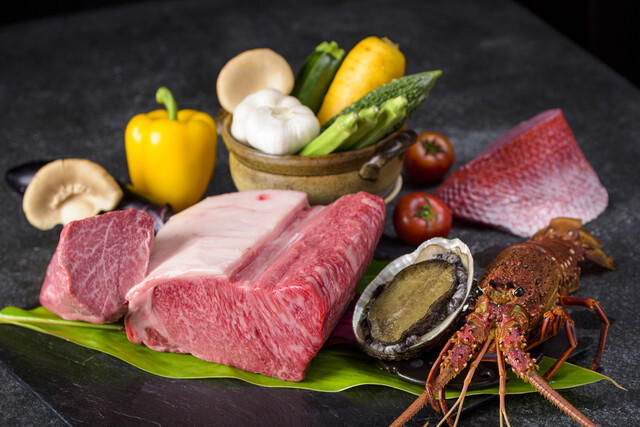
The editorial angle most relevant to a suite property on an island this size is what dining actually looks like. Kouri Island does not have a developed restaurant scene in the way that Naha's Makishi market district or the dining strip around American Village does. The island's food offer leans heavily on its agricultural and coastal identity: Kouri beef, sea grapes (umi-budou), mozuku seaweed, and fresh catch from the surrounding waters are the raw materials that define what gets cooked and eaten here. Day-trip visitors consume most of this at roadside level, but the ingredients themselves are serious.
For a suite property in this location, the dining programme tends to reflect the island's produce logic rather than import a culinary identity from outside. Across Japan's smaller premium stays, this produce-led approach has become the dominant model: properties like Zaborin in Hokkaido or Satoyama-Jujo in Niigata have built reputations around hyper-local sourcing as a genuine editorial stance rather than a marketing descriptor.
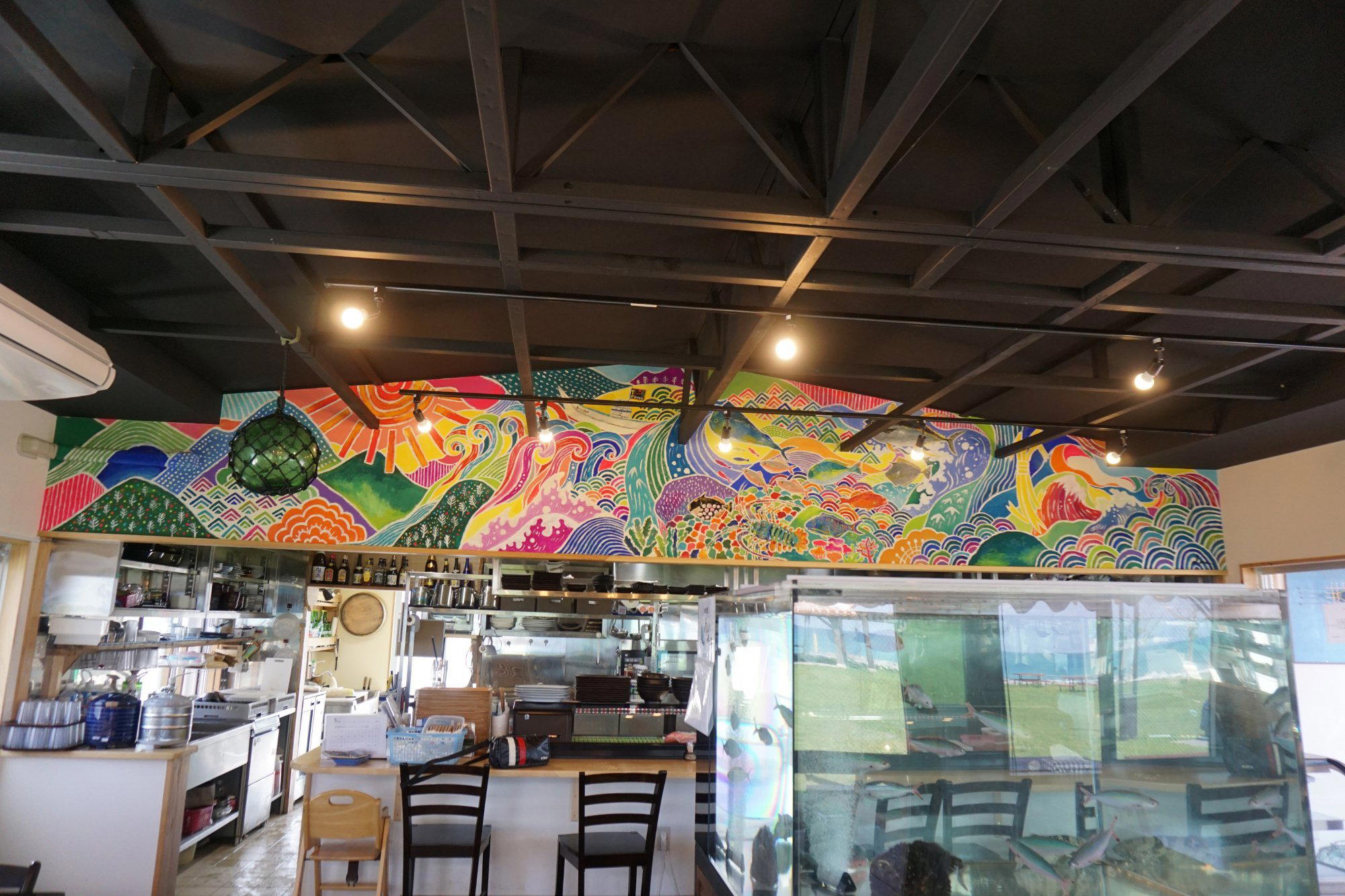
The broader Okinawan food tradition is worth understanding as a frame. Champuru cooking, the prefecture's defining culinary mode, is built around combination and improvisation: bitter melon, tofu, pork, and egg in various permutations. Goya champuru is the most travelled version internationally, but the tradition runs wider and is more embedded in daily life than in high-end restaurant settings. Premium stays in Okinawa that take food seriously tend to work between this local tradition and the kaiseki format that mainland Japanese luxury hospitality has standardised. How a property resolves that tension says a great deal about its culinary identity.
Nakijin in the Context of Japanese Premium Stays
Placing Baton Suite Okinawa - Kourijama within the national picture of Japanese premium accommodation requires acknowledging how far it sits from the main clusters. The Michelin hotel selections in Japan skew heavily toward Kyoto (see HOTEL THE MITSUI KYOTO), Tokyo (see Bvlgari Hotel Tokyo), and ryokan-dense regions like Hakone (Gora Kadan) and Izu (Asaba). Okinawa is a genuine outlier in that list, and northern Okinawa more so. A selection in Nakijin, Kunigami Gun, represents a recognition that the archipelago's smaller, remote properties are beginning to register on the same curatorial radar as the established luxury ryokan corridor.
The comparison set that makes most sense for Baton Suite Okinawa - Kourijama is other design-led, smaller properties in rural or island Japan: Benesse House on Naoshima, Jusandi on Ishigaki, or Amanemu in Mie. These properties share a logic: the site itself does significant work, and the accommodation frames rather than competes with the natural setting. For travellers already familiar with that format, Kouri Island's specific combination of sea views, island quiet, and Michelin recognition represents a coherent entry point into northern Okinawa.
Neighbouring properties in Nakijin, including Yawn Yard, operate within the same general framework of small-scale, setting-led accommodation. The district is not yet a saturated market, which means visitors choosing this area are making a considered decision to prioritise location character over the amenity density available in Onna or Chatan.
Planning a Stay: What to Know
The address at Kouri 480-2 is on Kouri Island proper, which is car-dependent from Naha: the drive from Naha Airport runs approximately two hours along Route 58 north through Okinawa City and Nago, crossing the Kouri Bridge at the end. Public transport to the island is limited, and most guests arriving from outside the prefecture will need a rental vehicle, particularly if they intend to explore the wider Nakijin area, including Nakijin Castle (a UNESCO World Heritage Site) on the peninsula. Across the broader Japan premium hotel category, advance booking windows of two to four months are standard for peak season travel, with the Okinawa high season running from late April through September, centred on the summer months when sea conditions are at their most favourable.
For context on how Nakijin compares to other regions of Japan covered by the Michelin Hotels guide, the full our full Nakijin, Kunigami Gun restaurants guide sets the district's hospitality offer against broader regional patterns. Travellers considering a circuit of western Japan's smaller premium stays might also look at Nishimuraya Honkan in Kinosaki, Sekitei in Hatsukaichi, or Kamenoi Besso in Yufu as part of a longer itinerary that uses Okinawa as its southernmost point.
Price and Positioning
Comparable venues nearby, for context on price, style, and recognition.
| Venue | Cuisine | Price | Awards | Notes |
|---|---|---|---|---|
| Baton Suite Okinawa - KourijamaThis venue — the venue you are viewing | Not listed | $100–200 | Michelin Selected | Not listed |
| Yawn Yard | Not listed | Not listed | Michelin Selected | Kouri Island, Private villa resort integrated with nature |
| ALMIS NAKIJIN | Not listed | $300–500 | Michelin Selected | Nakijin, Ultra-modern minimalist luxury boutique hotel with stark white box-shaped architecture emphasizing space and simplicity. |
| Magachabaru Okinawa | Not listed | $500–750 | Michelin Selected | Nakijin, Privacy-focused luxury resort with village-like low-profile concrete villas |
| ふふ 河口湖 | Not listed | Not listed | 2 Michelin Keys | Fujikawaguchiko, Small luxury forest resort seamlessly integrated with Mt. Fuji and Lake Kawaguchi nature. |
| Tekefue | Minamioguni, luxury ryokan | $1,500–2,500 | Michelin Selected | Not listed |
Recognition history
Dated appearances from independent guides and award organizations, with the underlying list record or original source where available.
Michelin Selected
Michelin

Details
- Modern
- Lively
- Scenic
- Intimate
- Sophisticated
- Romantic Getaway
- Honeymoon
- Weekend Escape
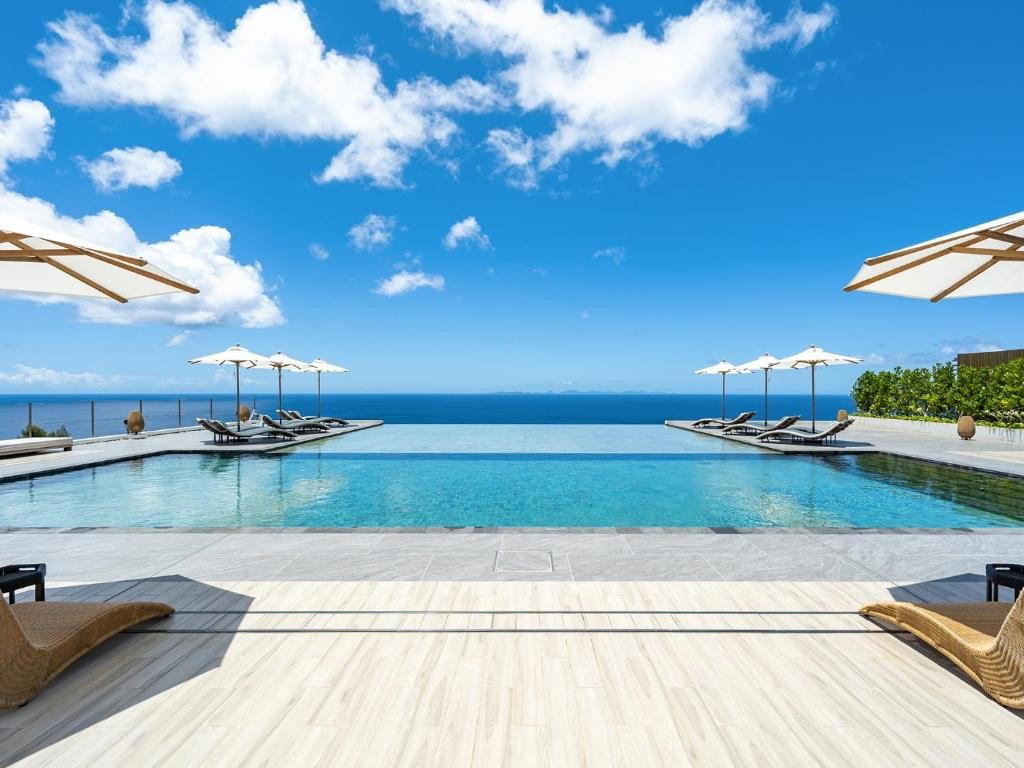
- Panoramic View
- Infinity Pool
- Terrace
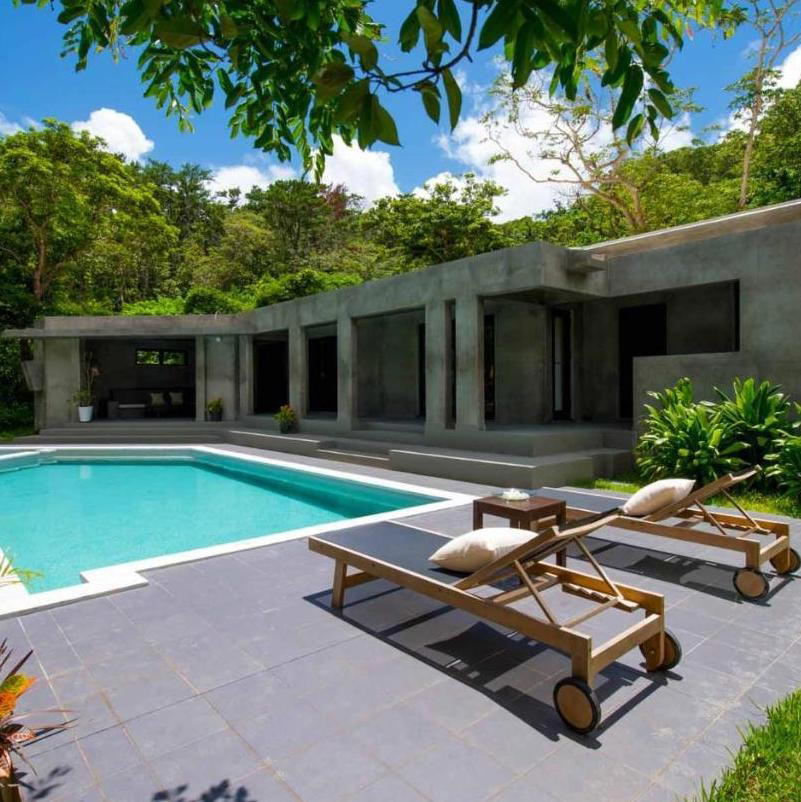
- Pool
- Waterfront
- Garden
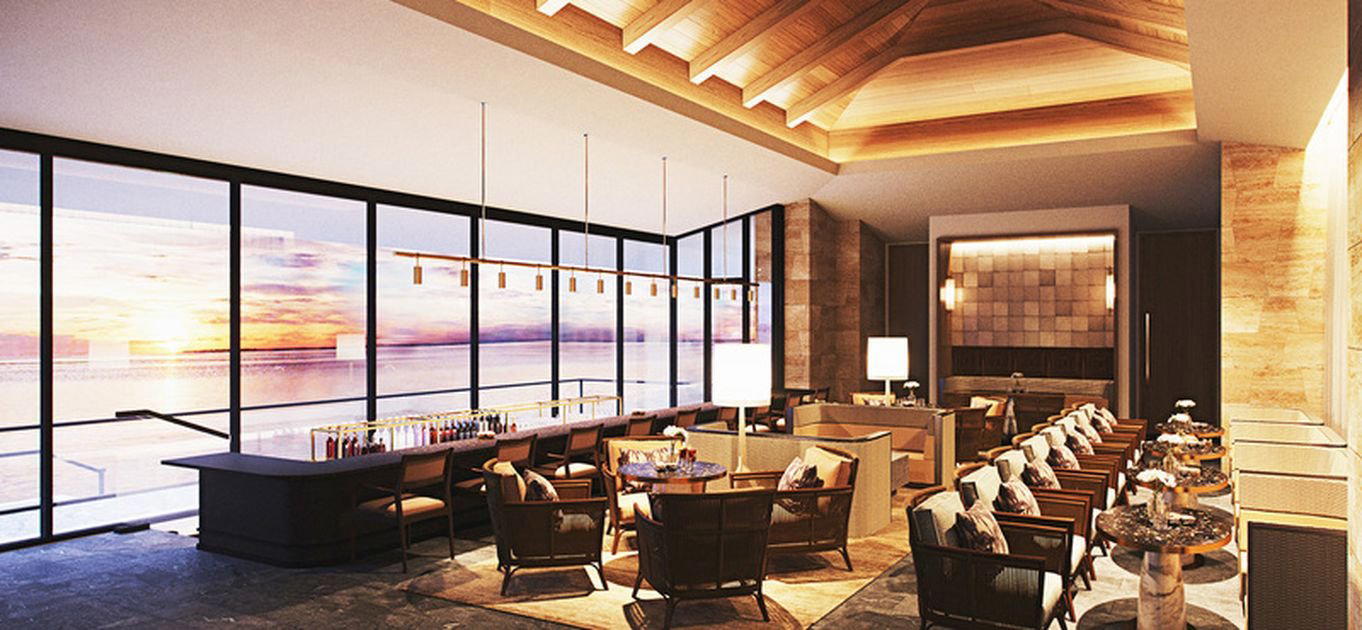
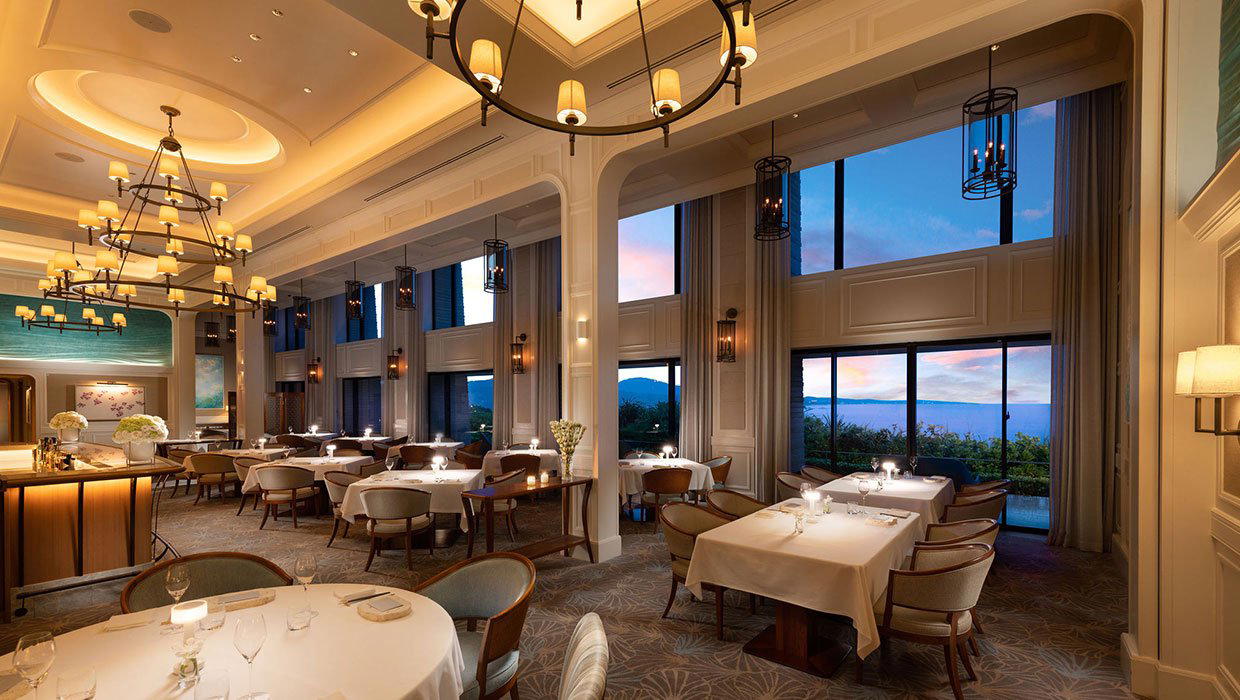
Relaxed island pace with morning light on water, sea breezes through open doors, and star-gazing from balconies.