
Tabelog 100 #72
Our verdict
Shunsai Dokoro Biidoro brings Naha’s izakaya tradition into a fish-led, Okinawan register rather than a generic drinking-food format. Its Tabelog 100 Izakaya WEST 2025 selection, 14-seat scale, and sake-shochu focus place it in the small-room tier where sourcing and pacing matter more than spectacle.

Pearl is the En Primeur Club membership app — saves, bookings, and concierge access live there. Same editors, same standards.
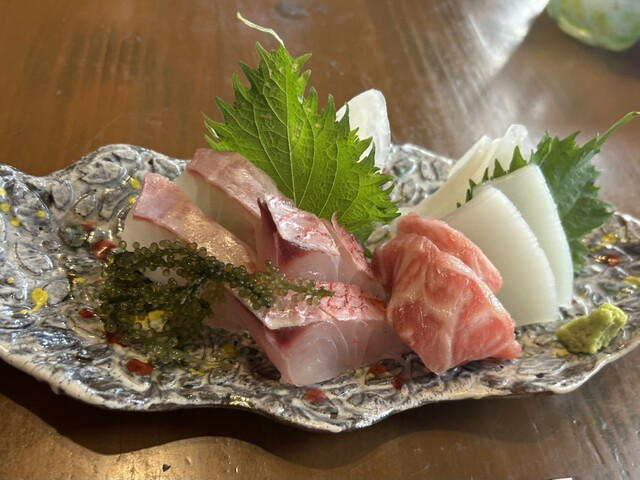
The menu
What to order
- Seasonal sashimi platter
- Goya champuru
- Tempura
- Awamori pairings
Approach in Naha and the signal is scale, not theatre: an izakaya rhythm built for people who came to eat as much as drink. Naha’s stronger taverns are not interchangeable with mainland yakitori dens or Tokyo-style neo-izakaya rooms. Okinawa changes the equation. The island pantry and local drinking culture bring a different set of expectations into a category that elsewhere can lean heavily on fried snacks and grilled skewers.
Shunsai Dokoro Biidoro belongs to that narrower Naha band: izakaya by format, Okinawan by vocabulary, creative without drifting into tasting-menu formality. Its public positioning is clear for a tavern in this category: it is listed as an izakaya, Okinawa cuisine, and creative restaurant, with dinner pricing in the JPY 3,000 to JPY 3,999 range. That matters in Naha, where many visitors default to more obvious tourist dining and miss the city’s more serious tavern cooking.
Okinawa izakaya cooking in a city with its own dining logic
Okinawan dining is often reduced to shorthand: a few famous local dishes, island drinks, and broad assumptions about what visitors should order first. Those reference points matter, but they do not explain the more interesting part of Naha’s current restaurant culture: the way small operators fold local identity into formats borrowed from broader Japanese dining. The izakaya is the flexible vessel. It can absorb seasonal cooking, local flavours, shared plates, and drinking snacks without demanding the hierarchy of a formal meal.
Here, the Okinawan izakaya context is the editorial point. Okinawa’s geography gives Naha a different produce and seasoning identity from mainland restaurant cities. Warmer climate, island supply lines, and local preferences change ingredients, textures, and cooking logic; the appeal is less about mainland prestige cues and more about freshness, balance, and the ability to match local flavours with a tavern format. A restaurant working inside Okinawa cuisine rather than treating it as a side category sits close to the city’s dining reality.
The Tabelog 100 Izakaya WEST 2025 selection gives the address a useful trust marker, especially because this is not a high-price, chef-counter genre where global awards dominate the conversation. Its listed Tabelog score of 3.90 and dinner budget of JPY 3,000 to JPY 3,999 make the signal more practical than grandiose. In editorial terms, that makes Shunsai Dokoro Biidoro a stronger read for travellers who want Naha’s everyday dining culture in a more exacting version.
The room belongs to Naha's compact serious-dining tier
The compact-room idea is best understood as a planning lens rather than a decorative claim. In Naha, tavern-scale dining can change the meal. Service can move at an izakaya pace, while the cooking has less room to hide behind volume. A focused evening keeps attention on sequence and temperature; the mood remains social rather than ceremonious. This is where the izakaya category becomes elastic: casual in posture, disciplined in execution, and dependent on consistency rather than luxury staging.
That positioning also separates it from several other Naha decisions a traveller is weighing. Shabushabu Kin Honten reads through the lens of a focused hot-pot meal. LITOR, SHIKAKU, Teppanyaki Matsuo, and A LONG VACATION. help frame how varied Naha has become across restaurants and drinking rooms. The comparison is useful less as a ranking than as a planning question: should the night be ingredient-led tavern cooking, a more singular protein format, or a broader casual room?
The category information reinforces the broader reading. Shunsai Dokoro Biidoro is listed as an izakaya, Okinawa cuisine, and creative restaurant, which suits a kitchen built around local categories rather than a wine-first Western format. Naha can be a difficult city for visitors who want precision without the stiffness of a formal counter. This kind of izakaya solves that problem: it keeps the evening conversational, but it asks diners to take the food seriously.
How to place it in a Naha itinerary
The strongest use case is a dinner anchored around local character rather than a survey of famous Okinawan dishes. Travellers chasing a checklist may be happier with other Naha dining rooms; this room makes more sense for a second or third night in the city, after the obvious first pass has been made and the value of a more focused Naha address becomes clearer. Its listed dinner price range also makes it an accessible way to read the city’s serious izakaya tier.
For a broader city plan, use Our full Naha restaurants guide alongside Our full Naha hotels guide, Our full Naha bars guide, Our full Naha wineries guide, and Our full Naha experiences guide. Readers building a wider Japan dining route can also compare formats through other dining rooms in Japan and abroad, but the more useful comparison is local: how Shunsai Dokoro Biidoro sits among Naha’s izakaya, Okinawa cuisine, creative cooking, hot-pot, and casual dining choices.
The critical reason to care is not that the venue is obscure or theatrical. It is that Naha’s dining identity is strongest when island character meets formats that locals actually use. An izakaya with Okinawa cuisine at the center, Tabelog 100 Izakaya WEST 2025 recognition, and a listed JPY 3,000 to JPY 3,999 dinner range gives that identity a disciplined frame.
Frequently asked questions
Is Shunsai Dokoro Biidoro a family-friendly restaurant?
Shunsai Dokoro Biidoro is best understood as an izakaya in Naha rather than a family-dining format. Check directly with the restaurant for current entry rules and booking details.
Is Shunsai Dokoro Biidoro formal or casual?
It reads as casual rather than formal, but with a serious izakaya focus. Shunsai Dokoro Biidoro is listed in Naha as an izakaya, Okinawa cuisine, and creative restaurant.
What's the price range at Shunsai Dokoro Biidoro?
Pricing at Shunsai Dokoro Biidoro is listed as JPY 3,000 - JPY 3,999.
Where is Shunsai Dokoro Biidoro located?
Naha.
How far ahead should I plan for Shunsai Dokoro Biidoro?
Plan ahead where possible, especially for dinner, because stronger izakaya rooms in Naha can be harder to secure at short notice. For current reservation rules, confirm directly with the restaurant.
What has Shunsai Dokoro Biidoro built its reputation on?
Its reputation rests on Okinawa izakaya cooking and Tabelog 100 Izakaya WEST 2025 recognition. The listed score of 3.90 and dinner price range of JPY 3,000 - JPY 3,999 give it local weight beyond a standard neighbourhood tavern.
Quick Comparison
Comparable venues by cuisine and price in the same metro.
| Venue | Cuisine | Price | Awards | Notes |
|---|---|---|---|---|
| Shunsai Dokoro BiidoroThis venue (the venue you are viewing) | Seasonal Okinawan Izakaya | Not listed | Tabelog 100 #72 | Not listed |
| Agu Shabushabu Miruku Naha ten | Agu Pork Shabu-Shabu | $50–100 | Tabelog 100 #49 | Wakasa |
| 首里そば | Okinawan Soba | $1–10 | Not listed | Shuri |
| Shabushabu Kin Honten | Okinawan Agu Pork Shabu-shabu | $50–100 | Tabelog 100 #96 | Makishi |
| Niku no Hentai Shudan Shippu Horumon Kumoji honten | Ishigaki Beef Yakiniku & Horumon | $50–100 | Tabelog 100 #91 | Kumoji |
| Borrachos (ボラーチョス) | Authentic Mexican Taqueria | $20–30 | Not listed | 牧志 |
Recognition history
Dated appearances from independent guides and award organizations, with the underlying list record or original source where available.
Tabelog 100 #72 · No. 72
Tabelog · Tabelog 100 - Izakaya - WEST - 2025
Continue exploring
More in Naha
Restaurants in Naha
All restaurants in Naha →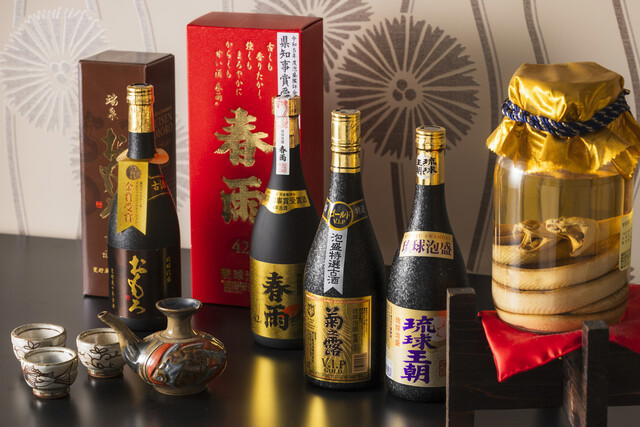
Details
- Quiet
- Cozy
- Intimate
- Solo
- Date Night
- Casual Hangout
- Special Occasion
- Standalone
- Sake Program
- Local Sourcing
- Street Scene
- A La Carte
- Set Menu
- Awamori
- Sake
Relaxed, secluded, and homelike, with a small upstairs space that feels more like a private apartment than a typical restaurant.