
Tabelog 100 #49
Our verdict
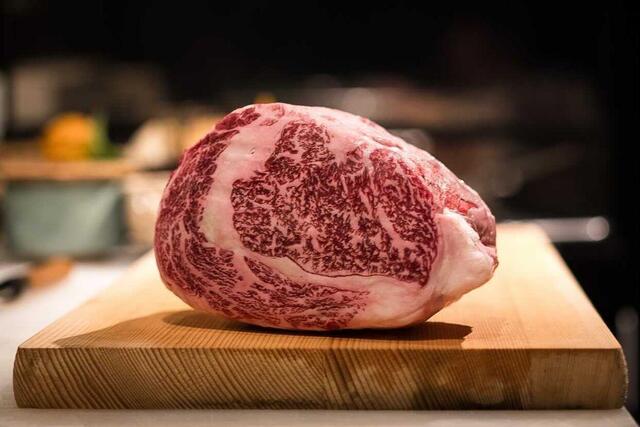
Teppanyaki Sawafuji places Okinawan produce inside the disciplined theatre of the iron plate: Ishigaki beef, Agu pork, shrimp, fish, and island vegetables rather than imported luxury for its own sake. Its Tabelog 100 Steak / Teppanyaki WEST selection for 2025 gives it a clear signal within Naha’s higher-spend dining tier, especially for travelers comparing local beef formats against shabu-shabu, izakaya, and resort-style hotel dining.

Pearl is the En Primeur Club membership app — saves, bookings, and concierge access live there. Same editors, same standards.
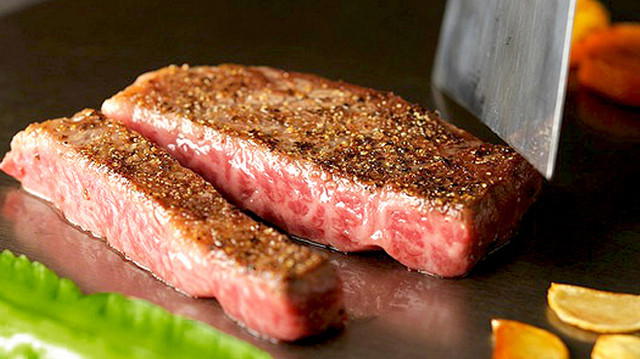
The menu
What to order
- Ishigaki beef steak course
- Agu pork teppanyaki
- Seasonal prefectural seafood and vegetables
- Anniversary course menu
The appeal of teppanyaki in Naha starts before the first cut reaches the iron plate. Teppanyaki Sawafuji is built around the directness of the teppan format, where cooking happens close enough for guests to read timing, heat, and service as part of the meal. In Okinawa, where premium dining can move between hotel restaurants, pork-focused meals, and casual island cooking, Sawafuji occupies a more deliberate bracket, using the grill not only for spectacle but to put Okinawan flavors under closer scrutiny.
Okinawa’s dining identity is not a miniature mainland Japan. Its pantry is shaped by subtropical agriculture, pork culture, seafood, and vegetables that behave differently from produce grown in colder prefectures. A serious Naha teppanyaki room must answer whether the format clarifies local material or buries it under luxury gestures. Here, the stated categories are teppanyaki, steak, and Okinawa cuisine. That makes the restaurant read less like a generic steakhouse and more like a Naha counter-style showcase within an Okinawan frame.
Okinawan ingredients treated as the main argument
Teppanyaki gives Okinawan dining one of its clearest premium formats. For many Naha visitors, the appeal is the chance to experience island ingredients and Japanese grill technique in the same sitting without turning dinner into a hotel-only event. Meat, seafood, and vegetables each behave differently on the iron plate, which is why the format can be revealing rather than merely theatrical. The best version is not about luxury signals alone; it is about whether heat, timing, and seasoning make the local context easier to understand.
The 2025 Tabelog Hyakumeiten recognition is the cleanest external trust signal provided here. It does not make Sawafuji a luxury temple and should not be read that way, but it places the restaurant inside a recognized steak and teppanyaki context rather than only a local word-of-mouth one. For travelers deciding whether a Naha teppanyaki dinner deserves one of limited evenings, that distinction helps. Its Tabelog score of 3.65 also signals real traction in a Japanese review culture where scores move conservatively.
Within Naha, price-tier and format reveal more than cuisine label. Shunsai Dokoro Biidoro and LITOR suggest different ways to approach local dining, while Shabushabu Kin Honten sits in a shabu-shabu lane where broth, pork, and sharing lead. Shimabuta Ishiyaki San speaks more directly to pork through a different cooking logic. Teppanyaki Matsuo is the natural same-city category comparison. Against that field, Sawafuji is for controlled heat, visible preparation, and Okinawan cuisine in a premium teppanyaki frame.
The counter is the serious seat, but the room is not only for purists
Teppanyaki counters reward attention. The value is not just food landing hot; it is watching decisions made in public, from when seafood or meat leaves the plate to how vegetables get enough contact with heat without losing structure. Counter dining is the sharper version, best for diners who want technique in view. A room built around teppanyaki can also serve groups who want the pleasure of the grill without treating every moment as a formal performance.
That flexibility matters in Naha, where travelers often mix celebration dinners, relaxed local meals, and practical group plans in the same itinerary. Sawafuji’s appeal is strongest when it is chosen for the role the teppan plays: a focused meal where the cooking method is part of the point. Rather than treating the restaurant as a generic expensive dinner, it is better understood as a place to slow the evening down and pay attention to preparation.
The drinks reading should be kept broad rather than doctrinaire. A teppanyaki meal can move across richer meat courses, seafood, vegetables, and Okinawan flavors, so the useful question is balance rather than allegiance to one beverage style. The smarter reading is not one dominant pairing category, but a restaurant suited to mixed tables where different guests may want different accompaniments while the iron plate remains the center of gravity.
How it fits into a Naha itinerary
Naha planning works better when meals have roles. A casual Naha night, a pork-focused dinner, a bar-led evening, and one deliberate teppanyaki meal tell a fuller story than repeating categories. Teppanyaki Sawafuji belongs in that deliberate slot. For a broader sweep, Our full Naha restaurants guide gives the wider restaurant frame, while full-trip planning can pair it with Our full Naha hotels guide, Our full Naha bars guide, Our full Naha wineries guide, and Our full Naha experiences guide.
Nearby planning benefits from contrast. Other Naha dining rooms can focus on Okinawan pork through different cooking logic, while international formats and wine-led meals shift the rhythm away from iron-plate pacing. Late-evening drinking, casual local cooking, and more formal counters show how quickly Naha moves between everyday meals and destination dining. Outside Okinawa, Japan’s range is clearer through specialist restaurants in other cities, where beef, seafood, curry, cafes, and regional cooking each create very different expectations. For Japanese drinking culture abroad, the context changes again once the same references leave Japan.
The strongest case for Teppanyaki Sawafuji is not flash. It is allocation: a Naha room, a recognized steak and teppanyaki category signal, and a cuisine vocabulary grounded in teppanyaki, steak, and Okinawa cuisine. For travelers wanting one dinner where the grill format gives island dining a more focused frame, this is the more persuasive use of the teppan.
Frequently asked questions
Would Teppanyaki Sawafuji be comfortable with kids?
Teppanyaki Sawafuji is best considered as a focused teppanyaki restaurant in Naha. Families should confirm current seating policies directly with the restaurant before booking.
How would you describe the vibe at Teppanyaki Sawafuji?
It reads as a focused teppanyaki room in Naha rather than a casual everyday stop. Its 2025 Tabelog Hyakumeiten recognition points to a polished local dinner option with a recognized category signal.
What's the pricing like at Teppanyaki Sawafuji?
Pricing at Teppanyaki Sawafuji is listed as JPY 10,000 - JPY 14,999.
What is Teppanyaki Sawafuji known for?
Teppanyaki Sawafuji is known in Naha for teppanyaki, steak, and Okinawa cuisine, with 2025 Tabelog Hyakumeiten recognition and a Tabelog score of 3.65.
Comparable Spots, Quickly
Comparable venues by cuisine and price in the same metro.
| Venue | Cuisine | Price | Awards | Notes |
|---|---|---|---|---|
| Teppanyaki SawafujiThis venue (the venue you are viewing) | Teppanyaki & Ishigaki Beef Steak | $50–100 | Tabelog 100 #49 | Not listed |
| Shabushabu Kin Honten | Okinawan Agu Pork Shabu-shabu | $50–100 | Tabelog 100 #96 | Makishi |
| Niku no Hentai Shudan Shippu Horumon Kumoji honten | Ishigaki Beef Yakiniku & Horumon | $50–100 | Tabelog 100 #91 | Kumoji |
| Agu Shabushabu Miruku Naha ten | Agu Pork Shabu-Shabu | $50–100 | Tabelog 100 #49 | Wakasa |
| 首里そば | Okinawan Soba | $1–10 | Not listed | Shuri |
| Jack's Steak House (ジャッキーステーキハウス) | Classic Okinawan Steakhouse | $20–30 | Not listed | 西 |
Recognition history
Dated appearances from independent guides and award organizations, with the underlying list record or original source where available.
Tabelog 100 #49 · No. 49
Tabelog · Tabelog 100 - Steak / Teppanyaki - WEST - 2025
Continue exploring
More in Naha
Restaurants in Naha
All restaurants in Naha →
Details
- Romantic
- Elegant
- Intimate
- Cozy
- Sophisticated
- Date Night
- Business Dinner
- Celebration
- Special Occasion
- After Work
- Chefs Counter
- Open Kitchen
- Standalone
- Local Sourcing
- Farm To Table
- Set Menu
- Tasting Menu
- Counter Dining
- Prix Fixe
- Pescatarian Friendly
Current opening hours
- Monday
- 5:30–11 PM
- Tuesday
- 5:30–11 PM
- Wednesday
- 5:30–11 PM
- Thursday
- 5:30–11 PM
- Friday
- 5:30–11 PM
- Saturday
- 5:30–11 PM
- Sunday
- 5:30–11 PM
Hours can change for holidays and private events. Last verified .
Refined counter-style teppanyaki with close chef interaction, warm lighting, and an intimate, special-occasion feel suited to dates and business dinners rather than casual drop‑ins.