
Tabelog 100 #96
Our verdict
Shabushabu Kin Honten is a Naha hot-pot address built around Kin Agu pork, island vegetables, and a course-only shabu-shabu format. Its 2024 Tabelog 100 Hot Pot selection places it in a national conversation usually dominated by mainland sukiyaki and shabu-shabu rooms, which makes the Okinawan sourcing angle the point rather than a side note.

Pearl is the En Primeur Club membership app, where members save venues, book tables and use the concierge.
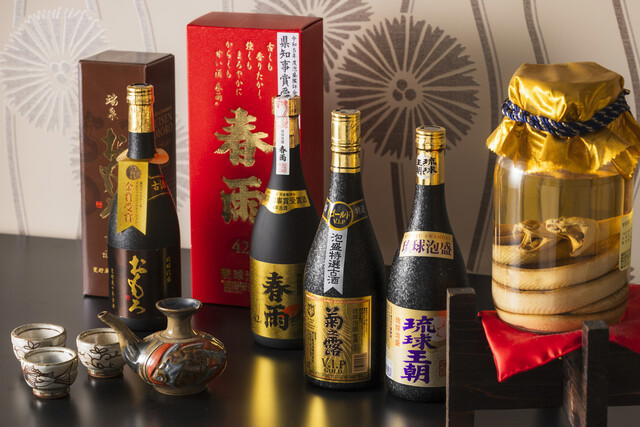
The menu
What to order
- Tokusen Agu Shabu-shabu Course
- Pure-bred Agu pork shabu-shabu with island vegetables
In Naha, the city’s bar-and-market energy gives way to a focused hot-pot meal. Shabu-shabu is naturally quiet: broth, thin-sliced meat, vegetables, pacing, and enough restraint to let the main ingredient lead. At Shabushabu Kin Honten, the case is clear: pork shabu-shabu is treated as part of an Okinawan dining context, not a generic Japanese hot-pot template moved south.
That matters because visitors can split Naha dining too neatly into izakaya grazing, steakhouse nostalgia, taco-rice shorthand, and resort-adjacent seafood. Okinawa has its own pork culture, and preparations distinct from mainland beef-led luxury cues. A shabu-shabu restaurant built around pork belongs in that lane, where value depends less on theatrical technique than on ingredient and broth clarity.
Pork gives Naha hot pot a regional argument
Japan’s shabu-shabu expectations are often shaped by mainland reference points, where wagyu, sukiyaki tradition, and private-room formality can set the tone. Okinawa changes the equation. Pork brings the meal back to local identity, while the hot-pot format keeps the restaurant from reading only as a mainland luxury import. The point is specificity, not novelty: a Naha hot-pot dinner built around pork and Okinawan cuisine tells a different story from beef-led dining elsewhere in Japan.
The 2024 Tabelog Hyakumeiten recognition is a useful trust signal because the category is national, not purely local. Tabelog’s Hyakumeiten lists tend to reward depth within a genre, and hot pot is crowded in Japan. For an Okinawan pork shabu-shabu address to enter that conversation, the format has to compete beyond Naha’s usual tourist map. The listed Tabelog score of 3.77 reinforces that this is not just a neighborhood convenience play.
The structured shabu-shabu format also defines the experience. Hot pot can become casual and scattered when a table treats it as just another shared dish, especially for groups. A focused approach narrows decisions and gives the meal a clear sequence, which suits a restaurant where broth, sliced pork, and vegetables need rhythm. It is less flexible for anyone seeking a quick, improvised dinner, but that trade-off is the point: this is a planned hot-pot sitting, not simply a stop between drinks.
For a wider Naha itinerary, the contrast helps. A LONG VACATION. points to the city’s more contemporary leisure-facing dining mood, while other Naha dining rooms broaden the map beyond hot pot. Shunsai Dokoro Biidoro, SHIKAKU, LITOR, and Teppanyaki Matsuo can each sit elsewhere in a multi-night plan, but Shabushabu Kin Honten’s role is more specific: pork shabu-shabu and Okinawan cuisine in a recognized Naha setting.
A focused hot-pot format, built for shared meals but not for every family
The room’s practical identity matters because shabu-shabu is social by design. A hot pot meal suits diners who want a slower Naha dinner without turning the evening into a quick sequence of small stops. The format places the restaurant apart from more improvised meals. In a city where many strong dinners can feel compact or fast-moving, that kind of shared-table rhythm changes the evening available.
The family question is more about format than label. Shabu-shabu can look casual from the outside, but a simmering pot, shared pacing, and sliced-pork service work best when the table can commit to the meal. Travelers with very young children should confirm suitability before booking; those with older children who can sit through a structured dinner have clearer footing.
Payment, transport, and timing details should be checked directly before committing, especially for visitors building a full Naha night around dinner. The restaurant’s listed phone number is +81-90-4189-5079, and the Tabelog budget is Dinner: JPY 6,000 - JPY 7,999; Lunch: -. For broader planning, Our full Naha hotels guide, Our full Naha bars guide, Our full Naha wineries guide, and Our full Naha experiences guide help separate dinner from the rest of the trip architecture.
How to read it against Japan's wider dining map
The useful comparison is not with a sushi counter or tasting-menu restaurant, but with how regional Japanese ingredients move through familiar formats. Across Japan and beyond, different dining rooms use format as a frame for place: hot pot, grilled meat, café service, curry specialization, or sake-bar dining can all carry a local argument when the ingredient and setting are clear. That is why a Naha pork shabu-shabu room can be more instructive than another generic “local cuisine” dinner: the pot is familiar, but the Okinawan context tells the story.
Japan-wide itineraries can place it beside other regional dining without forcing a false like-for-like comparison. Some restaurants make their point through beef, seafood, counter cooking, casual dining, or bar service; Shabushabu Kin Honten makes its point through pork shabu-shabu in Naha. The editorial lesson is the same: format matters only when it carries a place-specific argument.
The verdict is practical and narrow. Shabushabu Kin Honten makes sense for diners who want an Okinawan ingredient dinner with structure, recognition, and room for a shared hot-pot meal. It is less suited to spontaneous grazing or anyone treating hot pot as a casual add-on. In Naha’s dining mix, its strength is not flash; it is the discipline of making pork shabu-shabu the meal’s center.
Frequently asked questions
Is Shabushabu Kin Honten okay with children?
Shabu-shabu is a shared, paced meal, so families should confirm suitability directly before booking. The format is likely easier for guests who can sit through a structured dinner in Naha.
What's the vibe at Shabushabu Kin Honten?
It reads as a focused shabu-shabu restaurant suited to a slower, shared meal rather than a quick solo stop. Its 2024 Tabelog Hyakumeiten recognition and listed Tabelog score of 3.77 give it clear standing in Naha.
What's the price range at Shabushabu Kin Honten?
Pricing at Shabushabu Kin Honten is listed as JPY 6,000 - JPY 7,999.
What is Shabushabu Kin Honten known for?
Shabushabu Kin Honten is known for pork shabu-shabu, shabu-shabu hot pot, and Okinawan cuisine in Naha.
Quick Comparison
Comparable venues by cuisine and price in the same metro.
| Venue | Cuisine | Price | Awards | Notes |
|---|---|---|---|---|
| Shabushabu Kin HontenThis venue (the venue you are viewing) | Okinawan Agu Pork Shabu-shabu | $50–100 | Tabelog 100 #96 | Not listed |
| Agu Shabushabu Miruku Naha ten | Agu Pork Shabu-Shabu | $50–100 | Tabelog 100 #49 | Wakasa |
| Aso | Traditional Japanese fish-focused teishoku cafeteria | $30–50 | Tabelog 100 #64 | Matsuyama |
| オステリア ドゥエ | Cozy Italian Osteria with Low-Water Pasta Fresca | $50–100 | Not listed | Makishi |
| Teppanyaki Matsuo | Teppanyaki Steakhouse | $50–100 | Not listed | Kokusai-dori |
| YOROKOBI | Okinawan Shabu-Shabu | $50–100 | Not listed | Makishi |
Recognition history
Dated appearances from independent guides and award organizations, with the underlying list record or original source where available.
Tabelog 100 #96 · No. 96
Tabelog · Tabelog 100 - Hot Pot - 2024
Continue exploring
More in Naha
Restaurants in Naha
All restaurants in Naha →


Details
- Cozy
- Intimate
- Classic
- Date Night
- Group Dining
- Special Occasion
- Family
- Standalone
- Private Dining
- Local Sourcing
- Set Menu
- Family Style
- Sake
- Beer
Current opening hours
- Monday
- 5–9:30 PM
- Tuesday
- 5–9:30 PM
- Wednesday
- 5–9:30 PM
- Thursday
- 5–9:30 PM
- Friday
- 5–9:30 PM
- Saturday
- 5–9:30 PM
- Sunday
- 5–9:30 PM
Hours can change for holidays and private events. Hours as of .
Traditional, cozy house-restaurant atmosphere with a calm, intimate feel, focused on the hot-pot experience rather than design flash.