


1 Michelin Key · La Liste Top Hotels · Forbes 4-Star
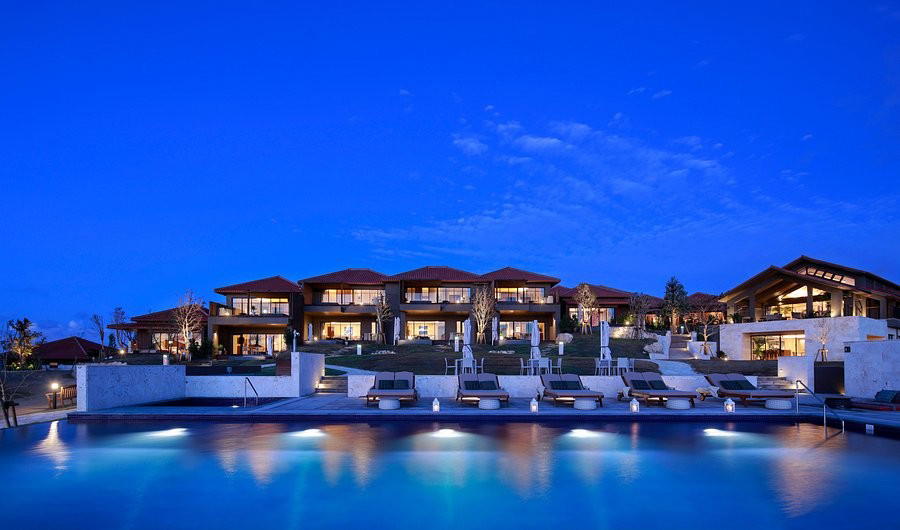
The Ritz-Carlton, Okinawa sits in Nago's northern bay with 97 rooms, a Michelin 1 Key (2024), and a La Liste score of 93.5. Glass-walled hallways open to subtropical forest, every above-ground room frames Nago Bay from the bathtub, and a complimentary driver service handles the logistics of exploring a part of Japan that rewards slowing down. Rates from $459 per night.

Pearl is the En Primeur Club membership app, where members save venues, book tables and use the concierge.
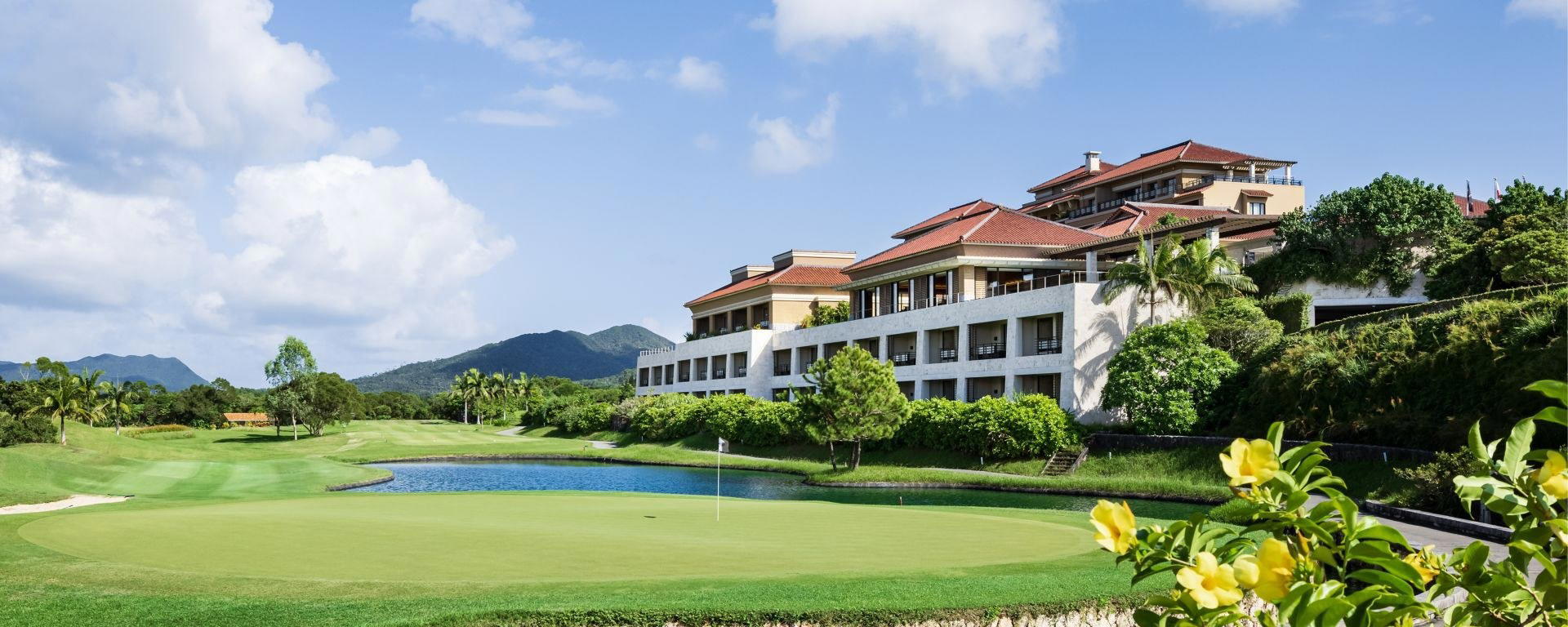
Where the Building Is the View
Approaching the Ritz-Carlton, Okinawa from Route 58, the shift in register is immediate. The northern stretches of Nago, roughly 75 minutes from Naha Airport, are a different proposition from the urban density that defines most visitors' image of Japan. Ancient Yambaru forest presses against the road, and Nago Bay opens up in wide, unhurried arcs. The hotel sits within this geography not as an imposition on it but as something designed to make it legible. Glass walls run the length of the main-floor hallways, and in fine weather those panels open outward, folding the outside air into the circulation of the building. The effect is less resort corridor, more inhabited pavilion.
That particular hallway, which frames an uninterrupted sightline from the interior all the way through to the bay, has become one of the property's defining architectural moments. It is not a manufactured Instagram feature retrofitted after opening. It is the structural logic of the building made visible: a hotel that organises itself around what is outside rather than around its own internal programming. This approach places the Ritz-Carlton, Okinawa within a small cohort of Japanese luxury properties where the physical environment does most of the work. Properties like Benesse House in Naoshima and Amanemu in Mie operate from a similar premise: the site is the argument, and the architecture is the medium through which you read it.
97 Rooms Calibrated for Stillness
With 97 rooms, the property sits at a scale that international chain luxury rarely attempts in Japan's premium leisure market. Most flagships in this tier run larger, relying on conference facilities and high-occupancy dining to justify their footprints. The Ritz-Carlton, Okinawa is calibrated differently, functioning closer to the logic of smaller ryokan-influenced properties than to the convention-centre resort model. The room count allows for a quieter operational pace, which aligns with the hotel's deliberate positioning around tranquility rather than stimulation.
Every room above ground level is oriented so that the bathtub sits beside a floor-to-ceiling window. The surrounding countryside, and depending on orientation the bay itself, is visible from the tub. Privacy shades are included as standard. Beds are king-size throughout, and each room runs Nespresso machines, 42-inch LCD televisions, automatic window shades controllable from the nightstand, plus both air conditioning and dedicated dehumidification, a practical detail in Okinawa's subtropical humidity that matters more than it might initially seem. Wireless internet access is complimentary across all categories.
At a published rate from $459 per night, the property positions itself at the lower threshold of ultra-premium Japan, below the entry point of properties like Bvlgari Hotel Tokyo or HOTEL THE MITSUI KYOTO, and roughly level with properties such as Gora Kadan in Hakone. For a Michelin Key property on a bay-facing site in northern Okinawa, that rate carries reasonable weight.
A Michelin Key in a Region That Earns It
The hotel holds a Michelin 1 Key (awarded 2024) alongside a La Liste Leading Hotels rating of 93.5 points in 2026. These two recognition systems approach hotel quality from different angles: the Michelin Key framework assesses hospitality coherence alongside physical standards, while La Liste aggregates a broader editorial and critical input. Sitting comfortably in both signals something about consistency. The Halekulani Okinawa operates at the premium end of the broader Okinawan market as a useful comparison point; the Ritz-Carlton carves a more deliberately secluded position in the north.
For context on what Michelin Key recognition implies across the wider Japanese premium market, properties operating at this level include regionally distinct addresses like Zaborin in Hokkaido, Asaba in Izu, and Nishimuraya Honkan in Kinosaki-cho. Each occupies a specific geography with a clear relationship to the natural environment. The Ritz-Carlton, Okinawa follows that template under an international brand flag rather than as an independent property, which is a different operational bet but not a lesser one given the service infrastructure it brings.
Dining: Okinawan Tradition Alongside an Italian Option
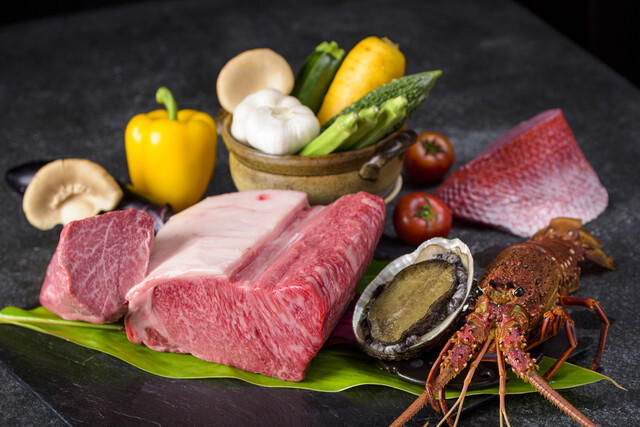
The food program runs in two directions. Traditional Okinawan cuisine anchors the primary dining offer. Okinawan food is a distinct regional tradition within Japan, shaped by the Ryukyu Kingdom's historic trade networks and by an agricultural logic that differs markedly from mainland Japanese cooking. The emphasis on pork, bitter melon, tofu varieties, and turmeric-based preparations reflects centuries of accumulated local knowledge. The hotel's integration of this tradition into a luxury dining context is consistent with what premium travel properties across Japan have increasingly prioritised: regional specificity as a differentiator rather than a liability. An Italian alternative runs alongside it for guests less inclined toward the local program. Wagyu beef also features within the dining offer, which in Okinawa typically means cattle raised under conditions suited to the island's climate.
The Lobby Lounge afternoon tea is a separate proposition from the main dining options. Afternoon tea in this format, pastries served with green tea against a panoramic view of the bay, functions as a two-hour deceleration exercise rather than a meal with nutritional purpose. It is the kind of offering that either reads as overhead or as exactly what you came for, depending on the type of trip you are taking.
Service Architecture and the Complimentary Driver Model
Hotel issues a mobile phone at check-in. The purpose is practical: it connects guests directly to a complimentary driver service that handles transfers to nearby attractions, the hotel's beachfront, local stores, and restaurants in the surrounding area. Pickup is arranged through the phone at the guest's convenience. This is a meaningful operational detail in a location where car hire would otherwise be the only viable way to move around independently. Northern Okinawa is not a walking destination in any urban sense, and the driver service effectively removes the logistical friction that can accumulate on resort trips without in-house mobility.
Service is described as anticipatory. One documented example: champagne is not a standard breakfast offering, but after a request on the first morning, it was set on the table without prompting on subsequent days. Families with children and couples or solo travellers are seated separately at breakfast, a policy that functions as noise management as much as hospitality. The hotel has sunset terraces available across the property, and given the westward orientation of Nago Bay, those terraces see the light in a way that warrants the recommendation to set aside time specifically for them. The beach, accessed as part of the property, is open from April through October only.
Getting There and When to Book
The most direct arrival from Naha Airport is via the hotel's private transfer service, with a premium Lexus option available at additional cost. The drive is approximately 75 minutes on Route 58 heading north. The journey is scenic once past Naha's suburban sprawl, but after a long-haul flight the private transfer is the path of least resistance. Car hire is a workable alternative for guests who want flexibility throughout their stay, given the driver service handles most in-stay mobility.
The beach season runs April to October, which defines the primary booking window for guests for whom direct sea access is part of the brief. Outside that window the property still operates fully, and the forest, bay views, spa, golf, and dining remain constant year-round. Booking through Marriott's Bonvoy ecosystem is standard given the brand affiliation, which also unlocks points accumulation and elite tier benefits for frequent Marriott guests. For broader Nago area context, see our full Nago restaurants guide.
For readers weighing the Ritz-Carlton against other premium Japanese addresses that prioritise environment over urban proximity, comparable options in the broader Japanese market include ENOWA Yufu in Yufu, Fufu Kawaguchiko, Azumi Setoda in Onomichi, and Araya Totoan in Kaga. Each occupies a distinct geography with different seasonal logic. The Ritz-Carlton, Okinawa's argument is subtropical, maritime, and architecturally transparent. That is a specific offer, and it is one that the northern bay delivers on its own terms.
Side-by-Side Snapshot
Comparable venues nearby, for context on price, style, and recognition.
| Venue | Cuisine | Price | Awards | Notes |
|---|---|---|---|---|
| The Ritz-Carlton, OkinawaThis venue (the venue you are viewing) | Luxury beach resort blending Ryukyu design with modern sophistication amid golf course and ocean vistas. | Not listed | 1 Michelin Key · La Liste Top Hotels | Not listed |
| Hyakuna Garan | Japanese-Okinawan fusion with Ryukyu limestone and red tile roofs | Not listed | 1 Michelin Key · Forbes Recommended | Nanjo |
| GOTO RETREAT by Onko Chishin | Luxury oceanfront retreat harmonizing modern design with Goto's natural and spiritual heritage. | $500–750 | 1 Michelin Key | Kamisakiyamacho |
| The Hiramatsu Hotels & Resorts Ginoza | Luxurious gourmet resort harmonizing nature, design, and gastronomy on Okinawa's east coast. | $500–750 | 1 Michelin Key | Ginoza-son |
| One Suite THE GRAND | small luxury resort on Kouri Island pinnacle | $500–750 | 1 Michelin Key | Kouri |
| The Ritz-Carlton Fukuoka | Contemporary luxury high-rise with panoramic bay views | Not listed | 1 Michelin Key · Forbes 4-Star | Chūō |
Recognition history
Dated appearances from independent guides and award organizations, with the underlying list record or original source where available.
Michelin 1 Key
Michelin
La Liste Top Hotels
La Liste
Forbes 4-Star
Forbes
Full recognition history (6 entries)
Forbes 4-Star
Forbes
Michelin 1 Key
Michelin
Michelin 1 Key
Michelin

Details
- Elegant
- Sophisticated
- Scenic
- Ornate
- Honeymoon
- Romantic Getaway
- Family Vacation
- Wellness Retreat
- Beachfront
- Infinity Pool
- Destination Spa
- Golf Course
- Panoramic View
- Wi Fi
- Pool
- Spa
- Fitness Center
- Room Service
- Concierge
- Valet Parking
- Kids Club
- Beach Access
- Golf Course
- Waterfront
- Garden
- Mountain
- Wheelchair Accessible
- Elevator
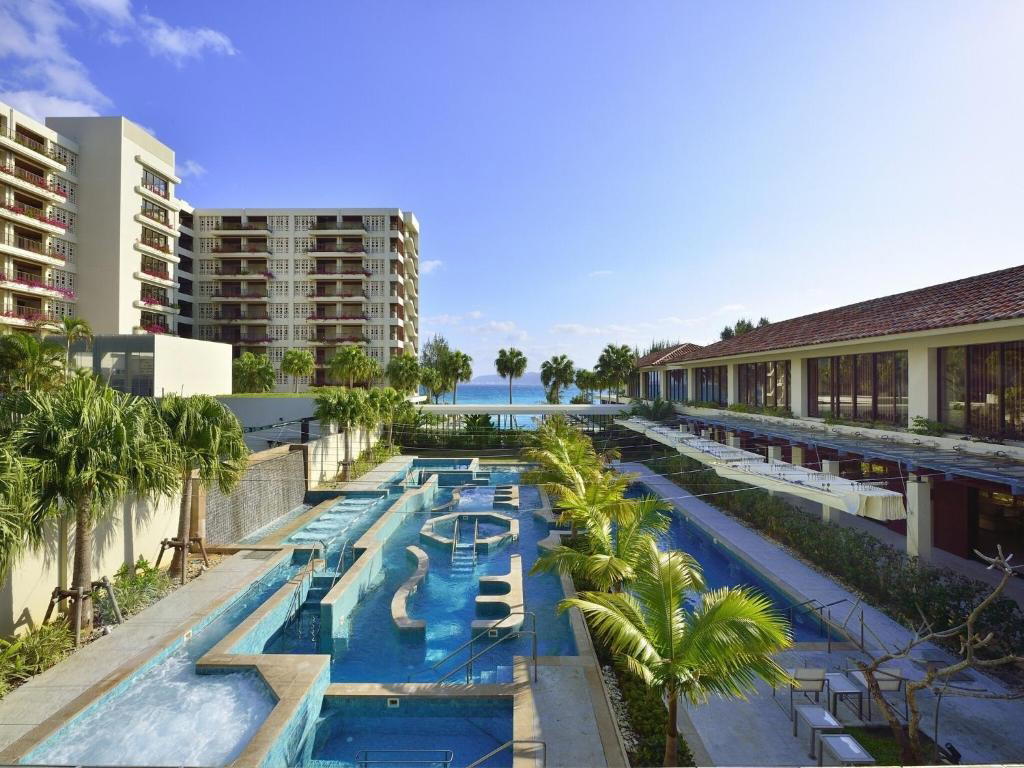
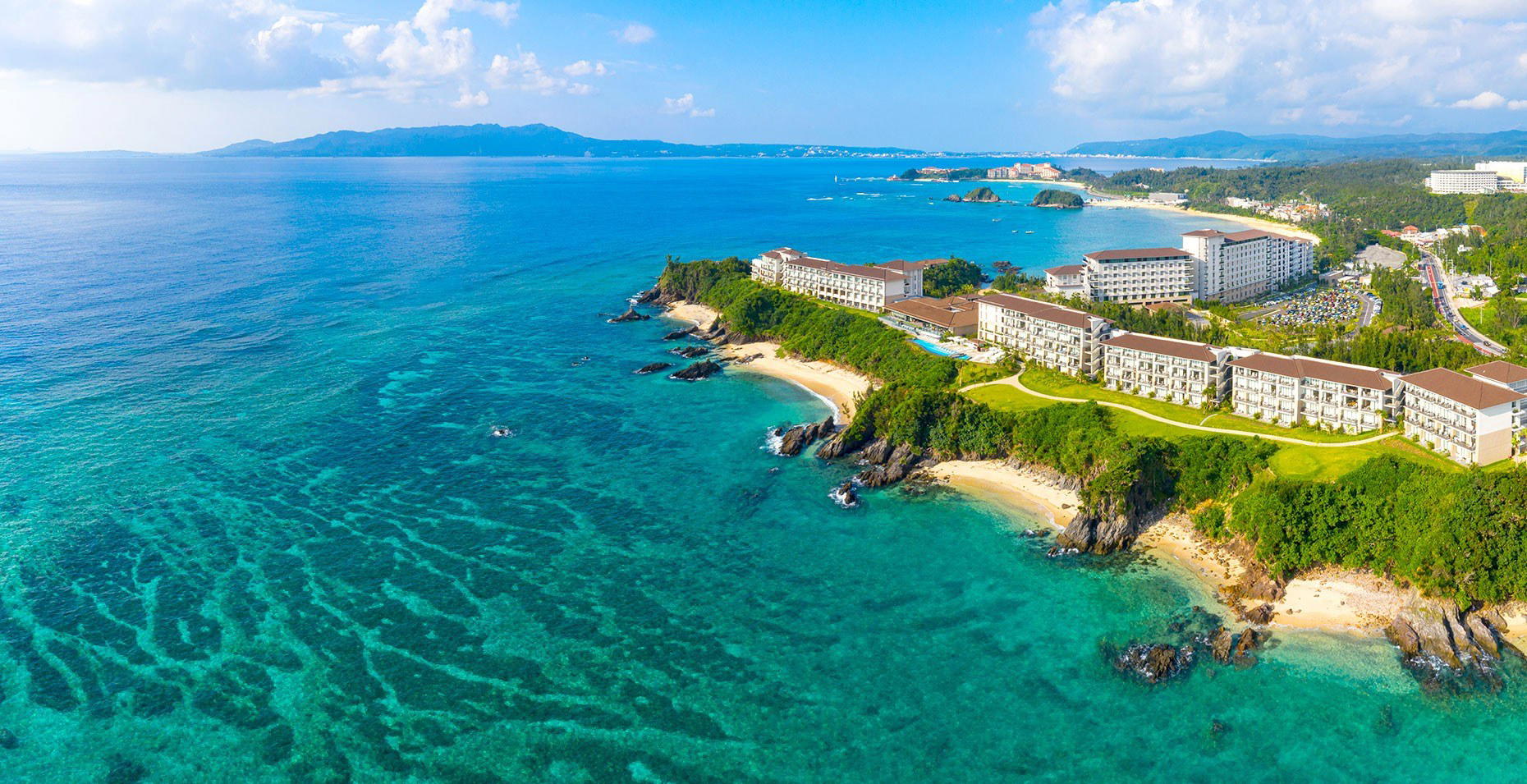
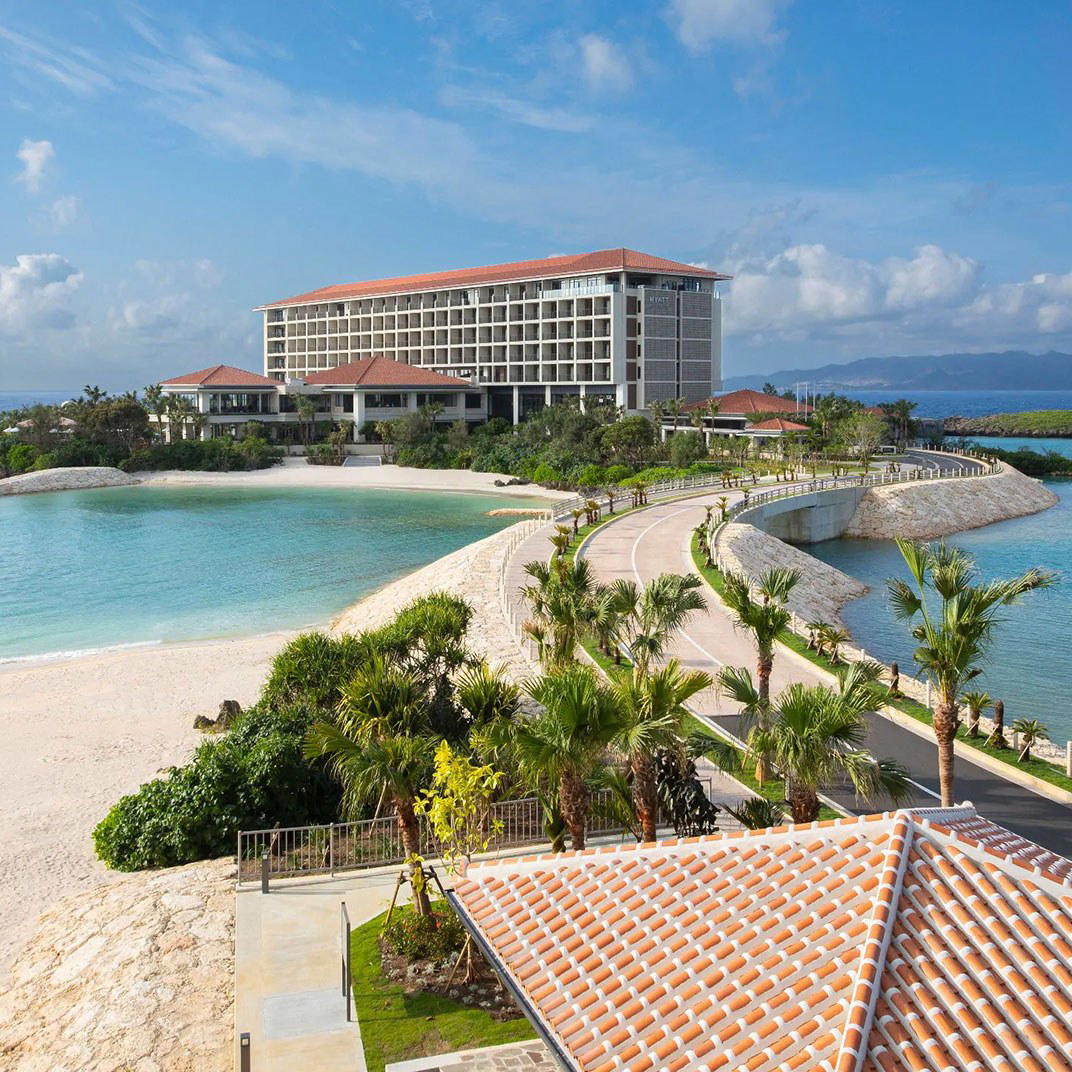
Tranquil and serene with soundproofed rooms, open-air hallways, water elements, and lush gardens creating a peaceful, elegant atmosphere.