
Tabelog 100 #67
Our verdict
Naha’s Kokusai-dori corridor usually pulls travelers toward casual Okinawan cooking, but this address works in a different register: teppanyaki and steak with counter seating, wine, and Tabelog 100 Steak / Teppanyaki WEST recognition in 2025. The appeal is less about spectacle than about a city-center format that suits families, friends, and visitors who want a polished meal without leaving central Naha.

Pearl is the En Primeur Club membership app — saves, bookings, and concierge access live there. Same editors, same standards.
- Address
- 1 Chome-2-9 Matsuo, Naha, Okinawa 900-0014, Japan
- Phone
- +81 98-941-1129
- Hours
- Mon–Wed 11 AM–4 PM, 5–10 PMThu 11 AM–5 PMFri–Sat 11 AM–4 PM, 5–10 PMSun 11 AM–3 PM, 5–10 PM
- Website
- heki.co.jp
- Directions
- Get directions
The menu
What to order
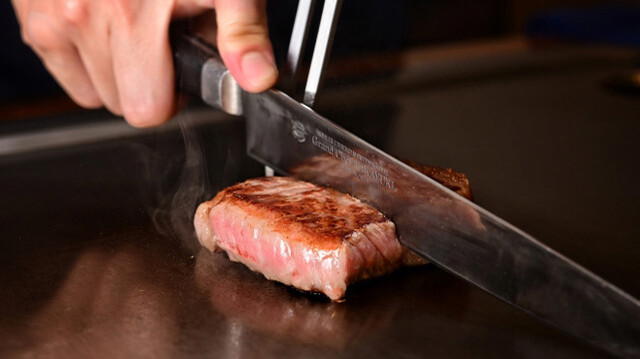
- Okinawan Kuroge Wagyu steak
- Wagyu filet course
- Wagyu sirloin course
- Teppanyaki seafood
In Naha, the city energy arrives before the meal does: hotel lobbies, souvenir shops, transport, and the steady movement of visitors cutting through the center of town. Inside the teppanyaki idiom, that urban setting matters. Okinawa is often read through pork, awamori, market fish, and island vegetables, but steak has its own local logic, shaped by postwar American influence, tourism, and the island’s appetite for high-heat cooking served with little ceremony. Heki Kokusai dori matsuo ten sits in that overlap: city accessibility, counter-led cooking, and a steakhouse format that feels built for Naha rather than imported wholesale from Tokyo or Osaka.
The restaurant’s Tabelog 100 - Steak / Teppanyaki - WEST - 2025 selection gives it a clearer place in Japan’s wider steak and teppanyaki conversation. That list groups it with western Japan specialists rather than treating Okinawa as a side note, which is useful for travelers comparing Naha dining against larger mainland cities. Within the local field, the format also separates it by mood from everyday city meals and from contemporary dining such as BACAR OKINAWA. The decision is not simply “steak or no steak”; it is whether the evening calls for a structured teppanyaki room in Naha.
Teppanyaki in Naha has a different cultural accent
Teppanyaki is often misread abroad as pure performance. In Japan, the stronger versions are usually about control: heat, pacing, portioning, and the relationship between the grill and the seat. Naha adds another layer. Okinawa’s beef culture lives alongside shabu-shabu, pork cookery, izakaya drinking, and resort dining, so a teppanyaki counter in Naha has to serve both locals marking an occasion and travelers moving through a compact city itinerary. That dual audience explains the practical shape of the experience: a grill-focused meal that can still make sense within a travel day rather than only as a hushed formal ceremony.
That detail is not cosmetic. Many premium Japanese counters are poor fits for mixed itineraries, either by size, silence, or reservation culture. Here, the category bends toward accessibility in spirit without abandoning the steakhouse frame. The restaurant is best read through its listed categories, teppanyaki and steak, and through the way those categories land in Naha: direct, urban, and useful for visitors who want a clear dining plan without turning the night into a mainland-style luxury script.
Okinawa dining rewards comparison by mood. For local hot-pot meals, other Naha dining rooms keep the focus on pork, broth, and island identity. For a broader Naha meal plan, A LONG VACATION. LITOR, SHIKAKU, Zooton's Kumoji ten, and BACAR OKINAWA map different parts of the city’s restaurant spectrum. The useful move is to treat teppanyaki here as one chapter in Naha’s food culture, not as a generic luxury import.
The room suits travelers who want control without stiffness
The strongest argument for this restaurant is format discipline. A teppanyaki setting brings the grill into the meal, and the restaurant’s steak focus gives the night a clear center of gravity. Reservations and practical details should be checked directly before visiting, but the larger editorial point is that this is a polished Naha restaurant designed for actual travel conditions: mixed schedules, flexible itineraries, and a desire to eat well without turning dinner into a multi-hour ceremony.
Price positioning sharpens the editorial read. Naha has casual meals well below this bracket, and it has destination dining that can move higher. Heki Kokusai dori matsuo ten is listed at Dinner: JPY 10,000 - JPY 14,999; Lunch: JPY 4,000 - JPY 4,999, which places it in a middle-premium lane for steak and teppanyaki, where the counter experience, recognition, and Naha setting carry the value proposition. Travelers deciding between it and BACAR OKINAWA are choosing between different kinds of occasion: grill-led steak structure here, and a different restaurant rhythm there. Those looking for a lower-commitment day in town can use Our full Naha restaurants guide to build around lunch, coffee, and a simpler dinner instead.
The same logic applies beyond restaurants. Naha works well when dining is planned alongside the city’s compact hospitality and drinking scene rather than isolated as a single reservation. Our full Naha hotels guide is the smarter companion for choosing a base in Naha, while Our full Naha bars guide helps frame where to drink after dinner; the after-hours choice can stay generic rather than competing with the meal itself. For wider planning, Our full Naha experiences guide and Our full Naha wineries guide keep the itinerary from becoming only a sequence of meals.
Where it fits in a Japan-wide steak itinerary
For travelers building a Japan trip around beef, charcoal, and grill traditions, Naha should not be treated as a detour from the main story. The island’s steak culture has a history separate from mainland luxury, and that makes the category more interesting. A Tabelog 100 steak and teppanyaki selection in Okinawa signals that the genre has national relevance beyond the usual mainland corridors, even when the room’s appeal remains grounded in Naha rather than in a more formal destination-dining script.
That perspective also helps when comparing across cities. Other Japanese dining rooms may point toward beef through hot pot, charcoal, counter cooking, or regional set meals, and those differences show how restaurant categories resist a single national template. Even outside Japan, Japanese formats change again when they travel. Back in Naha, Heki Kokusai dori matsuo ten makes sense because it keeps the focus local: steak, teppanyaki, city utility, and a room that can handle more than the hushed special-occasion script.
Frequently asked questions
Is Heki Kokusai dori matsuo ten a family-friendly restaurant?
Check directly with the restaurant for current policies on children, strollers, and group arrangements. The clearest confirmed details are that Heki Kokusai dori matsuo ten is a teppanyaki and steak restaurant in Naha.
What kind of setting is Heki Kokusai dori matsuo ten?
It is a teppanyaki and steak restaurant in Naha. The experience is best understood as grill-led dining rather than a general-purpose casual meal.
What price level is Heki Kokusai dori matsuo ten?
Pricing at Heki Kokusai dori matsuo ten is listed as Dinner: JPY 10,000 - JPY 14,999; Lunch: JPY 4,000 - JPY 4,999.
What days is Heki Kokusai dori matsuo ten closed?
Check directly with Heki Kokusai dori matsuo ten for current opening days and hours before visiting.
What part of town is Heki Kokusai dori matsuo ten in?
Naha.
What is Heki Kokusai dori matsuo ten known for?
Its clearest credential is selection for Tabelog 100 in Steak / Teppanyaki WEST 2025. The listed budget is Dinner: JPY 10,000 - JPY 14,999; Lunch: JPY 4,000 - JPY 4,999, and its listed categories are teppanyaki and steak.
Budget Reality Check
Comparable venues by cuisine and price in the same metro.
| Venue | Cuisine | Price | Awards | Notes |
|---|---|---|---|---|
| Heki Kokusai dori matsuo tenThis venue — the venue you are viewing | Okinawan Wagyu Teppanyaki Steakhouse | $50–100 | Tabelog 100 #67 | Not listed |
| Jack's Steak House (ジャッキーステーキハウス) | Classic Okinawan Steakhouse | $20–30 | Not listed | 西, Classic Okinawa Steakhouse |
| O's House | Traditional Japanese teppanyaki steakhouse | $50–100 | Tabelog 100 #13 | Kume, Traditional Japanese teppanyaki steakhouse |
| BAR Owl | Cocktail bar with fresh fruit cocktails | $30–50 | Tabelog 100 #98 | Kumoji, Cocktail bar with fresh fruit cocktails |
| Teppanyaki Matsuo | Teppanyaki Steakhouse | $50–100 | Not listed | Kokusai-dori, Teppanyaki Steakhouse |
| YOROKOBI | Okinawan Shabu-Shabu | $50–100 | Not listed | Makishi, Okinawan Shabu-Shabu |
Recognition history
Dated appearances from independent guides and award organizations, with the underlying list record or original source where available.
Tabelog 100 #67 · No. 67
Tabelog · Tabelog 100 - Steak / Teppanyaki - WEST - 2025
Details
- Elegant
- Cozy
- Lively
- Date Night
- Business Dinner
- Group Dining
- Family
- Celebration
- Special Occasion
- Chefs Counter
- Open Kitchen
- Private Dining
- Standalone
- Local Sourcing
- Street Scene
- A La Carte
- Set Menu
- Counter Dining
- Beer
- Sake
- Wine
- Pescatarian Friendly
Current opening hours
- Monday
- 11 AM–4 PM, 5–10 PM
- Tuesday
- 11 AM–4 PM, 5–10 PM
- Wednesday
- 11 AM–4 PM, 5–10 PM
- Thursday
- 11 AM–5 PM
- Friday
- 11 AM–4 PM, 5–10 PM
- Saturday
- 11 AM–4 PM, 5–10 PM
- Sunday
- 11 AM–3 PM, 5–10 PM
Hours can change for holidays and private events. Last verified .
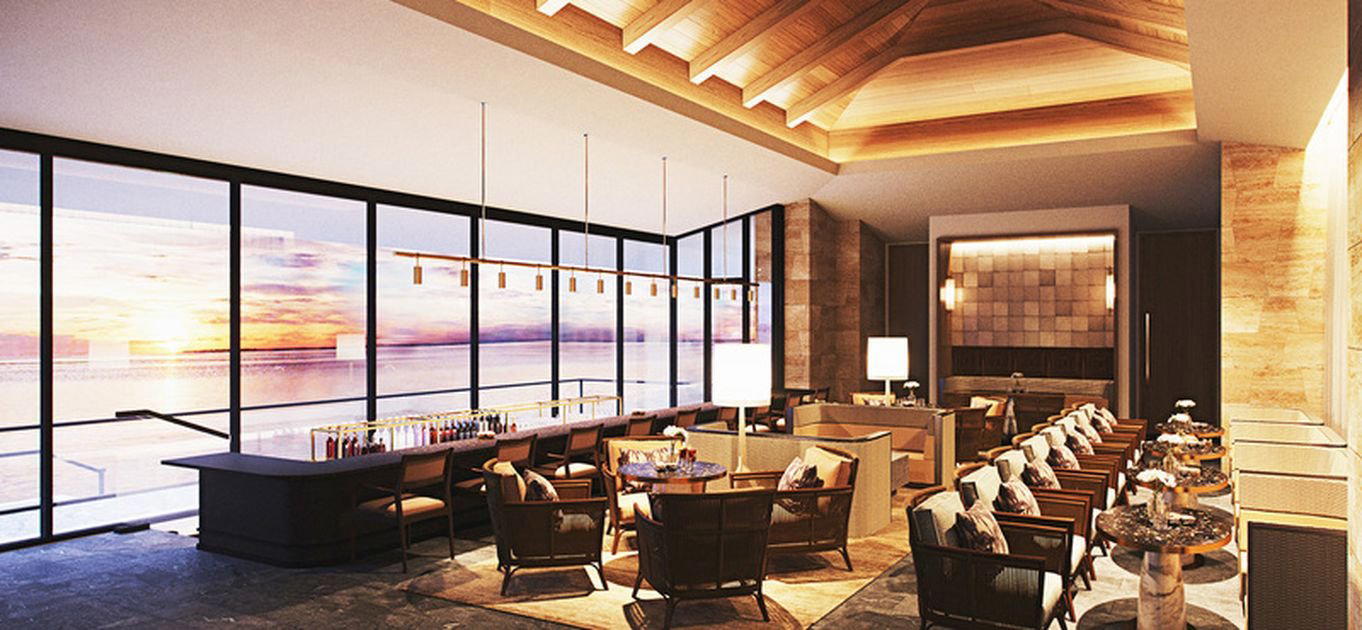
Elegant but relaxed teppanyaki setting with counter and table seating, where guests watch chefs cook on the iron griddle in a calm, comfortable dining room suited to both special occasions and family meals.