
Fujiya NOODLE belongs to Sapporo’s compact counter-ramen culture rather than its tourist-facing spectacle. Recognition in Tabelog’s Ramen HOKKAIDO 100 list for 2024 and 2025, an eight-seat counter format, and a Susukino location place it in the serious late-evening ramen bracket, where pacing, turnover, and kitchen-front coordination matter as much as the bowl.
Pearl is the En Primeur Club membership app — saves, bookings, and concierge access live there. Same editors, same standards.
- Address
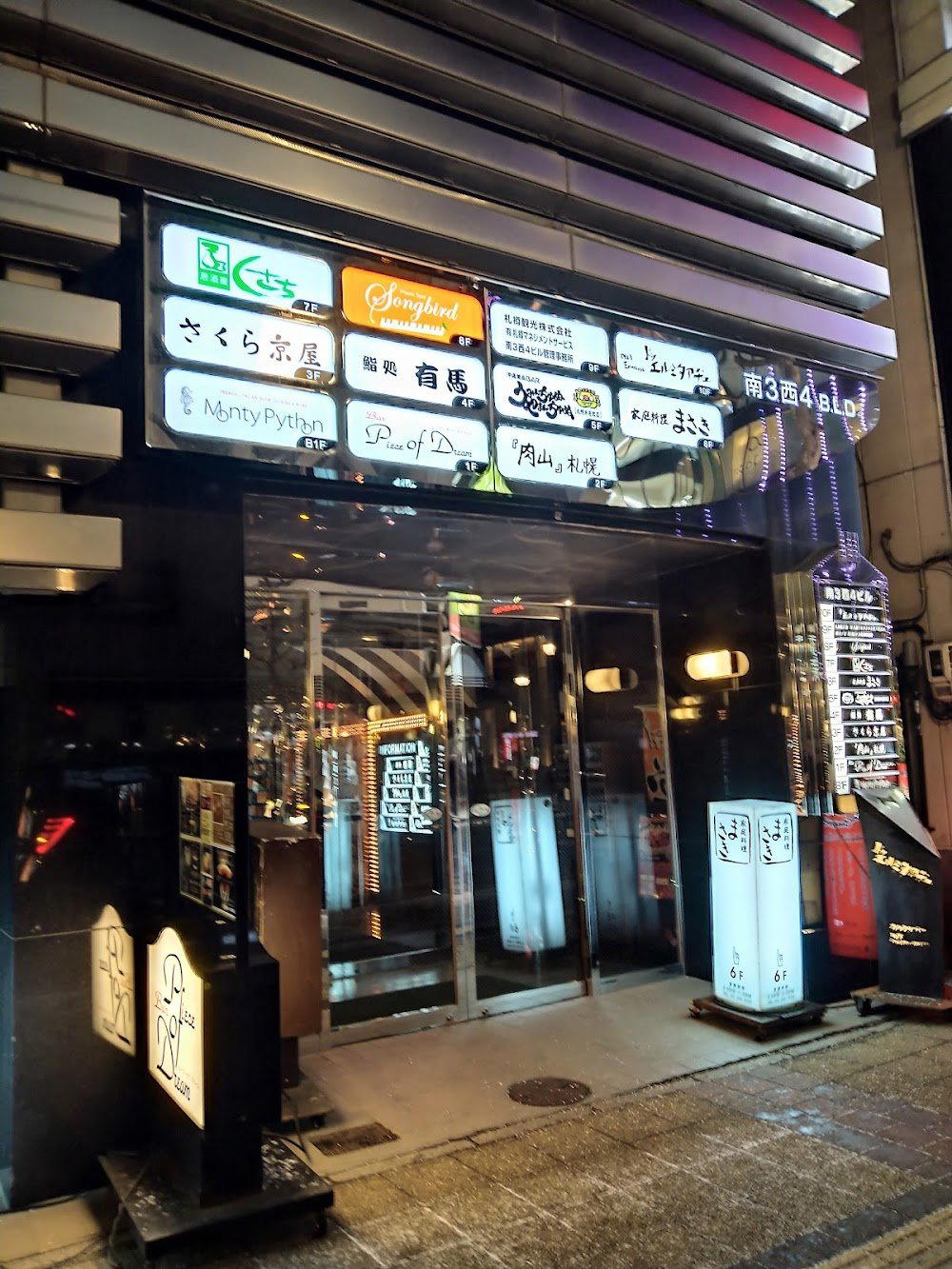
- Japan, 〒064-0804 Hokkaido, Sapporo, Chuo Ward, Minami 4 Jonishi, 3 Chome 第3グリーンビル
- Phone
- +81 11-552-0248
- Website
- fujiya-sapporo.com
 Saves & bookings on Pearl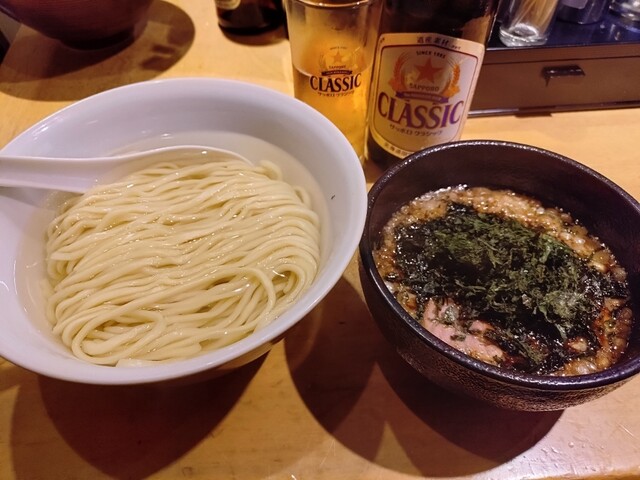
New Ramen Yokocho is not the polished face of Sapporo dining. It is tighter, brighter, and more transactional: counters, steam, short waits, solo diners, and bowls moving quickly from kitchen to seat. That setting matters because Sapporo ramen is often misunderstood as a single butter-corn cliché when the stronger local shops work within a sharper grammar of broth, noodle texture, tare, and timing. Fujiya NOODLE sits inside that grammar, using the compressed counter format as part of the experience rather than a limitation.
The shop’s recognition in Tabelog’s Ramen HOKKAIDO 100 selection in both 2024 and 2025 gives it a clear place in the regional conversation. This is not a long-form dégustation room trying to borrow ramen’s informality; it is an eight-seat counter where the kitchen, service rhythm, and guest turnover have to function as one unit. In Sapporo, that distinction matters. The city has restaurants built for lingering, bars built for second drinks, and ramen counters built for precision under pressure. For a wider read on the city’s range, Our full Sapporo restaurants guide maps that spectrum beyond noodle shops.
Susukino ramen, stripped to counter discipline
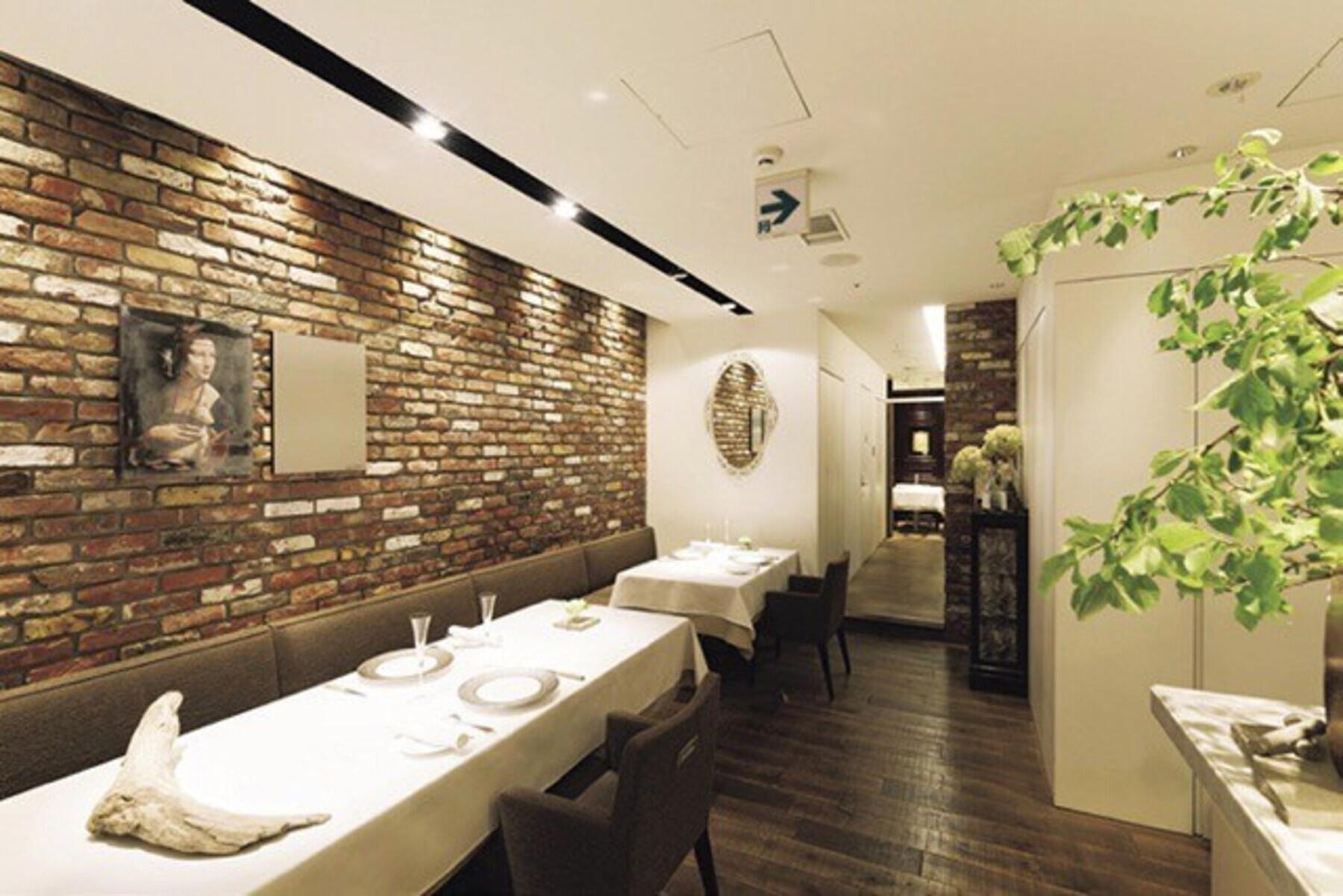
Susukino rewards restaurants that understand timing. The district’s dining pattern is fragmented: early dinner, drinks, late bowls, a final train, or no train at all. Within that ecosystem, ramen shops need a different kind of hospitality from white-tablecloth restaurants. The service is lean, but it cannot be careless. At an eight-seat counter, every delay is visible, every exchange between kitchen and floor affects the next bowl, and the room’s energy comes from coordination rather than ceremony.
Fujiya NOODLE’s format aligns with that late-evening Sapporo style. Counter seating makes the kitchen the central performance, but the stronger reading is operational, not theatrical. Bowls are assembled to order, guests eat at close range, and the front-of-house role is less about narrative and more about flow: seating solo diners cleanly, keeping the line intelligible, and letting the kitchen hold pace. That team dynamic is the difference between a cramped ramen stop and a disciplined counter.
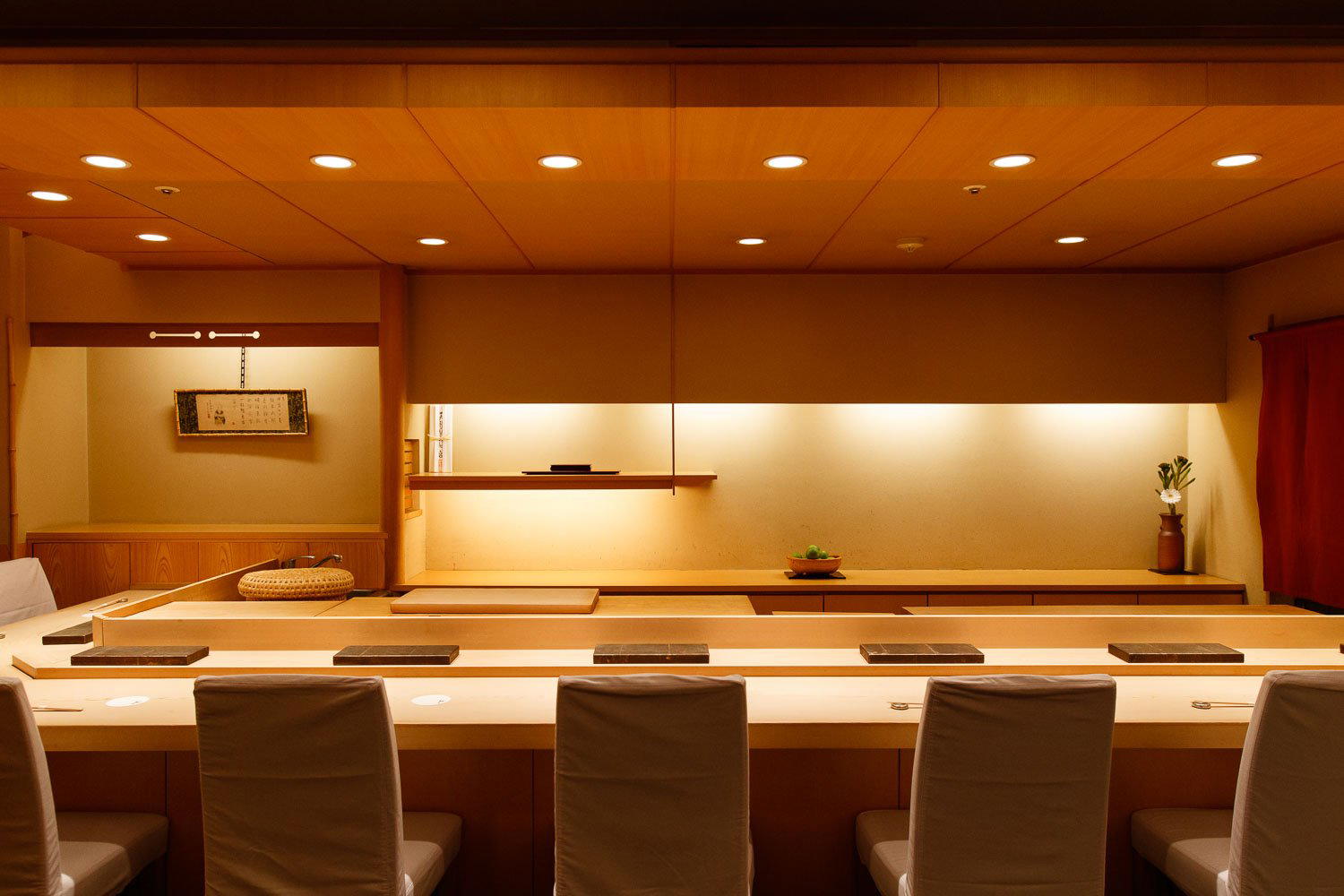
Compared with Ganso Sapporo Ramen Mogura, which occupies a lower listed spend bracket, and Ramen Shingetsu, which sits in a similar everyday ramen price tier, Fujiya NOODLE’s case rests less on luxury and more on recognition, compactness, and location. It belongs to the Sapporo category where a bowl can remain accessible while the room’s execution signals a more selective audience. That is also why it reads differently from Bar ESTARICO or Sushi Saikou: those names speak to Sapporo’s drink and sushi registers, while this address belongs to the city’s quick, technical noodle culture.
What the awards signal in a ramen city
Tabelog’s Hyakumeiten lists are useful in ramen because the category is crowded and uneven. A selection does not turn a shop into a luxury restaurant, and it should not be read like a Michelin star. It does, however, separate a counter from the mass of interchangeable late-night bowls. For travelers, that signal is practical: it points toward a shop with enough local attention to matter, without changing ramen’s essential proposition of a focused, comparatively affordable meal.
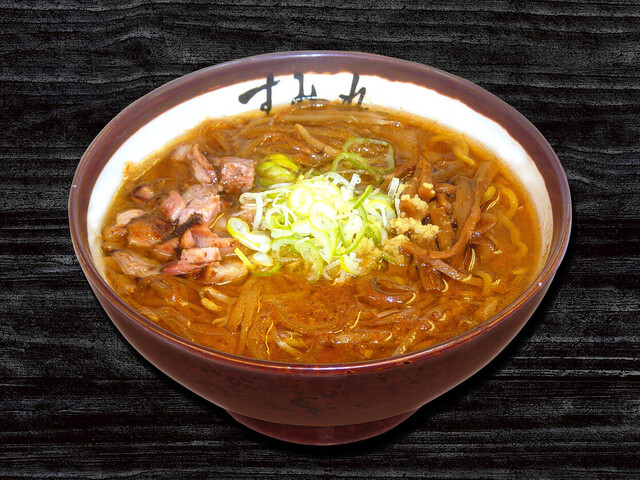
Sapporo’s ramen identity has always been more layered than its postcard version. Miso may dominate the city’s international image, but Hokkaido’s noodle culture is shaped by cold weather, wheat, dairy associations, seafood access, and urban nightlife. The sharper counters avoid turning those references into tourist shorthand. The restaurant’s appeal is that it sits in the city’s everyday ramen economy while carrying recognition that places it above the anonymous cluster of after-drink options.
The same logic explains why Sapporo rewards cross-category eating. A serious food itinerary can move from ramen to spice curry, bread, sushi, and bar culture without treating any one category as a novelty stop. For curry context, see [Curry Senmon Ten] Maruyama Kyoju., Ajanta Indo Curry Ten, and Ajanta Sohonke. For another noodle register, 175°DENO Tantanmen Sapporo kitaguchi ten shows how spice and sesame-driven ramen sit beside Sapporo’s better-known bowls. Aigues Vives adds a different Hokkaido lens altogether, useful for travelers building a day around texture, grain, and regional produce rather than a single dish category.
How to use it in a Sapporo itinerary
The smartest way to place the restaurant is as a focused Susukino stop, not the anchor of an entire evening. The counter format suits solo diners and small parties who understand that ramen hospitality is measured in clarity and pace. It also works after drinks, provided the goal is a serious bowl rather than a drawn-out meal. Private rooms and group dining are not the point here; the narrow counter is the point.
Payment flexibility, non-smoking status, and the absence of parking all reinforce the urban reading. This is a subway-and-walk address in the nightlife core, better paired with nearby bars than with a car-led itinerary. For planning beyond dinner, Our full Sapporo bars guide, Our full Sapporo hotels guide, Our full Sapporo wineries guide, and Our full Sapporo experiences guide help frame the rest of the trip without forcing ramen to carry the whole night.
Nationally, the better comparison is not luxury dining but Japan’s culture of specialist counters: compact rooms built around one product, fast decision-making, and repeatable execution. That pattern appears in different forms across the country, from -Grilled beef Sukiyaki- KAMAKURA TANUKIAN 鎌倉 たぬき庵 in Kamakura to. 鮪と炭火焼き うお炭 秋葉原店 in Tokyo.cafe in Osaka.know in Kumamoto, (Shoku) Vietnam in Kawasaki, and [ki:] in Kyoto. Even overseas Japanese formats, including Jōdo Saké Bar in Los Angeles and Onigiri Time in Pasadena, show how a narrow idea can carry a room when operations are tight. The restaurant belongs to that same editorial category: small-format dining where the team’s coordination is not decoration, but the mechanism that makes the meal work.
A Lean Comparison
Comparable venues by cuisine and price in the same metro.
| Venue | Cuisine | Price | Notes |
|---|---|---|---|
| Fujiya NOODLEThis venue — the venue you are viewing | Chūō, Modern Sapporo miso ramen counter | $$ | Not listed |
| Omaru Shoten | Not listed | $$ | Chūō, Japanese BBQ (Yakiniku) |
| Japanese Ramen Noodle Lab Q | Chūō, Modern Tanrei Ramen | $$ | Not listed |
| SOUP CURRY KING Honten | Toyohira, Sapporo-style soup curry | $$ | Not listed |
| Yakiniku Horumon Fudo. | Not listed | $$ | Chūō, Yakiniku, horumon & jingisukan tavern |
| Ramen Sapporo Ichiryuan | Chūō, Hokkaido miso ramen | $$ | Not listed |
Recognition history
Dated appearances from independent guides and award organizations, with the underlying list record or original source where available.
Tabelog 100 #13 · No. 13
Tabelog · Tabelog 100 - Ramen - HOKKAIDO - 2025
At a Glance
- Trendy
- Lively
- Intimate
- Solo
- Late Night
- Casual Hangout
- Standalone
- Beer Program
Current opening hours
- Monday
- Closed
- Tuesday
- 6 PM–12 AM
- Wednesday
- 6 PM–12 AM
- Thursday
- 6 PM–12 AM
- Friday
- 6 PM–2:30 AM
- Saturday
- 6 PM–2:30 AM
- Sunday
- Closed
Hours can change for holidays and private events. Last verified .
A compact 8‑seat counter inside Shin Ramen Yokocho with the buzz of Susukino nightlife outside; casual and energetic but focused on serious, refined ramen, blending the feel of an old‑school alley shop with a modern, craft‑driven approach.