Google: 4.8 · 1,304 reviews
Temaki Den
.png)
Inside The Source Hotel + Market Hall on Brighton Boulevard, Temaki Den is Denver's focused answer to the handroll counter format — a Michelin Plate-recognised spot where temaki are rolled one at a time to order alongside aburi nigiri. The dark, market-hall setting keeps the mood casual but the sourcing serious, with Scottish salmon belly and flame-seared eggplant nigiri among the standout preparations. Google reviewers rate it 4.8 from over 1,100 submissions.
 Discover on Pearl
Pearl is the En Primeur Club membership app — saves, bookings, and concierge access live there. Same editors, same standards.
Market Hall Sushi: How Denver's Handroll Counter Fits a Wider Japanese Format Shift
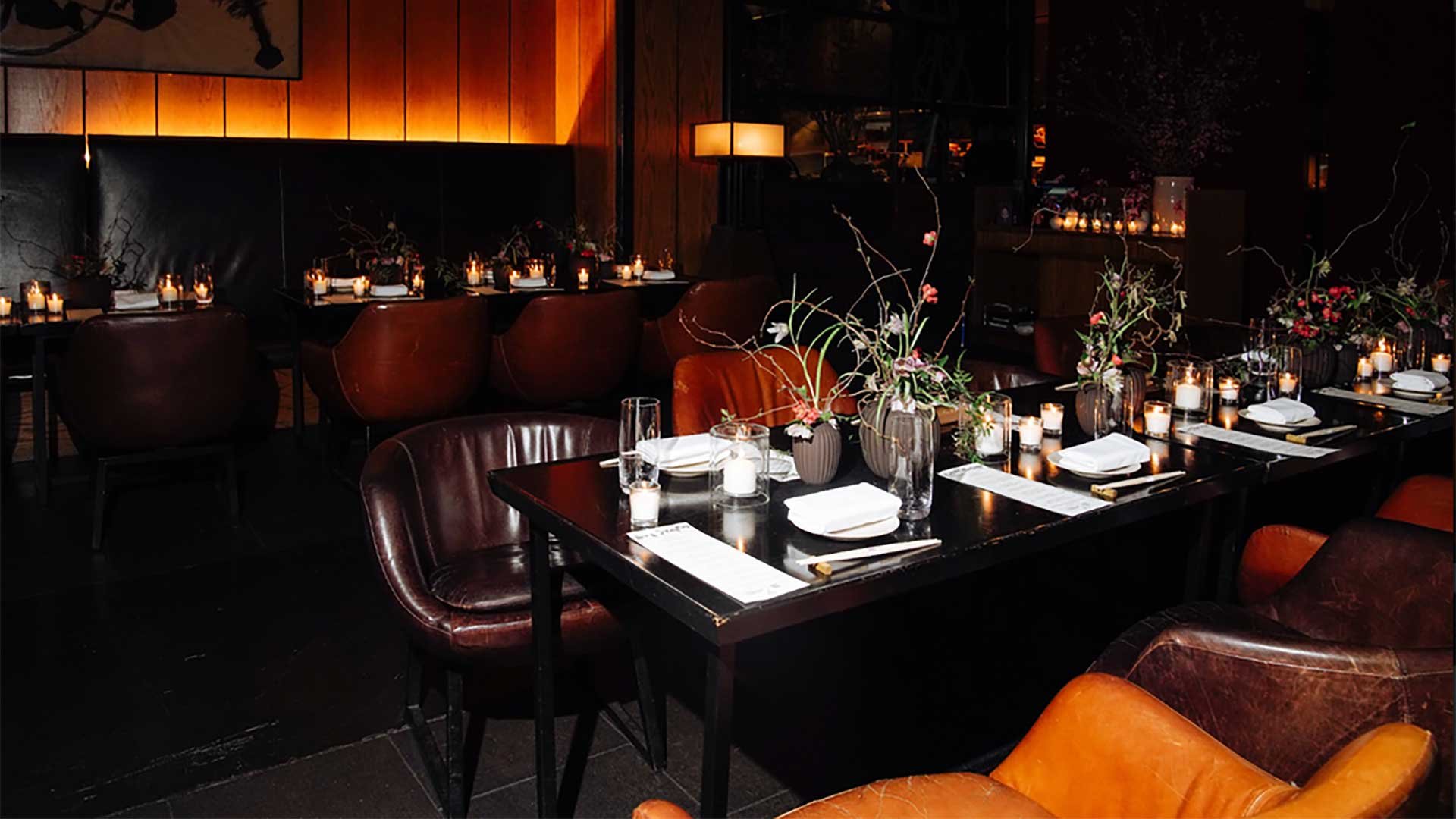
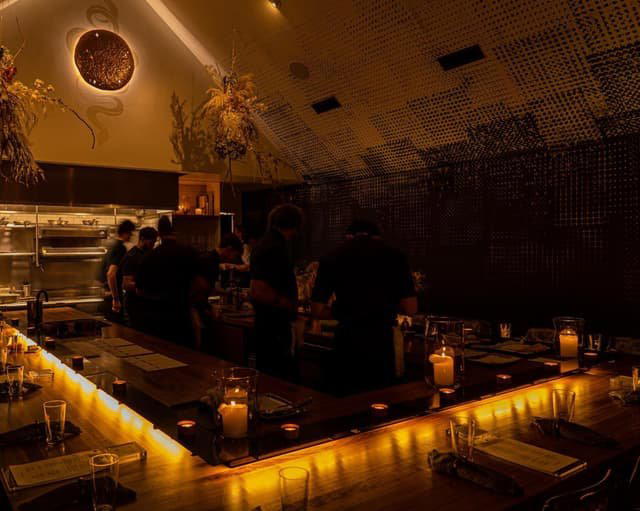
The handroll counter as a dining format has been expanding well beyond its Japanese origins for roughly a decade, moving from specialist Tokyo neighbourhood spots into the vocabulary of mid-tier American restaurant cities. The logic is efficient: a tight menu, high-turnover seating, and theatrical tableside rolling that keeps quality consistent without the labour overhead of a full omakase programme. Denver's Temaki Den, located inside The Source Hotel + Market Hall at 3350 Brighton Blvd, operates squarely within that shift. Set among other vendors in an open market-hall layout, the space uses a dark colour palette to carve out a distinct identity inside what is otherwise a browsing environment. The contrast works — the moodier lighting pulls focus, and the counter format does the rest.
The Source itself functions as a kind of anchor institution for the RiNo corridor, a neighbourhood that has absorbed enough restaurant investment over the past eight years to now carry a coherent dining identity. Temaki Den's position inside it means the venue benefits from the foot traffic of a mixed-use building while maintaining enough physical separation to feel like a destination rather than a stall. That distinction matters when the menu is asking for the same level of attention you'd bring to a Japanese specialist elsewhere in the city.
Kansai Technique in a Colorado Market Hall
Editorial angle on Temaki Den's menu is leading read through the lens of aburi — the flame-searing technique associated with Osaka's Jiro-style Kansai tradition rather than the restrained, temperature-precise Edo-mae approach that defines Tokyo's leading sushi counters. Where Kanto-style sushi, particularly in its Ginza omakase form, tends to emphasise the rice seasoning, fish aging, and minimal intervention, Kansai aburi relies on heat to transform texture and concentrate flavour. The two approaches are not competitors so much as different philosophical endpoints, and a venue that combines temaki with aburi nigiri is explicitly borrowing from the Kansai register.
Temaki itself has stronger roots in the casual end of Japanese dining , a home-style format, historically, that moved into restaurant settings through teishoku and izakaya traditions before becoming a standalone counter genre. In Japan, the format's informality is partly what gives it cultural currency: you eat with your hands, the nori softens quickly, and the rolling happens in real time to preserve the seaweed's crispness. Temaki Den preserves that immediacy. Handrolls are rolled to order, one at a time for each guest, which is the correct approach and one that separates a serious temaki counter from the style-over-substance version of the format.
The Michelin Plate awarded in 2024 is a signal worth contextualising. A Michelin Plate does not imply star-level ambition or pricing; it marks consistent cooking that meets the inspectors' baseline quality threshold. For a market-hall venue operating at the $$$ price range, it is meaningful recognition that the kitchen's technique holds up against broader regional standards. Denver's Michelin-recognised restaurants now form a peer set that includes Brutø (Contemporary), The Wolf's Tailor (New American, Contemporary), and Beckon (Contemporary), all operating at $$$$ , which places Temaki Den as one of the more accessible points of entry into that recognised tier.
What the Menu Is Doing
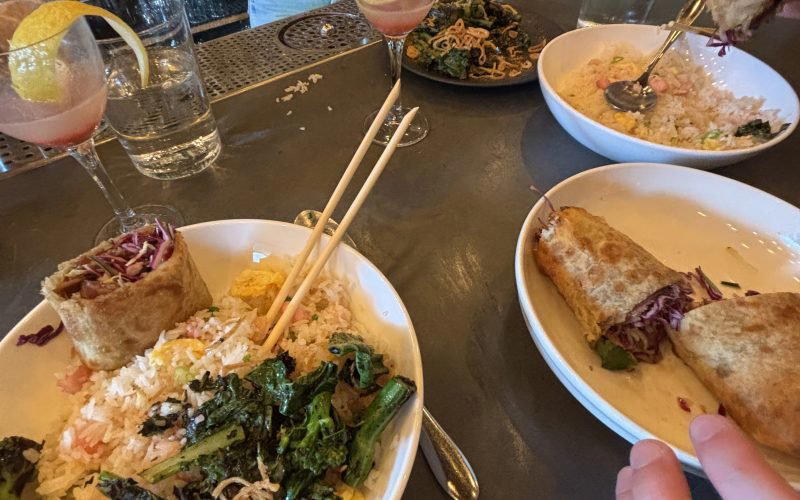
The structure follows a logical progression: a cold vegetable course, then temaki, then aburi nigiri. The broccolini goma-ae , blanched broccolini in sesame dressing , functions as a palate-setting opener, giving the meal a clean, green counterpoint before the richer fish preparations arrive. Goma-ae is a standard washoku preparation, and its inclusion signals that the kitchen is thinking about the full arc of a sitting rather than jumping directly to the format's headline dishes.
Temaki are available à la carte or as a set. The Scottish salmon belly with yuzu kosho and crispy shallots represents a deliberate flavour-layering decision: the fat of belly cut against the citrus heat of yuzu kosho, with shallot crunch providing textural contrast and a measure of Kansai-inflected aromatic weight. The eggplant nigiri, seared and caramelised with miso, is the kitchen's most confident expression of aburi logic , heat driving Maillard caramelisation, miso amplifying umami, the result delivering a concentrated sweetness that reads as more substantial than the ingredient's reputation typically suggests.
Denver has a developing Japanese dining scene that includes Kawa Ni at the more casual ramen and small-plates register, while the city's broader $$$ restaurant tier also spans cuisines like Alma Fonda Fina (Mexican) and Kawa Ni. For context on how handroll and nigiri specialists operate at the highest tier globally, the Tokyo counters Myojaku and Azabu Kadowaki represent the Edo-mae end of the spectrum against which Temaki Den's more Kansai-inflected approach is a useful contrast. Comparable American restaurant cities building serious Japanese programmes include San Francisco's Lazy Bear context and the fine-dining ecosystems anchored by Le Bernardin in New York City, Alinea in Chicago, The French Laundry in Napa, Single Thread Farm in Healdsburg, and Emeril's in New Orleans , cities where the Japanese influence on fine dining has been longer-running and more deeply embedded.
Planning Your Visit
Temaki Den operates within The Source Hotel + Market Hall on Brighton Boulevard in the RiNo district. The $$$ pricing positions it mid-range relative to Denver's Michelin-recognised field, making it one of the more accessible validated Japanese options in the city. The Google rating of 4.8 across more than 1,140 reviews is a strong signal of consistent execution at this price point. Given the open market-hall format and the one-at-a-time rolling approach, timing your visit for an off-peak window will allow the counter rhythm to work properly , a crowded rush service is not the ideal condition for a format that depends on immediate consumption. For a fuller picture of where Temaki Den fits within Denver's restaurant scene, see our full Denver restaurants guide. Further Denver planning resources include our full Denver hotels guide, our full Denver bars guide, our full Denver wineries guide, and our full Denver experiences guide.
- Aburi Unagi
- Aburi Salmon
- Hokkaido Scallop Nigiri
- Temaki Hand Rolls
- Oshizushi
- Wagyu Sukiyaki Hand Roll
Budget Reality Check
A small set of peers for context, based on recorded venue fields.
| Venue | Price | Awards | Notes |
|---|---|---|---|
| Temaki Den | $$$ | Temaki Den is nestled within The Source Hotel + Market Hall. It's an open s… | This venue |
| The Wolf's Tailor | $$$$ | Michelin 1 Star | New American, Contemporary, $$$$ |
| Tavernetta | $$ | Italian, $$ | |
| Brutø | $$$$ | Michelin 1 Star | Contemporary, $$$$ |
| Alma Fonda Fina | $$ | Michelin 1 Star | Mexican, $$ |
| Safta | $$$ | Israeli Cuisine, $$$ |
Continue exploring
More in Denver
Restaurants in Denver
Browse all →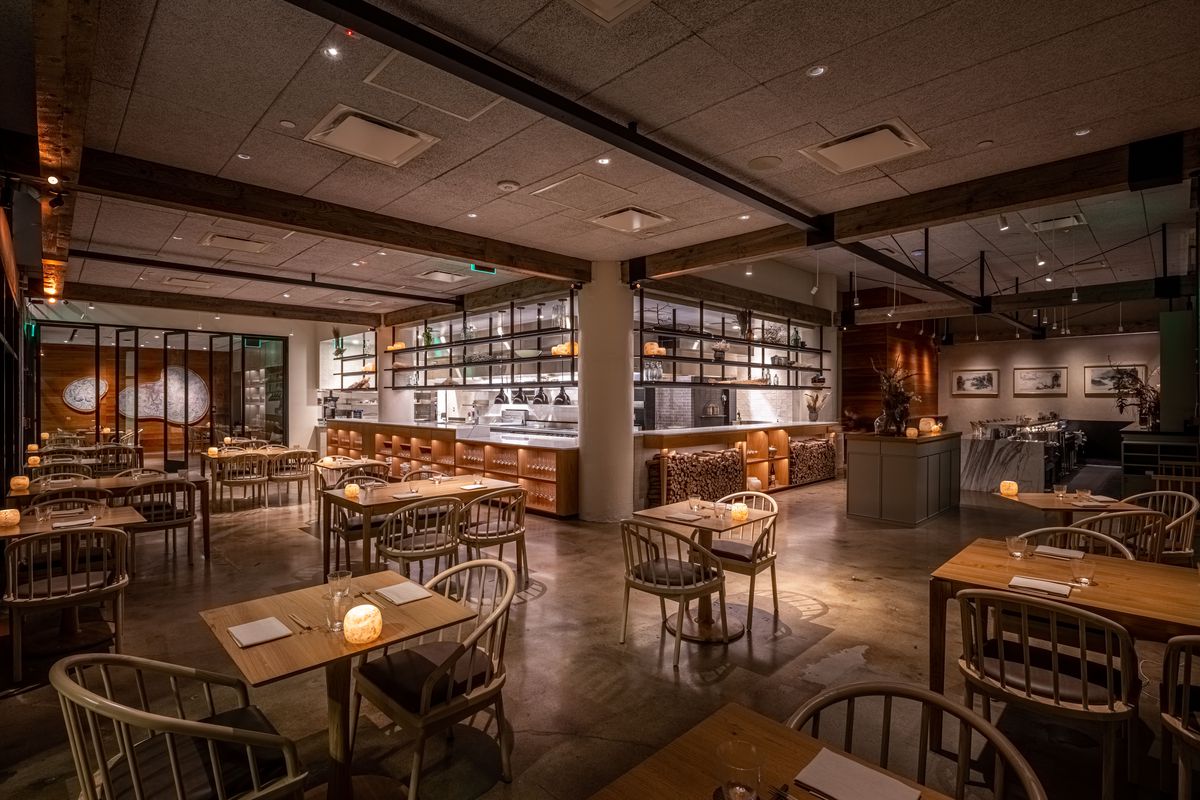
Bars in Denver
Browse all →
Hotels in Denver
Browse all →
Wineries in Denver
Browse all →
At a Glance
- Modern
- Elegant
- Hidden Gem
- Intimate
- Date Night
- Special Occasion
- Celebration
- Chefs Counter
- Open Kitchen
- Sake Program
- Beer Program
- Sustainable Seafood
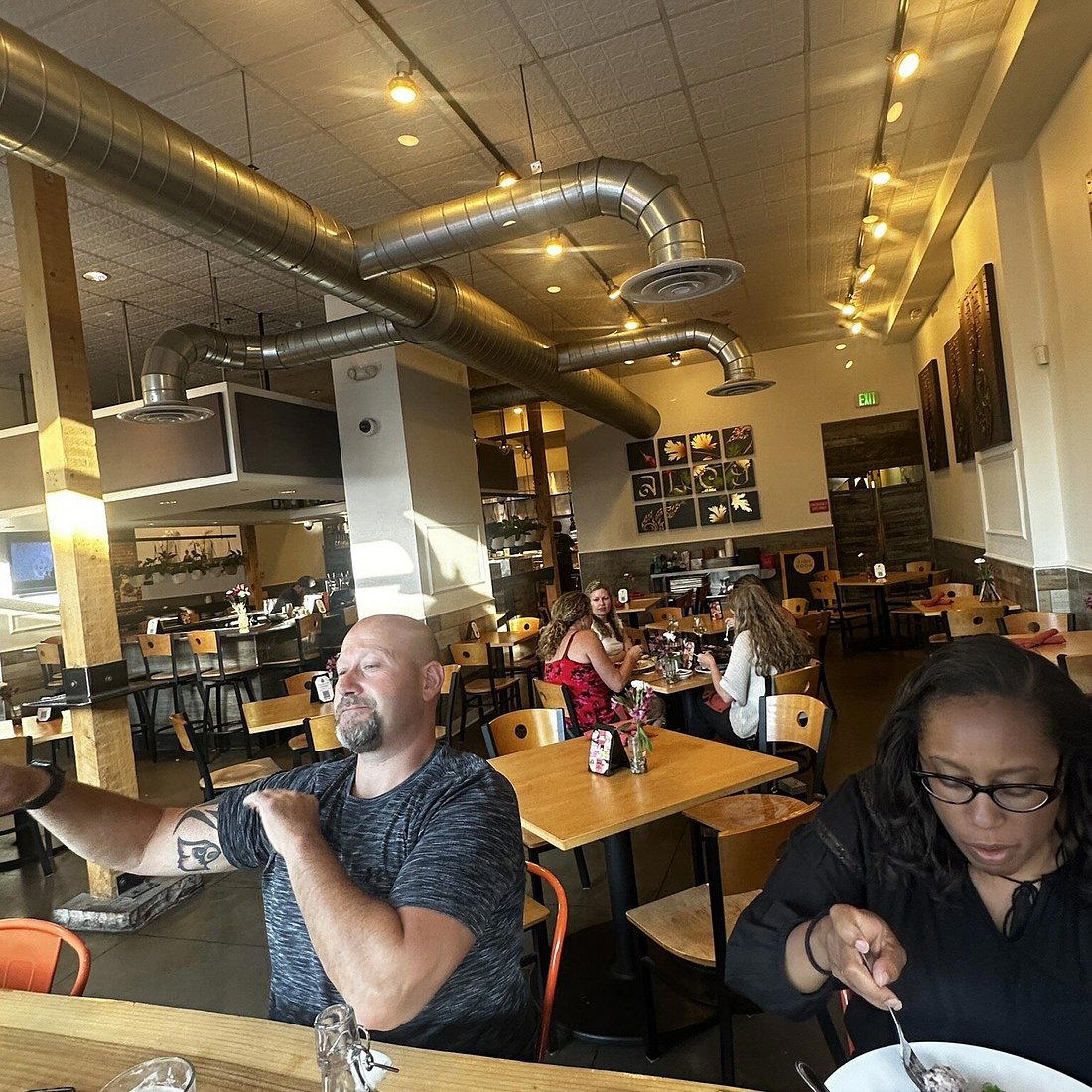
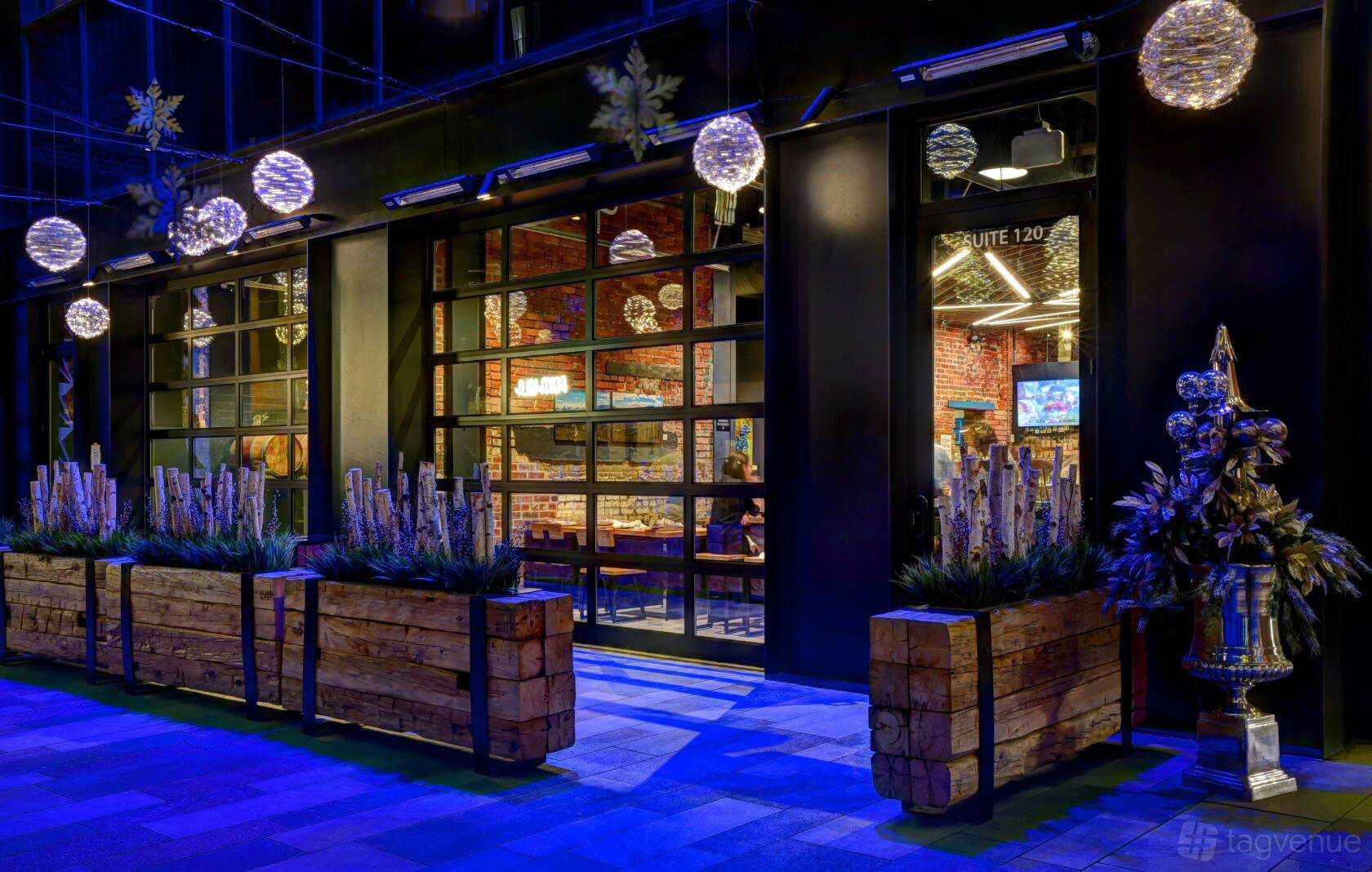
Modern, moody open space with dark color palette tucked within The Source Market Hall; lively yet focused energy from sushi obsessives at the counter.
- Aburi Unagi
- Aburi Salmon
- Hokkaido Scallop Nigiri
- Temaki Hand Rolls
- Oshizushi
- Wagyu Sukiyaki Hand Roll