The Source Hotel


Michelin Selected · Preferred Hotels Member
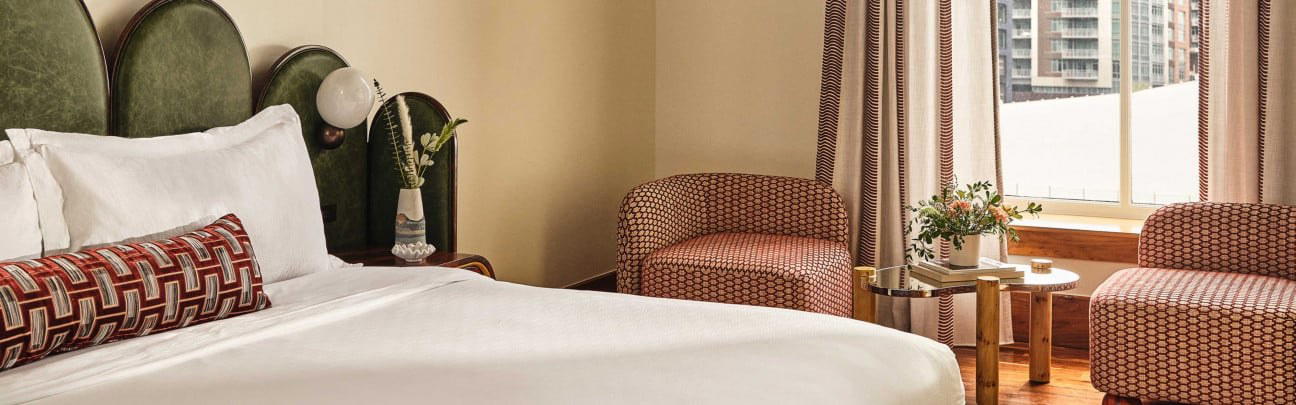
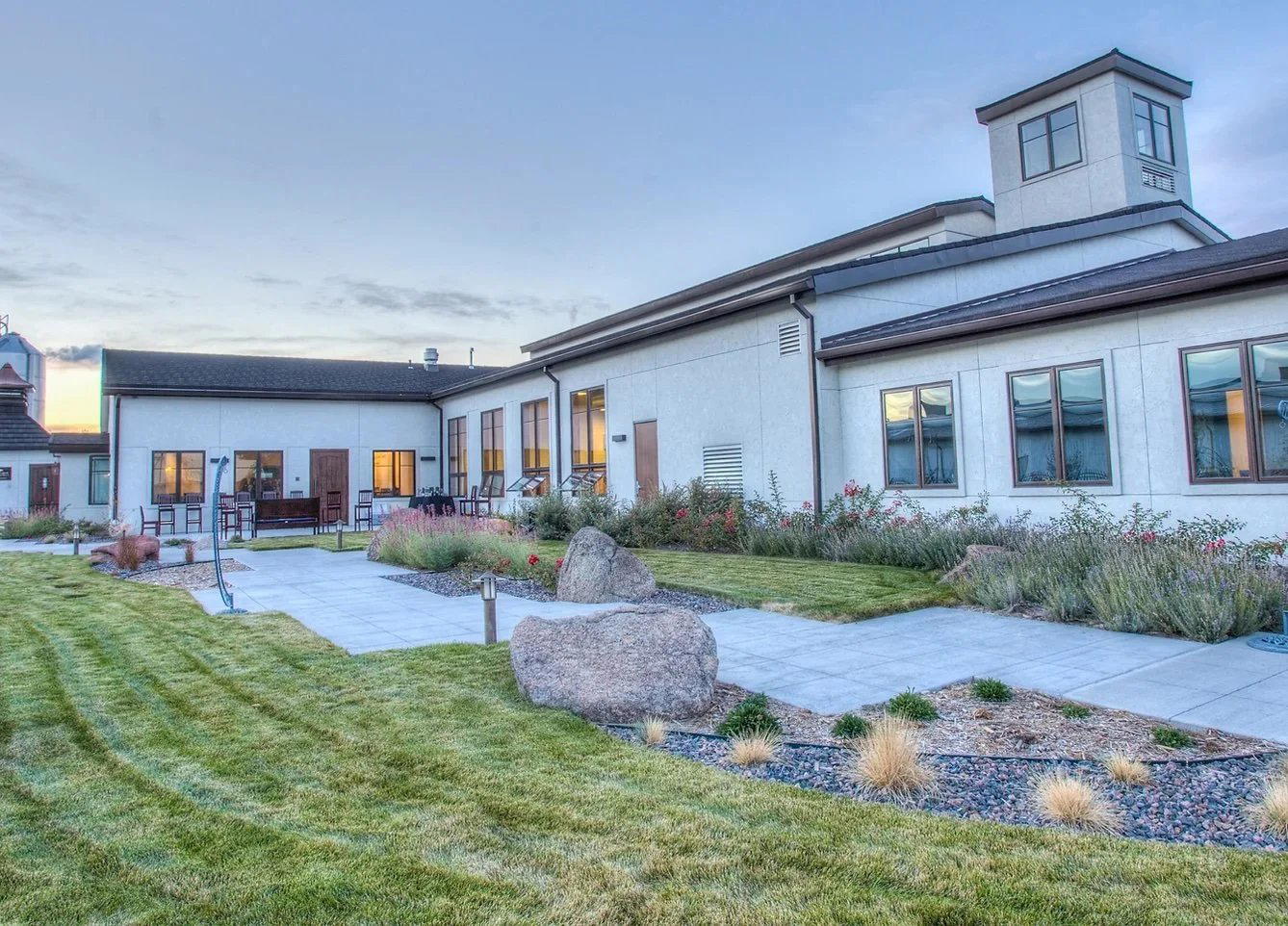
The Source Hotel sits on Brighton Boulevard in Denver's River North Art District, occupying a 100-room adaptive-reuse property built around a converted 1880s ironworks market hall. The industrial bones of the building define everything from the room aesthetic to the ground-floor food and retail programming. For travellers drawn to architecture-led stays, it sits in a different tier from the convention-district high-rises downtown.

Pearl is the En Primeur Club membership app — saves, bookings, and concierge access live there. Same editors, same standards.
- Address
- 3330 Brighton Blvd, Denver, CO 80216
- Phone
- (720) 409-1200
- Website
- thesourcehotel.com
- Directions
- Get directions
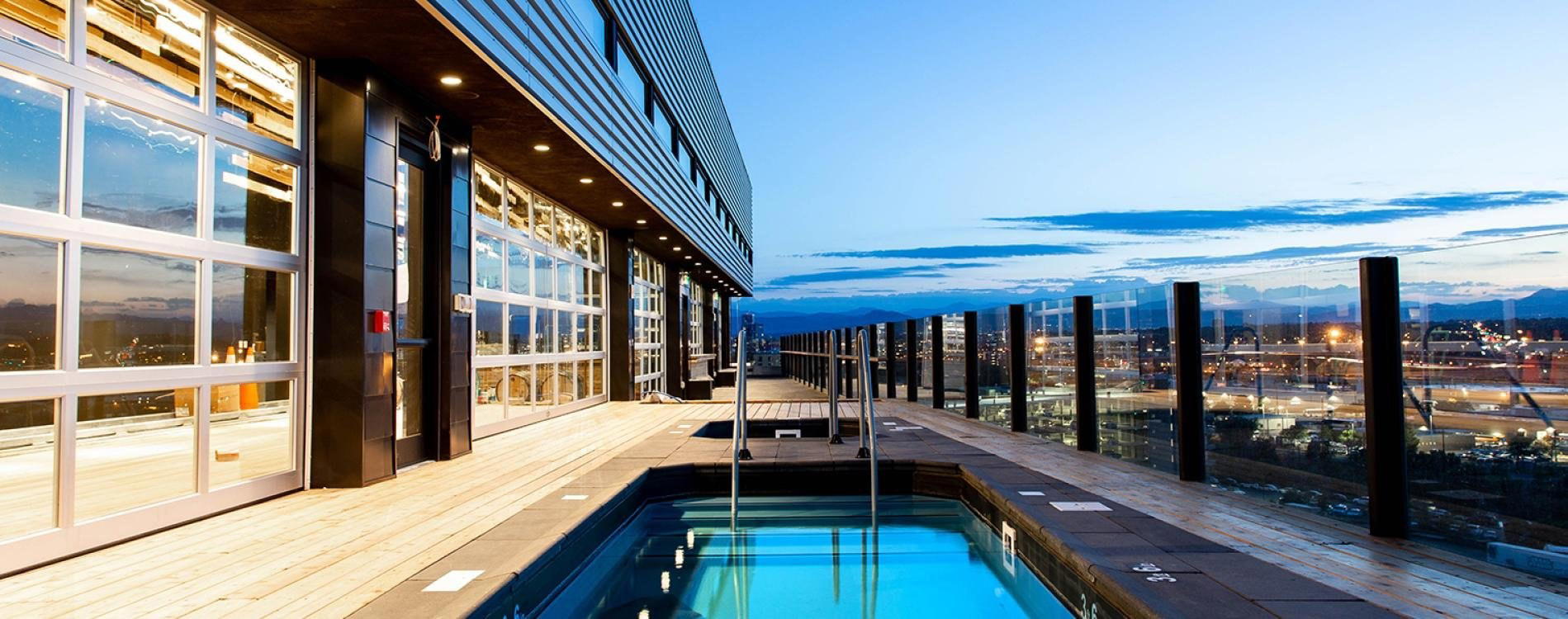
Brighton Boulevard and the Architecture of Adaptive Reuse
Denver's River North Art District, known locally as RiNo, spent the better part of the 2010s converting light-industrial warehouses into something the city's older neighbourhoods couldn't offer: raw square footage, ceiling height, and a visual identity that marble lobbies cannot replicate. Brighton Boulevard became the district's main artery, and The Source Hotel, at 3330 Brighton Blvd, is one of the more considered built responses to that urban shift. The property is anchored by a converted 1880s ironworks building, a structure whose heavy timber framing, exposed brick, and original steel details set the spatial tone before a guest ever checks in.
Adaptive reuse hotels occupy a specific niche in American hospitality. Where a full ground-up build allows architects to design toward hospitality logic from the start, a conversion demands that the new program work around what the structure insists upon: odd proportions, columns in inconvenient places, windows sized for manufacturing rather than bedroom light. The better properties treat these constraints as the design brief rather than problems to conceal. The Source Hotel sits in that category, where the building's industrial past is not wallpapered over but placed at the centre of the guest experience.
Across the broader Denver hotel market, the contrast is instructive. Properties like the Four Seasons Denver and the Clayton Hotel & Members Club operate in a more conventional luxury register, with finishes and service frameworks inherited from international brand standards. The The Crawford Hotel, inside Denver Union Station, is the closest structural cousin to The Source Hotel in that it too is a conversion of a historically significant building, though its Beaux-Arts station context produces a very different spatial grammar. The Source Hotel's ironworks DNA reads in a harder, more industrial key.
The Ground Floor as Urban Infrastructure
The 1880s market hall that anchors the ground floor functions less like a hotel lobby and more like a small urban district compressed into a single volume. This format, where a hotel's public spaces are occupied by independent food, drink, and retail tenants rather than hotel-branded outlets, has become a recognisable typology in American boutique hospitality over the past decade. It shifts the hotel's role from self-contained destination to neighbourhood participant, and it changes the economics of the ground floor: the programming is not entirely dependent on room occupancy to sustain itself.
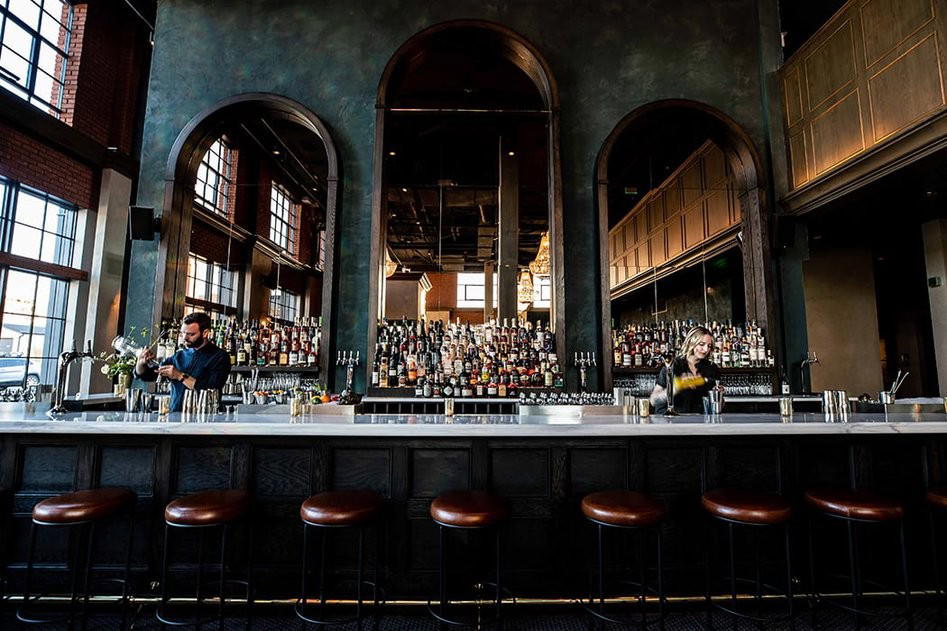
For guests, the practical effect is that the amenity set feels curated rather than corporate. The vendors and operators in the market hall bring their own identities, which creates a ground floor with more texture than a standard hotel restaurant and bar configuration. This is a meaningful distinction in a city like Denver, where the food and beverage scene in RiNo has developed enough independent credibility that a hotel importing that credibility through its ground-floor tenants is making a legible editorial choice about where it sits in the city.
100 Rooms and the Logic of Boutique Scale
At 100 rooms, The Source Hotel sits at the upper boundary of what most hospitality observers would call boutique scale. This matters architecturally and operationally. Properties in this size range can maintain a staffing model and a spatial intimacy that larger convention hotels cannot, while also generating enough revenue per square foot to sustain a serious food and beverage program. The room count is also a direct consequence of the conversion constraints: the ironworks structure imposes limits that a purpose-built tower does not.
The comparison set for a 100-room adaptive-reuse property in a secondary American city is not the downtown luxury tower. It sits closer to properties like Troutbeck in Amenia or SingleThread Farm Inn in Healdsburg, where the physical container of the building, rather than the brand's global footprint, is the primary draw. For travellers who calibrate their hotel choices along those lines, scale and architecture are not secondary considerations but the core of the decision.
RiNo as Context: What the Neighbourhood Signals
Choosing a hotel on Brighton Boulevard rather than in the Central Business District or LoDo is itself a statement about how a visitor wants to experience Denver. RiNo is not the city's cultural establishment; it is where the city's more recent creative and culinary energy has concentrated. The neighbourhood has the patchy infrastructure of a district still mid-transition: the walk to a meal or a gallery is different from the walk through a polished hotel corridor, and that friction is part of the point.
For travellers who find the downtown Denver hotel corridor, with its cluster of business-oriented properties, too insulated from the city's current character, RiNo offers an alternative orientation. The AC Hotel Denver Downtown, the Denver Union Station hotel, and the Apiary Hotel all represent different versions of Denver's more central offer. The Source Hotel's address in RiNo is a geographic commitment to a different version of the city. See our full Denver restaurants guide for how the neighbourhood's food scene maps against the rest of the city.
Comparisons across the wider American boutique hotel market are also useful for calibrating expectations. The adaptive-reuse model at this scale has produced some of the more compelling hotel experiences in the country, from Post Ranch Inn in Big Sur to Auberge du Soleil in Napa, though those properties operate in landscape-defined contexts rather than urban industrial ones. The urban conversion model is its own category, and The Source Hotel is a reasonable representative of what that model can produce when the source building has genuine architectural character.
Planning Your Stay
The Source Hotel is located at 3330 Brighton Blvd in Denver's RiNo district, roughly two miles northeast of Union Station, which connects to Denver International Airport via the University of Colorado A Line commuter rail, making transit access from the airport practicable without a car. The RiNo neighbourhood is walkable within its own footprint but requires transit or rideshare to reach LoDo, Capitol Hill, or the Central Business District. Guests with a car will find the neighbourhood's parking infrastructure more accommodating than the downtown hotel corridor. Room count stands at 100, which at this scale means booking ahead for peak periods, particularly during the summer festival season and around major events at the nearby National Western Complex. Other Denver hotels across different price tiers and locations, including the All Inn Hotel, Apiary Residences, and the Four Seasons Denver, offer comparison points for travellers still deciding on neighbourhood and format.
Comparison Snapshot
Comparable venues nearby, for context on price, style, and recognition.
| Venue | Cuisine | Price | Awards | Notes |
|---|---|---|---|---|
| The Source HotelThis venue — the venue you are viewing | Contemporary design hotel blending Scandinavian and Japanese minimalism with Mediterranean influences, featuring Baltic birch cabinetry and polished concrete throughout. | $200–300 | Michelin Selected · Preferred Hotels Member | Not listed |
| The Oxford Hotel | Historic Victorian with modern updates in the heart of LoDo | Not listed | Not listed | LoDo |
| the Curtis Denver - a DoubleTree by Hilton Hotel | playful pop-culture themed boutique | Not listed | Not listed | Central Business District |
| The Westin Denver International Airport | Dynamic urban experience with dramatic architecture connected to the airport terminal. | Not listed | Michelin Selected | Northeast |
| All Inn Hotel & Fino | Adaptive reuse heritage hotel with contemporary design sensibility, positioned as a neighborhood anchor and community gathering space. | $100–200 | Michelin Guide New Hotels New Hotel · Michelin Selected | East Colfax |
| The Rally Hotel at McGregor Square | Modern lifestyle hotel celebrating Colorado's adventurous spirit and baseball culture. | $200–300 | Michelin Selected | LoDo |
Recognition history
Dated appearances from independent guides and award organizations, with the underlying list record or original source where available.
Michelin Selected
Michelin
Preferred Hotels Member
Preferred Hotels
Continue exploring
More in Denver
Hotels in Denver
Browse all →
Bars in Denver
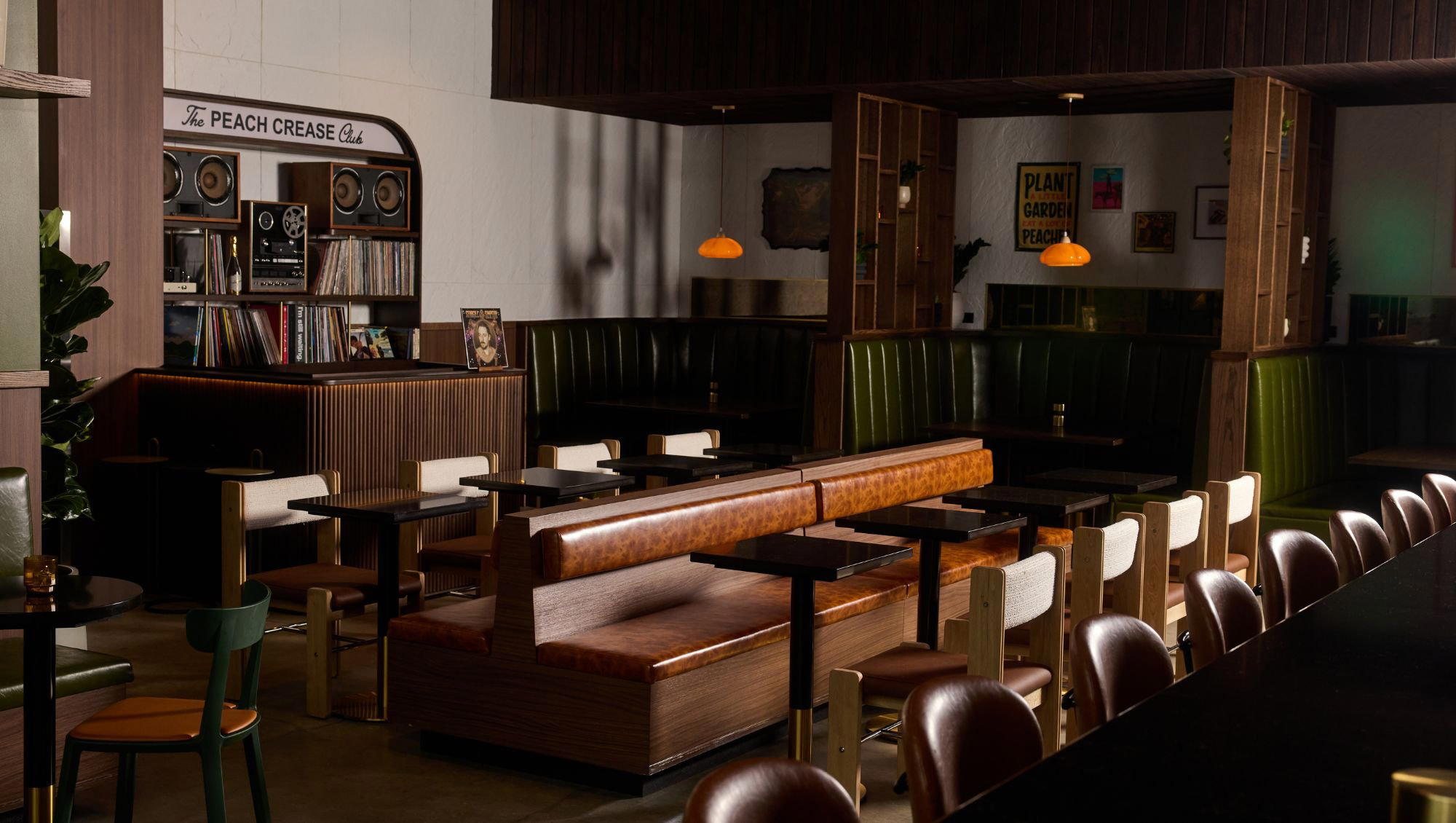
Browse all →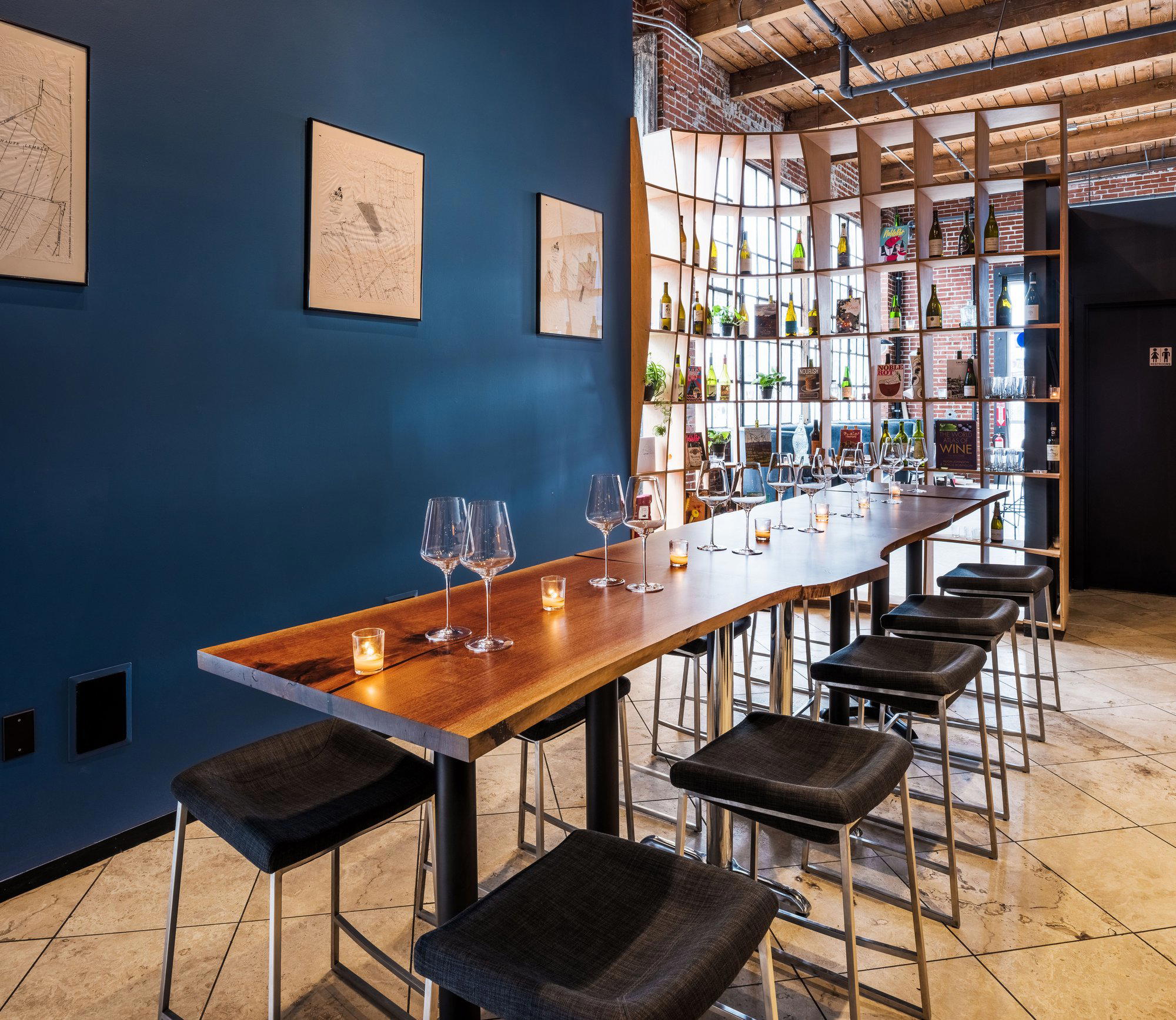
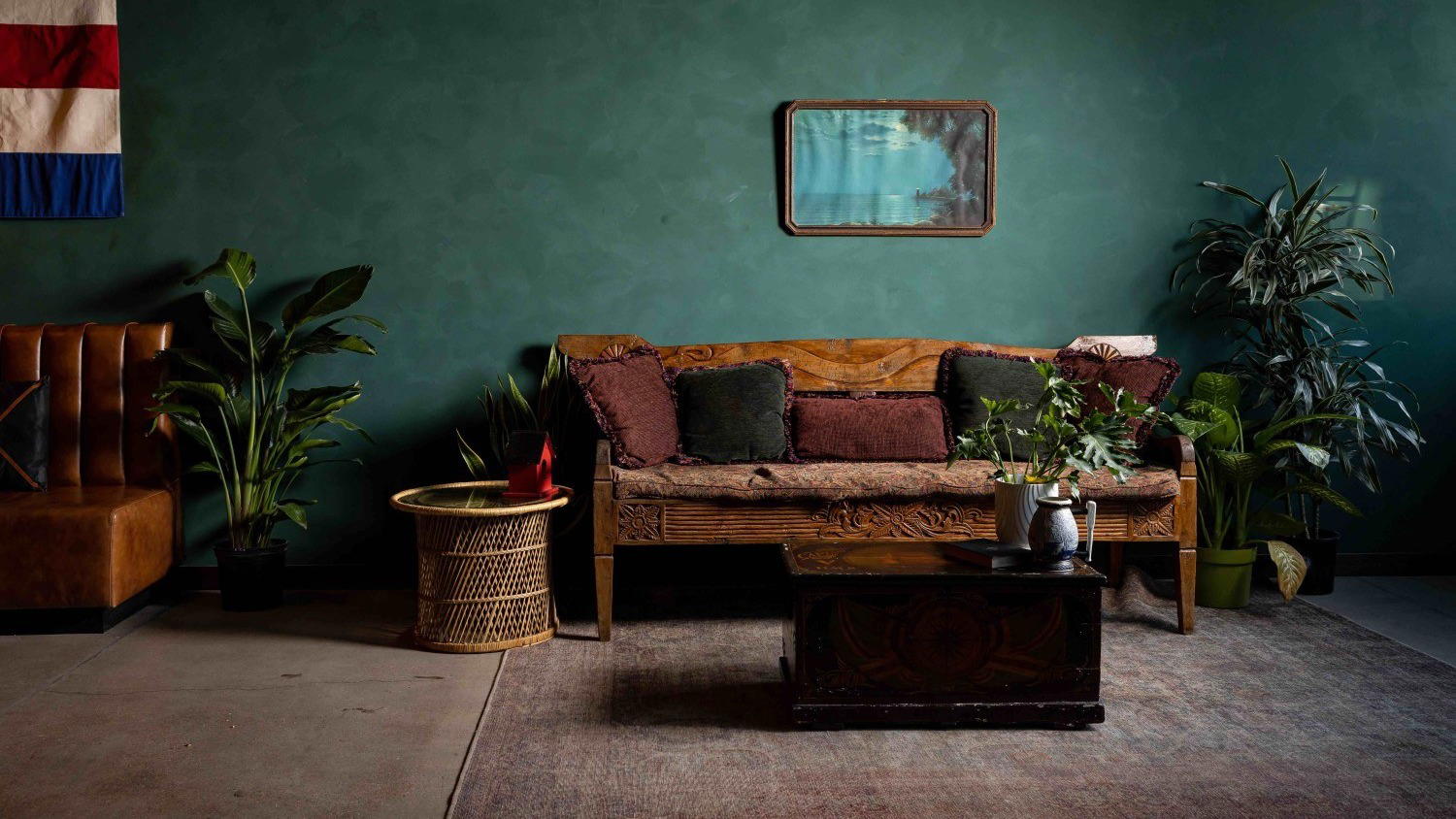
Restaurants in Denver
Browse all →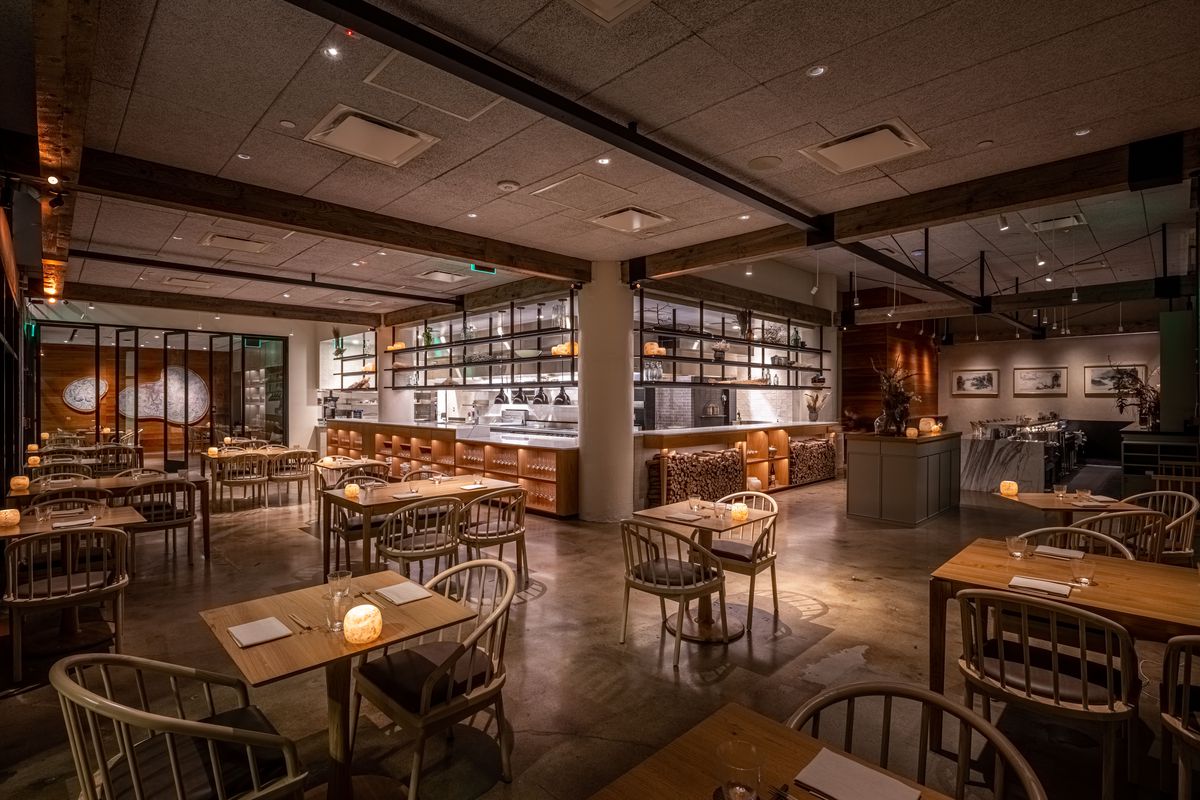

Details
- Modern
- Trendy
- Sophisticated
- Industrial
- Weekend Escape
- Business Trip
- Romantic Getaway
- Celebration
- Rooftop Pool
- Panoramic View
- Design Destination
- Terrace
- Wi Fi
- Pool
- Fitness Center
- Room Service
- Concierge
- Business Center
- Restaurant
- Bar
- Hot Tub
- Laundry Service
- Skyline
- Mountain
- Wheelchair Accessible
- Elevator
- Accessible Restroom
- Accessible Parking
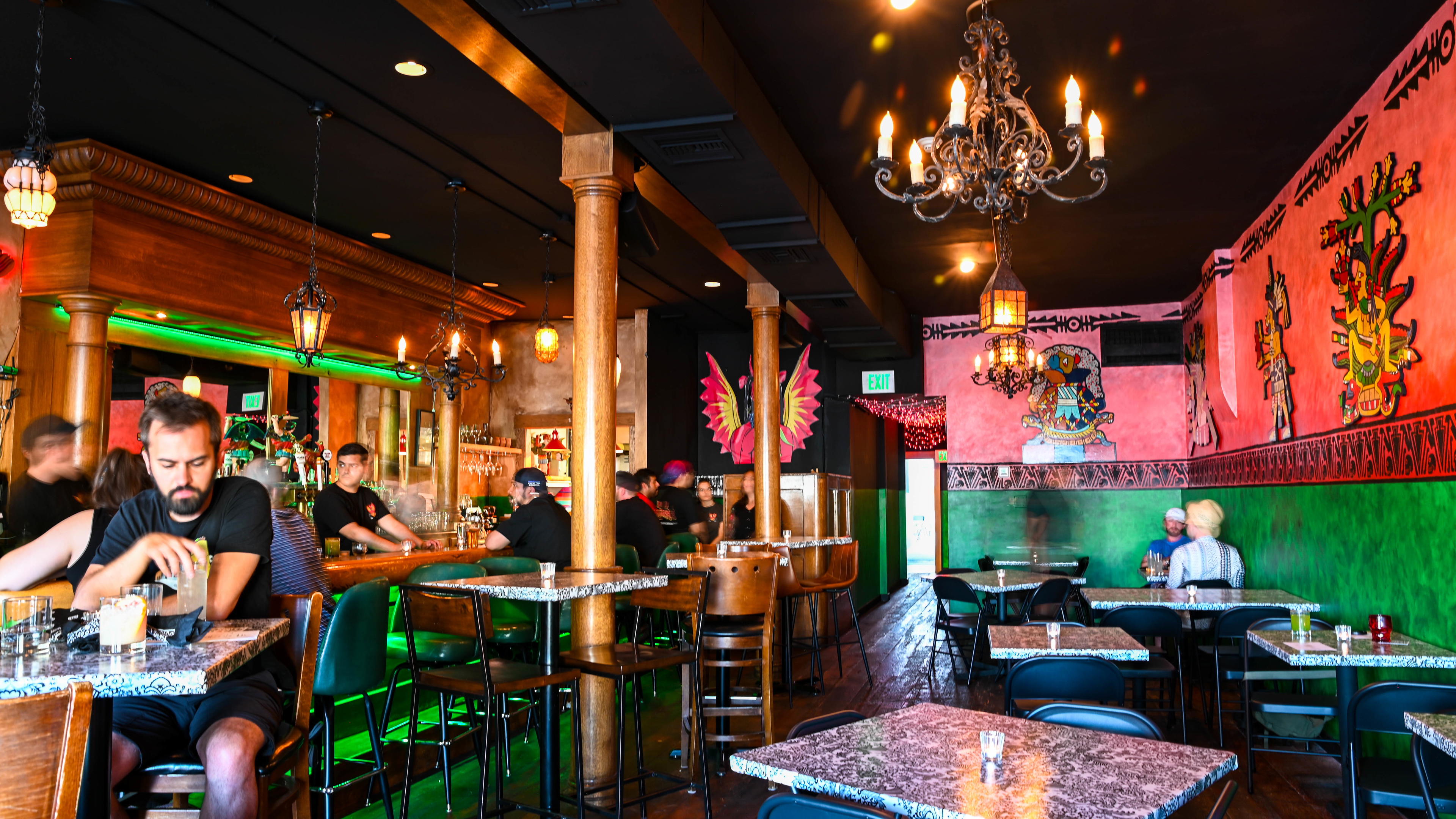
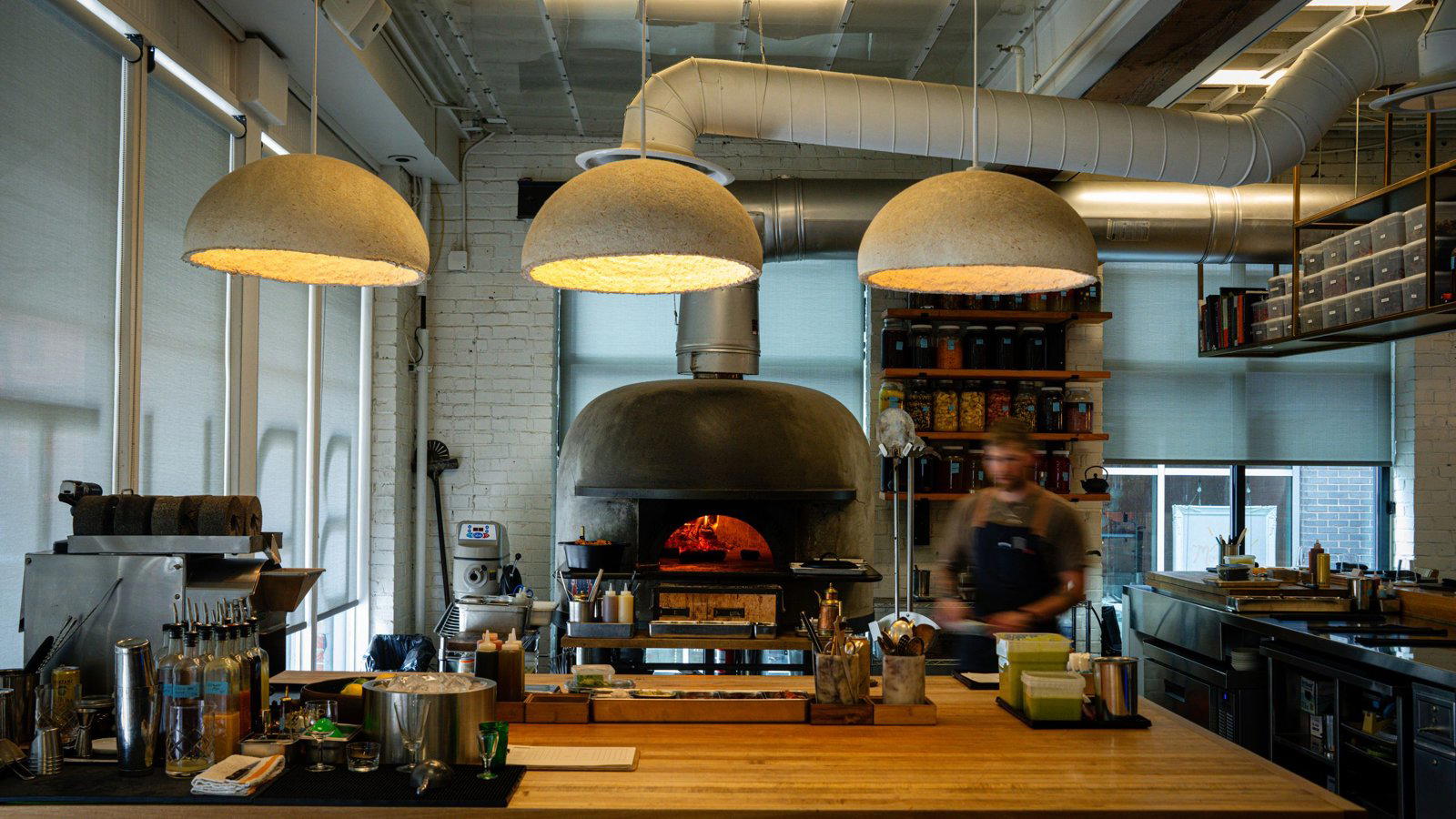
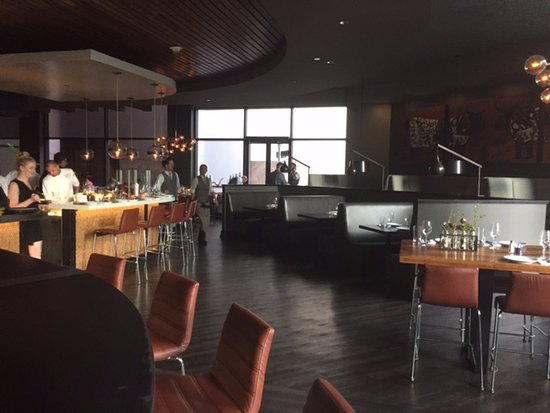
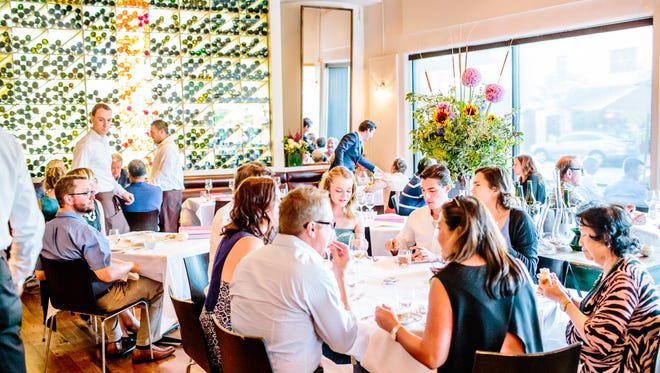
Bright and airy with high ceilings, huge windows, sleek finishes, and polished concrete flooring; warm and welcoming with locally-inspired design elements and sophisticated modern furnishings.