Blanchard Family Wines
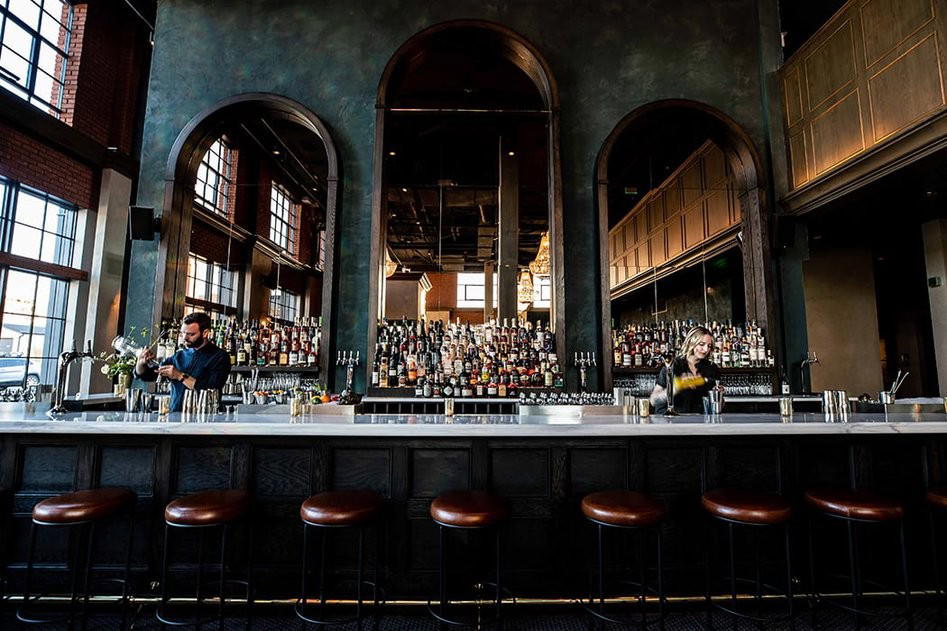
Blanchard Family Wines occupies a Blake Street address in Denver's LoDo district, placing it within a neighbourhood that has become a reference point for the city's wine and spirits scene. The space operates as a tasting-focused venue in a city where the gap between serious wine retail and experiential drinking continues to narrow. For Denver visitors building an itinerary around considered drinking, it belongs on the shortlist alongside the neighbourhood's more established bars.
Pearl is the En Primeur Club membership app — saves, bookings, and concierge access live there. Same editors, same standards.
- Address
- 1855 Blake St #120, Denver, CO 80202
- Phone
- +1 720 990 9092
- Website
- bfwdenver.com
- Directions
- Get directions
 Saves & bookings on Pearl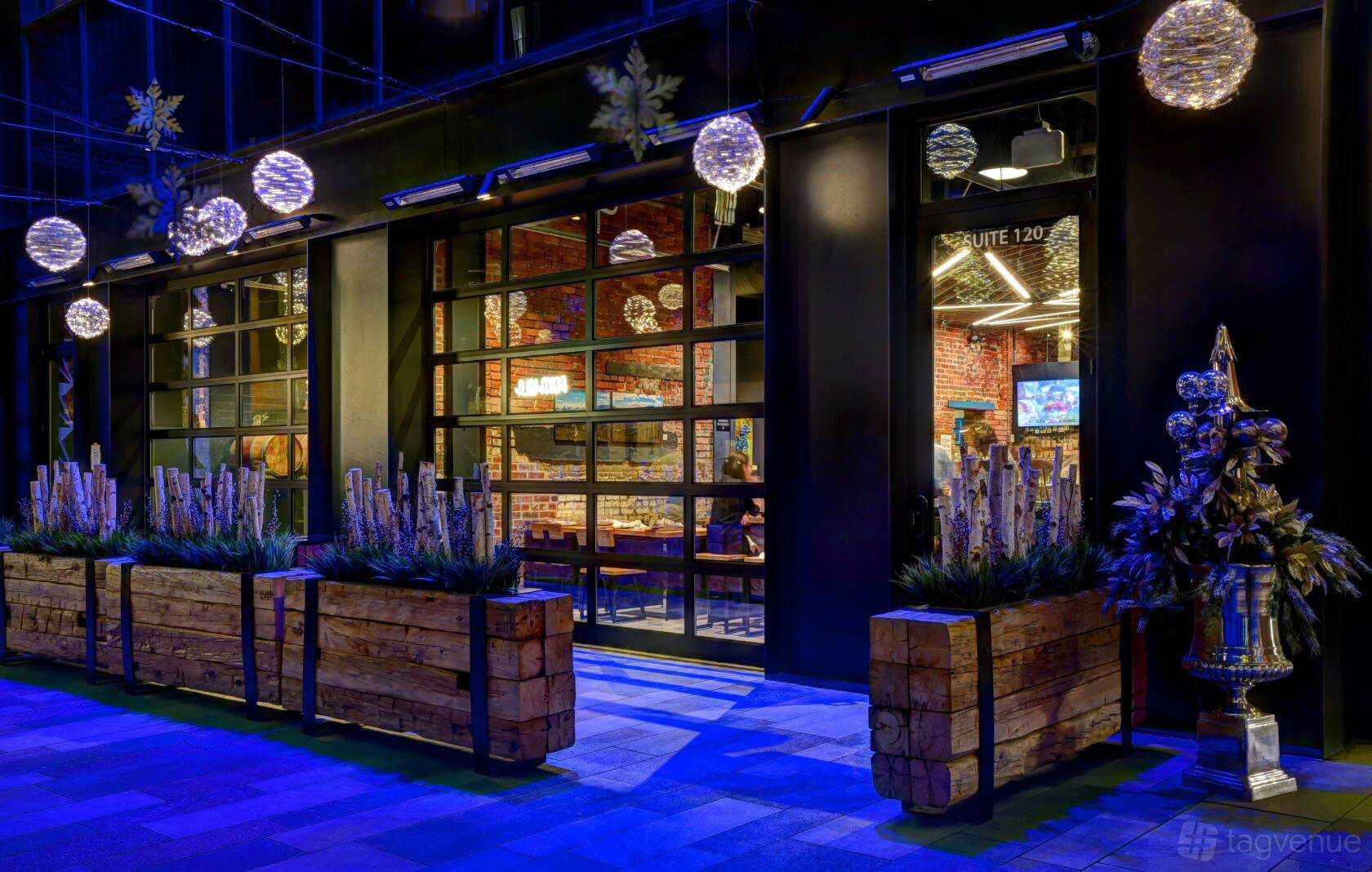
Wine Ritual on Blake Street
Denver's Lower Downtown corridor runs a particular kind of hospitality logic. The blocks between Coors Field and Union Station have spent the better part of two decades sorting themselves into tiers: sports-bar volume on one end, considered drinking destinations on the other. Blanchard Family Wines, at 1855 Blake Street, sits closer to the latter. It is a wine bar in Denver’s LoDo district. The address itself signals something about intent. LoDo's serious drinking establishments tend to cluster near the water or the rail lines, and the Blake Street stretch has become a useful shorthand for the part of Denver's scene that takes provenance and pour seriously.
The broader wine-tasting format in American cities has shifted toward curated flight programs and a pacing that invites comparison rather than consumption.
The Ritual of the Tasting Room
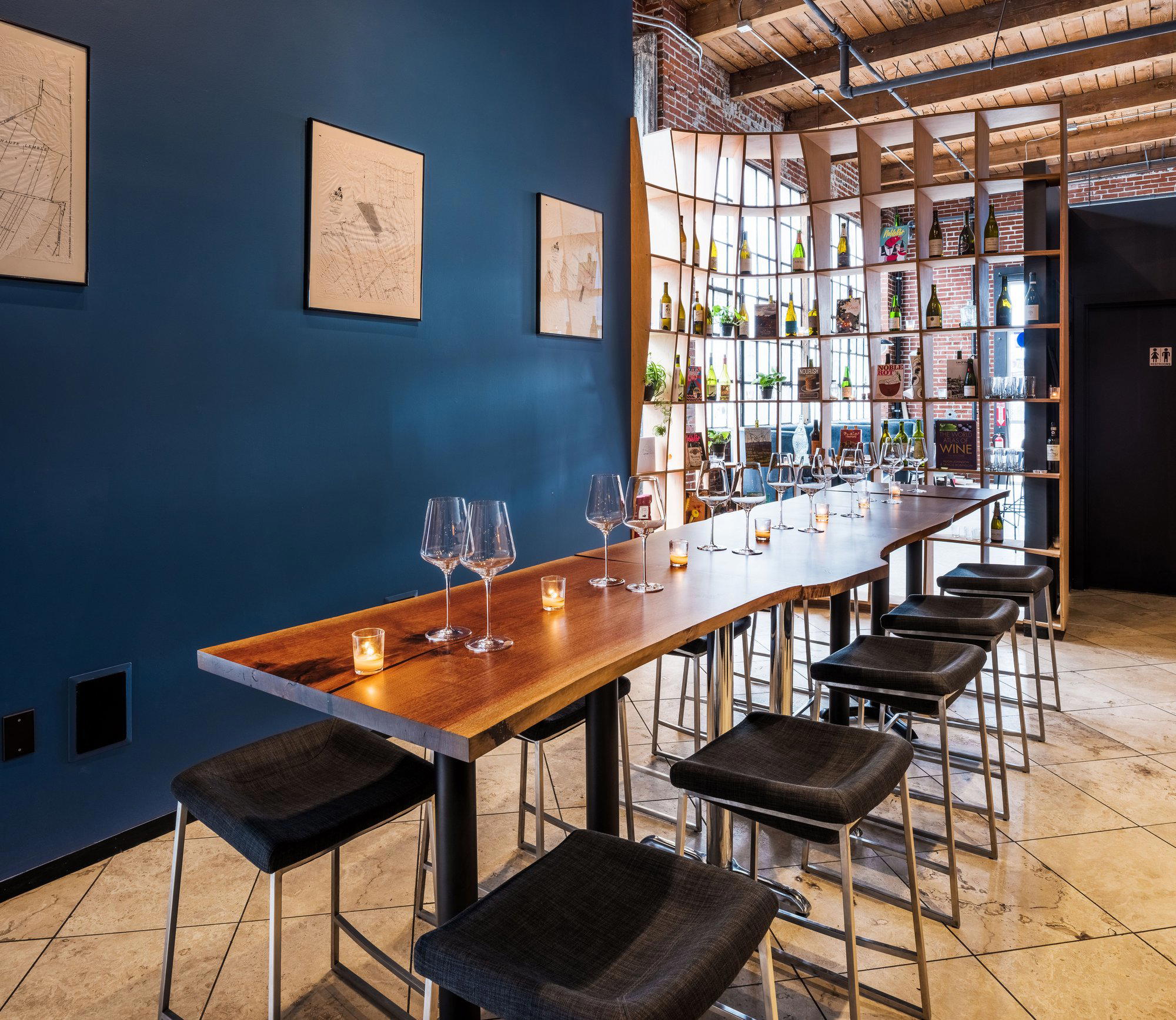
Tasting rooms at this end of the market tend to follow a particular rhythm, one that differs meaningfully from the bar or restaurant model. The focus narrows onto the glass, which changes how time moves. Denver, at altitude, already sharpens certain sensory responses, and the wine community here has learned to account for that. Alcohol integration reads differently at 5,280 feet, and producers who know their Colorado audience tend to frame pours accordingly.
At a tasting room, information precedes the pour, which trains a different kind of attention.
Where Blanchard Sits in Denver's Drinking Scene
Denver's cocktail bar scene has developed genuine national standing in recent years. Williams & Graham brought a speakeasy-format seriousness to the neighbourhood over a decade ago and has maintained its reputation as a reference point for classic cocktail execution. Death & Co (Denver) extended a New York programme into the Colorado market with the same technical rigour its parent location established. Yacht Club and Ace Eat Serve occupy different register points within the same broader scene.
A wine-focused venue occupies a different position in that ecosystem. Where cocktail bars compete on technique, creativity, and speed of service, a tasting room competes on selection depth, sourcing credibility, and the knowledge transferred during the experience. Blanchard Family Wines operates in a niche shaped by allocation-list importers and wine clubs that serve Denver collectors. The Blake Street address gives it physical proximity to the neighbourhood's bar culture without placing it in direct competition with it.
The format rewards patience and repeat visits over one-time discovery.
The Wider American Wine Tasting Circuit
American wine culture has been slowly developing a serious tasting-room circuit outside California and the Pacific Northwest. Colorado itself has a growing wine-producing region on the Western Slope, centred around Grand Junction and Palisade, which means Denver increasingly functions as both a gateway to in-state producers and a destination for family importers bringing European allocations to a market that can support them. The demand side is real: Denver's population has skewed younger and more affluent through the 2010s and into the 2020s, and wine literacy has followed that demographic shift.
Family-named wine operations in this context typically signal one of two things: a producer bringing wine from a family estate, or an importer who has built personal relationships with winemaking families and structures their programme around those relationships. Either model implies a level of curatorial selectivity that is absent from distributor-driven retail. The name on the door is not just branding; it is a claim about accountability and direct knowledge of the wines being poured.
Denver's scene rewards the kind of itinerary that moves between disciplines: a serious cocktail programme at Williams & Graham or Death & Co, a wine-focused stop at Blanchard, a broader spirits-and-snacks experience somewhere in between. For visitors whose drinking itinerary extends beyond Denver, comparable specialist operations in other cities include Bar Leather Apron in Honolulu, Jewel of the South in New Orleans, Superbueno in New York City, ABV in San Francisco, and The Parlour in Frankfurt on the Main, each of which has established a position in its local scene through specific programme identity rather than volume.
Planning a Visit
Blanchard Family Wines is at 1855 Blake Street, Suite 120, in LoDo. The Blake Street corridor is walkable from Union Station. As with most specialist wine operations, arriving with some sense of what you are curious about, a region, a grape variety, a vintage question, gives the experience more traction than arriving cold. The tasting room format is not designed for the same drop-in rhythm as a bar; it rewards visitors who treat it as the main event of an evening rather than a stop in a longer bar crawl.
Price Lens
Comparable venues nearby, for context on price, style, and recognition.
| Venue | Cuisine | Price | Notes |
|---|---|---|---|
| Blanchard Family WinesThis venue — the venue you are viewing | Not listed | $$ | Not listed |
| Yazoo BBQ Company | Five Points, pub | $$ | Not listed |
| Barcelona Wine Bar | Not listed | $$ | Curtis Park, wine_bar |
| The Infinite Monkey Theorem | Not listed | $$ | Curtis Park, wine_bar |
| Town Hall Collaborative | Baker, lounge | $$ | Not listed |
| Joy Hill Denver | Overland, lounge | $$ | Not listed |
Continue exploring
More in Denver
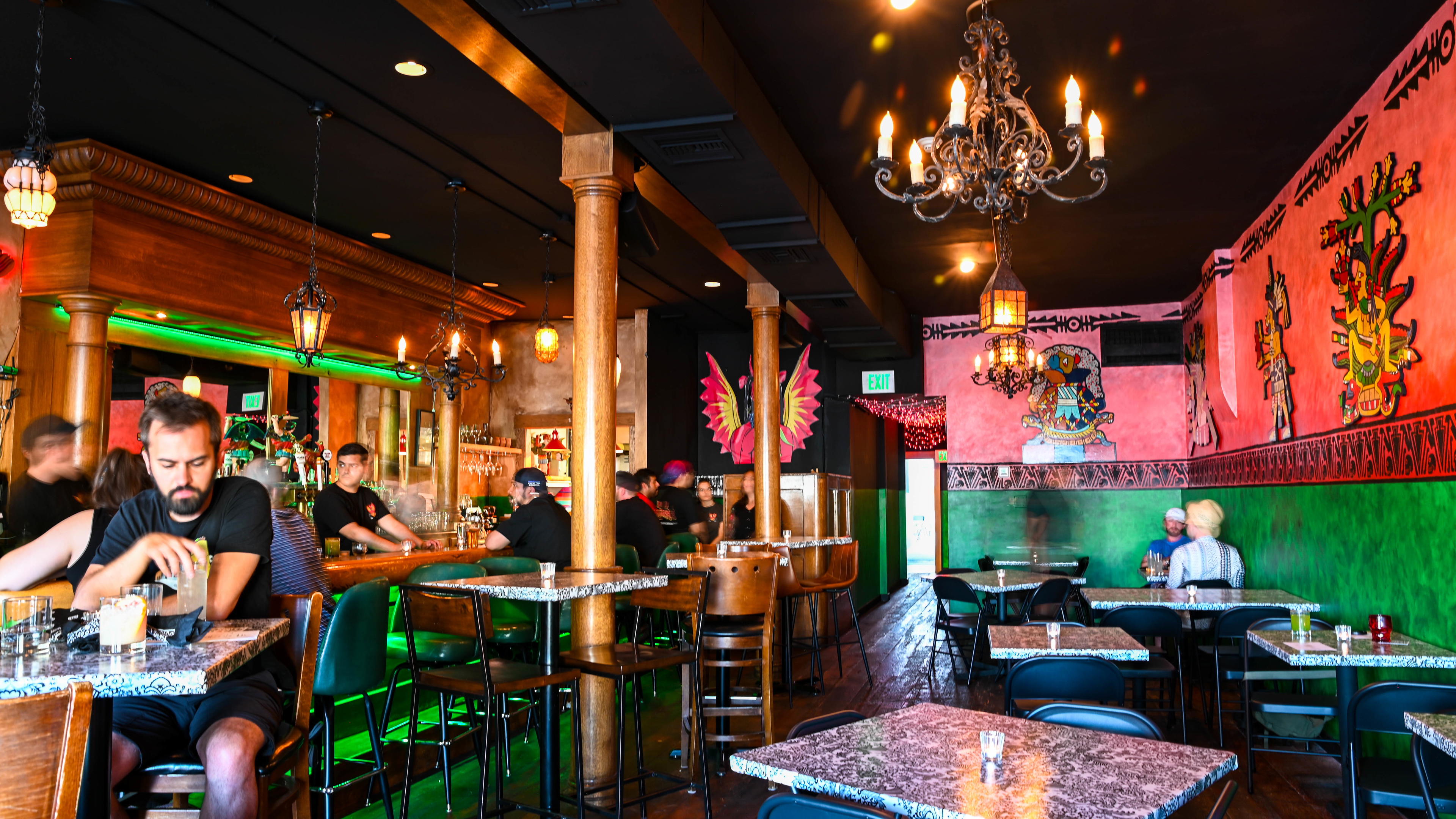
Bars in Denver
Browse all →
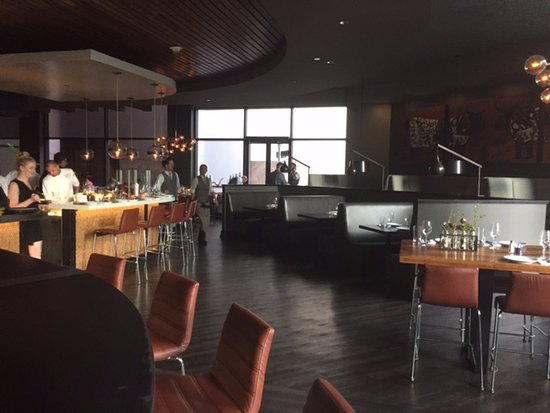
Restaurants in Denver
Browse all →
Hotels in Denver
Browse all →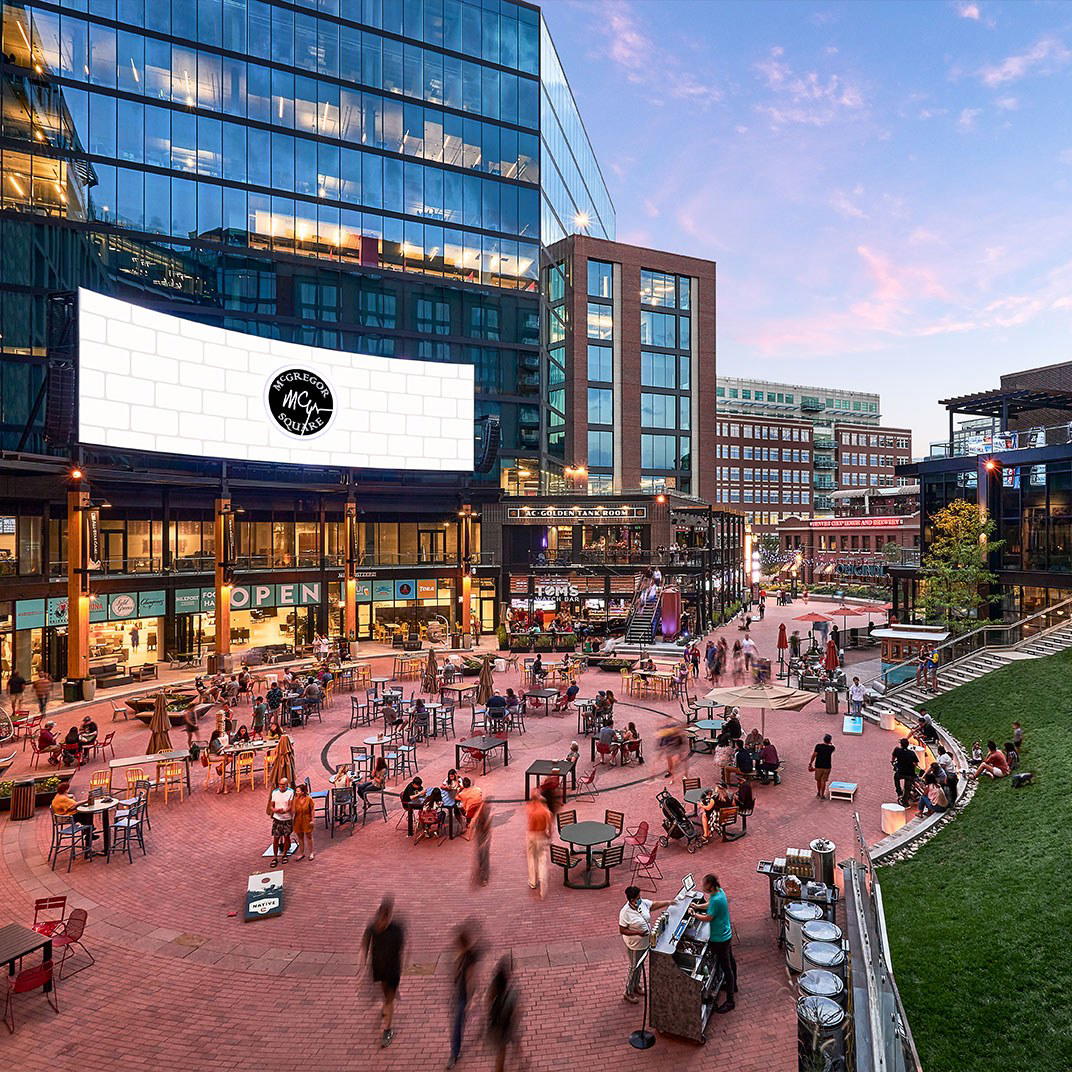
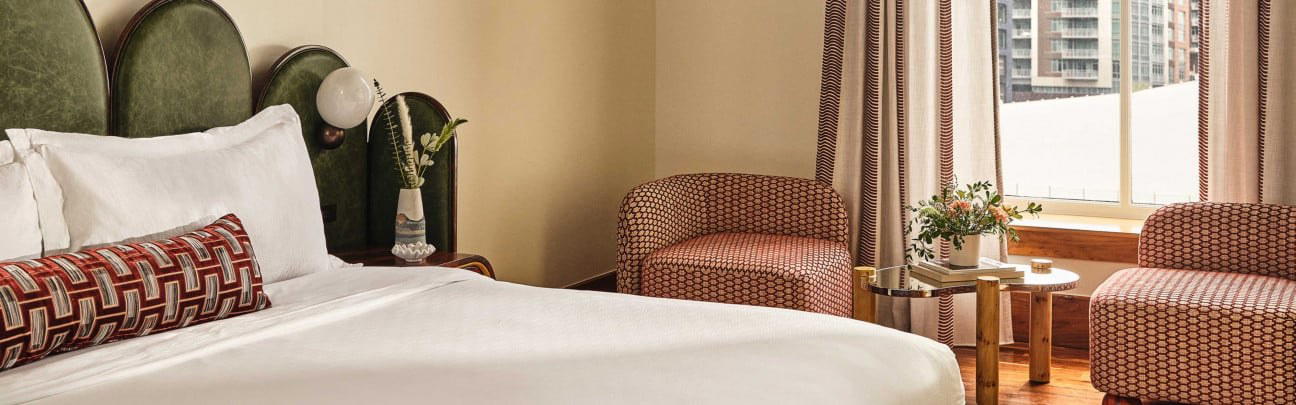
Wineries in Denver
Browse all →
At a Glance
- Cozy
- Elegant
- Intimate
- Date Night
- Casual Hangout
- Celebration
- Standalone
- Seated Bar
- Lounge Seating
- Conventional Wine
- Natural Wine
Current opening hours
- Monday
- 1–9 PM
- Tuesday
- 1–9 PM
- Wednesday
- 1–9 PM
- Thursday
- 1–9 PM
- Friday
- 1–11 PM
- Saturday
- 11 AM–11 PM
- Sunday
- 11 AM–9 PM
Hours can change for holidays and private events. Last verified .
Welcoming and cozy atmosphere with knowledgeable staff providing personalized service for tastings and pairings.