Aloy Modern Thai
Aloy Modern Thai occupies a Larimer Street address in Denver's RiNo-adjacent corridor, translating Thai cooking into a format that fits the neighborhood's appetite for considered, ingredient-led dining. The space and the menu work in tandem: a physical container that takes its design cues seriously, paired with a kitchen that treats Thai cuisine as a living tradition rather than a fixed export. It has become one of the more discussed Thai restaurants in the city's current dining conversation.
Pearl is the En Primeur Club membership app — saves, bookings, and concierge access live there. Same editors, same standards.
- Address
- 2134 Larimer St, Denver, CO 80205
- Phone
- +1 303 379 9759
- Website
- aloymodernthai.com
- Directions
- Get directions
 Saves & bookings on Pearl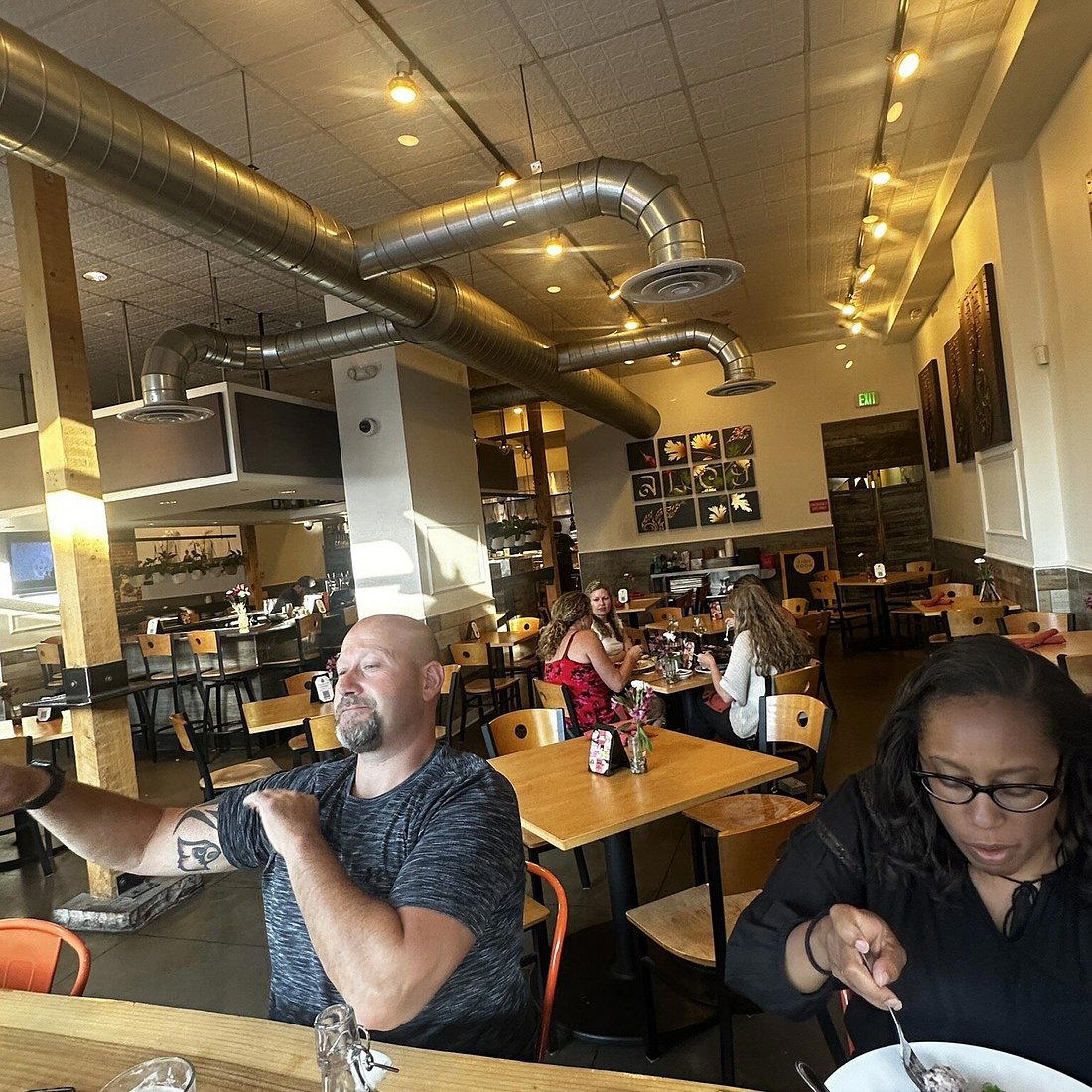
Larimer Street and the Architecture of a Modern Thai Room
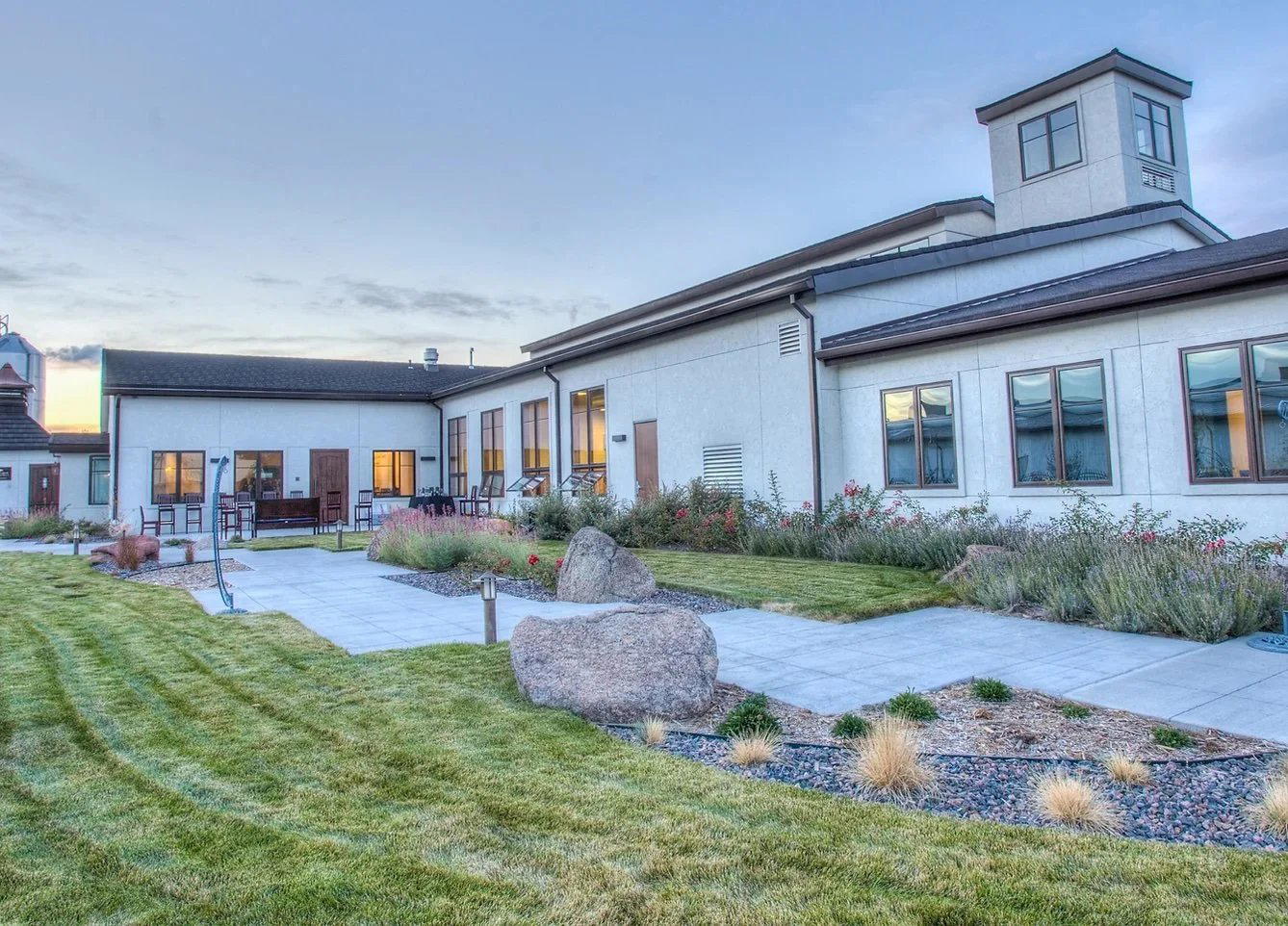
Denver's dining corridor along Larimer Street has undergone a sustained shift over the past decade. What was once a strip defined by casual bars and after-work crowds has absorbed a wave of restaurants that take their physical spaces seriously, treating the room itself as an argument for how a cuisine should be experienced. Aloy Modern Thai, at 2134 Larimer St, sits inside that shift. The address alone signals intent: this is not a strip-mall Thai restaurant or a delivery-optimized kitchen in a back block. It occupies a street-facing position in one of Denver's more socially active dining zones, and the space reflects the neighborhood's current design sensibility.
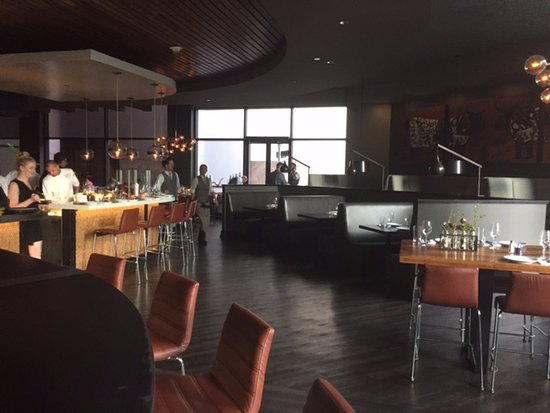
Aloy Modern Thai is a casual Thai bar in Denver at 2134 Larimer St. One leans into the familiar shorthand of the category: bright lighting, laminated menus, dishes calibrated for broad accessibility. The other treats Thai cooking as a serious culinary tradition capable of supporting a designed room, a curated drink program, and a price point that reflects ingredient quality. Aloy belongs to the second tier. The interior reads as deliberate rather than inherited, with material and lighting choices that position it alongside Denver's more considered casual-fine spaces rather than within the traditional Thai restaurant category.
The Physical Logic of the Space
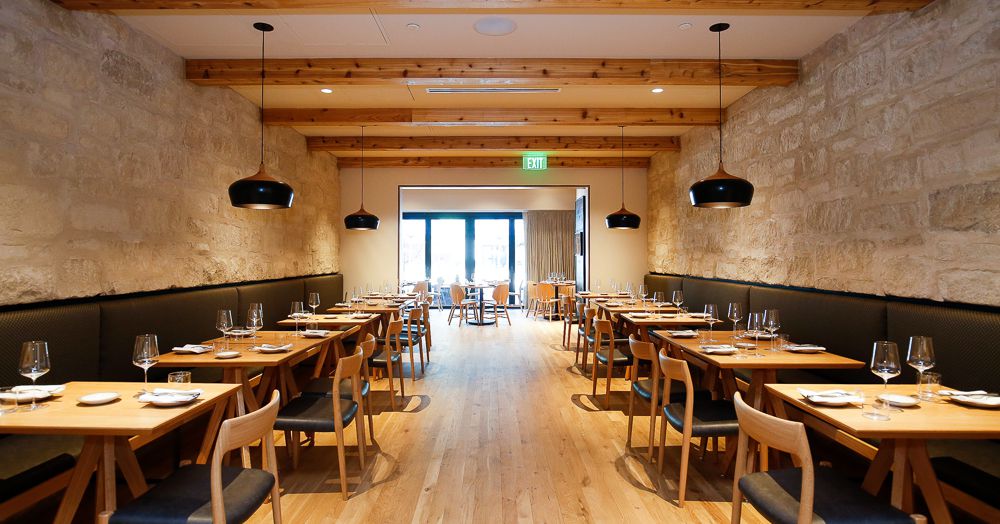
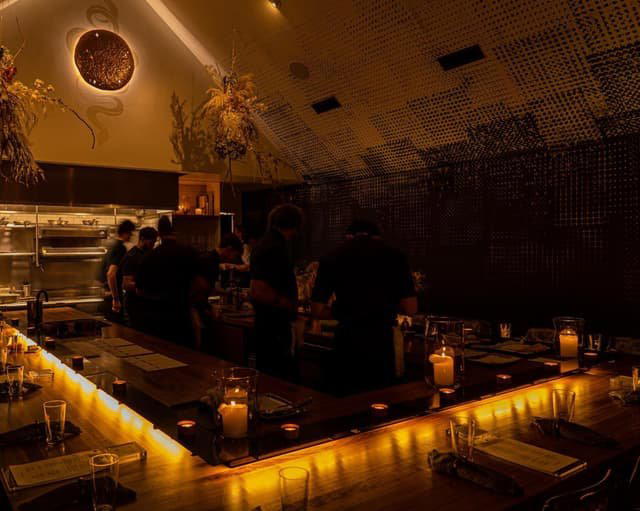
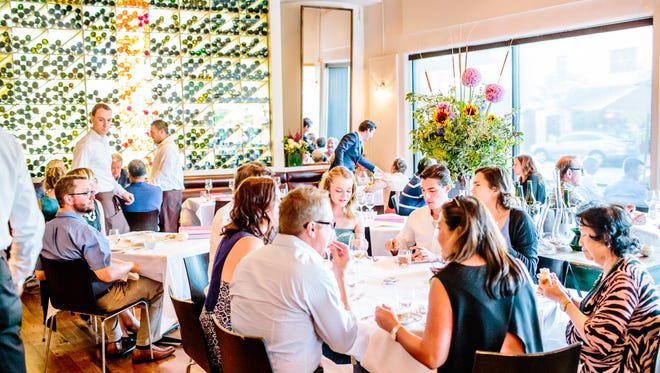
Design in a restaurant context is not decoration. It is a set of decisions about how guests move, where attention lands, and what the room communicates before a dish arrives. Aloy's Larimer Street location carries the architectural character of the surrounding RiNo-adjacent blocks: exposed industrial bones softened by warmer material choices, a format that reads as contemporary without rejecting texture or depth. The seating arrangement follows the spatial logic common to Denver's mid-scale dining rooms, prioritizing flow over density, which tends to produce a room that feels less pressured than a tightly packed competitor.
For context within the city, Denver's cocktail bar scene on Larimer and surrounding streets includes Death & Co (Denver) and Williams & Graham, both of which have shaped the neighborhood's expectation for thoughtful interior programming. Yacht Club and Ace Eat Serve represent the more playful end of the neighborhood's design spectrum. Aloy occupies a middle register: more restaurant than bar, more grounded than conceptual, with a room that supports a longer dining experience rather than a quick round.
Thai Cooking in the American City Context
Thai cuisine occupies a complicated position in American dining. It is simultaneously among the more widely distributed and among the more frequently misread categories in the country. The dishes most Americans encounter in Thai restaurants represent a narrow and often simplified slice of a cooking tradition with genuine regional complexity, from the coconut-heavy profiles of the south to the herbaceous, fermented-paste-forward cooking of the north and northeast. Modern Thai restaurants in cities like Los Angeles, New York, and Chicago have spent the past several years pushing back against that simplified canon, and Denver has followed.
Aloy's framing as "Modern Thai" is a positioning statement as much as a description. The label signals familiarity with that broader correction, an acknowledgment that the category can hold more nuance than its American export version suggests. Across American cities, the modern Thai format tends to share certain characteristics: sharper heat calibration, stronger sourcing language, a bar program that treats Thai flavors as cocktail ingredients rather than afterthoughts, and a physical space that communicates parity with peer restaurants in adjacent categories. Whether measured against comparable addresses in the same neighborhood or against modern Thai operators in other cities, the format carries specific expectations that Aloy's Larimer Street address commits it to meeting.
Drink Programs at Modern Thai Restaurants
Lemongrass, kaffir lime, galangal, tamarind, and Thai basil all translate into cocktail formats with enough structural logic that they hold up alongside conventional spirits programming. Nationally, bars at this tier, from Kumiko in Chicago to Superbueno in New York City to Bar Leather Apron in Honolulu, demonstrate that cuisine-integrated bar programs have become a standard marker of serious mid-scale dining. Jewel of the South in New Orleans, Julep in Houston, and ABV in San Francisco each demonstrate how a focused drink identity reinforces a restaurant's overall positioning. The Parlour in Frankfurt on the Main shows the same logic operating internationally. At Aloy, the bar program is shaped to complement the kitchen rather than default to a standard wine-and-beer list.
Planning a Visit
Aloy sits at 2134 Larimer St, in a part of Denver that draws both neighborhood regulars and visitors moving between the city's dining and bar circuit. The Larimer Street address is walkable from several adjacent hotel clusters and sits on a strip where pre- or post-dinner stops at established cocktail bars are a natural extension of the evening. For visitors building a broader Denver itinerary, the full Denver restaurants guide maps the city's dining by neighborhood and category. Current hours are Monday through Thursday from 11 AM to 9:30 PM, Friday from 11 AM to 10 PM, Saturday from 12 PM to 10 PM, and Sunday from 12 PM to 9:30 PM. Reservations are recommended.
Style and Standing
Comparable venues nearby, for context on price, style, and recognition.
| Venue | Cuisine | Price | Notes |
|---|---|---|---|
| Aloy Modern ThaiThis venue — the venue you are viewing | cocktail_bar | $$ | Not listed |
| OTOTO | sake_bar | $$ | Platt Park |
| White Pie | pub | $$ | City Park West |
| Fort Greene | cocktail_bar | $$ | Globeville |
| Lucy's Burger Bar | pub | $$ | Berkeley |
| Cana Wine Bar | wine_bar | $$ | Rosedale |
Continue exploring
More in Denver
Bars in Denver
Browse all →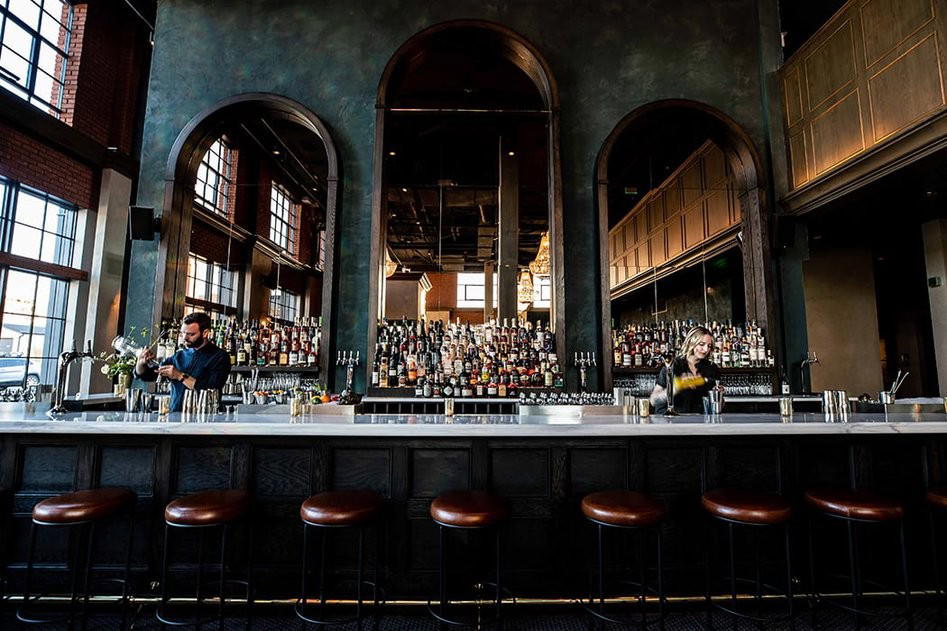
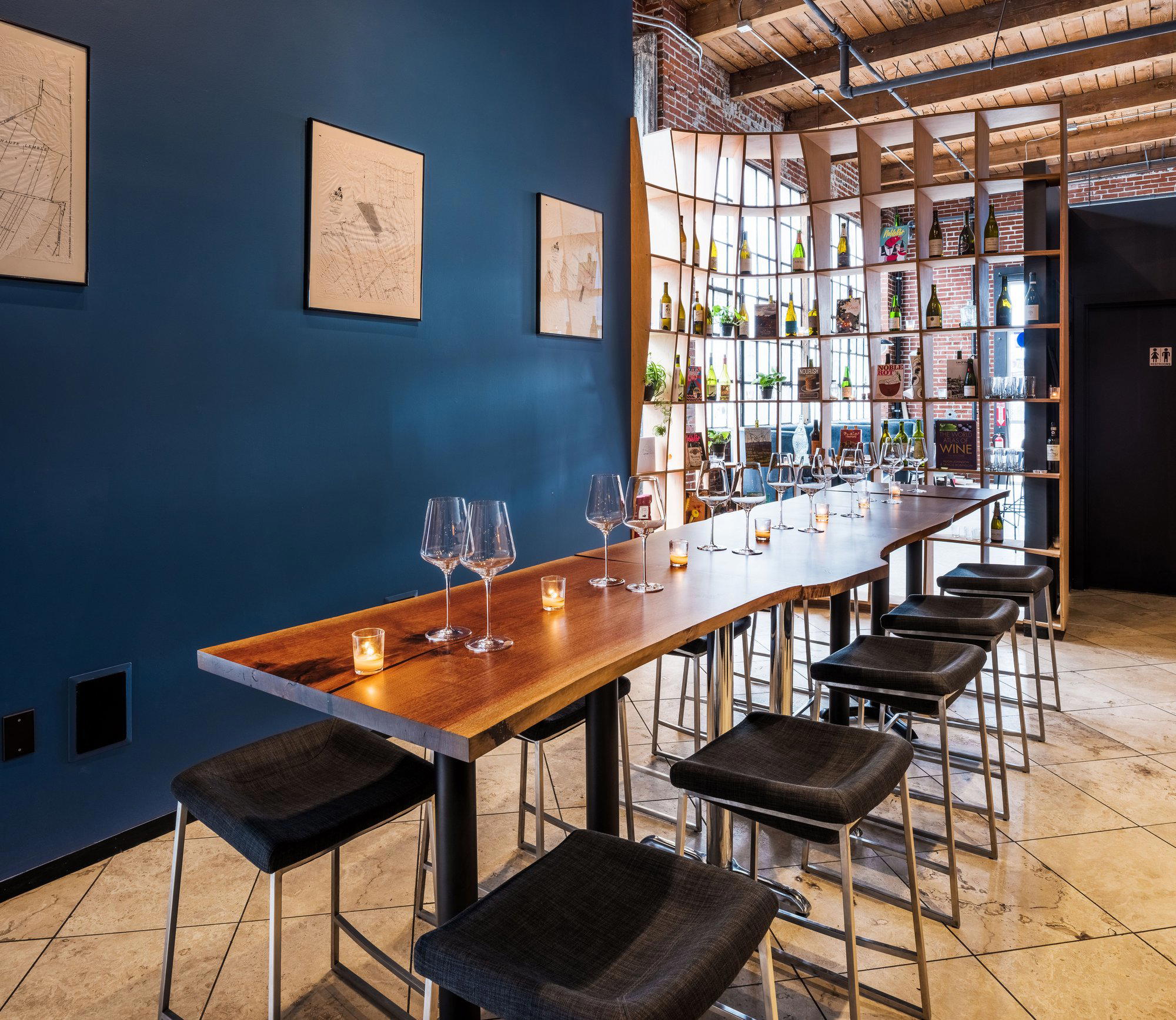
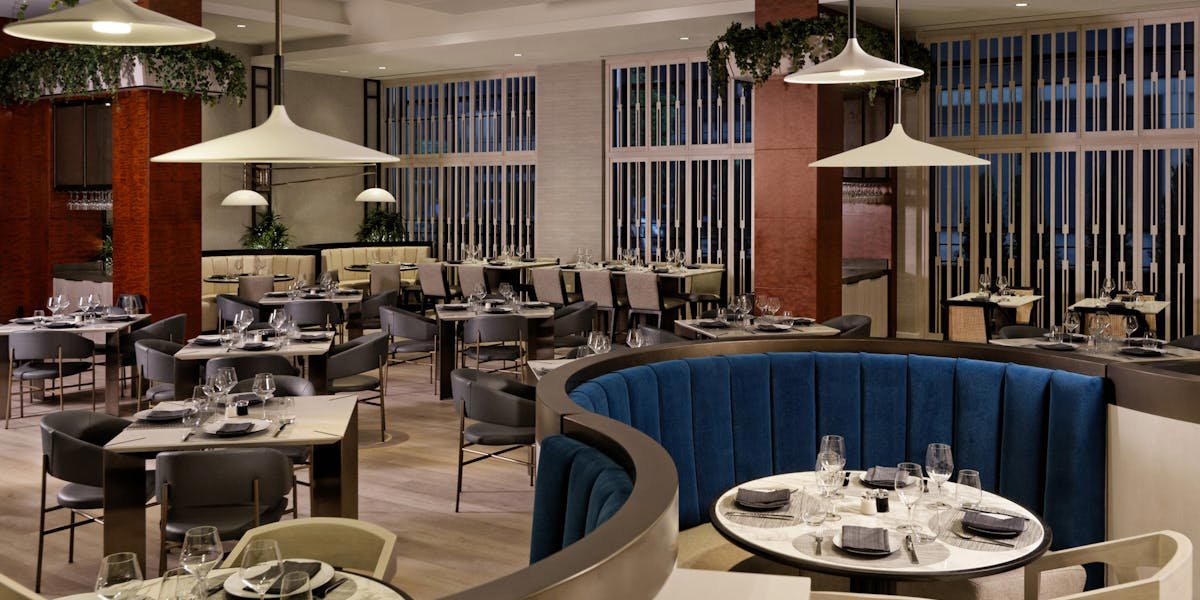
Restaurants in Denver
Browse all →
Hotels in Denver
Browse all →

At a Glance
- Modern
- Trendy
- Date Night
- After Work
- Casual Hangout
- Design Destination
- Seated Bar
- Lounge Seating
- Craft Cocktails
Current opening hours
- Monday
- 11 AM–9:30 PM
- Tuesday
- 11 AM–9:30 PM
- Wednesday
- 11 AM–9:30 PM
- Thursday
- 11 AM–9:30 PM
- Friday
- 11 AM–10 PM
- Saturday
- 12–10 PM
- Sunday
- 12–9:30 PM
Hours can change for holidays and private events. Last verified .
Lively yet relaxing modern space.