Kawa Ni

A converted firehouse on West 32nd Avenue, Kawa Ni brings an izakaya format to Denver with a menu that blurs Japanese technique and American instinct, kimchi udon with pecorino, karaage with kung pao heat, crudo with grapefruit and dill. The bar runs walk-ins nightly and keeps sake and cocktails moving. A Michelin Plate in 2024 confirmed what regulars already knew.
Pearl is the En Primeur Club membership app — saves, bookings, and concierge access live there. Same editors, same standards.
- Address
- 1900 W 32nd Ave, Denver, CO 80211
- Phone
- (720) 712-3371
- Website
- kawanidenver.com
- Directions
- Get directions
 Saves & bookings on Pearl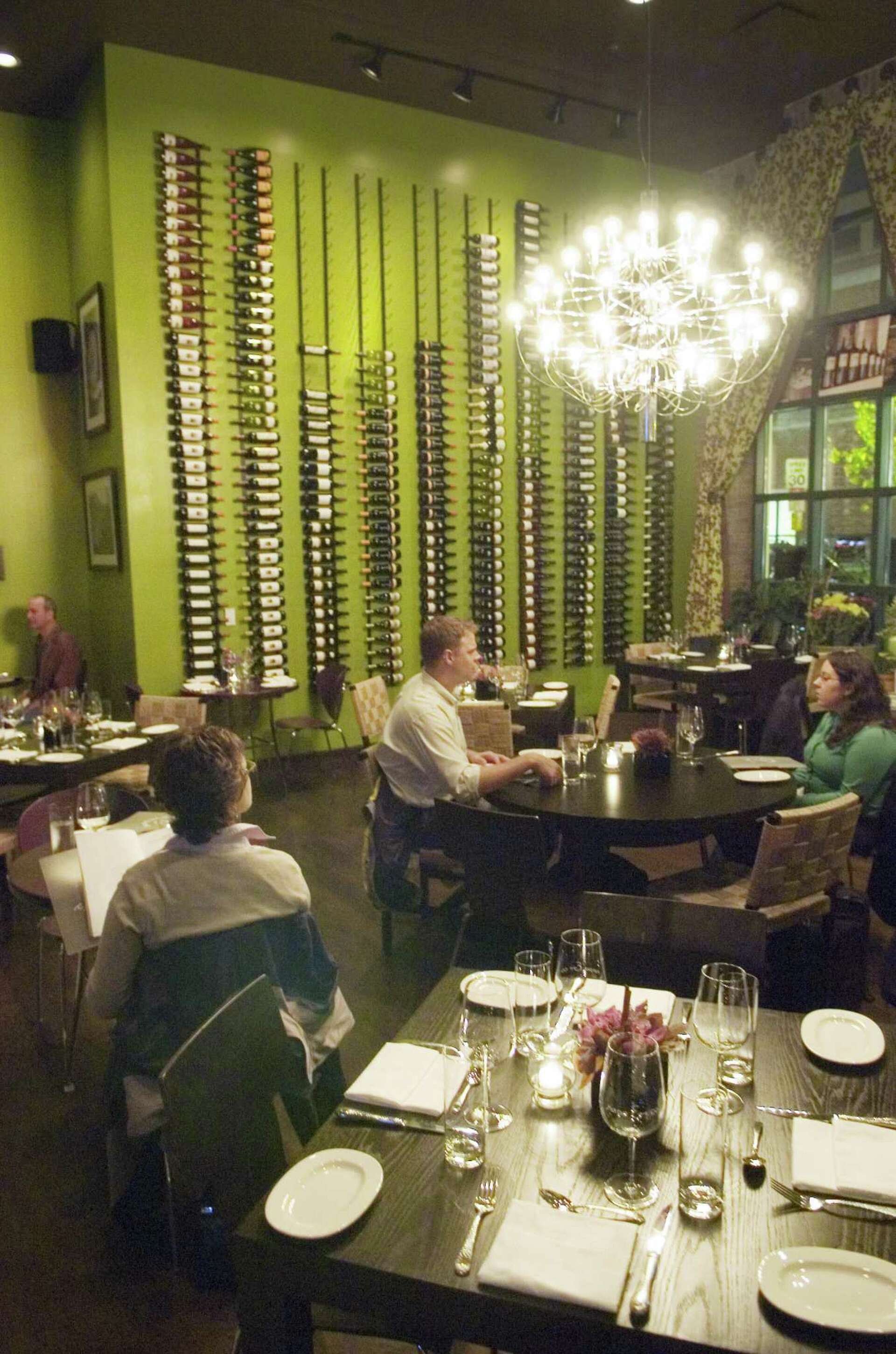
A Firehouse That Found a Second Life
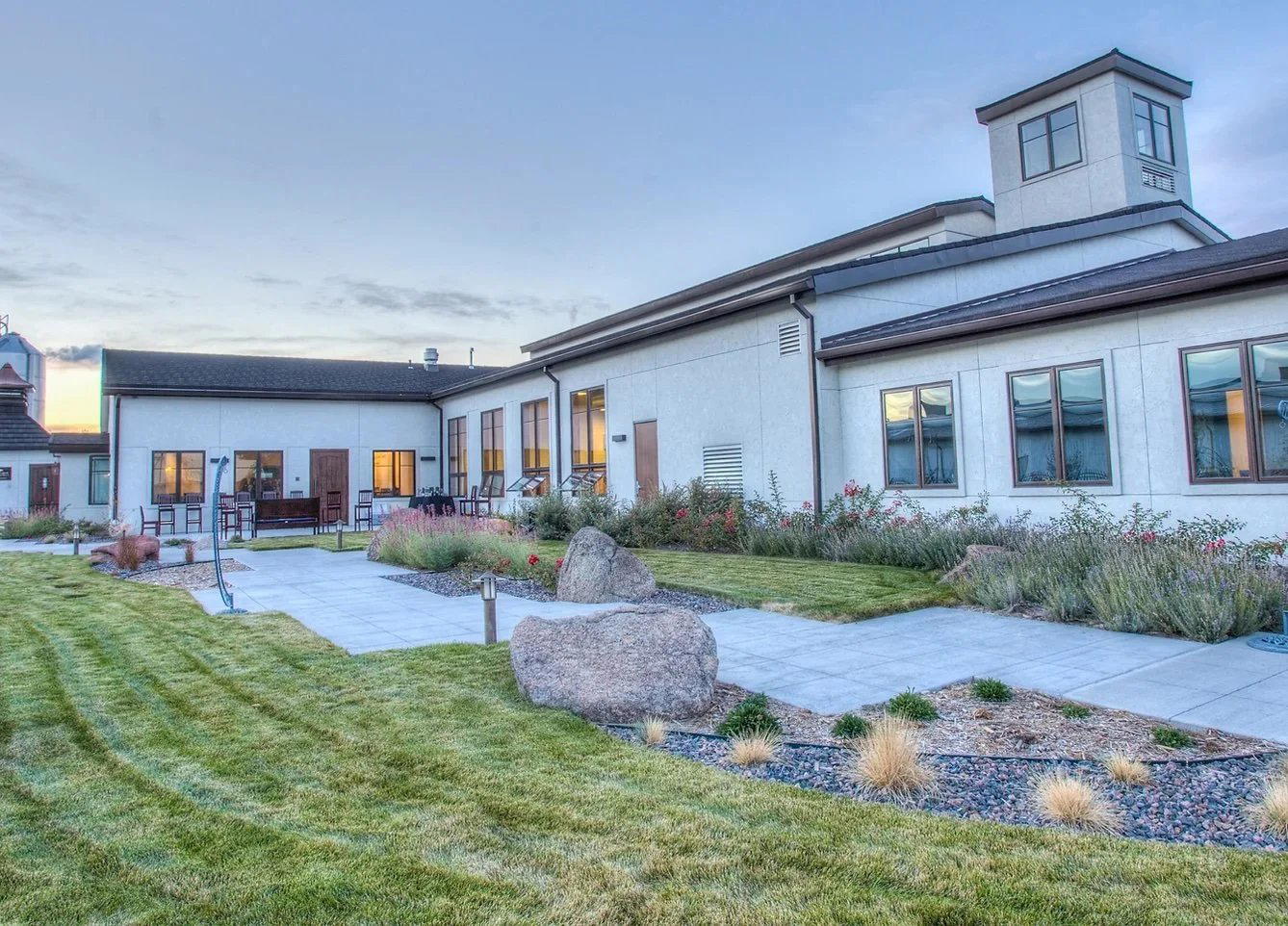
Denver's LoHi neighbourhood has developed a particular character over the past decade: converted industrial buildings, mid-price restaurants with serious kitchens, and a crowd that expects both quality and a low barrier to entry. The brick firehouse at 1900 West 32nd Avenue fits that pattern architecturally, and Kawa Ni fits it gastronomically. The bones of the building, original masonry, the kind of ceiling height that older civic structures carry naturally, give the room a weight that newer constructions in the neighbourhood rarely achieve. The energy inside leans toward lively rather than hushed, which suits the food: this is izakaya logic, where the table fills up in rounds and nobody is expected to eat in silence.
What Izakaya Means in a Denver Context
The izakaya format, well-established in Japanese cities as an informal drinking-and-eating proposition, translates unevenly when it travels. Denver's Japanese restaurant scene has several credible nodes, Temaki Den operates at the precise, counter-service end of that spectrum, but Kawa Ni occupies a different position: looser, more openly hybrid, with a menu that borrows from Japanese structure and American instinct without treating either as sacred. The comparison set here is less Tokyo and more the kind of relaxed urban Japanese cooking that has taken root in coastal American cities, where the format licenses experimentation that a traditional restaurant might not permit.
That context matters because it explains why dishes like a kung pao chicken karaage or a carbonara-adjacent kimchi udon with pork belly, egg yolk, and pecorino appear on the same menu without any sense of strain. These aren't fusion experiments trying to justify themselves; they're the natural output of a kitchen working in a format that has always been syncretic. For reference points on what Japanese dining looks like when it stays closer to Tokyo orthodoxy, Myojaku and Azabu Kadowaki in Tokyo represent the other end of the spectrum entirely.
The Menu: Shareable Plates and Substantial Bowls
The menu divides loosely between shareable small plates and more filling individual dishes, which mirrors the izakaya rhythm of ordering in waves. The scallop crudo with grapefruit, ginger, and dill represents the lighter, more composed end: acid-forward, built around clean protein, and designed to accompany the first round of drinks rather than anchor a meal. The kung pao chicken karaage applies Chinese-American heat architecture to the Japanese frying technique, a pairing that works because both traditions prioritise crunch and contrast.
The noodle section carries greater weight. The kimchi udon arrives as something closer to a Roman pasta in spirit, pork belly, egg yolk, pecorino, than a traditional Japanese broth bowl, and that is precisely the point. The fermented heat of kimchi and the salt and fat of cured pork occupy the same flavour register, and the udon's thickness holds up to it. This is the kind of dish that rewards the second visit, when you know to order it alongside something lighter.
Denver's contemporary dining scene has produced some demanding tasting-menu formats in recent years, Brutø and The Wolf's Tailor both operate at the Michelin-starred end of that register, as does Beckon. Kawa Ni prices at a different level entirely, with a mid-range price point ($$) that puts it closer to Alma Fonda Fina in terms of what a table costs, while occupying a different cuisine category. The 2024 Michelin Plate recognition does not imply the same rating tier as those starred restaurants, but it does confirm editorial attention from a credentialed source.
The Bar and How to Use It
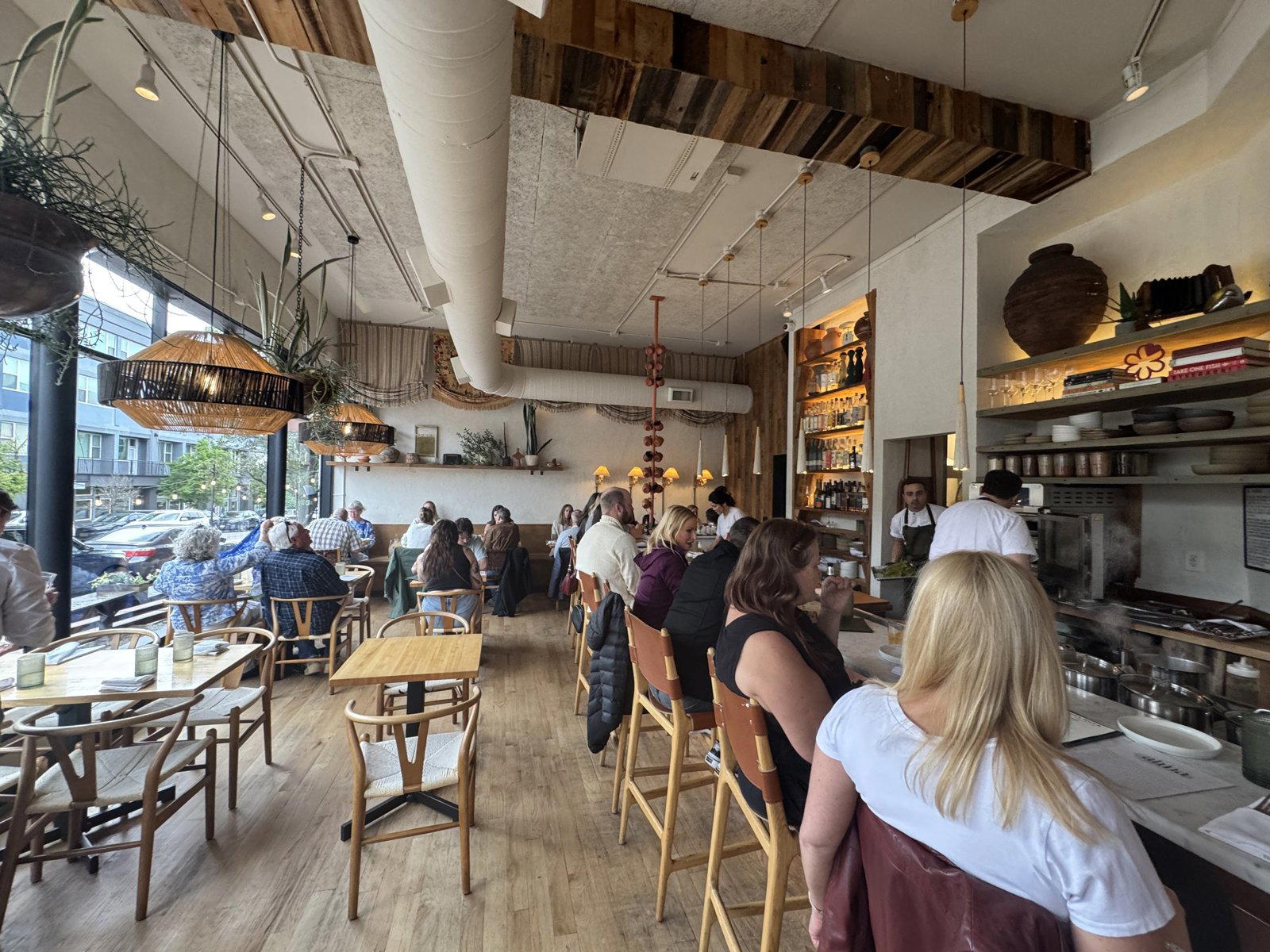
The ample bar at the restaurant functions as more than an overflow waiting area. Walk-ins are explicitly accommodated at the bar, and in practice this is one of the more sensible ways to approach the room: a few small plates, a rotating sake selection, and whatever cocktails the bar is running at that moment. The sake list sits naturally alongside the izakaya format, sake's acidity and umami depth work with fermented and fried dishes in ways that wine rarely matches, and the cocktail program appears designed to complement rather than compete with the food.
The lively atmosphere that the room generates on a busy evening is partly structural, high ceilings, hard surfaces, a bar that stays active, and partly by design. This is not a restaurant where the room quiets to accommodate a tasting menu progression. The noise level is part of the offer, and the format encourages it.
The Connecticut Connection
Original the restaurant location operates in Connecticut, which gives the Denver outpost an unusual lineage for a Rocky Mountain Japanese restaurant. The Connecticut-to-Denver trajectory is less common than the New York or Los Angeles pipeline, but it produces the same result here: a kitchen with a defined point of view that arrived in Denver already tested. Chef Bill Taibe's presence as the name behind the concept provides the directional credential, though the kitchen at the Denver location runs on its own. The national restaurant context for comparison, places like Le Bernardin in New York, Lazy Bear in San Francisco, or Alinea in Chicago, operates at an entirely different price and format level, but the multi-city model is increasingly how chefs with established identities expand without diluting what they do.
Planning a Visit
The restaurant sits at 1900 West 32nd Avenue in LoHi, a walkable strip that connects easily to the broader neighbourhood. The mid-range price point makes it accessible for a weeknight dinner or a longer shared-table session with several rounds of plates. Walk-in availability at the bar means a reservation is not required for a shorter visit, though the dining room fills on weekend evenings and planning ahead covers the risk.
For comparison elsewhere in the country, Emeril's in New Orleans, Single Thread Farm in Healdsburg, and The French Laundry in Napa sit in different price tiers and formats, but they illustrate the range of what Michelin recognition means across different categories.
Accolades, Compared
Comparable venues nearby, for context on price, style, and recognition.
| Venue | Cuisine | Price | Awards | Notes |
|---|---|---|---|---|
| Kawa NiThis venue — the venue you are viewing | Izakaya | $$ | Michelin Plate | Not listed |
| Marco's Coal-Fired | Coal-Fired Neapolitan Pizza | $$ | Michelin Plate | Ballpark |
| Smok | Texas-Style Barbecue | $$ | Michelin Plate | Curtis Park |
| Dio Mio | Modern Italian Pasta | $$ | Michelin Plate | Curtis Park |
| Safta | Modern Israeli & Mediterranean Small Plates | $$$ | Michelin Plate | Curtis Park |
| The Hampton Social - Denver | Coastal Seafood & American | $$ | Not listed | Highland |
Recognition history
Dated appearances from independent guides and award organizations, with the underlying list record or original source where available.
Michelin Plate
Michelin
Michelin Plate
Michelin
Continue exploring
More in Denver
Restaurants in Denver
Browse all →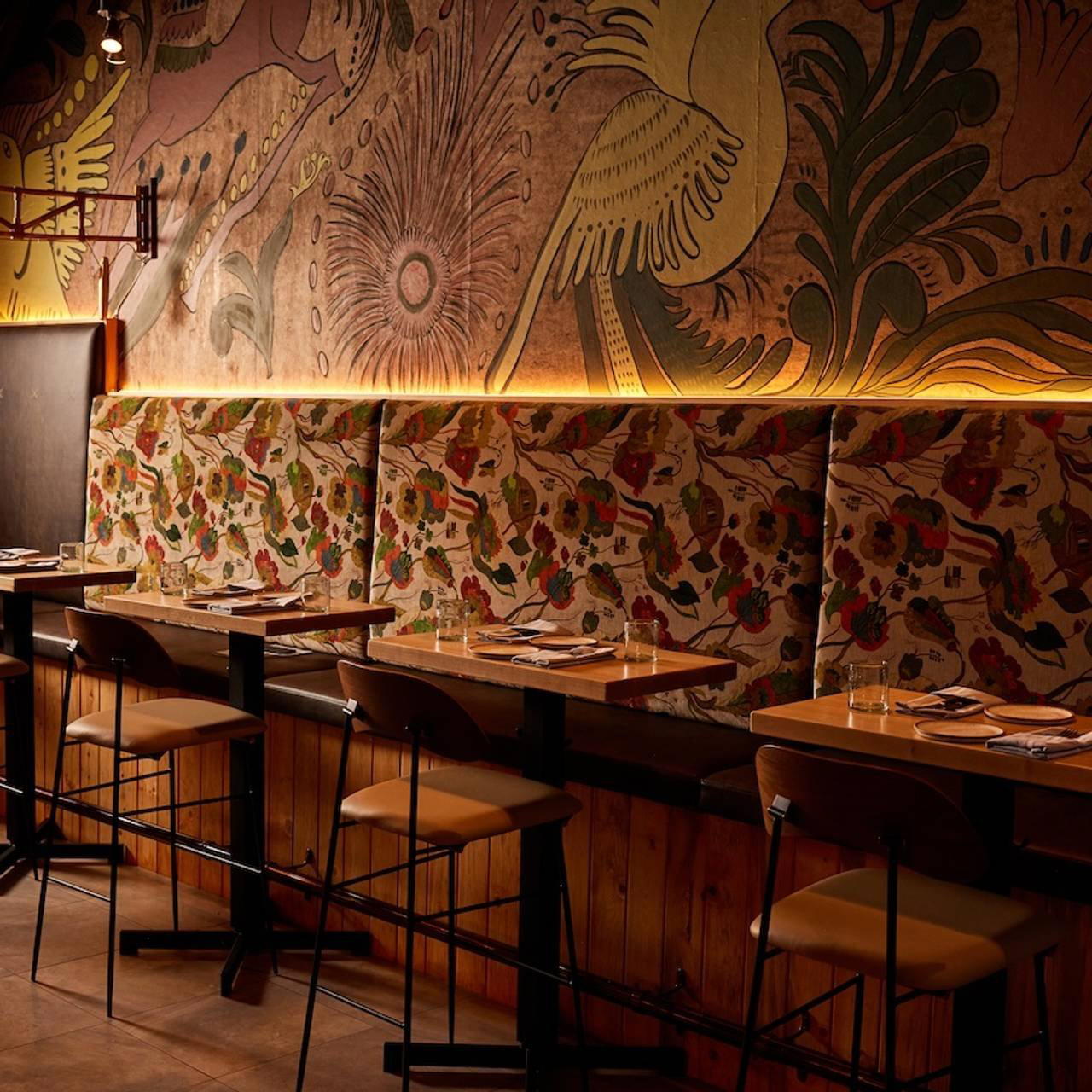
Bars in Denver
Browse all →
Hotels in Denver
Browse all →
Wineries in Denver
Browse all →
At a Glance
- Lively
- Trendy
- Modern
- Cozy
- Intimate
- Date Night
- Group Dining
- After Work
- Casual Hangout
- Private Event
- Standalone
- Private Dining
- Terrace
- Sake Program
- Craft Cocktails
Current opening hours
- Monday
- Closed
- Tuesday
- 4–9 PM
- Wednesday
- 4–9 PM
- Thursday
- 4–9 PM
- Friday
- 4–10 PM
- Saturday
- 11:30 AM–2:30 PM, 4:30–10 PM
- Sunday
- 11:30 AM–2:30 PM, 4:30–8:30 PM
Hours can change for holidays and private events. Last verified .
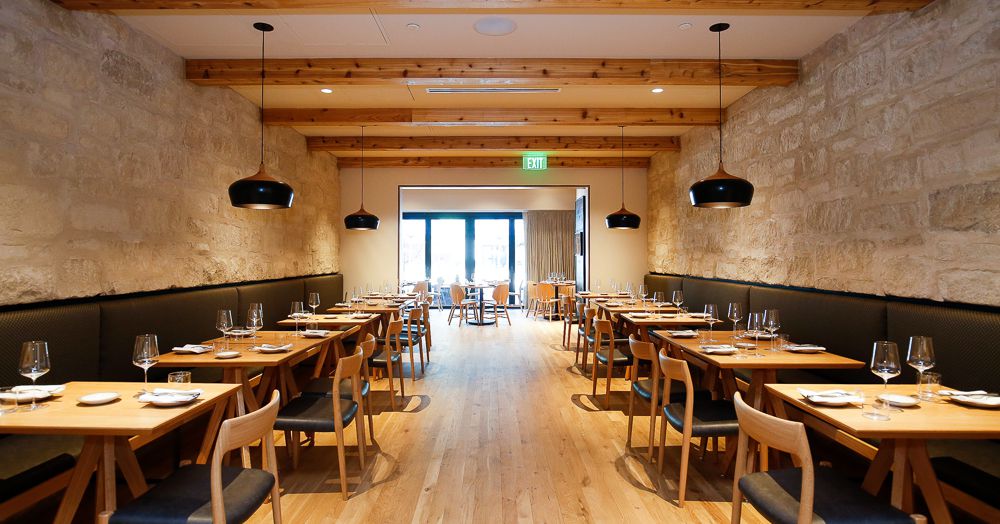
Warm, inviting, design-forward and social, with cozy wood touches, a long bar, and a lively neighborhood-pub feel.