Safta
.png)


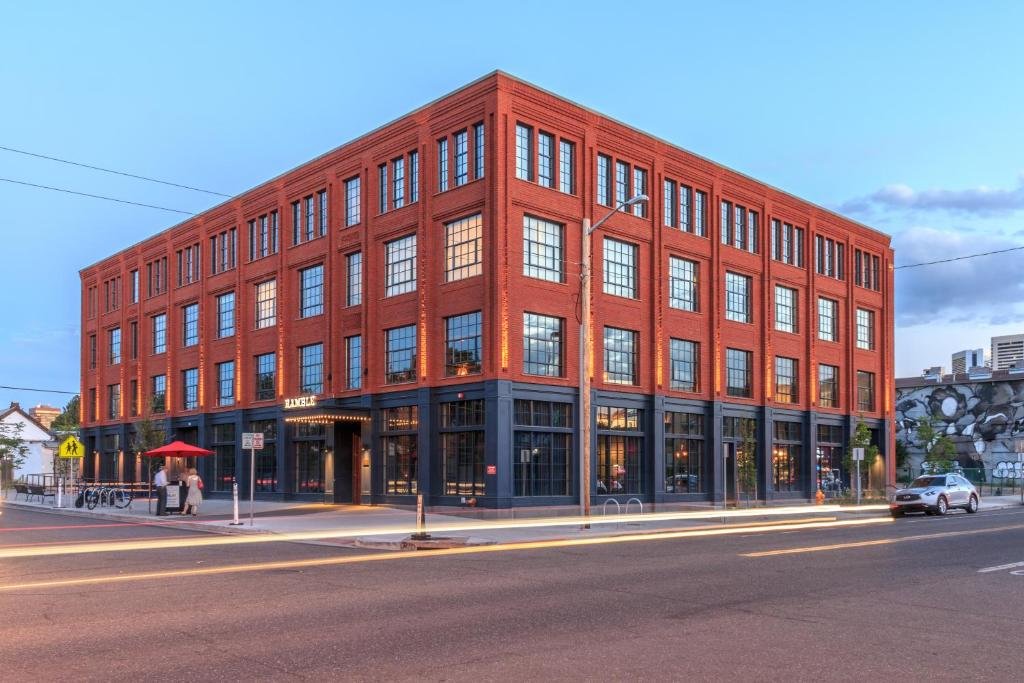
Alon Shaya's first restaurant outside Louisiana brings Israeli comfort cooking to Denver's RiNo district, anchored by the menu logic of salatim, hummus, and hearth-driven mains that define modern Israeli dining in the US. Housed inside the Source Hotel on Brighton Boulevard, Safta earned a Pearl recommendation in 2025 and holds a 4.5-star Google rating across more than 2,000 reviews. The price tier sits at $$$, comparable to Ash'Kara and a notch below the city's tasting-menu bracket.
 Discover on Pearl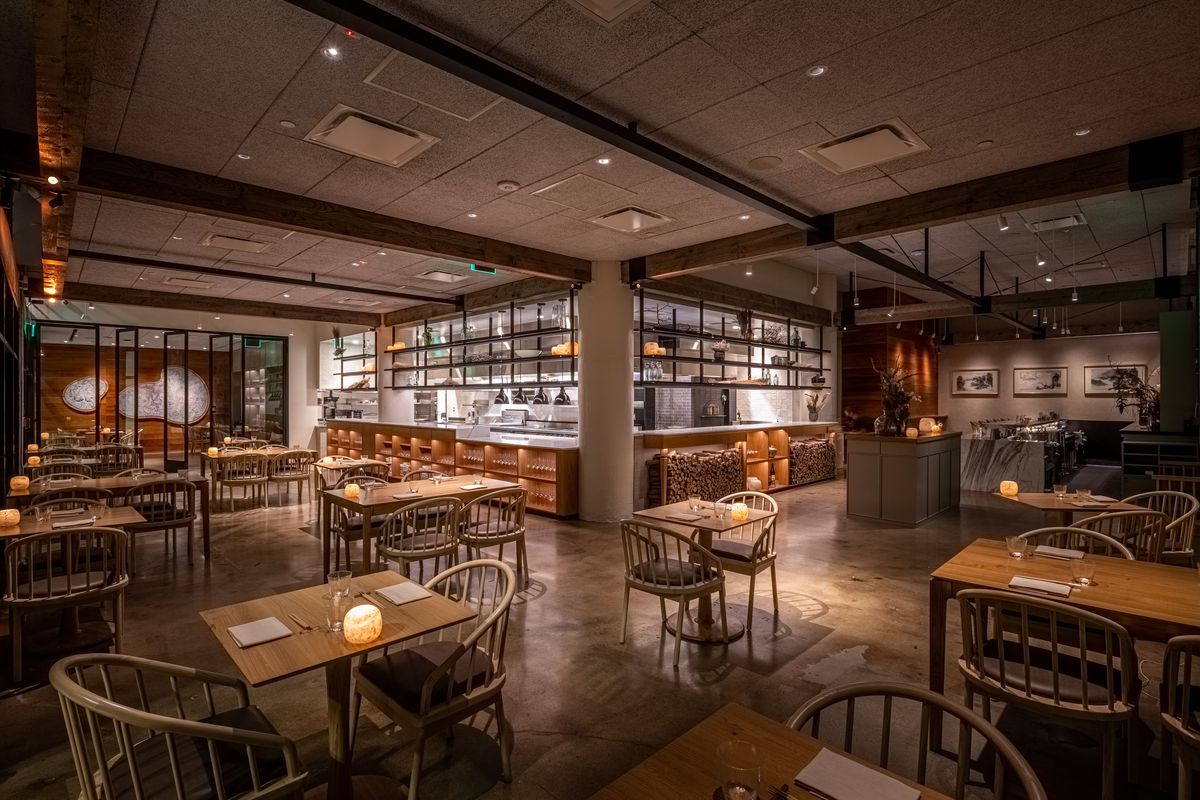
A Counter That Opens Into Something Larger
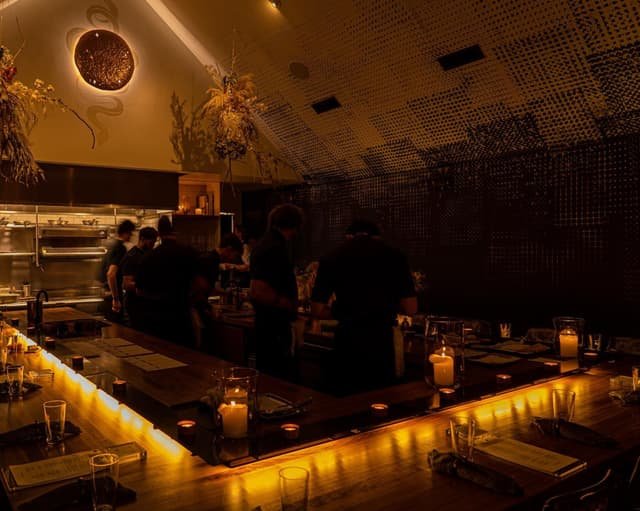
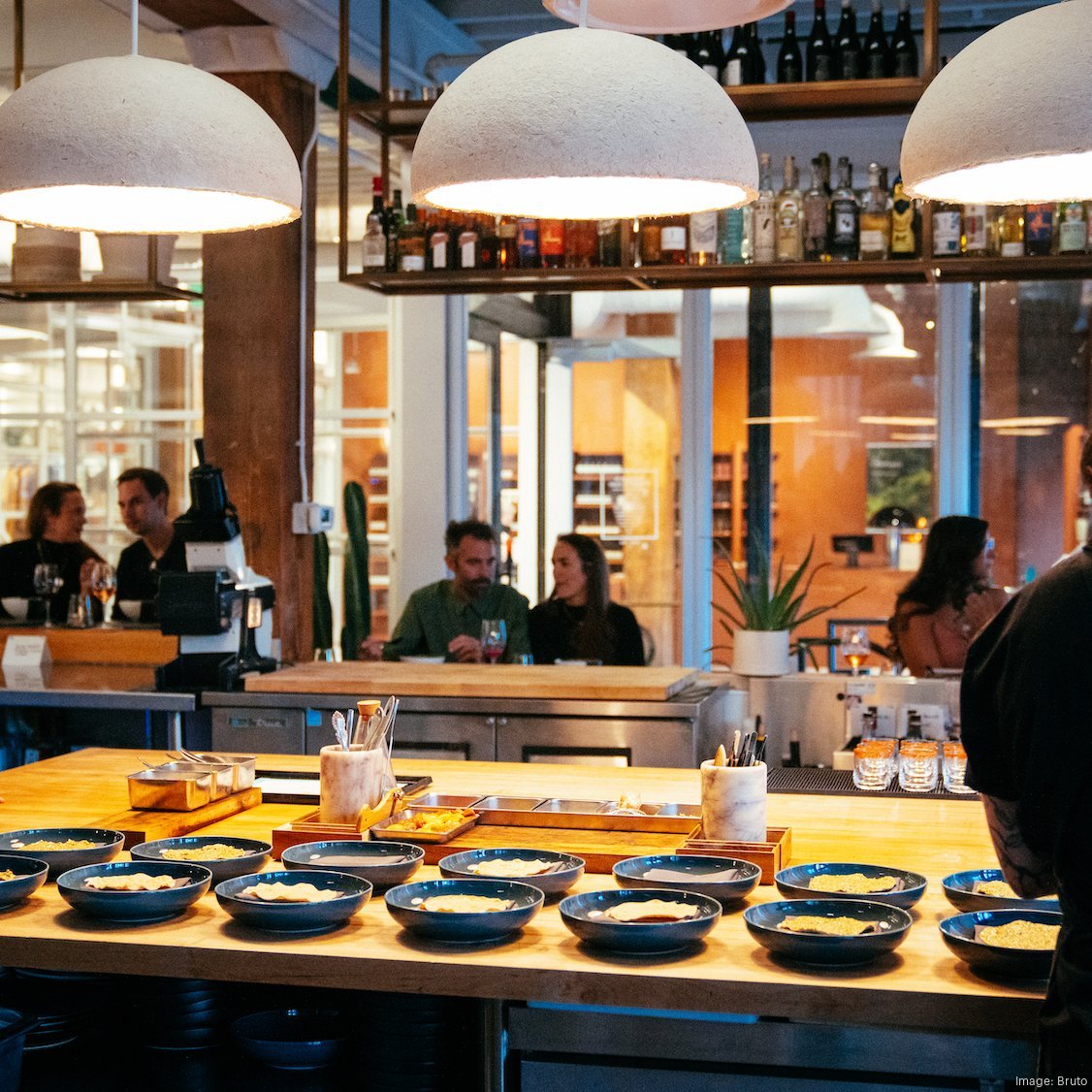
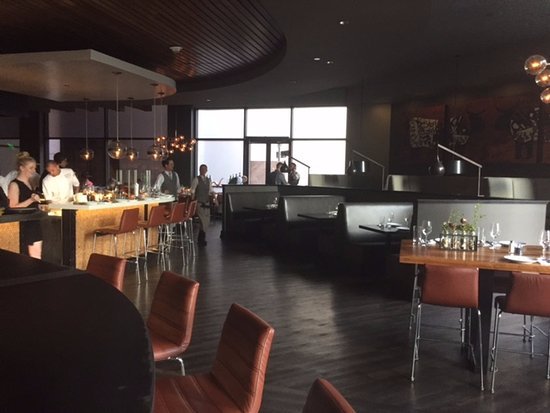
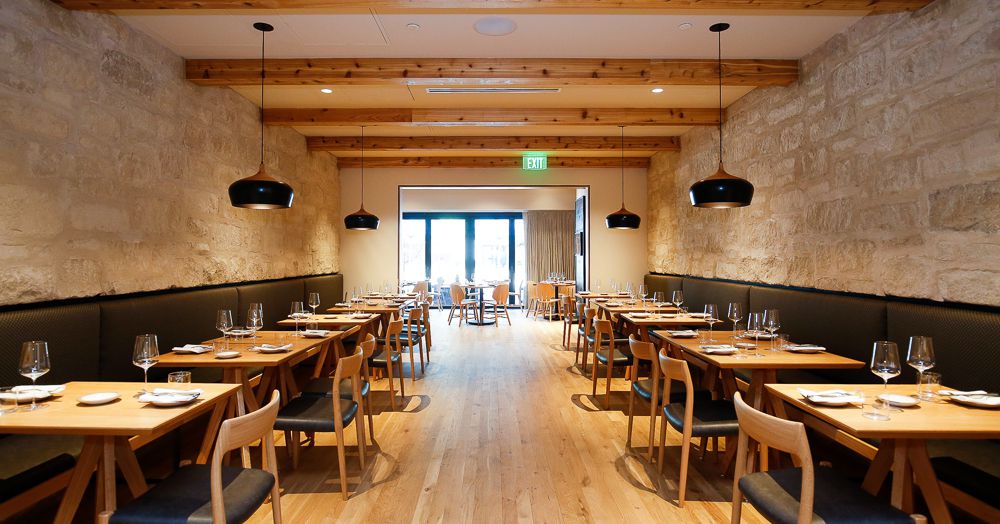
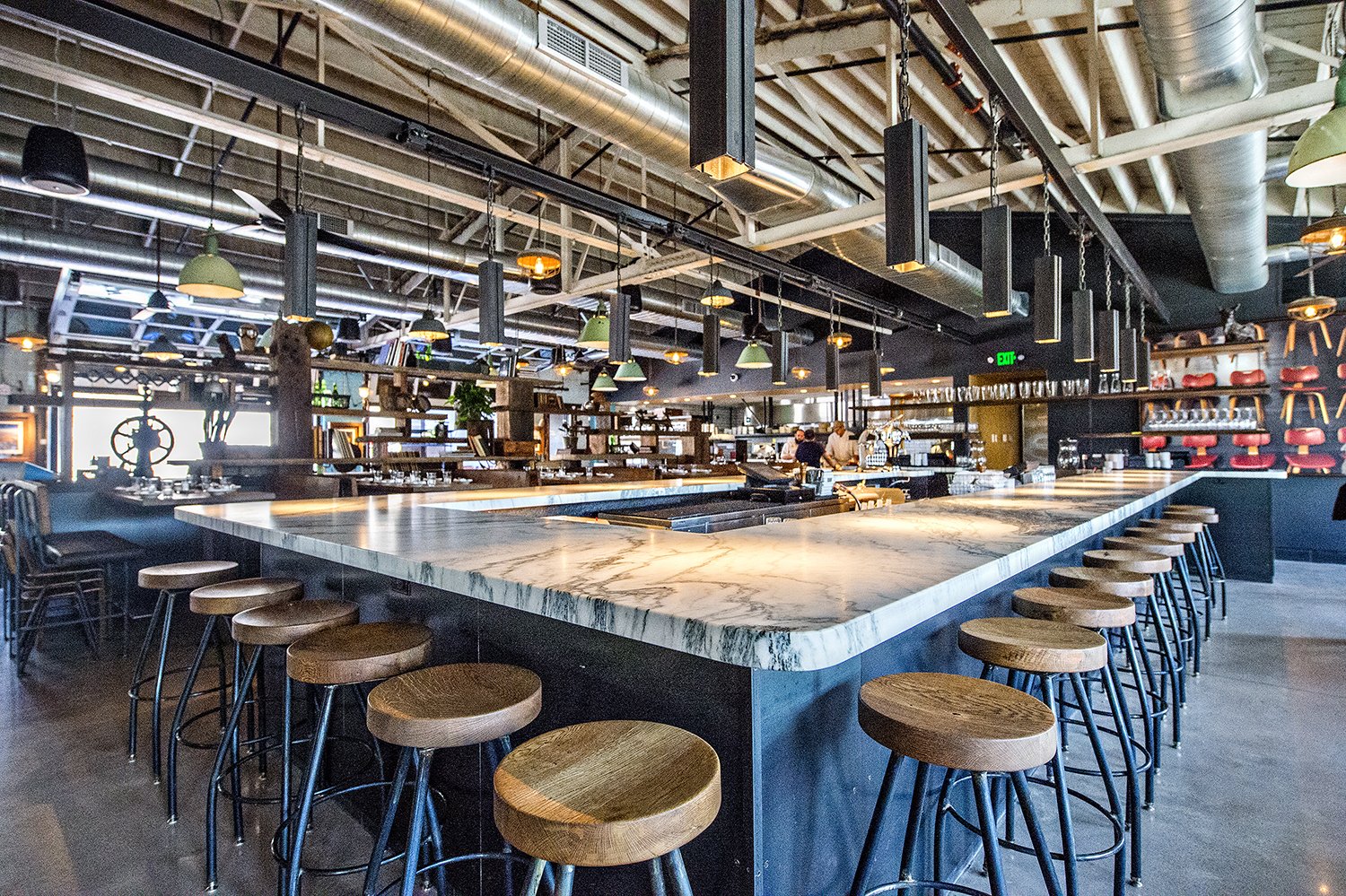
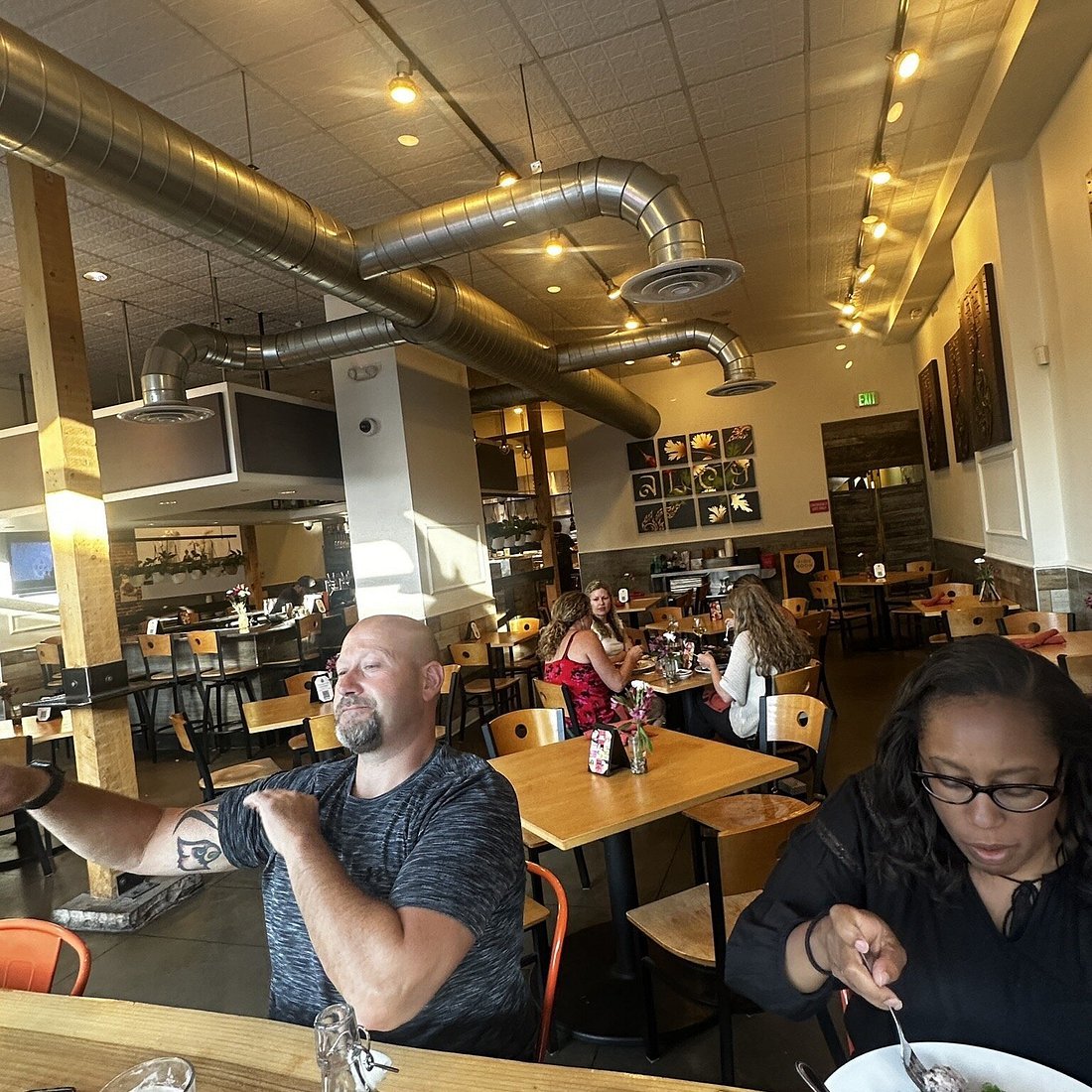
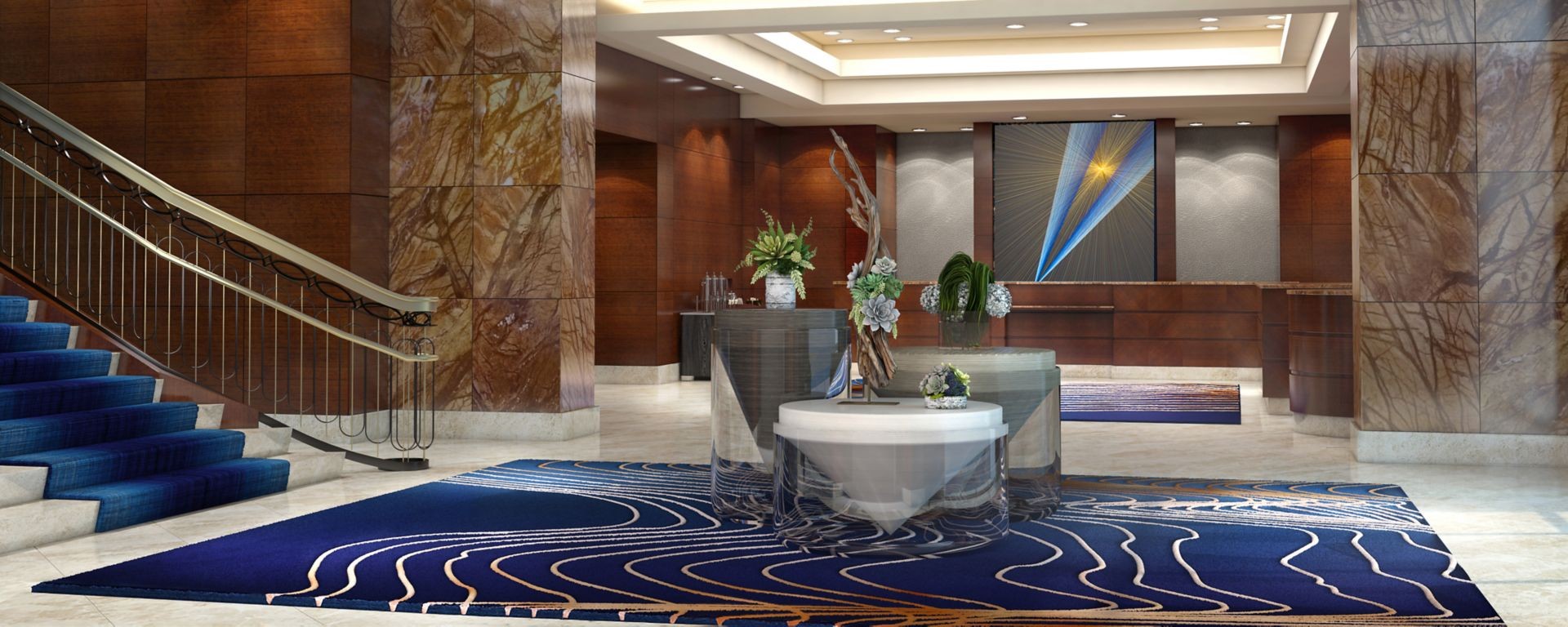
Walking into the Source Hotel on Brighton Boulevard, the first thing you see is what appears to be a coffee counter. That visual misdirect is intentional. The space wraps around it, opening into an airy dining room with an exposed kitchen and the kind of upbeat energy that feels more Tel Aviv than Colorado. The RiNo Arts District has spent the better part of a decade absorbing ambitious restaurant projects, and Safta fits that neighbourhood pattern: a venue that reads casual on approach but operates at a considered level once you're seated. It earned a Pearl recommendation in 2025 and holds a 4.5 Google rating from more than 2,175 reviews, figures that place it alongside the most reviewed serious restaurants in Denver.
Israeli Dining in the American Interior
Modern Israeli cooking has found an audience in US cities largely because it moves fluidly between vegetable-forward spreads and confident meat cookery, both landing on the same table without the genre friction that characterises some other cuisines. In New York and Los Angeles, the format is now well established. In Denver, the category is thinner, which gives Safta an unusual position: it is operating inside a culinary tradition with deep roots in the Middle East and a growing American diaspora, but doing so in a market where Israeli cuisine has fewer reference points for diners. That context matters when reading the menu. Dishes like duck matzo ball soup or pomegranate lamb shank are not departures from the tradition; they are the tradition, read through a kitchen with serious technique. For a direct Tel Aviv comparison, the approach at Alena at The Norman and George & John shows how the same culinary grammar gets expressed in its home city.
The Lunch and Dinner Divide
The Source Hotel context shapes how Safta functions differently across the day. At lunch, the space draws a mixed crowd: hotel guests, RiNo workers, and the kind of casual afternoon visitor who might start at the coffee counter and end up at a table. The salatim format, plates of pickles and spreads arrived in sequence before any main, works particularly well at midday. You can eat lightly, in the Israeli tradition, moving through a sequence of small plates without committing to a full meal arc. The hummus, served with roasted chanterelle mushrooms and chermoula butter alongside freshly baked pita, functions as both a standalone lunch and an opening act for something larger.
By evening, the room shifts register. The same menu items carry different weight when paired with the fuller arc of dinner service. Short rib-stuffed cabbage and harissa chicken read as deliberate choices rather than grazing options. The sourcing of ingredients, the open kitchen's visibility, and the progression from salatim through heavier mains give dinner a structure that lunch does not demand. For diners comparing the experience to other $$$ restaurants in Denver, that flexibility across service periods is part of what differentiates Safta from contemporaries like Alma Fonda Fina, which occupies a similar price tier but operates within a single tonal register.
Where Safta Sits in Denver's Current Moment
Denver's serious dining tier has clarified considerably in recent years. At the leading sits a small group of tasting-menu restaurants, including Beckon and Brutø, both operating at $$$$ with fixed formats and limited covers. The Wolf's Tailor occupies a similar tier. Below that sits a broader group of restaurants at $$$ that offer a la carte or semi-structured menus with more flexibility. Safta prices into this second group, alongside Ash'Kara (Denver's other Israeli option at $$$), and offers an experience that does not require the same booking lead time or format commitment as the tasting-menu set.
That positioning is not a limitation. The James Beard award that Alon Shaya received in 2015 as Leading Chef: South was earned in a different city at a different restaurant, but the credential travels. It signals a level of kitchen discipline that distinguishes Safta from casual Israeli-adjacent restaurants and places it closer in peer terms to the work being done at venues like Annette in the broader Denver scene. For international reference points, the chef's pedigree places him in a cohort that includes James Beard alumni at Emeril's in New Orleans, though Safta's format and cuisine sit in an entirely different register from that legacy.
Reading the Menu Structure
The menu at Safta follows the logic of Israeli communal eating rather than the Western three-course model. Salatim arrive first: a rotation of pickles and spreads that function as a collective warm-up rather than individual starters. The hummus, freshly made and topped with roasted chanterelles and chermoula butter, is served alongside pita that comes from the kitchen rather than a packet. This sequence sets an expectation that the rest of the meal builds on: dishes are meant to share, and the table dynamic shifts accordingly.
The middle and later courses move toward proteins with more complexity. Duck matzo ball soup brings Ashkenazi comfort food through a kitchen that applies French-influenced technique, a pairing that reflects Shaya's training without announcing it. Harissa chicken and pomegranate lamb shank represent the Sephardic and Mizrahi threads in Israeli cooking, dishes with North African and Persian roots that became part of the broader Israeli table through immigration waves across the twentieth century. Short rib-stuffed cabbage bridges Eastern European influence with the same communal spirit. The menu is not nostalgic in the sentimental sense; it is historically grounded in a way that rewards a diner who understands the source material.
Planning a Visit
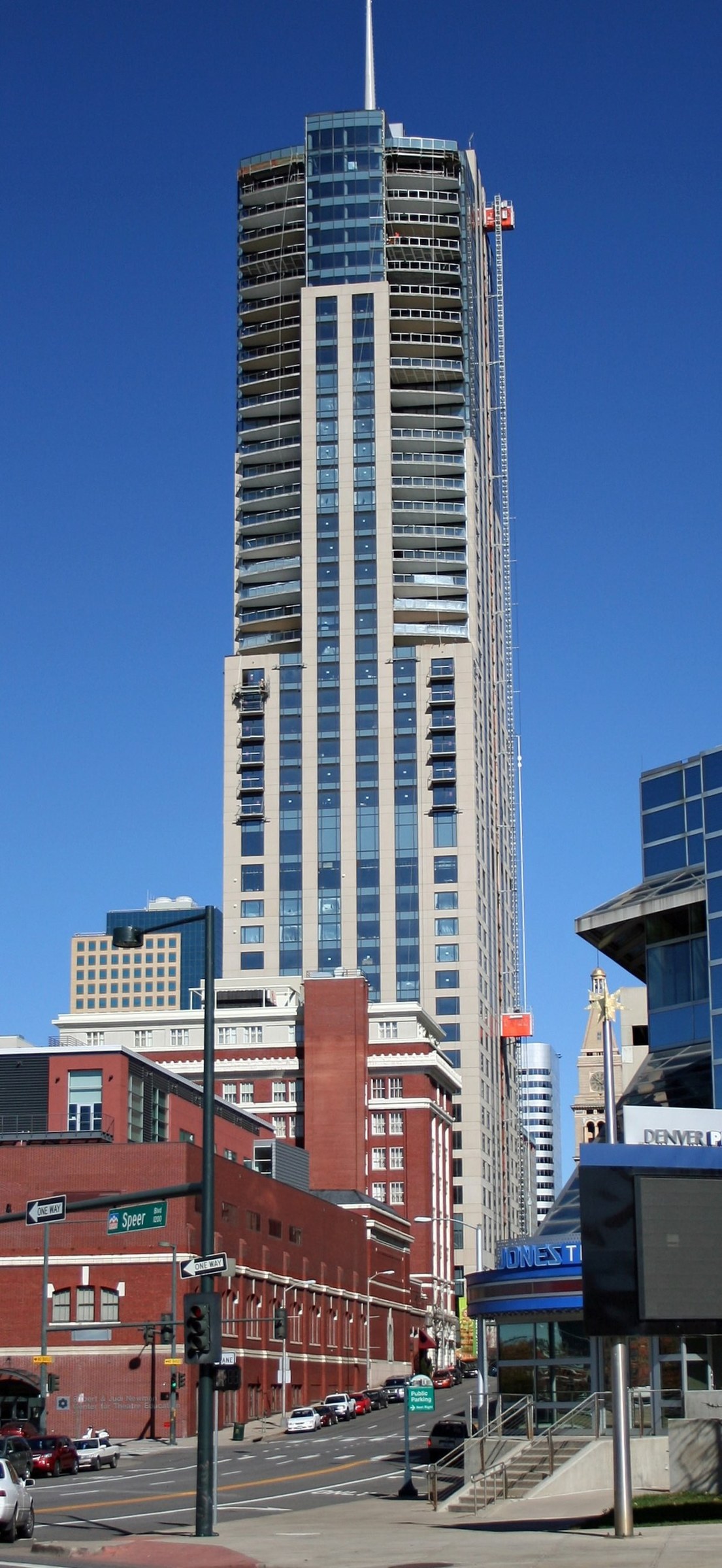
Safta is located at 3330 Brighton Boulevard, Suite 201, inside the Source Hotel in RiNo. The $$$ price range puts it in the mid-to-upper bracket for Denver dining, accessible without the reservation pressure of the city's tasting-menu rooms. That said, a 4.5-star rating across more than 2,000 reviews means walk-in tables at peak evening service are not guaranteed. Booking ahead for dinner, particularly on weekends, is the practical approach. Lunch tends to move with more flexibility given the hotel-adjacent foot traffic. The space is airy rather than intimate, which means it handles larger groups and solo diners with equal ease. For visitors building a broader Denver itinerary, the full picture of the city's dining, hotel, bar, and experience options is available through our full Denver restaurants guide, our full Denver hotels guide, our full Denver bars guide, our full Denver wineries guide, and our full Denver experiences guide.
A Tight Comparison
A short peer table to compare basics side-by-side.
| Venue | Notes | Price |
|---|---|---|
| Safta | This venue | $$$ |
| The Wolf's Tailor | New American, Contemporary, $$$$ | $$$$ |
| Tavernetta | Italian, $$ | $$ |
| Brutø | Contemporary, $$$$ | $$$$ |
| Alma Fonda Fina | Mexican, $$ | $$ |
| Ash'Kara | Israeli, $$$ | $$$ |
Continue exploring