Bierstadt Lagerhaus
Bierstadt Lagerhaus on Blake Street is Denver's most deliberate lager house, where slow, cold-conditioning cycles and an industrial RiNo space make the case that American craft beer has more to learn from Bavaria than from the hop-forward mainstream. The operation is built around patience, process, and a production philosophy that treats waste reduction as a technical discipline rather than a marketing position.
Pearl is the En Primeur Club membership app — saves, bookings, and concierge access live there. Same editors, same standards.
- Address
- 2875 Blake St, Denver, CO 80205
- Phone
- +1 720 570 7824
- Website
- bierstadtlager.com
- Directions
- Get directions
 Saves & bookings on Pearl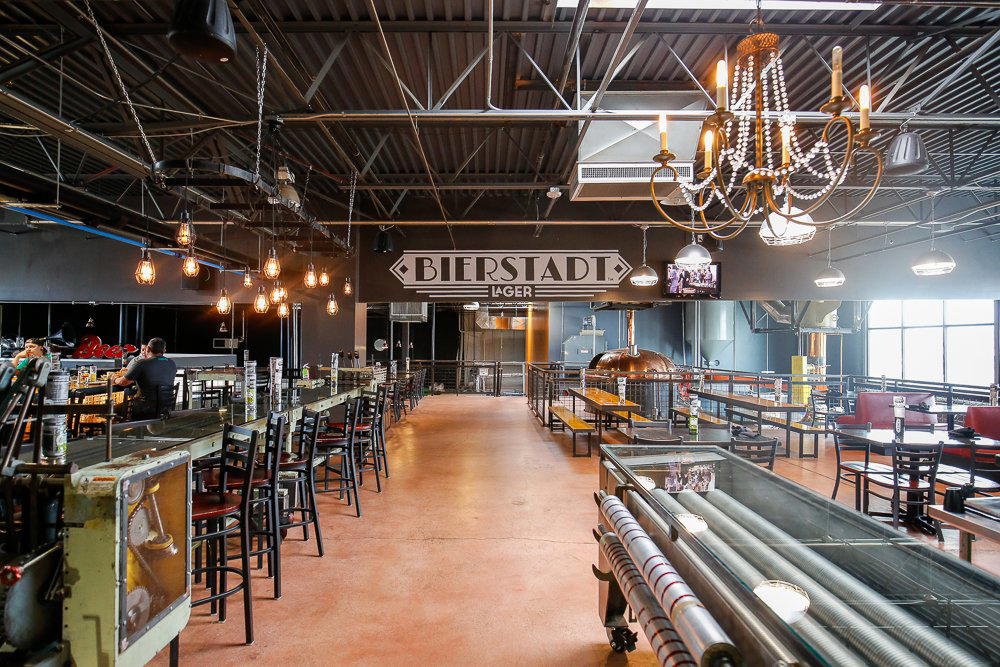
Cold, Slow, and Intentional: Denver's Lager Counter-Argument
RiNo's Blake Street corridor has become a center of Denver's independent hospitality scene. Tap rooms, cocktail bars, and restaurant concepts have colonized former industrial buildings at a pace that occasionally outstrips the neighbourhood's infrastructure. Inside that context, Bierstadt Lagerhaus at 2875 Blake St occupies a different register entirely. Where most of its neighbours traffic in novelty, Bierstadt's operating logic runs in the opposite direction: fewer styles, longer conditioning times, and a production discipline lifted directly from Central European lager tradition. The building itself signals this. A cavernous, high-ceilinged space with exposed structural elements, it reads less like a designed hospitality venue and more like a working brewery that happens to have seating, which is precisely the point.
Lager as a Serious Category
American craft brewing spent its first three decades treating lager as the enemy. The movement defined itself against the thin, adjunct-heavy products of industrial brewers, and in doing so largely abandoned the style that those industrial brewers had debased. A corrective has been underway in serious brewing circles for roughly a decade, and Bierstadt sits at the sharpest end of that corrective in Colorado. The approach here is Bavarian in its technical foundations: decoction mashing, open fermentation vessels, and lagering periods measured in months rather than weeks. These are not aesthetic choices. They are process commitments that require significantly more cold storage space, more time, and more restraint on the production calendar than the volume-maximising models that dominate American brewing.
That restraint has a sustainability dimension worth examining directly. Long conditioning cycles are resource-intensive in terms of cold storage energy, but they also produce a product with substantially lower waste ratios at the point of consumption. A properly lagered beer is stable, consistent batch to batch, and less prone to the off-flavours that drive product loss in both retail and on-premise accounts. Breweries that compress conditioning timelines to accelerate turnover generate more waste across the supply chain; Bierstadt's slower model operates against that logic. It is not a zero-sum comparison, but the process philosophy here maps more cleanly onto a production ethic that treats resource expenditure as something to be deliberate about.
The Sustainability Frame: Process Over Performance
Across American craft brewing, sustainability claims tend to cluster around visible, communicable actions: solar panels, recycled water, locally sourced grain contracts. Bierstadt's approach is harder to photograph and harder to caption. The environmental argument here is embedded in the production method itself. Decoction mashing is labour-intensive and uses more energy per batch than single-infusion alternatives, but it extracts more efficiently from the malt, reducing the grain volume required to hit a given gravity target. That efficiency compounds across a high-volume lager house. Similarly, long lagering in a tightly managed cellar reduces the risk of batch failures that result in dumped beer, which remains one of the highest-impact waste events in brewery operations.
This framing matters because it separates Bierstadt from breweries that treat sustainability as a communications exercise. The process commitments predate and operate independently of any marketing function. For visitors comparing Denver's tap room scene, Bierstadt sits in a peer group defined more by technical discipline than by brand positioning. Locally, the comparison set is smaller. Denver's craft scene leans heavily toward IPAs and experimental formats; serious lager production at this scale is a minority pursuit.
Where Bierstadt Fits in Denver's Bar and Beverage Map
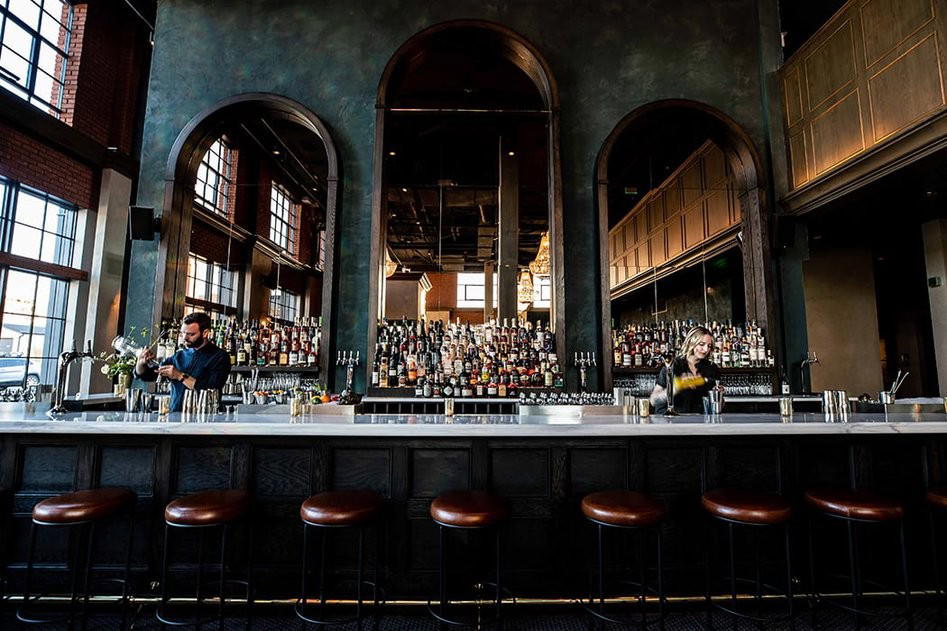
Denver's premium drinking scene has matured into distinct tiers. At the cocktail end, venues like Death & Co (Denver) and Williams & Graham represent the city's technical cocktail programs, with the latter occupying a speakeasy-adjacent format that has drawn sustained national attention. Yacht Club and Ace Eat Serve sit in a more casual-but-considered register. Bierstadt operates in a different category from all of them, but the comparison is useful for placing it in the broader context of where Denver drinks: this is a city with enough beverage sophistication to support a slow-lager operation that doesn't need to sell novelty.
Internationally, the kind of process-first drinking culture Bierstadt represents has parallels in venues like Kumiko in Chicago, where the product philosophy drives the experience rather than the reverse, and Bar Leather Apron in Honolulu, which applies similar technical rigour to its cocktail program. The spirit of disciplined production over spectacle connects these places across categories and geographies. In the cocktail world, comparable commitments to craft over showmanship can be found at Jewel of the South in New Orleans, Julep in Houston, Superbueno in New York City, ABV in San Francisco, and The Parlour in Frankfurt on the Main.
Planning a Visit
Bierstadt Lagerhaus is located at 2875 Blake St in Denver's RiNo district, walkable from several of the neighbourhood's other independent hospitality venues. The tap room format means visitors arrive for the product rather than for a tasting menu or reservation experience. Given the lager-forward program, visitors should arrive with some familiarity with the style differences between a Helles, a Märzen, and a Pilsner; the beers reward attention and are not designed to be consumed at pace. The industrial space is large enough to accommodate groups without the claustrophobic press of a smaller tap room, making it a workable anchor for an afternoon in RiNo before moving on to the neighbourhood's cocktail-focused venues.
Style and Standing
Comparable venues nearby, for context on price, style, and recognition.
| Venue | Cuisine | Price | Notes |
|---|---|---|---|
| Bierstadt LagerhausThis venue — the venue you are viewing | beer_bar | $$ | Not listed |
| Smok Barbecue | cocktail_bar | $$ | Curtis Park |
| Wellness Sushi | Bar | $$ | Congress Park |
| Machete Tequila + Tacos | mezcaleria | $$ | LoDo |
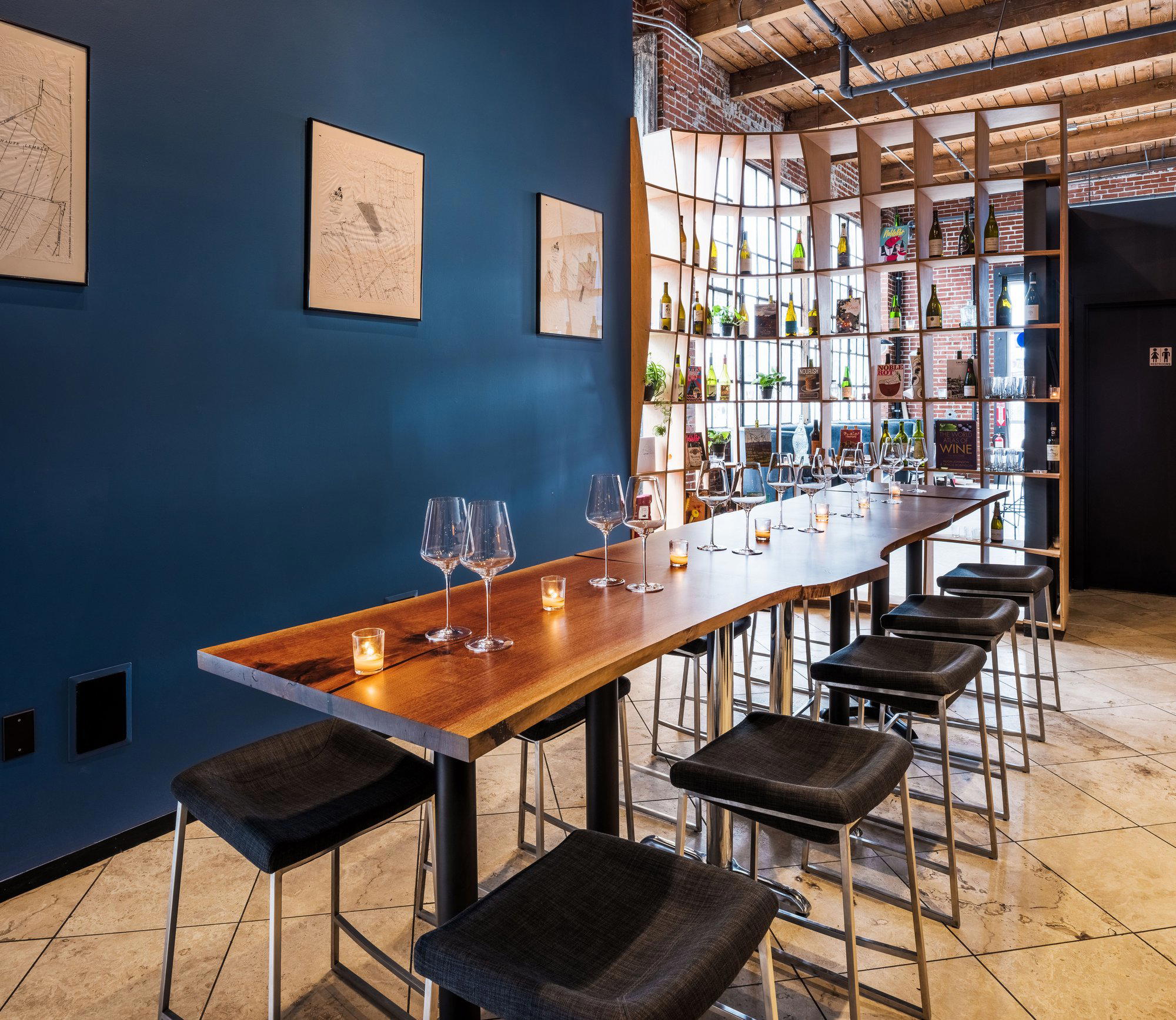
| Carboy Winery Denver | wine_bar | $$ | Speer |
| Marco's Coal Fired | Ballpark | Bar | $$ | Ballpark |
Continue exploring
More in Denver
Bars in Denver
Browse all →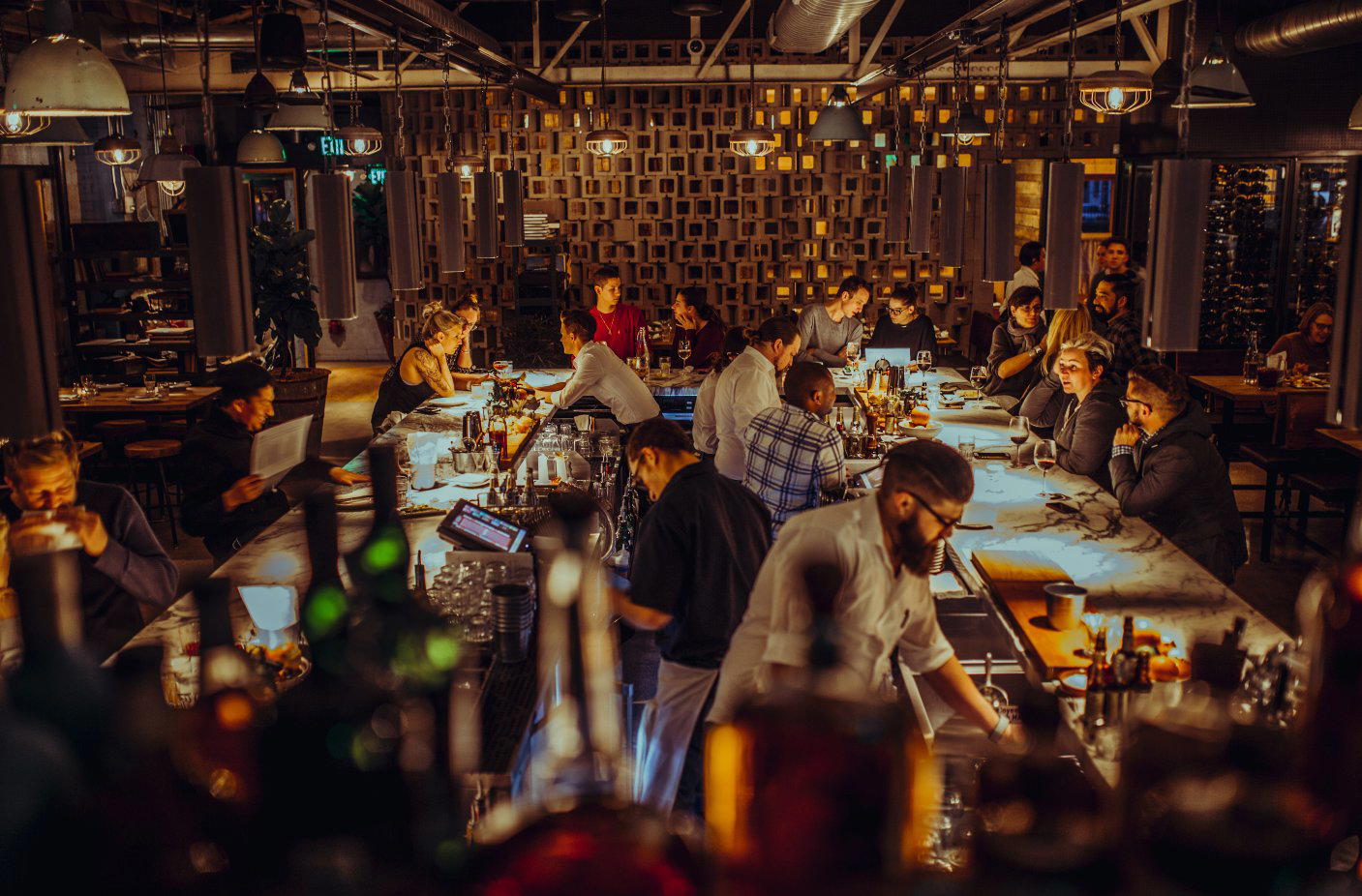

Restaurants in Denver
Browse all →
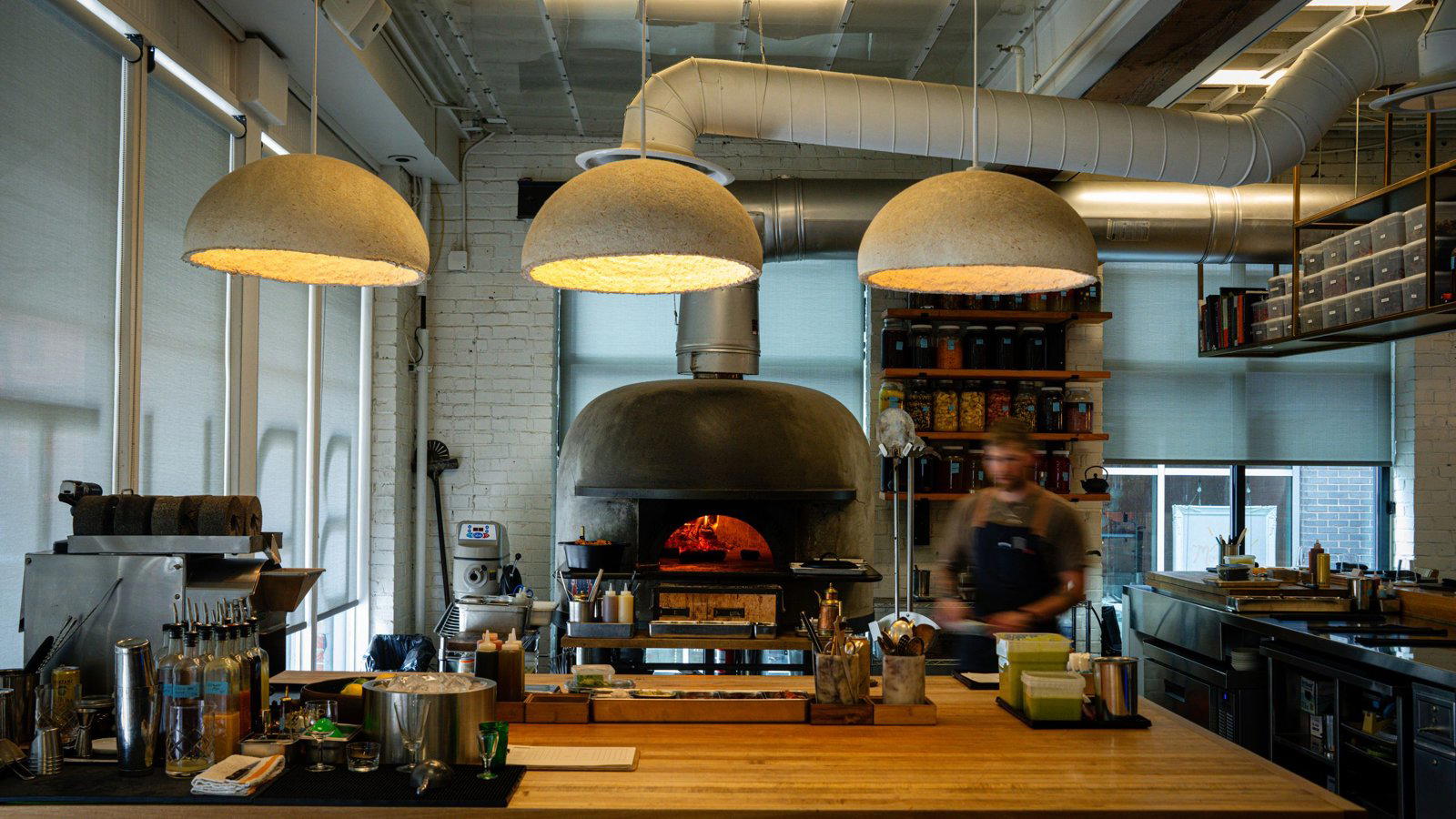
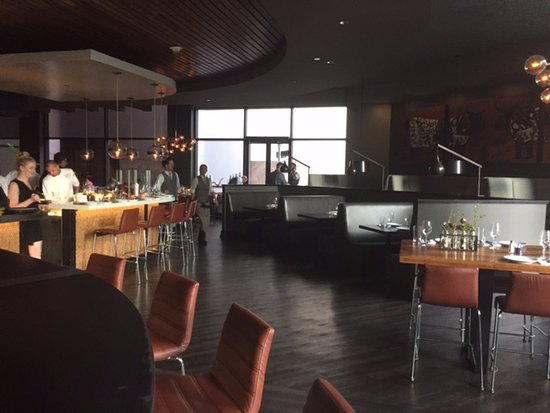
Hotels in Denver
Browse all →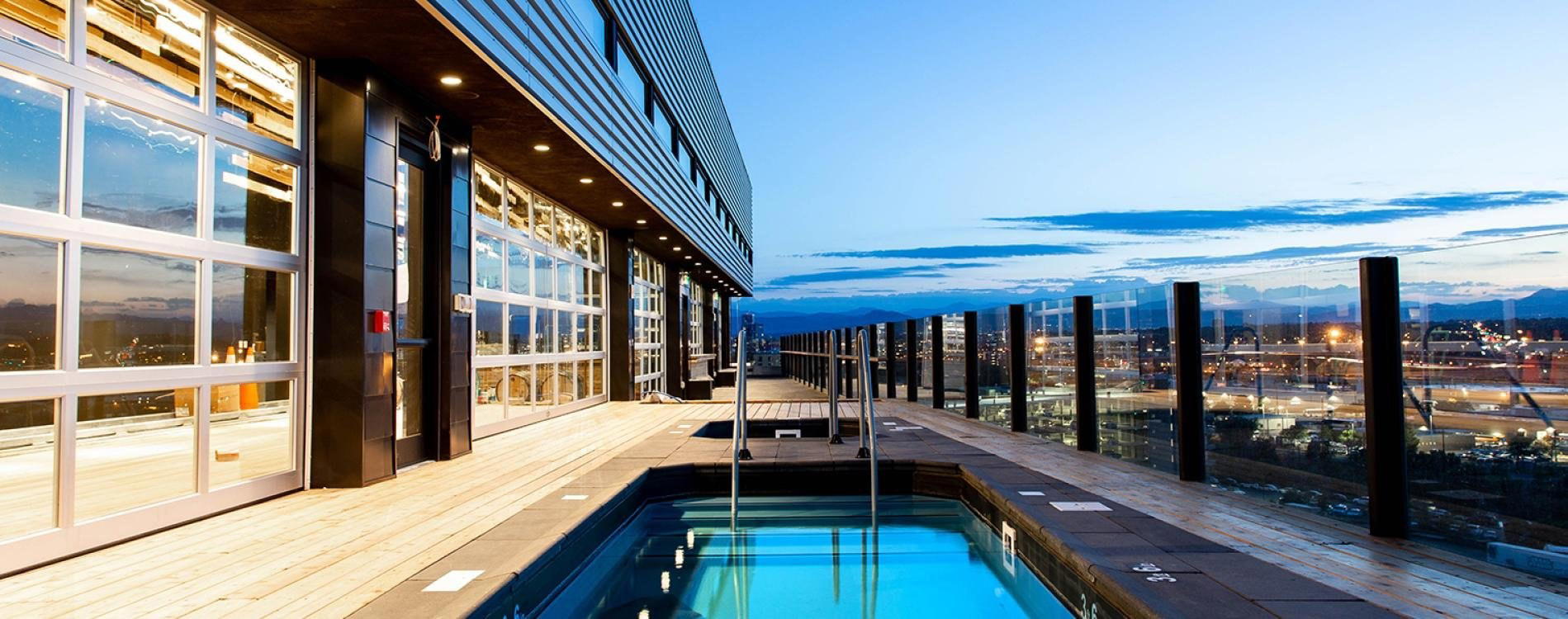

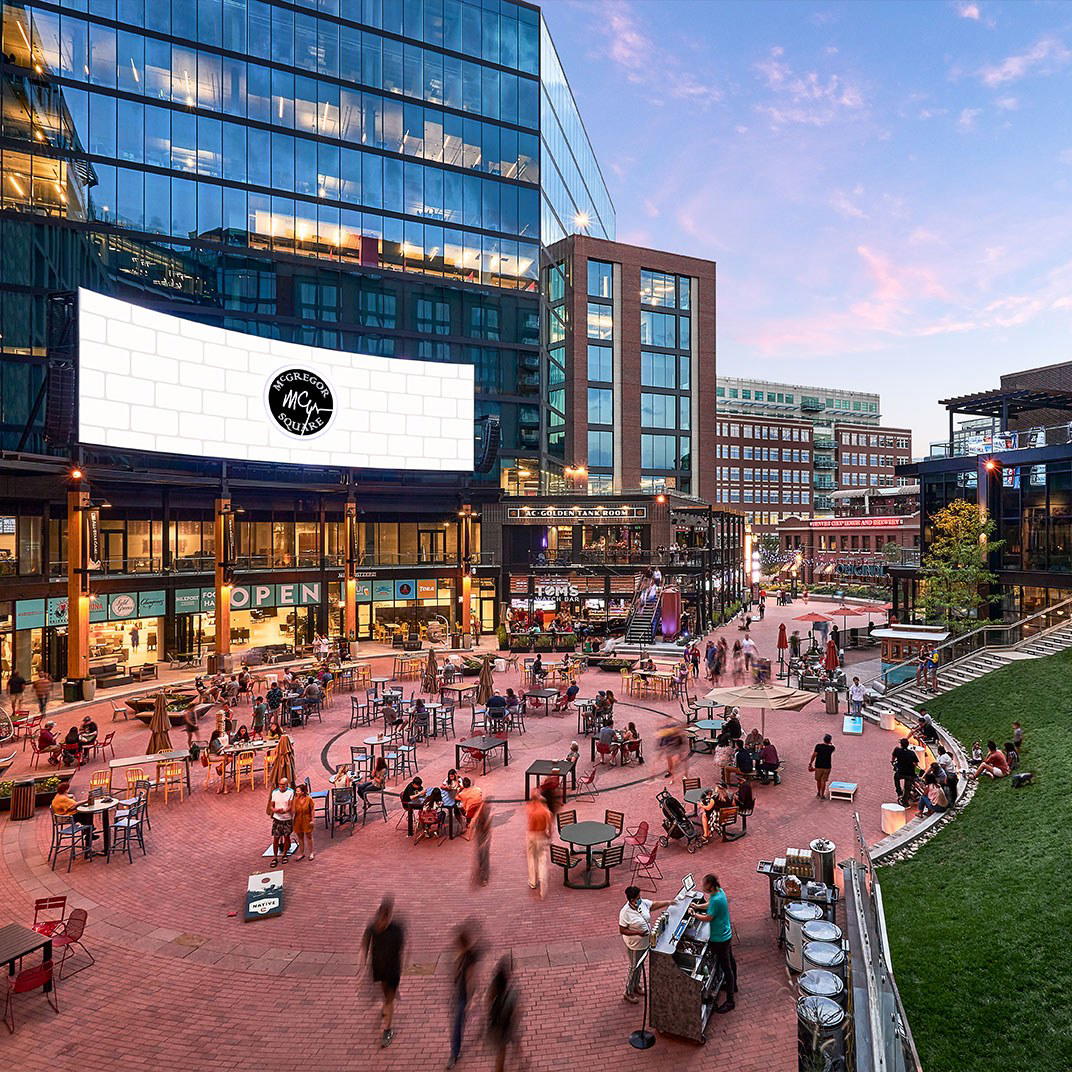

Wineries in Denver
Browse all →
At a Glance
- Rustic
- Lively
- Industrial
- Group Outing
- Casual Hangout
- Beer Garden
- Communal Tables
- Outdoor Terrace
- Craft Beer
Current opening hours
- Monday
- 2–10 PM
- Tuesday
- Closed
- Wednesday
- 2–10 PM
- Thursday
- 2–10 PM
- Friday
- 12 PM–12 AM
- Saturday
- 12 PM–12 AM
- Sunday
- 12–9 PM
Hours can change for holidays and private events. Last verified .
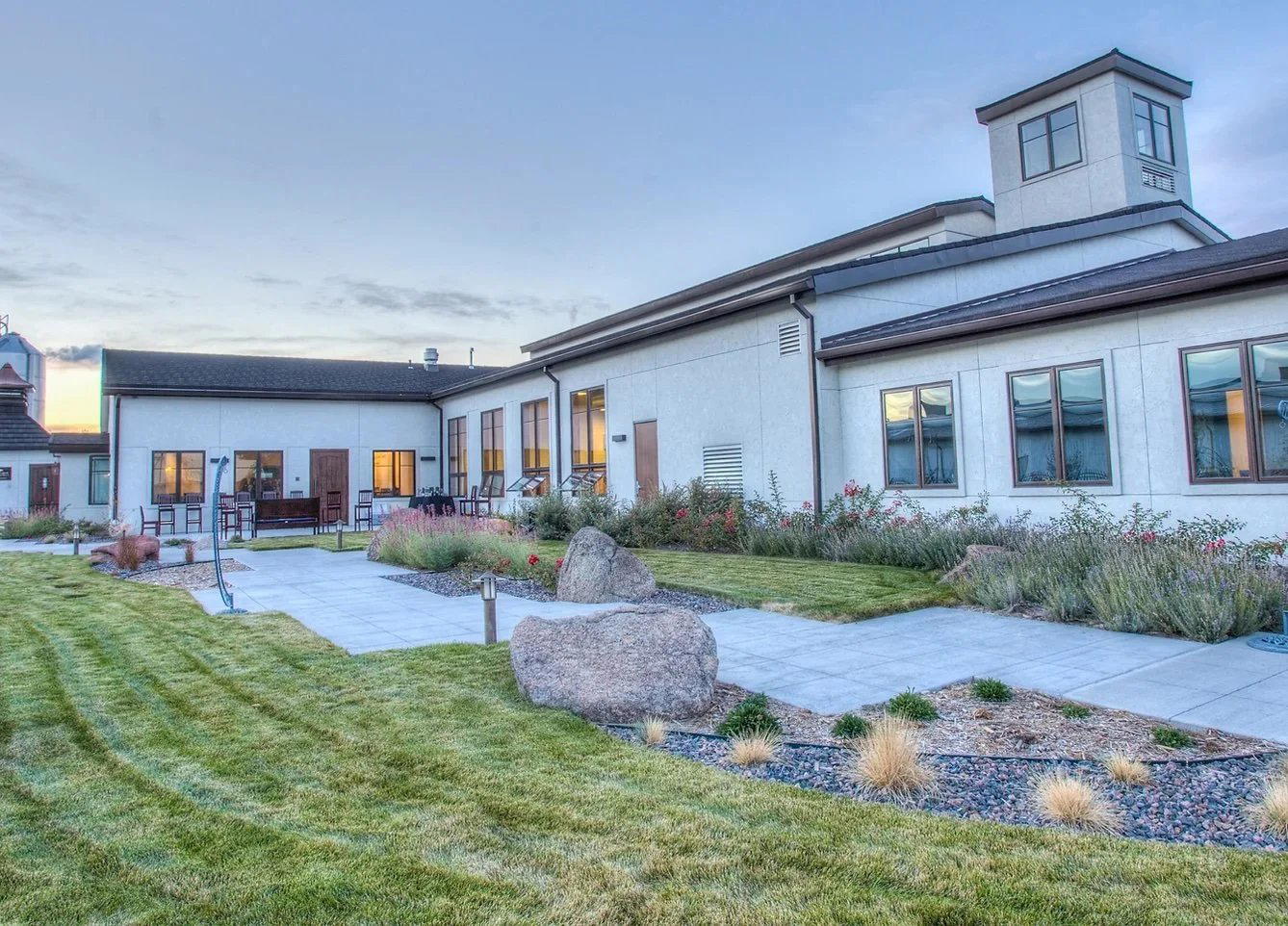
Spacious warehouse with industrial charm, oversized yard games, and a lively beer hall atmosphere.