Brutø




1 Michelin Star · Star Wine List · James Beard Award Outstanding Restaurateur #1
Our verdict
Inside Denver's Dairy Block, Brutø operates at the upper tier of American tasting-menu dining, holding a Michelin star and a 2024 James Beard Award for Outstanding Restaurateur. Chef Byron Gomez leads a program built around hearth cooking, fermentation, and hyper-local sourcing, with Japanese and Nordic inflections threading through each seasonal course.

Pearl is the En Primeur Club membership app, where members save venues, book tables and use the concierge.
The menu
What to order
- Hearth bread with cultured butter
- Lamb tartare
- Mushroom canapé
Where the Dairy Block Gets Serious
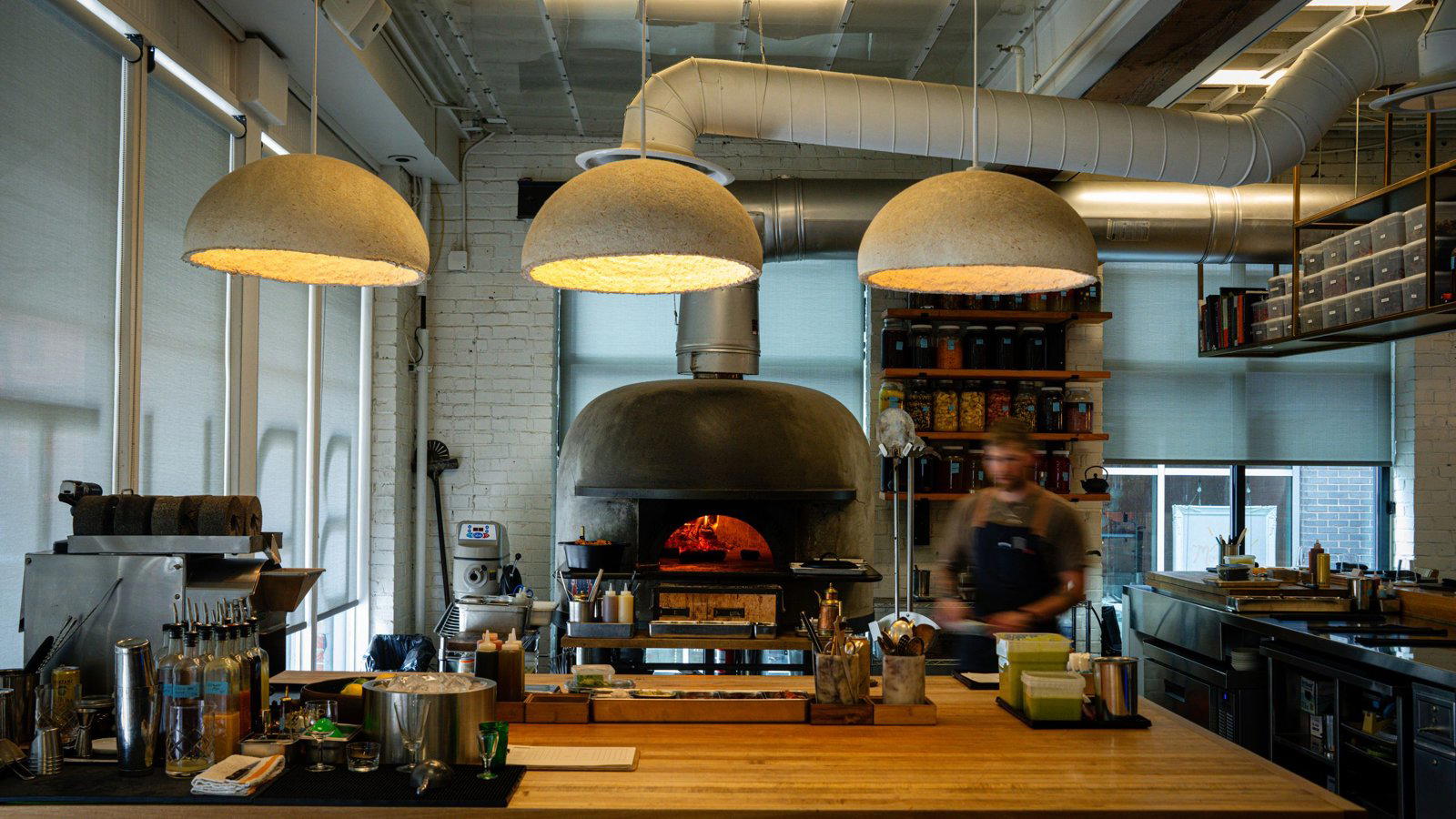
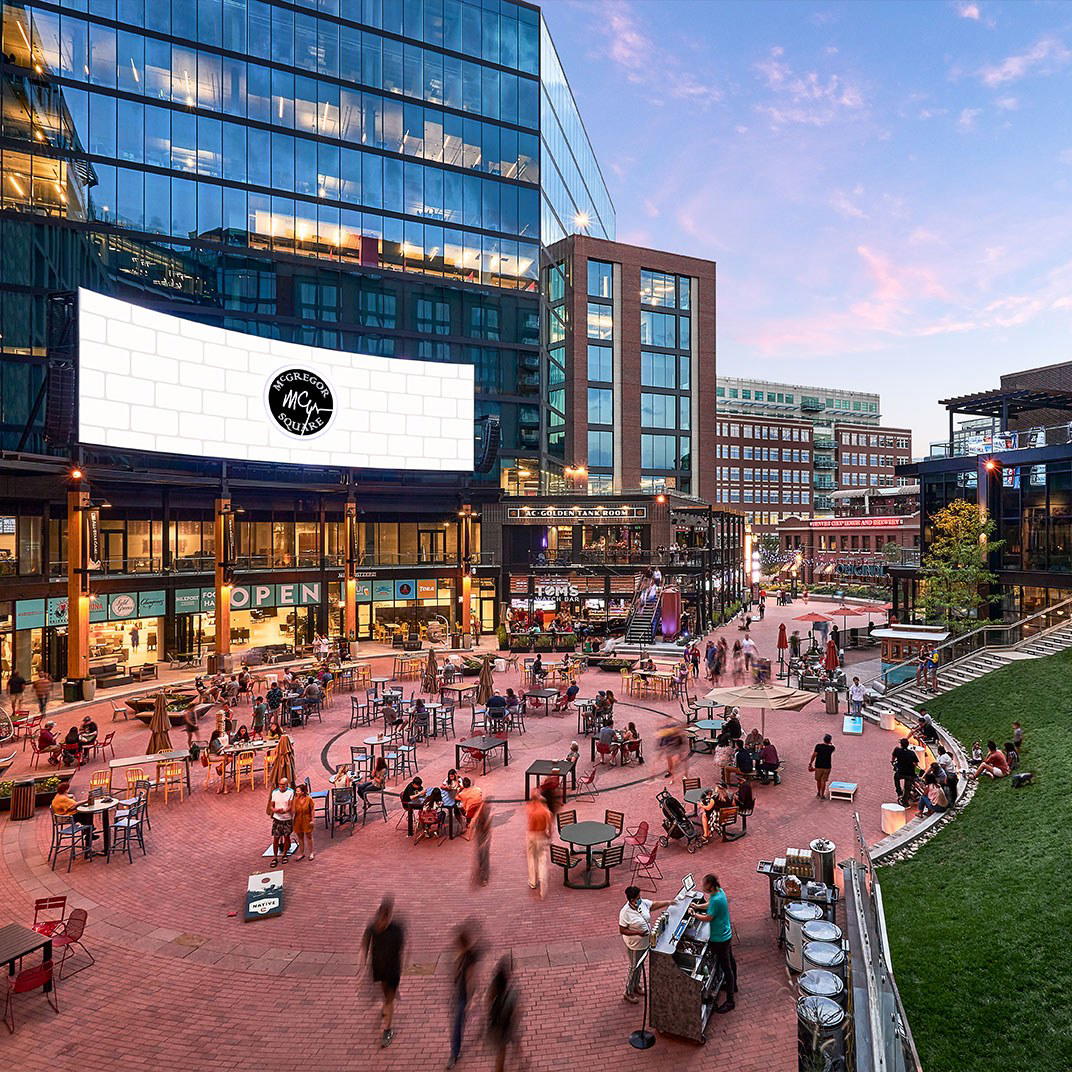
The Free Market at Denver's Dairy Block is a retail and dining hall concept that could easily read as a food court with better lighting. Brutø resists that read. Positioned within the space by Id Est Hospitality Group, the restaurant operates at a register that has more in common with the tasting-menu rooms of Lazy Bear in San Francisco or Single Thread Farm in Healdsburg than with its immediate neighbours. The hearth is the dominant physical fact of the room: it sets the temperature, the smell, and the logic of everything that follows. You are, in some functional sense, seated around a fire before you are seated at a restaurant.
A Recognition Record That Reframes Denver
Denver's tasting-menu tier has grown quickly in the past decade, and the awards data now confirms that growth is not provisional.
The James Beard Award for Outstanding Restaurateur, won in 2024 by Erika and Kelly Whitaker of Id Est Hospitality Group, adds a separate layer of industry recognition. James Beard's Outstanding Restaurateur category does not reward a single restaurant's kitchen output; it recognises the hospitality group as an operator with sustained, multi-property excellence. That the award coincided with Brutø receiving its Michelin star in the same calendar year is not coincidental, it signals that the Whitaker operation had reached a threshold of credibility that national critics were arriving at independently. For a city that spent years fighting for culinary legitimacy against the coastal assumption that elevation and altitude don't coexist, this dual recognition matters. See our full Denver restaurants guide for broader context on how the city's dining tier has shifted.
Google's aggregate score of 4.6 from 325 reviews is, for this format and price point, an unusually strong civilian signal. Tasting-menu rooms in the $$$$ bracket routinely collect more polarised sentiment than neighbourhood restaurants; the format asks a lot of the diner and invites strong reactions. A 4.6 at this price tier suggests consistency that goes beyond critical reception alone.
The Program: Hearth, Fermentation, and the Discipline of Place
The cooking at Brutø is organised around two technical commitments that reinforce each other. The hearth functions as the primary instrument across the tasting menu, not as one option among many, and the fermentation program, covering both grains and produce, provides the acidic and complex counterweight that fire-forward cooking requires. This is not a restaurant that uses fermentation as garnish or trend signal. It operates a dedicated fermentation program, which positions it closer to The French Laundry in Napa in terms of kitchen infrastructure than to a restaurant that sources from a single farm and calls it local.
The menu incorporates Japanese and Nordic reference points, a combination that has become more coherent as a culinary language over the past fifteen years. Both traditions share a bias toward restraint, toward preserving and fermenting over adding and layering, and toward treating the ingredient as something to be expressed rather than transformed. At Brutø, this shows in dishes like the kombu-cured diver scallop with fermented crabapple and chamomile, a plate in which the curing agent, the fermented element, and the botanical note each carry distinct weight. Nothing in that combination is decorative. Kombu curing addresses the texture and umami depth of the scallop; fermented crabapple provides acid and complexity; chamomile introduces an aromatic register that is neither sweet nor herbal in the conventional sense.
Non-alcoholic pairing program deserves specific attention because it operates at a level of technical seriousness rarely found outside the largest coastal rooms. The lamb fat-washed old fashioned, offered within the non-alcoholic sequence, applies a fat-washing technique typically used with spirits to produce a drink with textural richness and savoury depth without alcohol. This is the kind of move that signals a beverage program with a genuine point of view, not a courtesy offering for non-drinkers.
Chef Byron Gomez runs the kitchen. The Id Est Hospitality Group framework, built by Kelly and Erika Whitaker across multiple Colorado properties, provides the operational context within which Gomez's kitchen priorities around locality and seasonality are given institutional support. The grain-forward fermentation work, in particular, reflects a longer-term Whitaker group interest in Colorado grain sourcing that predates Brutø as an individual project.
Where Brutø Sits in Denver's Contemporary Tier
Denver's $$$$ contemporary restaurants operate in a relatively tight cluster, and the distinctions between them matter. Beckon and The Wolf's Tailor both hold Michelin recognition and share Brutø's tasting-menu format and price positioning. The Wolf's Tailor draws on a different culinary tradition, its New American framework leans toward Italian and grain-focused cooking, while Beckon operates in a quieter, more formally European mode. Brutø's hearth-and-fermentation combination, with its Japanese and Nordic inflections, carves out a distinct technical identity within that small peer group.
Restaurants like Margot, Hey Kiddo, and Wildflower represent different price points and culinary registers in the broader Denver picture. For international reference, the combination of fire-forward cooking with fermentation and cross-cultural restraint places Brutø in a conversation with rooms like Jungsik in Seoul and César in New York City, where ingredient-led tasting menus resist easy national categorisation. Emeril's in New Orleans offers a useful contrast: that kitchen represents an earlier generation of American fine dining where the chef's personality organised the menu. Brutø operates in a later mode where the sourcing logic and technical program do that work instead.
Planning a Visit
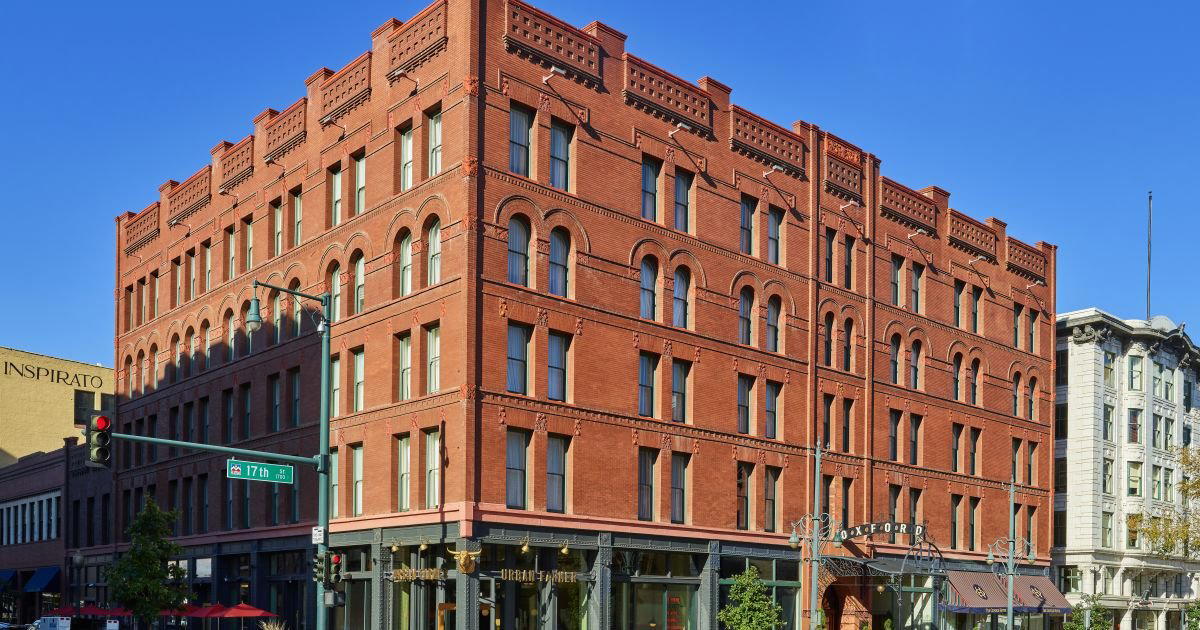
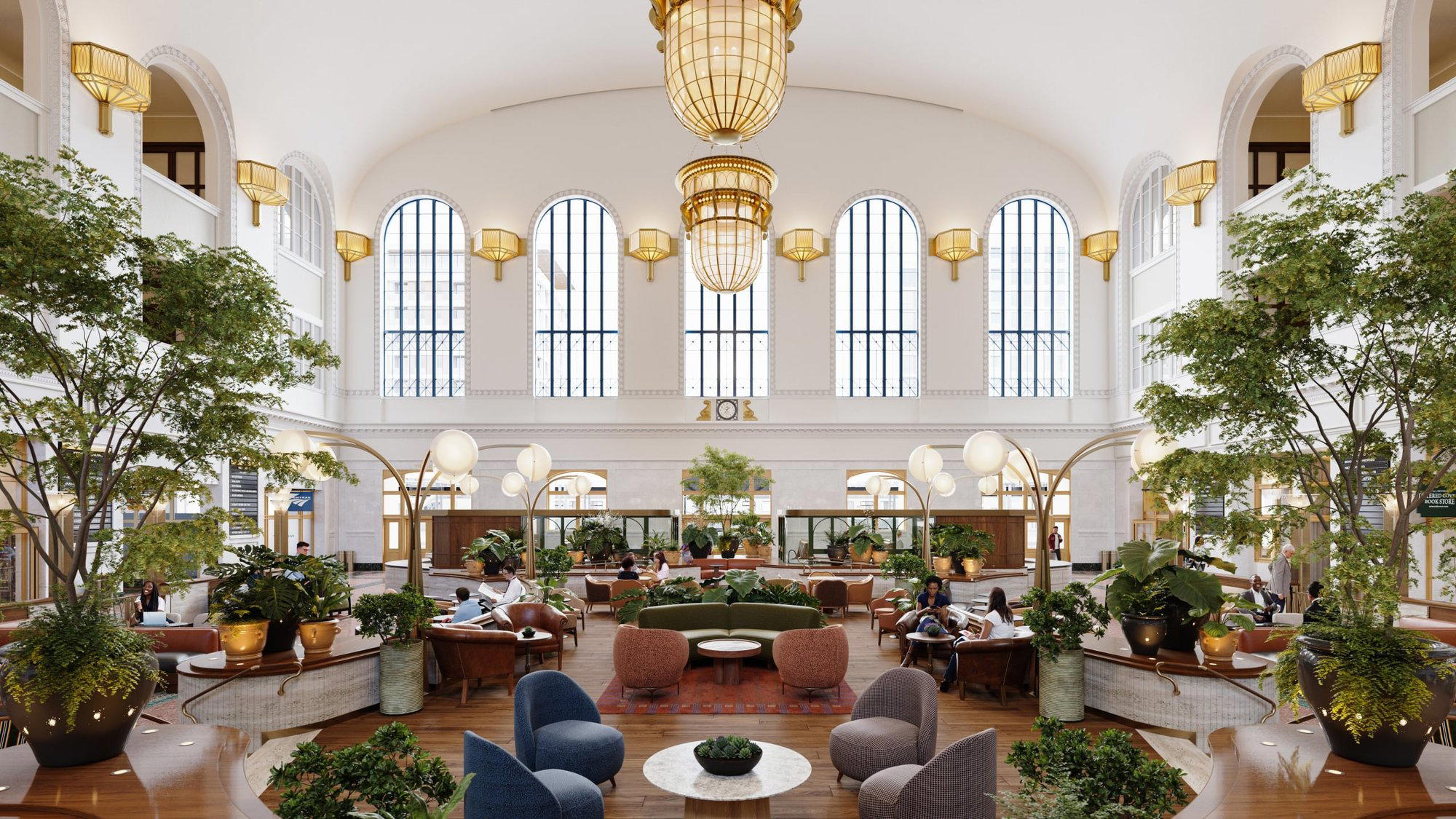
Brutø is located at 1801 Blake St, Denver, CO 80202, inside the Dairy Block's Free Market. The Dairy Block sits in the lower downtown area of Denver, close enough to Union Station to be walkable from it, which makes it accessible whether you're arriving by train or staying in one of the area hotels. For accommodation options near the restaurant, our Denver hotels guide covers the range of properties in and around the district.
At the $$$$ price tier for a tasting menu with the level of critical recognition Brutø now carries, advance booking is advisable. Demand for Michelin-starred tasting-menu rooms at this tier typically runs four to eight weeks ahead in mid-sized American cities; in a city where the supply of starred rooms is still small relative to the dining population, that window can compress further after major award cycles.
If Brutø is part of a broader Denver itinerary, our Denver bars guide, our Denver wineries guide, and our Denver experiences guide map the rest of the city's premium offering.
What to Expect at the Table
The tasting menu format at Brutø has a clear narrative structure: courses build around what the hearth and fermentation program can do with Colorado's seasonal produce and protein. The Japanese and Nordic inflections are not cosmetic, they shape sourcing decisions (kombu, fermented fruit preparations) and plating restraint rather than sitting on top of an otherwise conventional American tasting menu. Expect a sequence where acid, smoke, and umami share the load across courses rather than a menu that escalates from light to rich in the standard European progression. The non-alcoholic pairing is worth requesting at the time of booking if it matters to any member of your party, programs of this specificity are typically built in limited quantities per service.
Frequently asked questions
What should I budget for a meal at Brutø?
Pricing at Brutø is listed as $$$$.
Where is Brutø located?
Brutø is located at 1801 Blake St, Denver, CO 80202, Denver.
How hard is it to get a table at Brutø?
With a Michelin star earned in 2024 and a James Beard Award for Outstanding Restaurateur the same year, plus an Opinionated About Dining ranking in North America for 2025, Brutø operates in a booking tier where reservation windows tighten after each award cycle. At the $$$$ price point and tasting-menu-only format, seating is finite by design. Booking well in advance is the practical approach, particularly for weekend services or dates close to award announcements.
Where It Fits
| Venue | Cuisine | Price | Awards | Notes |
|---|---|---|---|---|
| BrutøThis venue (the venue you are viewing) | Contemporary American Tasting Menu | $150–200 | 1 Michelin Star · Star Wine List | Not listed |
| The Wolf's Tailor | Modern Fusion Tasting Menu | $150–200 | 2 Michelin Stars · La Liste Top Restaurants | New American, Contemporary |
| Tavernetta | Contemporary Italian | $50–100 | Michelin Bib Gourmand · Star Wine List | Not listed |
| Alma Fonda Fina | Modern Mexican Fine Dining | $50–100 | 1 Michelin Star · World's 50 Best #45 | Mexican |
| Beckon | Modern Seasonal Tasting Menu | $200–300 | 1 Michelin Star · Wine Spectator Best of Award of Excellence | Contemporary |
| Safta | Modern Israeli & Mediterranean Small Plates | $50–100 | Michelin Plate · Star Wine List | Not listed |
Recognition history
Dated appearances from independent guides and award organizations, with the underlying list record or original source where available.
Michelin 1 Star
Michelin
Star Wine List
Star Wine List
James Beard Award Outstanding Restaurateur #1
James Beard Award
Opinionated About Dining Top Restaurants in North America Recommended
Opinionated About Dining
Full recognition history (7 entries)
Michelin 1 Star
Michelin
Opinionated About Dining Top Restaurants in North America
Opinionated About Dining
Michelin 1 Star
Michelin
Continue exploring
More in Denver
Restaurants in Denver
All restaurants in Denver →
Bars in Denver
All bars in Denver →

Details
- Modern
- Intimate
- Industrial
- Minimalist
- Special Occasion
- Date Night
- Chefs Counter
- Open Kitchen
- Craft Cocktails
- Local Sourcing
- Zero Waste
- Tasting Menu
- Counter Dining
- Craft Cocktails
- Gluten Free Options
- Vegan Options
Current opening hours
- Monday
- Closed
- Tuesday
- 5–8 PM
- Wednesday
- 5–8 PM
- Thursday
- 5–8 PM
- Friday
- 5–8:30 PM
- Saturday
- 5–8:30 PM
- Sunday
- 5–8 PM
Hours can change for holidays and private events. Hours as of .
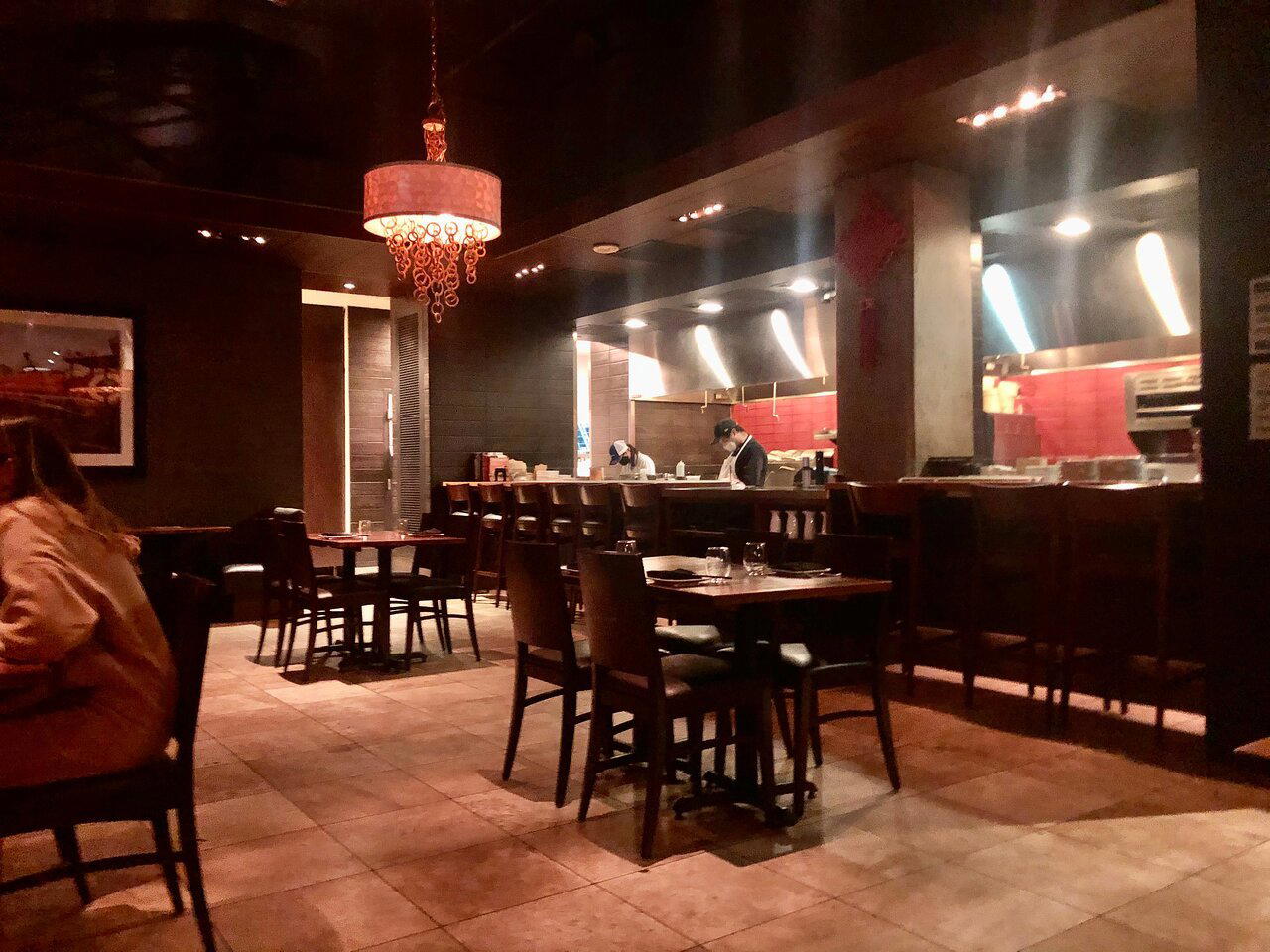
Spartan, raw Brutalist aesthetic with subtle lighting, natural materials, and an open kitchen view that creates an intimate, unpretentious yet refined atmosphere.