Gravity Haus Denver

Michelin Selected
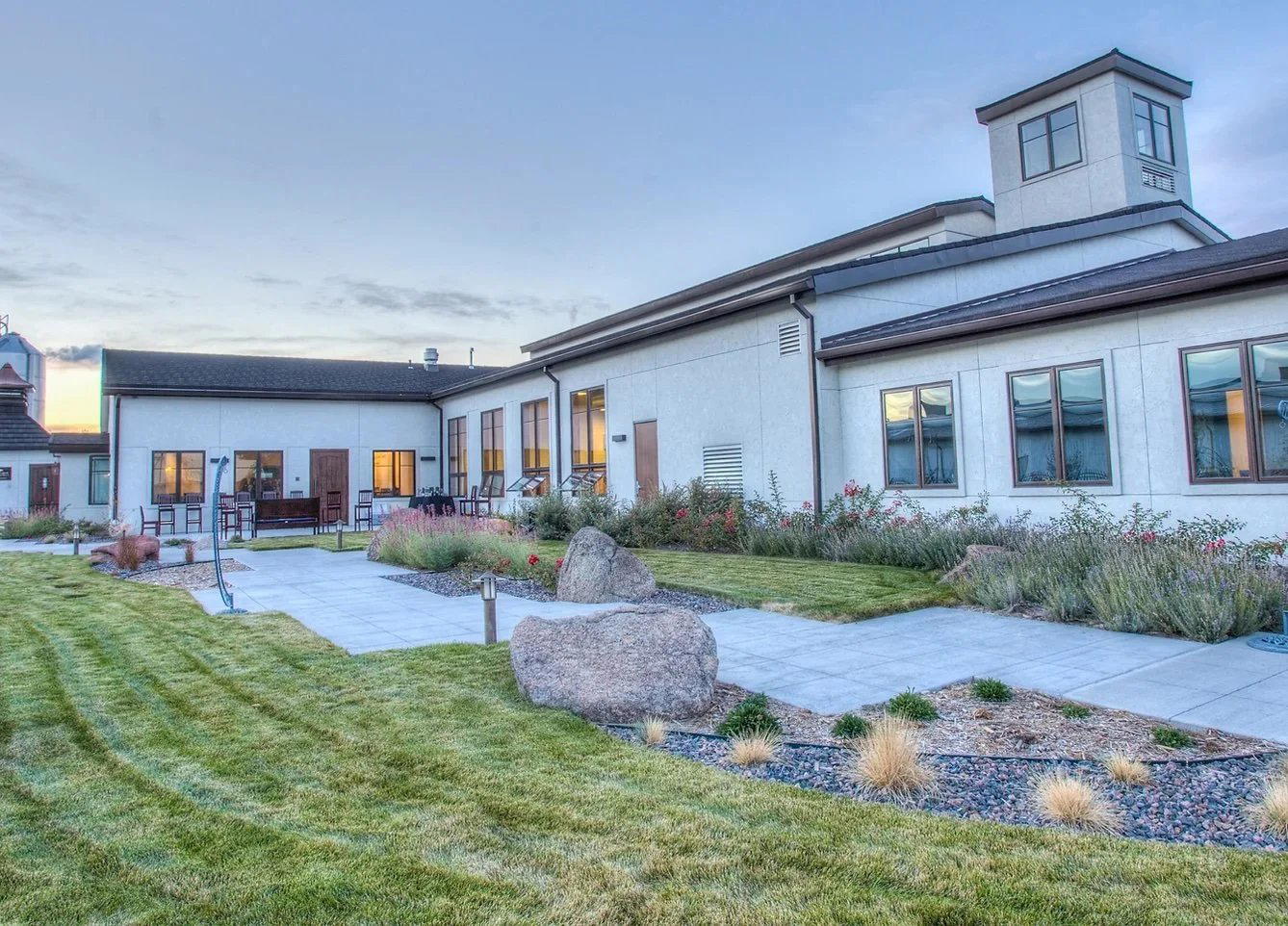
Gravity Haus Denver occupies a converted property on Navajo Street in the LoHi neighbourhood, operating as a Michelin Selected hotel built around an active, community-oriented model that connects fitness, mountain access, and social infrastructure. It sits in a distinct tier among Denver hotels: not a luxury tower, but a focused lifestyle property where the wellness framework is the primary draw rather than room count or dining prestige.

Pearl is the En Primeur Club membership app — saves, bookings, and concierge access live there. Same editors, same standards.
- Address
- 3638 Navajo St, Denver, CO 80211
- Phone
- (720) 372-7999
- Website
- gravityhaus.com
- Directions
- Get directions
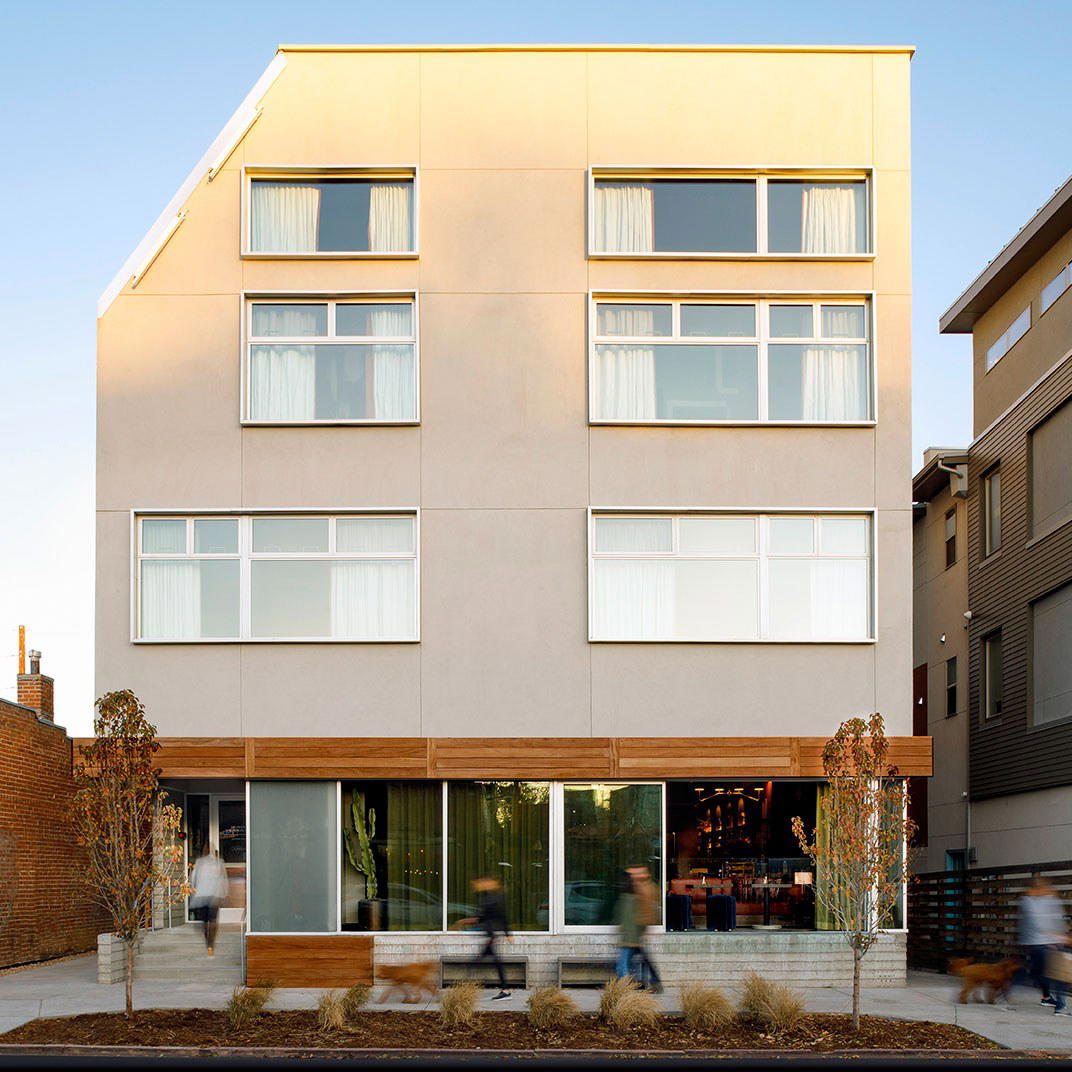
Active Infrastructure as a Hotel Model
Denver's hotel market has developed a recognizable split over the past decade. On one side sit the polished downtown towers: Four Seasons Denver, the Clayton Hotel & Members Club, and the Crawford Hotel at Union Station, each offering the full-service urban luxury format. On the other side, a smaller cohort of independently positioned properties has emerged, structured not around ballrooms and concierge desks but around programming, physical activity, and a specific kind of guest who measures a hotel stay partly by how well it supports a training schedule or mountain trip.
Gravity Haus Denver, carrying a Michelin Selected designation in the 2025 guide, belongs to that second cohort. Located at 3638 Navajo Street in LoHi, the property is less a hotel in the conventional sense and more a membership-forward hub that happens to offer accommodation. That distinction matters when comparing it against peers. The AC Hotel Denver Downtown or Catbird Hotel operate on familiar urban boutique logic; Gravity Haus is organized around a different premise entirely.
LoHi as a Physical Setting
Lower Highland, the neighbourhood that frames the Navajo Street address, sits just across the South Platte River from downtown Denver, close enough to the city's core to feel urban but removed enough to carry its own residential character. The area has shifted over the years from post-industrial vacancy to one of Denver's more active dining and drinking corridors, with a walkable grid of independent operators and a demographic that skews toward the kind of active professional who treats the proximity to the mountains as a core feature of living in Colorado rather than an occasional weekend bonus.
That neighbourhood logic reinforces Gravity Haus's positioning. When the Rockies are two hours away and a guest's primary purpose is to stage a ski trip or trail running expedition, the hotel's role shifts: it becomes pre- and post-adventure infrastructure rather than a destination in itself. Among Michelin Selected properties in Denver, that specific orientation is not widely replicated.
The Wellness and Recovery Framework
Within the broader conversation about what wellness hospitality actually means at the property level, Gravity Haus occupies a particular position. The property is anchored to a model that fuses athletic community, recovery tools, and what might be called adventure access infrastructure. This is a recognizable format in markets like Boulder and certain resort towns in the Mountain West, but less common in a city proper.
Globally, the retreat-and-recovery model has found expression in very different contexts: Amangiri in Canyon Point offers spa and landscape immersion at a remote scale; Canyon Ranch Tucson institutionalized the structured wellness resort format in the Southwest; Sage Lodge in Pray orients guests toward fly fishing and Montana wilderness. Gravity Haus is a different animal: it is urban, community-structured, and explicitly sports-forward, closer in spirit to a high-end training facility with overnight rooms than to a spa resort. The guest it serves has a specific profile, and the property makes no apparent attempt to obscure that.
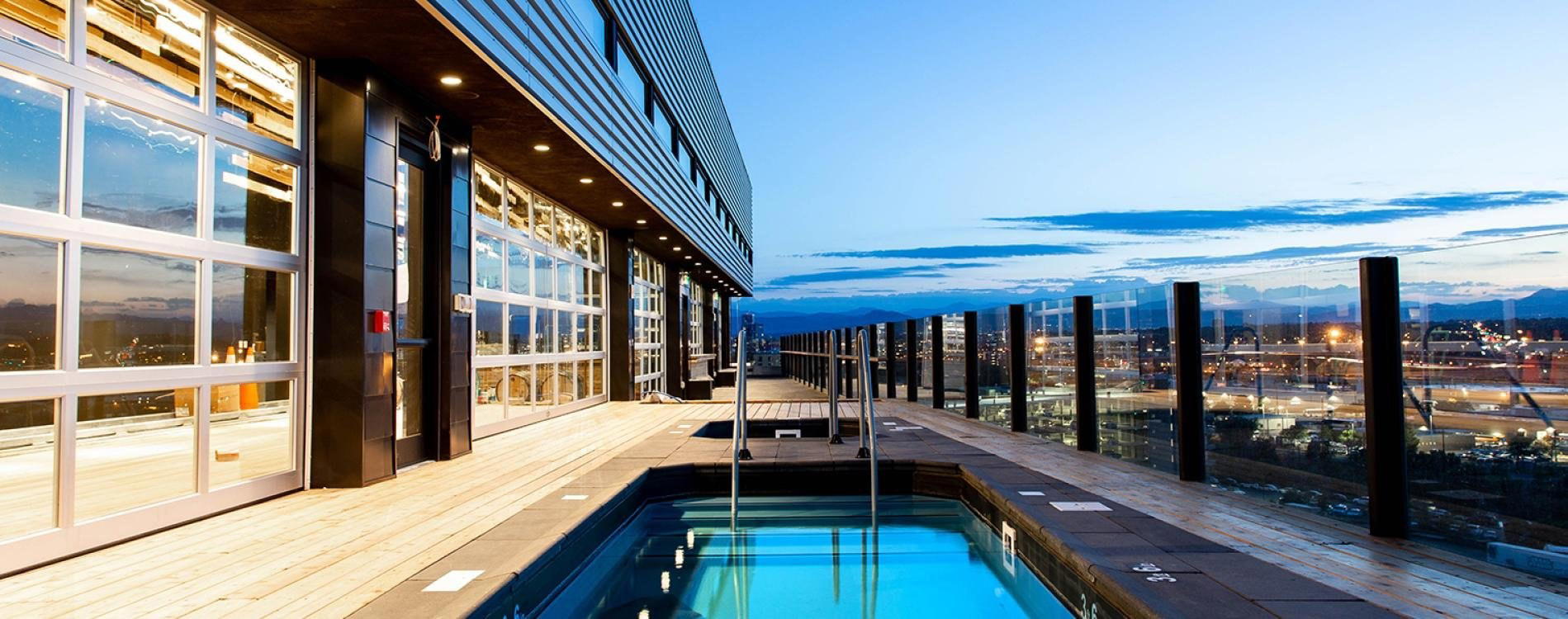
The broader wellness hotel segment has also learned that credibility requires specificity. Properties that promise vague renewal rarely hold bookings the way properties with a clear physical program do. In that sense, the Gravity Haus model, with its emphasis on fitness amenities, community membership, and proximity to mountain terrain, answers a real demand from a guest population that finds generic hotel gym facilities inadequate.
Placing It in the Denver Competitive Set
Denver now carries enough Michelin recognition to make the Selected tier meaningful rather than a consolation category. The designation signals a baseline of quality and consistency that the guide's editors consider worth noting for travellers, without the full weight of starred or Key recognition. Among Denver's Michelin Selected hotels, Gravity Haus occupies a niche that properties like the All Inn Hotel or Apiary Hotel do not directly compete for: the guest who wants access to a community-oriented fitness program as part of their stay is not choosing between this and a luxury spa tower. They are choosing between this and not coming to Denver at all, or between this and a purpose-built resort further up into the mountains.
That said, for guests who want conventional hotel amenities first, properties like the Apiary Residences or the Four Seasons address a different set of priorities. The point is not that Gravity Haus is better or worse across the board, but that it is serving a specific demand with a specific model, and it is doing so with enough clarity of concept that Michelin's editors considered it worth including.
For travellers used to the programming-light luxury format of, say, The Fifth Avenue Hotel in New York City or Raffles Boston, the Gravity Haus format will feel like a different category. For those who have stayed at properties where the physical infrastructure is central, whether Troutbeck in Amenia or Meadowood Napa Valley or Post Ranch Inn in Big Sur, the concept will land more naturally.
Planning a Stay
The LoHi address puts guests within reach of Denver's pedestrian infrastructure, with downtown access direct by car or rideshare. The neighbourhood also supports independent dining and coffee options without requiring a hotel restaurant as the only option. For travellers arriving to stage a mountain trip, the timing of ski season from roughly November through April concentrates demand, and availability around peak weekends in that window tightens accordingly. Those arriving in shoulder season, particularly late spring or early autumn, will find conditions that suit trail-focused activities and a less compressed booking window. Gravity Haus operates under a community membership model alongside hotel accommodation, meaning the property serves both overnight guests and local members simultaneously; guests looking to engage with that community dimension will find the programming more accessible during weekday periods when the membership overlap is active. For a full picture of Denver's dining and hotel options beyond this property, the EP Club Denver guide maps the broader scene.
A Credentials Check
Comparable venues nearby, for context on price, style, and recognition.
| Venue | Cuisine | Price | Awards | Notes |
|---|---|---|---|---|
| Gravity Haus DenverThis venue — the venue you are viewing | Urban oasis blending hospitality and social club vibes | Not listed | Michelin Selected | Not listed |
| Hotel Teatro | Historic preservation meets contemporary luxury; a restored 1911 landmark reimagined as a modern boutique hotel with theatrical design references throughout. | $200–300 | Michelin Selected | Central Business District |
| The Rally Hotel at McGregor Square | Modern lifestyle hotel celebrating Colorado's adventurous spirit and baseball culture. | $200–300 | Michelin Selected | LoDo |
| the Curtis Denver - a DoubleTree by Hilton Hotel | playful pop-culture themed boutique | Not listed | Not listed | Central Business District |
| Catbird Hotel | Independent boutique lifestyle hotel blending apartment-style living with hotel amenities; designed as a destination unto itself with hybrid home-hotel experience. | $100–200 | Michelin Selected · Mr & Mrs Smith Seal of Approval | Cole |
| The Brown Palace Hotel and Spa, Autograph Collection | Historic luxury hotel blending Renaissance Revival architecture with contemporary accents | Not listed | Michelin Selected | Central Business District |
Recognition history
Dated appearances from independent guides and award organizations, with the underlying list record or original source where available.
Michelin Selected
Michelin
Continue exploring
More in Denver
Hotels in Denver
Browse all →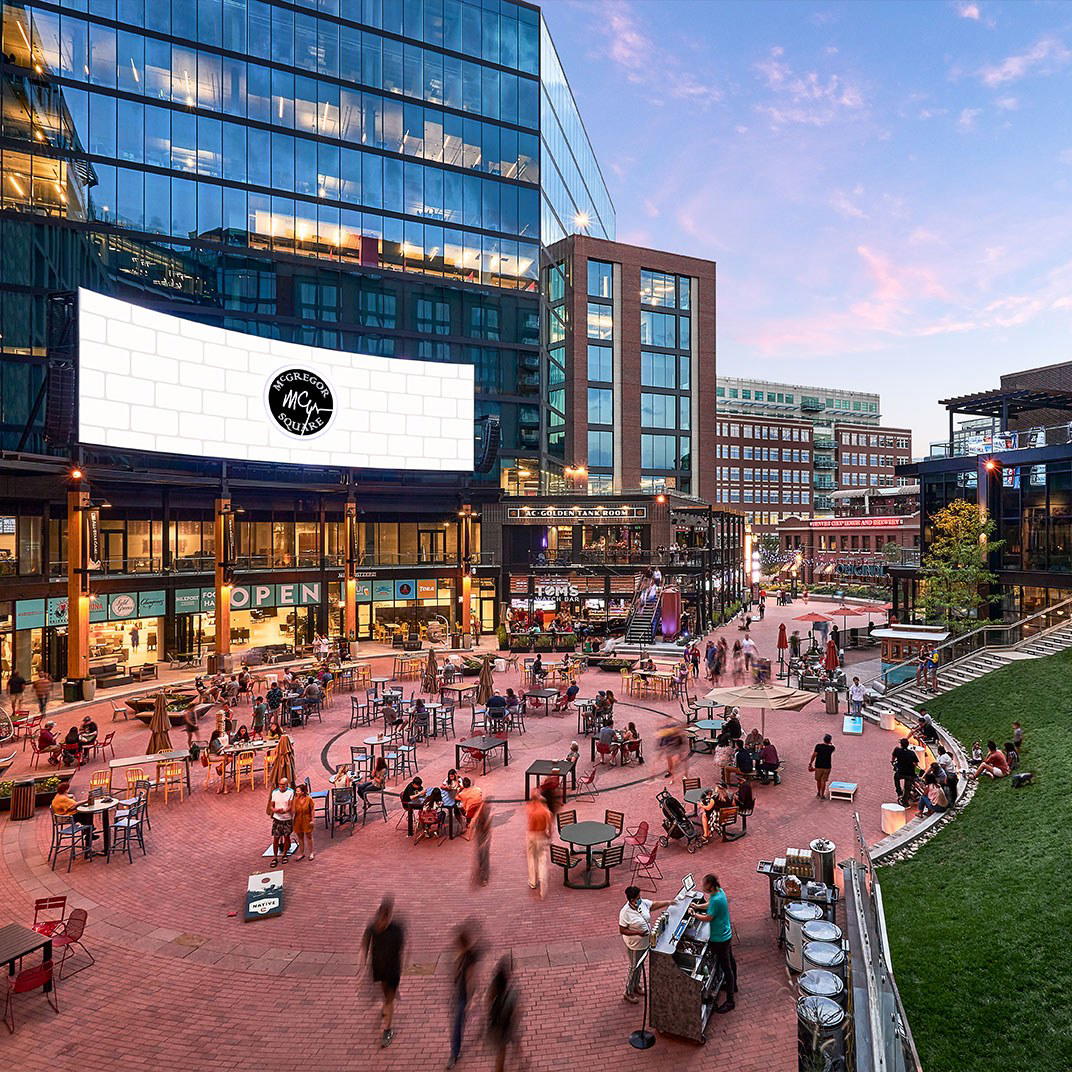
Bars in Denver
Browse all →
Restaurants in Denver
Browse all →

Details
- Modern
- Trendy
- Cozy
- Intimate
- Weekend Escape
- Business Trip
- Design Destination
- Fitness Center
- Restaurant
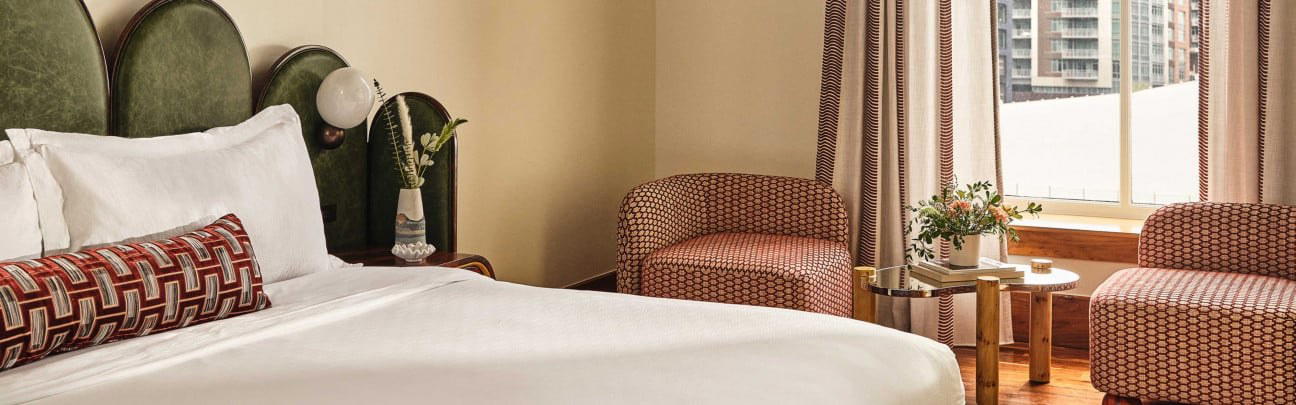
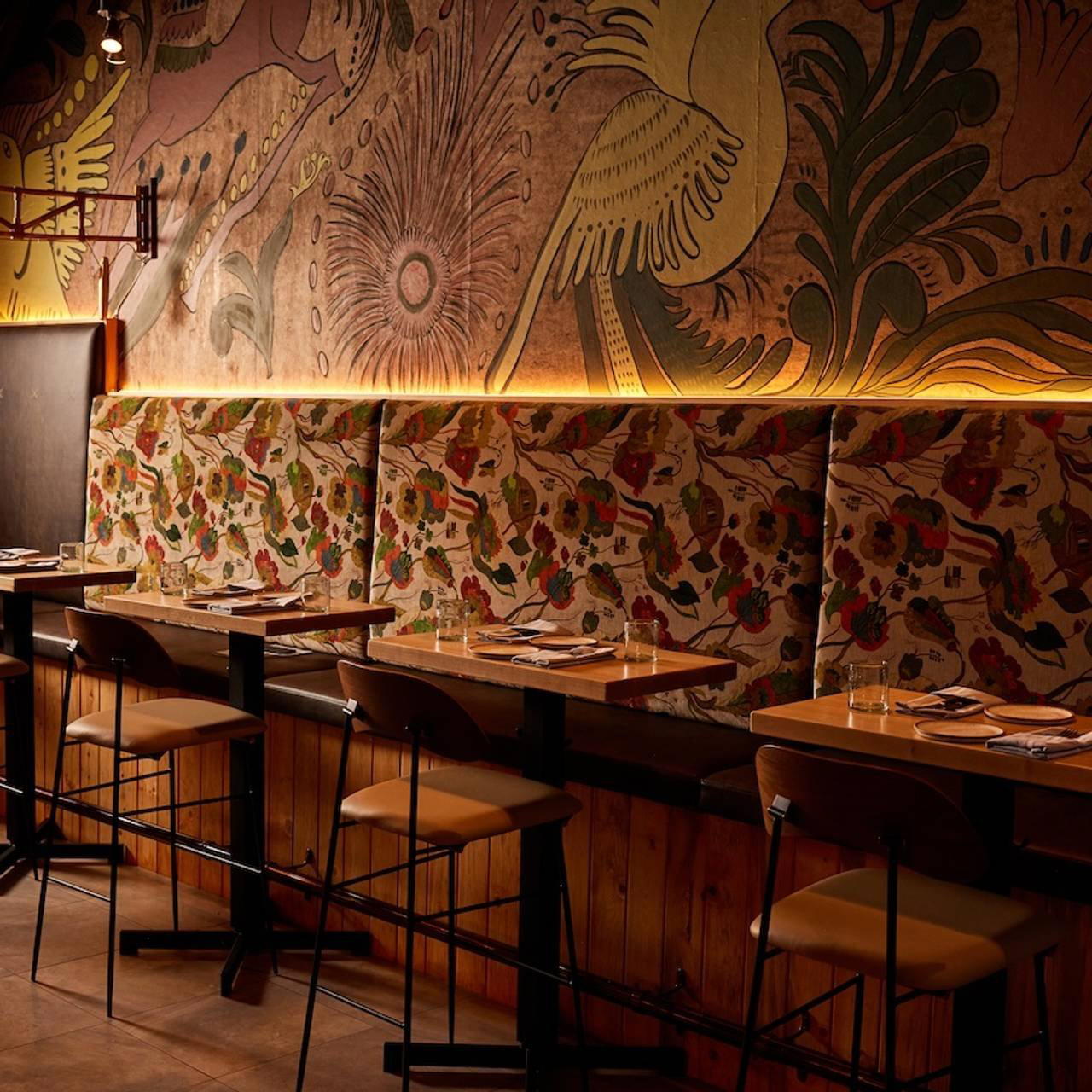
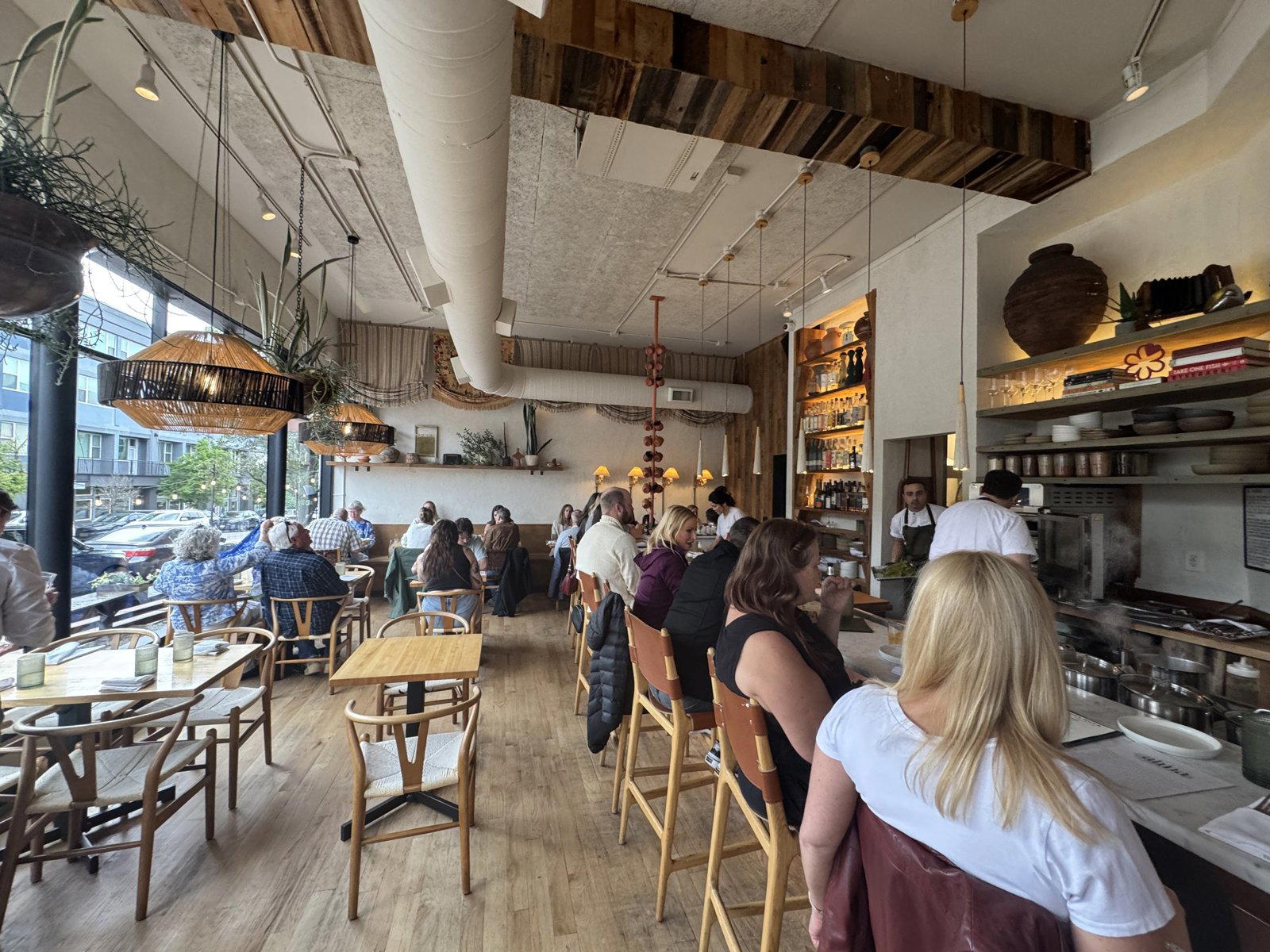
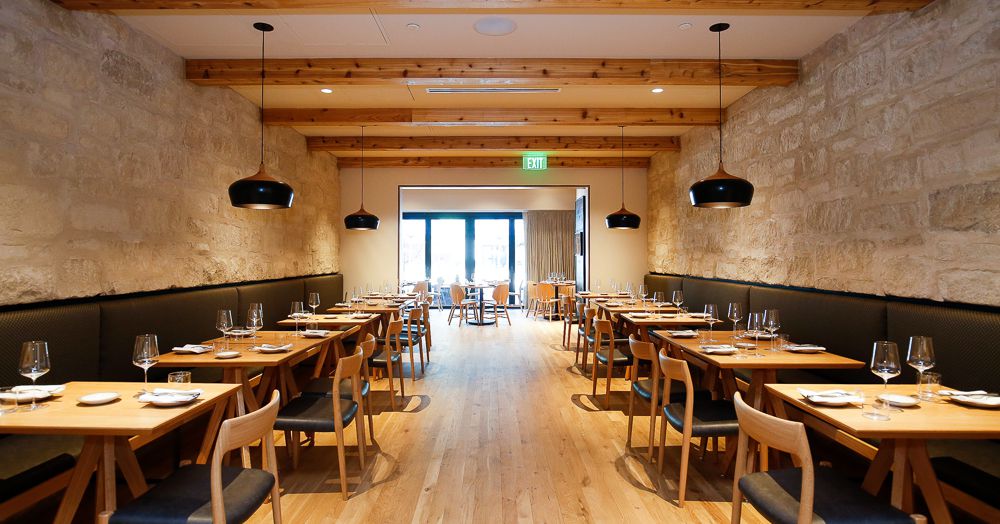
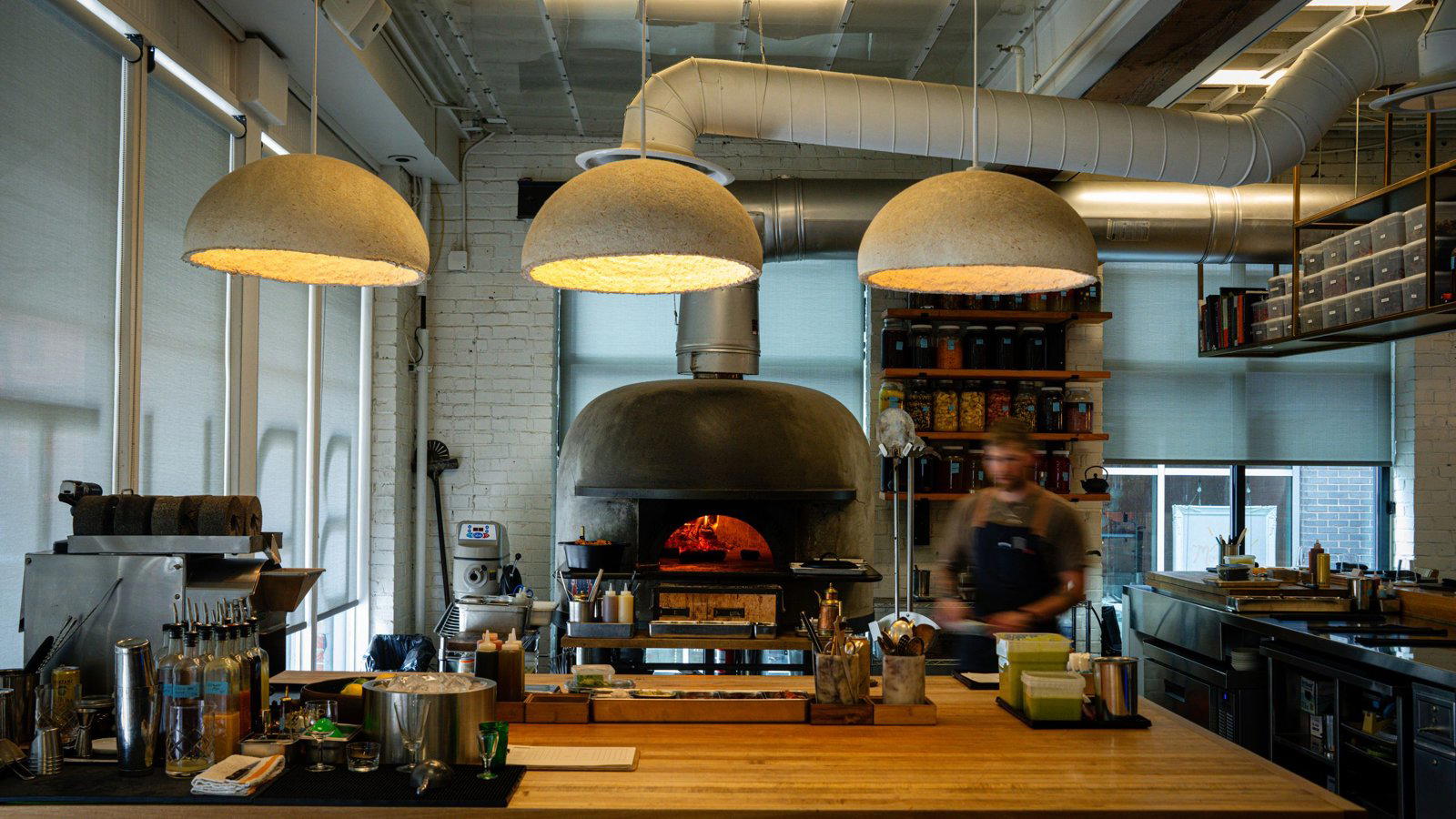
Rich textures, artful design, and thoughtful storytelling create an intimate and polished atmosphere with refined Victorian-style decor in ultrachic cozy rooms.