TBD Gimbap
TBD Gimbap brings a focused Korean perspective to New York City, centering a dish long treated as everyday street food and reconsidering what it can carry. In a city where Korean dining has split between high-concept tasting menus and casual staples, this is a counter-argument that the middle ground has real culinary weight. A compact, considered spot for those who follow where the cooking leads.
Pearl is the En Primeur Club membership app — saves, bookings, and concierge access live there. Same editors, same standards.
- Address
- New York City, United States
- Directions
- Get directions
 Saves & bookings on Pearl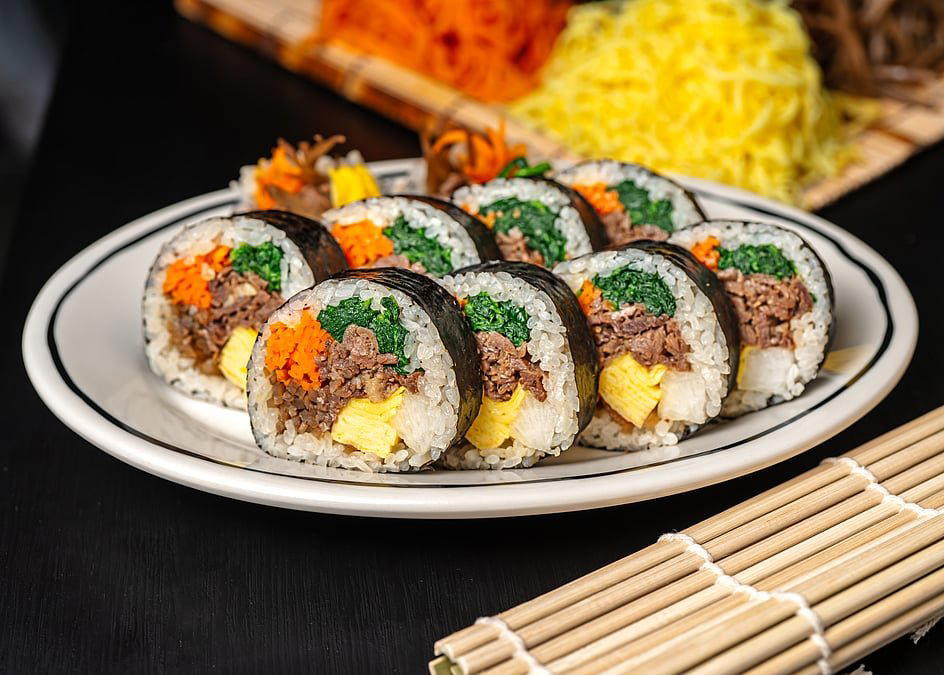
Gimbap in New York: Street Food Reconsidered
Korean dining in New York has polarized over the past decade. At one end, Michelin-decorated tasting menus at places like Atomix and Jua have repositioned Korean cuisine inside the city's fine-dining conversation. At the other, the sprawling Koreatown corridor along West 32nd Street keeps the volume high and the prices low. What has received less critical attention is the territory in between: the dish-specific, single-focus formats that treat one Korean staple with the same seriousness that a ramen specialist or a dumpling house brings to its subject. TBD Gimbap occupies that less-populated middle ground, building its identity around a food that has historically been treated as a lunchbox staple rather than a destination in its own right.
Gimbap itself carries more cultural freight than its modest profile in Western dining might suggest. In Korea, it is the food of picnics, school lunches, convenience stores, and quick meals on the move. The basic form, seasoned rice and assorted fillings wrapped in dried seaweed and sliced into rounds, is deeply familiar to anyone who grew up eating Korean food, and largely invisible to those who did not. That invisibility in the broader New York food conversation is precisely what makes a venue centering it worth paying attention to. The story of which foods get taken seriously, and which get left in the casual category regardless of the skill involved in making them, says a great deal about how cuisine traditions travel.
Where TBD Gimbap Sits in New York's Korean Dining Scene
New York's Korean restaurant scene has developed along several distinct tracks. The fine-dining tier, which includes Jua, bōm, and Meju, draws on Korean fermentation traditions, seasonal produce, and European technique training to produce tasting menus priced comparably to their French and Japanese counterparts. A separate track, represented by spots like Jeju Noodle Bar, takes a single dish format and applies enough craft and sourcing discipline to generate serious reservation demand. TBD Gimbap fits closest to the latter model, though the cultural positioning of gimbap as democratic, everyday food adds a layer of intention to what might otherwise read as a simple casual counter.
For context on how far the city's Korean dining has traveled, the comparison with Seoul is instructive. Restaurants like Mingles and Kwonsooksoo in Seoul operate at the apex of the modern Korean fine-dining format, with international recognition and tasting menus that draw visitors specifically for the cooking. New York's Korean scene has absorbed some of that ambition, but the everyday formats, the ones that Koreans actually eat most often, have been slower to receive equivalent critical focus. A gimbap-focused venue makes an implicit argument that the distance between street food and serious food is a critical construction rather than an inherent quality of the dish itself.
That argument has precedent in other cuisines. Ramen moved from Japanese convenience food to a format that can support destination-level restaurants. Tacos have undergone similar reappraisal in American cities. The question for the restaurant is whether gimbap can make that same transition in New York, and whether the city has enough fluency with the dish to judge the execution rather than simply the concept.
The Dish as the Point
Gimbap's technical demands are easy to underestimate. The rice seasoning, the selection and preparation of fillings, the seaweed quality, the rolling tension, and the slice are all variables that separate a perfunctory version from one worth seeking out. In Korean home cooking and in dedicated gimbap shops in Seoul and Busan, these details receive real attention. The fillings shift by season and by the cook's judgment. The ratio of rice to filling is a considered choice. The seaweed should be fresh enough to retain its structural integrity through service without going soft.
These are not dramatic variables in the way that, say, the aging program at a high-end sushi counter is dramatic. But they are the kind of craft signals that distinguish a venue serious about its subject from one simply riding a format. In the same way that a focused American restaurant like Blue Hill at Stone Barns uses its farm-to-table framework as a constraint that forces precision rather than a marketing line, a gimbap-focused counter imposes its own discipline through limitation. The fewer the dishes, the more visible the quality of each decision.
Among the venues in New York's current Korean dining tier, 8282 represents the kind of playful, genre-blending approach that treats Korean food as raw material for something new. The restaurant operates from the opposite premise: that the original form, done with care, is the whole point. That is a more conservative creative position, but it is also a more culturally grounded one.
Planning Your Visit
Check the venue's own channels for current service hours and walk-in policy before making a specific trip. New York's compact, high-traffic dining environment means that small-format spots with a defined following can fill quickly at peak lunch and dinner windows, so arriving early in a service is generally the safer approach for a guaranteed seat.
For comparison across the wider American fine-dining scene, EP Club also covers venues including Lazy Bear in San Francisco, The French Laundry in Napa, Smyth in Chicago, Single Thread Farm in Healdsburg, Providence in Los Angeles, Addison in San Diego, The Inn at Little Washington, Frasca Food & Wine in Boulder, Emeril's in New Orleans, and Blue Hill at Stone Barns in Tarrytown.
- Beef Bulgogi Gimbap
- Spicy Pork Gimbap
- Tuna Mayo Gimbap
- Special Ham Gimbap
- Soy Garlic Tofu Gimbap
- Carrot Inferno Gimbap
Cuisine Lens
Comparable venues nearby, for context on price, style, and recognition.
| Venue | Cuisine | Price | Notes |
|---|---|---|---|
| TBD GimbapThis venue — the venue you are viewing | Korean Gimbap | $$$$ | Not listed |
| Restaurant by Hasung Lee | Modern Korean Fine Dining | $$$$ | Murray Hill |
| Jung Sik Dang | Modern Korean Fine Dining | $$$$ | Tribeca-Civic Center |
| Baekjeong | Korean BBQ | $$$ | Midtown South-Flatiron-Union Square |
| NUBIANI | Modern Korean BBQ | $$$$ | Midtown South-Flatiron-Union Square |
| Jack's Luxury Oyster Bar | Southern-Inspired Seafood Oyster Bar | $$$$ | East Village |
Continue exploring
More in New York City
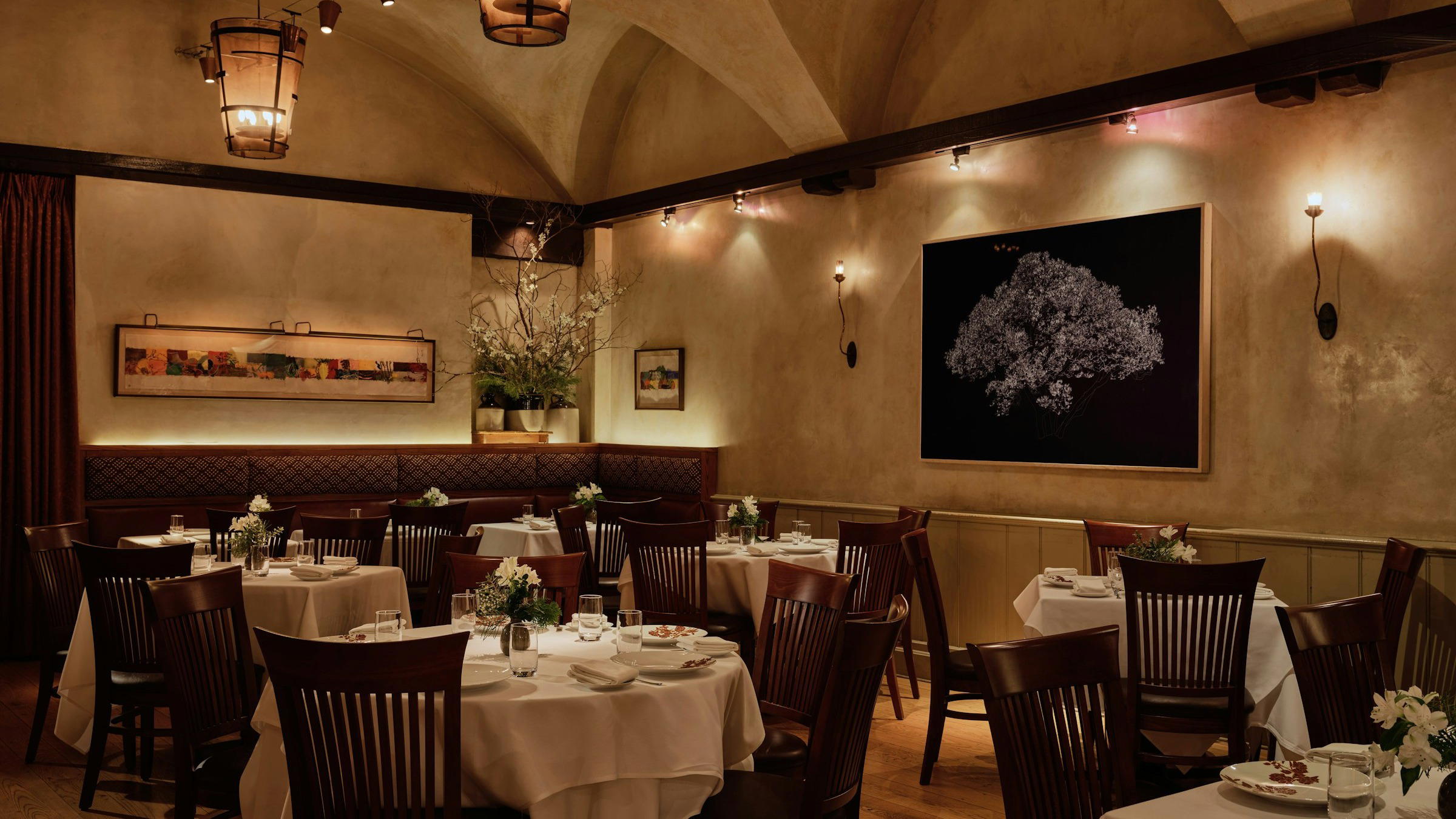
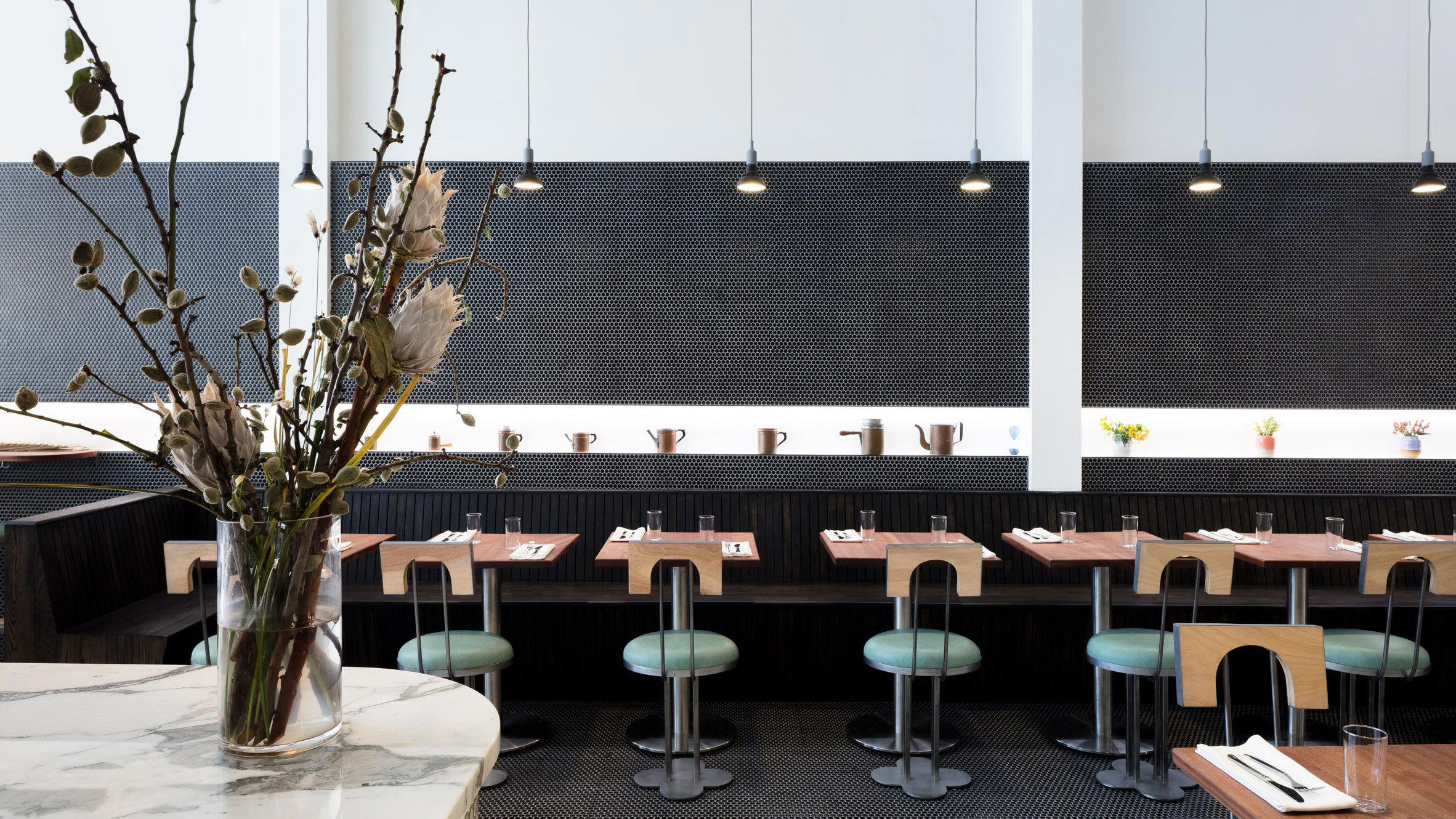
Restaurants in New York City
Browse all →
Bars in New York City
Browse all →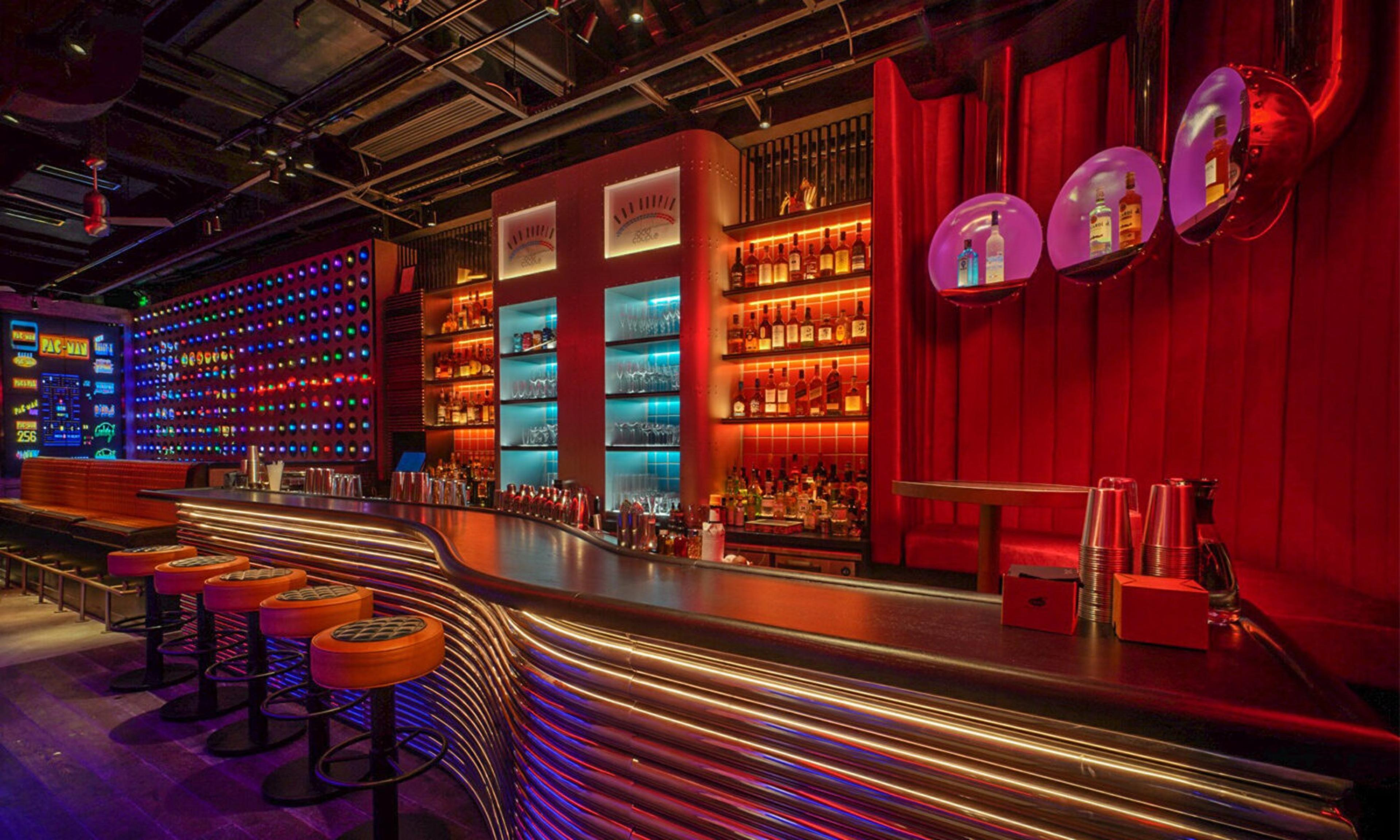
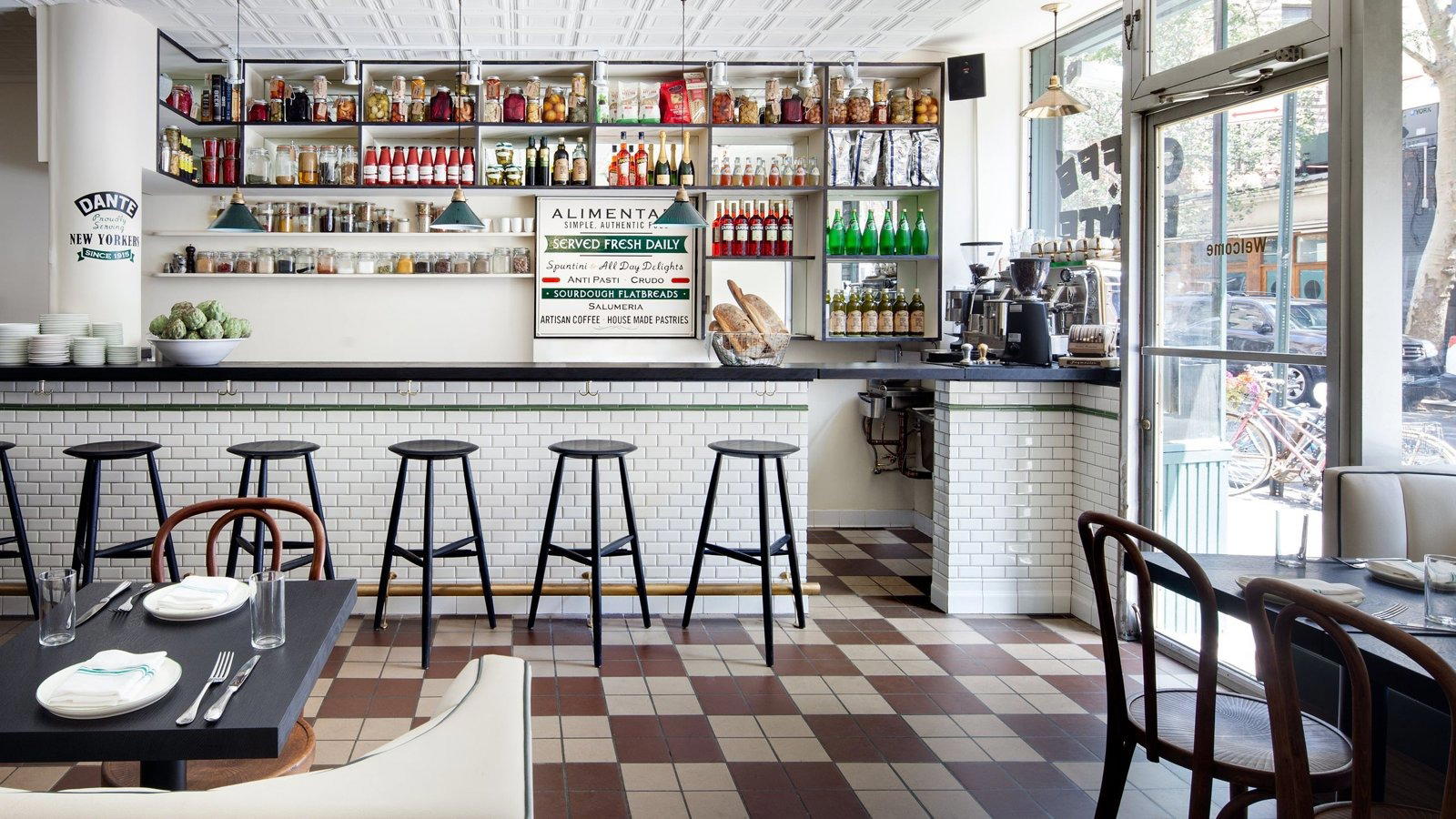
Hotels in New York City
Browse all →







At a Glance
- Minimalist
- Trendy
- Intimate
- Modern
- Casual Hangout
- Solo
- Open Kitchen
- Standalone
- Design Destination
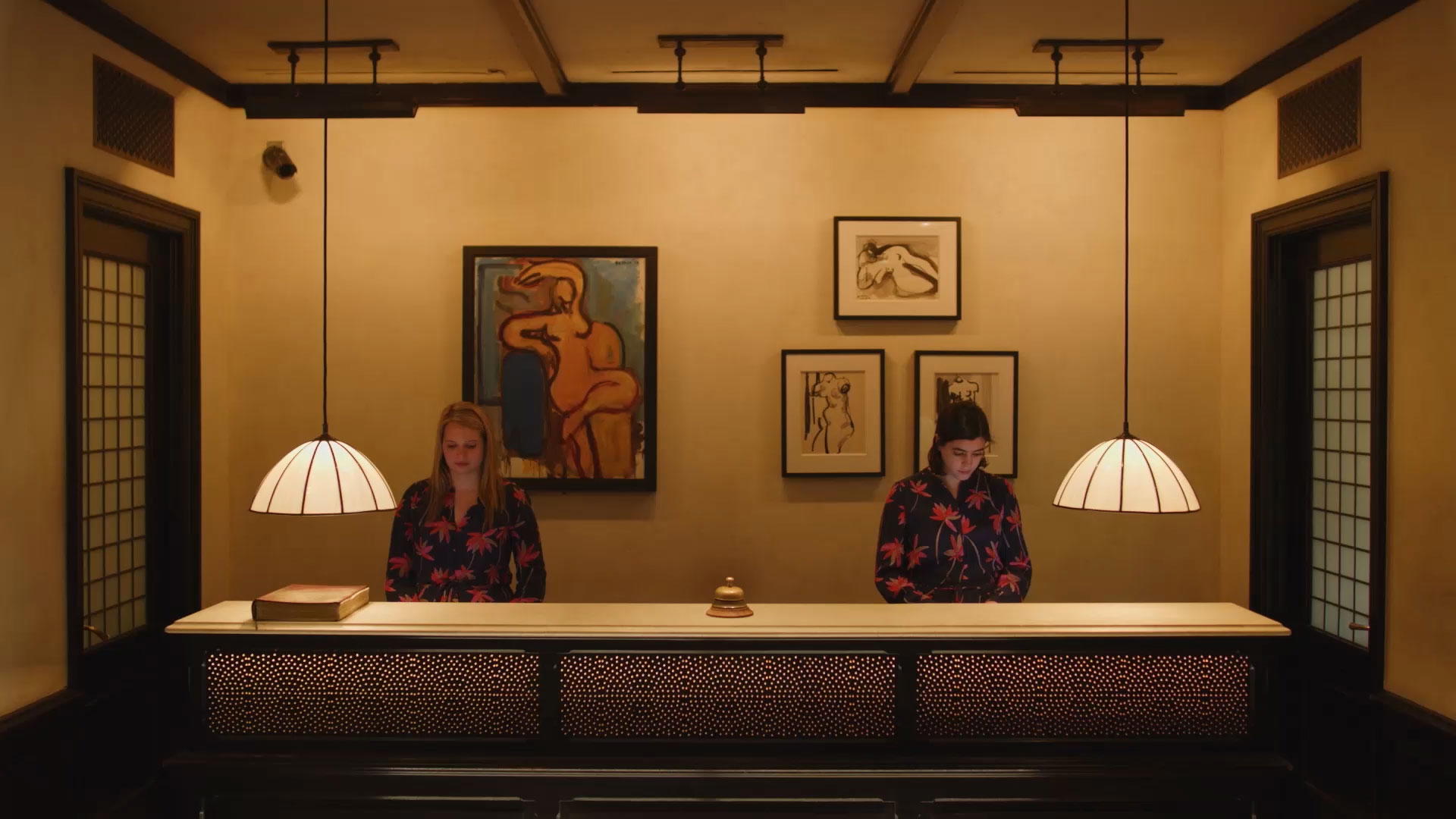
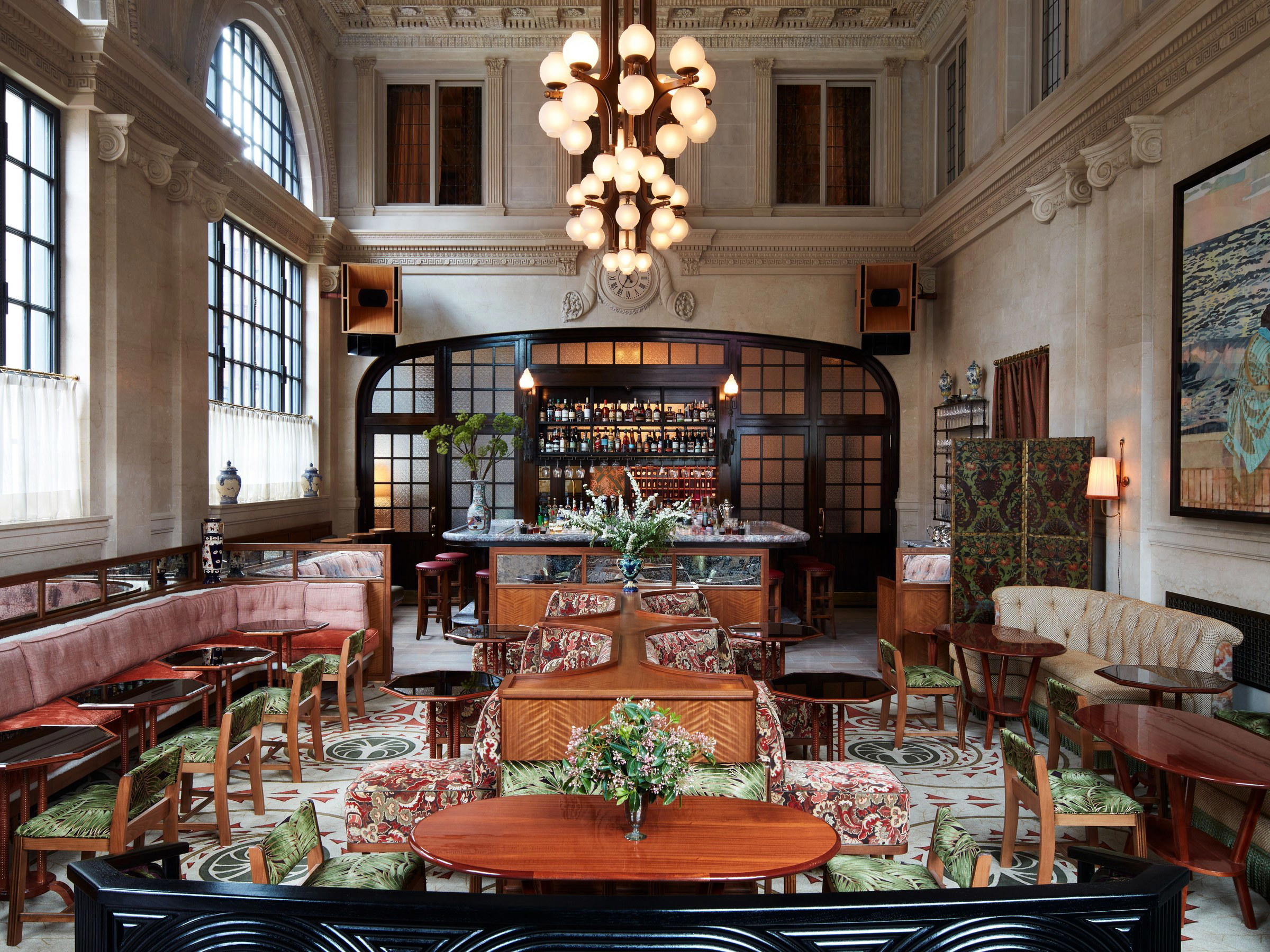
Minimalist Scandinavian-inspired design with hand-selected art, neon signage reading 'no soy sauce required,' and a casual counter-service format emphasizing the grab-and-go experience.