Jack's Luxury Oyster Bar

James Beard Award Rising Star Chef of the Year
Our verdict
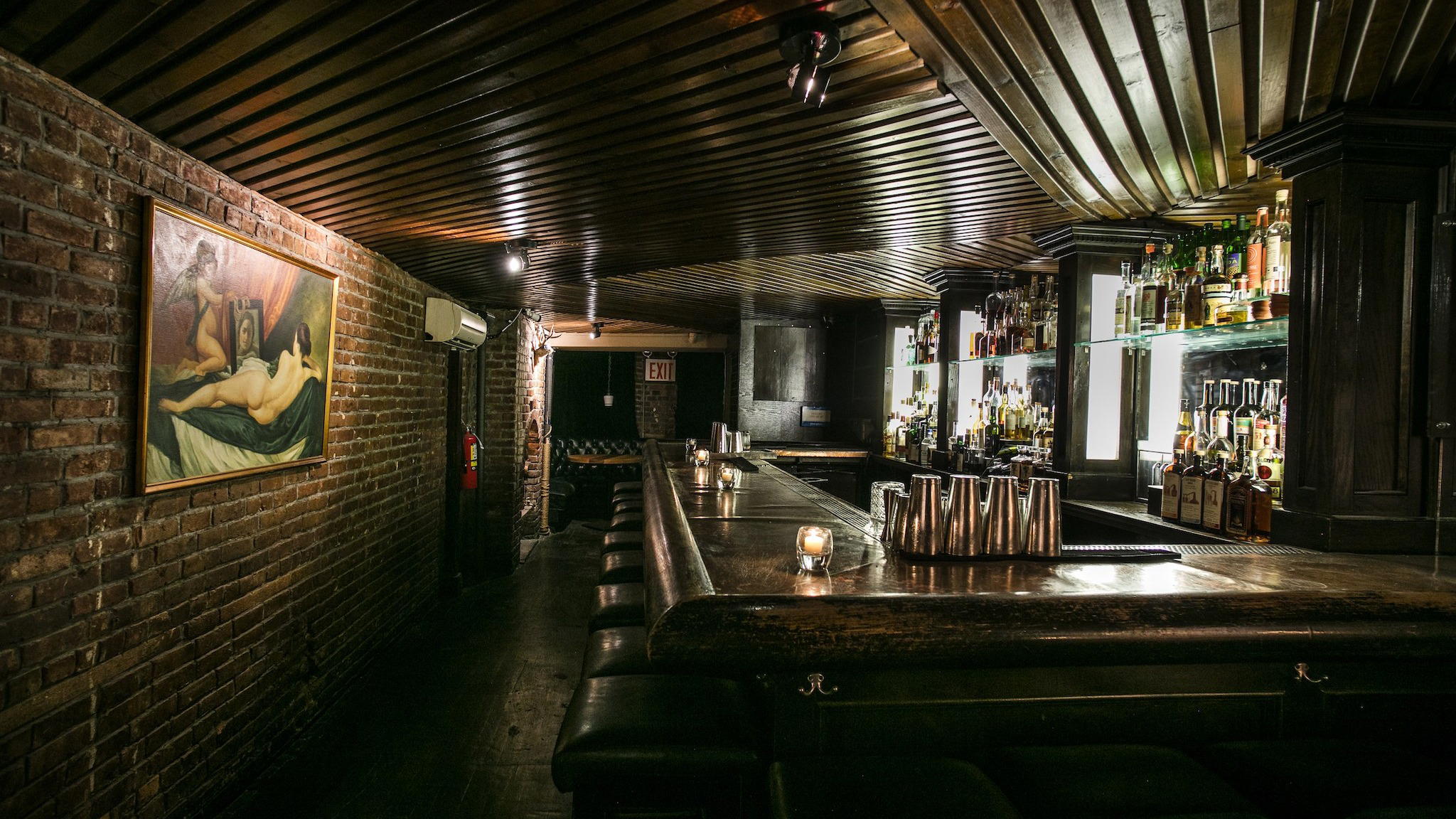
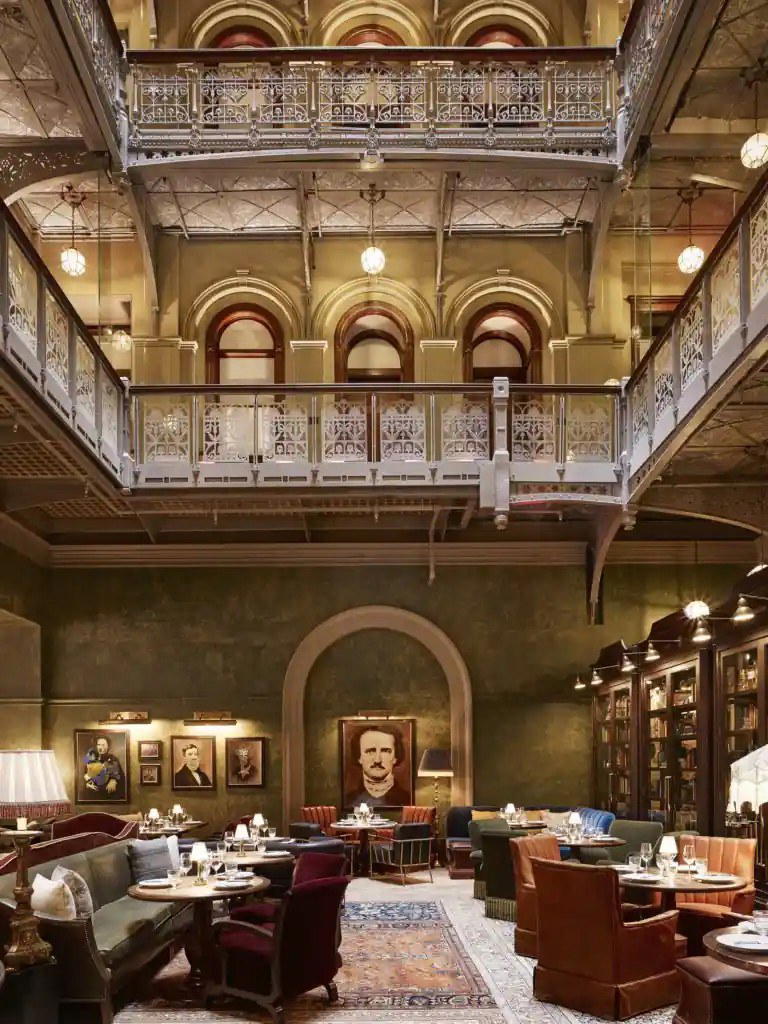
On Second Avenue in the East Village, Jack's Luxury Oyster Bar occupies a different competitive register than New York's grand seafood palaces. Where Le Bernardin operates at the formal, tasting-menu tier, Jack's positions itself as a focused, intimate raw bar, part of a longer East Village tradition of neighbourhood-scale seafood that prizes product and pedigree over production.
The menu
What to order
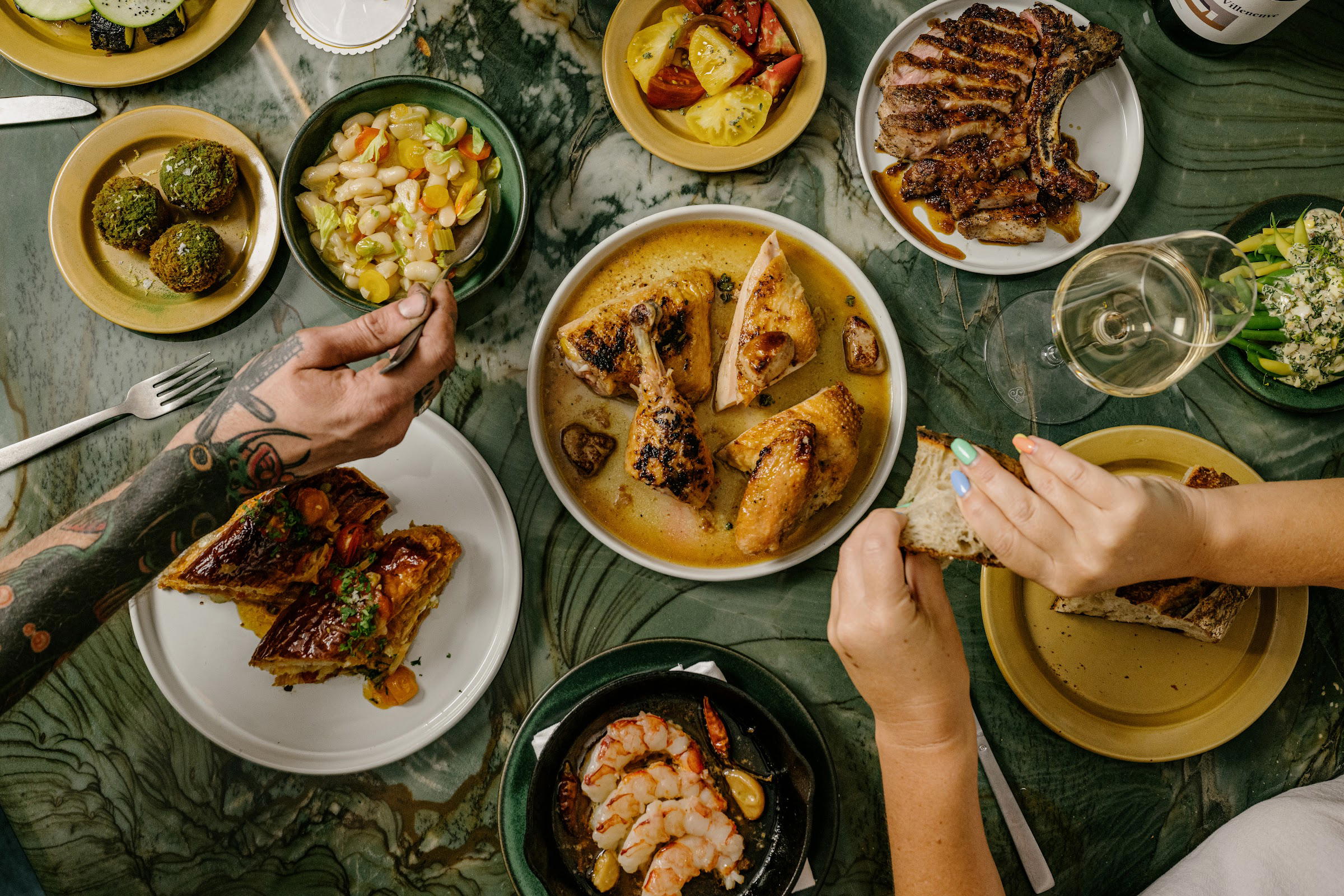
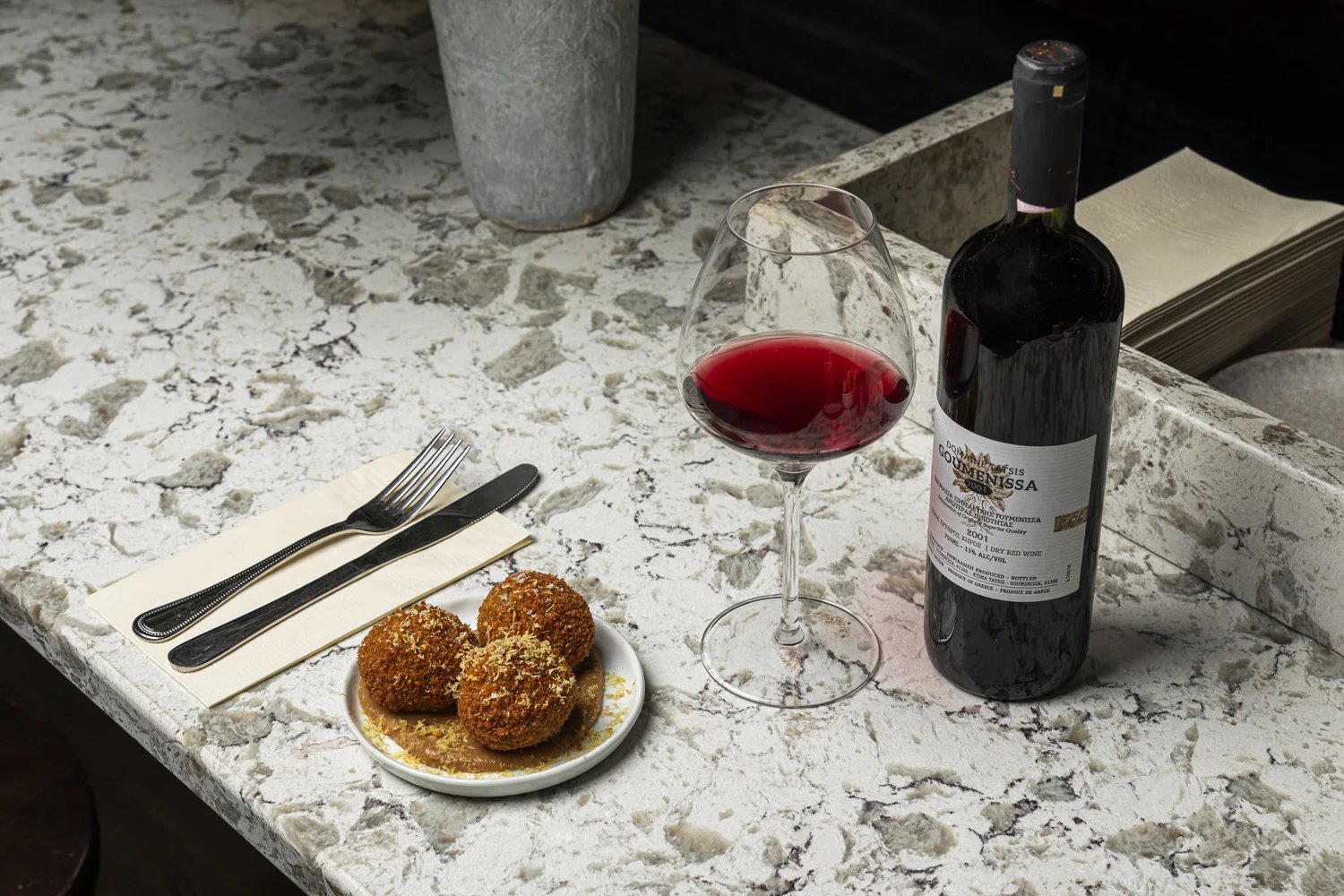
- Oysters poached in butter broth with spinach watercress and pancetta
- Lobster-knuckle chowder
- Seared foie gras with spicy mustard greens
Second Avenue and the Oyster Bar Tradition It Inherits
New York's relationship with oysters is older than most of its institutions. The city was once one of the largest oyster markets in the world, and the raw bar as a dining format has cycled through several identities since: grand terminal counters, casual downtown spots, and the more recent wave of intimate, product-led rooms that sit closer to the wine-bar model than the seafood house. Jack's Luxury Oyster Bar at 101 Second Avenue sits inside that last category, in the East Village, a neighbourhood whose dining character has long skewed independent, counter-focused, and deliberately unshowy. The address puts it within walking distance of a dense corridor of neighbourhood restaurants, well clear of the Midtown theatrical dining circuit that houses Le Bernardin, Per Se, and Masa.
That geographic distinction matters. The East Village has historically supported a different kind of dining ambition: smaller rooms, shorter menus, less ceremony around the act of eating well. A luxury oyster bar on Second Avenue is not making the same argument as a four-star seafood room in Midtown. It is making the case that the product itself is enough, that a well-sourced bivalve in a room scaled to match it does not require the scaffolding of formal service or the price architecture of a tasting menu. That is a different, and in some ways harder, editorial position to hold.
The Evolution of Small-Format Seafood in New York
The small-format oyster bar as a serious dining destination has gone through at least two clear phases in New York. The first, running roughly through the 1990s, was dominated by counter annexes attached to larger restaurants, where the oyster selection was a prelude to something else. The second phase, which accelerated in the mid-2000s alongside the broader shift toward produce-led, counter-format dining, saw standalone oyster bars begin to operate as destinations in their own right, with provenance-driven selections, small plates built around the same coastal sourcing logic, and wine lists oriented toward crisp, mineral whites.
Jack's Luxury Oyster Bar arrived and evolved within that second phase. The East Village location, the implied scale of a bar rather than a restaurant, and the word "luxury" in the name all signal an attempt to occupy a specific niche: not casual, not formal, but precise. In a city where Eleven Madison Park and Atomix represent the upper end of the formal tasting-menu tier, a room like this operates on a parallel track, one where the metric for seriousness is product quality and sourcing depth rather than service ratio or kitchen brigade size.
That positioning has both advantages and pressures. The advantage is that a great oyster, correctly handled, needs very little else. The pressure is that a small, focused room with a high-quality claim has nowhere to hide if the sourcing wavers or the format becomes repetitive. The evolution of Jack's over its lifespan in the East Village has been, in part, a negotiation of that tension: holding the format tight while finding enough variation in the product to keep the room relevant across years of changing competition.
Where It Sits Relative to New York's Seafood Tier
New York seafood dining now spans a wider range than at any point in recent memory. Below that tier, but still in the upper register, sit a cluster of ambitious fish-focused rooms and raw bars where the competition is less about tasting menus and more about selection depth and sourcing provenance. Jack's Luxury Oyster Bar competes in this middle-upper zone, where the differentiators are shellfish variety, oyster condition, and the intelligence of accompanying small plates rather than the complexity of a composed multi-course experience.
For comparison: the venues that occupy the same broad tier as Jack's tend to be neighbourhood-anchored, limited in seat count, and reliant on a loyal local base supplemented by visitors who have done enough research to find them. This is a different customer than the one booking Per Se or Masa months in advance. It is a customer who knows what good oysters taste like, has opinions about East Coast versus West Coast selections, and is looking for a room that takes that knowledge seriously without making the experience feel transactional.
Across other American cities, comparable formats have found durable audiences. Providence in Los Angeles, Smyth in Chicago, and Blue Hill at Stone Barns outside the city all demonstrate that product-led, format-disciplined rooms can build sustained reputations without the Michelin star count or the Midtown address.
Planning Your Visit
The East Village is leading approached in the evening for this kind of stop. Second Avenue has enough surrounding activity to make a pre- or post-dinner drink easy to arrange, and the neighbourhood supports the kind of unhurried pace that a counter-format oyster bar rewards. Whether you are arriving directly or adding this to a broader evening, the room's scale means timing your arrival with some care is worthwhile.
| Venue | Format | Price Tier | Neighbourhood | Booking Lead Time |
|---|---|---|---|---|
| Jack's Luxury Oyster Bar | Intimate raw bar / small plates | Not published | East Village | Not confirmed |
| Le Bernardin | Formal tasting / à la carte | $$$$ | Midtown West | Weeks to months ahead |
| Masa | Omakase counter | $$$$ | Columbus Circle | Months ahead |
| Per Se | Formal tasting menu | $$$$ | Columbus Circle | Weeks to months ahead |
For broader context on where Jack's sits within New York's restaurant scene, see our full New York City restaurants guide. Travellers interested in comparable product-led, format-disciplined rooms elsewhere in the US may find value in Lazy Bear in San Francisco, Single Thread Farm in Healdsburg, Frasca Food and Wine in Boulder, or Emeril's in New Orleans. For the fine dining tier in the northeast, The Inn at Little Washington and The French Laundry in Napa sit in a different category but share the same commitment to sourcing seriousness. International comparisons worth noting include Atelier Moessmer Norbert Niederkofler in Brunico and Dal Pescatore in Runate, both of which demonstrate how small-format, product-led rooms sustain long-term reputations outside major metropolitan centres. Addison in San Diego is worth noting for those tracking how American fine dining at the seafood-adjacent tier has developed on the West Coast.
Frequently asked questions
What part of town is Jack's Luxury Oyster Bar in?
Jack's Luxury Oyster Bar is located at 101 2nd Ave, New York, NY 10003, New York City.
How does Jack's Luxury Oyster Bar fit into New York City's broader oyster bar scene?
New York City's oyster bar scene runs from grand-hall institutions like Grand Central Oyster Bar to tight, chef-driven counters that have emerged in the East Village and Lower East Side over the past two decades. Jack's, positioned on 2nd Avenue, occupies the small-format end of that range, a format that prioritizes shellfish focus and counter intimacy over scale. For diners comparing options across the city, the address and neighborhood context place it squarely in the serious, neighbourhood-anchored tier rather than the tourist-circuit category.
What should I eat at Jack's Luxury Oyster Bar?
Oysters are the core reason to visit, this is a counter-format venue on 2nd Avenue in New York City built around shellfish as the main event, not an afterthought on a larger menu. New York's oyster tradition historically favored East Coast varieties with pronounced brine, and a focused counter like this typically showcases regional selections that reflect that lineage. Arrive knowing that the menu is narrow by design, which is a signal of intent rather than a limitation.
Can I walk in to Jack's Luxury Oyster Bar?
Walk-in availability at small-format oyster counters in New York varies considerably by night and season, and no advance booking data is published for this address at 101 2nd Ave. The East Village draws consistent evening foot traffic, so arriving earlier in the service window generally improves your odds at compact venues of this type. Checking current booking status directly with the venue before visiting is the most reliable approach.
| Venue | Cuisine | Price | Awards | Notes |
|---|---|---|---|---|
| Jack's Luxury Oyster BarThis venue (the venue you are viewing) | Southern-Inspired Seafood Oyster Bar | Not listed | James Beard Award Rising Star Chef of the Year | Not listed |
| Le Bernardin | French Seafood Fine Dining | $300–500 | 3 Michelin Stars · World's 50 Best #13 | French, Seafood |
| Atomix | Modern Korean Tasting Menu | $300–500 | 2 Michelin Stars · World's 50 Best #7 | Modern Korean, Korean |
| Per Se | French Fine Dining Tasting Menu | $300–500 | 3 Michelin Stars · World's 50 Best #40 | French, Contemporary |
| Masa | Traditional Japanese Omakase | $500+ | 2 Michelin Stars · World's 50 Best #27 | Sushi, Japanese |
| Eleven Madison Park | Contemporary Plant-Based Fine Dining | $300–500 | 3 Michelin Stars · World's 50 Best #4 | French, Vegan |
Recognition history
Dated appearances from independent guides and award organizations, with the underlying list record or original source where available.
James Beard Award Rising Star Chef of the Year
James Beard Award