Tazza d'Oro occupies a corner of Rome's historic centro that has served espresso since 1946, drawing a clientele that ranges from local regulars to visitors who have done their research. The bar sits a short walk from the Pantheon on Via degli Orfani, 84, and operates within a Roman coffee tradition that prizes sourcing, roasting discipline, and speed of service over theatre.
Pearl is the En Primeur Club membership app — saves, bookings, and concierge access live there. Same editors, same standards.
- Address
- Via degli Orfani, 84, 00186 Roma RM, Italy
- Phone
- +393966789792
- Website
- tazzadorocoffeeshop.com
- Directions
- Get directions
 Saves & bookings on Pearl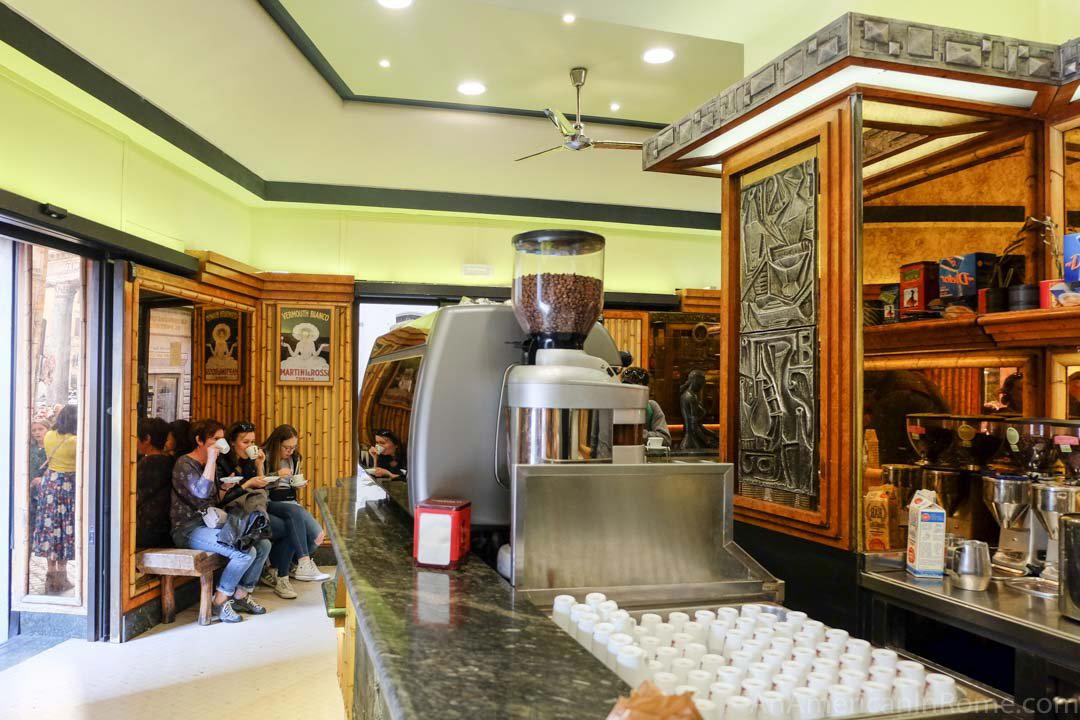
The Street, the Counter, and the Cup
Via degli Orfani runs into the Piazza della Rotonda at an oblique angle, and if you approach Tazza d'Oro from the quieter end of the street, the transition happens gradually: fewer tourist menus chalked on boards, more foot traffic moving with purpose rather than hesitation. By the time you reach number 84, the bar's interior is already visible through the glass, a narrow room with a long counter, a ceiling that holds decades of smoke and steam, and a queue that forms regardless of the hour.
The physical experience at an old-school Roman coffee bar is worth understanding before you arrive. There is no table service in the traditional sense, no pour-over ritual, no tasting notes chalked on a blackboard. The format is counter standing, a few words exchanged, payment either before or at the moment of service depending on the establishment, and a cup consumed in under three minutes. This is coffee as utility and pleasure simultaneously, a format that has remained largely unchanged across the city's coffee bars. Tazza d'Oro operates within that tradition without modification.
Where the Beans Come From
Italian espresso culture, particularly in Rome, has historically oriented toward blends rather than single origins, and the sourcing logic behind those blends is more deliberate than it often appears from the outside. Roman-style espresso tends to pull from robusta-dominant or robusta-inclusive blends, which produce the dense crema and bitter-forward profile that distinguishes it from the lighter, arabica-heavy espresso styles of northern Italy. The choice of robusta is not a concession to cost but a commitment to a particular flavour architecture, one that holds up under milk, survives the Roman summer heat better than high-acidity arabica, and delivers the tactile weight that the city's coffee drinkers expect.
Tazza d'Oro roasts its own beans, a practice that places it in a specific subset of Roman coffee bars that retain vertical control over the product. This matters because it shortens the distance between sourcing decision and final cup, and because it means the bar's flavour profile is a deliberate house position rather than a reflection of a wholesale supplier's preferences. Bars that roast in-house occupy a different competitive position than those that buy pre-roasted blends, regardless of which approach produces the cup a given drinker prefers.
The sourcing geography for high-quality Italian espresso blends typically spans Ethiopia and Brazil for arabica components, with robusta drawing heavily from Uganda, Ivory Coast, and Vietnam. How individual roasters weight those origins, and at what roast level they develop the beans, determines the character of the final blend more than any single variable. For a bar operating near one of Rome's most-visited monuments, maintaining sourcing and roasting discipline represents a form of institutional commitment.
Reading the Menu Against the Room
The granita di caffe con panna, espresso frozen and served with whipped cream, is the restaurant's most photographed offering and one of the more useful tests of a bar's coffee quality. Because the granita is made from brewed espresso that has been frozen and churned, any weakness in the base blend becomes amplified once the dairy is added. A thin or poorly sourced espresso produces a granita that tastes of cream and ice with a coffee suggestion; a properly concentrated, well-sourced base holds its character against the fat and cold. The granita format is a summer staple across Rome, but the version produced by a bar with its own roasting operation starts from a different point than one assembled from a bought-in blend.
Cornetto, typically sourced from a local supplier rather than produced in-house at most Roman bars, completes the canonical breakfast pairing. This is the format that the city runs on between 7am and 10am: a curved, lightly sweet pastry alongside a small, dense cup. Rome's café culture does not lend itself to the extended breakfast of northern Europe; the morning stop is transactional in its efficiency, social in its repetition, and deeply territorial in the sense that most Romans have a preferred bar and rarely stray from it during the week.
Tazza d'Oro in Rome's Wider Coffee and Restaurant Context
Rome's dining and drinking scene operates across registers that rarely overlap. The city's formal restaurant tier includes tables at La Pergola, the only three-Michelin-star address in the capital, alongside creative kitchens like Acquolina, Enoteca La Torre, and Il Pagliaccio. At the other end of the formality axis, the espresso bar operates on a different economy entirely: no reservation, no dress expectation, near-instant service, and a low price point. Achilli al Parlamento represents yet another register, the serious wine bar with cellar depth, sitting between the two extremes.
For visitors calibrating their time against the city's broader offer, the coffee bar requires almost no planning. Unlike tasting menu restaurants, an espresso stop at a historic Roman bar is a decision made at the pavement, consumed standing, and complete in minutes. That accessibility is part of what makes the format worth understanding rather than dismissing.
Italy's high-end restaurant circuit extends well beyond Rome, with reference points at Enoteca Pinchiorri in Florence, Enrico Bartolini in Milan, Piazza Duomo in Alba, Uliassi in Senigallia, Quattro Passi in Marina del Cantone, Reale in Castel di Sangro, Atelier Moessmer Norbert Niederkofler in Brunico, and Dal Pescatore in Runate. Internationally, bars operating at a comparable technical level to Rome's serious espresso houses appear in different formats: the precision tasting-menu ethos of Atomix in New York City or the sourcing rigour of Le Bernardin share a sourcing-first logic with Rome's leading coffee bars, even if the formats differ radically.
Know Before You Go
Know Before You Go
- Address: Via degli Orfani, 84, 00186 Roma, Italy
- Format: Standing espresso bar; counter service
- Booking: Not required; walk-in only
- Leading timing: Early morning for the classic Roman breakfast experience; expect a queue during peak tourist hours near the Pantheon
- What to order: Espresso or granita di caffe con panna; the granita is a summer seasonal offer
- Payment: Cash preferred at traditional Roman bars; confirm on arrival
Cuisine and Credentials
Comparable venues nearby, for context on price, style, and recognition.
| Venue | Cuisine | Price | Notes |
|---|---|---|---|
| Tazza d'OroThis venue — the venue you are viewing | Traditional Italian Espresso & Coffee | $ | Not listed |
| Pizza Florida | Roman Pizza al Taglio | $ | Pigna |
| Gelateria La Romana | Artisanal Italian Gelato | $$ | Sallustiano |
| Mordi & Vai | Roman Street Food Sandwiches | $ | Testaccio |
| CasaManco | Roman Pizza al Taglio | $ | Testaccio |
| Malaterra | Neapolitan Pizza | $$ | Nomentano |
Continue exploring
More in Rome
Restaurants in Rome
Browse all →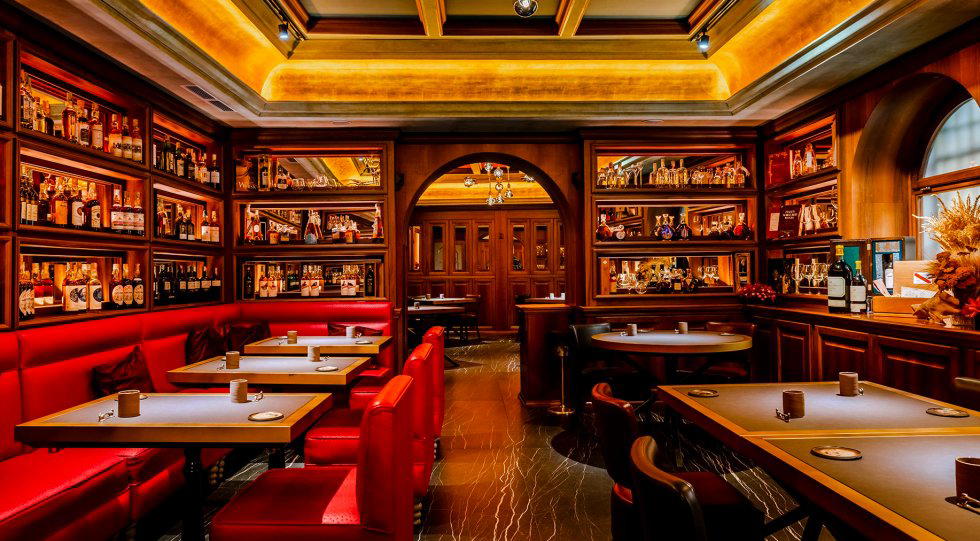
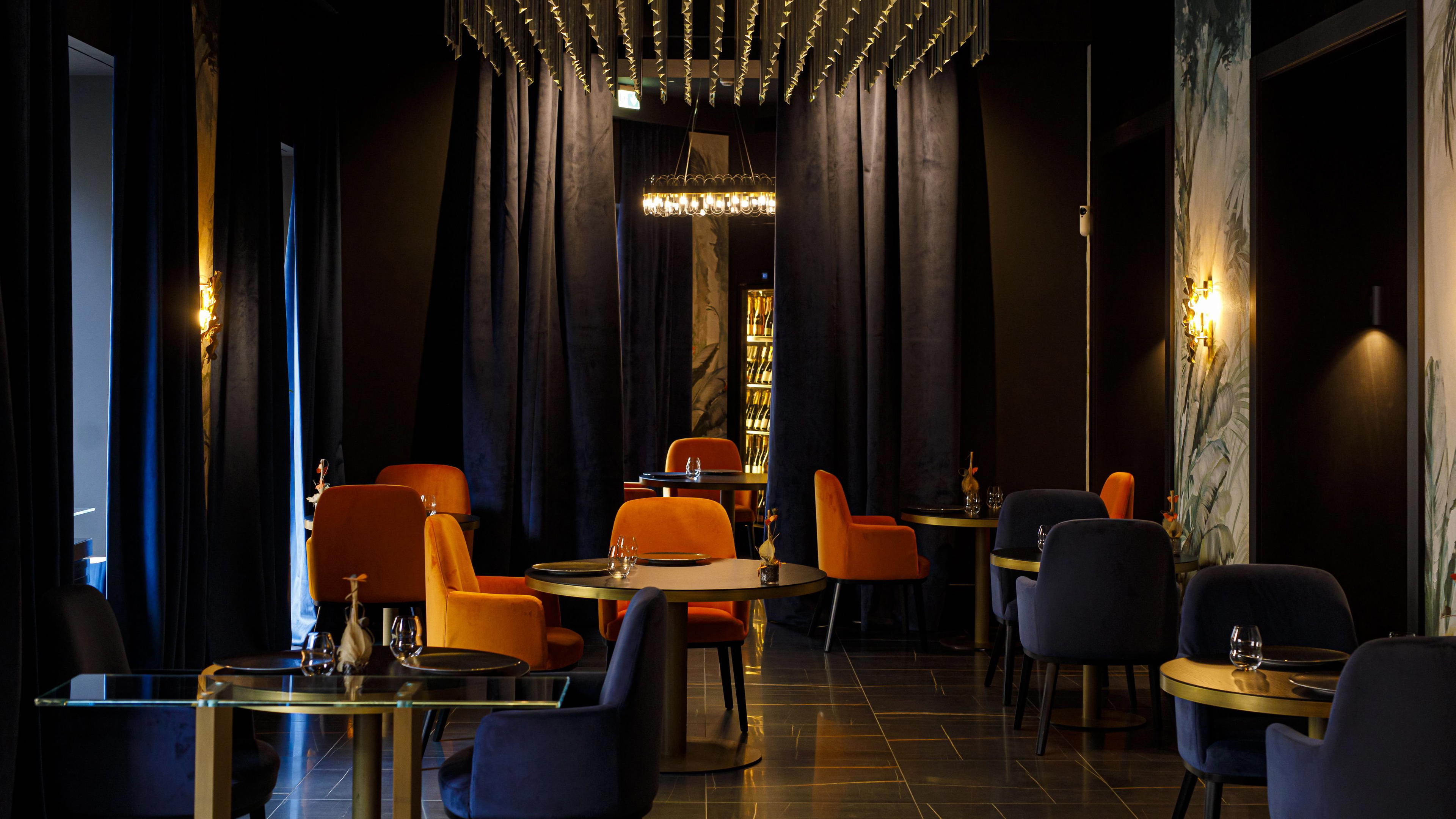
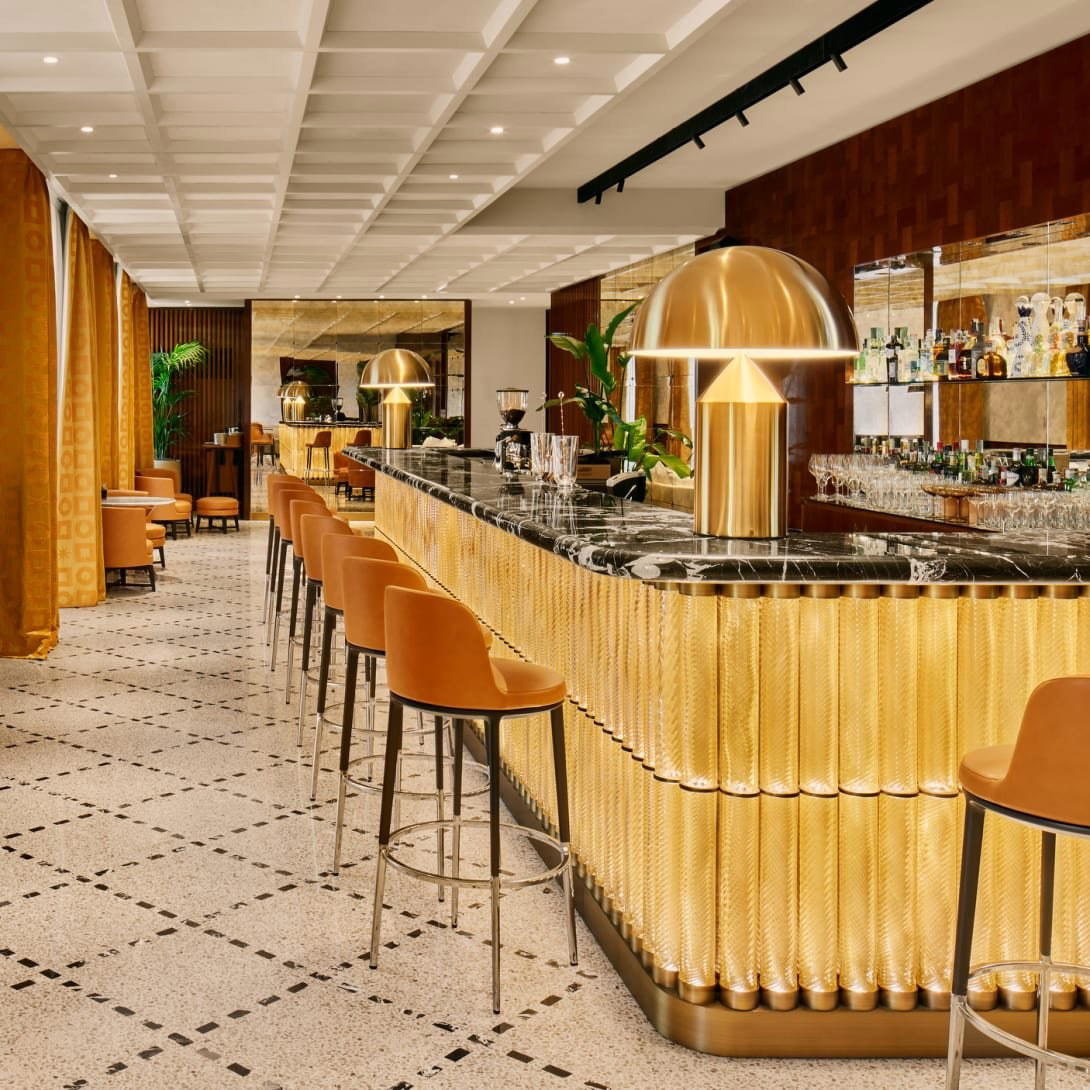
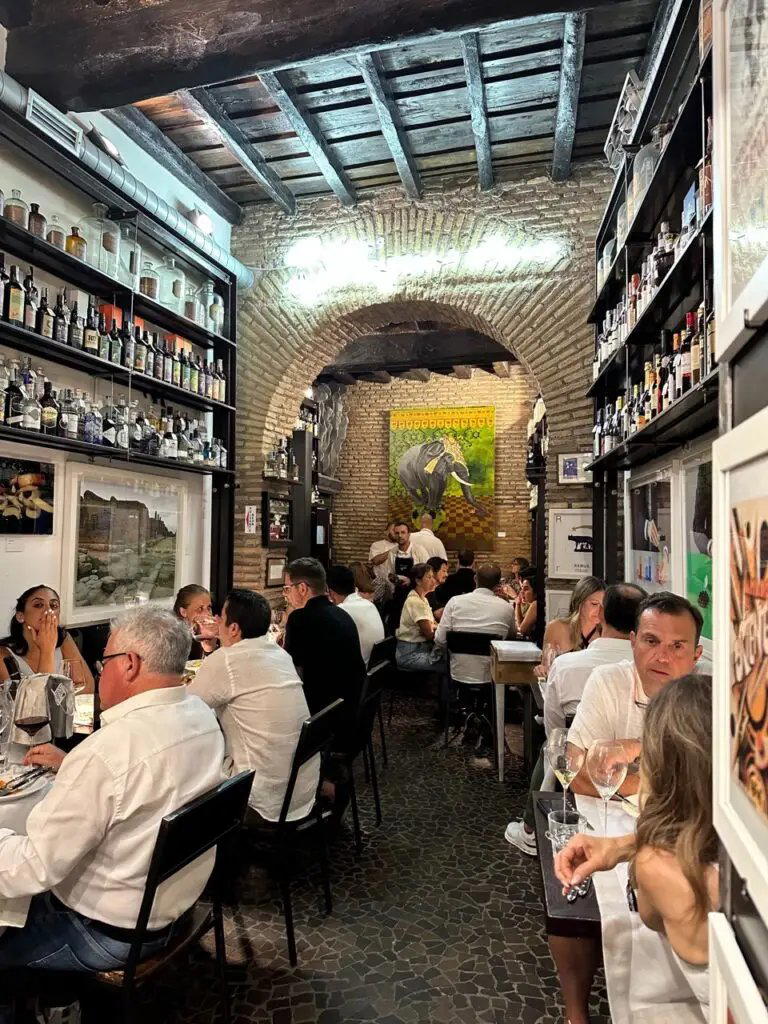
Hotels in Rome
Browse all →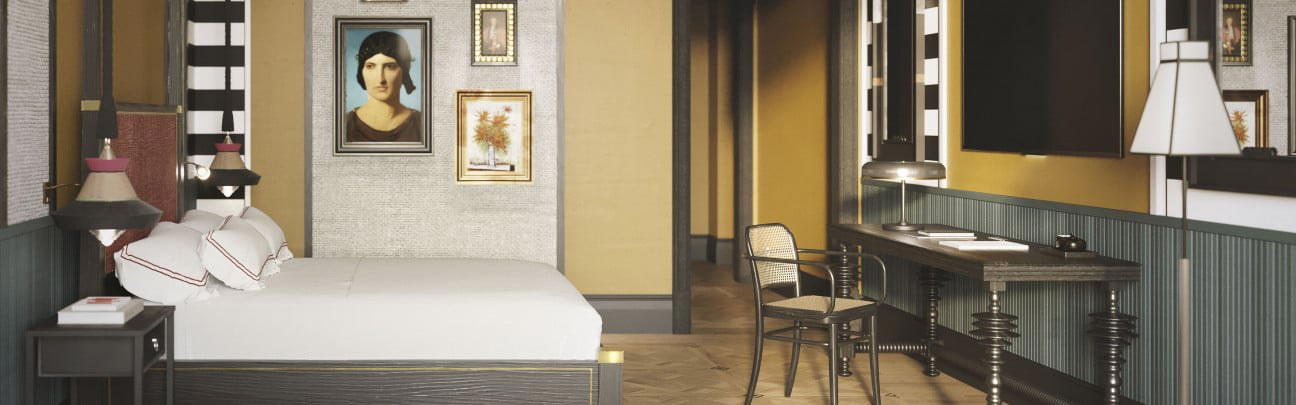
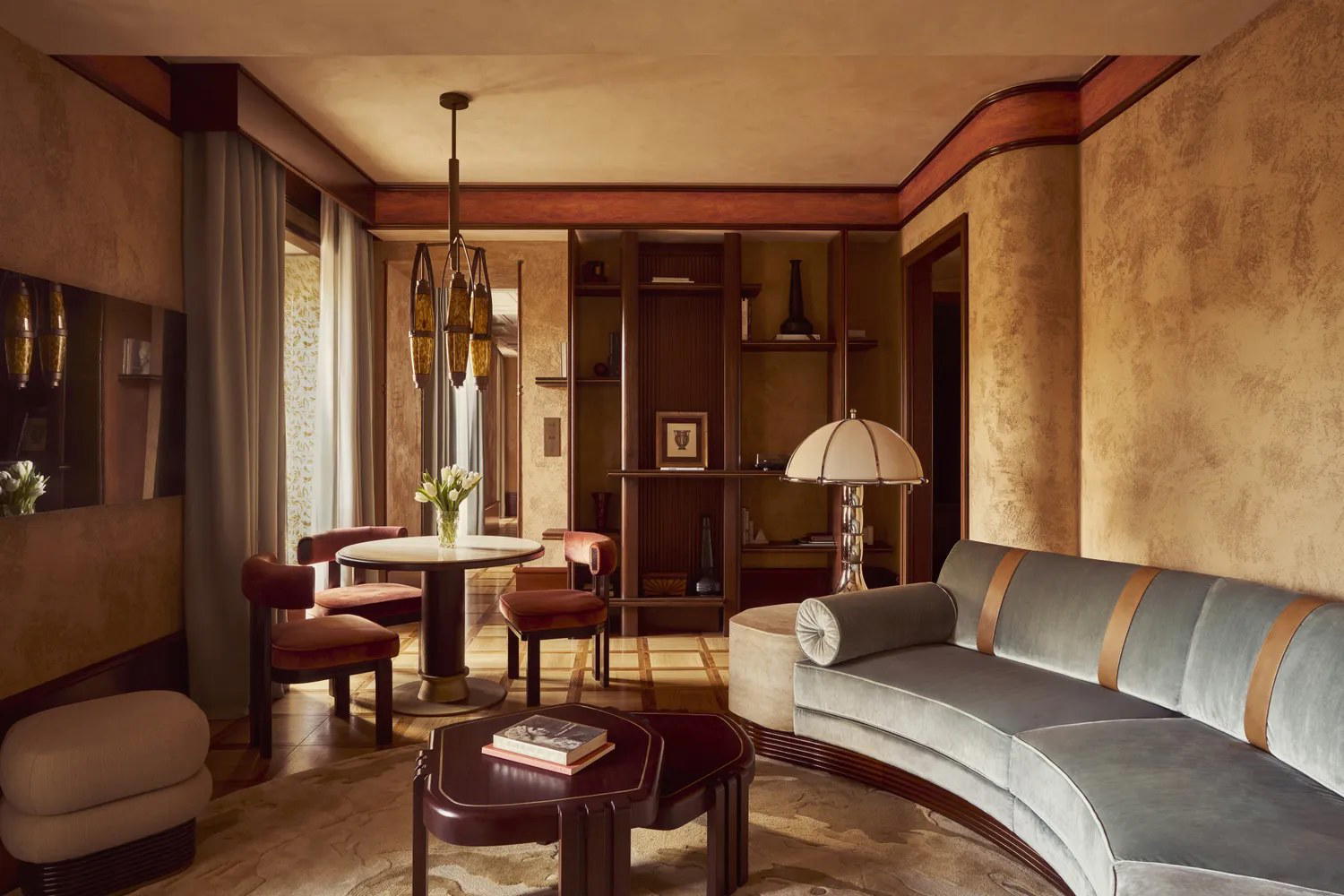
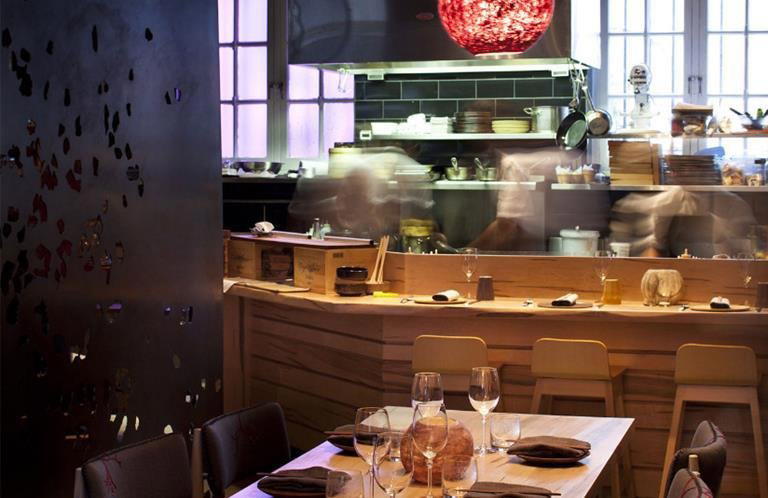
Wineries in Rome
Browse all →
At a Glance
- Well Known
- Classic
- Lively
- Solo
- Casual Hangout
- After Work
- Historic Building
- Open Kitchen
- Local Sourcing
- Street Scene
Current opening hours
- Monday
- 7 AM–8 PM
- Tuesday
- 7 AM–8 PM
- Wednesday
- 7 AM–8 PM
- Thursday
- 7 AM–8 PM
- Friday
- 7 AM–8 PM
- Saturday
- 7 AM–8 PM
- Sunday
- 10 AM–7 PM
Hours can change for holidays and private events. Last verified .
Bright, energetic traditional Italian espresso bar with visible espresso machines and quick, characteristically efficient service; standing-room counter culture typical of Roman coffee bars.