On Campo Santa Margherita, one of Venice's few genuinely local squares, Pier Dickens occupies a position that most tourist-facing venues in the city never reach. The campo's rhythm, students, neighbourhood regulars, evening aperitivo crowds, sets the tone before you step inside. For visitors who want a read on everyday Venetian social life rather than a curated lagoon-view experience, the address alone makes a case.
Pearl is the En Primeur Club membership app — saves, bookings, and concierge access live there. Same editors, same standards.
- Address
- Campo Santa Margherita, 3410, 30123 Venezia VE, Italy
- Website
- pierdickens.it
- Directions
- Get directions
 Saves & bookings on Pearl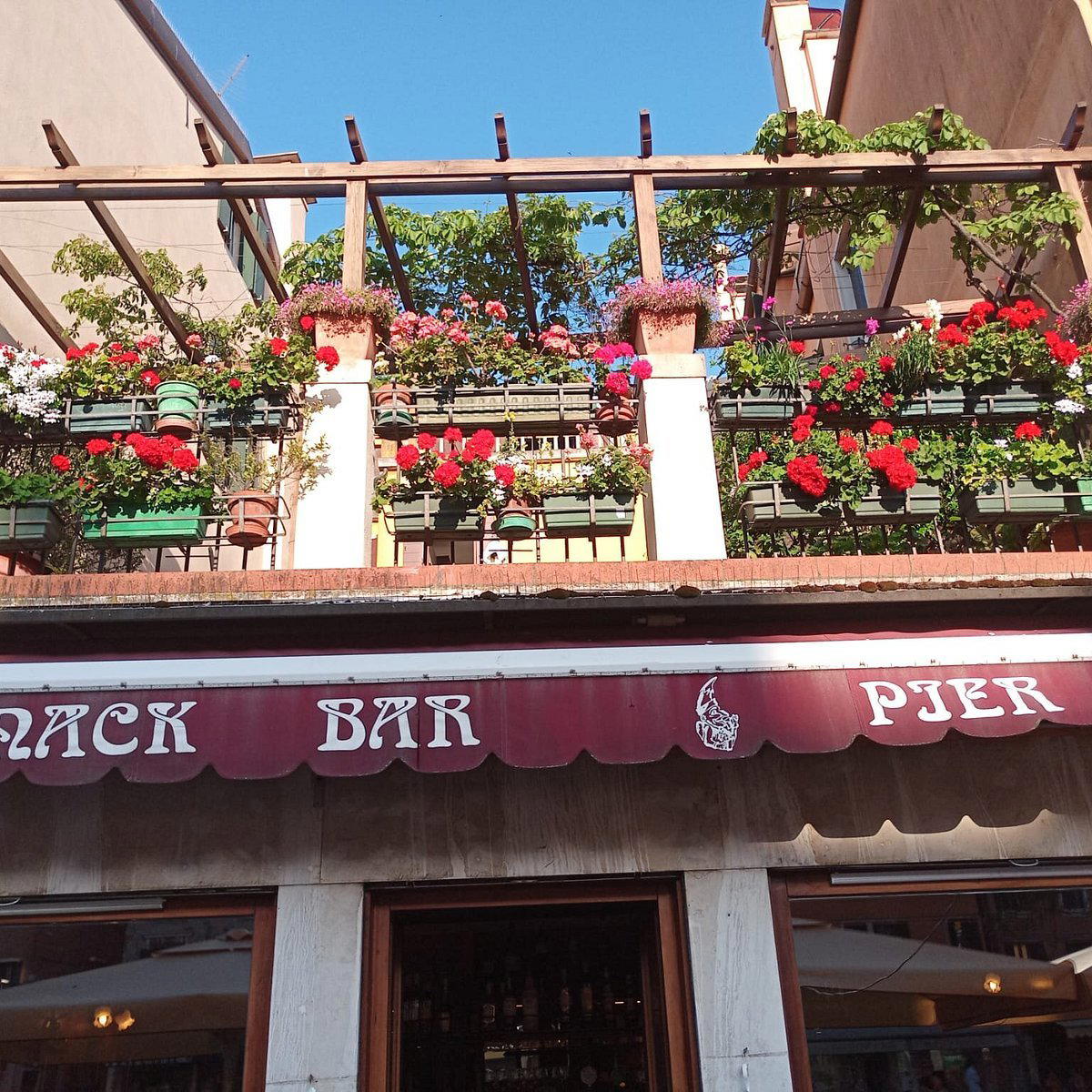
A Square That Still Belongs to Venice
Campo Santa Margherita operates on a different register from the city's better-photographed piazzas. Where San Marco draws the queues and the pigeons, this campo in Dorsoduro retains the texture of a working neighbourhood: the fruit vendors pack up by midday, the bar chairs fill with university students from Ca' Foscari by late afternoon, and the evening aperitivo hour has the unhurried pace of somewhere that isn't performing for an audience. In a city where the ratio of tourists to residents has reached a structural crisis point, that quality is not incidental, it is the product of location, local loyalty, and the absence of the kind of marketing that would attract a different crowd. Pier Dickens sits at Campo Santa Margherita, 3410, 30123 Venezia VE, Italy, and the surrounding square provides the first and most legible layer of context.
For travellers comparing Venice's dining options across the full price spectrum, it helps to understand how the city's restaurant geography works. The highest-end tier, places like Glam Restaurant by Enrico Bartolini, Oro Restaurant, and Ristorante Quadri, occupy hotel dining rooms, historic palazzi, or Piazza San Marco addresses that carry significant premium for the setting alone. A second tier of contemporary Italian tables, represented by venues like Local and Wistèria, prices more moderately while maintaining kitchen seriousness. Below that sits a category of neighbourhood spots, canal-side bacari, campo-facing cafes, informal trattorie, where the draw is atmosphere and accessibility rather than culinary ambition. Pier Dickens's position on Campo Santa Margherita places it broadly in that third register, a venue shaped more by its square than by any single kitchen directive.
How the Menu Reads the Room
Menu architecture at campo-facing venues in Venice tends to follow the logic of the crowd they serve: broad enough to accommodate the student drinking contingent, the tourist looking for a reliable plate, and the neighbourhood regular who has been coming for years. This is not a criticism, it is a structural reality for any venue on a busy local piazza. The approach differs fundamentally from the tasting-menu format that defines the city's higher tiers, where dishes are sequenced with intention and the kitchen controls the pacing. In a campo setting, the menu is typically a list to browse rather than a progression to surrender to, and the discipline is in the sourcing and execution of individual items rather than in narrative arc.
What this means for the reader deciding where to eat is a question of intent. If the session you want is a long, structured evening anchored to a kitchen's point of view, Campo Santa Margherita is not where that happens, the square's energy and the informal character of its venues work against that format. If instead you want something that opens onto the campo's rhythm, where the ordering is relaxed and the evening can move between eating, drinking, and watching the square do what it does, then the address starts to make sense. Venues in this category across Italy, from Florence's Oltrarno neighbourhood to Naples's Quartieri Spagnoli, tend to earn their place through reliability and atmosphere rather than through dish-by-dish innovation. The comparison venues in Venice's mid-range tier, including Local and Wistèria, operate with more explicit culinary intention; Pier Dickens, by location and context, sits in a different conversation.
Venice in a Wider Italian Frame
Italy's dining scene at the highest levels is well-documented. Osteria Francescana in Modena, Le Calandre in Rubano, and Piazza Duomo in Alba represent a particular kind of Italian ambition: technically complex, regionally anchored, award-laden. Seafood-forward excellence has its own tier, with Uliassi in Senigallia and Quattro Passi in Marina del Cantone among the more respected addresses. Even at the regional level, venues like Atelier Moessmer Norbert Niederkofler in Brunico and Dal Pescatore in Runate carry institutional weight. Pier Dickens does not operate in that register, and understanding that is the starting point for any honest assessment of what it offers. The value here, if it exists, is sociological before it is culinary: access to a square that functions like a village green for the Dorsoduro neighbourhood, at a price point that the surrounding student population can sustain.
The international comparison is also worth making. The genre of casual, square-facing venue that Venice's campo culture produces has parallels in other cities, the brasseries that line Parisian market squares, the tapas bars that anchor neighbourhood plazas in Madrid, the neighbourhood restaurants around Le Bernardin's New York City neighbourhood that serve the same block at a fraction of the destination dining cost. In each case, the venue's identity is partly borrowed from its location, and the food needs only to clear a competence threshold rather than define a cuisine. That is a sustainable model, and for the right traveller, one who has already planned the higher-investment meals at venues with documented culinary credentials, it fills a specific gap in the itinerary.
Planning a Visit
Campo Santa Margherita is in Dorsoduro, roughly fifteen minutes on foot from the Accademia galleries and accessible from the Santa Marta vaporetto stop. The square's character changes meaningfully across the day: quieter in the morning, animated by market activity through midday, and most alive in the early evening when the campo's bars and restaurants fill with a cross-section of Venetian social life that is harder to find on the tourist-heavier routes toward Rialto or San Marco. For visitors planning a full day in Dorsoduro, combining the Accademia, the Peggy Guggenheim Collection, and the Punta della Dogana, the restaurant's location on the campo makes it a natural point on that circuit.
For a broader orientation to Venice's dining options, our full Venice restaurants guide maps the city's dining tiers from Michelin-level tables through to neighbourhood staples. Those planning Italy more broadly should note that the range between Enoteca Pinchiorri in Florence, Enrico Bartolini in Milan, Reale in Castel di Sangro, and a campo-facing bar on Santa Margherita covers almost the entire spectrum of what Italian dining can be, and an itinerary that includes both ends of that range is richer for the contrast. Compared with the precision-format tasting menus at venues like Atomix in New York City, the campo experience offers something structurally different: open-ended, neighbourhood-paced, and shaped as much by what is happening in the square as by what arrives on the table.
Cuisine Lens
Comparable venues nearby, for context on price, style, and recognition.
| Venue | Cuisine | Price | Notes |
|---|---|---|---|
| Pier DickensThis venue — the venue you are viewing | Italian Pizza & Pasta | $$ | Not listed |
| Alla Conchiglia | Venetian Seafood | $$ | Castello |
| Dal Moro's Fresh Pasta To Go | Fresh Pasta To Go | $$ | Castello |
| Venchi Cioccogelateria | Italian Chocolate Gelateria | $$ | San Marco |
| La Calcina | Traditional Venetian Seafood | $$ | Dorsoduro |
| Osteria Da Alberto | Traditional Venetian Seafood Osteria | $$ | Cannaregio |
Continue exploring
More in Venice
Restaurants in Venice
Browse all →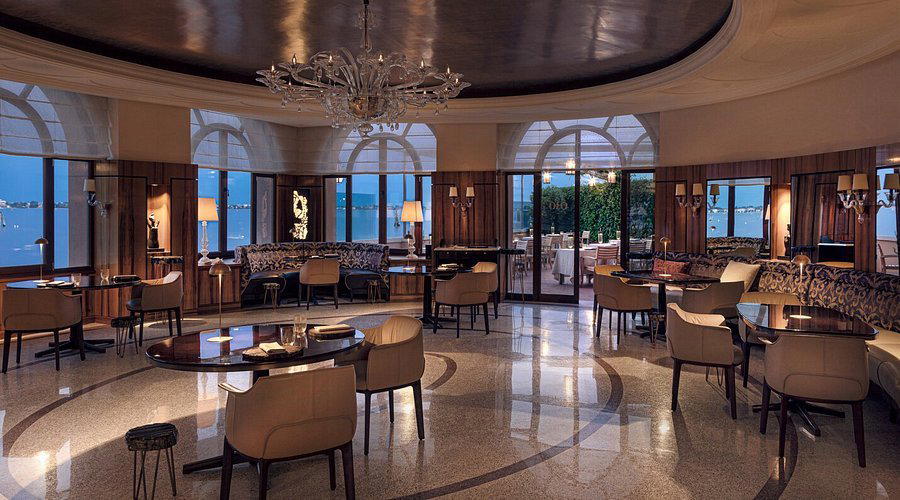
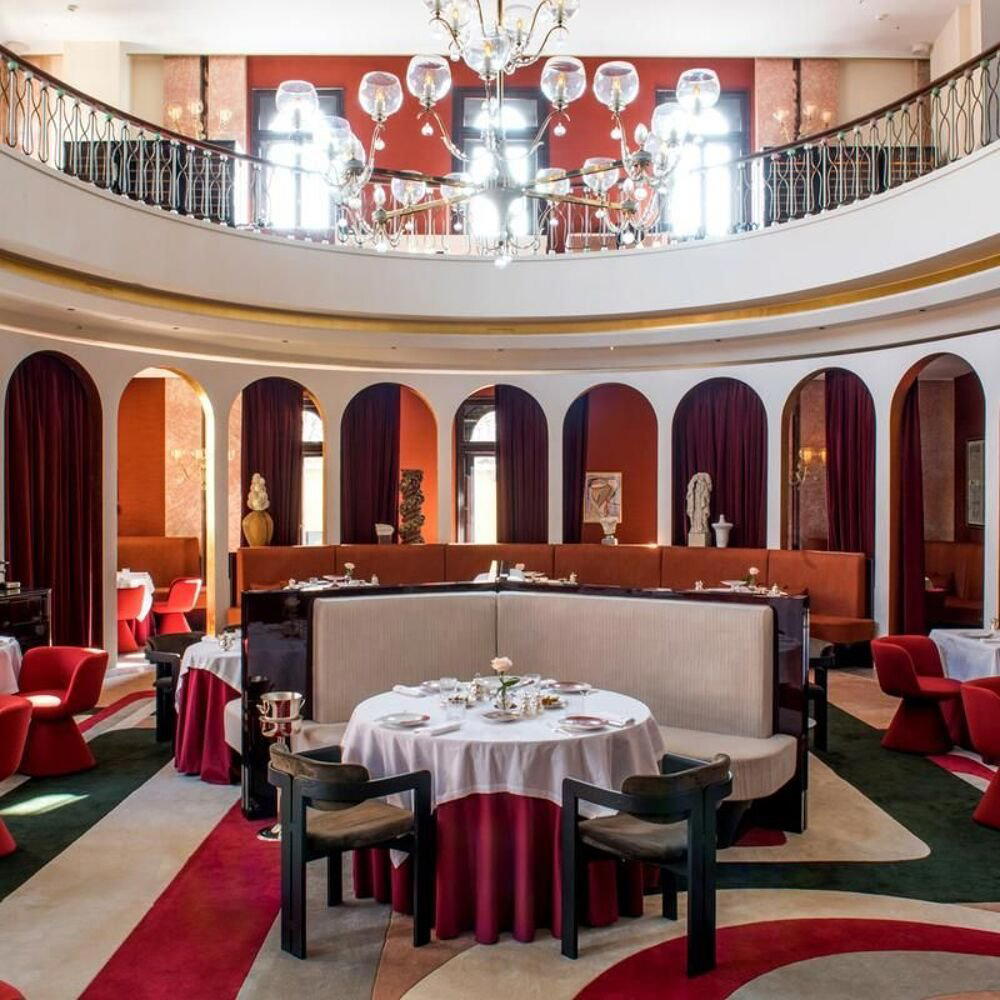
Bars in Venice
Browse all →
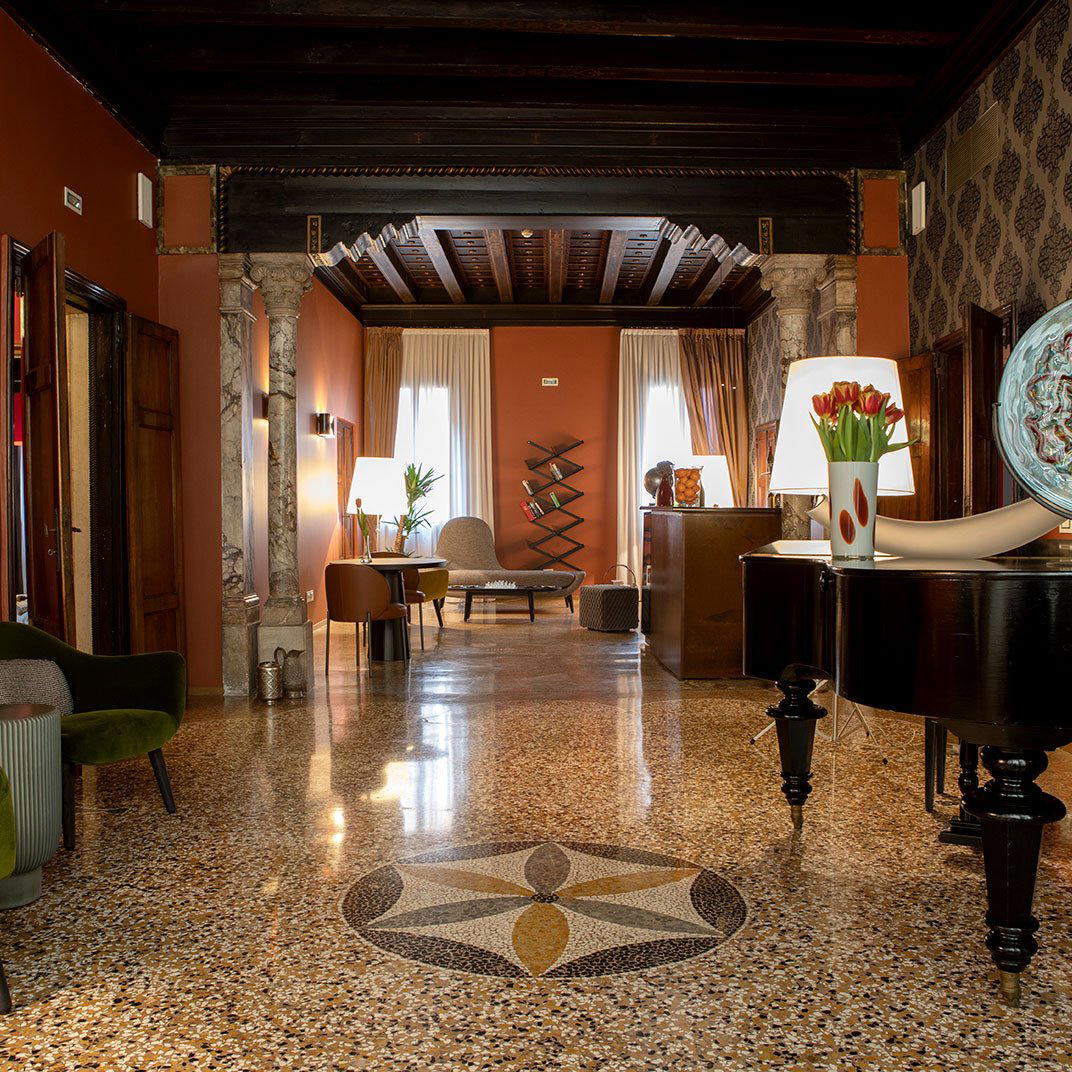
Hotels in Venice
Browse all →

At a Glance
- Lively
- Casual
- Casual Hangout
- Terrace
- Street Scene
Current opening hours
- Monday
- 11 AM–11 PM
- Tuesday
- 11 AM–11 PM
- Wednesday
- 11 AM–11 PM
- Thursday
- 11 AM–11 PM
- Friday
- 11 AM–11 PM
- Saturday
- 11 AM–11 PM
- Sunday
- 11 AM–11 PM
Hours can change for holidays and private events. Last verified .
Lively neighborhood atmosphere on a bustling Venetian square with terrace seating.