On a quiet calle near the Rialto, Osteria Ai Promessi Sposi occupies the older stratum of Venetian neighbourhood dining: a bacaro-style room where cicheti and local wine define the rhythm rather than tasting menus. It operates at a price point well below Venice's hotel-restaurant tier, drawing a mix of residents and informed visitors who treat it as a working lunch or early-evening stop rather than a destination reservation.
Pearl is the En Primeur Club membership app — saves, bookings, and concierge access live there. Same editors, same standards.
- Address
- Calle dell'Oca, 4367, 30121 Venezia VE, Italy
- Phone
- +39412412747
- Website
- facebook.com
- Directions
- Get directions
 Saves & bookings on Pearl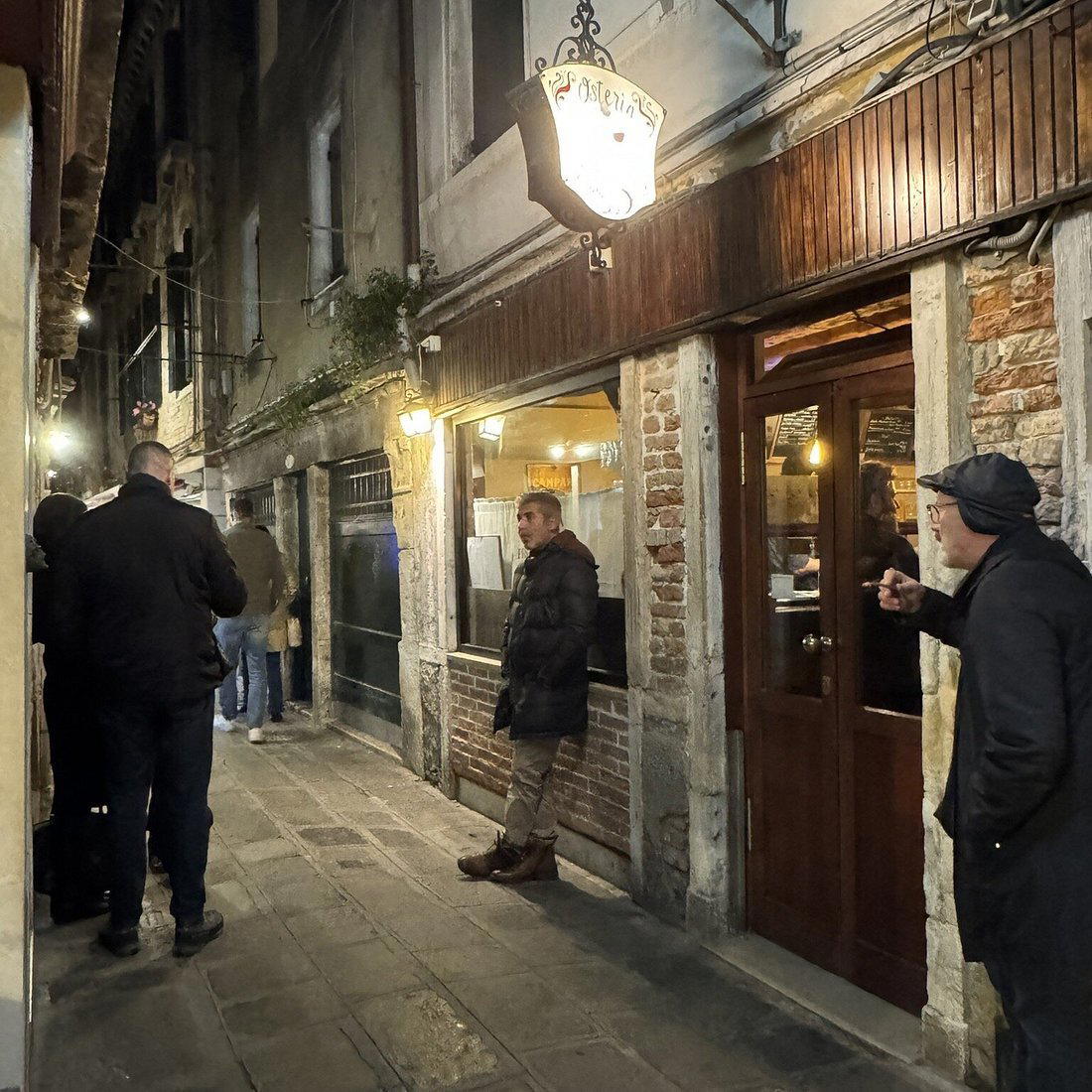
The Calle Before You Get There
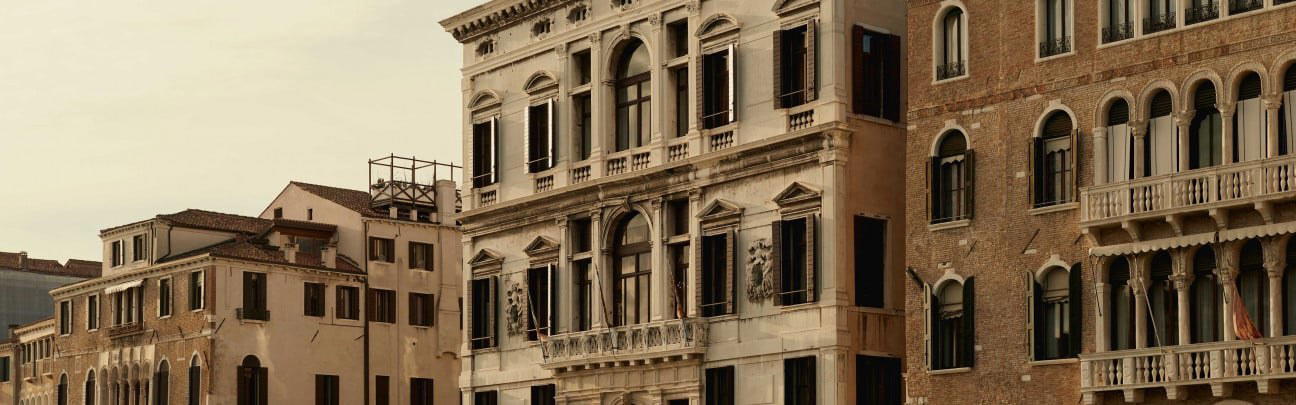
Approaching Calle dell'Oca from the Strada Nova, the sound shifts before the surroundings do. The foot traffic thins, the stone underfoot narrows, and the ambient noise of the vaporetto stops recedes into something closer to actual quiet. Venice's sestiere of Cannaregio holds a larger share of the city's lived-in character than its tourist-facing perimeter suggests, and the streets around this address reflect that. Laundry lines, local hardware shops, and unpretentious bar fronts read as evidence of a neighbourhood that has not entirely reorganised itself around visitor convenience. Osteria Ai Promessi Sposi sits inside that geography, at Calle dell'Oca 4367.
The Bacaro Tradition and Where This Fits
Venice's bacaro culture runs parallel to the city's fine-dining tier without much overlap. Where restaurants like Local and Glam Restaurant by Enrico Bartolini occupy the contemporary Italian bracket at €€€€, the traditional osteria and bacaro format operates on a different logic entirely: small bites, priced individually, consumed standing or at tight tables, matched with Veneto pours by the glass. The economic and social contract is older and more democratic. Cicheti, the Venetian term for the small plates that anchor this format, range from sliced meats and hard-boiled eggs with anchovy paste to baccalà mantecato spread thick on grilled polenta, or meatballs made from mixed offcuts. None of it arrives on a composition plate. The format rewards repetition over occasion.
Compared with the mid-tier Venetian restaurants sitting around the €€€ bracket, places like Osteria alle Testiere and Corte Sconta, both of which run conventional seated service with seafood-forward menus, a traditional osteria like Ai Promessi Sposi operates at a further remove from the restaurant category. The meal is assembled rather than ordered. That distinction matters when calibrating expectations: this is closer to a Venetian institution than a dining destination in the conventional sense.
What the Room Tells You
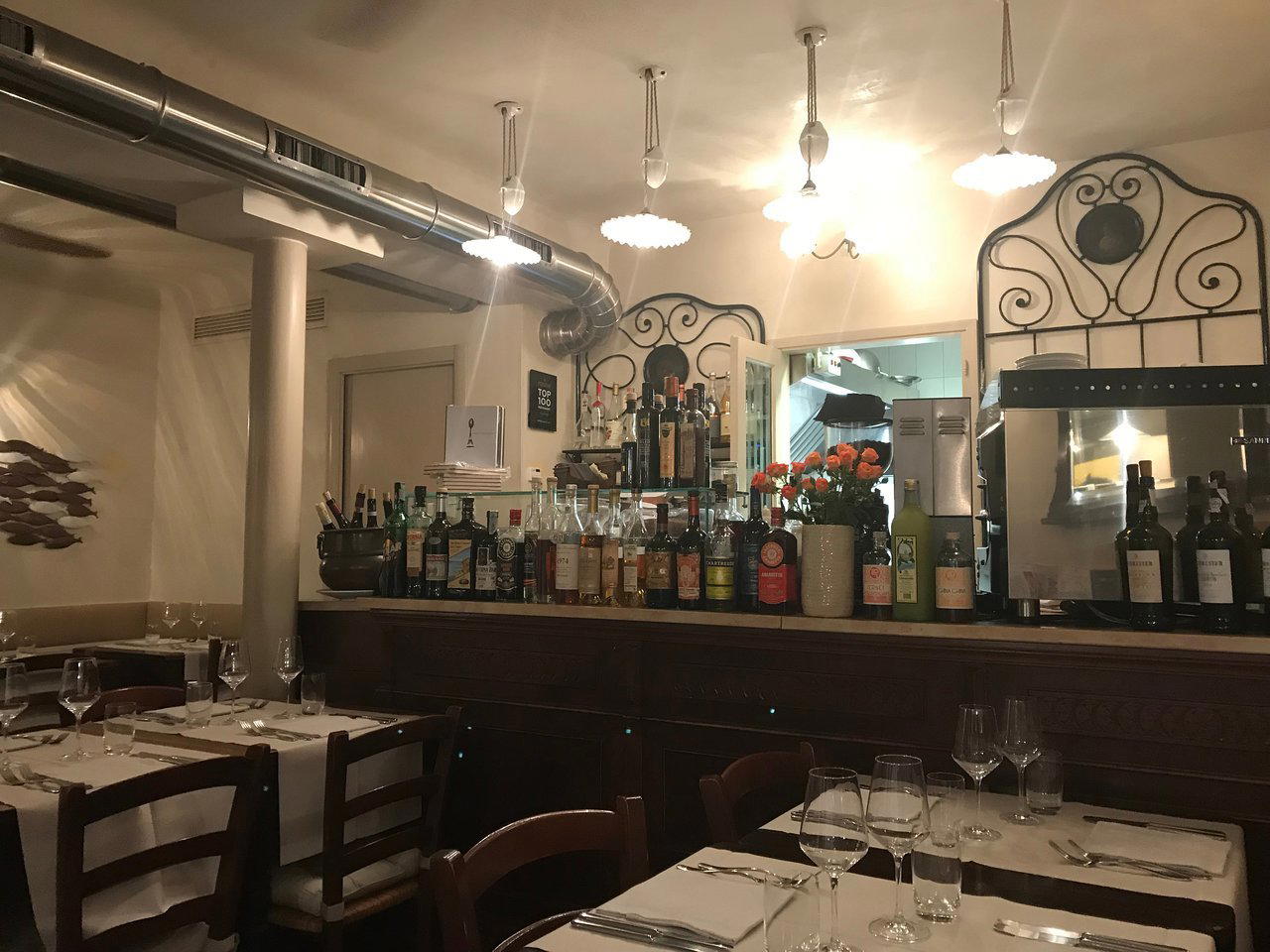
Inside, the format is legible within seconds. A bar counter with cicheti displayed under glass or arranged in shallow trays sits at the front of the space. Tables extend toward the back, modest and close together. The light is functional rather than designed. These are the physical signals of a room that was not built around a dining concept but around a use pattern that long predates the restaurant industry's vocabulary of experience design. Rooms like this exist across Venetian Cannaregio and Castello, but their numbers have contracted as rents and tourism pressure have pushed premises toward higher-margin formats. That contraction gives surviving examples a contextual weight they might not otherwise carry.
The sensory register of a room like this is particular: the smell of wine poured without ceremony, the sound of conversations conducted in dialect at the bar, the narrow gap between your table and the next. None of this is choreographed. It is simply the residue of a room that has been used the same way for a long time. For visitors whose Venice itinerary runs through hotel dining rooms and canal-view terraces, the contrast is disorienting in a useful way. Italy's broader osteria tradition, which produced institutions like Osteria Francescana in Modena, though at an entirely different tier and register, has roots in exactly this format: informal, local, practical.
The Cicheti Logic
The question most visitors arrive with is what to order, and the bacaro answer is: start at the counter and point. The selection shifts based on what is available and what has been prepared that morning, but the structural categories remain consistent. Bread-based cicheti carry a spread or topping; fried pieces, small fish, vegetables, cheese, offer a heavier, crunchier alternative; and the polenta-based options provide ballast. Wine is served by the glass or the small carafe, almost always from the Veneto, and the price per glass remains well below what the same wine would cost in a piazza bar two bridges away. The economics of the bacaro work leading if you treat it as a sequence of small decisions rather than a composed meal.
For those seeking the composed-meal format in Venice, the comparison set looks quite different: Oro Restaurant and Ristorante Quadri operate at the formal end, with tasting structures and service ratios to match. Wistèria sits in the contemporary middle ground. These formats serve a genuine purpose, particularly for a single-occasion dinner in a city visitors rarely return to more than twice. But the bacaro addresses a different need: the mid-afternoon stop, the early evening before a concert, the unpretentious lunch that does not require a reservation made three weeks in advance.
Getting There and Getting In
Cannaregio is accessible from the train station at Santa Lucia in under ten minutes on foot, which makes it one of the more logistically direct sestieri for visitors arriving by rail. From the Rialto area, the walk runs north along the Strada Nova and then into the narrower calli branching off it. There is no vaporetto stop that drops you within immediate proximity of Calle dell'Oca; foot navigation is the method. Venetian addresses follow their own system, the sestiere number rather than a street-level grid, so arriving at the correct calle before refining to the specific door is the reliable approach.
On timing: the restaurant is open Monday from 6:30 to 10:15 PM, Tuesday through Sunday from 11:30 AM to 2:15 PM and 6:30 to 10:15 PM. Arriving in the lunch window or after six means encountering the room at its most active. Arriving at the margins of service means a quieter version of the same experience, which some visitors prefer. Unlike restaurants that require advance reservations, the osteria format is generally walk-in, though reservations are recommended. That accessibility is itself a feature.
Where This Sits in a Broader Italy
Italy's restaurant conversation at the upper tier involves names like Piazza Duomo in Alba, Uliassi in Senigallia, Reale in Castel di Sangro, and Enoteca Pinchiorri in Florence, all of which operate inside a different cost and commitment structure. The Italian osteria tradition is not competing with those formats. What it does is preserve a pattern of eating that those formats grew out of and subsequently departed. That preservation has its own value, and Venice's surviving bacari and osterias are the clearest local expression of it.
Recognition Snapshot
Comparable venues nearby, for context on price, style, and recognition.
| Venue | Cuisine | Price | Notes |
|---|---|---|---|
| Osteria Ai Promessi SposiThis venue — the venue you are viewing | Authentic Venetian Seafood Osteria | $$ | Not listed |
| Venchi Cioccogelateria | Italian Chocolate Gelateria | $$ | San Marco |
| Cà D'oro alla Vedova | Traditional Venetian Osteria | $$ | Santa Croce |
| Alla Madonna | Traditional Venetian Seafood | $$ | San Polo |
| Trattoria alla Rampa | Traditional Venetian Trattoria | $$ | Castello |
| Pier Dickens | Italian Pizza & Pasta | $$ | Dorsoduro |
Continue exploring
More in Venice
Restaurants in Venice
Browse all →
Bars in Venice
Browse all →
Hotels in Venice
Browse all →
At a Glance
- Cozy
- Rustic
- Intimate
- Date Night
- Casual Hangout
- Standalone
- Extensive Wine List
- Local Sourcing
Current opening hours
- Monday
- 6:30–10:15 PM
- Tuesday
- 11:30 AM–2:15 PM, 6:30–10:15 PM
- Wednesday
- 11:30 AM–2:15 PM, 6:30–10:15 PM
- Thursday
- 11:30 AM–2:15 PM, 6:30–10:15 PM
- Friday
- 11:30 AM–2:15 PM, 6:30–10:15 PM
- Saturday
- 11:30 AM–2:15 PM, 6:30–10:15 PM
- Sunday
- 11:30 AM–2:15 PM, 6:30–10:15 PM
Hours can change for holidays and private events. Last verified .
Cozy atmosphere with rustic decor, warm lighting, and an intimate feel evoking a local treasure.