
Tanta Bocca puts Tokyo’s Italian-trattoria appetite in a Sendagaya frame: pasta, steak, wine, and a room built for groups as much as date-night precision. Its Tabelog Italian TOKYO “Tabelog 100” 2025 selection places it in a crowded but closely watched category, with lunch and dinner pricing that keep it below Tokyo’s formal tasting-menu tier.
Pearl is the En Primeur Club membership app — saves, bookings, and concierge access live there. Same editors, same standards.
- Address
- Japan, 〒151-0051 Tokyo, Shibuya, Sendagaya, 4 Chome−5−1 ニュー外苑ハイツ 105
- Phone
- +81 50-3187-6924
- Website
- selecao.co.jp
 Saves & bookings on Pearl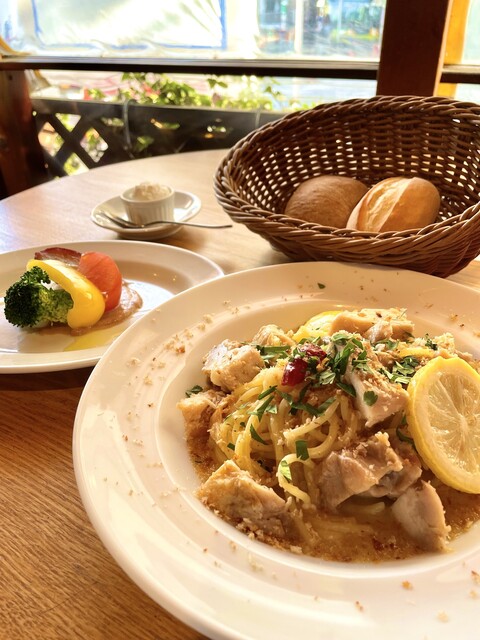
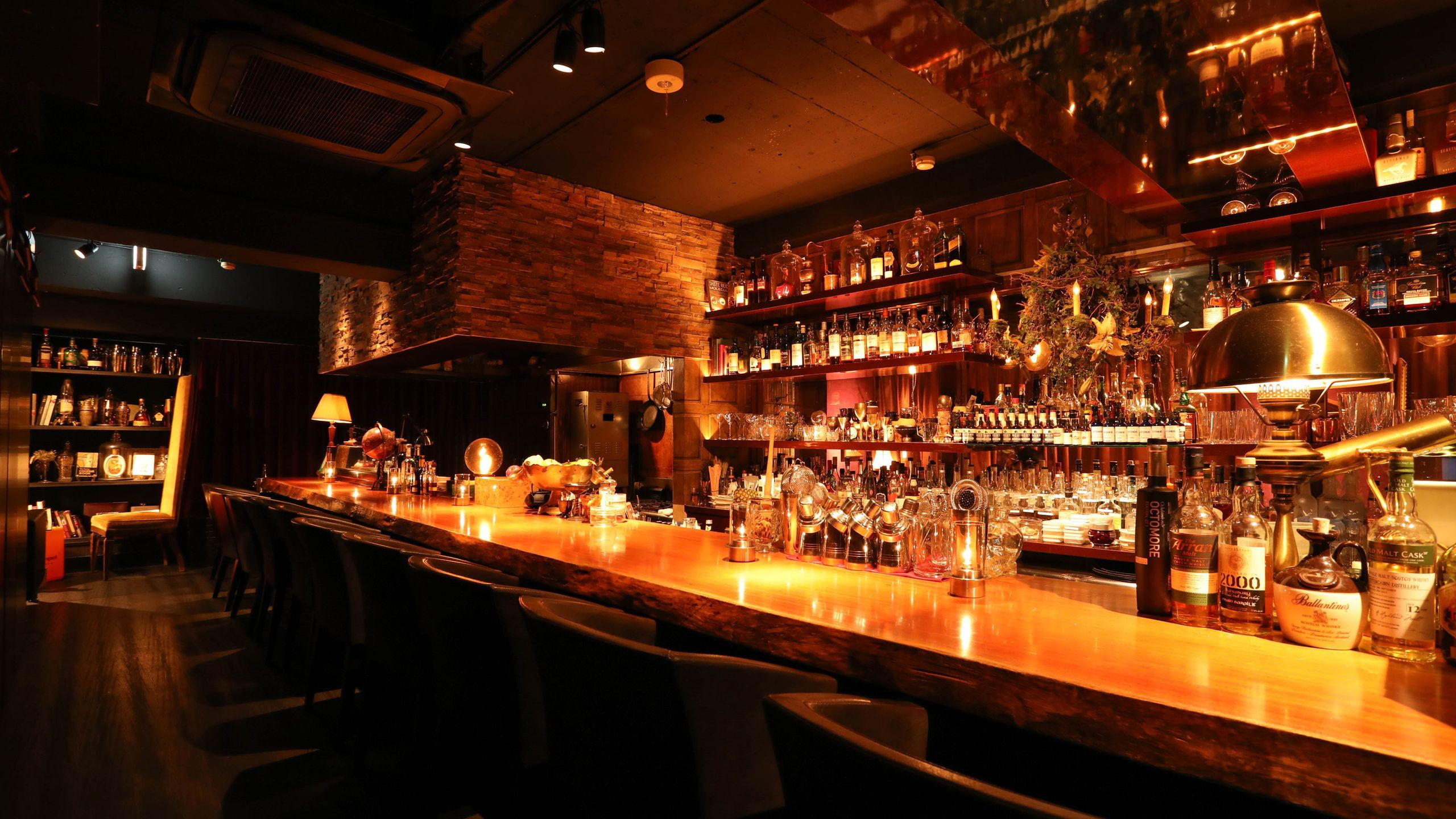
Sendagaya’s restaurant rhythm is quieter than Omotesando’s fashion traffic and less ceremonial than Ginza’s counter culture. Around Kita-Sando, dining sits between neighbourhood utility and destination intent: compact rooms, regulars, station-adjacent addresses, and menus that reward repeat visits over spectacle. That setting suits Tokyo Italian cooking. The city has long treated Italian food as adaptable, splitting it into pasta counters, wine-led trattorias, steak-focused rooms, and polished tasting menus. Tanta Bocca belongs to the trattoria side, with Italian, pasta, and steak as core categories and wine part of the experience, not an afterthought.
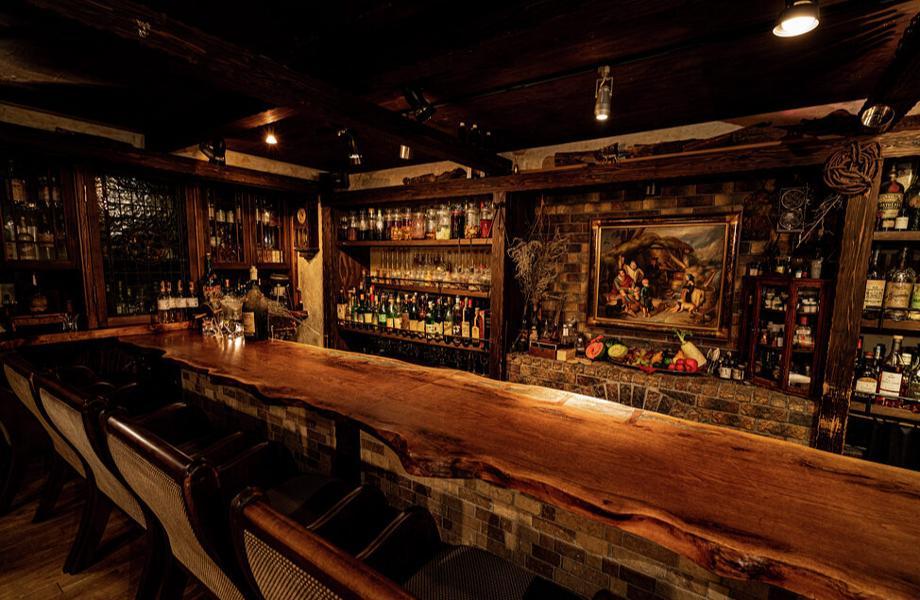
The environmental angle is not manifesto-led; it sits in the format. Tokyo’s better mid-priced Italian restaurants often avoid the waste profile of sprawling luxury menus through flexible à la carte structures, conversational wine pairing, and service rhythms that handle lunch and dinner without becoming a production line. A sommelier is listed, cocktails are available, allergy information is offered, and take-out is part of the service mix. In a dense city, sustainability is often operational before rhetorical: smaller footprints, adaptable ordering, and food programs not dependent on long tasting-menu choreography.
Tokyo Italian, Without the Formal Tasting-Menu Costume
Italian food in Tokyo occupies several price lanes. At one end are polished French-Italian rooms competing with restaurants such as 12/10 Shinjuku ten in the broader occasion-dining market; at another are casual pasta specialists, café formats, and neighbourhood counters. Tanta Bocca sits in the middle: dinner is listed at JPY 8,000 to JPY 9,999, lunch at JPY 1,000 to JPY 1,999, with review-based averages running higher. That gap between weekday lunch access and fuller dinner spend is typical of Tokyo restaurants serving office-area regulars by day and wine-led meals by night.
The Tabelog Italian TOKYO “Tabelog 100” 2025 selection is the key trust signal in a city where Italian restaurants compete across radically different formats. The same category can include handmade pasta rooms, meat-heavy trattorias, seafood-led regional cooking, and polished modern dining. Selection does not make the room a luxury temple; it places it in the city’s serious Italian conversation. Tabelog also lists selections in 2023 and 2021, giving the recognition a pattern rather than a single-year spike.
Compared with provided Tokyo peers, the positioning is useful. 124. KAGURAZAKA (Yakitori) belongs to a different Japanese counter tradition, while élan vital is framed around sushi and Sincère around French cooking. Shaoxiong Hanten, with listed spend from JPY 100,000, occupies a separate price universe. Tanta Bocca reads as a restaurant for diners who want curation and recognition without Tokyo’s highest-cost reservation culture.
A Sendagaya Room Built for Wine, Meat, Pasta, and Actual Company
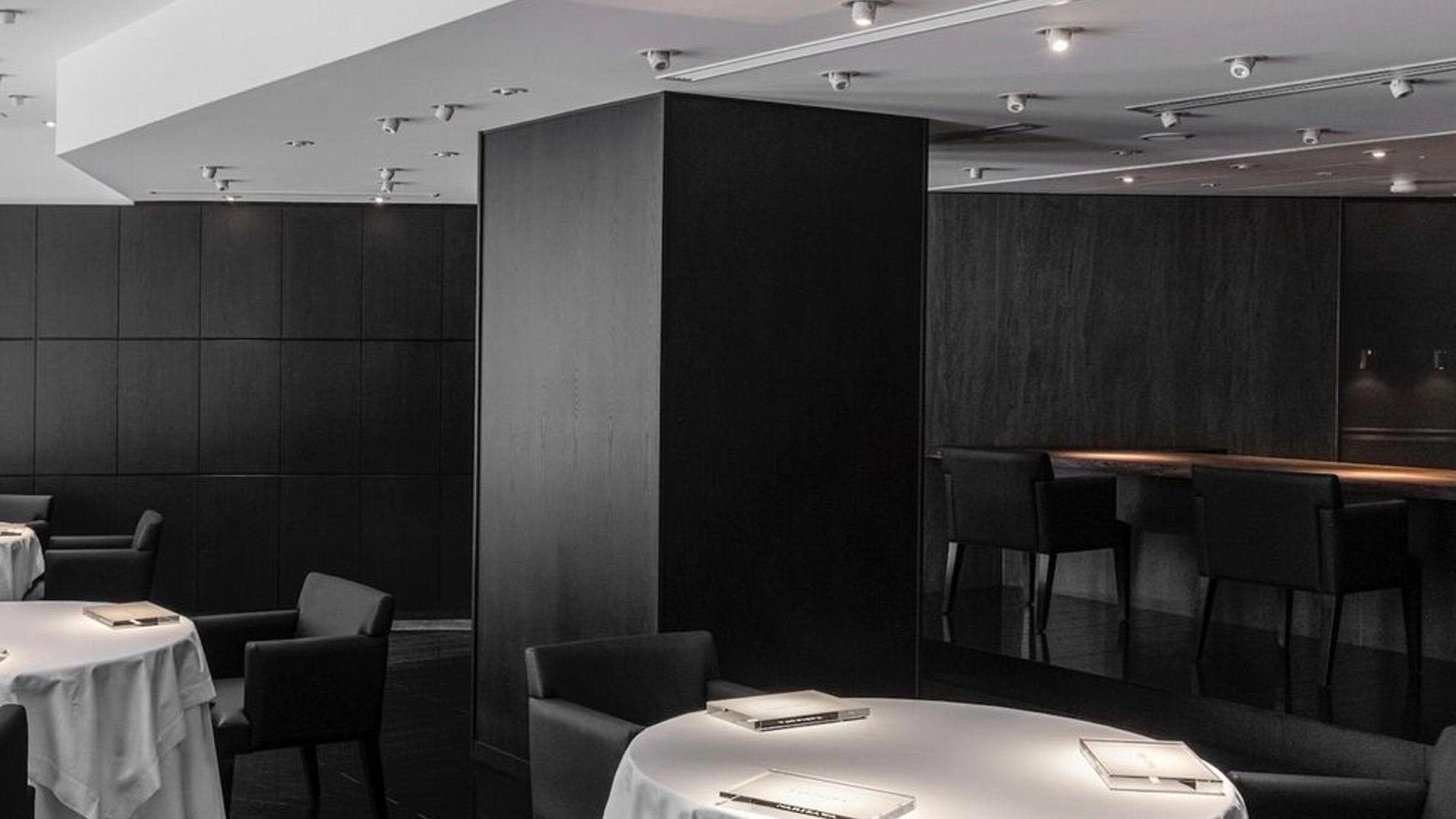
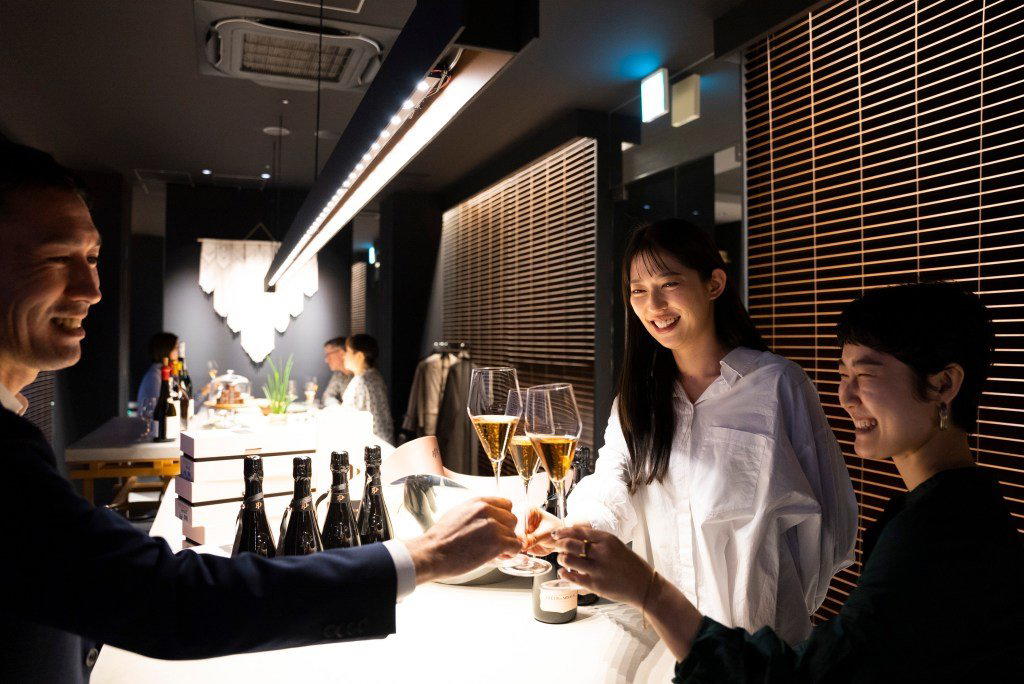
The room’s scale changes the social expectation. Forty-six seats, no private rooms, and private use for parties over 50 point to a trattoria rather than a hushed chef’s counter. Maximum party size is 38 seated and 60 standing, closer to celebratory urban dining than the intimate micro-restaurant model that dominates much Tokyo international food coverage. Not every strong Tokyo meal needs to be eight seats, prepaid, and silent.
That practicality connects to sustainability. A restaurant that accommodates families, strollers, celebrations, take-out, and wine service uses hospitality infrastructure across multiple occasions instead of one premium format. Children are welcome, including babies, preschoolers, and school-age children; stroller entry is accepted, and two baby chairs are listed. In space-pressed Tokyo, those details make the restaurant more usable without pushing it into casual-chain territory.
The food categories, Italian, pasta, and steak, place the kitchen in a familiar Tokyo trattoria lineage: carb, protein, wine, conversation. The steak signal matters because Tokyo Italian often uses meat as the dinner anchor, especially when the wine list is meant to carry the table beyond a quick pasta meal. The sommelier reinforces that reading. Cocktail availability helps mixed groups, but wine remains the stronger cue.
Readers building a Tokyo itinerary should treat the area as a counterpoint to louder dining districts. Pair it with broader restaurant research in Our full Tokyo restaurants guide, then decide whether the evening calls for Italian structure, Japanese grill culture such as . 鮪と炭火焼き うお炭 秋葉原店, curry at 3 Chome no Curry Ya San, or something more graphic and café-led like 2D Cafe. For the wider trip, the same planning logic extends beyond dining through Our full Tokyo hotels guide, Our full Tokyo bars guide, Our full Tokyo wineries guide, and Our full Tokyo experiences guide.
Know Before You Go
- Category: Italian, pasta, steak.
- Recognition: Selected for Tabelog Italian TOKYO “Tabelog 100” 2025, with listed selections also in 2023 and 2021.
- Budget signal: Lunch is listed at JPY 1,000 to JPY 1,999; dinner at JPY 8,000 to JPY 9,999. Dinner carries a listed cover fee of JPY 660.
- Format: 46 seats, no private rooms, non-smoking, reservations available.
- Access: The restaurant is listed near Kita-Sando Station, with Yoyogi, Sendagaya, and Harajuku also within walking reach.
- Payment: Credit cards, transport IC cards, iD, and selected QR payments are listed.
- Family use: Children and strollers are accepted; two baby chairs are listed.
- Parking: No dedicated parking is listed; nearby coin parking is noted.
For travellers extending a Japan food itinerary beyond Tokyo, the comparison shifts by city and format: -Grilled beef Sukiyaki- KAMAKURA TANUKIAN 鎌倉 たぬき庵 in Kamakura points toward beef sukiyaki tradition.cafe in Osaka toward café culture.know in Kumamoto toward regional dining, (Shoku) Vietnam in Kawasaki toward Vietnamese cooking in greater Tokyo, [Curry Senmon Ten] Maruyama Kyoju. in Sapporo toward curry specialization, and [ki:] in Kyoto toward Kyoto’s more restrained dining cadence. Across the Pacific, Jōdo Saké Bar in Los Angeles and Onigiri Time in Pasadena show how Japanese formats translate abroad. Against that field, this Sendagaya address is a Tokyo Italian choice for groups, wine, and a grounded dinner rather than ceremony for its own sake.
Cuisine-First Comparison
Comparable venues at a glance for context.
| Venue | Cuisine | Price | Notes |
|---|---|---|---|
| Tanta BoccaThis venue — the venue you are viewing | Italian Trattoria | $$ | Not listed |
| Pizzeria Vento e Mare | Neapolitan Pizza / Italian | $$ | Shinagawa |
| da GIORGIO | Authentic Neapolitan Pizzeria & Italian | $$ | Bunkyō |
| Trattoria dai Paesani | Authentic Abruzzese Trattoria | $$ | Shinjuku |
| L'INSIEME | Neapolitan Pizzeria & Italian Grill | $$ | Kōtō |
| Ristorante Da Nino | Sicilian Italian | $$$ | Minami-Aoyama / Nogizaka |
Recognition history
Dated appearances from independent guides and award organizations, with the underlying list record or original source where available.
Tabelog 100 #71 · No. 71
Tabelog · Tabelog 100 - Italian - TOKYO - 2025








At a Glance
- Cozy
- Modern
- Intimate
- Sophisticated
- Date Night
- Group Dining
- Casual Hangout
- Special Occasion
- Standalone
- Open Kitchen
- Beer Program
Current opening hours
- Monday
- Closed
- Tuesday
- 11:30 AM–2 PM, 5–10:30 PM
- Wednesday
- 11:30 AM–2 PM, 5–10:30 PM
- Thursday
- 11:30 AM–2 PM, 5–10:30 PM
- Friday
- 11:30 AM–2 PM, 5–10:30 PM
- Saturday
- 11 AM–2 PM, 5–10:30 PM
- Sunday
- 11 AM–2 PM, 5–10 PM
Hours can change for holidays and private events. Last verified .
A busy, fashionable Tokyo neighborhood trattoria with a focused, meat-centric, convivial atmosphere.